Air travel has been a significant source of frustration for those looking to get away after years of restrictions kept them at home. Delays, cancellations, and lost luggage have plagued travelers this summer and will likely continue into the fall.
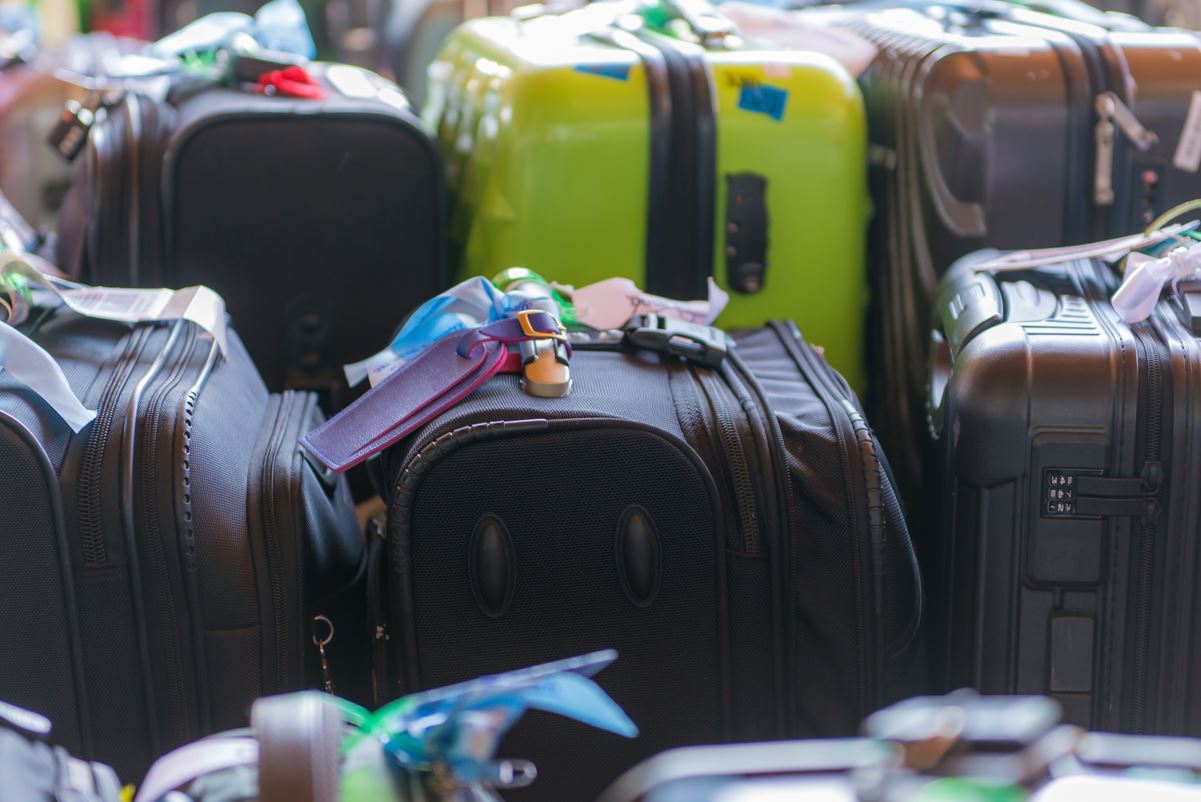
Knowing which airline to fly with, which airports to fly from, and tips for navigating the chaos may help travelers get through unscathed. But what about their bags? Recent data from The Department of Transportation (DOT) shed light on which U.S. airlines were the worst for mishandling luggage amid this year’s travel chaos.
Major airlines considered were; American Airlines Network, Alaska Airlines Network, Allegiant Air, Delta Airlines Network, Frontier Airlines, Hawaiian Airlines, Jetblue Airways, Southwest Airlines, Spirit Airlines, and United Airlines Network. “Networks” include the operator’s self-branded planes and its branded codeshare partners. (For example, Envoy Air, or American Eagle, is a branded codeshare partner of American Airlines.)
2019 Vs. 2022: Surprising Results
To get an idea of how bad 2022 has been, we’ll compare it to the last pre-pandemic year’s data, 2019. This year saw a massive increase in travel demand as the world reopened its borders after years of restrictions. Unfortunately, the aviation industry as a whole is wildly understaffed compared to before the pandemic. This led to the chaos we all witnessed this summer.
Surprisingly, several airlines performed better this year than they did in the pre-pandemic year of 2019. Allegiant, Hawaiian, Frontier, and United all performed better this June than they did during the same period in 2019. This is based on mishandled bags per 1,000 bags enplaned. American, JetBlue, Delta, Spirit, and Southwest performed worse this June than in June 2019.
Top 6 Worst Performers For June 2022
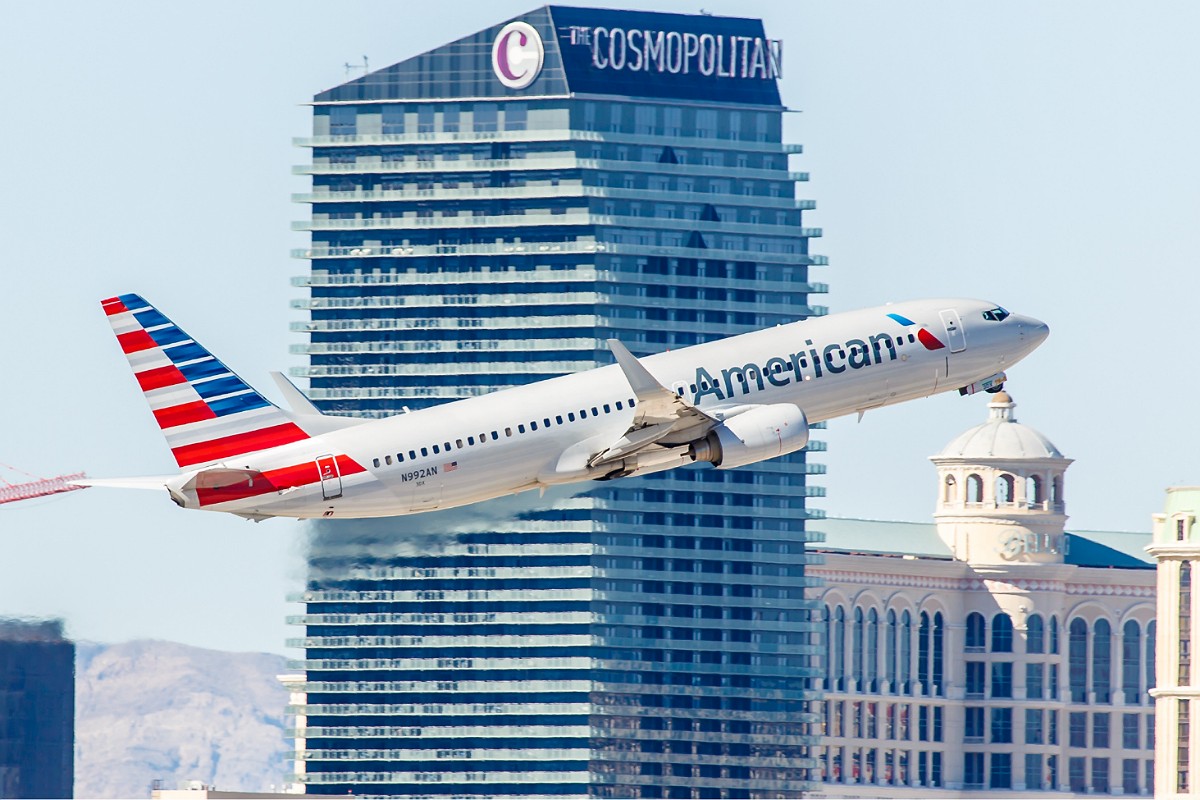
American Airlines – 11.3 Bags Per 1,000 Mishandled & 108,095 Total Bags Mishandled
JetBlue Airways – 7.5 Bags Per 1,000 Mishandled & 9,672 Total Bags Mishandled
United Airlines – 6.9 Bags Per 1,000 Mishandled & 42,689 Total Bags Mishandled
Delta Airlines – 5.6 Bags Per 1,000 Mishandled & 47,502 Total Bags Mishandled
Spirit Airlines – 5.6 Bags Per 1,000 Mishandled & 6,737 Total Bags Mishandled
Southwest Airlines – 5.5 Bags Per 1,000 Mishandled & 62,337 Total Bags Mishandled
Another surprising result of this comparison is how close the rates were between June 2019 and 2022. Of the airlines that performed worse in 2022, several were very close to their 2019 metrics. With the headlines practically screaming about lost luggage this summer, it’s surprising that the rates were nearly the same for many major airlines. At first glance, this doesn’t seem to add up. However, when you dig into the totals for mishandled bags, it becomes more apparent.
Mishandled Luggage Totals – Why Was This Year Worse?
In total, June 2022 was only about 3.9% worse than June 2019 regarding mishandled luggage. So what was all the fuss about this summer? Less than 4% may not sound like much, but that equates to an additional 10,655 mishandled bags for June 2022. Again, 10,655 may not sound like a large number compared to 283,713 pieces of mishandled luggage. However, the additional thousands of people affected this year by the increase probably feel differently.
Another factor to consider when comparing June 2022 to 2019 is the definition of mishandled luggage per the Department of Transportation; “The number of mishandled bags displayed in these tables represents the number of check bags that are lost, damaged, delayed, and pilfered, as reported by or on behalf of the passenger, that were in the airline’s custody for its reportable domestic nonstop scheduled passenger flights.”
Considering this, we can see a few reasons for this year’s significant increase in chaos and negative sentiment due to a relatively small increase in mishandled luggage. While the total number of mishandled bags may not be overwhelmingly large, this metric doesn’t consider how long travelers are waiting for their luggage to turn up. Piles of lost luggage, luggage turning up in dumpsters, and luggage ending up in cities that the owners have never been to have all been reported occurrences this summer.
The aftermath of lost luggage is much worse this year than in 2019. Thus, creating a massive difference in the perception of the problem. Even though the actual numbers have not increased exponentially, the issues travelers face due to lost luggage are worse than in 2019. If there was ever a year to avoid checking a bag, it’s this one. If travelers must check a bag, they should minimize the chances it will make it onto the DOT’s next report. As the summer season comes to an end, we can all hope that the aviation industry will improve the travel experience as it continues to recover from the pandemic.
This article originally appeared on Travel Off Path. For the latest breaking news that will affect your next trip, please visit: Traveloffpath.com
Enter your email address to subscribe to Travel Off Path’s latest breaking travel news, straight to your inbox
Disclaimer: Current travel rules and restrictions can change without notice. The decision to travel is ultimately your responsibility. Contact your consulate and/or local authorities to confirm your nationality’s entry and/or any changes to travel requirements before traveling. Travel Off Path does not endorse traveling against government advisories
Air travel in the United States has been rough this summer. Overwhelming travel demand has strained a short-staffed aviation industry, leading to delays, cancellations, and lost luggage. Travelers have been eager to regain their freedom after years of pandemic-era regulations have decimated the travel industry. Unfortunately, airlines and airports were not prepared, and flights have suffered. The big question on everyone’s minds this summer has been, “will my travel plans be disrupted?“
This question is still noteworthy as we transition into the fall. To help answer it, we have determined the U.S. airlines with the most delays and cancellations this month. Using data from FlightAware, we ranked airlines’ performance from August 1st through August 19th. For this article, only mainline passenger airlines with a market cap of $1 Billion or greater were considered. These include; Southwest, American, Delta, United, JetBlue, Spirit, Alaska, Frontier, and Allegiant.
Overall Flights Stats
To understand where each airline’s performance lies, it’s important to look at the averages across all nine airlines.
Total Scheduled Flights: 307,745
Total Cancelled Flights: 6,150
Percentage of Flights Cancelled: 2%
Total Delayed Flights: 78,912
Percentage of Flights Delayed: 26.2%
Average Delay Time: 51 minutes
Top 5 U.S. Airlines With The Most Delays This Month
JetBlue Airways – 34.9% of Flights Delayed (6,540 Total), 62 Minute Average Delay
Southwest Airlines – 34.9% of Flights Delayed (26,788 Total), 42 Minute Average Delay
Allegiant Air – 32.9% of Flights Delayed (2,252 Total), 51 Minute Average Delay
Frontier Airlines – 28% of Flights Delayed (2,611 Total), 59 Minute Average Delay
American Airlines – 24.9% of Flights Delayed (14,900 Total), 54 Minute Average Delay
JetBlue and Southwest had the same percentage of delays. Still, JetBlue’s average delay time was worse than Southwest’s, leading to its ranking as number one. If you are the passenger stuck with a delay, that extra 20 minutes will matter much more to you than the airline’s total delays.
Have Delays Improved?
Compared to July, delays have improved for most of the airlines listed. In July, the top 5 airlines were the same culprits as above, in a slightly different order. The only airlines that did not improve over July’s percentages were Southwest and Frontier. Southwest got worse by 2.9%, but Frontier’s percentage remained consistent at 28%.
While the improvement may give hope that we are moving beyond the travel chaos of summer, the more likely reason is that there have simply been fewer flights than there were in July. In July, there were 479,362 total flights across the nine carriers explored; 55.7% more than we have seen so far in August. However, we still have over a week left in August, so time will tell if the improvements hold.
As travel demand eases, the pressure on the short-staffed aviation industry will lessen. With fewer chances for error, airlines are likely to handle their operations better. Travelers should keep in mind, however, that the system is still struggling. Improvements should be taken with a grain of salt, and travelers should still take precautions going into the fall. Showing up to the airport extra early, avoiding a checked bag if possible, and knowing their passenger rights are all essential steps to ensure a smooth journey.
Top 5 U.S. Airlines With The Most Cancellations This Month
American Airlines – 3.5% of Flights Cancelled (2,157 Total)
Southwest Airlines – 2.5% of Flights Cancelled (1,978 Total)
United Airlines – 2.0% of Flights Cancelled (909 Total)
JetBlue Airways – 1.8% of Flights Cancelled (342 Total)
Allegiant Air – 0.9% of Flights Cancelled (65 Total)
American, Southwest, and JetBlue have worsened compared to July by about 1%, 1.1%, and .4%, respectively. United and Allegiant have both improved by .4% each.
Surprising Top Performers For Flights
The best-performing airlines for cancellations and delays may surprise you. Out of the nine carriers, Spirit Airlines was the best performing airline for delays, with an 18.1% flight delay rate (2,609 total). Their average delay time was 53 minutes, which is only two minutes more than the average of all the airlines combined. Alaska Airlines was the best-performing airline regarding cancellations, with a .4% flight cancellation rate (63 total).
The aviation industry has been hectic this year. It will likely continue running into operational issues in the coming months, as the core problem of short-staffing remains. As demand eases into the shoulder season, the chaos may temporarily subside. However, until airlines and the aviation industry overall can recover their staffing, travelers should expect disruptions.
This article originally appeared on Travel Off Path. For the latest breaking news that will affect your next trip, please visit: Traveloffpath.com
Enter your email address to subscribe to Travel Off Path’s latest breaking travel news, straight to your inbox
Disclaimer: Current travel rules and restrictions can change without notice. The decision to travel is ultimately your responsibility. Contact your consulate and/or local authorities to confirm your nationality’s entry and/or any changes to travel requirements before traveling. Travel Off Path does not endorse traveling against government advisories
A collection of airlines operating with the United States are set to cut more than 30,000 flights between them this November, adding further misery to travelers amidst the current chaotic travel climate. Despite the appetite for travel being back strong than ever, airlines have struggled with the incessant demand for flights, making this announcement of cut flights the latest of a long saga of flight cancellations that has blighted travel throughout the year.
Whilst there are five major U.S. airlines that have contributed to the significant reduction of flights set to depart in November, one airline is responsible for the vast majority of the 30,000 plus flight reductions – American Airlines. Here’s everything you need to know about the latest significant cull of flight operations across the United States, including which airlines are the worst offenders and which routes are set to suffer as a result.
November Flight Schedule Slashed – Information For Travelers
It’s fair to say that travel in 2022 hasn’t gone exactly to plan for many travelers. Whilst many anticipated that a year with significant Covid-19 policy reductions across the world would lead to unprecedented travel numbers, the potential of the year failed to be realized due to spiraling travel costs, chaos at airports across the world, and airlines canceling flights by the bucketload across the United States. Unfortunately, the situation is unlikely to significantly improve by the end of the year, with around 34,000 flights set to be slashed this November.
A total of 20 airlines in the U.S. have worked to trim their November schedules, but none have been quite as aggressive in their approach as American Airlines. According to data available on the aviation analytics website Cirium, the world’s largest airline has significantly slimmed down its November operations by almost 29,000, with American now only expecting to offer 155,770 flights that month compared to the 195,659 November flights the airline had originally penciled in last April.
Several of American Airlines’ November flights have been affected in various ways, including a reduction of flight frequencies, pushing back the planned restart date and outright cancellation of the routes completely. The announcement means that routes such as Chicago O’Hare to San Jose (California), Phoenix to Cleveland, and O’Hare to Evansville will have almost no service throughout the month of November, whilst the Dallas-McAllen route will have 130 flights this November, compared to 236 last November.
Details about other affected American flights are as follows:
Boston to Providenciales will now restart on December 17th
Charlotte to Puerto Vallarta will now restart on December 3rd
Miami to Des Moines will now restart on December 3rd, and will move to Saturday-only rather than once per day
Miami to Grand Rapids will now restart on December 3rd, and will move to Saturday-only rather than once per day
Miami to Madison will now restart on December 3rd
Miami to Managua will return on January 13th
Miami to Milwaukee has been permanently cut
Miami to Minneapolis will now restart on December 15th
Miami to Oklahoma City will now restart on on April 4th
Miami to Samana will now restart on December 17th
St Louis to Cancun will now restart on December 17th
However, American wasn’t the only airline that has made changes to its winter services. The airline making the second largest amount of cuts to their November schedule is Delta, cutting 4,396 of their offerings that month. United have also slashed its November flights by 497, WestJet has reduced its load that month by 410 whilst Frontier has trimmed its November flight schedule by just 90 flights.
With airline chiefs expecting the travel misery to continue long into the winter months and beyond, travelers would be wise to expect further cuts to come their way over the next few months – but thankfully travelers will be able to receive a refund if they are affected by cancelations.
Enter your email address to subscribe to Travel Off Path’s latest breaking travel news, straight to your inbox
Disclaimer: Current travel rules and restrictions can change without notice. The decision to travel is ultimately your responsibility. Contact your consulate and/or local authorities to confirm your nationality’s entry and/or any changes to travel requirements before traveling. Travel Off Path does not endorse traveling against government advisories
Air travel in the United States and the rest of the world has had a rough summer, with some airports even capping the number of flights allowed per day. Demand has skyrocketed after years of being unable to travel due to the pandemic. Now that the world is easing restrictions and opening back up, travelers are desperate for a taste of freedom again. Unfortunately, the aviation industry has struggled to meet the overwhelming demand due to staffing shortages. As a result, delays, cancellations, and lost luggage have plagued travelers all summer. Using data from aviation analytics company OAG, we have determined the U.S. airlines with the most delays and cancellations for July.
According to OAG, gate arrival times within 15 minutes of their originally scheduled arrivals are considered on time. Similarly, as long as a plane departs within a 15-minute window of its originally scheduled departure time, it would be regarded as an on-time departure. Keeping this in mind, the following U.S. airlines had the most delays for July.
Top 5 U.S. Airlines With The Most Delays In July
Allegiant Air – 39% of Flights Delayed (4,811 Total Flights Delayed)
JetBlue Airways – 35% of Flights Delayed (10,142 Total Flights Delayed)
Southwest Airlines – 32% of Flights Delayed (39,187 Total Flights Delayed)
Frontier Airlines – 28% of Flights Delayed (4,048 Total Flights Delayed)
American Airlines – 27% of Flights Delayed (47,170 Total Flights Delayed)
Have Delays Gotten Any Better?
Yes and no. The airlines above ranked against each other in about the same order in June. However, each airline’s percentage of flights that were delayed has started to decline, with the exception of Southwest. Although it did improve, Allegiant Air has claimed the title for most delays from a U.S. airline for two months in a row. In June, Allegiant Air had 41% of their flights delayed. Jetblue was also the 2nd worst for delays in June, with 39% of their flights delayed. Frontier and Southwest were nearly tied at 30.7% and 30.4%, respectively. Finally, American had 29.2% of their flights delayed in June.
Most Improved From June to July for Delays
JetBlue Airways – 4% Improvement
Frontier Airlines – 2.7% Improvement
American Airlines – 2.2% Improvement
Allegiant Air – 2% Improvement
Southwest Airlines – 1.6% Worse
Top 5 U.S. Airlines With The Most Cancellations In July
Delays aren’t ideal when trying to get away on a much-needed holiday, but cancelations can completely ruin a trip. The U.S. airlines with the most cancellations for July don’t follow the same trend as delays, with Southwest and Frontier not even making the top 5.
American Airlines – 2.4% of Flights Canceled (4,240 Total Flights Canceled)
United Airlines – 2.4% of Flights Canceled (3,075 Total Flights Canceled)
Allegiant Air – 1.9% of Flights Canceled (237 Total Flights Canceled)
Delta Airlines – 1.7% of Flights Canceled (2,376 Total Flights Canceled)
JetBlue Airways – 1.6% of Flights Canceled (469 Total Flights Canceled)
Have Cancelations Gotten Any Better?
Cancelations have improved between July and August, with each airline making improvements throughout the month of July. American was the worst airline for cancelations for both months, with 4.3% of its flights canceled in June. Allegiant trailed close behind at 4%, followed by Delta at 3.7%, United at 3.3%, and JetBlue at 2.9%. As demand for travel continues to ease as fall looms, the downward trend in cancelations is likely to continue.
Most Improved From June to July for Cancelations
Allegiant Air – 2.1% Improvement
Delta Airlines – 2% Improvement
American Airlines – 1.9% Improvement
JetBlue Airways – 1.3% Improvement
United Airlines – .9% Improvement
As travelers continue to navigate the chaos seen this summer, it is important to know their passenger rights, tips for making it through the chaos, and how to minimize their chances of losing luggage. From the data above, things seem to be improving slightly. However, travelers should still take precautions as airlines struggle to keep up.
Enter your email address to subscribe to Travel Off Path’s latest breaking travel news, straight to your inbox
Disclaimer: Current travel rules and restrictions can change without notice. The decision to travel is ultimately your responsibility. Contact your consulate and/or local authorities to confirm your nationality’s entry and/or any changes to travel requirements before traveling. Travel Off Path does not endorse traveling against government advisories
Not even the latest woes affecting the aviation sector can stop United Airlines from fulfilling its ambitious post-Covid goals. In response to the current travel surge, the carrier is adding flights to 3 more European capitals, providing Americans with easier links to some of the world’s top city breaks.
After Europe’s busiest airports, including London Heathrow and Amsterdam Schiphol, curbed the number of daily departures in order reduce air traffic congestion, it seemed unlikely United would be able to increase flight frequency and unleash its true potential. England and Holland may be off the table, for now, but most of Europe isn’t.
Here is everything you need to know about United’s latest move:
Travel Chaos Won’t Stop United From Expanding Further
United is having a busy 2022. Having launched 5 brand new flight routes in late April, and experiencing a strong rebound, curtailed only by the industry’s own staffing issues, they continue expanding into markets where demand is higher. That includes freedom-loving Europe, a vast continent of 44 countries where only a handful still have restrictions in place.
Interestingly, United is launching service exclusively to three European countries that removed all of their health-related travel rules. Starting May 2023, New Jersey/Newark-based travelers will be able to fly nonstop to Prague, Czech Republic, and Stockholm, Sweden. Additionally, Washingtonians are benefiting from a new air bridge to Berlin, Germany.
These three flights were meant to launch as early as this year, but due to the industry-wide setbacks, they were pushed back until 2023. Once they finally open simultaneously on May 25, frequency will be daily, making Newark-Prague, Newark-Stockholm, and Washington-Berlin some of United’s busiest routes.
Details are as follows:
Newark to Prague
Outbound departs Newark daily at 18:05, arriving to Prague the next morning at 08:25 (8h20)
Returning flights leave Prague every day at 10:10, landing in Newark 13:25 local time, same calendar date (9h15)
Why these specific destinations, one might wonder? To begin with, The Czech Republic is a strategic market for United. The carrier had inaugurated a seasonal service between Newark and Prague all the way back in June 2019, though its follow-up year obviously did not go ahead as planned due to the pandemic.
With capacity at 84% for the first season, the Newark-Prague link proved extremely successful for United, especially in August of that year, when 88% of seats were sold. As reported by Simple Flying, the booking data at the time suggested six in ten Prague-bound passengers traveling from the U.S. departed from Newark.
It should come as no surprise, then, that the service is being reinstated in time for summer 2023. Similarly, Stockholm is a seasonal route currently on hold due to Covid. In 2019, capacity was estimated at 86% with 36,472 tickets sold. As for the uncharted territory that is the Dulles-Berlin route, there are high expectations.
Berlin may be Germany’s capital, but it is home to its third busiest airport only. Usually, Americans arriving in Germany land in Frankfurt, the nation’s centrally-located financial center. Despite the obvious lack of a nonstop service, in 2019, Washington arrivals had become Berlin’s sixth-largest customers, proving there is a whole market to be explored.
It Will Be A Tough Pick Between These 3 Capitals
Prague is one of Europe’s prettiest capital cities. Its cityscape, dominated by the impressive medieval Prague Castle and the picturesque Charles Bridge, has been the subject of many artists and a filming location for countless films, the latest being Netflix’s The Gray Man. Once in Czechia, visitors are also free to explore lesser-known destinations in the country.
Those include Cesky Krumlov, a quaint town built alongside the scenic Vltava River where one of Europe’s most famous castles can be found, dating back to the 13th century, and the Gothic open-air museum that is Brno, the second largest city. Even better: as a Central European nation, the Czech Republic has direct links to numerous other destinations.
Train travel is much trendier now that airports are in turmoil, and Prague has multiple rail lines connecting it to cities in Germany, including Berlin and Dresden, Bratislava in Slovakia, Budapest in Hungary and many more. As for Berlin, it is a capital reborn after the last World War and the fall of the wall that kept it divided for nearly 30 years.
Famous for its modernist, post-War architecture that contrasts vividly against its medieval heritage, it features some of Germany’s most iconic landmarks. Here, visitors can learn of the country’s dark past visiting the Memorial to the Murdered Jews of Europe, see remnants of the Berlin Wall, and marvel at the neoclassical wonder that is the Brandenburg Gate.
Last but not least, Stockholm is a treasure waiting to be rediscovered as well: a world-class city that is at the heart of Scandinavia, it has been a sought-after destination for centuries due to its ochre-colored Old Town and small interconnected islets. Fortunately, Sweden is open for tourism with no travel restrictions – much like Czechia and Germany.
Enter your email address to subscribe to Travel Off Path’s latest breaking travel news, straight to your inbox
Disclaimer: Current travel rules and restrictions can change without notice. The decision to travel is ultimately your responsibility. Contact your consulate and/or local authorities to confirm your nationality’s entry and/or any changes to travel requirements before traveling. Travel Off Path does not endorse traveling against government advisories
Canadian airlines such as Air Canada and WestJet have been accused of making up excuses in order to avoid paying compensation to travelers. As anyone who has traveled over the past few months will admit, the travel industry is a mess right now. From spiraling flight costs to flights that are delayed or canceled completely – not to mention luggage going missing in great numbers – flying right now is a not an easy endeavour.
Yet whilst travelers can usually consider themselves protected against the worst, travelers in Canada have accused airlines of offering wishy-washy excuses to get out of paying compensation. Through a series of actions such as changing their stories and reasons for their delays and cancellations and not offering details, passengers have grown weary of airlines in Canada trying to get out of paying compensation – and they demand better. Here’s a closer look at this story, plus a recap of passenger rights and how they should benefit from flights that have been affected.
Airlines Making Excuses – What Travelers Should Know
Whilst passengers are seemingly well protected in the event of delays in theory, in practice the reality is quite different, as a growing number of Canadian travelers are beginning to find out this year. More and more travelers have criticized the response to their valid claims for compensation by large airlines such as Air Canada and WestJet, accusing them of making up excuses and stretching the truth in order to get out of their legal requirement to pay compensation to travelers.
Passenger Scott Aalgaard described what he called highly suspicious excuses from Air Canada for denying his right to compensation. He was first notified that his flight had been delayed on July 5th due to a ‘maintenance issue‘. Eventually the flight was cancelled due to ‘staffing issues‘.
Three days later when he filed for compensation, he was denied because his flight was cancelled due to a ‘labor dispute‘ outside the airlines control.
This isn’t the first time passengers have gone public to the media. One such traveler highlighted an incident that saw herself and her fiancé – who were on the same flight – filing for compensation after a delay of six hours on Christmas Day. Her partner was awarded $700 in compensation for the delay in line with the current legal requirements. However, she was left empty handed after Air Canada replied that the delay was due to a safety-related “technical fault”, thus making it outside the airline’s control and not warranting compensation. Two identical passengers, two wildly different outcomes.
That isn’t the only example of funny business that has been brought to the fore. Other passengers have complained of airlines flip-flopping between different reasons for delays and rejecting claims for compensation despite the reasons being within the airline’s control and thus worthy of redress, such as flight crew availability. Other airlines, such as WestJet, have been criticized for not providing travelers with adequate details of why their flight has been canceled, making filing a claim difficult.
This isn’t the first time that travelers have been suspicious of airlines trying to get out of paying compensation. An inquiry that finished in November 2021 stated that whilst they found no evidence the airlines “intentionally misled passengers,” they did however feel that information provided to travelers “was inadequate, terse and unclear.” The CTA has called on travelers to file complaints if they feel aggrieved.
Passenger Compensation – Information For Travelers
In the event that travelers in Canada are subjected to a delayed or a cancelled flight, they are within their rights to receive compensation from their airline. For large airlines, such as Air Canada or WestJet, the levels of compensation a are as follows:
3-6 hour delays – $400
6-9 hour delays – $700
9+ hour delays – $1000
Travelers on small airlines are also due redress for delayed flights, though these amount to sums of $125, $250 and $500 for the same respective delay lengths as above.
Compensation is only due to passengers who face a delay or cancellation that is within the airline’s control, and isn’t safety-related. Travelers have a year to make a claim for compensation and whilst airlines can offer alternative forms of compensation, such as flight tickets, vouchers or credit, passengers are within their rights to ask for it in monetary form. Such rights were enshrined in an update to policy from the Canadian Transportation Agency (CTA) on December 15th, 2019.
Enter your email address to subscribe to Travel Off Path’s latest breaking travel news, straight to your inbox
Disclaimer: Current travel rules and restrictions can change without notice. The decision to travel is ultimately your responsibility. Contact your consulate and/or local authorities to confirm your nationality’s entry and/or any changes to travel requirements before traveling. Travel Off Path does not endorse traveling against government advisories
Whilst flight delays may be something we have to learn to live with this summer, that doesn’t mean there’s nothing we can do to help minimize the risk of them happening – and there are four airlines in particular that are your best bet when it comes to looking to avoid delays. No airlines have a perfect record so far this summer, but in a climate where the worst performing airlines in the US have experienced delays on between a quarter and a third of all of their flights, choosing the right airline to fly with really could make or break your trip.
Fortunately for travelers, we have the low-down on which airlines have been taking off on time most frequently over the last few months – and which have been subjecting their passengers to the most delays. Here’s a look at which four airlines are best when it comes to avoiding flight delays, and which airlines you should be looking to avoid altogether.
Delta
Delta has been one of the best performing airlines in the US over the past few months when it comes to avoiding delays. The Atlanta-based airline has put some of its rivals to shame, with only 19% of its flights delayed in May and 21% facing a delay in June. Whilst these figures may sound high, the worst performing airline for those months, JetBlue, featured an average percentage of delayed flights that was above 30%, meaning that one in three of their flights failed to leave on time – that’s a lot of angry travelers.
Delta’s comparatively good performance has come at a cost to travelers, as thousands of flights were trimmed from the airline’s route network in order to ensure they could continue to offer a high level of service – a move that looks to have paid off for the country’s second largest airline. Whilst flying Delta doesn’t guarantee an on-time departure, it gives travelers more of a chance of a smooth flight experience than any other airline in the US at present.
United Airlines
Not far behind Delta were United Airlines, who consistently posted the second lowest delay figures of any US airlines over the past few months. May and June saw just 23% of the airline’s total flights delayed – significantly lower than the second worst performing airline Southwest, who had 30% of their flight delayed last month. Despite their solid performance, United have stated that a significant portion of their delays weren’t actually their fault.
Just last week, United’s Chief Operating Officer Jon Roitman blamed the airline’s high delay percentage on air traffic control staffing problems.
“We estimate that over 50% of our delay minutes and 75% of our cancels in the past four months were because of FAA traffic management initiatives – those have been particularly acute in Newark and Florida,” Roitman said, before adding: “These ATC challenges can not only disrupt the schedule, but they also cause us to burn crew time throughout the month.”
Air traffic issues or not, United are one of the safest bets when it comes to avoiding delays this summer.
Spirit and Alaska
Hot on the heels of United and Delta are Spirit Airlines and Alaska Airlines. So far this month, both airlines have seen relatively low delay rates, whilst posting some impressive on-time performance figures of 80% and 81% respectively over the 3rd and 4th of July – the second and third highest totals of any airlines in the US, behind only Delta. Having coped so well throughout the hectic Fourth of July holiday period, Spirit and Alaska are likely to be wise picks for travelers looking to avoid delays this summer.
On the other side of the coin, there are some airlines that should be avoided where possible if you’re looking to get to your destination on time. Allegiant Airlines saw as many as 39% of their flights delayed over July 3rd and 4th, and JetBlue close behind with 36% of their flights delayed. The third worst performing airline was Southwest, who saw 29% of their flights delayed over the same period.
Enter your email address to subscribe to Travel Off Path’s latest breaking travel news, straight to your inbox
Disclaimer: Current travel rules and restrictions can change without notice. The decision to travel is ultimately your responsibility. Contact your consulate and/or local authorities to confirm your nationality’s entry and/or any changes to travel requirements before traveling. Travel Off Path does not endorse traveling against government advisories
It has been a chaotic summer for airports and airlines, with thousands of canceled flights, routes being cut, and some airports even capping daily flights. Pent-up demand from two years of Covid has collided with short-staffed airlines to create a perfect storm of travel chaos. Based on data from Cirium, an analytics company focused on aviation, the three U.S. airlines that have had the most delays in the past month are Allegiant Airlines, JetBlue, and Southwest Airlines.
The data was collected between June 4th and July 3rd and measured the percentage of flights with on-time performance for ten different airlines based in North America. Allegiant Airlines had 39% of their flights delayed, JetBlue had 36%, and Southwest Airlines had 29%. In this case, higher percentage indicates worse performance, meaning Allegiant was the U.S. airline with the most delays for the period measured.
Allegiant: #1 Airline With The Most Delays
Allegiant Airlines was the most affected airline with 39% of their flights delayed. Drew Wells, Senior Vice President of Revenue at Allegiant, stated in a press release that the company saw a rise in Covid cases in mid-May, which resulted in a string of flight cancellations due to a reduction in crew members available to fly. And while Covid has undoubtedly played a role in cancellations, the airline has also had to be forced to make cancellations due to a labor shortage. “Earlier this year, due to market conditions, including industry-wide staffing shortages and high fuel prices, we proactively made some capacity reductions to our summer schedule,” said Allegiant in a statement regarding cancellations of flights to Mesa, Arizona.
JetBlue: #2 Airline With The Most Delays
JetBlue struggled with delays and nearly had the same percentage canceled as Allegiant with a total of 36% of JetBlue’s flights delayed. JetBlue has also seen issues with staffing, a trend that seems to be hitting almost all industries. In April, the airline announced that it would be cutting its summer schedule by more than 10% of its originally planned flights. In the press release, JetBlue states that their training facility in Orlando is operating at max capacity and that having a solid in-flow of pilots is a focus.
The company has had trouble attracting and retaining pilots, and the pilot union leadership at JetBlue even issued a vote of no confidence on April 25th for the executive overseeing system operations and airports. Captain Chris Kenney, the chair of the JetBlue unit at the Air Line Pilots Association, said in a statement that the union is seeing disruption in operations at all levels. He went on to say that while customers’ flights are being canceled, JetBlue pilots are also feeling the pain and spend hours on hold with the airline to figure out if they even have a place to sleep for the night.
Southwest Airlines: #3 Airline With The Most Delays
Southwest performed better than Allegiant and JetBlue, but still had 29% of their flights delayed. Southwest made headlines a few weeks ago when nearly 1,300 demonstrators with the Southwest Airline Pilots Association (SWAPA) protested at the Dallas Love Field Airport. The pilots were protesting for more stable scheduling and updated contracts. Captain Case Murray, SWAPA President, stated that the company’s pilots are getting sick of saying ‘I’m sorry’ on every flight. With constant delays and even cancellations, the pilots are not able to operate their flights.
The airline cut almost 20,000 flights from its summer schedule to deal with the surge in travel demand. The company also increased its hiring plans, aiming to hire 10,000 new workers by the end of the year. Southwest Airlines CEO Bob Jordan stated on April 28th that he was “cautiously optimistic” of the company’s ability to operate the flight schedules for the rest of the year after the cuts. The latest data shows he was right to be cautious.
Traveling This Summer
Those planning to travel this summer should prepare for the worst and hope for the best. While cancellations and delays have run rampant, not all travelers have seen their itineraries ruined. Knowing your passenger rights, being prepared to stay an extra night or two at your destination, and staying positive amid the chaos are some of the best ways to make it through this chaotic summer travel season.
Enter your email address to subscribe to Travel Off Path’s latest breaking travel news, straight to your inbox
Disclaimer: Current travel rules and restrictions can change without notice. The decision to travel is ultimately your responsibility. Contact your consulate and/or local authorities to confirm your nationality’s entry and/or any changes to travel requirements before traveling. Travel Off Path does not endorse traveling against government advisories
Although hopes were high for the first restriction-free travel season, the current chaos seen at airports is making two years of Covid look more and more like a mild disturbance. Flight delays, cancellations, lost luggage reports and emergency re-routing due to air traffic congestion are now widespread across the industry.
No matter how seasoned a traveler is, or how early they check in and arrive at the airport, there is now a risk they may miss their flight anyway, as wait lines get bigger and security staff struggle to keep up with the endless flow of people. Even though the entire word is facing this travel misery, there is one country being hit much harder than others.
On top of handling the stratospheric passenger numbers, a challenge on its own now that staff is limited, this nation’s tale of woe can be largely attributed to one thing: the Covid regulations they continue to enforce at their outer borders, and that only increase bureaucracy and make delays far worse.
Welcome to Canada, the land of the f… Flight delays?
Is Canada The Last Country You Want To Be Traveling To Now?
If you’re one of our avid readers, you might have noticed Canada has featured a lot on Travel Off Path lately, and for all the wrong reasons. While other countries are now being praised for relaxing restrictions and emerging from a two-year state of emergency, Canada is one of a select few in the Western World where Covid travel regulations still apply.
Besides the most obvious consequence – lost revenue and the devastation of the tourism sector – another problem arising from these strict border policies are the airport delays. Currently, in order to enter Canada, passengers must present a vaccine certificate, unless exempt, and download the ArriveCan app.
It may sound like two simple requirements, but Canadian authorities have been known to thoroughly check that incoming passengers are complying with health measures, even subjecting them to random testing on arrival. Inevitably, these policies have hampered the industry’s full recovery, and it seems like it’s only making airport delays worse.
According to Canada’s Conservative Party, during the July 1 weekend, passengers transiting Canadian airports suffered more flight delays than others in ‘nearly any other country in the world’. The opposing has repeatedly called for the Trudeau Administration to drop the remaining rules, seen as a major contributor to this travel chaos.
In their latest tweet addressed to the Government, the Conservatives were the ones to (ironically) urge the Liberals to ‘axe’ the ArriveCan app and eliminate ‘unscientific’ mandates. The party believes that, by removing these barriers to travel, Canada’s economy will return to ‘pre-pandemic normal’ and the disruptions will ease.
Travel Disruptions May Not Be Exclusive To Canada, But Hard Rules Are Certainly Not Helping
To be fair to the Canadian Government, this alarming spate of delays is not a Canadian-exclusive concern. Numerous countries in Europe, including those that have dropped all Covid rules, have been struggling just the same, as the travel floodgates open and the lack of staff forces airlines to scale back operations.
That being said, none of these countries’ flag carriers have announced they are axing over 9000 flights this summer, or are recording tourist figures far below 2019 levels. Canada’s travel industry is hanging by a thread due to the the country’s self-inflicted, crippling restrictions, and the longer this goes on, the harder it will be for travel to fully resume.
Even after the mass cancelling of flights, which provoked the ire of hundreds of thousands of Canadians, Air Canada and Toronto’s Pearson Airport stubbornly ranked as the worst for flight delays worldwide on June 26. As reported by The Canadian Press, 65 per cent of Air Canada’s flights arrived late.
In fact, the top three reveal has only served to tarnish Canada’s reputation as a global hub: all spots were claimed by Canadian carriers. Montreal-based Jazz Aviation was allocated in the runner-up slot, narrowly followed by Air Canada Rouge, with a large percentage of flights landing late – at times, much later – than originally scheduled.
When it comes to airports, Canada’s busiest airport Pearson, serving Toronto, was the only one to have more than half of all flight departures delayed. The North American country also saw a second airport chart inside the top ten, as Montreal’s Pierre Elliott Trudeau was ranked the tenth worst airport for flight disruptions right now.
What Are My Rights When My Flight Is Canceled?
The origin of the crisis can be traced back to the travel resurgence now that Covid is largely under control and staffing issues at airports: the perfect recipe for disaster. Faced with criticism, Canada’s Government has reacted and recently announced all canceled flights in Canada will be refunded regardless of reason.
The new regulation aims to appease customers who might be feeling anxious regarding travel this summer, or are even reconsidering flying due to the volatile scenario and the horror stories coming out of airports. Regretfully, as it is yet to come into effect, passengers have remained at the mercy of understaffed airlines.
As per the ‘Long Delay and Flight Cancellation Notice‘, under the Canadian Air Passenger Protection Regulations (shortened APPR), if an Air Canada flight is delayed for three hours or more, or canceled, passengers have a right to be compensated. This includes food and drink in ‘reasonable quantities’ and free accommodation.
Will My Rights As A Passenger Be Respected?
Even though Air Canada is legally bound to offer refunds for long delays or cancellations, this rule has reportedly not been followed. In a viral video posted to TikTok, a frustrated customer (identified as @lala.haze) details her stressful experience with the airline following a six-hour delay, only to have her flight cancelled.
According to the TikTok user, she then proceeded to call the airline. In her own words, after no help was provided at the front desk, she waited on hold for ‘over six hours’ until being rebooked on a flight leaving in the morning. Hotel and food expenses were not covered by Air Canada and the passenger faced a further 4 hour delay the next day.
The cherry on top? Her luggage reportedly didn’t make the next flight, and only $10 were offered as compensation. In the comment section, others shared their own Air Canada stories, ranging from equally bad experiences to more satisfactory ones. The airline has not offered a comment on this particular case.
Travel Insurance Is Key
Covid may have dwindled, but the pandemic-era unpredictability is still very much present. With all the havoc being wreaked in the travel world, we strongly advise you to get insured for delays, cancellations and lost luggage ahead of boarding your next flight. You can read more about Travel Insurance for 2022 here.
Enter your email address to subscribe to Travel Off Path’s latest breaking travel news, straight to your inbox
Disclaimer: Current travel rules and restrictions can change without notice. The decision to travel is ultimately your responsibility. Contact your consulate and/or local authorities to confirm your nationality’s entry and/or any changes to travel requirements before traveling. Travel Off Path does not endorse traveling against government advisories
For most of air travel history, Canadians have gotten the shaft when it comes to flight availability, cheap tickets, and cool far-flung routes. We’ve watched our neighbor to the south get the most amazing flight connectivity, while we’ve had to pay higher prices for less exciting destinations. However, as of 2022 there are now more airlines, flight routes, and direct international destinations than ever before.
That’s right Canadians, it’s time to travel. With the addition of many low-cost airlines to Canada’s sky, all the airlines have had to pull up their socks and give the best offerings possible, despite the pandemic, rising fuel costs, and staff shortages.
Canada now flies direct to more cities than ever before, and there are some great deals to be had.
But what airlines are new to Canada this year? And where do they fly? What are prices like? What about seats and bags?
This Canadian airline guide is going to go over:
ALL the major airlines operating in Canada, with info on the new ultra-low-cost airlines like Lynx, Swoop, and Jetlines
Every city they fly to
What some unique routes are for each airline
What sets them apart from the others, pros and cons
Info on seats and bags
Everything else you need to know about these Canadian airlines
Air Canada
Air Canada, the nation’s flag carrier, is the biggest airline in Canada with the most destinations served. The actual Air Canada brand flies to a massive list of cities, and of course with its position in the Star Alliance, the ability to connect with 1-stop to almost any corner of the planet. Air Canada’s base is out of Montreal and is more popular with Eastern Canadians.
Pros
Huge selection of destinations and routes
On average, more seat width, leg room, and baggage allowance than other Canadian airlines
The ability to earn and use popular Aeroplan points for flights
Multiple planes that feature business class, including lay-flat ‘pod’ type seats
Great network of lounges worldwide
Cons
Can be one of the most expensive airlines to book on (although good deals can always be found)
Some people feel the brand and the vibe is a little old school when compared to the other airlines
Where does Air Canada fly DIRECT?
Here is a list of cities that Air Canada currently flies to that can be reached with a direct non-stop flight, spoiler alert, there’s a LOT.
in Canada
BC – Vancouver, Victoria, Kelowna, Kamloops, Penticton, Castlegar, Cranbrook, Prince George, Terrace, Prince Rupert, Smithers, Fort St. John AB – Calgary, Edmonton, Grande Prairie, Fort McMurray SK – Saskatoon, Regina MB – Winnipeg ON – Toronto, Thunder Bay, Sault St Marie, Timmins, Sudbury, North Bay, London, Windsor, Ottawa QC – Quebec City, Montreal, Rouyn-Noranda, Saguenay, Sept Iles NL– Deer Lake, St. John’s, Gander, Goose Bay NS – Halifax, Sydney PE – Charlottetown NB – Moncton, Frederickton, Saint john NT – Yellowknife YT – Whitehorse
in the U.S.
Alaska – Anchorage Arizona – Phoenix California – San Francisco, San Jose, Sacramento, Los Angeles, Palm Springs, San Diego Colorado – Denver Connecticut – Hartford Florida– Orlando, Tampa, Fort Myers, Miami, Fort Lauderdale Georgia – Atlanta, Savannah Hawaii – Honolulu, Maui, Kona, Lihue Illinois – Chicago Indiana – Indianapolis Louisiana – New Orleans Nevada – Las Vegas New York – New York Maryland – Baltimore Massachusetts – Boston Michigan – Detroit Minnesota – Minneapolis Missouri – Kansas City, St. Louis North Carolina – Raleigh, Charlotte Ohio – Cincinnati, Columbus, Cleveland Pennsylvania – Pittsburgh, Philadelphia RhodeIsland – Providence Tennessee – Memphis, Nashville Texas – Austin, Houston, Dallas Utah – Salt Lake City Washington – Seattle Washington D.C.
Mexico
Cancun Cozumel Huatulco Ixtapa Puerto Vallarta Mexico City San Jose Del Cabo
Caribbean and Central America
Antigua Aruba Bahamas – Nassau, Georgetown Barbados – Bridgetown Bermuda Belize – Belize City Cayman Islands Cuba– Havana, Varadero, Santa Clara, Cayo Coco, Holguin Curacao Costa Rica – San Jose, Libiera Dominican Republic – Puerto Plata, Samana, Punta Cana Haiti – Port au Prince Guadaloupe Grenada Jamaica – Montego Bay, Kingston El Salvador – San Salvador Martinique Panama – Panama City St. Lucia St. Maarten St. Kitts St. Vincent and the Grenadines Trinidad and Tobago – Port of Spain Turks and Caicos – Providenciales
South America
Argentina – Buenos Aires Brazil – Sao Paulo Colombia – Bogota Chile – Santiago Ecuador – Quito Peru – Lima
Isreal – Tel Aviv UAE – Dubai Egypt – Cairo Qatar – Doha India – Mumbai, Delhi China – Beijing, Hong Kong, Shanghai Japan – Tokyo, Osaka South Korea – Seoul Taiwan – Taipei
Oceania
Australia – Brisbane, Melbourne, Sydney New Zealand – Auckland
Pet Policy
Yes. Air Canada allows 1 small cat or dog per passenger is allowed in the cabin if: A $50 fee is paid within North America, $100 for international, the carrier counts as your carry-on bag, the dimensions are 10 x 15 x 21 and you give at least 24 hours notice.
Seats and Leg Room
Economy: Air Canada has 18″ wide seats in economy on most of their planes, which is 1″ wider than most other airlines. They also have 31-34″ seat pitch/ legroom on most aircraft, except for some Rouge planes that only give 29″
Premium Economy: You’ll get a wider seat on almost every premium economy flight, with an average of 19-24″, with 37-38″ seat pitch / legroom, which is a great upgrade from economy.
Business: In a non-lay flat bed seat, business seats have an average width of 20-21″.
Checked Bags
Checked bags are free when:
Traveling to Europe (even with a normal economy ticket)
in Premium Economy or Business
or with at least 25K elite status
Otherwise, checked bags in economy are $30 for the first and $50 for the second.
Carry On Bags
Air Canada allows you to bring both a personal item and a carry-on bag for free. They have the largest personal item size allowance in the country at 17 x 6 x 13″ and the largest carry-on bag size at 21.5 x 9 x 15.5″
WestJet
WestJet is Canada’s 2nd biggest airline with its base in Calgary, making it a very popular option for Western Canucks. They’ve grown tremendously in the past 15 years and have added many new routes with no signs of slowing down.
Pros
WestJet gets a better overall customer review score, outranking Air Canada
WestJet does have some code sharing with OneWorld and Skyteam, which helps with longer international trips.
Cons
Many of WestJet’s planes, even the new ones, don’t have entertainment screens installed.
You have to be flying pretty far, like to Europe on one of their new 787s, in order to get any free food.
While WestJet used to be cheaper than Air Canada, in almost every case they now have identical pricing
Where does WestJet fly DIRECT?
Here is a list of cities that Westjet currently flies to that can be reached with a direct non-stop flight.
in Canada
BC – Abbotsford, Comox, Cranbrook, Dawson Creek, Fort Saint John, Kamloops, Kelowna, Nanaimo, Penticton, Prince George, Terrace, Victoria, Vancouver AB – Calgary, Edmonton, Fort McMurray, Lethbridge, Grande Prairie, Lloydminister, Medicine Hat SK – Saskatoon, Regina MB – Winnipeg, Brandon ON – Toronto, Hamilton, London, Ottawa, Thunder Bay, Windsor QC – Montreal, Quebec City NL– Deer Lake, St. John’s, Gander, Sydney NS – Halifax PE – Charlottetown NB – Moncton, Frederickton, Saint john NT – Yellowknife YT – Whitehorse
in the U.S.
Arizona – Phoenix California – Los Angeles, Palm Springs, San Francisco, San Diego Colorado – Denver Florida – Fort Myers, Tampa, Orlando Georgia – Atlanta Hawaii – Maui, Kona, Kauai, Honolulu Maine – Boston Nevada – Las Vegas New York – New York Oregon – Portland South Carolina – Myrtle Beach Texas – Houston Tennessee – Nashville Washington – Seattle
Mexico
Cancun Cozumel Huatulco Ixtapa Manzanillo Mazatlan Merida Puerto Vallarta San Jose Del Cabo
Caribbean and Central America
Antigua and Barbuda Aruba Belize – Belize City Bermuda – St. George Bahamas – Nassau Barbados – Bridgetown Cayman Islands – Georgetown Costa Rica – Liberia, San Jose Cuba – Holguin, Santa Clara, Varadero Dominican Republic – Puerto Plata, Punta Cana Honduras – Roatan Jamaica – Kingston, Montego Bay Puerto Rico – San Juan St. Lucia – Vieux Fort St. Maarten – Philipsburg
Europe
Barcelona, Spain Dublin, Ireland Edinburgh, Scotland Glasgow, Scotland London, England Paris, France Rome, Italy
Pet Policy
Yes. Westjet allows a 1 pet in the cabin if they meet these rules: Passengers must call at least 48 hours prior to Westjet to confirm, the kennel cannot be larger than 16 x 8.5 x 10, and the payment of a fee, $50 in Canada and the U.S. and $100 for international flights.
Seats and Leg Room
Economy: WestJet has 17″ wide seats in economy on most of their planes, which is 1″ less than Air Canada. They also have 31-36″ seat pitch/ legroom on most aircraft, so the planes with 34-36 give WestJet a huge legroom advantage.
Premium Economy: Most of WestJet’s Premium Economy (or ‘Plus’ seating), is the same seats as economy, but with the middle seat blocked off with a makeshift table, making the width the same as economy, 17″. A few planes have been retro-fitted with proper PE seats, those give 19-20″ width, and a massive 38″ seat pitch / legroom.
Business: On their 787’s, the business class seats turn into a lie-flat bed, with 21″ width and 46″ seat pitch / legroom.
WestJet Economy Seats on the 787 Dreamliner
Checked Bags
Checked bags are free when:
Booking an econoflex, premium economy or business ticket
When you book the flight with a Westjet credit card
Otherwise, checked bags in economy are $30-35 for the first and $50-$59 for the second in North America, and $60-71 and $90-107 respectfully for Europe.
Carry On Bags
WestJet allows you to bring both a personal item and a carry-on bag for free. The personal item size allowance is 16 x 6 x 13″ and carry-on bag size at 21 x 9 x 15″
Swoop
Swoop is the largest new kid on the block when it comes to Canadian airlines, and probably the largest example of success when it comes to an ultra-low-cost airline in the country.
The tickets can be extremely cheap, think as low as $79 for international flights down to Mexico or the U.S., but know they charge for absolutely everything past that. If you are a light traveler, you can save some serious money with Swoop, plus they have routes the big guys don’t have. We flew the Kelowna – Winnipeg route when it first came out and did a full review.
Pros
Incredibly low prices on airline tickets, we’ve seen prices as low as $29, which is something Canada hasn’t seen in decades.
Owned by WestJet, so you know the quality is there
The ability to fly direct on less popular routes that WestJet and Air Canada don’t operate
Cons
You’re charged for absolutely everything. If you want to pick seats and bring lots of luggage, you can easily jack the price up as high as the major full-service carriers.
The routes, while seriously growing all the time, are still nowhere near AC or WJ’s offerings.
Planes are not as comfortable and really only offer 1-class of seating. The only way to score some extra leg room is to pick an emergency row or front of the plane, which can cost $25-50 extra.
Pets are not allowed on Swoop flights
Where does Swoop fly DIRECT?
Here is a list of cities that Swoop currently flies to that can be reached with a direct non-stop flight.
in Canada
Abbotsford Charlottetown Comox Deer Lake Edmonton Halifax Hamilton Kelowna London Moncton Ottawa Regina Saint John Saskatoon St. John’s Toronto Victoria Winnipeg
in the U.S.
Chicago Las Vegas Los Angeles Nashville New York Orlando Palm Springs Phoenix (Mesa) San Diego San Francisco St. Pete / Clearwater
Mexico and Caribbean
Cancun, Mexico Kingston, Jamaica Los Cabos, Mexico Mazatlan, Mexico Montego Bay, Jamaica Puerto Vallarta, Mexico Punta Cana, Dominican Republic
Unique Routes
Edmonton and Abbotsford to Mazatlan, Mexico (seasonal, winter)
Edmonton to San Diego, seasonal (summer, early fall)
Winnipeg to Kelowna, seasonal (summer, early fall)
Swoop had some other unique flights, like Kelowna to Las Vegas direct, that disappeared during the pandemic. Hopefully, they will soon return.
No. Swoop does not allow pets in the cabin, not even as service animals.
Seats and Leg Room
Economy: Swoop only has economy seats, with an average of 29″ pitch / leg room, and 17″ inch wide seat. On available planes, the extra leg room seats that are available for purchase for $25-$50 at time of booking will get you another 4-6″ of leg room. (They go up in price if purchased later on.)
Checked bags have a cost on Swoop, and so does the time frame of when you buy them. All costs below are based on buying them at the same time the ticket is purchased. If you sign on and modify an existing booking to add a bag later, it’s an additional $10 fee, and if you add a bag at the airport, it’s an additional $20 fee. They also add a $2 summer and Christmas ‘peak’ fee to all baggage prices.
Short distance (less than 1000km) $36.75 Medium distance (1000 to 3000km) $46 Long distance (3000+km) $56.50
Checked bags are limited to 50 lbs
Carry on Bags
Welcome to ultra-low-cost airlines where a carry-on bag costs money to bring on board. Swoop charges for carry-on and applies the same pricing matrix we talked about above. The best price is at booking, then $10 more afterward, and $20 more at the airport. Along with the $2 extra fee during summer and Christmas.
Swoop max carry-on size: 21 x 9 x 15″
Short distance (less than 1000km) $36.75 Medium distance (1000 to 3000km) $46 Long distance (3000+km) $56.50
A personal item is free on Swoop, but can’t exceed 16 x 6 x 13″
Swoop plane landing in Kelowna, BC
Air Transat
Air Transat is Canada’s largest vacation and charter airline based out of Quebec. In 2021, Air Canada canceled their acquisition deal of the airline. The flights are mostly targeted at snowbirds going to the states and vacationers heading to Mexico, the Caribbean, and even some impressive European routes.
Pros
Great deals to both popular routes, like Los Angeles and Cancun, but also to some more unique places like Cartagena, Colombia and Malaga, Spain.
They have a ‘club’ class, which is very similar to a business class-type seat, offering very comfortable ways to vacation hotspots that other airlines don’t.
You can earn Aeroplan points on flight due to their agreement with the Star Alliance
Carry-on bags are free
Cons
Many of the routes are extremely seasonal, so they won’t be available all year
Some planes have a 16.5″ wide seat in economy, which is a tight squeeze for many.
Pricing for the ‘Club’ cabin (which is a version of business class) can get quite pricey considering it’s not a full-service business class product. Deals can always be found, but the standard pricing can be eye-opening for a charter airline.
Where does Air Transat fly DIRECT?
Here is a list of cities that Air Transat currently flies to that can be reached with a direct non-stop flight.
FROM Canada
Calgary Montreal Quebec Toronto Vancouver
in the U.S.
California – Los Angeles, San Francisco Florida – Fort Lauderdale, Miami, Orlando, Tampa Louisiana – New Orleans Nevada – Las Vegas
Mexico
Acapulco Puerto Vallarta Cancun
Caribbean Cuba – Cayo Coco, Havana, Holguin, Santa Clara, Varadero Guadeloupe – Point-a-Pitre Haiti – Port-au-Prince Jamaica – Montego Bay Martinique Fort-de-France Puerto Rico- San Juan Dominican Republic – La Romana, Punta Cana, Puerto Plata, Samana St. Maarten – Philipsburg
Central/South America Colombia – Cartagena Costa Rica -Liberia, San Jose El Salvador – San Salvador Panama – Panama City
Most of Air Transat’s routes are pretty unique, especially the southern and European destinations.
Toronto to Zagreb, Croatia
Toronto to Cartagena, Colombia
Montreal to Malaga, Spain
Montreal to Bordeaux, France
Montreal to Acapulco
Pet Policy
Yes. Air Transat allows pets in the cabin. 1 cat or dog per passenger, with at least 72 hours notice, the kennel must count as the passengers carry-on allowance, the kennel can now exceed 17 x 9.5 x 10″, and a fee of $50 within Canada/U.S. or $100 internationally must be paid.
Seats and Leg Room
Economy: Air Transat has seats as small as 16.5″ wide in economy, making them one of the smallest in thecountry, but some planes have the standard 17″ and a few aircraft with 18″. If you are concerned with getting a 16.5″ seat, check the flight on SeatGuru before you book. Seat pitch / legroom for economy is between 31-32″. Club (Business): Air Transat has very roomy club seats averaging 20-22″ wide and 33-38″ seat pitch / legroom.
Air Transat has a 50lb limit to checked baggage, even in their ‘club’ class.
When passengers book the flight only, economy is charged $35-90 for a checked bag, (based on distance) but get it free if a vacation package has been booked. Club class always gets a free checked bag.
Carry-On Bags
Air Transat allows both a free carry-on bag and a personal item on all flights. Carry on bags have a size limit of 20 x 9 x 16″ and personal items have a size limit of 17 x 5 x 12
Sunwing
Sunwing, like Air Transat, is the other major discount charter airline in Canada, offering cheap flights and vacation packages to sunny destinations. In March 2022, WestJet announced its deal to acquire Sunwing.
Pros
Sunwing operates out of almost every Canadian airport, even smaller ones like Regina SK, offering more vacation for Canadians who don’t live near major airports like Toronto.
They have really cheap vacation packages, including hotels. Sometimes the prices are so cheap it’s like getting the round-trip flight for free.
Cons
Service is an issue, especially in pandemic times. It’s been well talked about that Sunwing has suspended food and beverage service on flights throughout the past few years, leaving passengers hungry. Imagine a 5.5 hour flight from Winnipeg to Mexico without anything to eat!
Seats are small and legroom is almost nonexistent
There is no premium economy or business on any flight. The only way to get any extra legroom is one row of emergency seating mid-plane.
The carry-on weight allowance is laughable and almost impossible to meet.
Where does Sunwing fly DIRECT?
Here is a list of cities that Sunwing currently flies to that can be reached with a direct non-stop flight.
*Sunwing’s flights are FROM Canada to sunny destinations, and not really used for domestic routes
Mexico
Acapulco Cancun Huatulco Ixtapa Los Cabos Manzanillo Mazatlan Puerto Vallarta
Caribbean
Antigua and Barbuda Bonaire Bahamas – Nassau, Freeport Curacao Cuba – Cayo Coco, Havana, Mazanillo, Varadero Dominican Republic – Puerto Plata, Punta Cana, La Romana Georgetown, Cayman Islands Montego Bay, Jamaica Oranjestad, Aruba St. Maarten
Central America
Liberia, Costa Rica Panama City, Panama
Pet Policy
No. Pets are not allowed in the cabin on Sunwing unless they are a service animal.
Seats and Leg Room
Economy: The seating is a little tight on Sunwing. They only fly a 737-type plane with one version of economy class, with seats that are 17″ wide and 29″ inches of seat pitch / leg room. Tall passengers will have an issue. The saving grace is if you’re able to book a seat in the emergency row, which gives you up to 10″ more leg room, depending on the aircraft.
Checked Baggage
Sunwing allows passengers who’ve booked a total vacation package to bring one checked bag for free, while passengers who’ve only booked a flight with Sunwing will have to pay $21-$26.
The max weight for a checked bag is 50 lbs
Carry On Bags
Sunwing allows all passengers to bring on a free personal item and 1 free carry-on bag. However, the carry-on weight rule is INSANELY regulated and extremely low weight at 11 lbs. Truth be told, most EMPTY carry-on bags weigh around 11lbs without any items inside. Sunwing checks every single bag and will simply not allow it on the plane if it’s over 11lbs, as there is no fee you can pay to allow for a heavier bag.
Carry-on bags have a size limit of 20 x 9 x 16″ and the personal item has a size limit of 9 x 11 x 5 (the smallest in the industry by far)
Lynx
Lynx, a very new ULCC kid on the block, has launched in 2022 with some great routes to start. They are currently serving 10 cities across Canada, with fares as low as $49 on their 737 planes.
Here is a list of cities that Lynx currently flies to that can be reached with a direct non-stop flight, which is sure to grow after their first year in operation.
in Canada
Calgary Edmonton Halifax Hamilton Kelowna St. John’s Toronto Vancouver Victoria Winnipeg
Unique Routes
Kelowna to either Vancouver or Calgary in a 737 (other airlines like Air Canada and WestJet typically use a small propeller plane)
Pets
Lynx does allow pets with a fee of $59, 48 hours notice, and kennel dimensions of 16 in. L x 8.5 in. H x 10 in. W.
Seats and Leg Room
Economy: All of the seats on Lynx Air’s 737 are 17″ wide and have between 29″-30″ of seat pitch / leg room, with the exception of the very front row and emergency row mid-plane.
To select a seat, you’ll pay $10-$22 for a normal seat, and up to $60 for an emergency row or front row seat. If you let Lynx select for you, it’s free.
Checked Baggage
Checked bags have a 50lb weight limit and the fees are based on flight distance. Under 1000 km: $40 1000 to 3000 km: $50 Over 3000 km: $60 *adding a checked bag after ticket purchase is $10 online and $20 after check-in at the airport
Carry-on Bags
Carry-on bags have a fee, while 1 personal item is allowed on for free. The personal item has a size limit of 17 x 6 x 13″.
Carry-on bags have a generous size limit of 21.5 x 9 x 15.75, a 22lb weight limit and the fees are based on flight distance. Under 1000 km: $30 1000 to 3000 km: $40 Over 3000 km: $50 *adding a carry-on after ticket purchase is $5 online and $10 after check-in at the airport
Flair
Flair Airlines has been around for about 15 years, but recently went under a re-brand as they launched more routes, really trying to stick out in the Canadian market. They are not owned by any of the big guys… yet.. so they like to lead with the message they are independent.
They have some seriously low fares, like Calgary to Victoria for $29 for example, something never seen before in the Canadian industry.
Where does Flair fly DIRECT?
Here is a list of cities that Flair currently flies to that can be reached with a direct non-stop flight.
in Canada:
AB – Calgary, Edmonton, Grande Prairie, Lethbridge BC – Abbotsford, Comox, Kelowna, Prince George, Vancouver, Victoria ON- Kitchener, London, Ottawa, Toronto, Thunder Bay, Windsor, NB- Saint John NL – Deer Lake NS – Halifax PE – Charlottetown SK- Saskatoon QC – Montreal
U.S.
Anchorage Chicago Denver Fort Lauderdale Hollywood / Burbank Las Vegas Nashville New York Orlando Palm Springs Phoenix San Francisco Tucson
Yes, Flair allows pets in the cabin, at a max of 1 per passenger and 4 max per flight. 48 hours notice must be given, a fee of $49-$79 paid, and max kennel dimensions are 16 x 9 x` 10″ and 23lbs.
Seats and Legroom
Economy: Flair Airlines uses 737 planes, which have 29-30″ of seat pitch / legroom and 17″ of seat width. They have extra legroom seats available in the emergency row mid-plane as well as the front few rows, but we couldn’t find an exact measurement of just how many more inches it gets you.
Fees for seats are as follows: $10-$20 for a normal seat selection, and $25-45 for an extra legroom or emergency row seat. Seats are free if you allow Flair to select it for you.
Checked Baggage
Flair charges $49-$69 for a checked bag when you purchase it at the time of buying the ticket, with an additional $10 fee if you buy it at the airport. Checked bags have a 50 lb maximum.
Carry-on Bags
A personal item is free on Flair, but a carry-on bag will cost you. Personal items have a max size limit of 17 x 6 x 13″ and 15 lbs, which is pretty generous for an ULCC.
A carry on bag is $29-$49 when you pre-pay with an additional $10 fee at the airport, must weigh under 22. lbs and have a max size of 21.5 x 15.5 x 9, which is as big as Air Canada.
Porter
Porter Airlines is located at Billy Bishop airport, Toronto’s smaller (cooler!) airport on the island. The airline only flies the smaller Bombardier Q400 ‘Dash’ planes, but offers some decent Eastern routes, both within Canada and the States.
Where does Porter fly direct?
Here is a list of cities that Porter flies to directly:
in Canada
Fredericton Halifax Moncton Mont Tremblant Montreal Muskoka Ottawa Quebec City Sault Ste. Marie St John’s Stephenville Sudbury Thunder Nay Timmins Toronto Windsor
U.S.
Boston Chicago Myrtle Beach New York Washington
Unique Routes
Toronto (YTZ) to Muskoka Skip the terribly congested drive to cabin country and take a quick Porter flight instead.
Pets
Porter allows up to 2 pets in the cabin, with a max weight of 22 lbs each, including the carrier, with a fee of $50 and at least 24 hours’ notice.
Seats and Legroom
The ‘Dash’ planes that Port uses are all configured the same way, with 68 economy seats and 6 ‘premium’ seats. The premium seats are exactly the same size, but at the front of the plane with a tiny bit more leg room.
Economy seats are 17″ wide and offer 32″ seat pitch / leg room Premium seats are 17″ wide and offer 34″ seat pitch / leg room
Checked Baggage
Checked bags on Porter have a 50 lb weight limit and the price is determined on when you purchase the bag, doing it at the same time you buy the ticket being the cheapest rate.
At time of ticket purchase: $27-$42 Later online: +$5 At airport: +10-$15
Carry-on Bags
Porter offers a personal item free of charge, and a carry-on is also free if booked on a Standard, Flexible, or Freedom type fare. The only fare type that must pay for a carry-on is the basic fare.
Personal items have a size limit of 17 x 6 x 13″ and carry-on bags have a size limit of 16 x 9 x 22″ and 20 lbs.
Jetlines
Jetlines is so new to Canada that at the time of writing this article (July 2022) they still don’t have their routes published. Jetlines will have its headquarters just outside of Toronto. They plan to start operations late summer / early fall 2022 and plan to fly within Canada and to the U.S., Mexico, and the Caribbean.
Smaller regional Canadian airlines
In addition to all the above airlines, there are still more Canadian airlines to mention, especially for smaller regional routes. All of the below carriers offer important connections throughout the provinces and territories. Click on the carrier to see their current flight route map.
Canada has finally positioned itself to offer passengers more options than ever when it comes to air travel, and it looks like all the pent-up demand in 2022 is only driving this trend further.
Enter your email address to subscribe to Travel Off Path’s latest breaking travel news, straight to your inbox
Disclaimer: Current travel rules and restrictions can change without notice. The decision to travel is ultimately your responsibility. Contact your consulate and/or local authorities to confirm your nationality’s entry and/or any changes to travel requirements before traveling. Travel Off Path does not endorse traveling against government advisories