We’ve all seen London in the movies, and many areas of the city aren’t far off from its cinematic portrayal.
Hopping aboard bright red double-decker buses through the city is definitely a must, but once you deboard, you’re just another face in the thick of the city’s bustling streets.
London is great to visit, but more and more travelers are scoping out the U.K.’s best alternatives and hidden gems.
Just this week, a new train connecting 2 of the U.K.’s most beautiful cities was launched by the Great Western Railway (GWR), making England all the more enticing to explore.
Don’t Call It A Comeback – It’s Only Been 21 Years!
The GWR has brought back to life one of its most scenic routes end to end after a 21-year pause.
So, why now?
Like I said, our friendly allies ‘across the pond’ have become a trendier destination, especially among American travelers.
Another would simply be locals who want to enjoy their own country’s top cities as well. And where locals go, travelers should always follow!
Having halted multiple decades ago, the potential for a tourism boom beyond London is more than feasible, and it seems this route is here to stay.
‘Having direct connectivity between some of the world’s best Universities, businesses and tourist attractions is a fantastic positive and we think will prove very popular.’
Matt Griffith, Director of Policy, Business West
Relaunched September 14th, discover the Gothic grandeur of Oxford connecting to Bristol, another beaut in its own right, and recently voted not only as one of the U.K.’s prettiest cities, but the happiest too. Cheerio!
With a handful of British treasures in between, tourists can escape the London grind for these historic gems instead.
The Full Route
The paperwork is submitted, and the boring behind-the-scenes bureaucracy is over; the GWR’s Bristol – Oxford route has officially commenced.
This is the official schedule from Bristol:
Depart Bristol Temple Meads at 10.18am (or 3:18pm)
Stop in Bath Spa at 10:31am (or 3:31pm)
Stop in Chippenham at 10:44am (or 3:45pm)
Stop in Swindon at 10:58am (or 4:00 pm)
Arrive in Oxford at 11:29am (or 4:31pm)
Reverse order from Oxford:
Depart Oxford at 12:03pm (or 5:12pm)
Stop in Swindon at 12:34pm (or 5:46pm)
Stop in Chippenham at 3:45pm (or 5:58pm)
Stop in Bath Spa at 1:00pm (or 6:11pm)
Arrive in Bristol Temple Meads at 1:12pm (or 6:23pm)
Direct service is only offered on Saturdays twice per day. Prices start at $34 one-way from either Oxford or Bristol Temple Meads for Standard Class.
First Class travelers will have to splurge a bit more with current fares costing $70 each way, which can be booked on GWR’s official website.
Tip: Sooner you book, the better! GWR offers discounted fares for advanced bookings.
Where You Should Go: The Oxford – Bristol Route’s Highlights
Beyond London, travelers may wonder where they should venture off to, but these are some real gems included on this route.
Oxford:
Starting off with Oxford, the architecture alone will leave you gobsmacked! Dating back to the 12th century, the city’s Gothic marvels are a sight to behold, especially at world-renowned Oxford University.
Beyond the school grounds, the city is well worth exploring along the scenic River Thames where you’ll notice a huge difference between the peaceful atmosphere versus London’s madness.
Make sure to stop at The Covered Market, a legendary bazaar dating back to the 1700s!
Swindon, Chippenham, & Bath:
The in-betweeners along this revamped route shouldn’t be overlooked. Swindon is small yet mighty with cultural sites and beautiful countryside.
You can nerd out at the Museum of Computing, take a stroll through Queens Parks or check out an authentic local pub like The Beehive without the touristy fluff.
Chippenham is picturesque town along the River Avon dating back to Roman times. Today, you’ll find charming cobbled streets and medieval buildings, but most impressive is the bustling town market held on weekends.
Bath may be the most notable of the bunch renowned for, you guessed it, baths! Roman baths, that is, are an absolute must when visiting the area!
Bristol:
Circling back, Bristol was voted one of the U.K.’s prettiest cities for a reason.
There’s plenty to take in, boasting vibrant street art, a glistening waterfront, and astounding landmarks like Bristol Castle!
Not to mention the underrated nightlife scene and how affordable it is to visit compared to London, our last report claimed you can easily book an Airbnb near the city center for just $39!
Sam, our Lead Writer & Journalist based in San Diego has visited 30 countries and written over 400 articles with a focus on sharing his own travel experiences and shining a light on lesser-known gems.
Opinions expressed here are the author’s alone, not those of any bank, credit card issuer, hotel, airline, or other entity. This content has not been reviewed, approved or otherwise endorsed by any of the entities included within the post.
Train travel is backen vogue in Europe, with numerous train routes launching simultaneously and demand for the railway having increased significantly.
It seems as if travelers have had it with airports in general: from the stressful security check-up, to the long wait in line, and even the super-strict luggage rules low-cost carriers impose, it’s no wonder they’re flocking into the nearest train station instead.
Not only are they a (far more) scenic experience, but trains can literally be hotels on wheels.
Europe’s new fleet of Nightjet trains cover long distances overnight, and with their lie-flat seats and incredible onboard catering, you hardly ever notice the passing of time.
If you’re fed up with the airport chaos yourself, and you’re not on a rush to be anywhere on vacation, you’ll be ecstatic to learn there are 3 new Nightjet sleepers launching in the Old Continent this fall––and they will be connecting 6 completely unique destinations:
New Trains Launching Between Austria, Germany And Italy
In the latest expansion of its Nightjet service, Austrian operator ÖBB will start operation between six cities across Austria, Germany and Italy from September 10, 2024.
The Nightjet is ÖBB’s overnight service, with each train being seven cars long, including two sleeper cars with private cabins, three couchette cars, equipped with 28 compartments, a multi-functional car with both seating and accessible sleeper arrangements, and a seats-only car.
Traveling on the Nightjet, tickets for a standard seat start from only €29.90, or around US$33 based on the current exchange rate. A couchette, or a seat in a shared sleeper cabin costs around $85, while private cabins can go as high as US$192 on some routes.
Editor’s Note: We took a Nightjet train last year and it is an excellent experience (pictured above). Very comfortable and top-notch service!
The list of amenities in the latter category is quite extensive, with guests having enjoying both a seating area and a bed (with softer mattresses and pillows), a private washbasin, adjustable temperature control, multicolored mood lighting, and breakfast the following morning.
For those in ‘comfort plus’, cabins even come with a shower cubicle.
In general, seats are for travelers covering shorter distances, who won’t be traveling the whole extent of the Nightjet, the couchette cars are perfect for families and groups of friends, as it accommodates up to four people, and the private cabins are reserved for solo travelers or couples expecting privacy.
Now that you know what to expect from the Nightjet, let’s move on to the most important part: where can you go this fall?
Munich to Bologna
Munich is a major German city, capital of the state of Bavaria, and a cultural hotspot of the first order, with a central square (Marienplatz) flanked by historical landmarks, and a thriving brewery scene––to our fellow beer buffs out there, it’s also where the traditional Oktoberfest originated.
If you’re visiting Munich this fall, other than signing up for this $68.76 Bavarian Beer and Food Evening Tour, you can now go on a little weekend escapade to Italy––more specifically, the romantic Bologna, an offbeat gem often bypassed by first-time visitors.
Leaving from Hauptbahnhof (the Central Station) in the evening, the Nightjet crosses the state of Bavaria, and the whole of Austria overnight before reaching Italy, for a total travel duration of 10h28 (don’t worry, you’ll be fast asleep in your comfy couchette bed before you even notice).
Arriving in Bologna, you can go on a gastronomic tour guided by a local, packed with cheese boards, freshly-baked bread and homemade tagliatelle pasta, for only $87.62, or simply admire the city’s stunning architecture:
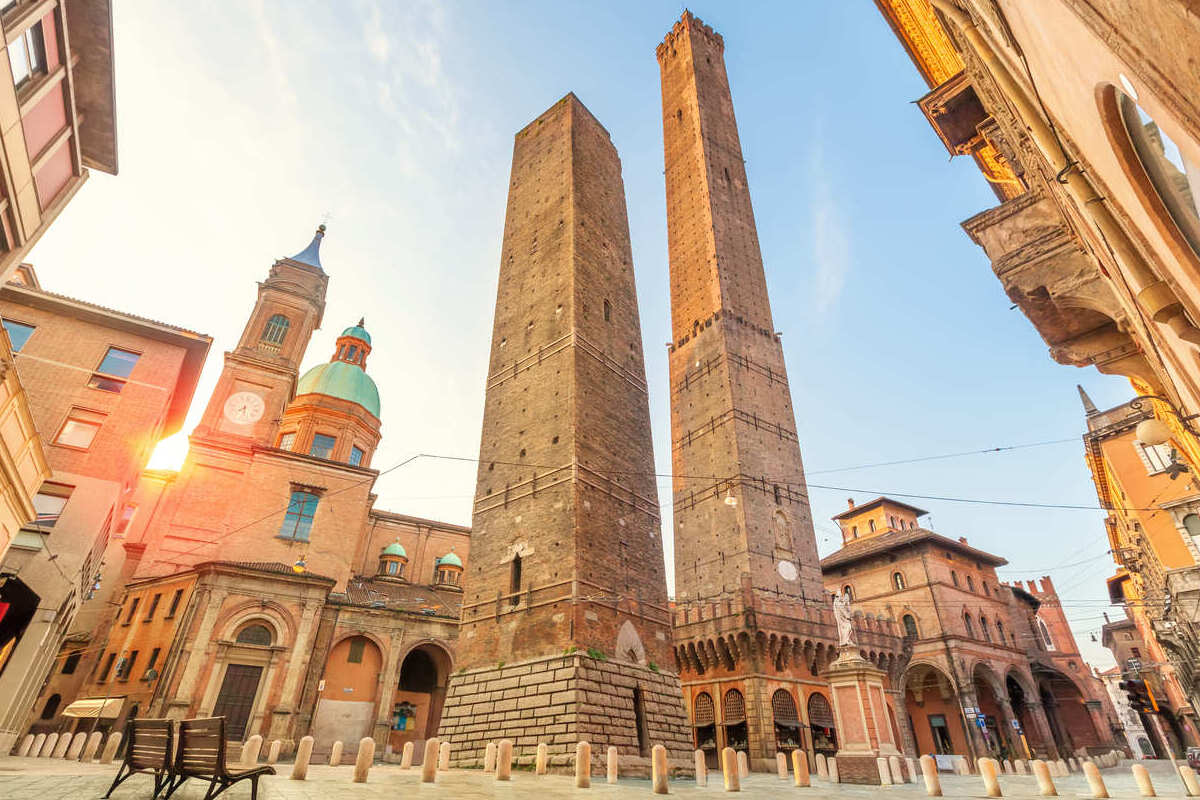
Bologna is famous for its Renaissance-era monuments, picturesque piazze surrounded by arched colonnades and casual historic cafes, and its twin Asinelli and Garisenda Towers, which similarly to Pisa, have also leaned forward over the years.
Outbound
Departing from Munich 8:15 p.m.
Arriving to Bologna 5:39 a.m.
Return
Departing from Bologna 10:54 p.m.
Arriving to Munich 9:22 a.m.
Salzburg to Florence
Austria’s famous alpine city, Salzburg has become a popular alternative for travelers keen on escaping the scorching Mediterranean heat this year, thanks to its milder mid-year temperatures and most importantly, inestimable cultural value:
With its perfectly preserved Old Town, dotted with domes and towering church spires, winding cobbled streets, and lush green gardens, set against the backdrop of snow-capped peaks, it is often called Rome of the North.
The Italy associations don’t stop there: from September 10, you can go to sleep in the ÖBB Nightjet in Salzburg and wake up the next morning in Florence, one of Europe’s prettiest cities, and the birthplace of the cultural and intellectual movement that was the Renaissance.
Florence is best-known for its UNESCO-listed Historic Center, dominated by a red-colored Brunelleschi Duomo, that rises above a maze of medieval streets––in the midst of it, there are museums housing iconic Western art, from Michelangelo’s David to Botticelli’s Birth of Venus.
Besides being a cultural behemoth, Florence is a renowned foodie hotspot, and in case you’re looking for an authentic restaurant, we’d warmly suggest La Buchetta: a bistro with a timeless interior, it has a near-perfect 4.7 rate on Google Reviews (and it’s where we had the best gnocchi ever).
Outbound
Departing from Salzburg 10:02 p.m.
Arriving to Florence 6:42 a.m.
Return
Departing from Florence 9:48 p.m.
Arriving to Salzburg 6:49 a.m.
Vienna to Rome
Habsburg-era palaces, sprawling lush gardens dotted with ornate fountains and postcardy gazebos, and essentially a stately Baroque monument per square mile (not literally, but it surely feels like it): Vienna is the quintessential European city.
The Austrian capital is notorious for its State Opera, considered one of the best in the world, glazed tile-roofed Stephansdom, a Gothic wonder rising 447.5 feet tall, and artsy coffee shops––our favorite, and one tourists often miss when visiting if they’re inattentive, is Fenster.
They’re nothing but a window opening onto a cobbled street where you can only get takeout coffee, and our go-to order has to be the milk espresso served in an ice cream cone; some say it’s overrated because it costs $12, but the presentation is cute, and it is really high-quality stuff.
If you’re coming all the way to Vienna for the culture and the coffee, you might as well add a little side trip to a fellow capital that’s developed a solid reputation entirely on those exact two things–of course, we’re talking about Rome, now linked to Austria via the Nightjet.
More than just great coffee and ancient sites, however, Rome is a vibrant metropolis with a jovial atmosphere and diverse tourist offer.
Unlike New York, it does go to sleep eventually, but if you know where to go, you can still have an enjoyable time.
Be it the endless streets of Trastevere, with its local-owned osteria and hidden courtyards, or the lively San Lorenzo, a student quarter full of bars, your Sunday evenings in Rome don’t have to be spent in a museum, or admiring Roman ruins if, you know, you’re in need of a Bohemian weekend away.
Outbound
Departing from Vienna 7:18 p.m.
Arriving to Rome 11:05 a.m.
Return
Departing from Rome 5:40 p.m.
Arriving to Vienna 9:04 a.m.
Why Take A Sleeper Train Instead Of Just Flying?
If you’ve never taken a sleeper train before, you may be wondering how exactly it’s any better than flying, and why would people choose to deliberately be in a train for 8 hours or longer when they could simply take the quickest, ‘easiest’ route.
Environmental wiffle-waffle aside, have you ever stopped to think how long you actually spend traveling by plane?
Sure, flights are mostly short-distance, particularly in Europe where it normally takes a maximum 3 hours to get anywhere, but how about the airport commute and wait?
If you’re flying from Paris Beauvais, an airport a whopping 41 miles outside the city of Paris itself, you’re advised to leave for the airport between five and three hours in advance, as the transfer time can take as long as 1h30, and there’s usually big lines at security.
However short that flight is, and let’s say it’s roughly 2 hours, your overall travel time has already bumped up to at least 7 hours, airport commute, wait time and actual flight included––and we haven’t even factored commuting upon arrival.
Most major international airports in Europe are located miles out of the city center, or even the city they serve, which is the case with Beauvais, and for that reason, flying typically takes up the best part of a travel day, if not the entire day.
Sleeper trains take between 8 to 10 hours to complete their journey, which is either equivalent or slightly longer, the difference being that you’re traveling overnight, going to bed at your departure point, and magically waking up at your destination.
No stress, no hopping on and off airport shuttles and trams in between, no sitting up straight.
Are Trains Really That Much More Expensive?
Lie-flat cabins are pretty expensive, sure, but have you pondered it’s almost as if you’re combining the cost of accommodation and travel into a single booking?
Think about it: if you choose to stay another night in a three-star hotel in Rome, basic amenities, only to fly to Vienna in the morning, you’ll be set back by $93–$146 this season, plus the flight tickets: booked through Austrian Airlines, that’s as high as $128 on certain dates.
We haven’t even added the cost of airport transfers, hold luggage (which is free on trains), whether it’s Ubers or trains, nor the usual airport expenses––who can resist a cheeky KFC as they wait for their gate to open, or browsing through DutyFree?
It’s not that airports are bad (not at all), but is $192 for a private sleeper cabin, or even $85 for a couchette in a shared compartment really that expensive?
Not to mention the scenic views, ability to take a walk and stretch your legs without being told off by overly-strict flight attendants, and comfy seating.
Lastly, trains don’t arrive miles outside a city.
Instead, they take you straight to the city center, probably in proximity of your hotel, making getting around much easier. Sleeper trains are perfect if you’re not in a rush to be somewhere, but if you’re actually smart about it, they’re rarely ever not the best choice.
Vini, our senior lead writer at Travel Off Path, has over 60+ countries under his belt (and currently weaving tales from Paris!), and a knack for turning off-the-beaten-path experiences into informative stories that will have you packing your bags.
Opinions expressed here are the author’s alone, not those of any bank, credit card issuer, hotel, airline, or other entity. This content has not been reviewed, approved or otherwise endorsed by any of the entities included within the post.
Are you planning your first trip to New York City?
I love New York (and I may just be a little biased since I’m from there) so I want you to have the best time on your trip!
That’s why I’m sharing the most common mistakes I see tourists make so you know what to avoid in order to have a great experience in NYC.
These are the top seven mistakes to avoid on your trip to New York:
1. Not Taking The Subway
One of the biggest mistakes that tourists make in New York is not taking the subway.
You might have heard that the subway is unsafe or you might just feel overwhelmed at the prospect of navigating the subway system.
But I promise you that the subway isn’t that bad! It’s much cheaper than taking taxis or Ubers everywhere, and it’s almost always faster than driving too, thanks to New York’s insane traffic.
Taking the subway is just $2.90 per ride. You can buy a MetroCard in most subway stations and load it up with however much money you want.
If you’ll be in New York for more than a few days, it often makes sense to pay $34 for a 7-day unlimited MetroCard instead of paying per ride.
2. Staying In Times Square
Another mistake that first-time visitors make in New York? Choosing a hotel in Times Square.
There is so much more to NYC than Times Square. I understand that on your first trip to New York, you probably want to see Times Square, but that doesn’t mean you need to stay in Times Square. It’s the least authentic and most touristy area in the city.
If you do want to stay in Midtown, I recommend choosing a hotel near the southern end of Central Park. This is a great area within easy walking distance of many tourist attractions including Central Park, lots of museums, and Broadway.
If you want to stay in a more hip Downtown neighborhood, Chelsea is a good option because it’s between Midtown and cool neighborhoods like Greenwich Village, West Village, East Village, SoHo, and more.
3. Eating At Chain Restaurants
There’s a running joke about the giant Olive Garden restaurant in Times Square. Don’t come to New York and eat at the same chain restaurants you can find all over the United States!
New York is one of the best foodie destinations in the world, and you can find a wide variety of cuisine for every taste. It truly is a melting pot of different flavors and cultures.
So skip the chain restaurants and instead try some authentic local cuisine. If you aren’t sure where to start, a food tour is a great activity to book in NYC!
You can’t leave NYC without trying a classic New York slice from Joe’s Pizza or a bagel with your choice of toppings from Ess-a-Bagel.
4. Not Observing Proper Sidewalk Etiquette
There’s a stereotype that New Yorkers are rude, which I don’t think is quite justified.
If you ever need help with directions or want a recommendation for where to eat or things to do, New Yorkers are actually very helpful and approachable.
But one thing that does irritate New Yorkers? When tourists stop right in the middle of a sidewalk.
This disrupts the flow of foot traffic, and in a city as busy and crowded as New York, that’s a problem. Similarly, you should stick to walking in the correct “lane” on the sidewalk (same sides as how cars drive.)
If you do need to stop to check where you’re going or send a text message or take a photo, step off to the side and don’t block the sidewalk where people are walking.
5. Overpaying For Tourist Attractions
It’s no secret that NYC is a pricy destination, but you can save money on tourist attractions.
For example, many popular museums in New York have a “suggested donation,” but you can actually pay whatever you want, even if that’s just $1. Some of these museums include the American Museum of Natural History, the Museum of the City of New York, and the Brooklyn Museum.
Many other museums have one day per week where you can enjoy free or pay-what-you-wish admission.
When it comes to Broadway shows, you can often score cheap tickets for shows online by using TodayTix. Or you can try your luck waiting on line (side note, New Yorkers say on line and not in line) at TKTS, a booth in Times Square with deeply discounted same-day tickets.
Another popular (and expensive) thing to do in NYC is visit an observation deck. There are so many to choose from: the Empire State Building, the Top of the Rock, One World Observatory, Edge, and more. You really only need to visit one, though!
I personally recommend Top of the Rock — in my opinion, it offers the best skyline view of NYC, and it’s the only place where you can see a direct view of the iconic Empire State Building.
6. Wearing Uncomfortable Shoes
As I mentioned above, you shouldn’t be afraid of taking the subway in New York!
But my personal favorite way of getting around the city is on foot. New York is very walkable, more than any other city in the United States, and you can get to many places on just your own two feet.
Because you’ll be doing a lot of walking in New York, you’ll want to make sure you have a comfortable pair of walking shoes. I recommend sneakers — even in the summer, I would never wear sandals walking around NYC because you just never know what’s on the streets.
If you’ll be visiting New York from December until March, you’ll definitely want a pair of water-resistant boots and some warm wool socks in case of snow, icy rain, or slush.
7. Not Leaving Manhattan
Finally, one of the biggest mistakes you can make in New York is not leaving Manhattan.
New York City is made up of five boroughs: Manhattan, Brooklyn, Queens, the Bronx, and Staten Island. Manhattan is by far the most popular with visitors, but it’s worth getting off the beaten path.
If you have a limited amount of time in NYC, I would recommend spending at least half a day (or a full day) in Brooklyn. You can start off by walking across the Brooklyn Bridge from Manhattan and then stroll around the charming neighborhood of Brooklyn Heights before stopping for a bite to eat in the DUMBO neighborhood right along the waterfront.
In the summer, Coney Island is also a great destination in Brooklyn to visit. This seaside neighborhood has an old-school amusement park, a boardwalk, and beaches.
Dale is a full-time traveler and writer with over 6 years of experience. She’s traveled to more than 55 countries around the globe and specializes in covering solo travel and digital nomadism.
Opinions expressed here are the author’s alone, not those of any bank, credit card issuer, hotel, airline, or other entity. This content has not been reviewed, approved or otherwise endorsed by any of the entities included within the post.
It feels as though summer travel is increasing everywhere around the globe. With sky-high prices, and popular spots overloaded with tourists, a trip to the outskirts is extremely welcome.
According to Railtech, summer ticket prices have increased since the start of the season, and more and more tourists are flocking to the Netherlands to get a taste of the friendly culture and care-free nature of the country. Train travel specifically grew over 63% compared to 2022.
It often feels overwhelming for travelers to research quaint towns that are worth visiting. Luckily for tourists, Europe is thriving with charming towns waiting to be explored: many of which still remain under the radar from the throngs of summer crowds.
The Netherlands is best known for its charming canals, laid-back lifestyle, and thriving cities. With overpopulated areas becoming even more so during the busiest seasons, sometimes you’ll find some of the best places off the beaten path.
Here are 5 small towns to visit to avoid the summer crowds:
Giethoorn
In the Northeastern Province of Overijsell, Giethoorn is a small town filled with quaint waterways, boats, and runs mostly car-free.
Known as the ‘Venice of the Netherlands,’ Giethoorn is about an hour from the capital city. If you’re looking for magical charm, this is it. Like something out of a picture book, you won’t believe how cute this quaint town is.
A fairytale village, the major standout here is the fact that it’s only possible to get around by foot, bike, or boat. Thatched cottages and flowers line the canals.
Though it’s still quite popular amongst tourists, it remains less so than overcrowded Amsterdam.
Similar in style to Amsterdam, Delft is a canal-lined city in the Western part of the Netherlands.
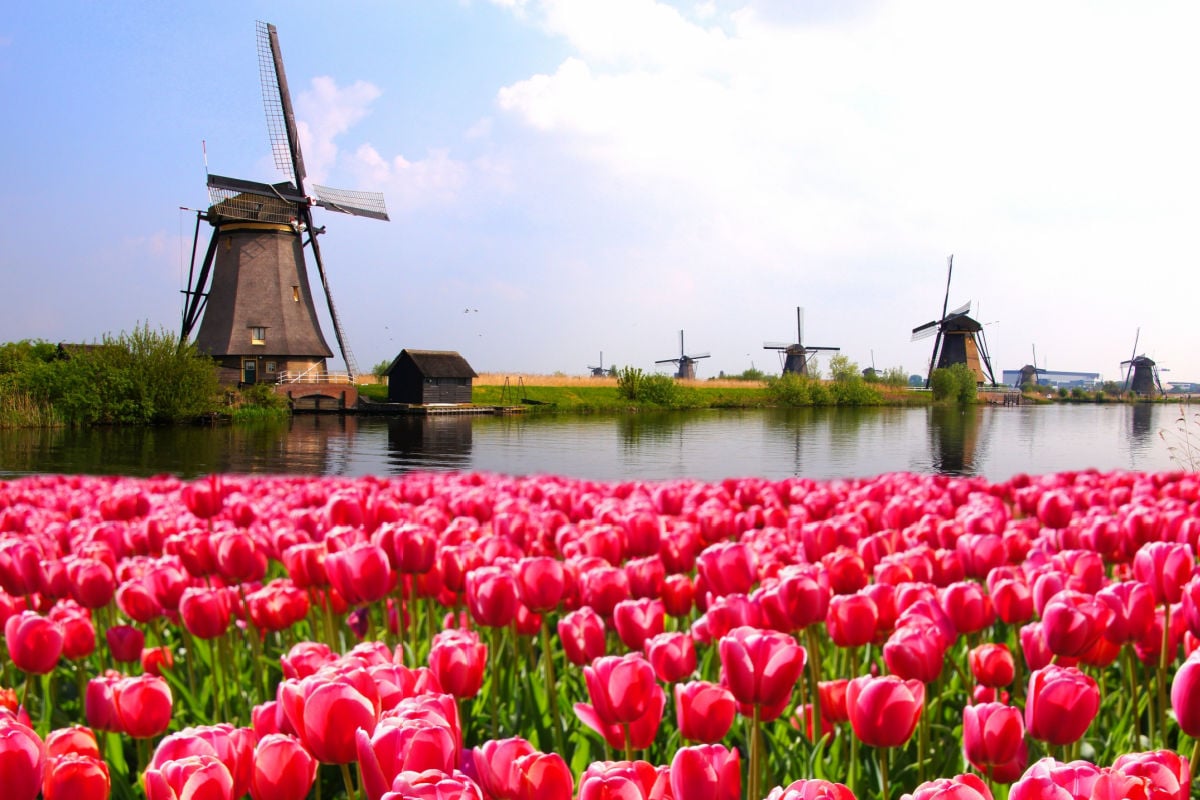
Sandwiched between the Hague and Rotterdam, Delft is pretty easy to get to. Rainbow-colored tulips fill the city for a perfectly picturesque view.
Venture through the lively market square, boat the canals, or admire the blue and white pottery. Whether you’re into museums or history, there’s plenty to explore in Delft that’ll keep you busy for a few days.
Leiden
A university town in the South, Leiden is best known for its stunning architecture and its botanical garden founded in 1590.
About 30 minutes from Amsterdam, take a quick train to Leiden Centraal to beat the summer crowds.
With a large variety of museums and outdoor parks, Leiden is a thriving city for tourists looking to experience a different vibe in the Netherlands.
Aside from Amsterdam, the city has the most amount of waterways and charming bridges throughout. Home of the infamous Leiden University, the city always has a buzzing atmosphere about it.
Maastricht
A cobblestone city filled with gothic-style architecture, Maastricht sits on the Southern tip of the Netherlands.
With a huge cultural scene, the city is the perfect place to visit if you want to experience a local region of the country with delicious foods.
The Romanesque Basilica of St. Servatius is home to a large collection of Religious artwork for all the art lovers out there.
If you’re looking to backpack through Europe, this is the ideal area to be. Next to the Rhine Valley in Belgium, everything is right on the way.
Haarlem
Once a huge trading port, hints to the city’s medieval past are still very much ever-present.
With cobblestone streets and charming houses, it’s mostly famous for its surrounding tulip fields.
As a close neighbor, it takes only 35 minutes to reach Amsterdam if you want to visit. The city is dotted with colorful houses and scattered windmills.
With an array of canal restaurants and hidden cafes, the best way to get around (like most of the Netherlands) is to bike and see what you stumble upon.
Portugal is a beautiful country with incredible beaches. This year alone it has been listed as one of the cheapest European vacation destinations as well as one of the most popular.
So it should come as no surprise that Portugal’s travel and tourism industry is on target to break records in 2023. Data from the World Travel & Tourism Council (WTTC) shows that by the end of the year, Portugal’s tourism industry will exceed its 2019 peak.
Locations such as Lisbon, Porto, and Madeira are listed as the most popular destinations in Portugal, and they all attract big crowds during the summer months.
But what about if you want to explore Portugal without the record-breaking crowds?
Here are 5 lesser-known destinations in Portugal to explore:
Miramar
Miramar is a small coastal village located between the towns of Gulpilhares and Arcozelo. Despite boasting a beautiful beach, Miramar doesn’t attract the same level of crowds as the beaches of the Algarve. Even in the high season, the beach here is pleasantly uncrowded.
If you’re looking for tourist attractions, then you won’t be disappointed here either. Miramar is home to the Capela do Senhora Pedra. This is a 17th-century chapel that looks striking against the wave-beaten headland that juts out from the beach.
Miramar isn’t far from Porto, so it’s not exactly off the beaten track. But it is much quieter than many of the other easy-to-access tourist resorts in Portugal.
Alto Alentejo
If you’re hoping to explore the authentic heart of Portugal, then Alto Alentejo is the perfect region to visit.
You won’t find luxury all-inclusive resorts here. And as it is an inland destination, you won’t be able to spend your days lazing on the beach. But Alto Alentejo offers an incredible mixture of pretty towns and medieval cities.
It is the best place in Portugal to mingle with locals and enjoy the country’s history and culture.
The best way to stay here is in small, locally run hotels or farm stays. Alentejo cuisine is regarded as amongst the richest and best in Portugal.
Marvao
Marvao is a small, fairytale village with a population of just 2,972. Located in the mountaintops near the Spanish border, Marvao is a Medieval village, and the castle here is considered to be one of the most beautiful castles in Europe.
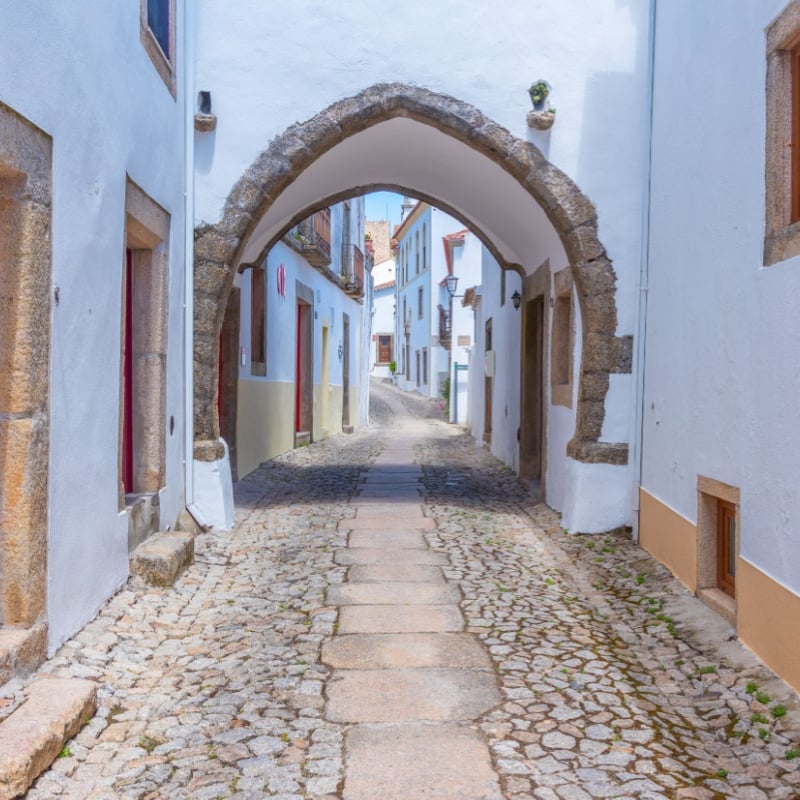
Marvao boasts white-washed houses and incredible views. People often stop at Marvao as part of a wider road trip around Portugal, but it is less popular as a stand-alone vacation destination.
Marvao is a vacation destination that is small but perfectly formed and is best suited to active, outdoorsy types. From hiking in the surrounding mountains to horseback riding and mountain biking, Marvao is best explored slowly, with plenty of stops to admire the breathtaking scenery.
Viseu
The most off-path locations are the ones that are hardest to reach, and that is true of beautiful Viseu.
There is no train station here, so you will need to hire a car to reach your destination. But it’s worth making the effort to enjoy the incredible views, cultural attractions, and the lack of crowds.
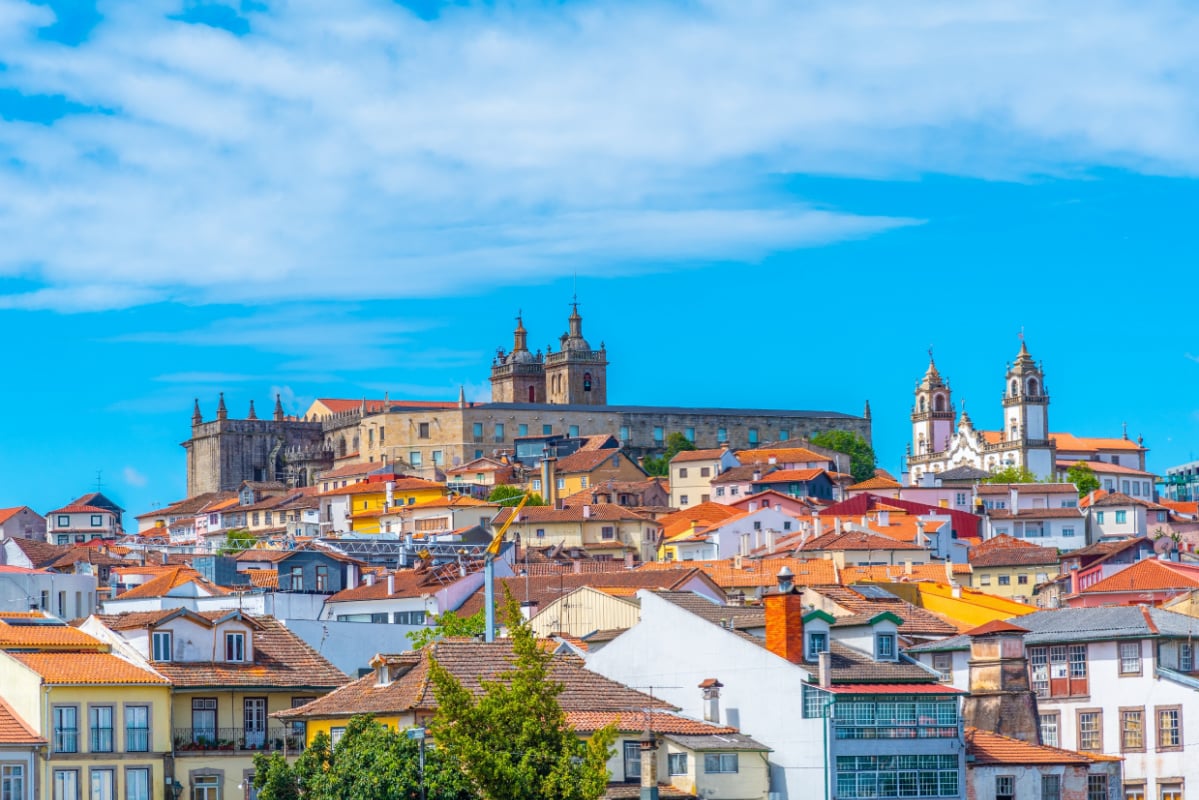
Viseu is a medieval walled city that is home to a monumental cathedral, beautiful cobbled alleyways, and immense plazas perfect for people-watching and unwinding after a busy day. As the location is in one of Portugal’s main wine-producing regions, you’re in the perfect place for a glass of red.
And art lovers will find Renaissance treasures to savor in the Museu Grão Vasco.
Ferragudo
Ferragudo is known as the prettiest village on the Algarve. And while there are no completely tourist-free locations here, if you want to visit the Algarve, then this is one of the best places to choose.
Ferragudo is a traditional fishing village filled with whitewashed cottages, hillside streets, and beautiful riverside views. The squares and terraces here have a buzzing night-time atmosphere, and you’ll find a host of great restaurants here too.
One of the more unique characteristics of this area is the many cliff-top forts that you can explore. Ferragudo is at the mouth of a river rather than offering direct beach access.
While the famous beaches of the Algarve are close by, this distance makes Ferraguda a much quieter location to explore.
Are you looking for the best destinations to beat the crowds in Spain this summer?
Spain is a popular tourist destination, with millions of visitors flocking to cities like Barcelona, Madrid, and Seville and crowding the beaches of Ibiza, Mallorca, and the Costa del Sol.
However, if you’re looking for more off-the-beaten-path places to visit in Spain, check out these underrated destinations instead.
From offbeat cities to under-the-radar beach destinations, these are some of the best places in Spain to avoid the summer crowds.
1. Zaragoza
Although it’s a big city located about midway between Madrid and Barcelona, Zaragoza largely flies under the tourist radar.
But Zaragoza is a great place to check out if you want to escape the crowds of Spain’s more popular tourist cities this summer.
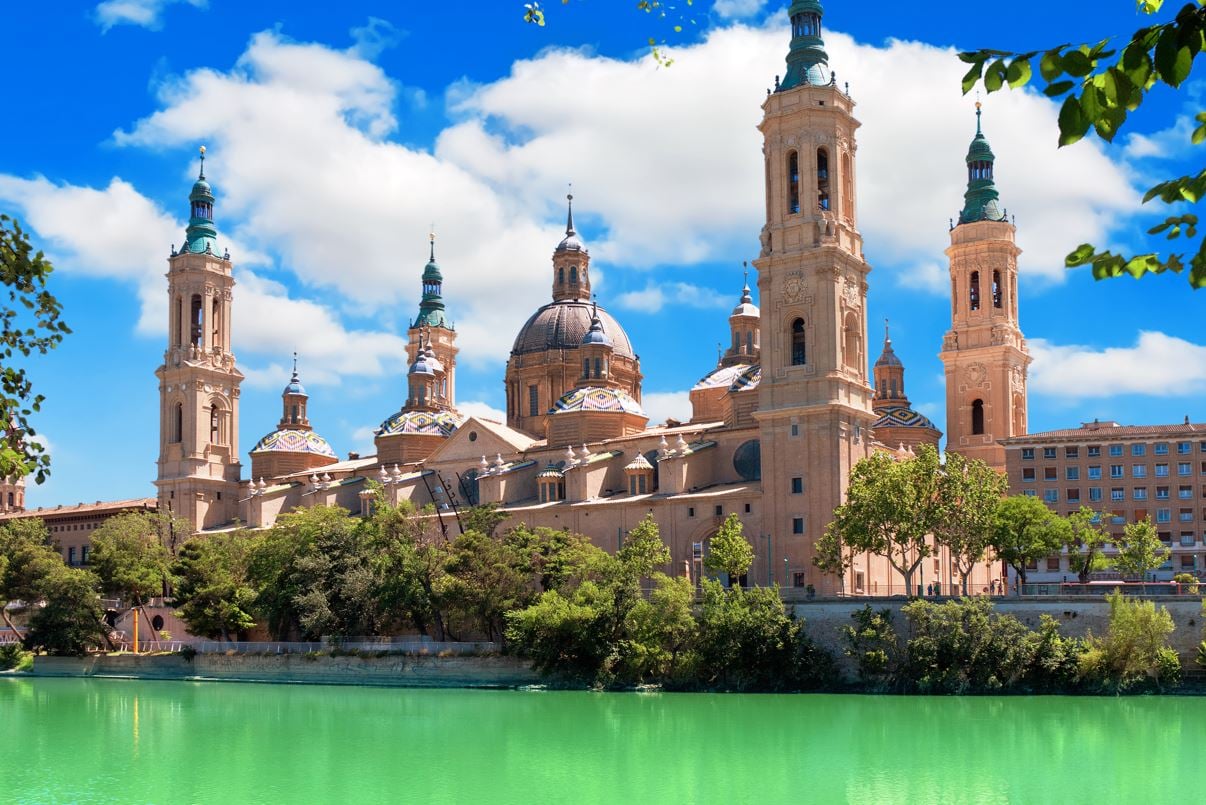
This historic city is known for its Mudéjar-style architecture, which combines Moorish and Gothic elements. It’s reachable from both Madrid and Barcelona is less than an hour and a half by train.
2. Bilbao
Bilbao is Spain’s fifth-largest city, but it rarely gets any of the attention that Barcelona, Madrid, and Seville do. However, this city in northern Spain is definitely worth a visit.
If you’re looking for an underrated destination in Spain, Bilbao is it.
This modern port city in northern Spain is known for being the de facto capital of Basque Country, giving it a unique and distinctive flair. It’s a city full of modern art and architecture, with the Guggenheim Museum Bilbao being one of the city’s top attractions.
Menorca is the most laidback of Spain’s Balearic Islands. It’s largely overlooked in favor of its more popular and flashier neighbors, Mallorca and Ibiza, making Menorca a highly underrated island destination to visit this summer.
You can get to this island on a one-hour flight from Barcelona, or if you prefer to take the scenic route, a ferry that takes anywhere from five to eight hours.
Menorca is home to stunning beaches with white sand and crystal-clear blue waters, but it’s known for having a quieter atmosphere than party-centric Mallorca or Ibiza.
4. Salamanca
Salamanca is Spain’s largest and oldest university town, which gives this small city in northwestern Spain a lively, youthful atmosphere.
The Universidad de Salamanca, which was founded in 1100s, is among the oldest universities in Europe. The city is also known for its history, art, and architecture.
Located under two hours from Madrid by train, Salamanca is a great place to visit this summer if you want to get away from the crowds.
5. Cadiz
Cadiz is a coastal city in southern Spain that is often overshadowed by other popular destinations in the Andalucia region, like Seville, Malaga, and Granada.
However, Cadiz is worth visiting in its own right.
This whitewashed city has been an important port for hundreds of years, with a history dating all the way back to the 16th century. Aside from interesting historical sites, including fortresses and watchtowers, Cadiz is also home to some great beaches within the city and just outside it.
6. Santiago de Compostela
Santiago de Compostela is the traditional ending point for the Camino de Santiago pilgrimage walk, which can take anywhere from five to 35 days to complete depending on the route.
This city is famous for being the supposed burial site of St. James the Apostle in the Catedral de Santiago de Compostela. Additionally, the city is located in the Galicia region of northern Spain, which has a unique and distinctive culture.
It’s not surprising to hear Gallego, the local language in Galicia, being spoken alongside Spanish.
Looking for more underrated destinations in Spain? Check out this hidden gem beach town.
Sometimes the biggest problem we run into when traveling is running into ourselves! When we book a trip to a popular destination, we should always keep in mind we aren’t the only ones with this bright idea.
Whether it’s a beach vacation in a resort town or a trip to a major city with Instagram-worthy attractions, rarely will we be the only tourist around.
This is no different for a place like Bali, where tourists often flock for new perspectives on life and culture.
In fact, local authorities are encouraging visitors to venture away from what one might typically find on someone’s itinerary and go more off-path to learn more about Balinese culture.
Bali will always be a draw to travelers, but it’s time to take a deep dive into other places that are not as commonly visited.
There are a lot of wonderful places to check off in Indonesia, but Bali is the shining light of the country. Especially since they officially ended the remaining COVID restrictions recently.
Here are the top 6 places to avoid crowds in Bali this summer:
Take In TheGitgit Waterfall
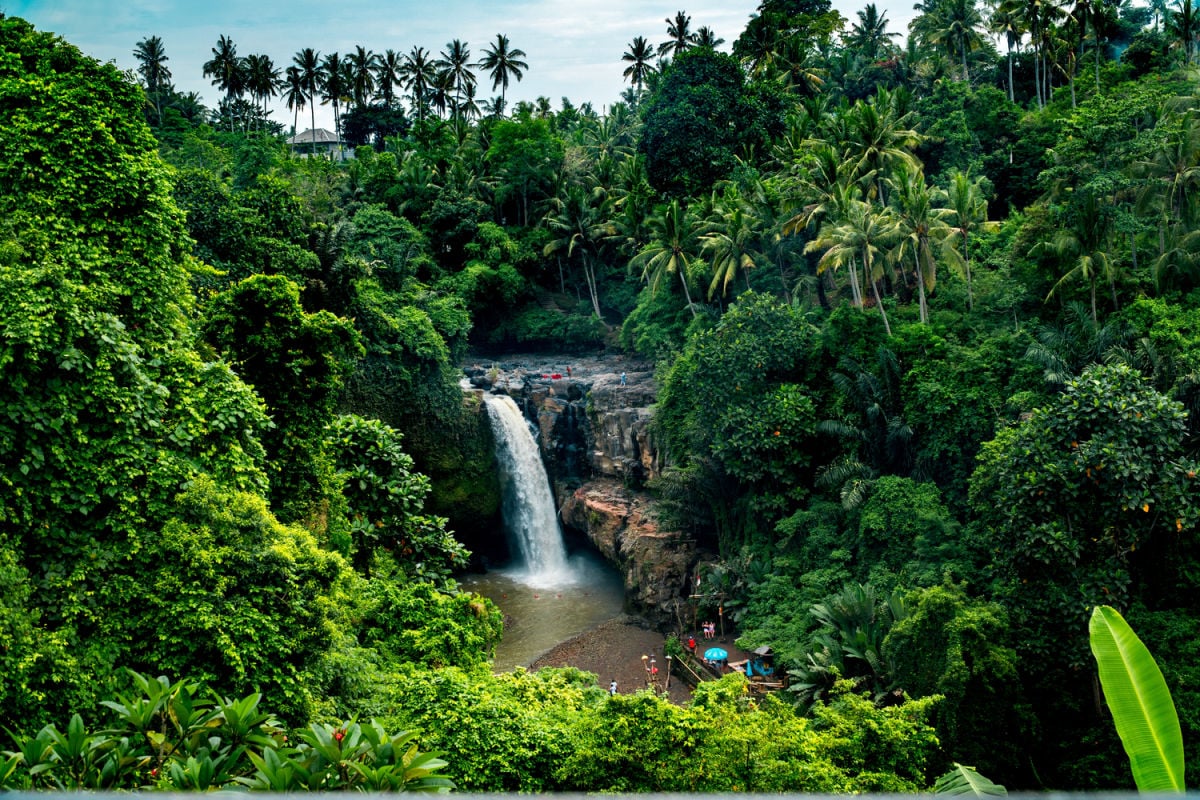
It’s perfectly okay to go chasing waterfalls here in Bali, as they are quite impressive. The Gitgit Waterfall is the tallest on the island and is a stunning sight to see.
At over 150 feet high, nature lovers and anyone who wants to show off their amazing adventures in Bali should have this waterfall at the top of their Bali to-do list.
Coming here also serves as a gateway to more adventures in nature, as there is an official waterfall hike offered by local guides.
This trek will stop at 5 waterfalls in the region:
Colek Pamor Waterfall
Ceburan Dukuh Waterfall
The Multi-Tier Waterfall
Campuhan Waterfall
and, of course, the Gitgit Waterfall
The Twin Lakes
Lake Buyan and Lake Tamblingan are a gorgeous pair of lakes, often referred to as “the twin lakes”. Visitors can come here with far less fanfare than other Bali attractions.
This area is perfect for a dreamy backdrop for your vacation photos and to just simply relax and enjoy the sights and sounds of nature.
Lake Tamblingan is surrounded by a scenic rainforest. Here, tourists can also hire a guide to visit what remains of a past civilization dating back to the 10th century.
Buleleng Regency
Lovina Beach and West Bali National Park are commonly visited areas in the Buleleng Regency region. However, there are many other places waiting to be discovered.
This area is ready to embrace tourists and show off its hidden gems and claims to have the most picturesque waterfalls in Bali.
This summer would be the perfect time to visit because if you wait too long for this region to invest in tourism, you might find yourself in the middle of a crowd on your next trip.
Banyumala Waterfall
Located near the twin lakes is the beautiful Banyumala Waterfall, worthy of a postcard. A swimming hole catches the freshwater constantly flowing from above.
It’s the perfect place to finish off an exhaustive hike through the jungles nearby and take some amazing pictures after a swim.
Out of all the waterfalls in Buleleng, this one may have the biggest crowd, but not enough to deter you from going.
West Bali
Word on the street is that West Bali is set to be the next major draw for tourists. If travelers want to see it before the crowds take over, this summer would be the time to do it!
This region is home to lush green hills, flawless coastal ecosystems, and West Bali National Park. There is a ton to offer visitors here, but not everybody knows of this side of Bali.
Visitors can find cafes, hotels and restaurants here to enjoy, but they are nowhere near as packed as the Southside of Bali.
Millions of dollars are being poured in to upgrade current facilities, but these are not expected to be complete until 2026-2027.
Padangbai
Often known as just a ferry port, this quaint fishing village is as peaceful as it gets on the east side of Bali.
Crystal clear waters all to yourself and not a care in the world about anything else. Perfect for a relaxing day on the beach or even snorkeling to check out the local marine life.
Venice stands among Europe’s most iconic destinations.
Traversed by centuries-old canals lined with pastel-colored buildings and beautiful, ornate churches, it is indeed one of humanity’s greatest feats, but there are some huge downsides to Venice first-time visitors often fail to take into account when planning a vacation:
It can get jam-packed with tourists — so much so that local authorities are mulling over introducing a ticketing system to reduce overtourism, on top of already enforcing a cruise ship ban, implementing strict policies governing vacation rentals, and worse even, struggling with drying canals.
This is one hot, crowded city, but luckily for canal enthusiasts, it is far from being the only one of its kind in the old continent.
Here are 4 great alternative destinations with their own canal systems you can visit instead of Venice this summer:
Aveiro, Portugal
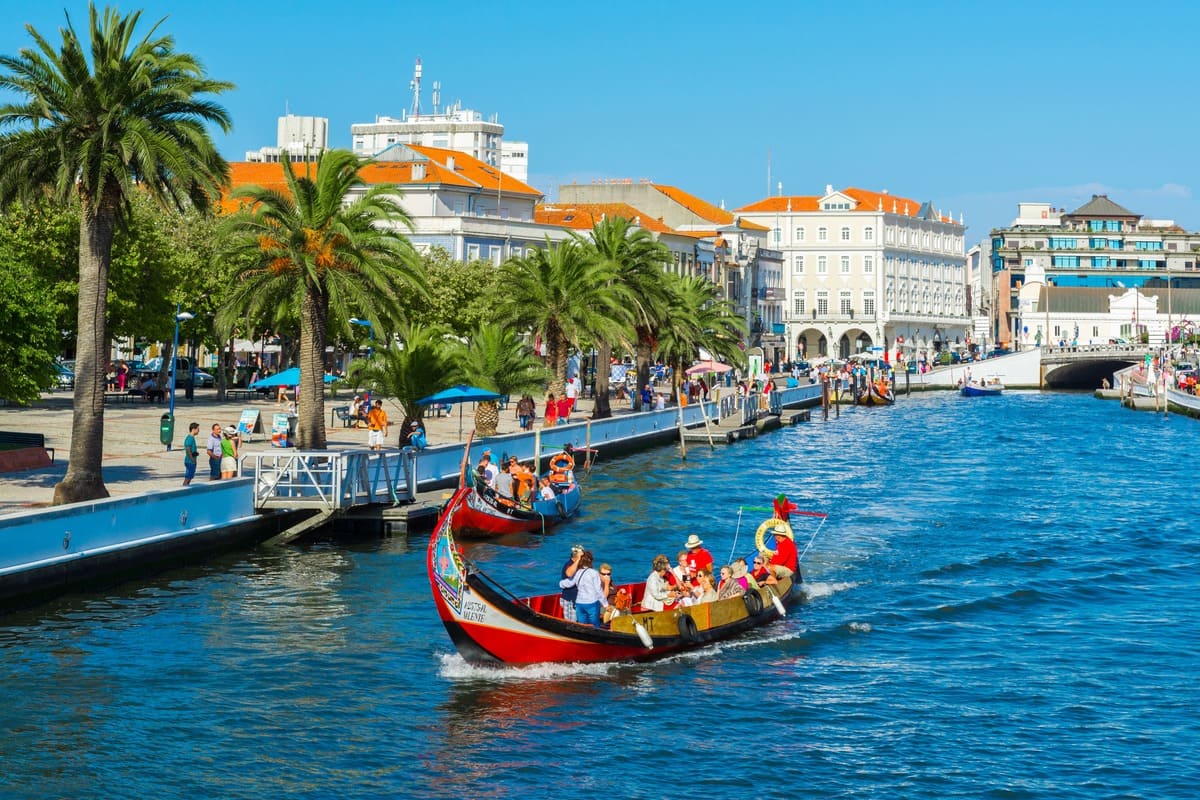
Aptly nicknamed the ‘Portuguese Venice’, Aveiro is an ancient city in Northern Portugal, only one hour’s drive South of trendy Porto.
Much like Venice, it is best known for its various canals, except Aveiro’s were built artificially in the 18th century as a means to bolster local economic growth.
Sitting on the shores of the Atlantic, this medium-sized port is inhabited by around 80,000 people, against the Italian counterpart’s 261,000, making it less densely populated, and more pleasant to stroll in the hot summer months
Additionally, while the latter’s cityscape is ocher-colored, Aveiro’s is more distinct for its vibrant tones.
You will find several Iberian-style houses painted in lively hues of red, yellow, and green lining the main canal front, where the traditional barcos moliceiros, the Portuguese gondolas, travel carrying tourists and goods from the Atlantic Sea.
Besides taking a boat tour around the canals, visitors should pay the beautiful Cathedral of Aveiro a visit, a 15th-century Catholic monument in a perfect state of preservation. The historic Aveiro Museum, housed within a medieval convent where a Portuguese princess is entombed, is also not to be missed.
Bruges, Belgium
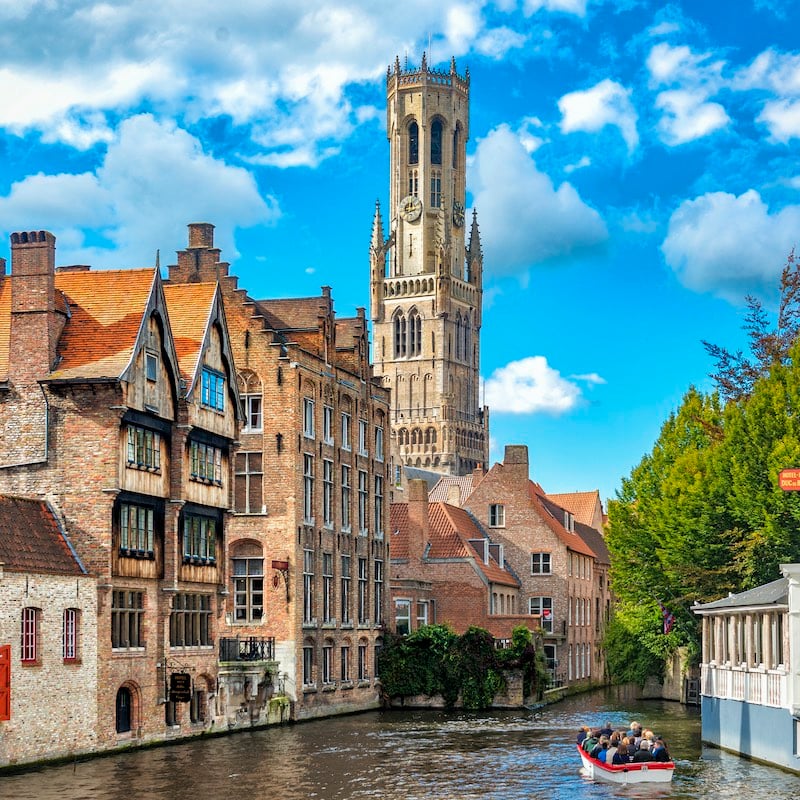
In the Flemish North of Belgium, where Dutch is the most widely-spoken language, Bruges has been historically dubbed ‘Venice of the North’ due to its masterfully-engineered canals, instrumental to European trade as late as the 20th century, and boundless medieval treasures.
The city center has been listed by UNESCO as one of its World Heritage Sites, and taking a quick glance at its grand canal, bordered by stone buildings, 15th-century churches and their gorgeous belfries, and cobbled promenades, you’ll soon understand why.
Close to 117,000 people live permanently in Bruges, though only 20,000 reside in the compact, walkable, oval-shaped center, meaning it is not as crowded and certainly not as polluted as the sprawling Old Venice.
Bruges is not exactly a hidden gem, featuring on several travel brochures on Belgium and Central Europe, but it is more quaint, arguably more romantic than its more famous Mediterranean competitor, and enjoys a small town feel we are sure couples on a belated, post-COVID honeymoon will appreciate.
Empuriabrava, Spain
Perhaps the least famous entry on this list, Empuriabrava is an affluent residential marina in Spain’s Costa Brava, within the autonomous province of Catalonia, encompassing more than 24 km of navigable waterways and up to 40 km of canals in total.
You read that right.
Although the area has been inhabited since immemorial times, Empuriabrava only flourished as a tourist destination in the mid-seventies, when work on the canals was finished, and guesthouses and luxury stays started popping up.
Unlike Venice, however, it is not a historic city, serving instead as a resort destination.
Although History buffs will appreciate the Roman archaeological zone of Sant Martí d’Empúries located nearby, holidaymakers spending their summers in Empuriabrava are simply searching for some relaxation and quality time in the sun, and there’s nothing wrong with that.
This incredibly exclusive, high-end community has its canals arching along the Gulf of Roses, bounded by the azure waters of the Mediterranean, and the Aiguamolls de l’Empordà, a protected reserve popular among nature seekers.
Wrocław, Poland
The fourth-largest city in Poland, claiming an area of 292.8 km² with over 673,000 residents, Wrocław (Anglicized as Wroclaw) is often overlooked among visitors to this Eastern European country, despite being as cosmopolitan as Warsaw, and just as charming as Krakow or Gdansk.
On top of that, a little-known fact about Wroclaw is that it is an urban conurbation spread across twelve islands on the wide Odra River. With many canals fed by tributaries of the Odra and over 200 bridges, it’s no wonder it is sometimes called the ‘Polish Venice’.
Similarly to Venice, other than the busy watercourses, Wroclaw has a host of world-class attractions on land, such as a Gothic town hall erected as early as the 13th century, the towering Wroclaw Cathedral, sitting imposingly on Ostrów Tumski island, and a pedestrianized Market Square.
If you’ve been to Poland already, you know most of what you see around its Old Towns has been rebuilt or renovated following the devastating bombings of World War II.
Wroclaw is no exception, but a majority of the structures flanking Market Square have remained intact, making it a unique heritage site for Poland.
Heading to Europe this summer?
Find more unique off-path destinations to explore here.
Southern Europe is overcrowded, and numerous sunny spots on the coast are moving to limit tourism, with Italy going as far as enforcing a traffic ban on certain days on the scenic Amalfi Coast and France launching ticketing systems for certain natural parks.
Understandably, a growing number of Americans flying across the pond this summer is now wondering where they should go for less crowds and, most importantly, fairer prices.
In case you haven’t heard, much of the Mediterranean is poised for record price surges, including destinations that used to be comparatively affordable once, like Croatia, the Eurozone’s newest member, and an increasingly Westernized nation.
Luckily, the Black Sea is yet to be overrun with tourists, and boasting sandy beaches, azure swimming spots, and great weather, it is the Med’s strongest competitor this season.
Where Is The Black Sea?
The Black Sea is a partially-enclosed body of water surrounded by Eastern Europe and Turkey’s Anatolian Peninsula.
In total, six countries have ports on this sea. It borders Bulgaria and Romania to the West, Ukraine and Russia to the North, the small nation of Georgia to the East, and Turkey along its southernmost edge.
While Russia and Ukraine are not cleared for travel as of yet, due to the ongoing Russo-Ukrainian conflict, the four remaining countries that straddle the Black Sea are perfectly safe for visitors and have enjoyed a sudden popularity boost as resort destinations.
Below, you will find four of the top-rated vacation spots in the region:
Batumi is the largest seaside resort in Georgia, a nation nestled in the Caucasus mountain range between Eastern Europe and Western Asia.
Dubbed the Georgian Vegas, Batumi is renowned for housing a large concentration of casinos and entertainment venues, and it’s the country’s gateway to the Black Sea, jam-packed with luxurious beachfront hotels.
The cityscape has Dubai-like glistening skyscrapers lining the whole extent of the grey-sand municipal beach, but other than modern development sites, Batumi is renowned for its traditional neo-Gothic, Art Nouveau architecture and more than 10 km of municipal beach.
Last year, only 5.4 million tourists landed in Georgia.
Not all of them would have fulfilled their stays in Batumi, as the country’s main entry points are in the capital city of Tbilisi and Kutaisi, making Batumi a not-so-busy beach getaway.
Trabzon, Turkey
Trabzon is Turkey’s Black Sea gem, only a 3-hour drive from Batumi in Georgia.
Serving as the capital of the namesake province, it is a melting pot of the sorts, having been inhabited since immemorial times by native Anatolians before it was settled by the Greeks and ultimately conquered by Roman colonizers, who established a strong presence on the Black Sea at the apex of the Empire.
Eventually, Trabzon would become an important transit stop along the Silk Road, as well as an important Ottoman trading port later on.
As expected, all of these contrasting influences are still scattered all around the city, whether it’s Byzantine churches or Ottoman-era bazaars, but Trabzon’s true splendor lies in the breathtaking nature that it offers.
Providing guests with easy access to the ocean, it encompasses numerous Black Sea beaches, with the most famous being Çamburnu Plajı, a sandy strip bounded by calm waters.
South of Trabzon, nature lovers will find the Pontic Mountains, with hiking trails that lead to picturesque alpine lakes, ancient villages, and off-path Roman ruins.
Unlike Antalya or Bodrum, however, two other Turkish destinations on the Mediterranean provinces that are exploding in popularity at the minute, Trabzon is still flying under the radar of most Westerners, and it’s one of Turkey’s last few hidden gems.
Eforie Nord, Romania
On the European section of the Black Sea, Eforie Nord is one of the basin’s top trending holidays.
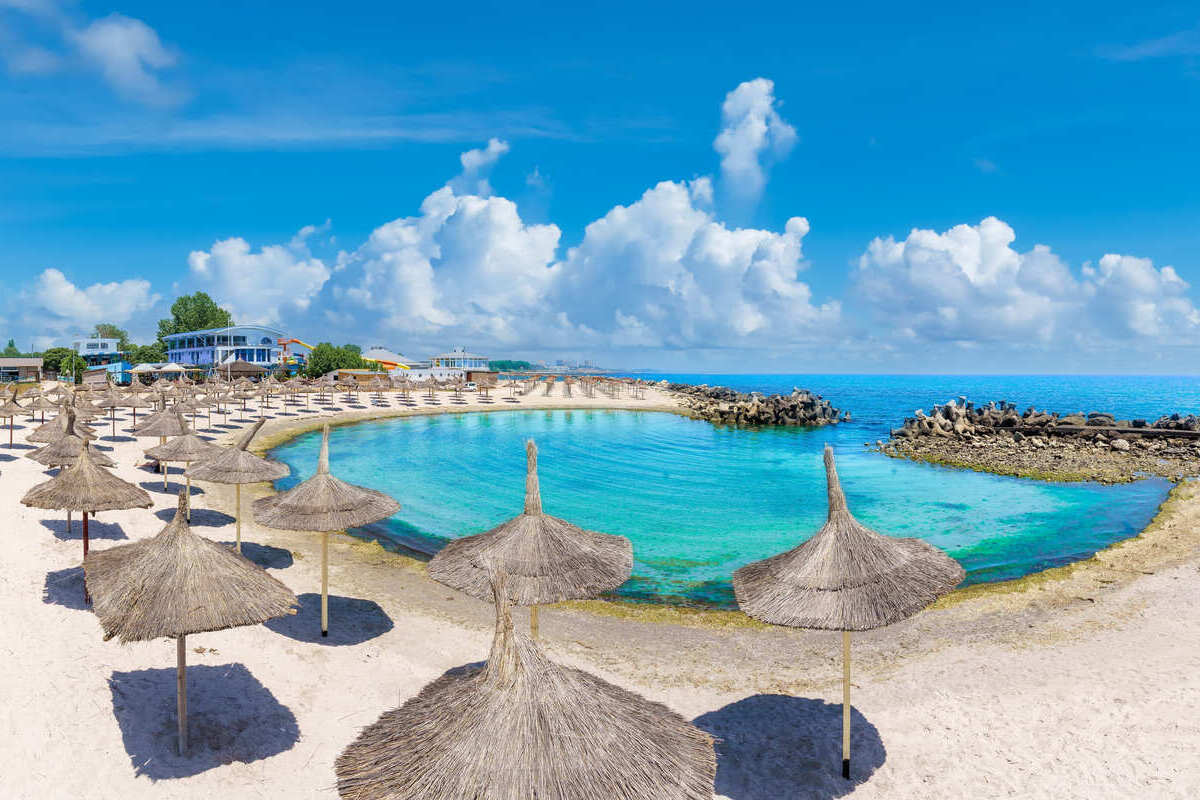
A small beach town, it boasts an extensive sandy beach lapped by the bright-blue sea, dotted with colorful parasols and beach bars.
Accommodation options are more limited, and occupancy rates are high over summer – mainly due to Romanians traveling on their vacations – but as Eforie Nord is yet to catch the attention of foreigners, who flock instead to Constanta, the largest Romanian port city, or Sunny Beach, in Bulgaria.
This means you should expect fair prices and less gentrification, as well as more authentic experiences, seeing that this is a traditional Romanian resort mostly frequented by locals.
Nightly rates at four-star hotels in the area start at just USD$62, though plenty of far cheaper options are also available on Booking.com.
Eforie Nord is where Romanians travel to relax, enjoy the coastal atmosphere, and catch a tan under the scorching Balkan sun, so it may not be the right pick for you if you’re looking for something a little more exciting.
In that case, you try instead the aforementioned Constanta, a vibrant city home to nearly 300,000 people and an extensive list of casinos, entertainment venues, and nightclubs.
Sveti Vlas, Bulgaria
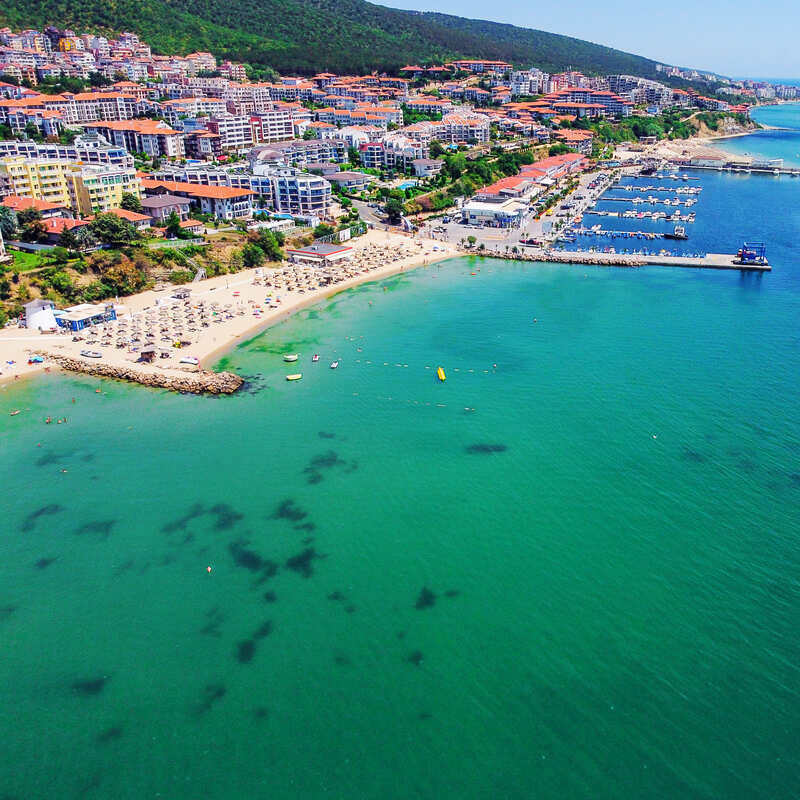
Sveti Vlas is a resort town and development zone part of the Nesebar municipality, the most picturesque on Bulgaria’s Black Sea coast.
As a majority of tourists flock instead to the neighboring Sunny Beach, where all of the beachfront resorts and nightclubs are concentrated, Sveti Vlas has a more traditional, quaint feel to it: it is, first and foremost, a historical destination.
Originally founded as a Greek colony, its Hellenism was evident in the town’s demographic and the locals’ way of life until the early 20th century, when the Greek families who were native to Sveti Vlas had to emigrate to neighboring Greece upon the redrawing of borders.
Nowadays, Sveti Vlas is largely populated by Bulgarians, who bring their South Slavic culture and tradition to the mix. Other than strolling the streets and sampling the flavorful Eastern Balkan cuisine, tourists are free to chill by the beach – golden sands, not pebbles – or take boat tours along the Black Sea coast.
In total, there are 14 five-star listings in the Sveti Vlas municipality on Booking.com, with overnight rates ranging from US$208 for an entire studio at the Garden of Eden Complex, to US$638 at the HVD Reina del Mar, an all-inclusive luxurious retreat in Obzor, 16km from town.
If you’re looking for a quieter Black Sea resort that also feels more exclusive and ‘expensive’ than the much busier Sunny Beach or Romania’s Constanta, this is where you should be headed.
Portugal is one destination that travelers can’t seem to get enough of.
This European country has been growing in popularity with American travelers, and during the first quarter of 2023, it actually surpassed previous tourism records.
According to Skift, Portugal received 2.8 million visitors in the first three months of this year — a significant increase from 1.8 million visitors in the first quarter of 2022 and even a sizable jump from the 2.5 million visitors that Portugal received in the first quarter of 2019.
If this record is any indicator of what’s to come, Portugal will continue to set even more records during the busy summer travel months of this year.
But while popular destinations like Lisbon, Porto, and the Algarve coast of the south will continue to increase in popularity, here are five underrated destinations in Portugal where you can still avoid crowds.
1. Viana do Castelo
Located in the far northern reaches of Portugal, close to the border with the Spanish region of Galicia, Viana do Castelo is a beautiful underrated city that travelers shouldn’t miss.
Although many travelers visit Porto, few venture much further north. But located less than an hour north of Porto by car, this historic city is well worth a visit.
You can explore a beautiful medieval old town, enjoy the scenery and beaches of northern Portugal, and visit Santa Luzia Basilica, a church on a hill with amazing views over the city.
Although it’s technically part of the popular Algarve region of southern Portugal, Sagres feels a world away from the crowded resorts further east.
Located on the westernmost point of the Algarve, this laidback and rugged town is the perfect destination for adventure-seekers.
It’s known as a challenging surfing destination due to the intense waves, although there are also some quieter, sheltered beaches for swimming or relaxing in the sun. Sagres is also a great place for hiking and cycling away from the crowds.
3. Coimbra
Coimbra is a historic riverfront city in central Portugal, located about midway between Porto and Lisbon, that is the perfect underrated destination to explore.
This city is known for its preserved medieval old town, as well as being the home of the University of Coimbra. Founded in 1209, this university is one of the oldest in the world, and it inspired author J.K. Rowling in her descriptions of Hogwarts in the Harry Potter series.
If you’re looking for a destination to visit in Portugal away from the crowds during the summer, this is a great place to go.
4. Viseu
If you’re looking for a beautiful city that is off the tourist radar in Portugal, look no further than Viseu. Located in central Portugal, this city is often overlooked by visitors.
There’s no train station in Viseu, so you’ll need a car to visit. But it’s worth the effort because you’ll be rewarded with an ancient city with well-preserved medieval streets and architecture.
Viseu is known for its art and culture, especially from the Renaissance period. It’s an excellent destination if you want to get off the beaten path in Portugal.
5. The Azores
The Azores are not part of mainland Portugal at all but rather an archipelago of islands in the Mid-Atlantic. This autonomous region of Portugal is certainly off the beaten path, but it’s worth a visit.
You can get to Ponta Delgada in just 2.5 hours on a nonstop flight from Lisbon. Located on the island of São Miguel, it’s the largest city in the Azores and a gateway for exploring the rest of the islands.
Made up of nine volcanic islands, the Azores are known for having stunning and dramatic scenery and great hiking paths. This is a great place to go to get away from it all.