Are you planning a solo trip soon and wondering where to visit? If you’re looking at the staple beach destinations everyone seems to visit, maybe it’s time for a city vibe.
Last year, I backpacked Europe for 5 weeks, visiting 10 countries. What was a favorite of mine for solo travel?
Scotland’s charming, hilly capital is compact enough for solo travelers yet large enough to explore all its nooks and crannies.
Towering over the city sits Edinburgh Castle, and the cobblestone streets are just as beautiful in the rain.
The city’s Old and New Towns offer enough diversity for tourists never to get bored and an abundance of restaurants and pubs to experience Scottish charm at its finest.
There’s certainly a magical allure about Edinburgh: and it’s not just the fact that it looks like a village straight out of a Harry Potter novel.
With its chattery locals and variety of things to experience for all ages, it’s definitely a good spot for solo travelers.
Scottish Charm
You walk into a pub alone and leave with about 10 new friends. As with the Irish, the Scots are extremely friendly people to all. If you understand their banter, you’ll fit right in.
I stayed in Edinburgh for 5 days as a solo traveler and left the city feeling welcomed by everyone! There’s always a session happening in any of the local pubs or people waiting to help you out with recommendations.
Walk into a pub that’s having a Scottish night, and I guarantee you’ll meet at least one person worth chatting with.
During my tour to the highlands, our kilt-wearing tour guide became friends with all of us visitors on board. When I say you’ll feel like part of the family, I truly mean it.
There wasn’t one time I felt ‘alone’ during my solo travels here, thanks to the friendly nature of those I met.
You’ll Never Get Bored
For such a compact city, Edinburgh certainly doesn’t disappoint in terms of things to do. If you’re looking to make friends quickly, join one of the infamous bar crawls around the city for a good time and amazing people (the tour guides even wear kilts during some!)
There’s also a variety of walking tours you can choose during your stay. I joined a few free walking tours (meaning you pay what you want at the end).
The classiccity walking tourtakes you to a few must-see spots, such as Greyfriars Kirkyard and to some of the hidden closes (side alleyways). I also joined the Harry Potter walking tour, which is a must if you’re a fan like me!
To get out for the day, I also booked a full-day tour to the Highlands and returned in the evening to do a haunted Night Bus tour.
With so many options for day trips, distillery tours, train journeys, and restaurants to see and visit in the city, you’ll never get bored here as a solo traveler.
Hostel Culture
Hundreds of travelers venture to Scotland each year in search of picturesque landscapes and quaint cities.
Whether you visit in the summer for the Fringe Festival season or in the winter for the Christmas markets, there will always be solo travelers around.
With a few well-rated hostels dotted around the city, there’s a variety of options in Edinburgh for those traveling alone.
I had a good time staying at Kickass Greyfriars in the Old Town, which hosted weekly events for travelers to meet and had a buzzing beer garden out back.
There are many other options, depending on what you’re looking for, that also have a lot to offer solo travelers.
A friend I had met on the Highland tour was staying at another local hostel that held weekly bar crawls around the city: so there will be a chance to meet others!
Mexico is the number one destination for Americans going abroad. Famous for its pristine beaches, turquoise-colored oceans, and well-developed resort zones, it attracts millions of tourists every year who are in search of a sunny break.
Not all of those who cross the Southern border are keen on lounging by the poolside all day, though: Mexico is indeed best-known as a tropical getaway, but it is also one of the world’s top cultural destinations, what with its host of UNESCO-listed ancient sites and rich Hispanic heritage.
If it’s culture you seek, then you should consider adding a visit to this lesser-known spot as well:
Why You Should Add Campeche To Your Mexico Bucket List
Campeche is one of Mexico’s 31 federal entities, located on the Yucatan Peninsula, where it is bounded by the Gulf of Mexico and borders the states of Yucatan and Quintana Roo.
Unbeknownst to most vacationers, who flock instead to the neighboring provinces, where the likes of Merida, Cancun, and Tulum are located, Campeche is perhaps Mexico’s most promising cultural destination, largely due to its stately capital.
San Francisco de Campeche, more commonly known simply as Campeche, stands among the oldest European colonies in the Americas, having been founded by the Conquistadores as early as 1540, almost seven decades prior to the settlement of Jamestown in Virginia.
Before the Europeans came, Campeche was the site of a Mayan port called Can Pech, from which it derives its name, though very few traces of the original town remain.
The modern city is a trove of inestimable colonial-era treasures, so much so that it was awarded UNESCO World Heritage status.
Campeche Is A Colonial Gem Waiting To Be Discovered
The designation recognizes Campeche’s well-preserved historic core, built by the Spanish in accord with Iberian customs of the time and later fortified amid the threat of pirates in the Gulf and the wider Caribbean region.
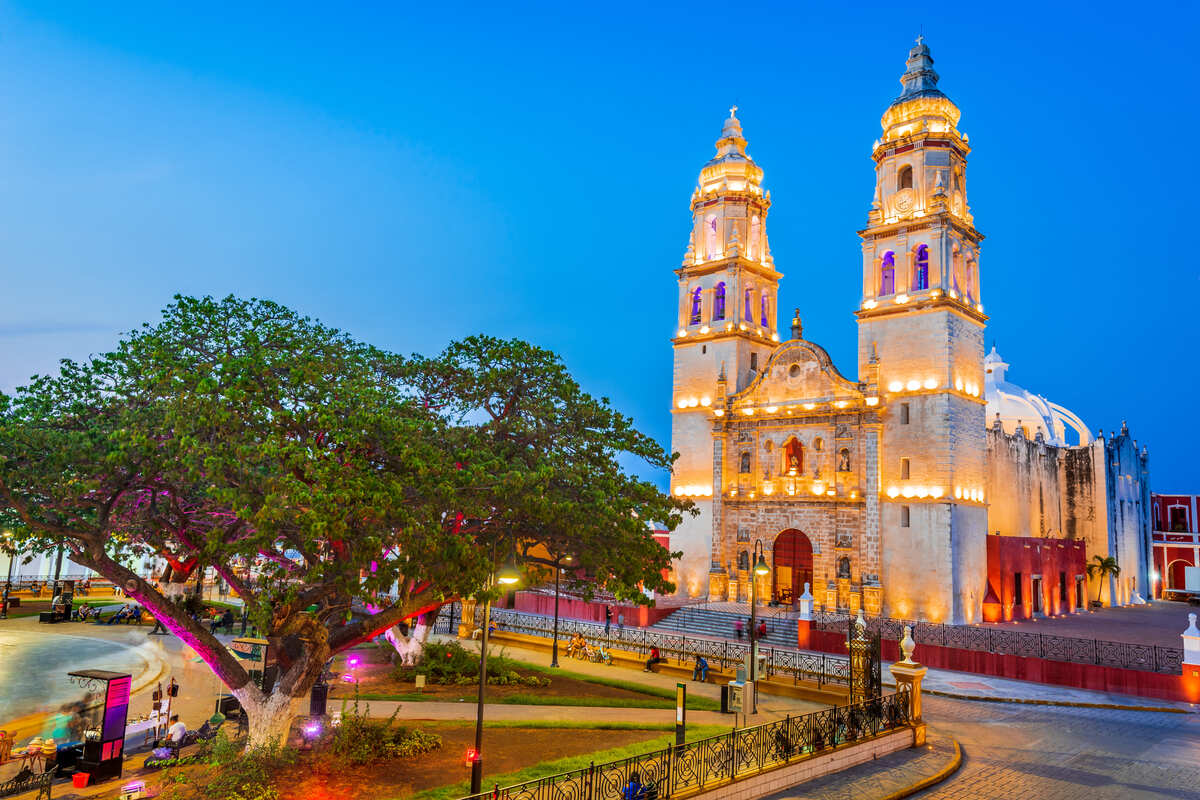
Campeche’s fortifications are one of the city’s main points of interest, enclosing beautiful Spanish-era landmarks like the Catedral de Nuestra Señora de la Inmaculada Concepción, and the colorful baroque buildings that surround the Plaza de la Independencia.
History buffs might want to check out Campeche’s defensive bulwarks, specifically Nuestra Señora de la Soledad, no longer a military stronghold, and now the house of the Museum of City History instead, and the San Carlos section, attached to the Sea Gate, now converted into a smaller city museum.
Even if it’s culture you’re after exclusively, and a more authentic Mexican experience, you should definitely take a day to simply relax and enjoy the oceanic vibes.
Beautiful Beaches Within Driving Distance Of Campeche City
Campeche is a coastal destination, after all, and its abundance of swimming spots rival even that of the Riviera Maya.
The city’s modern seafront promenade, the Malecón de Campeche, draws in thousands of visitors due to its collection of historical monuments straddling the coast and the breathtaking sunset views it offers, as do the golden sand beaches around Campeche.
It is a tropical paradisiacal beach of white and golden Caribbean sand, very popular with tourists. Summer vacations.
Playa Caracol is perhaps the most frequented beach due to its proximity to the city, the crystalline hue of the waters, and the shallow depths.
A bit further out, Manigua is also not to be missed, with its coconut palms, bright blue ocean, and traditional seafood eateries.
A Safe Cultural Hotspot
Although Campeche (city) is not yet a Magical Town itself, as defined by Mexican tourism and culture authorities – though it is certainly a strong contender – the wider state has two pueblos magicos within driving distance of the capital you might want to add to your bucket list.
These are Isla Aguada, an island in the Gulf of Mexico famous for its historic lighthouse, underwater archaeology museum, and unspoiled beaches, and Palizada, a European-style small town with colorful houses and French-inspired architecture.
Other than being a unique cultural hotspot, Campeche is Mexico’s safest tourist destination alongside the neighboring state of Yucatan.
Both are included in the U.S. State Department’s Level 1 Travel Advisory listing, meaning ‘normal precautions’ apply when traveling.
How To Get To Campeche
The closest airport to Campeche (city) is Alberto Acuña Ongay International Airport, which serves both the capital region and the entire state, though it only hosts flights from Mexico City.
There is a bigger airport in Merida, in the neighboring state of Yucatan, a short 2h17 drive away.
The hub in Merida is more well-connected, hosting nonstop flights from a number of U.S. and Canadian cities such as Dallas/Fort Worth, Houston, Miami, and Toronto (seasonally).
Digital nomadism is more than just a trend; it’s a movement redefining how and where we travel.
Since 2020, the amount of digital nomads has skyrocketed, in large part due to the newfound fully remote options for traditional jobs that were office-based 9-to-5 roles pre-pandemic.
With over 35 million digital nomads globally, travel-friendly online work is drawing adventurers to visit or even live in so-called “digital nomad hotspots” all over the world.
At the crossroads between Europe and Asia lies one such popular digital nomad destination: the legendary Istanbul.
Here, east meets west and tradition meets modernity. Digital nomads flock to Istanbul for the depth of culture amid modern convenience.
With so many unique neighborhoods and an inexhaustible list of amazing things to see, many location-independent travelers choose to spend extended time in this Turkish megacity.
Remote work powered by Turkish coffee with views of the Bosphorus sounds spectacular; but does the reality live up to the hype?
In some ways, Istanbul is a digital nomad mecca. However, there are a few serious pitfalls that make it less than ideal for remote work.
Here are the pros and cons of traveling to Istanbul as a digital nomad:
The Turkish Take on Café Culture
We’ve all heard about the national obsession with Turkish tea, but that doesn’t stop Istanbul from boasting some of the best coffee culture in the world.
Trendy neighborhoods like Moda and Cihangir are home to three to ten coffee shops per block, most of which are well-suited for getting work done.
These are some great Istanbul cafes for digital nomads:
Walter’s Coffee – A Breaking Bad-themed cafe designed for remote work, with outlets at every table and outstanding third wave coffee. Don’t leave without one of their decadent brownies either!
Journey Lounge – Journey’s second floor for a hidden work zone is great for a long work day, since their menu from breakfast to dinner is spectacular.
Kava Coffee Home and Kava Coffee Roasting – This trendy light-filled space has work-friendly individual seating in modern two-story spaces at both locations. Try a Chemex and buttery goodies from their bakery.
Cuma – The light and airy interior has lots of spacious sturdy tables well-suited for working.
Story Coffee & Food – A top pick for a working brunch and seasonal specialty lattes.
Tiyop – This plant-filled oasis has a sprawling communal table in the back that’s perfect for plugging in. Plus, it’s conveniently located near the main tourist sites in Galata.
Curve Cukurcuma – A hidden gem with wi-ifi as strong as its espresso, but limited seating.
Cafes in Istanbul are hubs for the thriving young professional and creative scene. Most coffee shops are open from morning until nearly midnight, since going out for coffee and tea is a critical component of the local social fabric.
There are so many amazing cafes to work from in the city that it almost makes up for the slim pickings of short-term coworking spaces – but not quite.
Unfortunately, most of Istanbul’s coworking spaces only offer monthly or yearly memberships and lack drop-in rates, making it nearly impossible to pop into an office space on a shorter remote working trip here.
If digital nomads are planning to stay longer than a month, they might have better luck. But even on a longer-term membership, a lot of spaces – for example, IDEA Kadikoy – require an application process with a waiting period and seem to be limited to mostly locals in the tech industry.
Digital nomads are limited to a 90-day tourist visa to see the whole country, so it could be tricky to stay in Istanbul long enough for these extended coworking memberships. Turkey does not currently offer a digital nomad visa. Since the start of 2023, the temporary residency visa has also become nearly impossible to acquire or renew for online workers.
The two primary exceptions to the long-term membership coworking requirement are Impact Hub, which offers 1-10 day packages, and Daire, which charges $5/hour for a pre-reserved hot desk.
Both are located about 30 minutes north of Galata by metro, which means up to an hour commute with changes for digital nomads staying in Kadiköy, Fatih, or other popular neighborhoods.
Divided City
The fingers of the Bosphorus divide the city into three main zones and make getting around a hassle.
This so-called “Golden Horn” separates Beyoğlu (including Karaköy and Galata) in the north from Fatih and Eminonü in the south. It also draws the line between Europe and Asia, with Kadıköy and Üsküdar to the east.
While commuting by ferry looks cinematic, it’s also super slow. Most of the time, getting around Istanbul means an hour underground on the metro, not enjoying the sea or strolling spice-lined streets.
The metro also doesn’t connect the Asian side very well, which means you’re waiting on vintage trams to chug along hills and get you somewhere near your destination or taking city buses through epic traffic.
On the upside, public transport is super affordable in Istanbul. Ferry, metro, bus, and tram rides all cost less than $0.80. A reloadable Istanbulkart can be purchased in all metro and ferry stations and some bus stops for about $2.
Endless Exploration
While it can be a drag to get around Istanbul, the tradeoff is that the city is so huge and diverse that you’ll always have something to see.
Digital nomads could spend weeks in Istanbul visiting a different neighborhood and working from a different café every day.
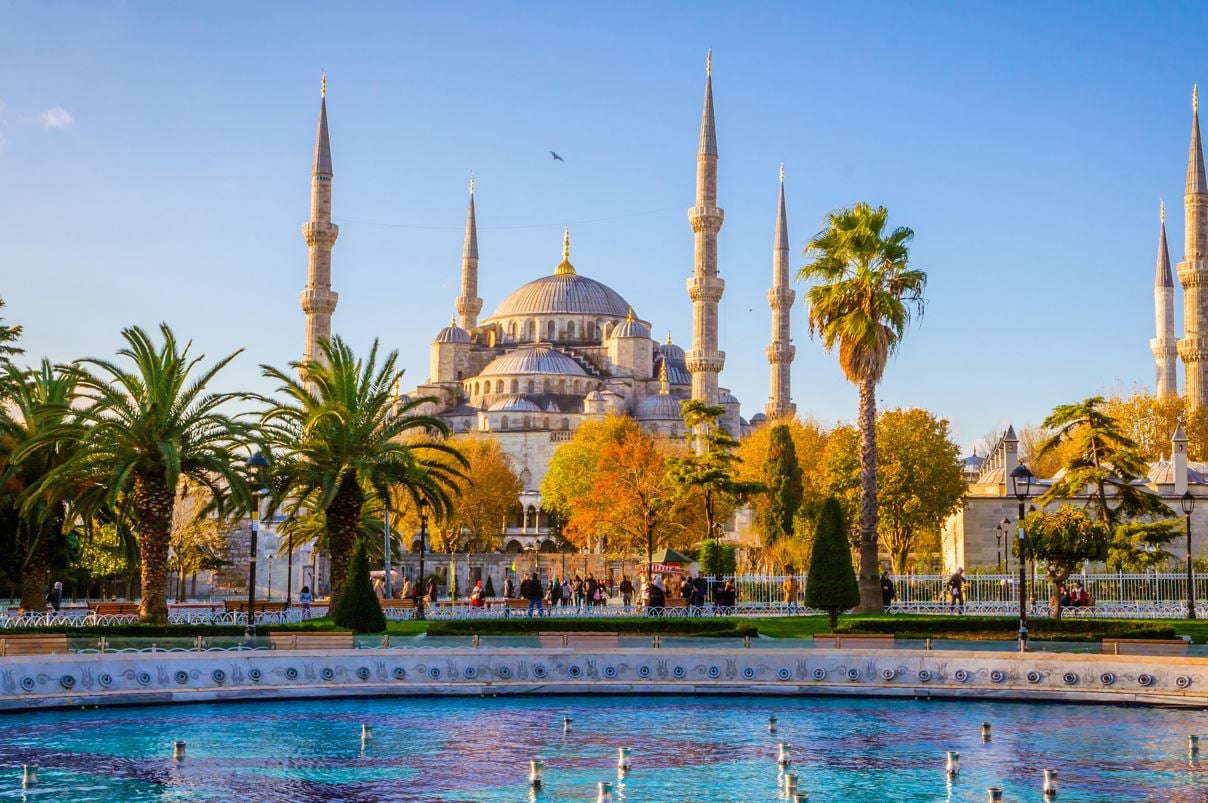
Explore the Hagia Sophia on your lunch break, or take a cruise on the Bosphorus after work. There are plenty of amazing cultural and historical sites, so you’ll definitely never be bored traveling and working online in Istanbul.
Pricy Data
Digital nomads value staying connected while out and about. Mobile data also usually doubles as backup Wi-Fi for critical work tasks.
Unfortunately, SIM card prices in Istanbul have tripled over the past few years. A short-term tourist SIM currently starts at 5-20G plans for $40-55. This means that a remote worker visiting Istanbul for a few days will pay the same price for data as someone who’s staying for a few weeks.
Turkish carriers also often throttle data speeds, even on ‘unlimited’ packages. On the upside, unlimited Whatsapp messaging is usually included.
Great International Access
A key feature of a great digital nomad city is convenient international access.
With Istanbul’s mega-hub airport, remote workers can hop around Europe and Asia without breaking a sweat. The city’s new airport metro stops also make getting to and from your flight easier than ever.
Nomads can snag flights to European destinations like Venice, Budapest, Paris, Barcelona, and Athens for $50-100. Trips to Gulf destinations like Dubai are dirt cheap, while popular Asian destinations like Thailand and the Maldives can be reached for under $200.
Istanbul also offers an overnight express train to Sofia, Bulgaria. From there, travelers can connect onward to the European rail network.
Accommodation Struggles
While travelers on workations might base from a hotel, long-term digital nomads often prefer to rent an apartment for a week or month. Unfortunately, that’s tricky in Istanbul these days.
First, Booking.com is blocked inside of Turkey, so anyone trying to book accommodation after arriving in the country will need to use a VPN.
Second, Airbnb prices have ballooned to reflect the housing shortage in the city these days. Rental sites offer very few entire apartments and list mostly private rooms in shared apartments. (Bear in mind that some Airbnb hosts in Istanbul actually sleep in the living room of the apartment and omit this information from the listing.)
As of summer 2023, digital nomads can expect to pay $150-200/week or $500-600/month for a room, and roughly double for a private apartment. While it might not seem expensive compared to U.S. prices, rents are out of proportion to the general cost of living.
Inflation, currency instability, an influx of Russian tenants, and a rapidly changing housing market mean the accommodation situation in Istanbul is subject to frequent changes, making travel to Istanbul a bit less predictable for digital nomads.
It’s true that Istanbul has a few kinks to work out for remote workers. While it may not quite live up to the hype, this Turkish megacity is still a must-see for travelers and digital nomads alike.
Italy is a must-visit bucket list destination for many travelers. Big-name cities such as Venice and Rome attract millions of tourists every year.
But what if you want to travel somewhere a little less packed full of tourists and a little more under the radar?
CNBC surveyed 175 travel experts and found that Bologna was the best-underrated city not only in Italy but in the world. The list was intended to highlight the cities that are less crowded and more affordable, but just as interesting as their more popular neighbors.
Here are six reasons why Bologna is the next big tourist destination:
A Mecca For Foodies
One of the most popular nicknames given to Bologna by Italians is La Grassa, which means ‘The Fat’, thanks to the rich and plentiful cuisine in the region.
Of course, Bologna is best known for the Bolognese pasta that it has exported around the world, but foodies will find a whole host of other delicious dishes here.
Parma is easily accessible from Bologna, meaning that prosciutto (often referred to as Parma ham) is plentiful here. Tiny restaurants selling plentiful bowls of pasta or rich scoops of ice cream can be found at every turn.
And if you just can’t get enough of food? Believe it or not, Bologna is also home to a 20-acre theme park dedicated to Italian cuisine called FICO Eataly World!
Small And Easy To Navigate
Cities that you can explore without the use of public transportation, or having to take expensive taxis, are incredibly underrated.
Bologna is a city that is small but perfectly formed, meaning that it’s easy to get around on foot.
You can walk from one end of the city to the other in just a couple of hours: unless you get distracted and stop to eat or look at something beautiful!
There is an abundance of self-guided walking tours available in the city, and it’s a very pleasant city to walk around because there are very few hills.
If you’d rather save your energy, there is an affordable city bus service, with tickets starting from just 1.30 euros per journey.
A City Rich With Culture
Bologna city canter has been designated UNESCO heritage status, naming it the ‘City of Porticoes’ thanks to the many porticoes the city contains.
A portico is a porch that sits at the entrance of a building, usually supported by columns, and you will find dozens of these in Bologna.
But it is not just these architectural curiosities that attract visitors to Bologna. The Piazza Maggiore sits in the heart of the city and is a cultural and social hub: there’s no better place to go to people-watch.
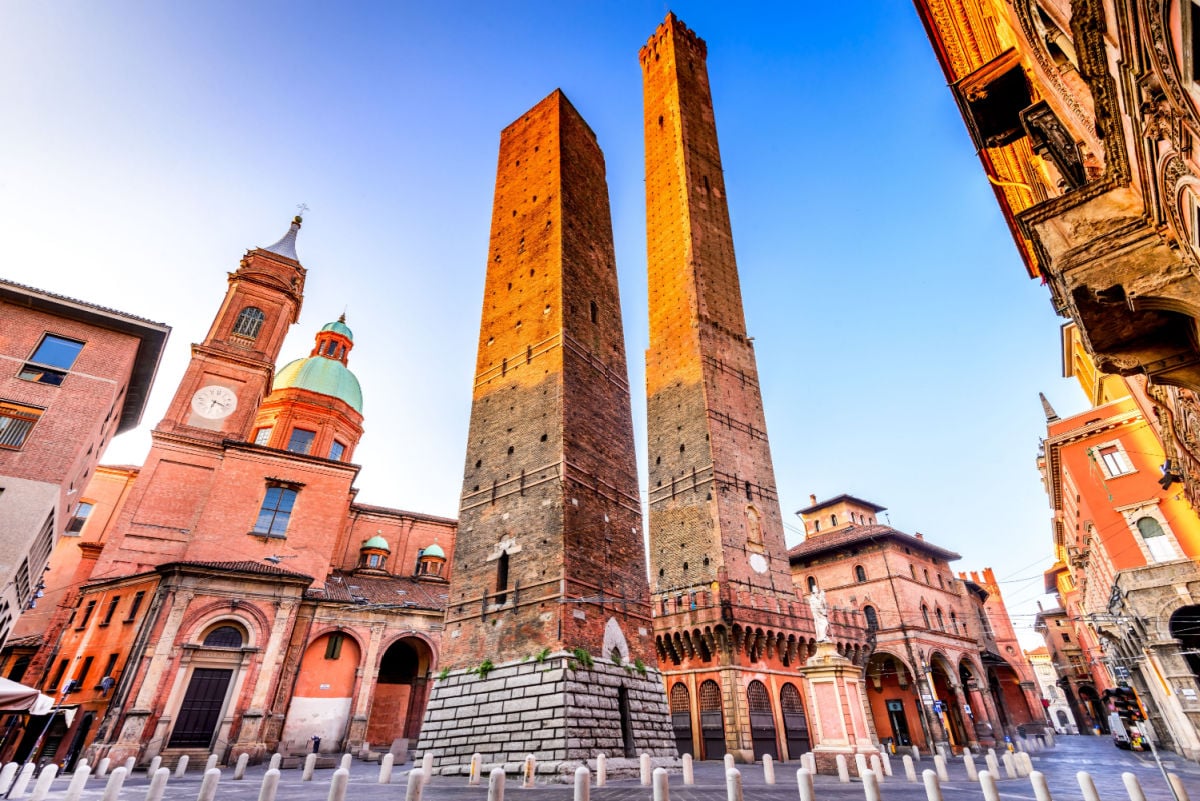
The Two Towers of Bologna are also a unique focal point, both leaning as the more-famous tower at Pisa does and dominating the skyline of the city.
The Active Bar and Cafe Culture
You would be forgiven for thinking that because Bologna is a small city, it is a sleepy city, but this couldn’t be further from the truth.
Bologna is a city with a bustling bar and cafe culture: whether you want a morning latte, an afternoon cocktail, or a beer or two at night, you’ll always find somewhere to go and a room full of locals.
Take time to visit Caffe Pasticceria Gamberinini: one of the oldest coffee shops in Italy, and still decorated in the same style as it was in 1907, meaning you’ll feel like you’ve stepped back in time.
If you’re looking for a big night out, then you’ll find that there are plenty of energetic and vibrant clubs if you look for them. Most of the nightclubs here are underground and are packed full of well-dressed 20-somethings at the weekends.
An Art Lovers Delight
Florence may be the epicenter of Renaissance art in Italy, but art lovers will find just as much to appreciate in Bologna.
Bologna boasts over 30 museums and more than as many art galleries. The jewel in its artistic crown is MAMbo: The Museum of Modern Art of Bologna which opened in 2007 and is one of the best modern art galleries in Italy.
If you’re more interested in classical art, then your appetite will be quenched at the Pinacoteca Nazionale di Bologna: a gallery devoted to Italian art from the 13th to the 18th centuries.
With a real focus on art from all periods of history, there’s something for everyone in Bologna’s many art galleries.
A Fantastic Base
Not only is Bologna an incredible tourist destination in its own right, but it also makes a great base if you’re interested in taking a bigger trip and exploring wider Italy.
From Bologna, you are just 70 miles from Florence. You could reach Venice by traveling just 95 miles. And the larger transport hub of Milan is only 135 miles away. This means that when you travel to Bologna, the whole of Northern Italy is at your fingertips!
But with so much to see and do in this small but activity-packed city, you might find that you don’t have the time to go anywhere else.
Americans love traveling to Mexico! Given its close proximity to the U.S. and its amazing culture and beaches, there is always a wonderful place to visit.
Those wonderful places are not just limited to coastal cities. There are many popular places to visit in inland Mexico.
For instance, the capital of Mexico is the bustling mega city – Mexico City – the largest city in North America, is massively popular with Americans.
Also commonly referred to as CDMX to shorten its proper name, Ciudad de Mexico. Many Americans find themselves loving CDMX so much they end up moving here as a digital nomad!
There are others, such as the cultural hub of Guadalajara and the trendy city that will take you back in time – Oaxaca.
It seems you hardly ever hear of travelers visiting the third-largest city in the country. That would be beautiful Monterrey, Mexico.
I visited this city without knowing much about it. Quite honestly, I had already checked off most of the places in Mexico that interested me.
That left Monterrey as one of the last places on my Mexico bucket list. It was appealing in the sense that such a large city seemed to go relatively unnoticed.
Here are 6 reasons why I think it should be much more popular as a top destination in Mexico:
Top Notch Museums
There are many museums you will come across while exploring Monterrey. Perhaps the most impressive is Museo de Arte Contemporáneo, otherwise simply known as MARCO.
Located on the outskirts of Monterrey’s macro plaza, which is essentially the town square, MARCO is a must-add to your Monterrey itinerary.
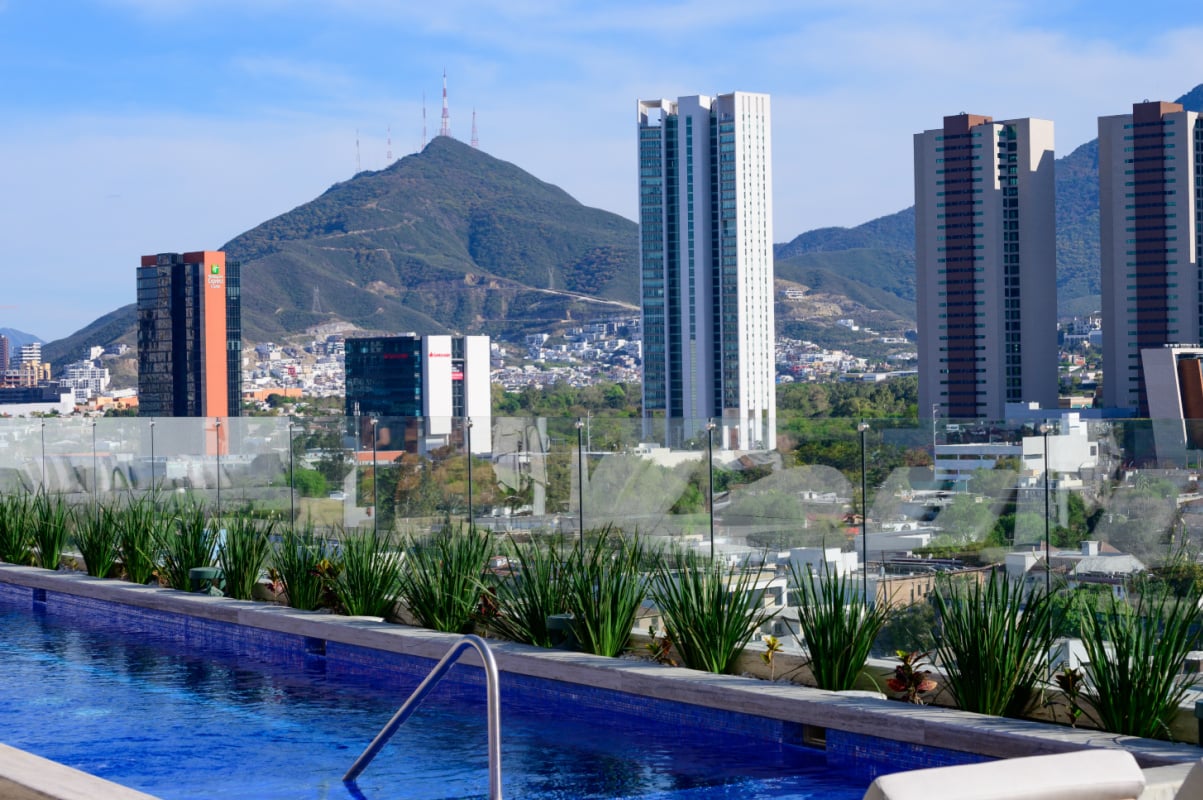
I stayed at the Radisson Hotel Monterrey San Jeronimo. While this is not a personal endorsement for the hotel, I found myself unable to leave the scenic rooftop!
Monterrey is a very pretty city surrounded by rolling green hills and the Cerro de la Silla mountains.
From late Spring through the end of Summer, Monterrey temperatures will reach the 90s or higher, creating perfect rooftop pool weather.
There are many nice hotels offering great amenities throughout the city, but this a perfect city to hang at the pool, drink some Mexican cervezas, and take in the stunning cityscape views.
Enjoy The Outdoors
After enough time at the pool taking in the views, maybe that will inspire you to take a hike in the mountains (weather permitting, of course).
Cerro de la Silla is easily accessible from the city. There are several marked trails that lead to the highest points for an even more breathtaking view.
Monterrey is also home to some truly magnificent caves outside the city, an easy Uber ride away.
The Grutas De Garcia (Garcia Caves) are massive underground caverns millions of years old.
Visitors will have to take a short hike to reach the entrance, but it is well worth the trek for this natural wonder.
Fewer Crowds Than Mexico City And Guadalajara
Those who have been to CDMX know that traffic can be an absolute nightmare! In Guadalajara, browsing certain crowded markets or rush hour traffic can be no joke too.
As the third largest city, Monterrey of course has traffic, but it’s much more manageable than the two larger cities.
Certain areas of the city, such as downtown, are very walkable, and the streets and sidewalks have more open space.
It can be much more enjoyable to venture out and browse the markets, take a stroll along the riverwalk, or take an Uber across the city.
Local Cuisine
It’s no secret that Mexico has some amazing food options all across the country. Just as Mole Poblano is unique to Puebla or Tortas Ahogadas are unique to Guadalajara, Monterrey has Cabrito.
This delicious dish consists of a young goat raised on a limited diet. It can be cooked and served in a variety of ways. Most restaurants will usually have at least 2 different options of Cabrito.
Machaca and Carne Asada are two others that are commonly found on menus across this region of Mexico.
Barrio Antiguo
By day, Barrio Antiguo feels like a time capsule of Old Mexico. This neighborhood is plentiful with cobblestone streets, cafes, and colorful buildings reminiscent of Havana.
You can smell the aroma of delicious food and fresh coffee from wandering local vendors, especially on weekends when a market takes over the street.
There is also the Mercado Barrio Antiguo nearby for an authentic shopping experience.
At night, this area takes on a new personality. Thumping music and neon lights can be heard from a distance as this area is known for its nightlife scene.
Amsterdam is The Netherlands’ largest city and one of the main Dutch cities that tourists visit when taking a trip across Europe.
Amsterdam is known for its extensive canal system, cultural attractions, and museum district.
You can enjoy the artistic works of Van Gogh, Rembrandt, and Vermeer here or visit Ann Frank’s house, a museum dedicated to the Jewish wartime diarist.
Amsterdam’s famous nightlife attracts a lively and youthful crowd, and the city is a great place to explore both Dutch and global cuisine.
If you want to avoid the crowds that Amsterdam attracts, why not visit the equally exciting city of Leeuwarden instead?
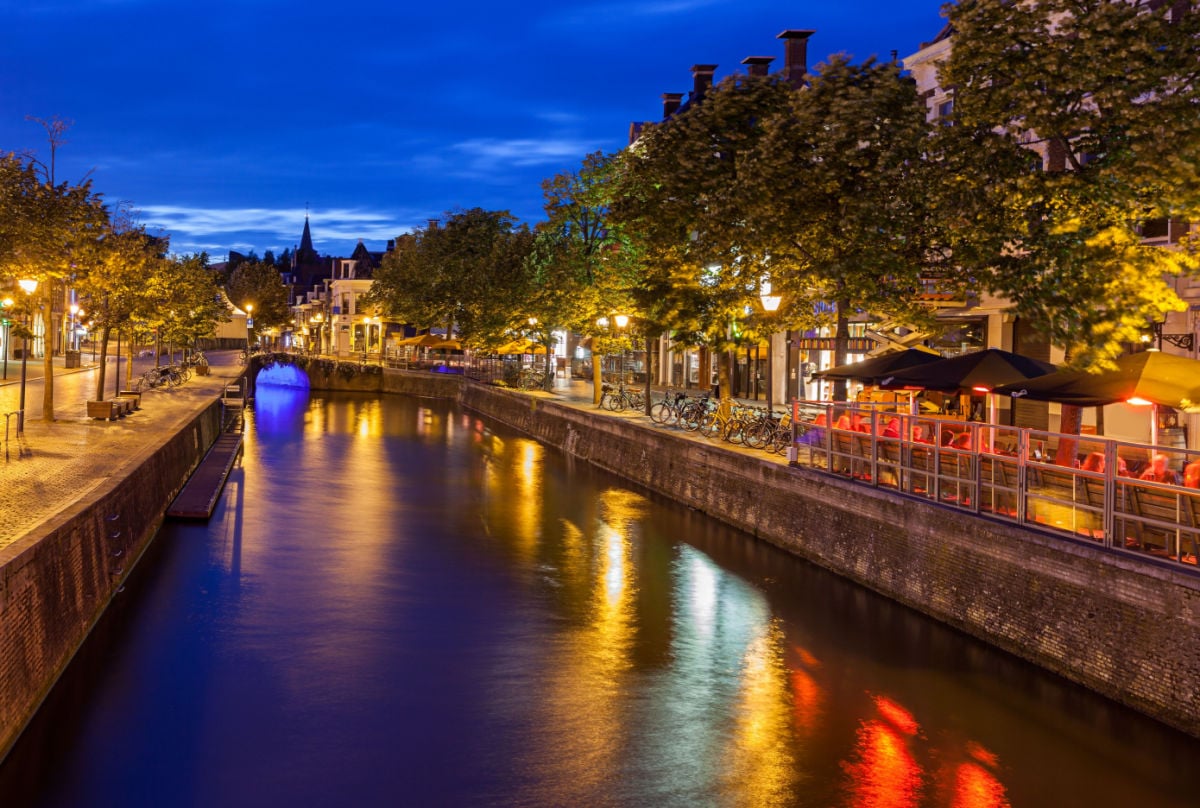
Leeuwarden is a small but historically significant city in the municipality of Friesland, and it is just as beautiful as Amsterdam.
It has a similar canal system and was awarded the title of European Capital of Culture in 2018. It is everything you would expect when you think of a typical Dutch city.
Here’s why you should visit:
Small But Perfectly Formed
Leeuwarden is a city that is small but perfectly formed. With a population of just over 100,000, there’s no need to worry about overcrowding here.
Leeuwarden boasts a beautiful historic inner city that can easily be explored on foot, meaning you won’t need to navigate the public transport system, if you don’t want to. The historic center is home to over 600 monuments, the most famous of which is a tall leaning tower called De Oldehove.
Construction of the Oldhove began in 1529. The tower’s tilt began during its construction, so the project was stopped in 1532. Whilst the 9th Century church originally attached to the church was then demolished in 1595, the 39 meter tall tower still remains.
If you want to learn more about the history and culture of the Friesland region then you can visit the Fries museum, which sits in the heart of the historic inner city.
Visitors can also visit Stadhouderlijk Hof, now a hotel but formerly a palace owned by the Dutch Royal Family.
Nothing Is Lost In Translation
The Dutch language can be complicated and difficult to learn. But what makes Leeuwarden unique is that, unlike most other parts of The Netherlands, they don’t actually speak Dutch.
Instead, they have their own language called Frisian. And the Frisian language has more in common with English than Dutch!
Frisian and English share 80% lexical similarity, making it the Germanic language closest to English. This means that English speakers will find it incredibly easy to communicate and get around the city.
The reason? Friesland was once connected to England via a prehistoric land bridge known as Doggerland, which was submerged in water around 6500 to 6200 BC. Before this point, Great Britain was connected to mainland Europe via the Netherlands.
A Lively Nightlife Scene
When you think of nightlife in the Netherlands, you instantly think of Amsterdam. But Leeuwarden is a university town and thanks to its several higher education institutions, it has its own high-octane nightlife scene.
Like Amsterdam, the universities in Leeuwarden attract students from all over Europe, so the nightlife available is wonderfully diverse. You will find plenty of bars and clubs, as well as live music venues and other live performances.
Visit Doelesteeg, a small street packed with bars and clubs. This street is particularly busy on Thursday, Friday and Saturday nights, and is famed for its great atmosphere and late-night parties.
Beautiful Green Spaces
One of the main attractions of Leeuwarden is that it is in the heart of an area that boasts outstanding natural beauty.
You can sit by one of the many city center canals and enjoy the views with a cup of coffee, or even take a canal tour to explore the city from a different angle.
Locals often travel by bike, and it is possible to hire bicycles and explore many of the green spaces surrounding the city. From parks to cycle paths and hiking trails, you’ll be amazed at how much greenery there is in a relatively urban environment.
Ready to take time out of the city? You’re in the right place! Friesland is known for its lush greenery, and the Frisian Lakes are a popular place for water sports enthusiasts.
Consisting of 24 lakes spread across central and southwest Friesland, during the summer months the area attracts boaters from all over the country. Here you can sail, surf, or even try your hand at waterskiing.
Leeuwarden offers the best elements of a city break with all the fun of an activity-packed vacation at the same time.
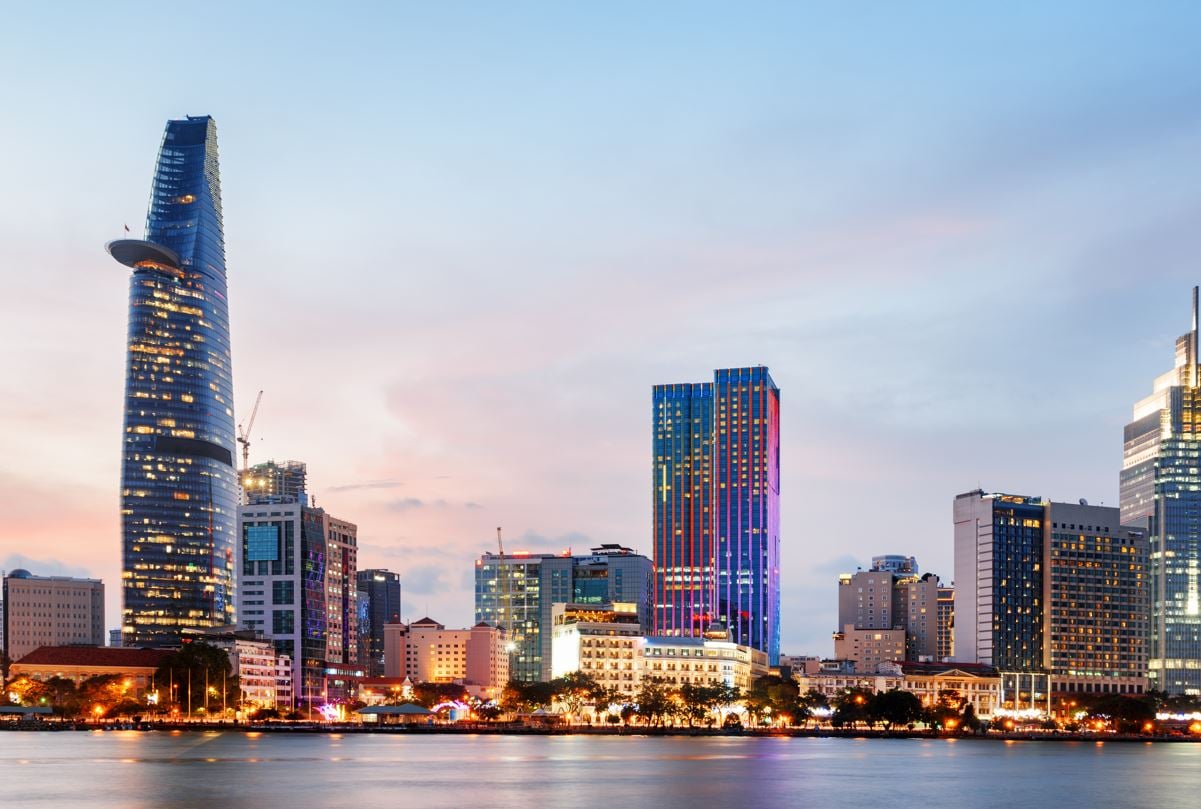
Ho Chi Minh City in the south of Vietnam is the nation’s economic capital and a dizzying whirlwind of activity. Formerly known as Saigon, the sprawling city balances Vietnamese tradition with a modern flair.
Wandering the streets, you’ll find ancient pagodas mixed amongst skyscrapers and high-end shops next to mouth-watering street food stalls.
Because the city was under French rule for over 60 years, there is also a distinctly French flair to the city found in its architecture, streets, and even its cuisine.
But before setting off to Ho Chi Minh City, there are a few things you need to keep in mind. In this post, we’ll cover everything you need to know about traveling to Ho Chi Minh City, including:
What are the costs for travelers?
Things to know about culture and etiquette
What are the top attractions?
How safe is it?
Local food and drinks
How good is the WiFi?
How long can you stay?
Ready?Here are the top 7 things you need to know before visiting Ho Chi Minh City:
Did you know… Ho Chi Minh City was formerly called Saigon, although many still refer to it as so. The official name change came in 1975 when the Northern Vietnamese Army gained control of the city, bringing an end to the Vietnam War. The city is named after Ho Chi Minh, the 20th-century Vietnamese revolutionary who led the fight for the nation’s independence.
1) Ho Chi Minh City Affordability
⭐⭐⭐⭐⭐
Rating: 5 out of 5.
The currency in Vietnam is the Vietnamese Dong or VND. The current exchange rate is
Average hotel price: One night at a 3-star hotel typically costs around $40, or around $85 for a 4-star hotel.
Luxury 5-star hotels: Luxury 4-star hotels average $150 per night, and there are plenty of options, especially if you want to splurge. For instance, the La Vela Saigon Hotel has gorgeous suites starting at $540 per night.
If you’re on a budget: Ho Chi Minh City is a backpacker’s paradise, with countless options for cheap hostels. A bed in a dorm at a well-rated hostel costs between $5-$7 per night, while a private ensuite room averages about $20 per night. Hostels typically provide free breakfast and WiFi.
Not only is the food in Ho Chi Minh City incredibly delicious, there are plenty of affordable options.
A 3-course meal at a mid-range restaurant for two costs around $25.
For a cheap meal at an inexpensive restaurant or from a street food vendor, expect to pay around $2.
A beer costs between $1-$2, while a cappuccino is about $2.
Transportation
Public transportation in Ho Chi Minh City is dominated by a massive bus network that can take visitors to any of the top tourist destinations. Fare is based on distance traveled and ranges between $0.15 – $0.50 per journey. It is incredibly cheap, but just know it can also be a painfully slow way to get around.
Taxi fares start at$0.50and cost an additional $1 per mile traveled. Motorbike taxis are also common and a short trip typically costs around $1.50 for a short trip. Ho Chi Minh City’s preferred rideshare service is called Grab, and it works the same way as Uber. Rates are usually cheaper than taxis.
Traveling by cyclo is also an option. Cyclos are three-wheeled bike taxis that are slow-moving and often have to avoid certain streets where they are prohibited. An hour-long ride typically costs around $7 – just be sure to negotiate the price before you take off.
Experienced bikers can choose to cycle the city. Bike rentals are available for about $5.50 per day, just beware that the traffic is incredibly chaotic, so if you choose to bike be sure to ride with caution.
2) Culture And Etiquette In Ho Chi Minh City
Vietnam’s culture and traditions are much different than those found in the West. Make time to read up on appropriate etiquette before taking off for your vacation.
Check this list before your trip! Here are some of the major Dos and Don’ts in Ho Chi Minh City.
DO show respect at religious sites: When visiting temples and pagodas all visitors should dress modestly or cover up with a scarf. Bow your head to temples and Buddha statues to show respect and speak only in a whisper when inside. Never touch statues or monks, and take off your shoes if requested.
DON’T go overboard with PDA: Try to keep your hands off each other when out in public, and definitely don’t do any smooching inside religious sites.
DO keep valuables at home: The Vietnamese people are humble and do not typically display large signs of wealth. Doing so as a tourist could be considered rude.
DON’T accept the first price: At market stalls haggling over the price is expected, just make sure you do it with a smile.
DO respect your elders: Show respect to anyone older than you by offering a greeting or a bow.
DO ask first: If you want to take a photo of someone always ask permission first. Additionally, avoid taking photos in military areas as it could land you in jail.
3) Top Attractions in Ho Chi Minh City
Ho Chi Minh City is full of incredible places to explore. Here are a few of the top things to see and do while visiting:
Cu Chi Tunnels – An extensive network of small tunnels that were dug and used during the Vietnam War by Viet Cong soldiers. Visitors can take a guided tour and crawl through certain sections of the tunnels.
Ben Thanh Market- Vietnam’s largest market with over 1,500 traders. You’ll find plenty of retail, souvenirs, handmade items, and delicious food at this expansive market.
War Remnants Museum – With over 20,000 documents, artifacts, and films, the War Remnants Museum educates visitors on the local perspective of the Vietnam War and the lasting effects it has had on the nation.
4) How Safe Is It For Tourists?
⭐⭐⭐
Rating: 3 out of 5.
As with many Asian cities, Ho Chi Minh City is very safe for travelers. However, there are still some things that travelers should keep in mind to stay safe during their visit:
Beware of thieves: Bag snatching and petty crime is very common, so be sure to take extra caution in busy areas or tourist spots. Don’t walk with your phone in your hand, and never leave bags unattended.
Know how to call for help: If you or someone you are with need emergency assistance call 113.
Be careful crossing the street: To say the streets in Ho Chi Minh are chaotic is an understatement, and crossing the road, in particular, can be a very stressful event. The best strategy is to wait for a break in the traffic and then cross confidently at a consistent pace.
DO get travel insurance:Travel insurance can help in health emergencies as well as with covering the costs of any travel mishaps during your Ho Chi Minh City trip. For 5 great options, read more here.
5) Local Eats And Drinks
One of the best parts of travel is checking out the local cuisine, and Ho Chi Minh City is a fantastic place to try new foods. Don’t let yourself leave without trying at least one of the following:
Food
Snails – Boiled, steamed, grilled, or sauteed snails are a popular street food, especially when eaten with a cold beer.
Banh mi – a sandwich that can be made with a variety of meats (or tofu), fresh herbs, pickled vegetables, pate, and a chili sauce stuffed inside in a crunchy baguette
Com Tam – marinated and slow-grilled pork ribs served with broken rice, egg, vegetables, and scallion oil, typically drenched in fish sauce.
Drinks
Vietnamese Coffee – Coffee culture in Vietnam is strong and it is sold everywhere, often served over ice and sweetened with condensed milk.
Sugarcane juice – Fresh stalks of sugarcane are juiced between two rollers producing a sweet refreshing beverage.
Beer – Popular brews include Saigon and 333. Local craft beers including Heart of Darkness and Platinum are gaining popularity
6) How’s the WiFi?
Using Ookla, an internet speed testing service, the average internet speeds in Ho Chi Minh City for March 2023 were 42.15mbps download and 20.50mbps upload.
7) How Long Can I Stay?
U.S. Citizens must obtain a tourist visa to visit Vietnam. Applications for e-visas can be done online and are valid for a maximum of 30 days and cost $25. Alternatively, visitors can obtain a visa on arrival at the airport if it has been pre-arranged, or from an embassy. These visas can be valid for up to 3 months. All passports must have at least 6 months of validity and one blank page.
Many travelers who consider going to Mexico opt for the more trendy destinations over finding somewhere new.
Depending on whether they are looking for a fun beach vacay or wanting to immerse themselves in Mexico’s beautiful culture, they may choose places like Oaxaca, Cancun or Mexico City.
The latter has become quite a trendy place for travelers in recent years. Those who come to the capital of Mexico will also be in close proximity to an overlooked gem.
Puebla is a city within approximately a 2-hour drive. Those who have already discovered Puebla’s magic often consider it to be a day trip or weekend getaway from Mexico City.
There is so much to explore here, so those who have only stayed for a short time are cutting themselves short on what this charming, historical city has to offer.
The City Of Puebla
A simple search online about Puebla will result in multiple weekend guides and how to take the perfect Instagram photo with the backdrop of Puebla’s infamous volcano, Popocatépetl.
The problem with that is there is more to experience in just two full days! The endless food options would be almost impossible to take in on a 48-hour trip.
Puebla is also the name of the state, but the city of Puebla is the main gastronomical hub of the region.
This area of Mexico is home to some of the most authentic traditional Mexican cuisine known to man.
According to the Minister of Tourism in Puebla, “The state’s capital is the second municipality with more museums in Mexico, and gastronomy is our heritage with Chiles en Nogada, Rib Mole, and Mole poblano, among many others.”
To truly get a taste of all the culinary offerings here, one would need to stay for an extended time.
Two of the more common food items on local menus are Mole Poblano and Chiles en Nogada, which might have foodie travelers salivating from looks alone.
Mole Poblano typically derives from turkey, chocolate and a mix of various peppers totaling dozens of ingredients.
Chiles en Nogada is a vibrant dish that is a signature staple of Puebla. It is made from locally sourced ingredients, such as poblano peppers and a unique sauce made from nuez de Castilla.
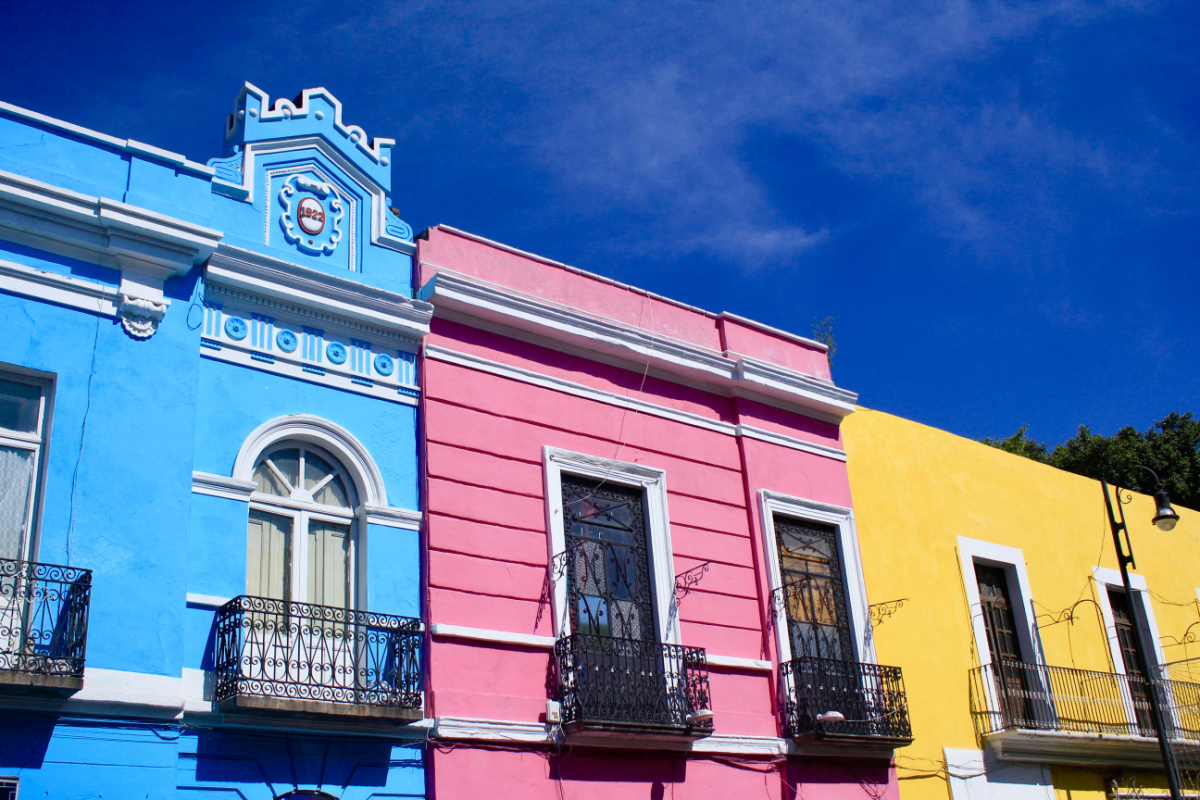
It might be advised to wander the colorful streets of the city before eating as it would be extremely hard not to indulge in the spectacular flavors of Puebla.
The city itself is a proud historical destination and a UNESCO World Heritage Site as it was a highly important piece of Mexican history dating back all the way to the 16th century.
Back then, over 280 temples were constructed to satisfy various sects of religious beliefs. Travelers will find some beautifully preserved architecture still standing today across the region.
Visitors to the city will find a vast array of comfortable hotel options ranging from high-end hotels to remodeled boutique accommodations in the historic buildings.
Many are located near the city’s main museums to gain a better understanding of how Puebla came to be what it is today.
Beyond The City Limits
While there is nothing wrong with spending the majority of time in the city of Puebla, travelers would be remised if they didn’t take time to explore some of the region’s Pueblos Magicos.
There are 10 Magical Towns worth seeing:
Huauchinango
Xicotepec de Juarez
Chignahuapan
Cuetzalan
Cholula
Atlixco
Zacatlan
Tlatlauquitepec
Tetela
Pahuatlan
Each town is unique in its own way and acceptable for all ages. Cholula might be the most well-known as it sits toward the base of the picturesque Iztaccíhuatl and Popocatépetl volcanoes.
Sadly, there is no Cholula hot sauce factory to tour as the popular condiment has no relation to the town.
What travelers will find is a small community happy to have them visit and be able to explore important landmarks, such as pyramid ruins and numerous colonial temples.
Many visitors come for the scenic nature of the state of Puebla. Not only is there gorgeous scenery outside the city limits, but travelers will also find the culinary scene is still superb on the outskirts.
Those wanting a taste of neighboring Oaxaca can easily double dip in Mexican culture through this loophole.
Tour guides take travelers to the nature reserve of Tehuacán-Cuicatlán, a region neighboring the state of Oaxaca.
Here, tourists will get to experience expansive food options. Through Mezcal Aislados, traditional alcoholic beverages as well.
Mezcal is a pillar of Oaxacan culture. Travelers can get a taste of the agave-based booze without stepping foot in Oaxaca while also taking in Puebla’s natural beauty.
The Mediterranean is one of the most sought-after vacation spots globally, with its enviable collection of picturesque beaches, historic sites, and immeasurable cultural value.
But it is overcrowded, and in some places, the surge in prices has been so significant it is scaring tourists away.
Luckily for the budget-conscious, crowd-wary traveler, this lesser-known city in the Eastern Mediterranean is still a great alternative to consider, especially in terms of affordability, the tourist offer, and its year-round warmer weather.
This year, it’s time to give Italy, Spain, Croatia, and the like a miss and head instead to the gorgeous up-and-coming resort destination that is Antalya in Turkiye:
One Of The Leading Destinations In The Med Right Now
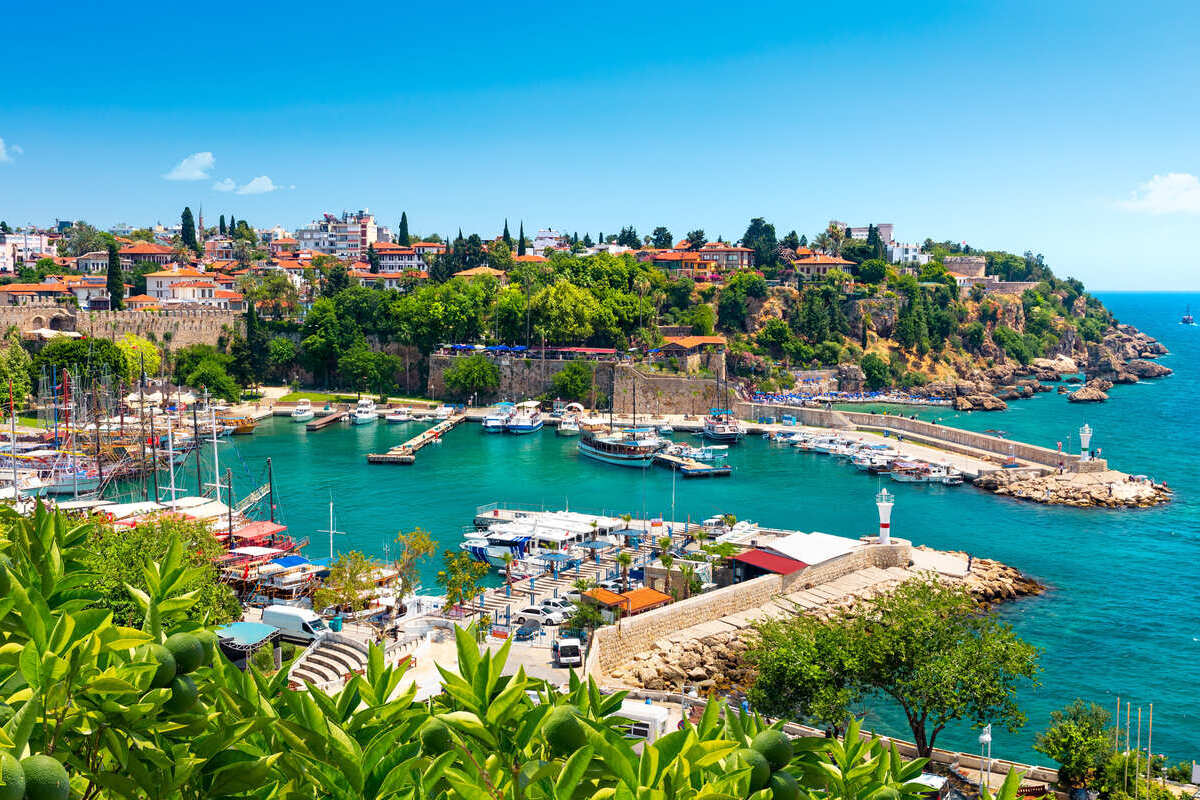
Antalya is one of the largest Turkish cities lining the East Mediterranean coast. Home to 1,347,000 people, it is a bustling metropolis whose importance as a regional trading hub and cultural center dates back several millennia.
It is also one of the fastest-growing destinations in the Mediterranean, having hosted over 13 million guests in 2022 – more than entire countries would have in the same period – and looking set to shatter all sorts of tourism records in 2023.
Back in 2019, the most successful year for Antalya so far, it hosted approximately 141,000 foreigners in January. In the first 31 days of 2023, however, it breached the 219,647 mark, posting a record increase year-on-year and giving a strong indication this summer could be the busiest yet.
Compared to 2022, it is already an increase of 58%, and while it’s mostly Europeans who are flocking to Antalya’s pristine beaches, the number of American visitors is on the rise as well.
Two new flight routes were added between the States and Istanbul, Turkiye’s main transit hub and the gateway to Antalya for the U.S. market, bringing U.S. sun-seekers closer to their dream holiday.
It was, after all, named the Top City Break worldwide in 2022.
What’s Special About Antalya?
Antalya was originally born a Greco-Roman city prior to the formation of the Turkish state, and much like Izmir, Bodrum, and other popular sunny spots on the Turkish Aegean, it retains much of its Hellenic character, whether it’s the more relaxed approach to life and liberal attitudes of the locals, or the historical remnants spread out across the city and the wider province.
The Kaleiçi, or Old Town, is easily the most scenic part of town and hosts a lively cobblestone-laden maze full of shops, traditional restaurants, and centuries-old Greek churches and Ottoman-era mosques.
The most impressive and easily-recognized landmark is Hadrian’s Gate:
This beautiful colonnaded gateway is flanked on both sides by defensive walls and watchtowers and has historically guarded the entrance to Old Antalya prior to the city’s disorderly expansion beyond the fortifications.
Crossing Hadrian’s Gate, visitors are, in fact, stepping on an incredibly well-preserved section of Roman road, which paved the original city level, and tracing the steps of Roman soldiers who patrolled the premises and subjects and merchants who sought entry into Antalya for safety and trade nearly 2,000 years ago.
The Kaleiçi has plenty of ancient wonders to keep the History buff in you entertained for days on end, but beyond its majestic walls, you will also find beautiful sandy beaches where the water is crystal-clear and warm enough for a dip as early as April.
Further down the coast, there are up-and-coming Mediterranean-style resort strips renowned for their affordability and a modern district dotted with high-rise buildings and leisure centers, popular for shopping and their nightlife scene.
Antalya Is Cheap To Visit
Antalya is a hugely affordable city compared to other Mediterranean competitors.
I resided in the city myself for an entire month in early 2022, in the off-season, and my monthly expenses, accommodation, and food included mounted up to roughly USD$1000 in the end.
You could easily spend one thousand bucks over a weekend in Santorini or Ibiza on a strict budget. It’s a no for me.
Working remotely from Antalya, I was staying in a two-floor apartment a little further out, a 30-minute drive from the city center, yet five blocks away from the beach and within walking distance of restaurants, bars, and a shopping district.
I enjoyed a stable WiFi connection, a well-equipped kitchen, which I rarely used myself, a smart TV, and even a terrace with sun loungers, a hammock, and a grill.
When it comes to dining out, it is surprisingly cheap, with three-course, satisfying meals costing on average USD$15 per person, or over USD$30 in more upscale places, though I was able to save up a lot of money buying groceries and cooking at home on some nights.
There are surely more than 5 reasons why Antalya is the perfect summer destination, but the fact that it is unbelievably cheap by Western standards and home to both world-renowned historical sights and gorgeous sandy crescents are surely some of its greatest strengths.
This captivating city is one that travelers return to again and again, in part because there is so much to see and do but also because it tends to lure you back for more.
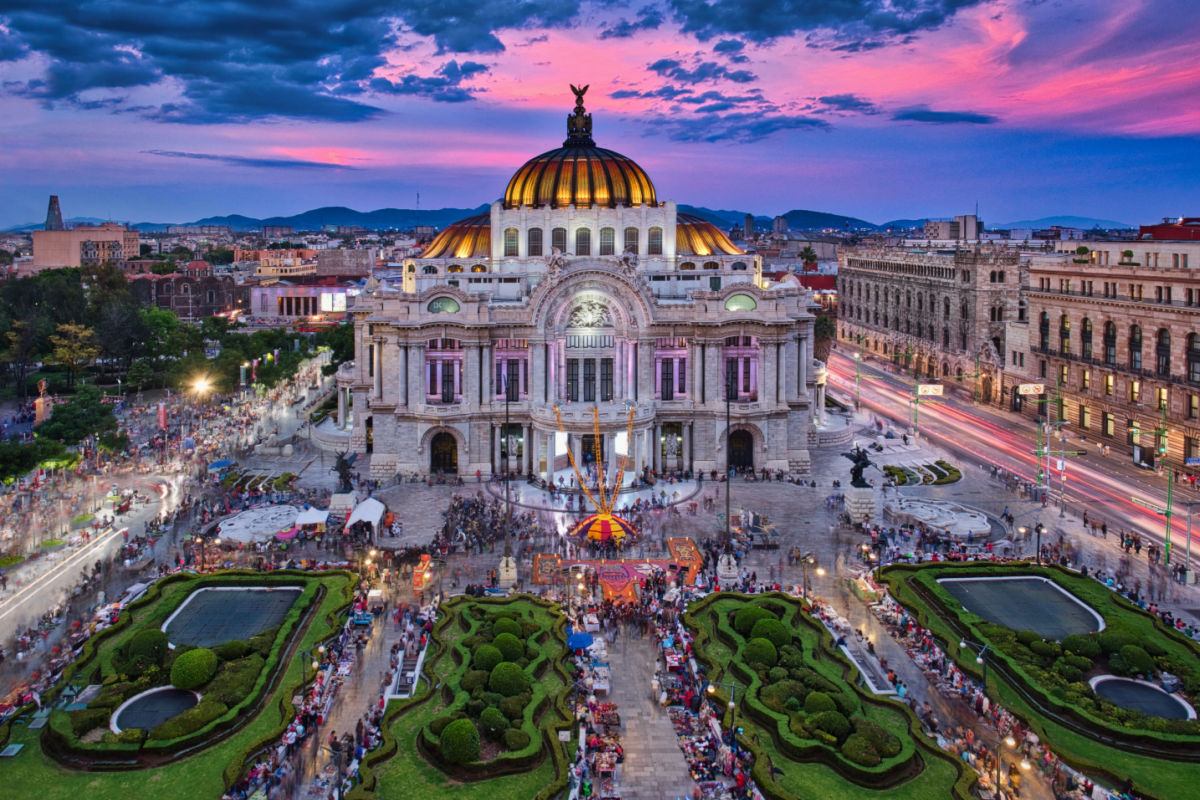
Mexico City’s rich historical sites, trendy neighborhoods, lively culture, and one of the best food scenes in the world attract visitors from around the world.
But before setting off to Mexico City, there are a few things you need to keep in mind. In this post, we’ll cover everything you need to know about traveling to Mexico City, including:
What are the costs for travelers?
Things to know about culture and etiquette
What are the top attractions?
How safe is it?
Local food and drinks
How good is the WiFi?
How long can you stay?
Ready?Here are the top 7 things you need to know before visiting Mexico City:
Did you know… Mexico City is not only the largest city in Mexico, but it is also the most populated city in all of North America. With a population of over 21 million in the greater Mexico City area, CDMX is the largest Spanish-speaking city in the world and is the sixth-largest metropolitan area in the world.
1) Mexico City Affordability
⭐⭐⭐⭐
Rating: 4 out of 5.
The currency in Mexico City is the Mexican Peso or MXN. The current exchange rate is MXN$100 = $5.55 USD and $100 USD = MXN$1,800.
Here are the average costs for travelers in USD:
Accommodation
Average hotel price: One night at a 3-star hotel typically costs around $70, or $120 for a 4-star hotel.
Luxury 5-star hotels: You can find luxury 5-star hotels for around $ 275 a night in Mexico City. However, there are more expensive options if you want to indulge – like the sophisticated St. Regis Mexico City where rooms start at around $1200 and come with Butler service.
If you’re on a budget: Mexico City has so many affordable hostels to choose from. A bed in a well-rated hostel in a central area will cost around $15-$25 per night, while private ensuite rooms range anywhere from $40 – $70 per night.
A 3-course meal at a mid-range restaurant for two costs around $45
For a cheap meal at an inexpensive restaurant, expect to pay around $8.
A beer costs between $2-$4, while a cappuccino is about $2.75.
Transportation
Getting around Mexico City on public transportation is a great option. While the subway can be crowded, it is cheap and efficient. Public buses cost $0.30 per ride, while the subway is just $0.27.
If you want to cycle around Mexico City, there is a bike-share program called EcoBici that offers 45 minutes of free use and $1.30 per hour after. Alternatively, you can rent the bike for the entire day for $6.30.
Taxi fares start at $1.34 and cost an additional $0.87 per mile. Uber is available in Mexico City and is generally a cheaper option.
2) Culture And Etiquette In Mexico City
Mexicans are known for their hospitality, and tourists will encounter friendly faces even in the bustling city of Mexico City.
Check this list before your trip! Here are some of the major Dos and Don’ts in Mexico City.
DO try the street food: you’ll find some of the nation’s best food being served up at street stalls. Just be smart about which vendors you buy from and make sure food is properly prepared.
DON’T forget to leave a tip: 10% is customary at restaurants and cafes. Tipping a taxi driver is not expected.
3) Top Attractions in Mexico City
Mexico City is full of incredible places to explore. Here are a few of the top things to see and do while visiting the city:
Museo Nacional de Antropologia – The National Museum of Anthropology has 23 permanent exhibits that display the world’s largest collection of ancient Mexican art as well as archaeology and ethnographic exhibits.
Frida Kahlo Museum – The lifelong home turned museum of Mexico’s most famous artist. Be sure to purchase tickets online well in advance to avoid disappointment.
Chapultepec Park – A massive 1,700-acre park that is home to nine museums, two lakes, a castle, and a zoo, best explored on a bike.
4) How Safe Is It For Tourists?
⭐⭐⭐
Rating: 3 out of 5.
Despite recent warnings that Mexico is unsafe, the majority of tourists do not encounter problems. However, there are still some things that travelers should keep in mind to stay safe during their visit:
Don’t hail taxis on the street: find taxis that are parked outside hotels or restaurants rather than hailing them from the street. Alternatively, use Uber to call for a ride.
Don’t use ATMs on the street: fake and compromised ATMs are a real problem in Mexico City. If you need to take out cash, use an ATM inside a bank.
Avoid tap water: Stick to bottled water unless you want to get friendly with your toilet.
Beware of thieves: pickpocketing is very common in Mexico City, especially at markets, on public transportation, and in tourist areas. Keep your valuables in your hotel or conceal them while out.
Don’t do drugs: Much of the violence and crime in Mexico is related to the drug trade. So it is best to avoid doing illegal drugs so as not to support this underground industry and also to stay safe.
Research your neighborhood: some neighborhoods outside the tourist areas have a higher rate of crime. In particular, Tepito and Iztapalpa can be unsafe.
DO get travel insurance:Travel insurance can help in health emergencies as well as with covering the costs of any travel mishaps during your Mexico City trip. For 5 great options, read more here.
5) Local Eats And Drinks
One of the best parts of travel is checking out the local cuisine, and Mexico City is a fantastic place to try new foods. Don’t let yourself leave without trying at least one of the following:
Food
Mexico City is a melting pot for Mexican cuisine – in the city; you’ll find dishes originating from all of Mexico’s different culinary regions.
Chilaquiles – corn tortilla chips simmered in a flavorful sauce until soft, and topped with avocado, cheese, or meat
Tacos Al Pastor – tacos made with juicy, slow-roasted pork
Esquites – a popular street food dish – a seasoned corn salad that can be topped with crushed takis, jalapenos, or Cheetos
Tortas – Flavorful Mexican sandwiches often made with meat, vegetables, cheese, and beans
Drinks
Atole – a warm, sweet drink made from corn flour, milk, cinnamon, and vanilla
Mezcal – a smoky liquor made from the agave plant, it can be sipped by itself or used to mix up some delicious cocktails
Pulque – a slimy, slightly alcoholic fermented agave juice – you’ll either love it or hate it
Aguas Frescas – non-alcoholic flavored drinks – try flavors like hibiscus or tamarind
6) How’s the WiFi?
Using Ookla, an internet speed testing service, the average internet speeds in Mexico City for February 2023 were 28.36mbps download and 11.75mbps upload.
7) How Long Can I Stay?
Americans traveling to Mexico can stay for up to 180 days on a tourist visa. Visitors should be aware that the length of validity stamped on their passports is at the discretion of the immigration officer. It is wise to have handy proof of a ticket to exit Mexico, as many immigration officers will ask to see it.