As summer turns to fall, it’s prime time for smart travelers to seek out underrated and off-path destinations they can enjoy with fewer tourists.
Overseas hotspots like Mexico and the Caribbean will always be popular at this time of year, and with good reason. The same goes for U.S. locations such as Florida.
These well-known places are great, and you can definitely avoid the crowds if you’re smart, but there are other options out there that can offer a perfect off-path fall getaway that might surprise you.
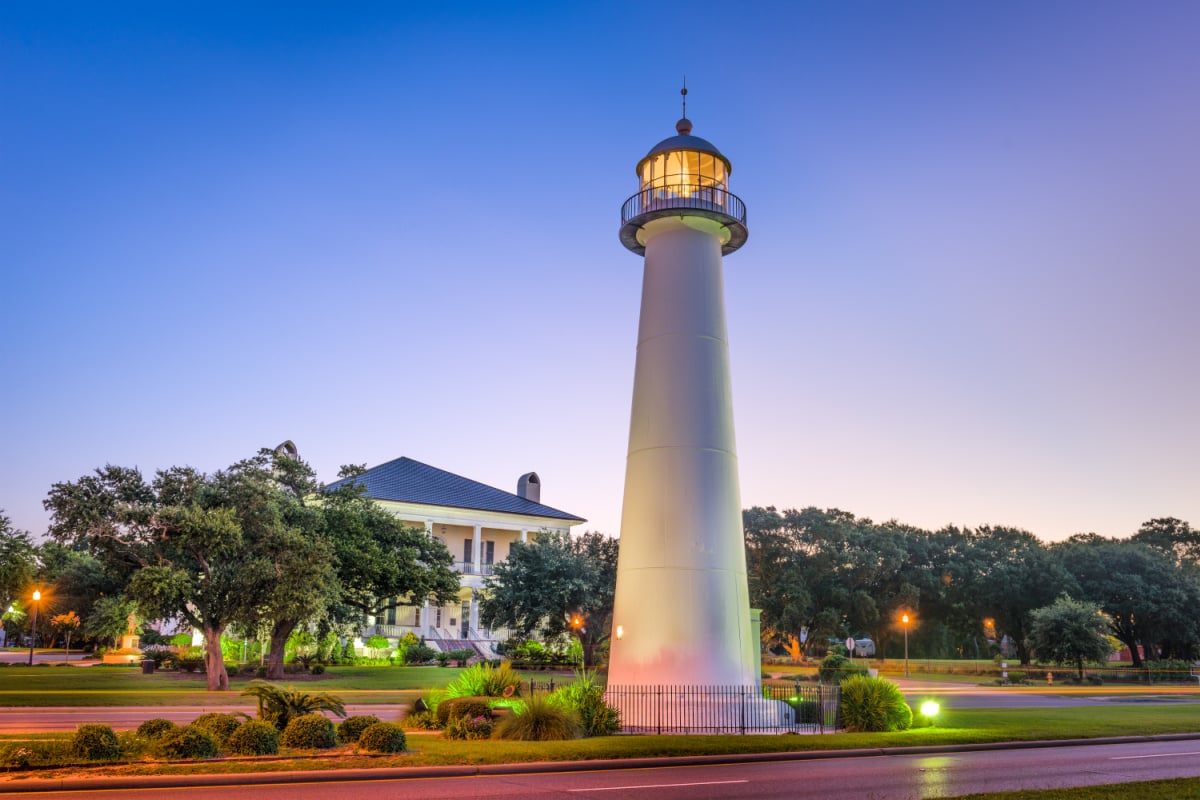
One such place is the southern coast of Mississippi, with its local tourism organization recently claiming that fall is the best time to visit.
To many, it might just be the name of one of America’s longest rivers, but the state of Mississippi has a lot to offer – including more than 60 miles of beautiful and lesser-known coastline along the Gulf of Mexico.
Here are six reasons why you should consider this underappreciated destination this fall:
A Hidden Gem On The Gulf Of Mexico
Coastal Mississippi is sometimes described as ‘the secret coast’ and it definitely has some undiscovered and charming locations.
Bay St. Louis has been described as ‘one of the coolest small towns in America’ while Biloxi has fantastic sandy beaches and is regarded as one of the country’s seafood capitals.
In Pascagoula, you’ll find photogenic waterfronts with wooden piers, and in Ocean Springs you can immerse yourself in the art scene. This is also one of the cheapest beach towns in the United States.
If all that wasn’t enough, there are a range of idyllic islands just off the coast that you can visit for unique beach experiences and wildlife spotting.
Coastal Mississippi comes alive in the fall with a host of regular festivals and events taking place all along its sun-kissed shores.
The Annual Mississippi Songwriters’ Festival is one of the most popular events – it takes place from 21-24 September in more than 10 different venues along the coast.
Art and craft lovers will enjoy events such as the Peter Anderson Arts & Crafts Festival in Ocean Springs from 4-5 November, as well as the Mermaids Arts & Crafts Show in Bay St. Louis from 11-12 November.
Captivating Cuisine
Mississippi is renowned for its seafood, particularly in this coastal area where it’s at its freshest.
It’s also well-known for good barbecue and one of America’s most famous desserts, the Mississippi mud pie.
Sticking on the theme of events in fall, for food lovers there’s the 14th annual Taste of Long Beach event where local purveyors of the best southern food will be out in force to share their cuisine with travelers.
There’s also the Gulf Coast Shrimp Tasting Festival in Biloxi on 14 October.
History And Intrigue
There are a number of history trails you can visit along the Mississippi coast including one dedicated to blues music and another to country music.
There’s also the Mississippi Freedom Trail, which explores the stories behind the state’s part in the American Civil Rights Movement.
Affordable And Easy To Get To
The region is served by no fewer than three airports – Stennis International, Gulfport Biloxi International, and Trent Lott International – so you shouldn’t have too much trouble finding a flight at a fair price.
This region can be accessed by road via Interstate 10, which connects it to major cities such as New Orleans in Louisiana and Mobile in Alabama.
For money-conscious travelers, there are plenty of free things to do in this region to keep you entertained such as beaches, public art, museums, and parks.
Pleasant In Winter
The southern part of Mississippi is the perfect place to go to get some fall and winter sun with average temperatures between 87F and 71F in September, and between 62F and 45F in December and January.
It’s part of the country known for short winters, which means that you can still partake in its awesome outdoor activities pretty much all year round – and without the crowds.
Kayaking and paddleboarding are popular pastimes in this part of the state, as is fishing. The Gulf of Mexico has some of the best saltwater fishing available in the United States.
Want to know a travel secret? Summer doesn’t have to end if you know where to travel.
Fall foliage, sweater weather, and pumpkin spice lattes are exciting aspects of fall. Yet, there’s nothing wrong with wanting to enjoy the perks of summer for a little longer.
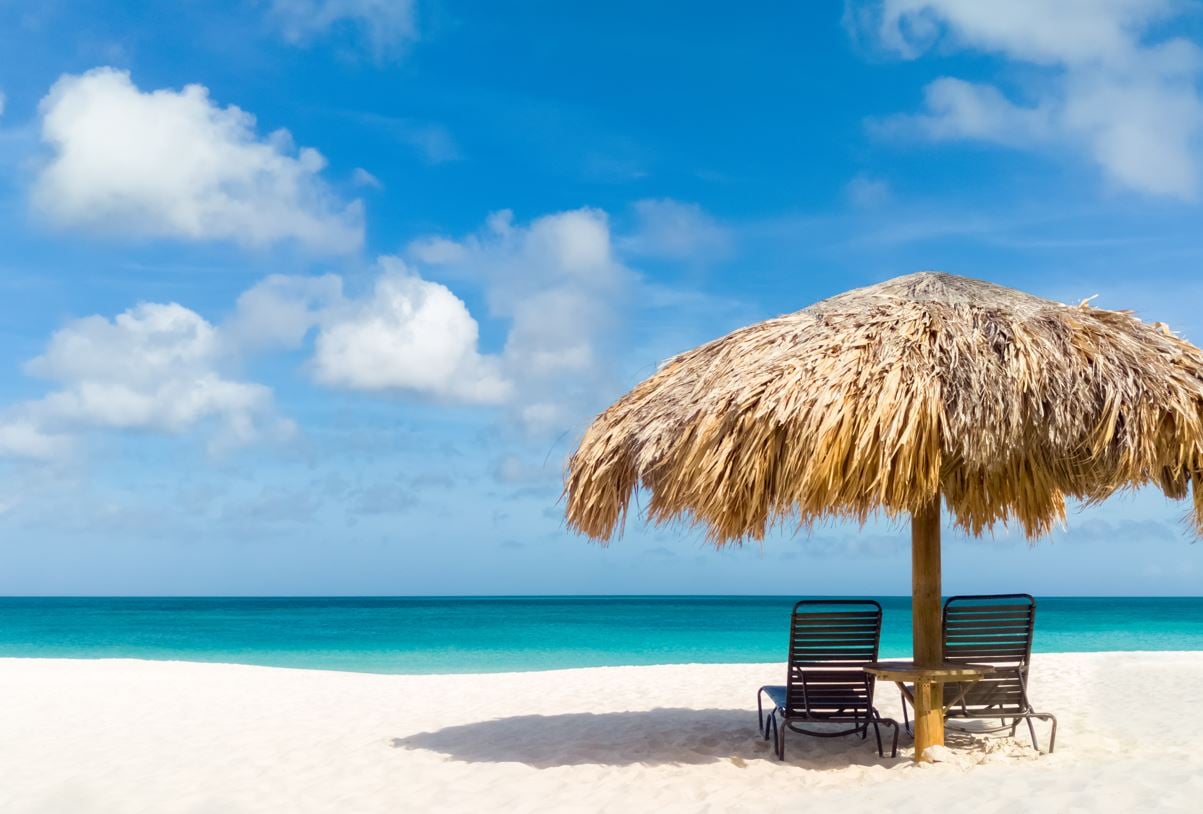
If you want to keep wearing your flip-flops and a bathing suit a little longer, traveling to Aruba this fall will help you extend your summer lifestyle.
September through November is one of the best times to travel to this Caribbean island. Keep reading to learn about the great things Aruba offers in the fall.
1. Enjoy perfect summer weather in the fall
Aruba is located in the south of the Caribbean below an area known as the hurricane belt, which is most susceptible to hurricanes.
Fortunately, Aruba bypasses the high winds and storms. Usually, it has some rainfall mixed with sunny skies and warm temperatures between 70 and 90 degrees Fahrenheit.
While you may get a few rainy days during your trip, you’ll still have many opportunities to enjoy some of Aruba’s beautiful beaches.
Eagle Beach is a top-rated beach that many tourist flock to. There is also Malmok Beach & Boca Catalina Cove, which is an excellent place for snorkeling.
2. Fewer crowds
September and October are the times of the year when most people have gone home to start back at school and begin the third quarter at work. Thus if you come to Aruba during these months, you won’t have to worry about crowds.
November is the beginning of the peak season, as many international travelers are avoiding colder weather. But you can still enjoy some of Aruba’s natural treasures, such as Conchi, a natural pool formed by volcanic stones.
3. Lower costs
The hotel demand is lower because traveling in fall is considered the low season. Thus when there is little demand, the prices decrease, helping you to book a vacation on a budget. For a perfect home base to explore Aruba from, be sure to check out the Aruba Marriott Resort & Stellaris Casino.
Skyscanner shows flights from New York to Aruba for around $200.
4. Fun activities
While there will be fewer people in Aruba during the fall, that doesn’t mean there will be less fun. In September and October, there are different activities and events to keep you entertained.
In September, there is Fiesta di Cunucu which happens on September 29th. It’s an annual celebration highlighting Aruba’s heritage through folkloric dance and music.
October is the ideal time to go to the beaches. While you may have to be vigilant of tropical storms, Aruba has a low chance of getting hit too hard. During this month, the waters are hot, around 84 degrees Fahrenheit.
Suppose you need a break from the beach. In that case, you can visit one of Aruba’s most unique experiences, the Donkey Sanctuary.
Why are donkeys on the island, you may wonder? Well over 500 years ago, donkeys were brought to the island as a mode of transportation. And although these clever and strong creatures were reliable at one point, eventually, their usage became obsolete.
Thus the sanctuary was created to protect the existing population. Fortunately, visitors can now visit the refuge to pet, feed and spend time with these loveable four-legged animals.
Cave exploring
Suppose you want to experience something that isn’t a typical tourist destination. In that case, you can explore Quadirikiri Cave and Fontein Cave.
Aruba’s two famous caves tell the story of life centuries ago when the island was underwater. During your visit, you will marvel at coral fossils and ancient rock drawings on the walls of Fontein Cave.
Explore the island on UTVs
Utility terrain vehicles, or UTVs, are similar to ATVs. They are large four-wheeled vehicles that can take you over rocky and dirt roads. These off-roading vehicles allow side-by-side passengers to adventure through mountains and deserts.
And traveling during the fall means fewer UTVs on the road and more space for you to explore.
Marvel at street art
If you want a more calm activity, you can head to the island’s capital, Oranjestad, where you’ll see colorful murals on Dutch colonial architecture. And if you’re a big fan of art, you won’t want to miss the Aruba Art Fair that happens September 8-10th in San Nicholas.
Portugal is not the first destination that comes to mind when you pair words like “sun” and “culture” – at least to the average American – especially when there are countries like Spain, it’s much larger neighbor, Italy, or Greece to consider.
It is much smaller, it doesn’t have a Mediterranean shoreline – Portugal straddles the North Atlantic instead – and as a country, it is smaller than most U.S. states.
Still, it has been soaring in popularity among Americans, particularly in the post-pandemic scene, but why?
Considering Portugal’s extensive list of hidden gems yet to be overrun with tourists, beautiful beaches, and high affordability, it’s truly no surprise it’s got so trendy:
Why Are Tourists Flocking To Portugal?
One of Europe’s oldest and most traditional nations, Portugal occupies the Westernmost portion of the Iberian Peninsula, also shared by Spain, and a small part of France.
It is Europe’s Westernmost state, and though it’s always been a popular sunny getaway for Europeans, it had been largely ignored by travelers from across the pond up… until recently.
With border restrictions down and tourism reinstated, Americans are eager to travel where their fellow nationals have not yet trod, and despite Portugal’s standing as a summer hotspot, it very much remains a lesser-known destination among U.S. visitors.
When taking Transatlantic trips, a majority of Americans use London, Dublin, or German hubs as entry points, with England and Ireland in particular often ranking as the most-searched destinations. This is largely due to the strong historical ties shared between the U.S. and the British Isles.
More Americans Are Choosing Portugal For Their International Trips
This year, a record number of Americans have taken trips to Portugal already, inspired by its gorgeous Atlantic beaches, warm weather, cultural wealth, and lower consumer prices.
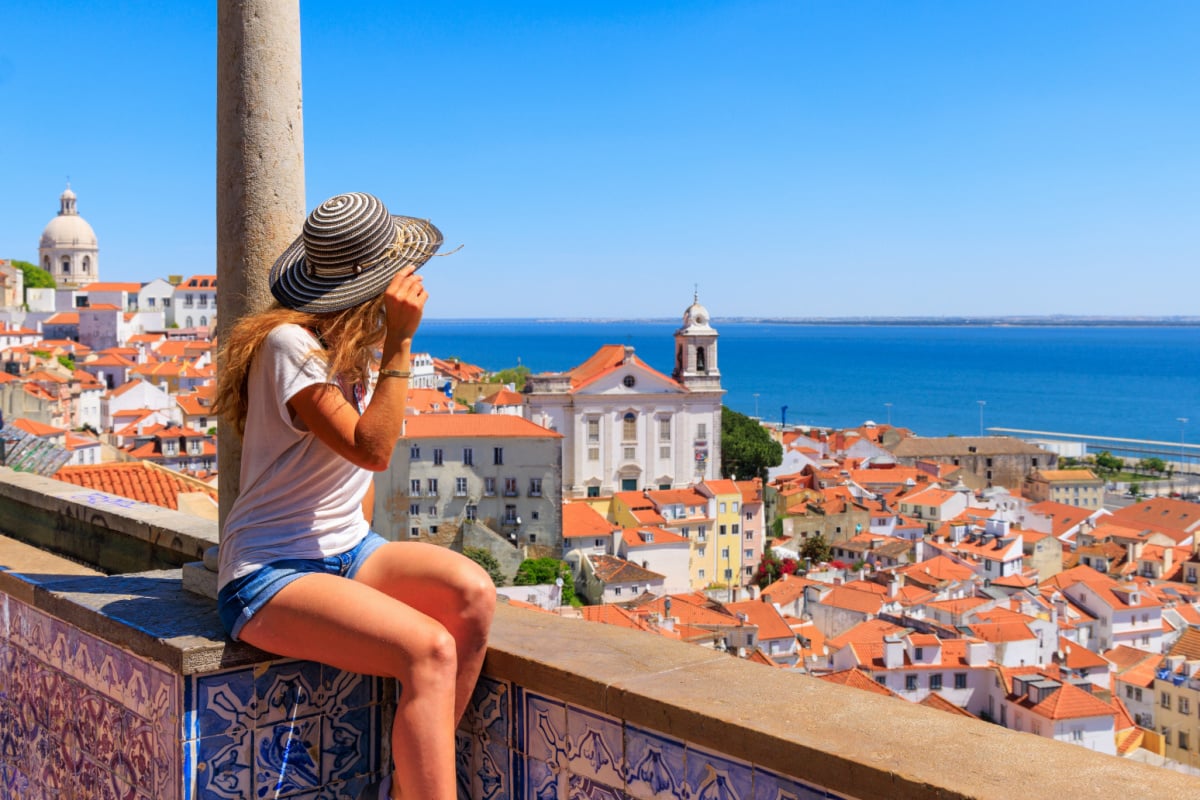
The country’s capital, the charming – and hilly – Lisbon, is an ancient wonder listed as one of Western Europe’s oldest settlements and a maze of cobblestone streets lined with colorful Iberian-style buildings that lead up to a major fortification.
The quintessential European cityscape.
Lisbon is also a seriously underrated foodie destination, as tourists who stroll the lively district of Belém, where the famous “pastéis de nata” were first concocted, as well as several other Portuguese delicacies, will soon learn.
Portugal Beyond Lisbon
Beyond Lisbon, whether they’re going North or South, tourists will be greeted with sweeping views of a dramatic Atlantic coastline lined by golden sands and bounded by an azure, agitated sea.
As it is not the Mediterranean, it can feel a lot colder to swimmers, but it is still undoubtedly refreshing during Portugal’s scorching late summer and early fall weather when temperatures easily soar above 80°F.
Surfers are particularly drawn to Nazaré, when towering waves that seem to rise up the skies crash against the shoreline, while bathers prefer the quieter basins in the Algarve, in Southern Portugal, home to over 100 swim-friendly beaches, or the quaint seaside city of Lagos.
Traveling North instead, you will hit the enchanting Porto (Portuguese for “Port”), the country’s number-two metropolitan area and arguably its most exciting city break, home to several colorful Iberian churches, quirky street corner bars, and picturesque cobbled streets traversed by tramways.
A Portuguese Venice And Ancient Roman Temples
Other incredible Portuguese hidden gems not to be missed include Aveiro, a city traversed by canals, dubbed the Portuguese Venice, and Évora, housing the Temple of Diana, perhaps the best-preserved Roman-era Pagan temple in Portugal.
Other than its vast tourist offer, Portugal is shockingly cheap compared to its European counterparts, which is particularly intriguing considering it is Europe’s Westernmost state, and Western Europe is, in general, pricier than the East.
On average, you should budget between $43 and $81 per day on a trip to Lisbon, based on data gathered by The Savvy Backpacker, or even less if you’re truly economical and you won’t be dining out at pricier restaurants every night.
According to crowd-sourced Numbeo, a single person’s estimated monthly expenses are only $756, roughly, not including accommodation, and Lisbon is up to 31.7% less expensive than Paris, with meals at inexpensive restaurants averaging only $13.
When it comes to hotels, BudgetYourTrip states that the average nightly rate is $109 for a single room in central Lisbon, based on data gathered from over 1,691 accommodation providers.
Tourists are able to find accommodation for much cheaper than that, even when staying at youth hostels or a family-owned guesthouse, with rates for the former starting at just $23 for a dorm bed this fall.
Portugal Is A Great Off-Season Destination
Portugal is so affordable it was recently named the best country in the world for digital nomads in Europe, owing to a low cost of living, without necessarily translating into a lower quality of life or limited availability of services, its excellent weather – Lisbon for instance enjoys an average of 300 sunny days per year – and a wide array of attractions.
Though it is not as popular a destination in America, Portugal is well-connected to the United States through several nonstop flight routes, linking both Lisbon and Porto, its main international hubs, to cities like New York/Newark, Miami, Boston, and others for as cheap as $533 one-way for upcoming dates.
Away from the Portuguese mainland, the autonomous archipelagos of The Azores, known as the European Hawaii, and Madeira, off the coast of West Africa, also offer nonstop flights to and from the East Coast of the U.S.
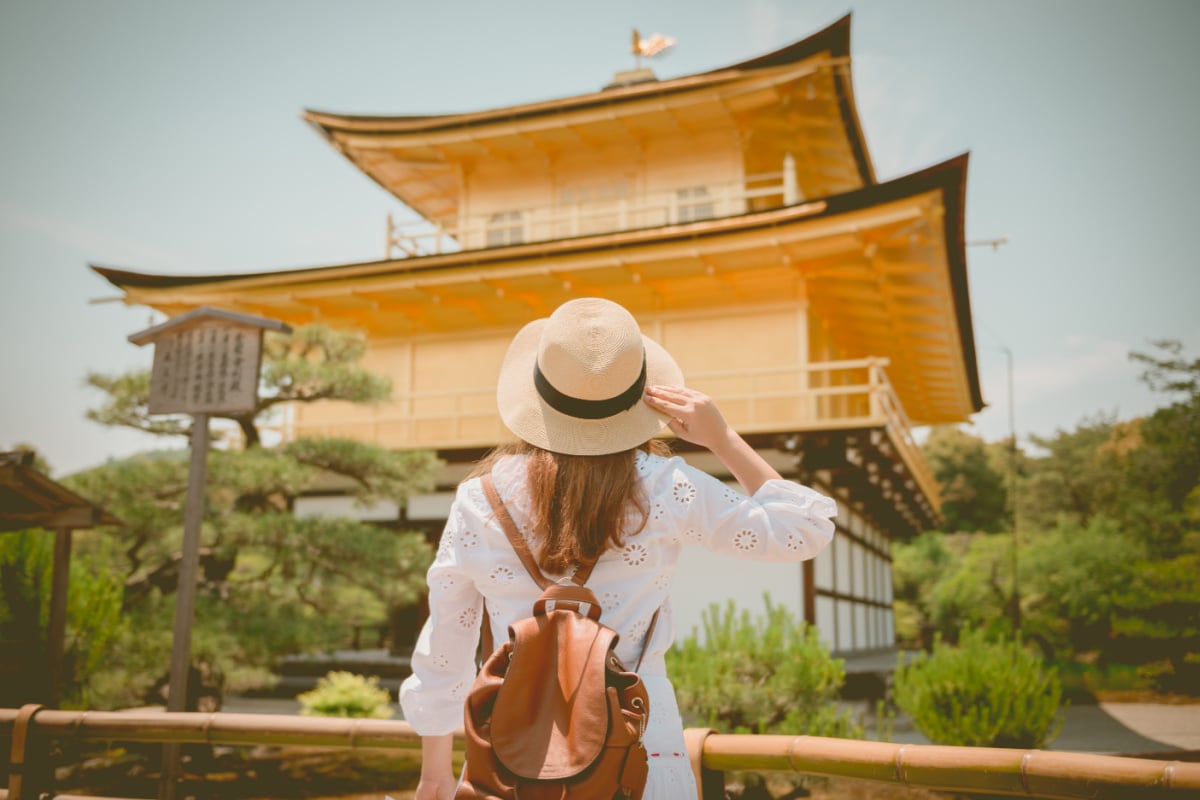
The luminous neon glow of Tokyo, the ancient temples and pagodas of Kyoto, the mouthwatering street food of Osaka – Japan is a destination that has something for everyone.
The ‘land of the rising sun’ is an enchanting country for curious travelers thanks to its iconic sights, friendly people, world-leading transport, and unique cuisine.
However, as the world’s third-biggest economy by GDP, it can also be an expensive place to visit. Though, that is a problem that looks like it could be getting slightly easier for American travelers…
The reason? Japan’s currency, the Yen, has fallen in value quite dramatically this year.
The BBC reports that the Yen is down by more than 10% versus the U.S. Dollar, meaning your hard-earned travel money could go that little bit further this fall.
What’s more, fall is a fantastic time to visit Japan thanks to the cooler temperatures compared to the stifling heat of summer and the reduced crowds at tourist attractions.
The country is a fascinating place, with many award-winning experiences for travelers available, so here’s what you need to know about visiting Japan for less.
Staying Savvy With Your Spending
There are many ways to further make the most of the U.S. Dollar’s strength versus the Yen while traveling around Japan.
First off, take some time to conduct some deep research when it comes to accommodation.
Major hotels in the big cities can be pricey, so seek out alternatives such as business hotels, or consider the unique experience of staying in a capsule hotel.
Despite its recent downturn in popularity, Airbnb remains a good accommodation option in Japan and is generally a little cheaper than hotels if you shop around.
Lonely Planet suggests that a basic room for two in Japan costs around ¥8,000, which at the time of writing converted to about $55, about 8% less than it cost in the spring of 2023.
Traversing around the country is another area where you can tighten up spending.
Japan’s public transport is legendary in terms of its reliability and availability, but it’s not always cheap.
By planning exactly what you want to do on your trip, you can take full advantage of better-value purchases such as the Japan Rail Pass.
Look out for other types of local passes and multi-use tickets when in specific areas as there is normally a cheaper option than simply buying a single ticket for a single journey. The transport companies often run special promotions.
If in doubt, try to speak to transport staff – they are incredibly helpful and courteous, especially when it comes to tourists.
The flight will probably be one of the most expensive parts about visiting Japan, however there are a few affordable options available from the United States if you know where to look.
Why Is Fall A Good Time To Visit?
September in Japan can remain quite warm, with average temperatures in the mid-70s not uncommon.
This makes it a great time to visit as you can still enjoy good weather but with reduced crowds as most people return to work and school.
As we move into October, some of the fall foliage in places such as Hokkaido and Tohoku in the north can rival anywhere on Earth.
It’s the perfect time to try out an onsen (hot spring bath) in one of the mountainous locations in these areas.
October is also a fantastic time to experience the freshest ingredients in Japan’s cuisine as it is the harvest season for many crops, including fruit and rice.
Major cities such as Kyoto will have their main fall color explosion in November, which can be a cooler month, but is the perfect time to explore the many temples and pagodas dotted throughout Japan’s urban areas.
November is also a very dry month in Japan and is recommended as one of the best times to visit.
A little warmth can still be found in Japan at this time of year in the southern islands of Okinawa.
Mexico is the number one beach destination for Americans going abroad, irrespective of the season.
Famous for its turquoise waters, booming resort scene, and tropical atmosphere, the country is just the perfect getaway for sunseekers year-round.
Safety, however, remains one of the main concerns for U.S. citizens vacationing out of the country, especially this year, when certain states South of the border have made headlines yet again for rising crime rates and gang activity.
Luckily for Americans, their favorite destination is still one of the safest amid Mexico’s well-documented battle against crime, and security there is set to be even tighter in the coming months:
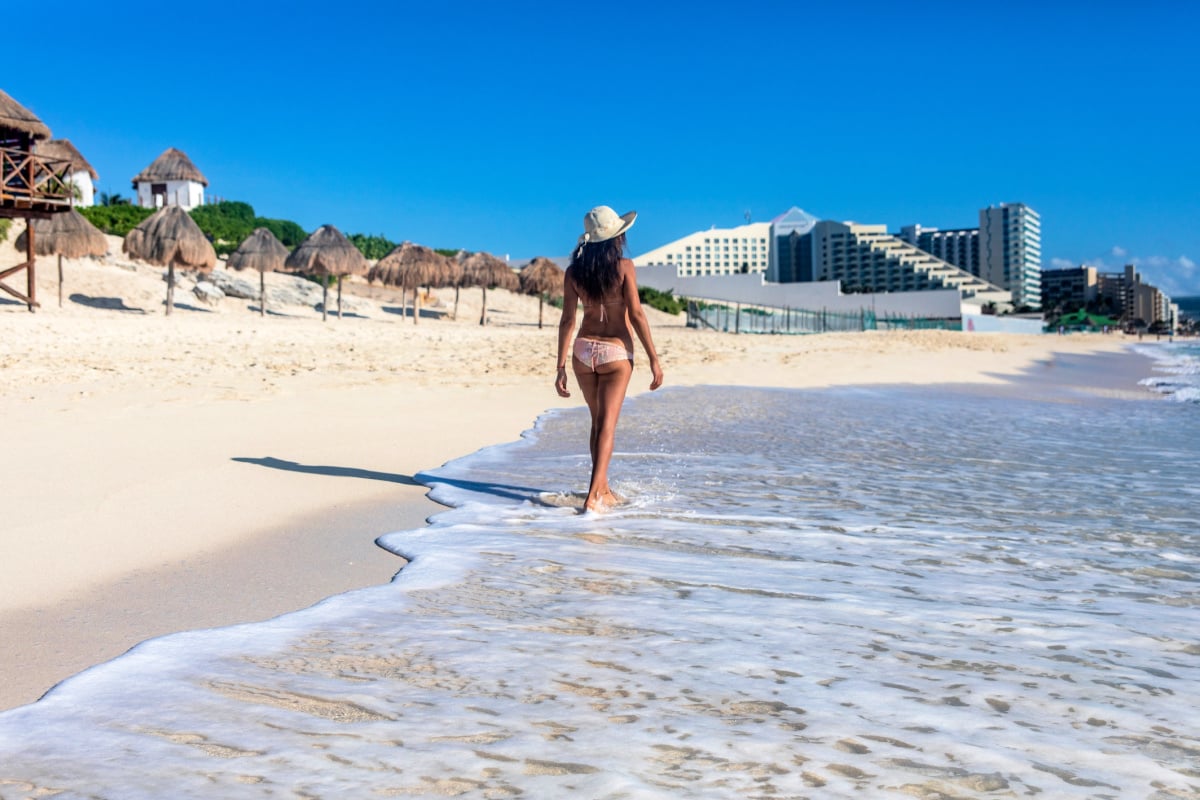
Cancun Is Perfectly Safe To Visit
If you have a vacation to Cancun booked for the coming months and you’ve been worried about reports of violence coming from Mexico, you’ll be relieved to learn that the local government’s great stride toward reducing crime has paid off.
Last July, the city witnessed a considerable increase in safety initiatives, from the launch of new security operations to the introduction of a ‘tourism batallion’, with the sole aim of keeping tourists safe from gangs operating in the area, as well as pickpockets.
The results have been impressive: while Mexican states like Sinaloa and Colima have been issued a stark ‘Do Not Travel’ warning by U.S. tourists, Quintana Roo, of which Cancun is a part of, remains at only Level 2.
This means travelers are not discouraged from visiting.
Instead, they must simply observe a higher level of situational awareness, mostly due to scamming practices noted in the area and pickpocketing.
In terms of urban safety, in the eyes of the U.S. Department of State, Cancun is at the same level of traditionally safe cities like Paris and London.
The Hotel Zone Is One Of The Safest Places To Be
This is due to the city officials’ continuous work to improve safety around the busy Hotel Zone, where a majority of American visitors are based, and in tourist hotspots both in and near Cancun, such as the beach towns of Playa Del Carmen and Puerto Morelos, and the massively-popular Tulum.
Cancun authorities upkeeping the city’s security is paramount to its success – Cancun is currently one of the most sought-after beach destinations worldwide – and they have spared no effort in ensuring it stays on the right track, especially after ‘signs of cracks‘ appeared in their protective shield.
Crime had been rising in Cancun up until this summer, and as the Cancun Sun reported, not only ‘of a petty nature’.
The strengthening of organized crime has been a pressing concern, and though shootings and turf wars are mostly restricted to the suburbs, last year, they reached the Hotel Zone.
Shootings were reported within the resort strip between 2021 and 2022, and though only individuals with links to organized crime were targeted, the incidents understandably scared away some tourists and put hoteliers on high alert.
Ever since, the Government of Quintana Roo has taken no chances when it comes to the safety of visitors.
How Are Local Authorities Responding To Crime?
One of their most popular measures included an increase in patrols and K9 units in Downtown Cancun and the Hotel Zone, trained to specifically identify potential threats to tourists and help keep crime out of the touristy center.
Police have also increased surveillance in the Bohemian district, with random checks carried out at bars, nightclubs, and even restaurants, in hopes that their ‘visible presence’ will keep criminals away.
This seems to have worked so far, as no shootings have been recorded in the Hotel Zone this year so far.
Additionally, the ‘Safer Beaches Initiative’ has proven a major success.
It has enabled visitors to fully relax and enjoy their much-needed break basking under the Caribbean sun with the certainty the sands are being policed day and night.
Security units are comprised of local police, the aforementioned ‘tourism battalion’, the National Guard, and even agents of the Secretary of Citizen Security.
They have even cracked down on the infamous local aggressive taxis, who have been displaying violence when confronted with competition from Uber drivers, threatening them with 18 years in prison for altercations.
Whether it’s walking the bar-lined streets in the early evenings or strolling the beach at sunset, Americans have never felt safer than they do now in Cancun, as it is no longer an attractive place for criminals with such a strong police presence.
Cancun Is One Of The Safest Destinations In Latin America
Yes, crime has risen, as is expected of any global destination of Cancun’s ranking, but it still remains one of the safest destinations in both Mexico and the wider Latin America, a continent often plagued with political turmoil and civil unrest.
No destination in the subgroup has invested so heavily in and taken security as seriously as Mexico has, and Cancun’s enduring post-crisis success is a testament to that commitment.
Croatia is the go-to sunny spot for Americans taking Transatlantic trips this summer and fall, and while the walled Dubrovnik and vibrant Split have dominated headlines in recent weeks, other lesser-explored parts of the country have continued to fly under the radar of most.
That is the case with Pula, a smaller city in Croatia’s Istrian Peninsula, far away from the busy and over-touristed Dalmatia, and one that tourists often tended to ignore as they traveled South to the resort zone of Neretva County.
You may have never heard of it before, but trust us when we say Pula is one of the trendiest Mediterranean destinations this year, and it should definitely make your bucket list:
The Most Italian Of Croatia’s Cities
With a metropolitan area home to over 90,000 people, Pula is the largest city in the Istria region and one of Croatia’s most culturally-charged ports.
Historically a part of the Itallic world – Pula was in fact an Italian city up until the Second World War – it is more closely related to the Latin World than Slavic proper.
Much like the Dalmatian coast, which had also remained primarily Venetian over the centuries, up until Croatia came to be, Pula has retained Italy’s traditional pastel colors and green shutters, and the ancient monuments, including the 6th-century Romanesque Mary Formosa church, leave no room for doubt:
It may now be part of Croatia, but its origins cannot be erased.
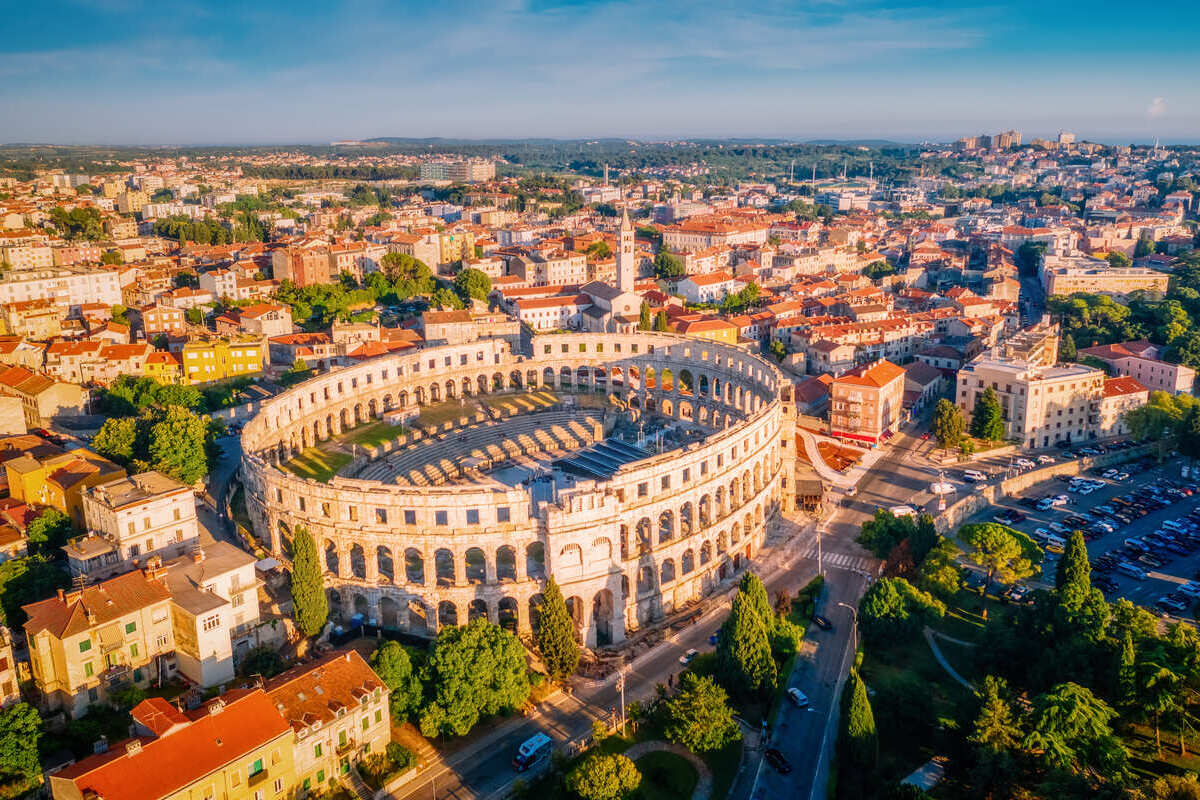
Pula’s most famous landmark, in fact, is a Roman Amphitheater, one of the most impressive of the wider Roman World and one that rivals Rome’s Colosseum in beauty. For instance, it is the only Roman structure of its kind to have its arena ring and side towers entirely preserved.
Known as the Pula Arena, it was erected between the years 27 BC and 68 AD, and it’s both one of the last six largest surviving arenas of the Roman period, as well as Croatia’s best-preserved ancient monument.
A Booming Cultural Scene
Though gladiator games no longer take place inside the arena, it is still a house of entertainment to this day. It hosts the Pula Film Festival, one of Europe’s most prestigious cinematography events, and Pula Music Week, when partygoers gather inside the ring to attend performances of world-renowned DJs.
These events are traditionally held in July and August, but that’s not to say Pula’s tourist offer is restricted to the summer months. It is a regional capital of culture, known for its intact Roman temples, historic forts, and colorful Venetian-era houses.
If it’s some of that Old World charm you’re after, rest assured you will find it in Pula.
Additionally, the city is the gateway to the wider Istrian Peninsula, where vineyards dot the rolling green hills, pebbly beaches straddle the turquoise waters of the Adriatic Sea, perhaps the clearest arm of the Mediterranean, and marine parks extend for miles on end.
Pula has got so trendy in recent years that it is now planning on strengthening infrastructure amid a new influx of young visitors. Despite the recent price surges observed across Croatia, especially after the country joined the Eurozone, Pula seems to always be on the brink of ‘selling out’.
Is Pula Croatia’s Next Hotspot?
As reported by Total Croatia News, the city of Roman wonders and festivals has hosted up to 25 thousand guests at a time, and as early as May 2023, private accommodation units were all sold out and bars and restaurants full.
As a hotel owner from Pula stated, visitors to Croatia stay in ‘one destination for a shorter period’, cramming as many coastal attractions as they can into a single itinerary, so Pula is ‘reduced to a type of station tourism’.
This means accommodation providers have had to level up and provide the best possible service so to attract the most short-term visitors, and despite the rising prices, a direct result of the aforementioned tourism model which creates ‘additional costs’ for hoteliers, Pula continues to grow.
They weren’t common before, but now hostels are also popping up along the Istrian coast, and there are about 20 of them in Pula proper, making this destination more accessible to young travelers on a stricter budget.
Are Transatlantic Flights Next?
Finally, yet another proof Pula is set to become Croatia’s next hotspot is the lengthening of the airport’s runway in a bid to host Transatlantic flights for the first time ever in the coming years. Should the local authorities’ plan materialize, Pula will be only the third in Croatia to do so.
Right now, Air Transat operates flights from Zagreb, the country’s capital and financial center to Toronto in Canada, carrying passengers on an Airbus A330-200. Additionally, Drubovnik is served by a United Airlines Boeing 767-300 seasonally, with flights departing from Newark.
Connectivity between the U.S. and Canada and the Balkan Peninsula (excluding mainland Greece) is generally poor, with very limited flight options and flight itineraries generally including a stopover in a larger international hub elsewhere in Europe.
The only Balkan country to host year-round nonstop flights from North America is Serbia, yet it remains one of the least-visited destinations by Americans in the continent. Should Pula attain its goal, it will be a game-changer for Istria – and Croatia as a whole.
No plans for an official launch date, which American hubs would be served, nor which airlines could possibly operate on this route have been revealed yet, as this is still early stages, with construction underway and development plans yet to be laid out, but the news are very promising.
Read more on Croatia’s historical post-crisis tourism surge here.
The stunning and diverse Mediterranean country of Turkey is a crowd favorite when it comes to travel, and each year its popularity seems to grow.
With highlights such as Istanbul, Cappadocia, Ankara, The Turquoise Coast, and much more, there is so much to see and do on a visit to Turkey.
Summer is a favorite time of year for most to visit, although the sweltering temperatures and ever-growing crowds can make for a less enjoyable experience. That’s why we think that fall is actually the best time to enjoy all this country has to offer.
When the crowds go home after the summer, Turkey is perfect for a fall trip. There are fewer people, most days offer great temperatures and perfect swimmable seas until October; you can expect lower prices across the board, and not to mention the beautiful foliage and fall colors across the country.
Fall also brings the country’s Republic Day (at the end of October), which is a great time to be in Turkey, with festivals, parades, and an atmosphere that really should be experienced!
Istanbul is a city that must be visited at least once, and while summer is a great time, fall is even better for a calmer and cooler chance to explore this vibrant city.
Of course, in addition to the more popular travel destinations, there are also many more off-the-beaten-path places to explore as well, so make sure to plan accordingly.
Here Are 5 Reasons Why Fall Is The Best Time To Visit Turkey:
Perfect Weather
Turkey is a large and geographically diverse country with many different climates, so a broad generalization of the weather in the fall is not always accurate, but you can rest assured that overall the country should have nice pleasant temperatures in the months of September, October, and even into November.
The fall can bring rain though, and remember that the days get shorter, leaving you with less time to explore, so plan for indoor activities as well if you visit at this time.
According to some estimates, the average daily temperature in September is 77˚F and evening is around 47˚, with each following month dropping about 5˚ in both the daytime and evening. So while the days might be sunny and warm, pack layers for after the sun sets.
Turkey is a popular travel hotspot, and it’s only becoming more popular each year with a wider array of travelers, so encountering some crowds on your visit is almost guaranteed.
While the majority of the seasonal towns along the southern coastline get quite crowded in the summer, a visit in the fall when most have gone home is the best way to ensure you have some more beach to yourself.
According to some, September and October are still technically considered to be the tail end of the tourism season, but you can always expect there to be far fewer visitors at this time.
Cheaper Prices
The shoulder season of September and October brings lower prices for accommodation, tours, airfare, and nearly everything else for travelers.
While searching for hotels and Airbnbs in September and October will bring a slightly lower price tag, for even more savings check out the same properties for dates in early November, when prices really start to fall (pun intended).
In the resort areas along the coast, many restaurants and other seasonal places close up shop at this time (if not before), so make sure to scope out the area before visiting to avoid ending up in a ghost town.
Fall Foliage
When the weather starts to turn a bit cooler, look to the leaves and mountains around you in Turkey for a change of colors. One of the country’s most beautiful national parks, Yedigöller, is a great place to witness the foliage change to fiery orange and red seemingly right before your eyes, and therefore one of the top places in the country to visit in the fall.
The fairy tale region of Cappadocia is especially beautiful in the fall light; the warm golden tones cascading across the otherworldly landscape is something that must be seen to be believed.
A hot air balloon ride in these months is also much more enjoyable than in the winter (although views of the snow-capped rock formations might be worth it), and Cappadocia is a bit less crowded in fall before the winter tourists come into town.
Late Season Beach Days
If you are seeking to stretch out every last bit of summer, you can head to any of the towns along Turkey’s picture-perfect turquoise coast for some late-year sun and sand.
September and even October are great months to enjoy the postcard-perfect beaches of the Turkish Riviera, with a fraction of the crowds that you would encounter in the summer.
The water is considered quite pleasant to swim in throughout October and even into November. Some brave souls might take the occasional dip in November, but by this time it will be too cold for most people. Divers, however, can don a wetsuit and enjoy the fantastic underwater world late into the year.
As travelers, we’re all on the lookout for destinations that don’t quite break the bank.
Shamelessly galavanting around the world can rack up the bills — but so does eating out each day if you’re not in a budget-friendly destination.
Countries such as Greece, Portugal, and Spain are meticulous about raising their prices amid the busier seasons, so there’s a lot to be said about the less-visited destinations that keep their prices stable year-round (probably why they attract backpackers!).
Eastern Europe is known for having half the prices of Western Europe when it comes to accommodations, food, drinks, and even shopping.
If you’re on a budget, this is a huge draw when you want to money-save on the road.
A country full of life, beauty, culture, and dark history, Poland is an excellent choice for travelers looking to explore the grandeur of Europe on a budget. With charming cities, a long history, and exceptional mountain views, Poland has something for all.
Train Travel
Everyone knows that the best way to venture through Europe is by train or bus, and luckily there are affordable routes throughout Poland. A new report posted by the environmental group Greenpeace revealed that train tickets in Poland are some of the cheapest across the continent.
Within the country, it’s very budget-friendly to travel to various cities via train travel. Given its location, it’s also quite affordable to visit neighboring countries such as Germany, Czechia, and Slovakia.
Cost of Food
Overall, Poland is just generally cheaper than most other parts of Europe. The Polish believe in a hearty meal: and you’ll certainly get your money’s worth here. Order any dish, and you’ll get enough to feed a family. A whole chicken in a grocery store could cost you between $2-3.
If you want to try the local beer, it’ll cost you around $1 (Try the Zloty- it’s the best). Imported beers on the other hand will set you back between $2-4, depending on what you get.
The staple in Poland is a good old pierogi dish, and you can get a good dish for around 1-3 euros.
Grocery shopping in Poland is also known for being a lot cheaper than other Western countries. If you really want to save money, do a little shopping here for some of the best foods.
Affordable Accommodation
Popular cities in Poland are obviously going to be a little more pricey than others; however, the cost is still way more affordable than popular hotspots in Europe as a whole. Across the country, you can expect to pay around 35-40 per night, depending on when you visit.
Airbnbs are also pretty cheap, and hostels will set you back a mere $12-20 per night. Even the fancier hotels are still more within budget than other cities around Europe. If you’re looking to really save, then get an apartment with a few people — you’ll thank me later!
Budget-Friendly Activities
Smaller museums around Poland are pretty affordable if you want something to do during the day. The more popular, larger museums still only cost around 8-10 euros to enter.
The Old Towns scattered throughout the country are free to walk around and sight-see, and many other sights are also free of charge. The grounds of the Auschwitz-Birkenau Memorial are free for visitors, and usually you’ll only pay if you need a guide to show you around and drive you there.
Have you ever visited somewhere that left you wishing you could drop it all and stay forever?
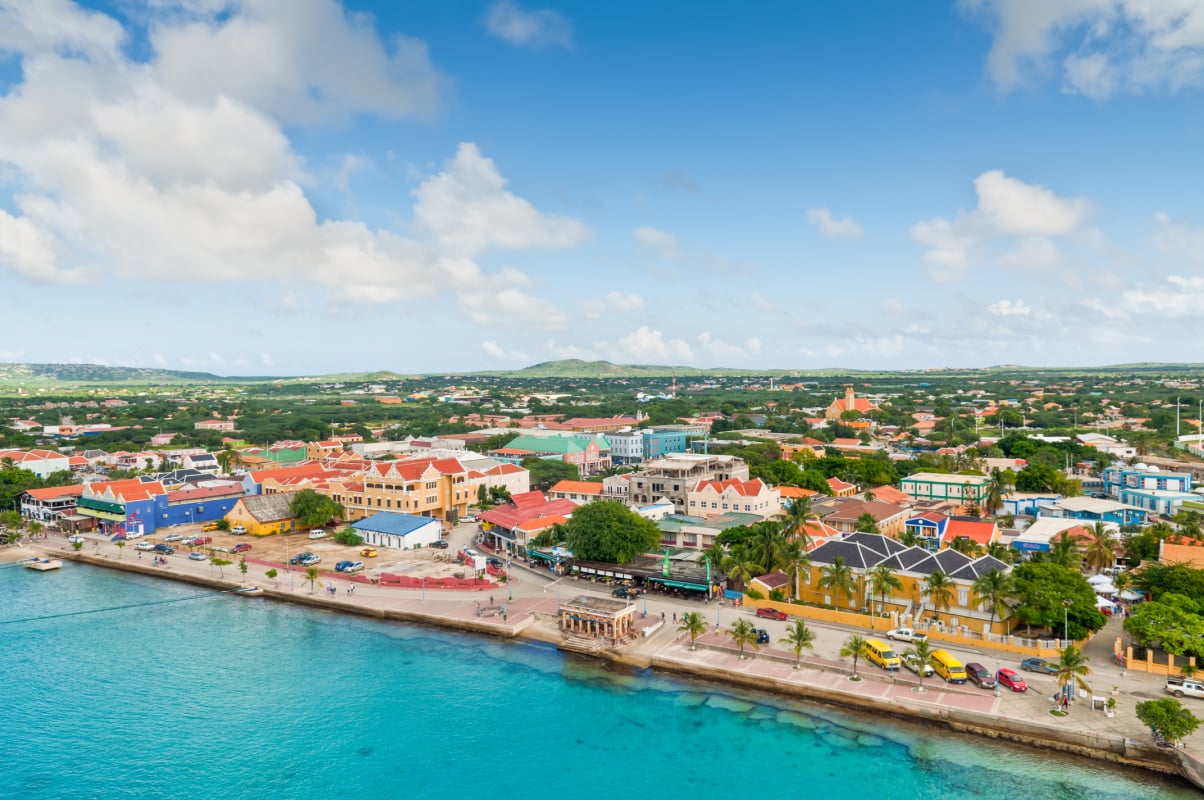
There’s something extraordinary about a destination that pulls you in so much you could imagine spending the rest of your life there, and there is one lesser-known Caribbean island that will undoubtedly do just that — beautiful Bonaire 🌴.
Although many people have heard of Bonaire, it is still less visited than tourism powerhouses like Cancun or Montego Bay. However, that’s one of its most appealing characteristics!
Lesser-Known Doesn’t Mean Less To Offer
To give some insight into just how ‘less-known’ Bonaire is, let’s compare it to Cancun.
Last year, Cancun Airport welcomed over 19 million international passengers. In comparison, Flamingo International Airport (Bonaire’s well-named airport) received about 170 thousand passengers. That’s less than 1% of Cancun’s intake!
But don’t let the fact that Bonaire gets fewer visitors fool you into thinking it isn’t worth visiting. In fact, that is one of the main reasons you should!
Bonaire is home to some of the most stunning scenery on Earth, and having fewer people crowding up the view only adds to its appeal. I’ve been to several destinations in the Caribbean, and even lived in one, and I can confidently say Bonaire is my favorite.
What Makes Bonaire Better Than Other Islands?
First, I think it is important to mention that the entirety of the Caribbean is worth visiting. From Aruba to The Bahamas, there are unique things about every destination that make each one worth a visit.
However, Bonaire holds a special place in my heart, and many other travelers would say the same.
So what is so special about Bonaire?
Aside from the fact that it is a less-visited destination offering more authentic experiences, Bonaire is absolutely gorgeous in every way. If you are a nature lover, Bonaire will not disappoint.
The country is extremely serious about protecting its stunning natural beauty, and you’ll definitely take notice. Before you even leave the airport, tourists pay a $75 visitor tax that goes towards protecting some of the healthiest coral reefs on Earth.
There is also an additional $40 nature tax that must be paid in order to enter the waters of Bonaire.
While these fees may seem like a nuisance, I can guarantee you’ll be happy about them the second you put your snorkel on and get in the water. As an avid scuba diver, I have never been anywhere prettier.
There’s No Such Thing As A Bad Spot
Choosing a place to stay is always one of the biggest parts of any vacation. What if you choose the wrong area? What if you’re too far away from what you are interested in?
On Bonaire, there’s no such thing as being too far away – from anything.
The island is only about 111 square miles. For comparison, the smallest U.S. State (Rhode Island) is about 1,545 square miles. There is nowhere you can go on Bonaire that will feel very far away from anywhere else on the island.
Don’t let this fool you into thinking there isn’t plenty to see though. You can visit the same coral reef, restaurant, or beach a thousand times and have a completely different experience each time.
For my visit, I was lucky enough to call Harbour Village home for the week, and I left wishing I could call it my home forever! Everything we did while in Bonaire was a short drive away, and everything I needed was right on the property.
The rooms are incredibly spacious, with the beach less than 20 steps away. I found myself spending my mornings working on the covered patio while sipping coffee and listening to the gentle waves. Work hardly felt like work, but Harbour Village was the perfect place to get things done.
Breakfast was just steps away from the rooms at the onsite restaurant, La Balandra, and was the perfect way to start the day while looking out over the ridiculously blue water.
During my stay, I was even lucky enough to witness a loggerhead turtle looking for a place to lay its eggs after an incredible night snorkel. Harbour Village is the perfect place to go for a midnight swim in the dark as underwater lights near the restaurant bring in the tarpon each night.
Don’t let them scare you; they are harmless. And if you forgot to bring a dive light, don’t worry. There is a dive shop right on Harbour Village’s property!
If you want to have some fun with friends or family back home, see if you can dive down to the live reef cam at the tip of La Balandra. You can view it here.
Whether scuba certified or not, you cannot leave Bonaire without throwing on a mask and peeking at what’s below the surface – just prepare for your mind to be blown.
Bonaire has the best offshore diving in the world, without a doubt. You can swim out and find something amazing practically anywhere on the island. In fact, as you travel around the island, you’ll encounter people driving trucks around with oxygen tanks in the back, heading to popular offshore scuba sites.
You don’t need a boat to get to some of the prettiest diving sites in Bonaire; simply swim out to them! The water is also the most beautiful blue I have ever seen, and you can see just as much with a snorkel as you can with scuba gear.
Ask a local, and they’ll tell you many of the island’s residents always keep a snorkel and mask in the car for impromptu snorkel sessions, so be sure to do the same during your visit!
If you want to scuba dive, you’ll have to do an intro dive to make sure your buoyancy and gear are all set. It is a requirement in Bonaire and helps to protect the coral reef.
During my stay at Harbour Village, I was able to do my orientation dive right offshore, and even without heading out to the reef, there was so much to see! On my dive, I saw a sea turtle, a shipwreck, a coral restoration project, a huge wall of fish pass us by, and the area right at the end of La Balandra was overrun with marine life.
I was only 30 or 40 feet from the shore, and there was so much to see it was hard to take it all in.
Get Off Path
We couldn’t really call ourselves Travel Off Path without a few suggestions for getting off path now could we? In that spirit, here are a few things you should definitely do to get off the beaten path while in Bonaire:
Go Landsailing
Love go-karts? Love the Earth? This is the experience for you.
Don’t leave Bonaire without checking out one of the coolest ways to ride the wind – on land! I didn’t know what to expect before trying out landsailing for the first time, but I had a blast!
I thought it might be hard to learn, but after 2 laps, I already felt like a pro and found myself itching for more speed with every lap.
Instructions are super clear and easy to follow, and jetting around the track entirely powered by the constant winds of Bonaire was a really great way to spend an afternoon.
If you are with a group, you can actually talk to each other while racing around and hold a conversation easily, as there are no noisy engines mucking up the track.
Landsailing Adventures did an amazing job of showing us the ropes and making us feel completely at home zipping around the track.
If you’d like to see some truly off-path places in Bonaire, be sure to hop on a horse tour with Horse Ranch Bonaire. You don’t need to be experienced at riding a horse; this activity is doable for all experience levels.
We did the Flamingo ride, and it was a fantastic way to spend the morning. We did indeed see flamingos on our ride, and it was really cool to see Bonaire from a unique perspective on horseback.
If you want to have a special night out, definitely be sure to book a sunset cruise dinner. We booked a dinner with Melisa Sailing, and it was one of my favorite experiences of the trip. From the moment you board, you know you are in for a fun and relaxing night, not to mention incredible food!
Get ready for a 6-course meal and tasty drinks while sailing on the smooth waters of Bonaire. The ambiance gets cozier the lower the sun gets, and by the time you head back to shore, the stars will be out to bid you farewell.
Great food, great drinks, and great conversations are inevitable on the Melisa, and you won’t regret spending an evening aboard.
Slagbaai National Park dominates the northern half of Bonaire and is one of the most unique places you can visit while on the island. You’ll see iguanas, flamingos, donkeys, and some of the prettiest beaches on the island.
Be sure to stop at each beach along the route around the park; they are all unique and worth snapping a few pics of each. Remember to bring your snorkel with you, as there is just as much to see under the water as above it!
If you’re ready for adventure, stop by Boca Slagbaai for a fun little cliff jump!
Bonaire felt like home the second I arrived, and everyone I met was incredibly kind and welcoming. I found myself telling locals how I could definitely see myself living there and always got the same response — a warm smile and a “you’d be very welcome”.
It’s impossible not to fall in love with Bonaire. The gorgeous scenery, incredible people, and laid-back vibe will have you wishing you could stay forever.
And who knows — you just might.
**Travel Off Path was a guest of Tourism Corporation Bonaire, who helped with the creation of this itinerary by hosting some of our accommodations and attractions. Our opinions, recommendations, and suggestions remain our own.**
Spain is one of Europe’s most popular tourism destinations, and with good reason. The country boasts vibrant cities, captivating coastlines, and warm, sunny weather for most of the year.
With the launch of Spain’s digital nomad visa this year, travelers will be keen to discover which places in Spain are the best to live, work, and explore.
While the bright lights of Barcelona may be appealing, there’s another historically fascinating city making a strong claim to become a new favorite among digital nomads.
Seville is the fourth largest city in Spain and the capital of the Andalusia region. It’s also somewhat of a cultural melting pot, blending history and traditions from Spain and North Africa.
This vibrant and modern destination was recently named as one of the European Capitals of Smart Tourism for 2023 thanks to several technology-based innovations launched by city planners.
These innovations paired with Seville’s charming architecture and lively culture make it an ideal place to live and work as a digital nomad.
It’s also one of the sunniest cities in Europe, with more than 2,800 hours of sunlight each year.
A Technological Trailblazer
Seville is using technology to help tourists have a more enjoyable and stress-free visit.
For example, the city has introduced more public transport options that use renewable energy in a bid to reduce traffic and improve air quality.
Seville also has a Tourism Intelligence System project that analyses crowds and people movements to prevent the most popular areas becoming too crowded. This has helped protect and preserve attractions.
City planners also recently introduced the Sevilla Accessible App, which allows visitors with mobility issues to plan routes that allow them to explore with freedom and using transport that suits their needs.
One of the must-see attractions is the Alcazar Real de Sevilla. This palace complex is still used by the Spanish royal family and has an architecture style known as Mudejar, showcasing the region’s North African influences.
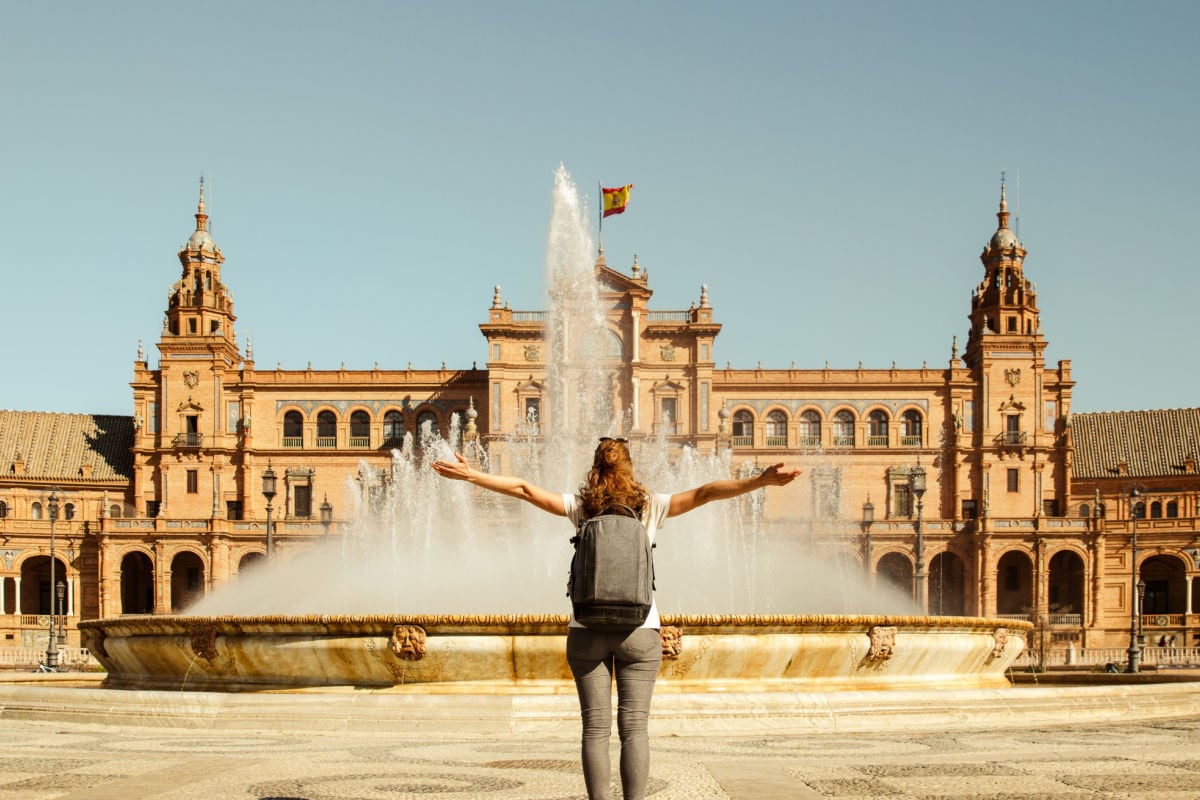
The Plaza de España is another highlight. This famous square is actually circular in shape and is covered with 48 colorful mosaics that represented the 48 provinces the country had at the time of the square’s construction in 1928.
For modern art lovers, a trip to Las Setas de Sevilla, or Metropol Parasol can’t be missed. One of the world’s largest wooden structures, this timber canopy also houses an archeological museum in the basement and walkways with impressive views on its upper.
Another highlight is the Torre del Oro, a striking tower built in Moorish style that was part of the walls that once enclosed the city in ancient times.
Green Space To Take A Break From Work
Seville is known as one of the hottest cities in Europe, so it’s nice to know it’s also home to plenty of parks and green space to enjoy a stroll or relaxing afternoon under the shade of a tree.
Parque de Maria Luisa lies just south of the Plaza de España and will enchant you with its pretty buildings and pavilions as well as tranquil fountains and tree-lined avenues.
For a quieter experience, the Alamillo Park in the north of Seville runs alongside the river Guadalquivir and features smooth paved walking routes, an ancient aqueduct, and a nature observatory.
Across the river from the Plaza de España lies Parque de los Principes, a smaller park that lacks nothing in prettiness and features a small lake you can cross on a bridge.
About The Spanish Digital Nomad Visa
Spain’s digital nomad visa was introduced this year as part of the country’s StartUp Act. Here are some key things you should know about it:
The visa is open to anyone from a country outside of the European Economic Area.
You must prove your monthly income is double the Spanish minimum wage.
You must have been working remotely for at least one year.
You must not have been a resident in Spain in the last five years.
Spouses and partners can come too – but that involves an increase in provable income.
You can also work for a company in Spain, but that income must not exceed 20% of your total income.
The visa is valid for one year but can be extended into a temporary residency permit valid for three years once you’ve arrived in Spain.