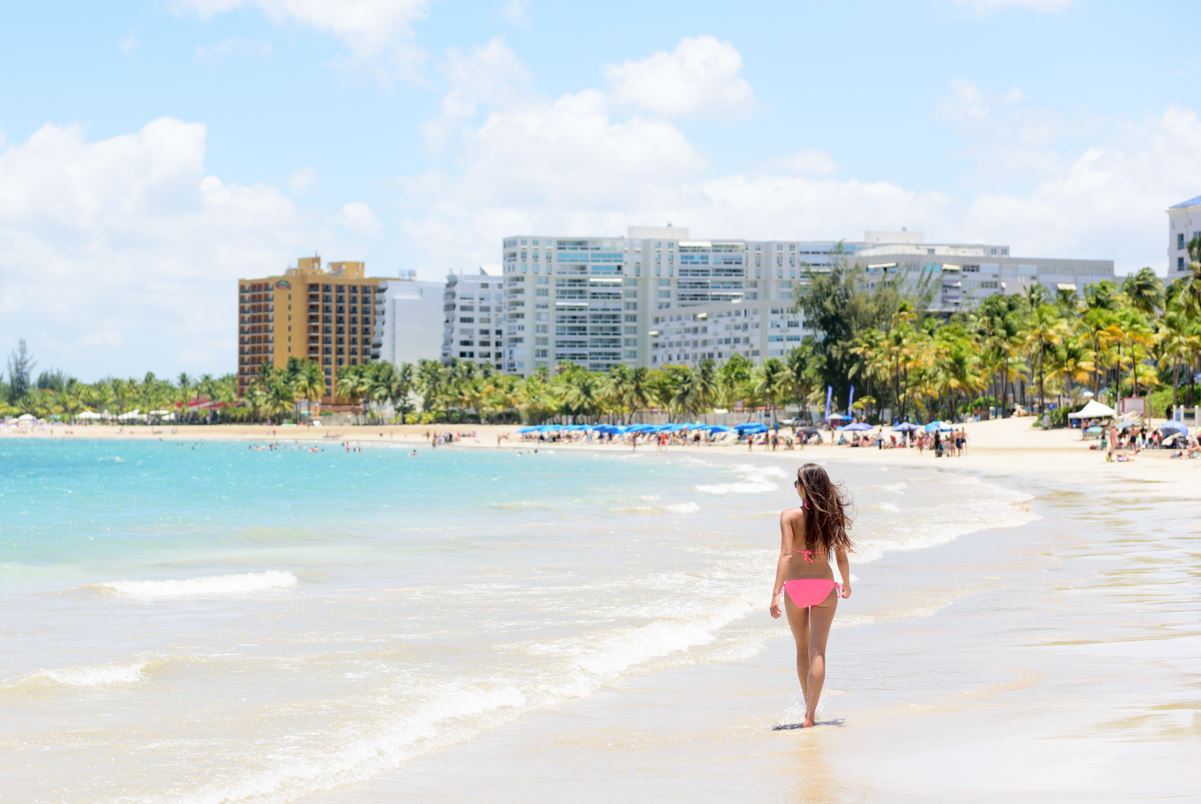
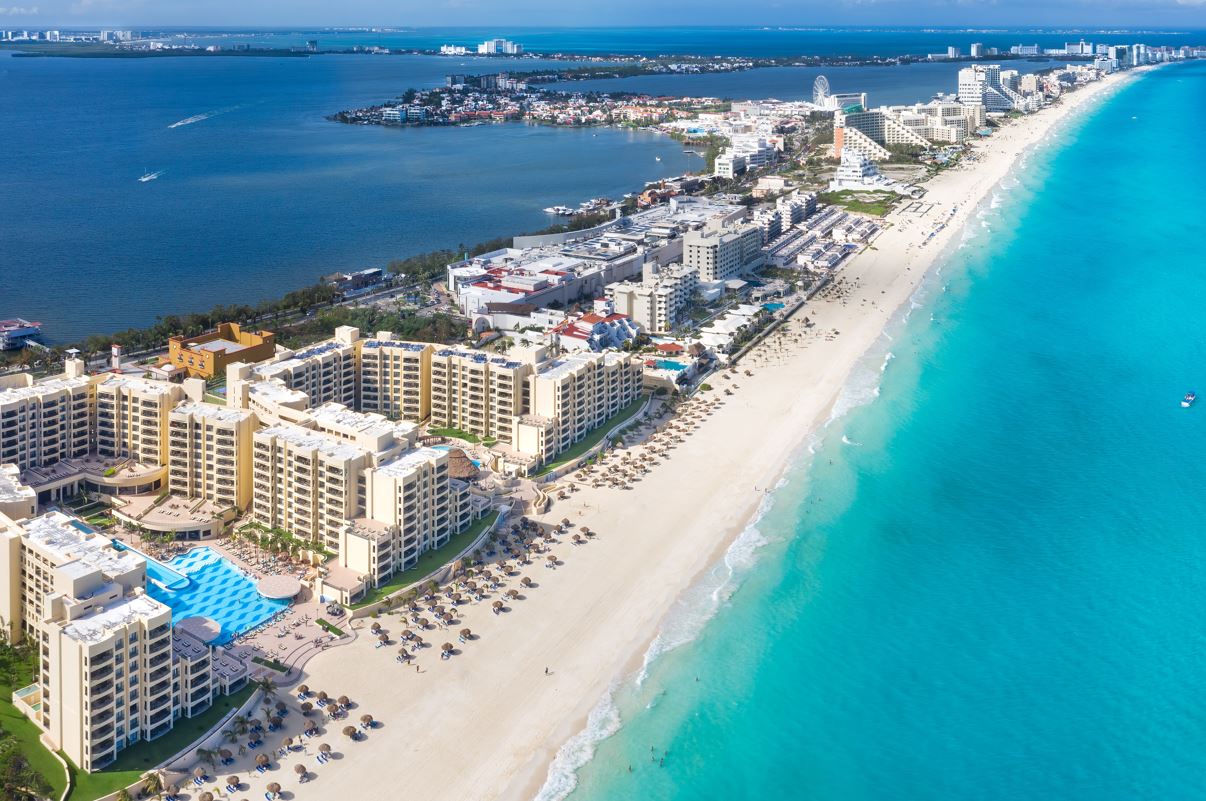
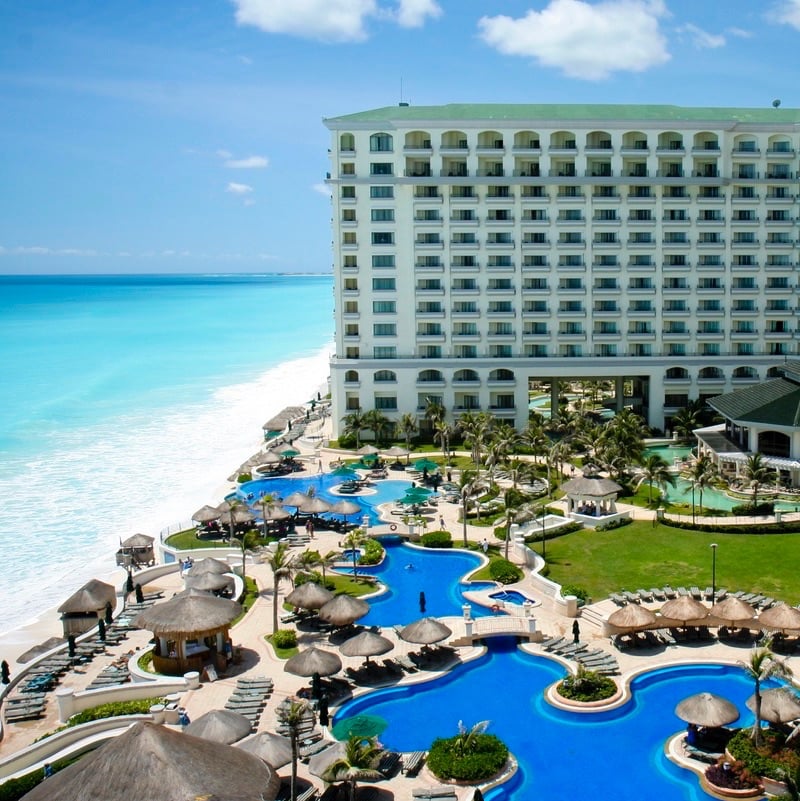
Now that going abroad is no longer associated with jumping through endless hoops and excessive bureaucracy, travelers are eager to explore the world, preferably at their own pace. When looking for some sun, sand, and culture, their best bet may be the beautiful Seychelles, where all foreigners can stay for a whole year, irrespective of nationality.
Long-term travel is one of the top trends in the post-Covid scene, closely related to digital nomadism, though not all long-term tourists could be classed as nomads themselves. Regardless of the trend’s nuances, one thing is for certain: more national governments are warming up to the idea and adapting migration laws to fit in with the times.
That is the case with this beach destination off the East Coast of Africa, commonly known as the Pearl of the Indian Ocean:
Africa At Its Finest
Although relatively unknown by the American public, Seychelles is one of a handful of high-income countries in Africa, as per data released by the World Bank, and the second-highest ranking country in the African Human Development Index, behind Mauritius. In terms of population, it is the least populous, home to only 98,462 residents as of 2020.
Beyond the accolades it has earned as a well-developed society and economy, it is a paradisaical archipelago consisting of 115 islands scattered in the Indian Ocean. Home to white sand beaches, turquoise waters, and virtually undisturbed tropical jungles, it is one of the world’s top destinations for natural world experiences, despite its lack of notoriety.
Additionally, it is entirely visa-free, which means all foreigners are welcome to visit irrespective of the state where their travel document was issued: Americans, Canadians, the British, Europeans, Mexicans, and everyone else. Unlike the U.S., which maintains a strict policy of requiring visas of certain nationalities, Seychelles is fully open.
Landing in Seychelles, all tourists* will be warmly received by border guards as long as they fulfill four simple requirements:
They are not a persona non grata, meaning they have not been banned from entering the territory previously
They are able to present a valid return ticket or proof of onward travel
They have confirmed accommodation for the duration of their stay
They have sufficient funds**
*There is an exception for Kosovo passport holders, as this travel document is not recognized by Seychellois authorities (learn why here)
**The official Government website explicitly defines ‘sufficient funds’ as being US$150 or higher per day
Tourists Can Stay For Up To A Year
Upon arrival, visitors are normally issued a three-month-long single-entry visa for free. This might be enough for vacationers looking to escape the harsh wintery conditions at home for a week or two ahead of returning to the States or Canada, but for digital nomads, three months may feel rushed, especially when there are so many islands to explore.
Even before Digital Nomad Visas (DNVs) were a ‘thing’, this country had its own version of a remote worker visa, though it is slightly different than the permits offered by other states. For instance, applicants do not need to obtain authorization in advance: they can enter as a tourist and submit their ‘visa extension‘ application before the three months are up.
The Visitor’s Permit, as it is called, can be renewed for successive periods of three months up to a maximum of twelve months, without requiring a new entry into the national territory, ‘provided that the person still meets the criteria of a bona fide visitor‘. In other words, unless you have committed a crime or you’re a threat to national security, you’re good to go.
Further renewals must be requested within the current three-month period, not after its expiration, and authorities may expect to see proof of accommodation once more and your revised travel plans for leaving Seychelles once the year elapses. It is worth noting that while the initial period is free of charge, renewals incur a fee of roughly US$73.
Filling out the renewal form, applicants must provide:
Their full name
Passport number and expiry date
Full residential address in Seychelles
Reasons for requiring a visa renewal
Expected date of departure following renewal, accompanied by a valid ticket
Proof of funds
Applications must be made at an Immigration Office, usually in the capital city of Victoria.
Why Extend Your Stay In Seychelles?
Seychelles is asurprisingly eclectic country, whose influences, cuisine, and customs draw heavily on French culture – who became the first inhabitants of the previously-deserted islands, alongside enslaved Africans brought to the territory — but also British and then Chinese and Indian, due to its strategic position on the Indian Ocean.
Still to this day, the colonial heritage is evident in the smaller Seychellois towns straddling the coast, particularly the capital city of Victoria, where a clock tower modeled after London-Vauxhall’s and an English-inspired Botanical Garden can be found. Other than a cultural melting pot, French-speaking Seychelles is simply the perfect sunny spot:
If you want to unwind and distance yourself from the crowds and chaos of the outside world as you bury your feet in the sand and admire the breathtaking Indo-African nature, it truly doesn’t get any better than this. Did we mention already temperatures rarely drop below 80 degrees in winter as well? Trust us, it is really quite warm all year-round.
Some of the top attractions in the archipelago include:
Eden, an artificial island where most of the luxury resorts and leisure complexes are centered
Victoria, the charming colonial-era capital
Anse Lazio, a sandy beach with some of the clearest water
Valle de Mai (Praslin), a recluse nature reserve brimming with wildlife
Morne Blanc, a hiking trail boasting panoramic views of the Seychellois coast
Curieuse, a tiny island famous for its giant tortoises
Domaine de Val des Pres, a quaint craft village
Still not convinced? In case you need further encouragement, Seychelles is one of the 16 safest destinations in Africa, with a very low crime rate and rated a Level 1 country by the U.S. Department of State – the lowest risk category a foreign state can achieve. More information about Seychellois visas, including the Visitor’s Permit, can be accessed here.
We get it, the panoramic view of Rio from atop Corcovado is breathtaking and surely not to be missed, and you’ll definitely want to spend an entire afternoon lounging by the famous Ipanema Beach sipping on some coconut, but trust us when we say the city doesn’t even come close to being the best for touristsin Brazil… much less its most beautiful destination.
When you think Brazil, we’re sure the first image that comes to mind is that of a soapstone Christ standing tall with his arms open wide as he mercifully watches over a vibrant metropolis below, rising out of a tropical jungle with majestic green peaks and the azure Atlantic Ocean for a backdrop. Yep, that’s Rio for you.
While it is certainly a world-class destination, it is not representative of Brazil as a whole, or its surprising diversity:
A Beautifully Preserved Colonial Treasure In The Brazilian Northeast
Salvador is the intriguing capital of the northeastern state of Bahia and one of the oldest cities not only in Brazil, but in the Americas. Although indigenous peoples were native inhabitants of the area prior to the arrival of Europeans, Salvador was first established as a fortified settlement in 1549.
Back then, the Portuguese, among the first Europeans to make landfall in the region, built a gigantic fort named São Salvador da Bahia de Todos os Santos (or Holy Savior of the Bay of All Saints). Overlooking an important bay, it quickly became an important port in the era of Transatlantic crossings and the slave trade.
In the 16th century, as a Portuguese colony, Salvador was comprised of both upper and lower cities, modeled after Europe’s own. On the higher part, administrative and religious buildings were erected; down in the busy port area, onlookers would be welcomed to the shouts of energetic merchants selling all sorts of items, from cured meats to rarer local condiments.
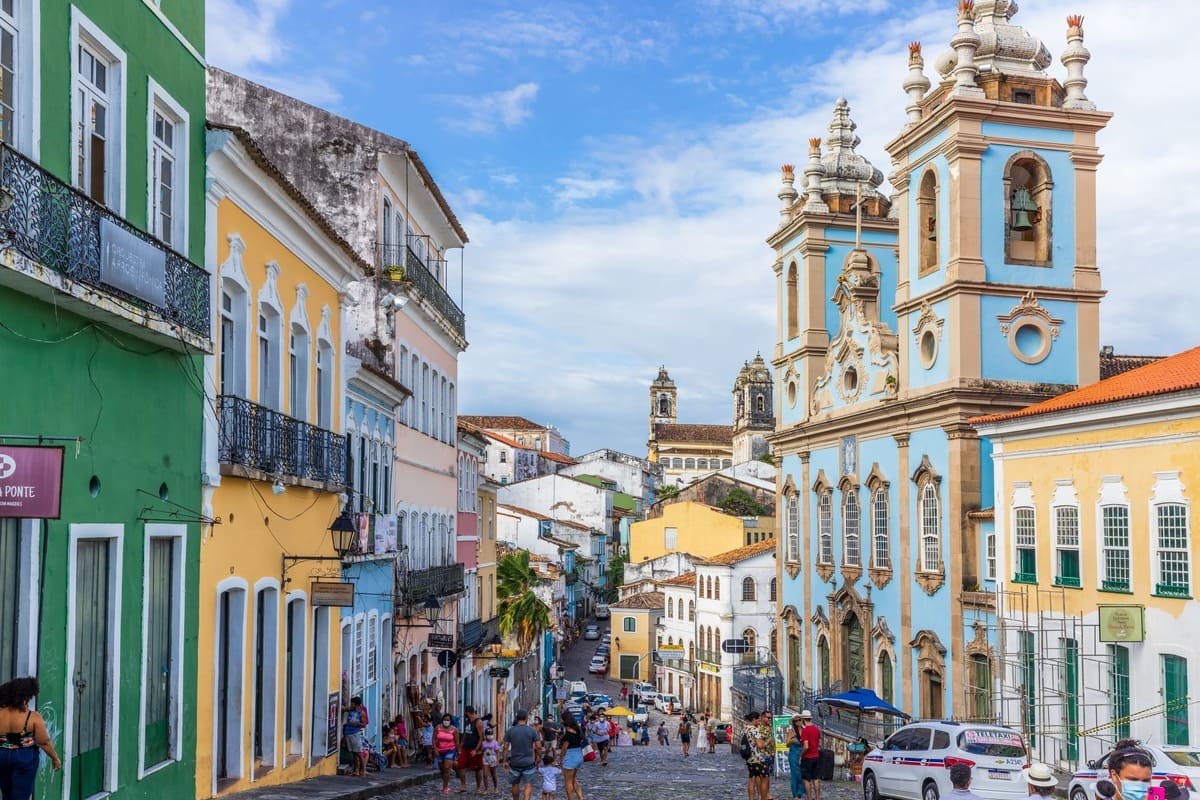
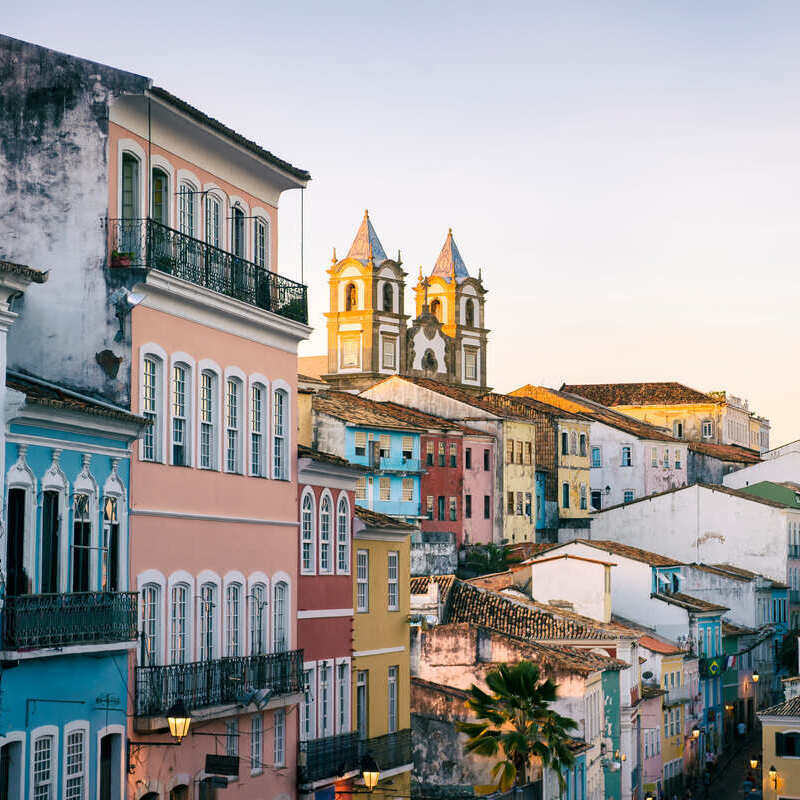
Interestingly, this well-defined cityscape hasn’t changed much in the 21st century: the former upper city corresponds roughly to the modern-dayPelourinho, Salvador’s and most easily recognized landmark and arguably Brazil’s prettiest district. It was designated a World Heritage Site by UNESCO in 1985, and you’ll soon understand why:
Is Salvador The Most Colorful And Vibrant City In Brazil?
Wandering the cobblestone streets of Pelourinho feels like stepping back in time. It feels like it has barely changed since the Portuguese founders laid the first stone, an impressive feat for a Brazilian city, considering the country’s rapid, unsustainable urbanization often happens in detriment to the upkeep of heritage sites and colonial-era buildings.
To draw a comparison, one of Rio’s most impressive palaces and a legacy of the Belle Époque was unceremoniously demolished as a military-controlled Brazil sought to ‘modernize’ itself in the seventies. Although Rio is almost as old as Salvador, only a handful of pre-20th-century monuments are still standing.
Luckily, Salvador’s Historical Center was spared most of the destruction: Portuguese urbanism is an indelible mark in Pelourinho, full of colorful facades and richly-decorated churches. The grand architecture and amazing History are not Salvador’s only strengths, though: it is often called the African capital of Brazil.
Unlike the Southeast or South of the country, where the vast majority of residents are mostly or exclusively of European descent, be it Portuguese, Italian, or German, or the multi-ethnic hub of Sao Paulo, the Northeast historically served as a safe haven for formerly-enslaved Africans in the wake of the abolition of slavery.
In other words, black and multi-racial Brazilians form a majority of the populace, in stark contrast with the predominantly-white Southern cities of Florianopolis or Curitiba. With their ancestral traits imported from their continent of origin, they have contributed enormously to the creation of a distinct Afro-Brazilian, Northeastern identity.
Whether it’s the spice-infuced cuisine you won’t find in Rio or anywhere else, unique religious customs – essentially a blend of African and European influences – and ethnic garments, the Bahiana capital is a different, unexpected flavor of Brazil tourists will not be expecting, which is precisely what makes it such a fascinating, and fun destination to exlore.
Northeastern Brazilian Cuisine Is Unlike Anything You’ve Ever Tried Before
If you’re a foodie, then Salvador should definitely be on your bucket list. Our favorite Northeastern Brazilian dishes include:
Caruru, a mesh of okra, prawns, onion, and roasted nuts drenched in palm oil
Arrumadinho, a sun-dried beef dish accompanied by beans, black-eyed peas and toasted cassava (locally known as farofa)
Aracaje, a rice ball similar to the Italian arancini, except it’s deep-fried in the locally-sourced dende oil and stuffed with tropical spices and prawn
Moqueca Baiana, a coconut milk-based stew consisting of melt-in-your-mouth white fish, prawns, lime juice, and a wide assortment of veggies
Bolo de Rolo, a guava cake similar in texture to a Swiss roll, normally sprinkled with shredded coconut
Vatapa, described as a concoction of bread, prawn, coconut milk (three recurring ingredients), and ground nuts, mashed into an oily purée
Quindim, a variation of the custard cake distinguished for its ground coconut bottom layer
The Land Of Never-Ending Summer
Beach lovers, we see you at the back: the Brazilian Northeast is home to the country’s most stunning coastline, having rightfully earned the title of ‘Brazilian Caribbean’. As those of you who have been to the city of Rio, not the wider state, will know, the sea – albeit gorgeous – is not exactly the shiniest blue.
In Bahia, turquoise waters glisten in the sun, and the temperature rarely drops below 73 degrees year-round, reaching highs of 100 in summer (between December and early April). Sitting on the Atlantic coast, Salvador has direct access to numerous under-visited beaches, where Copacabana’s overpriced coconuts and surging crowds are not a concern.
Some of the best swimming spots within close proximity to Salvador are:
Farol da Barra, where tourists will also find a 19th-century lighthouse
Buracao, lined with beachfront villas, restaurants, and bars
Itapua, in close proximity to a traditional fishing village
Praia do Forte, a quaint beach with crystal clear waters a bit further out
Sauipe, a resort-lined sandy crescent named the most scenic in Brazil
If you’re flying to Brazil in the near future, make sure you read up on the latest political developments and follow the travel advice to remain safe and avoid disruption when vacationing in the country.
The costs associated with travel to Europe have risen absurdly as a result of the economic crisis, the ongoing pandemic, and lately the war in Ukraine. Visitors are feeling the pinch irrespective of their country of choice, whether it’s West or East, and adding to their owes, a popular sunny hotspot has seen prices skyrocket more than usual at the turn of the year.
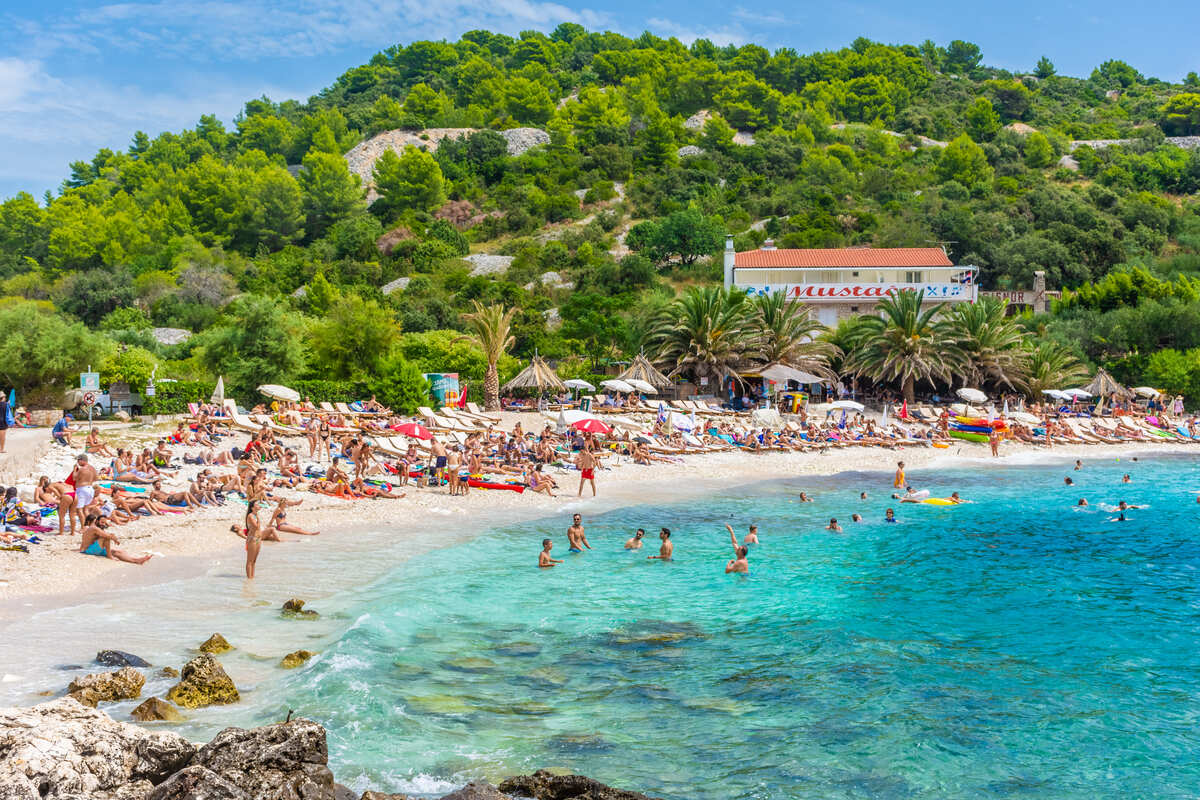
Since January 1, Croatia has undergone profound changes that will dictate the its future as a tourist destination in the coming months. Besides joining the Schengen Area, Europe’s border-free zone, the Adriatic hub has dropped the kuna, the historical Hravastki currency, and adopted the euro: the latest nation to fully integrate into the European Single Market.
It may be true Croatia has been getting progressively more expensive in recent years, but the latest events seem to have aggravated the trend:
Croatia’s Euroization Is Leading To Major Price Hikes
Nearly ten years into being in the EU, which it joined in 2013, Croatia has ascended into both the Schengen Area and the Eurozone, two select intra-EU groups it had not qualified for membership up until recently. From now on, traveling to the Dalmatian coast, travelers will notice two things are different than before: first, there’s a lack of border checks.
Having officially joined Schengen, a customs territory comprising 26 other countries, Croatia has abolished passport control and border formalities with all European states that are signatory to the treaty, such as Hungary and Slovenia, which it borders to the north. Effectively, this means any travel between these countries is treated as a domestic journey.
Secondly, there’s the issue of currency. Kunas are no longer a valid payment method in Croatia, following its induction into Europe’s monetary union. Although many hoped the price of items would merely be converted from kunas into euros, at the defunct currency’s exchange rate at the time of ‘Euroization’, this is not what happened:
The cost of living in Croatia has scaled vertiginously from January 1, as the stronger euro suddenly pushed the weaker kuna out of the market, and products, services, and transactions within the country were ‘Euroized’. Regrettably, both the transition period, which was bound to be challenging, and the EU-wide inflation have not helped ease the burden.
The market has been preparing for the swap for a number of years, adjusting prices to keep them in line with Eurozone countries, and in turn making travel to Croatia costlier than it once was in the pre-EU era, but contrary to earlier predictions, the price hikes were much more brutal than expected – sometimes, by 10 to 15 percent.
Croatia Is No Longer A Cheap ‘Eastern’ European Country To Visit
The financial strain is of course felt on a larger scale by middle-income Croatian families, but tourists were also affected: according to Economy Minister Davor Filipovic, inflation currently stands at 13.5 percent, with biggest hikes recorded across food products and non-alcoholic beverages, though other sectors were hit just as hard.
The Minister noted retail chains have been unashamedly trying to ‘deceive’ consumers by rounding fares to the nearest ten, or well above that. Needless to say, restaurants, hotels, guesthouses, and tourist attractions could see either slight, or significant increases in prices moving forward. In sum, Croatia is no longer a cheaper alternative to Spain or Italy.
The fact that 1,738 violations of the law on euro adoption were registered in only five days is not a good prospect, either. In order to keep prices from spiraling out of control, and protect Croats and tourists from abusive rates, the Minister was quoted saying ‘all options are on the table’, including black lists and a freeze on prices ‘on a wide array of products’.
If they’re looking for destinations where their tourist dollars will stretch the furthest in summer, Americans should perhaps consider going off-path and exploring lesser-known countries in Southeastern Europe where rates are notably lower than those of Croatia, or other overpriced Mediterranean destinations, such as Albania, Romania and Bulgaria.
Now that their borders have reopened and they seem to have moved on from the darker days of the pandemic, Thailand is once again smashing tourism records and strengthening links with North America. In fact, new research has confirmed it is the go-to destination for U.S. citizens in Southeast Asia – but what’s behind this new wave of popularity?
For most of 2020 and 2022, Southeast Asia (which we’ll shorten to SEA) remained virtually sealed off for tourism as local governments cracked down hard on Covid, banning most, if not all, foreign arrivals, and imposing controversial measures such as nightly curfews and lockdowns. Thailand was no exception.
Certainly, we did not expect Thailand to bounce back as strongly or this quickly, yet here we are:
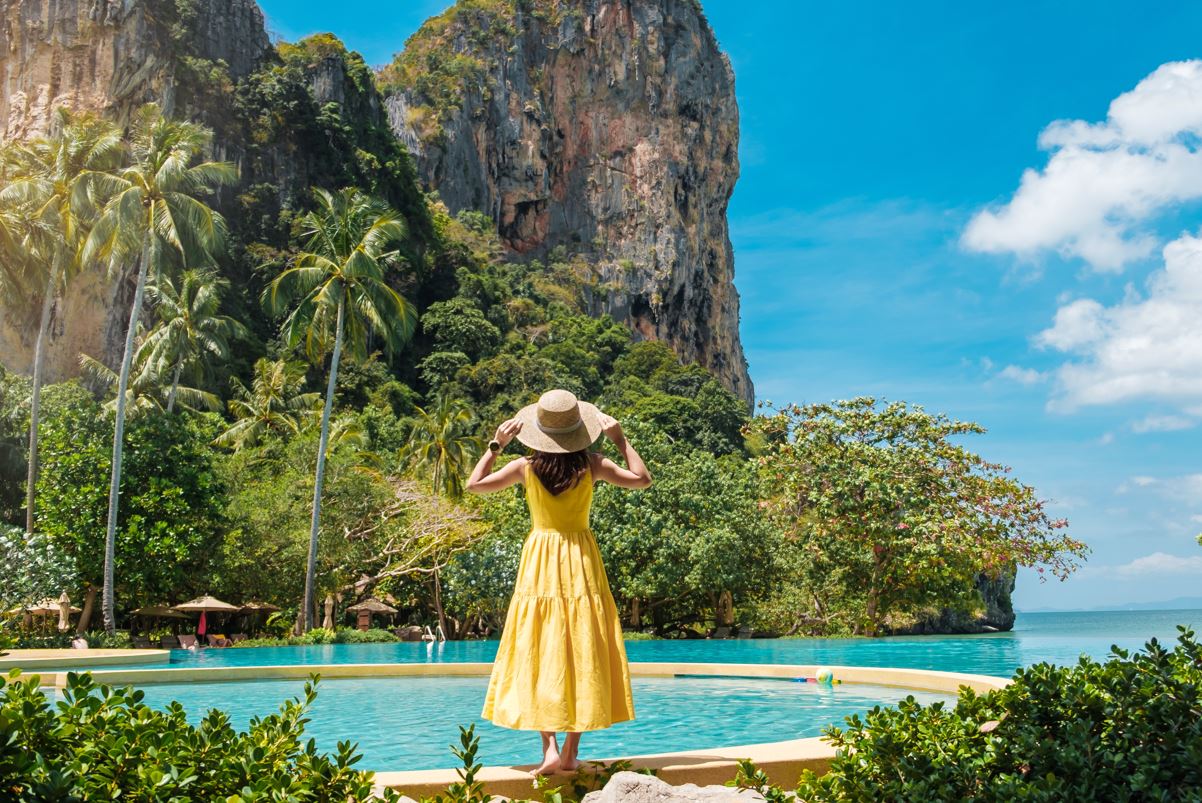
A Budget-Friendly Paradisaical Escape
As verified in new research conducted by BBC News, Thailand is the number one pick for both Americans (including Canadians) and Europeans when planning a trip to Southeast Asia. As a matter of fact, more than half of all respondents cited Thailand as their preferred destination over Cambodia, Vietnam, the Philippines, and other competitors.
To be more precise, 57.4% of those surveyed stated they would more likely visit Thailand than any other country in SEA. Why, then, is Thailand so trendy right now? In other words, why are thousands of Americans flying to the other side of the world, and facing long layovers in foreign airports, when there are other easier-to-reach sunny spots closer to home?
We have two possible answers: first, there is budget, and second, Thailand’s stunning nature and the fact that it is simply the perfect destination for culture-driven explorers. We will begin with budget, a pressing concern for many U.S. citizens going abroad amid the ongoing economic upheaval and the soaring costs of travel fueled by inflation.
Thailand Is Much Cheaper Than Other Sunny Spots In The Western Hemisphere
Luxury travel is on the rise worldwide, as tourism boards around the globe begin focusing more on big spenders and long-term vacationers in hopes of cashing in from their willingness to pay more, no matter how much, for high-quality services. This includes semi-private jets, five-star, all-inclusive resorts, and other unique experiences.
Not all travelers are keen on the splurging trend, though: many of them are actively seeking cheaper alternatives to the overpriced beaches of Mexico and Europe, even if that means longer, more complicated journeys and places where they can still indulge in some luxury, but at a much lower cost. As it turns out, Thailand is very affordable to visit.
It may not be as cheap as its neighbors, especially Vietnam, but it still allows Western visitors to treat themselves without breaking the bank, be it ordering a three-course meal at a mid-range restaurant at a much lower price than back at home, or spending a weekend in a guesthouse at a secluded beach without double-checking their funds.
In general, Thailand is 65% less expensive than the U.S.: when staying a whole month, guests can expect to pay an average of USD $742, as opposed to USD $2,112. Yes, the only direct flights from North America leave from Vancouver, in Canada, and no, it is certainly not cheap to get there, but once you do, you’ll find out your hard-earned dollars stretch the furthest.
A Vast Cultural Wealth
Then, there is the question of tourist offer. Thailand’s natural wonders and millennia-old culture precede it: from spotless beaches made famous by Hollywood classics to intricately-built, historical Buddhist temples to open-air markets where mouth-watering street food can be sampled, it has enough points of interest to keep visitors busy for weeks on end.
One of Thailand’s strongest assets is nature, at least when it comes to staying on top of travel trends. Next year, nearly 60% of travelers will be looking to completely disconnect from their phones and explore the great outdoors when vacationing abroad, and Southeast Asia’s tropical forests and crystal clear coastline is surely a good starting point.
Now more than ever, vacationers are also favoring deeper cultural immersions, and staying safe behind the walls of their gated villas or resorts is no longer an enticing thought for some. Thailand is ready to accommodate their needs, offering a whole range of off-path activities that will help Americans understand the Thai way of life a bit better.
As stated by John Williams, Vice President of the Advertising Sales department (BBC News), ‘travel has been in a state of flux since the pandemic, and we are seeing a wonderful comeback throughout South East Asia currently for travelers and the travel industry as a whole‘. Their own results corroborate our earlier findings:
The research asserted that travelers’ priorities moving forward are cultural and sustainable travel. 91% of Americans and Europeans crave ‘culture and heritage’, and 72% are environmentally-conscious. Lucky for them, Thailand is fully open for tourism, with no vaccination, testing, or quarantine restrictions in place.
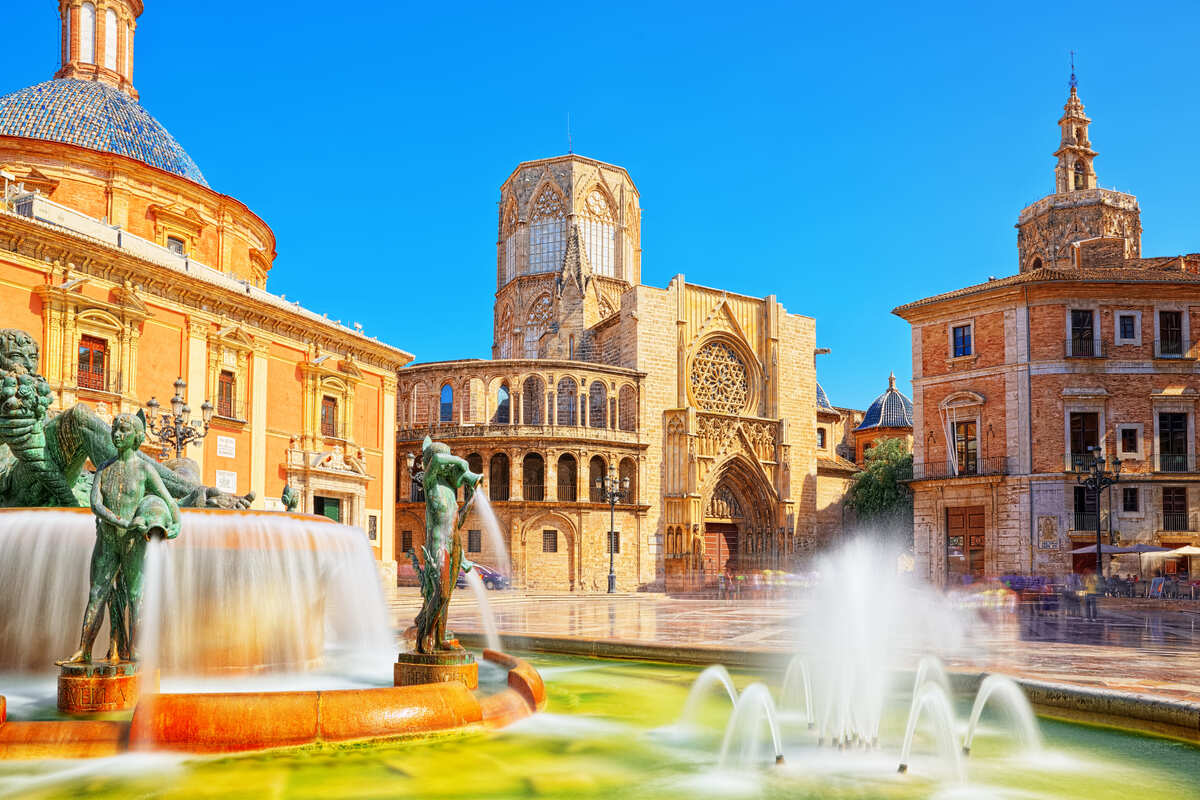
Move aside, Barcelona. A lesser-known city in Spain many visitors are not even aware exists has peaked at number one on this year’s Expat City Ranking, published by the Expat Insider. In general, foreign residents have praised how easy it is to settle in and the excellent quality of life, with over 85% of them feeling ‘happy’ about the move.
Proving migration trends have reversed, a record number of Americans are leaving the U.S. in recent years as the political situation deteriorates and inflation takes its heavy toll on families. One of the most stable and peaceful regions with a high human development index, Europe remains the go-to destination for many.
In particular, this one hidden gem on the sunny coast of Spain:
Valencia Is The Top Rated City For Expats This Year
Out of 50 popular destinations worldwide, Valencia was named the top city for migrants in 2022. With a surprisingly high ‘happiness level’, higher than any other metropolis in Spain, including the economic powerhouse duo Madrid and Barcelona, the Expat Insider report confirms the vast majority of foreigners, including Americans, feel right at home here.
This is rather unusual, seeing that Valencia is a big city home to over 1.6 million people, and large urban centers tend to scare expats away, but it seems not all of them are looking for some peace and quiet. Valencia is a 2022 highlight not only in the overall ranking but numerous other subcategories, including the Quality of Life Index.
Migrants strongly approve of the city’s infrastructure, especially when it comes to Travel & Transit, where it ranks 3rd for affordability and efficacy. 85% of residents consider public transportation ‘affordable’, compared to the worldwide mean value of 70%. It excels again in the ‘Ease of Settling In Index’, perhaps one of the most relevant:
In total, 74% of expats feel welcome in the area versus 62% globally; in this respect, only the digital nomad hub of Mexico City outperforms Valencia (82%). Additionally, 85% perceive Valencians as very friendly, and 72% are ‘happy with their social life’, against worldwide averages of 66% and 56%, respectively.
Valencia Is More Affordable Than Other Cities In Spain
When it comes to the cost of living, it charts at number 1, with 83% rating it positively. Other domestic competitors like Barcelona and Madrid saw rates of 54% and 69%, respectively. To an extent, Valencia enters at number three in the Personal Finance Index: 67% of respondents are happy financially (versus 60% in the global ranking).
A further 38% are ‘completely’ satisfied (worldwide, the figure is much lower at 22%). Finally, 92% of expats living in Valencia, irrespective of nationality, consider it a safe environment. Other relevant rankings include:
Affordable Housing (1st)
Affordable Healthcare (2nd)
Health & Well-Being (4th)
Easy Access to Medical Services (7th)
In spite of the laudable results – for the most part – Valencia has had a mixed reaction in the ‘Expat Essentials Index’, where it charts at a moderate number 13. Foreigners complain the most about bureaucracy, one of Europe’s biggest weaknesses (52% vs. 39% globally), and career prospects (30% hold an unfavorable view of the local market).
However, this number may be interpreted as an over-estimation, as Expat Insider editors reiterate only 8% of those surveyed have settled in Valencia for ‘work-related reasons’, resulting in a markedly different expat profile: ‘quality of life’ and a better retirement prospect are the ‘most popular reasons’ for migration.
If you’re a young digital nomad looking for a daily dose of sunshine and culture, chances are you’ll love Valencia as much as retirees do. As the third largest city in Spain, sitting on the Mediterranean coast, it has no shortage of attractions, from world-class museums to sandy beaches and a vibrant nightlife.
Yes, it is a modern trading port and one of Europe’s busiest at that, but that’s not to say it is not infused with History. In fact, Valencia was founded as a Roman colony back in 138 BC, and to this day, it houses one of Spain’s largest historic centers, rivaling that of Seville and Barcelona. In 2020, it was also awarded the title of ‘European Capital of Smart Tourism‘.
Some of the city’s main sights include the Cathedral of Valencia, the Palace of the Admiral of Aragon, featuring a well-preserved Gothic courtyard, the medieval Convento de Santo Domingo, and then other modern landmarks, such as the Opera House (Palau de les Arts ReinaSofia) and the Science Museum (Museu de les Ciències Príncipe Felipe).
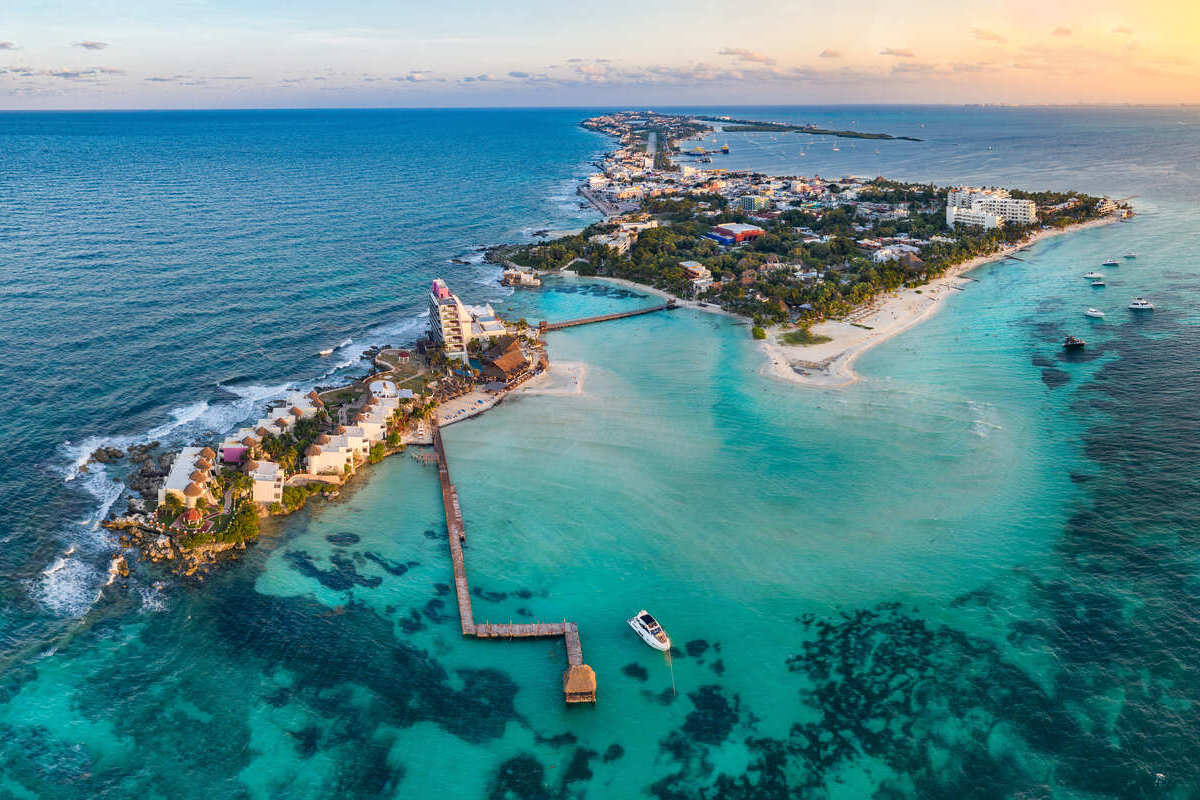
Following earlier predictions that pointed to Cancun almost selling out for the winter season, Isla Mujeres has just been confirmed as the second municipality in Mexico about to reach maximum occupancy in the coming months. This means if you’re planning on vacationing in the recluse, paradisaical destination, you should get the credit card out now.
Winter is the most-anticipated period for Mexican Caribbean tourism when sun-deprived Americans flock to the region to escape their harsh weather conditions. This year, however, it will not only be simply ‘busy’ as usual: a record number of travelers are expected with more than 9 million airline seats available, though most have already been claimed.
Being home to stunning beaches and lacking Tulum’s Instagram hordes, Mujeres has been getting a fair share of attention lately:
Mujeres Municipality Has Reached Up To 85% Occupancy Throughout 2022
This is not a mere conjecture. According to José Jesús Castillo Magaña, local director of Economic Development and Tourism, Mujeres will have a ‘very strong year-end’, with occupancy reaching ‘almost 100 percent throughout the municipality’, which includes both the island itself and continental areas. Of course, that is based on current booking trends.
As we move into the colder months, we can surely expect a further increase in reservations, meaning there is no easy way to predict when rooms, or even airplane seats, will sell out. Thus, travelers are best advised to book their vacations immediately while there is still availability. Since the wider reopening of Mexico, Isla Mujeres has maintained high occupancy levels.
On average, hotels on the island have reached up to 85 percent capacity throughout 2022, though some months saw even higher levels of 88 or 93 percent, as reported by Mr. Magaña himself. In his view, the island’s successful promotion campaign, its extensive list of attractions, and the quality of services provided were key elements in boosting its growth.
Additionally, security concerns have been driving tourists away from the traditional vacation hotspots of Cancun and Playa del Carmen, where occasional shootings have been known to take place in suburban areas. Although violent acts rarely involve tourists, overcautious visitors may have already made up their minds about skipping those this year.
Isla Mujeres, on the other hand, has historically reported fewer incidents, and local authorities’ zero-tolerance policy when it comes to crime has consolidated its success. At present, the U.S. Department of State is only advising Americans to ‘exercise increased situational awareness’ after dark and suggesting they remain in ‘well-lit pedestrian streets and tourist zones’.
What Makes Isla Mujeres So Appealing To Americans?
Cancun International is the main entry point into the Riviera Maya, serving as a transit hub for millions whose final destinations are other smaller vacation hubs along the coast that do not have their own airport. The list is incredibly extensive and features the household names of Tulum, Playa del Carmen, Puerto Morelos, and of course, Isla Mujeres.
As a 12,000+ people-strong insular community 13 miles off the Cancun coast and served almost exclusively by ferries, it relies heavily on the city’s strong connectivity to fill hotel rooms – though historically, that has been part of the reason why it is so popular among U.S. vacationers. After all, it is one of the most easily-reachable islands in the Mayan World.
It is also particularly favored by Americans in want of some more peace and quiet when visiting Mexico, especially now that the coastline is once more being overrun by tourists. This is particularly true in Tulum, where over-development and the constant influx of foreigners have proved detrimental to the town’s original Mayan character.
Lastly, Mujeres currently occupies the runner-up slot on CN Traveler‘s ranking of thetop five islands in North America, proving it is trendier than ever, and similarly to other coastal gems in Mexico, it should easily surpass its 2019 tourism peak, both due to its proximity to Cancun, and the fact that not all Americans landing at this airport remain in the city.
For more Riviera Maya-exclusive news, make sure you visit our sister website, The Cancun Sun.
Despite economic setbacks, a war in Ukraine, and inflation, European tourism is back in full swing, and Southern Mediterranean destinations are making the biggest comeback. With the help of a stronger U.S. dollar, which appreciated around 20% against both the euro and pound over the last year, this made Europe a more enticing destination for Americans to visit.
The U.S. dropped its PCR mandate for returning to America in June, which allowed European travel to pick up in the summer since travelers didn’t have to worry about securing negative PCR tests ahead of crossing borders.
Which Country Is Making The Best Comeback?
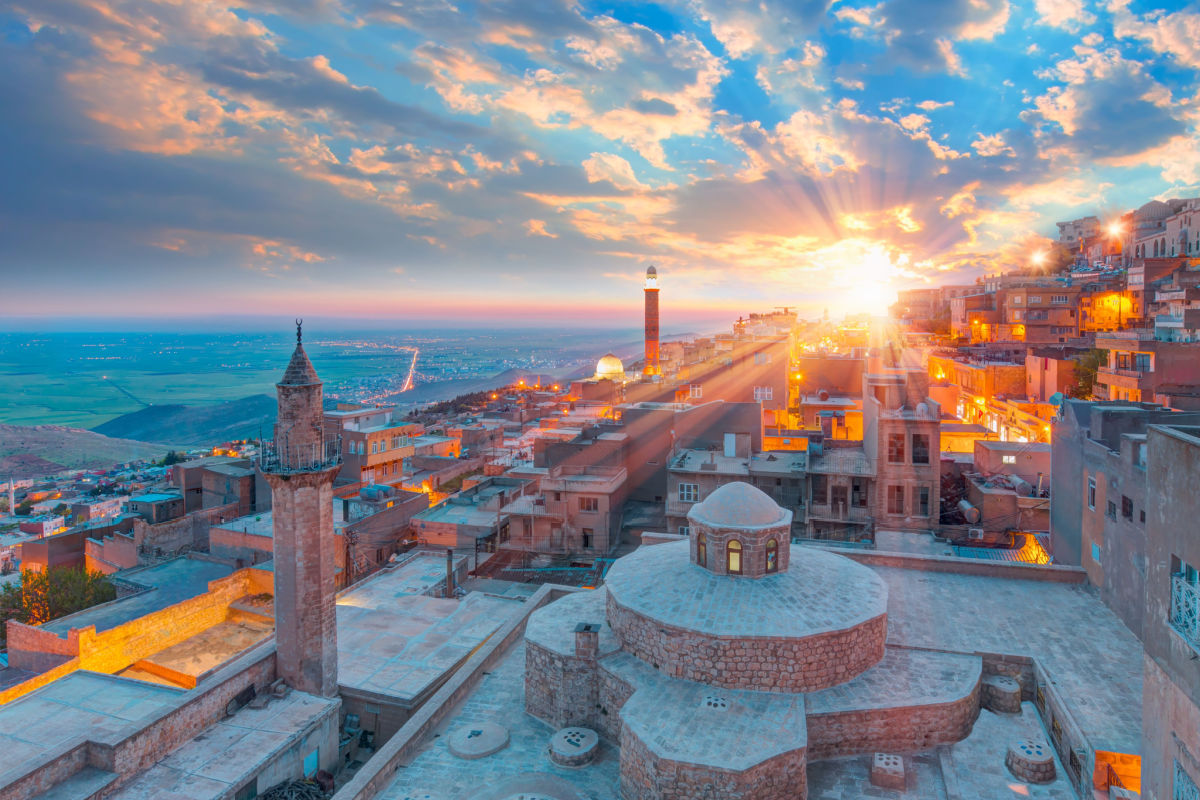
The European Travel Commission identified Turkey as the destination making the strongest return, which is only -5% of what its pre-pandemic arrivals in 2019 used to be. The country had the fastest growth from American travelers, being up almost two-thirds (61%) compared to the same period in 2019. This was 3.5 times more than Portugal, which followed Turkey as the second fastest growth of arrivals, which was up 17.4% from the same period in 2019.
It wasn’t just Americans that Turkey was attracting. The data reported that UK residents were also choosing Turkey for their European vacations, which was up more than a quarter compared to the same time in 2019.
Experts suggest that 2022 will likely represent a new peak year for Turkey.
Turkey is considered a good value destination, and since it relaxed its travel restrictions quicker when compared to other European destinations, it enabled the country to recover its tourism at a faster rate. Turkey, Serbia, and Montenegro all chose to implement more lenient travel restrictions compared to other European destinations and saw more tourists return earlier on.
Why Do People Visit Turkey?
This magical country is beloved by many who set foot there, with a choose-your-own experience that will fit all types of travelers and a Mediterranean climate that makes it perfect to visit all year round. Whether it be soaking up the sun on its turquoise water-lined beaches, exploring the ancient ruins, or tasting its traditional foods and decadent desserts, it’s a hard place to find disappointment.
Your first stop will be Istanbul, where Europe and Asia meet, and the largest city in Turkey. It has food to die for, a Grand Bazaar with over 4,000 shops, and plenty of historical and cultural attractions. Turkey is a country so vast, you’ll want to get out of the big city and see what else it has to offer, from the Dalyan mud baths to the volcanic terrain in Cappadocia, soaking up the best beaches in Antalya and ancient wrecks underwater in Bodrum.
What Are the Flight Options For Turkey?
There are many airlines that offer flights to Turkey, with the majority leaving in the afternoons and evenings. Turkish Airlines is the national carrier and offers over ten non-stop routes from popular destinations in the U.S., which all land in Istanbul.
They include three direct flights on average every day from New York’s John F Kennedy airport and daily from Boston, Chicago, Los Angeles, Miami, Newark, San Francisco, and Washington; and four or more flights a week from Atlanta, Dallas, and Houston. The airline will soon be adding two new non-stop flights to Turkey from Denver, Colorado, and Detroit, Michigan, but the timing has not been confirmed yet.
Other popular airlines with stopovers include United, American Airlines, Norwegian, Swiss Air, and Air France. If you are wanting to visit other locations in Turkey, such as Antalya, there are stopover flights available with Finnair, Lufthansa, or Air France. You can find flights that are less expensive when you select one with more than a single stop.
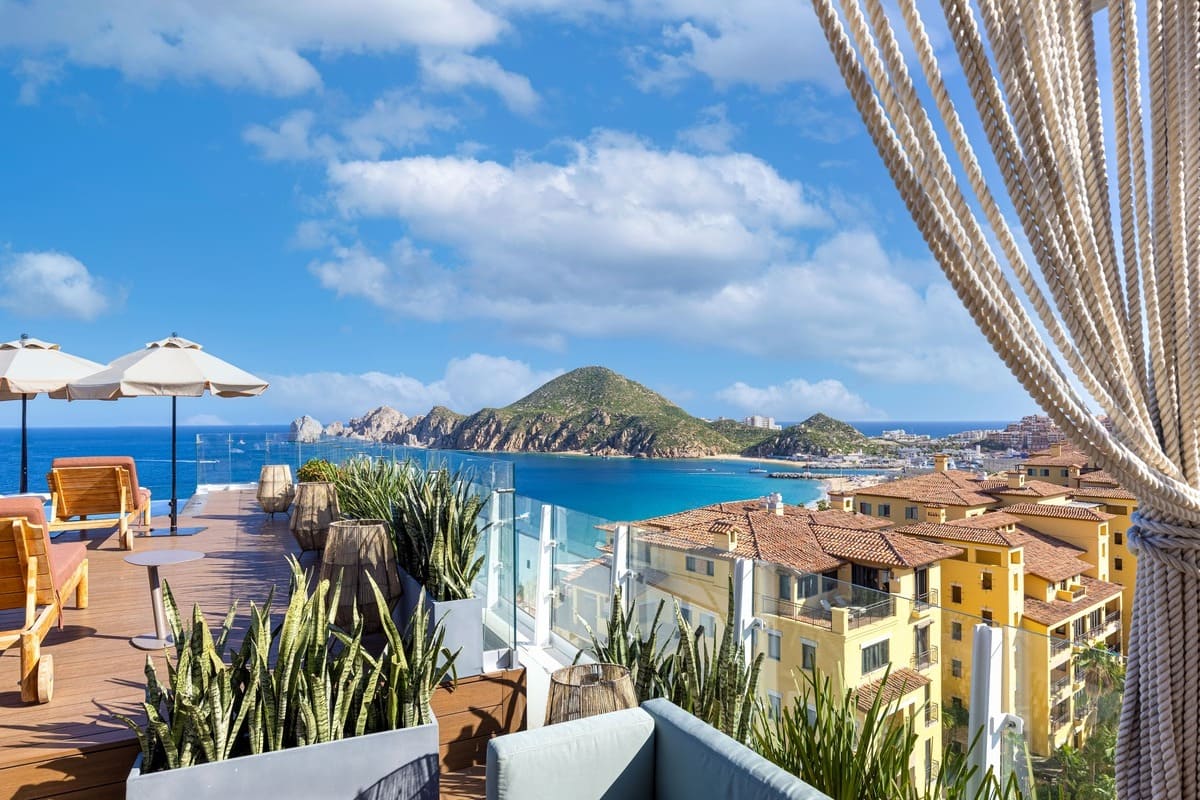
On track to become the number one beach retreat south of the border, Cabo has just beaten other tourism hubs like Cancun and Puerto Vallarta in a major award show, where it was crowned the best destination within Mexico. The Riviera Maya continues to be the best-selling product, at least for now, but it’s the jewels of the Pacific that are stealing the spotlight.
2022 has been a record-breaking period for the Capes: in the first official post-pandemic year, they bounced back stronger than ever while still making headlines as a safe vacation spot for Americans. At present, it is one of a handful in Mexico retaining both a strong hotel occupancy and its own prestige amid a nationwide crime surge.
The same cannot be said about its closest competitors:
Cabo Takes Home One Of The Most Coveted Awards Of The Night
Held for the 8th year, this time in Fort Lauderdale, Florida, the Travvy Awards recognized the ‘top industry suppliers’ for 2022. Namely, the cities, accommodation providers, airlines, and experiences travelers love the most. It is produced by TravelPulse in partnership with AGENTatHOME, and voting is open for readers of these websites.
With over 140 categories, it is one of the largest award shows in the travel industry and one of the most relevant, with sponsorship from big companies like Allianz Partners, Air Canada, and Enterprise Holders. Seeing that Mexico is America’s favorite sunny getaway, it has its own sub-categories under the ‘Best Destinations’ listings.
When it comes to the best in Mexico, Cabo came out triumphant with a ‘Gold’ medal, followed by Puerto Vallarta (Silver) and Cancun (Bronze). Once again, it trumps all other coastal hubs and openly challenges Cancun for the top spot domestically – so why is Cabo being showered with so much love when it lags behind*the Caribbean in numbers, one may wonder?
Cabo Is Cancun’s Biggest Threat Internally
*First of all, does it?
Cancun Airport’s arrival figures may be poised to be Mexico’s highest during the peak season, but it pales in comparison to Cabo in terms of recovery. Effectively, Cancun had accumulated a lower 14.6 percent growth in 2022 by late September; at the same time, the dual ‘Los Cabos’ hit the 17.9 percent mark.
Cancun is a tour de force almost impossible to be surpassed, but should this trend continue, the Capes will keep increasing their chances of toppling the Mayan giant. In simpler terms, more and more tourists are falling in love with Cabo, and this newfound fame is attributed both to a laudable tourism campaign and the region’s remarkably low crime levels.
At a time when state governments deploy army officials and even the Navy to reinforce security along Mexico’s easternmost coast in response to gang activity and the occasional shooting, Cabo authorities have averted most of the bad press plaguing Cancun and Tulum by being firm and keeping the streets safe. In fact, 69.3 percent of residents consider it a ‘safe city‘.
In Mexico, Los Cabos – both San Jose del Cabo and Cabo San Lucas – are the safest to live and/or visit in the short term, as concluded in an INEGI report (the acronym stands for National Institute of Statistics and Geography). Moreover, the government of Baja California Sur, where the Capes are located, has stayed ahead of the curve in travel trends.
Cabo Is Mexico’s Trendiest Tourism Hub
Now that digital nomadism is on the rise, they have partnered with AirBnB to offer remote workers a roadmap to exploring the peninsula and encourage ‘sustainable’ tourism – this means boosting the nomad scene without detriment to the local community. On top of that, it is now Mexico’s official wellness capital, beating Cancun on yet another front.
The ‘Cabomania’ did not go unnoticed at the Travvy Awards, as the duo attained numerous other accolades, including a second Gold medal for ‘Best Culinary’ in Mexico, a Silver for ‘Best Honeymoon’ (overshadowed by Cancun this time), and even ‘Best Tourism Board’, evidencing the cities’ successful approach to tourism and their potential to reach new heights.
For more Cabo news, make sure you visit our sister website, The Cabo Sun.
Have you been dreaming of leaving it all behind and jetting off to the Caribbean but keep putting off that passport renewal? Luckily, Americans can experience the beauty and charm of the Caribbean without a passport!
In fact, Americans can experience the best of the Caribbean without a passport, without exchanging money, without a long-haul flight, and without dealing with the hassle of international cell service limitations.
Take It From Me, Puerto Rico Is The Most Accessible Caribbean Destination
When the opportunity to travel to Puerto Rico this fall presented itself, I jumped on it immediately. Having lived elsewhere in the Caribbean since July, I was interested to see how different things were in San Juan. As an American, I knew I could travel to Puerto Rico without a passport. However, it didn’t register how truly easy it was to visit until I flew to San Juan.
The flight was a breeze! A lovely 2.5 hours from Miami with gorgeous weather, so the view from above turned the world below into a painting.
Having never been to Puerto Rico, I still felt like I was traveling to another country outside of the States. With Puerto Rico being a U.S. territory however, flying into San Juan was like any other domestic flight. When I landed and took my phone off airplane mode, I had fantastic cell service. Once deplaned, a small part of me felt like I needed to go through customs.
Instead, I was outside the airport and waiting for my ground transport in about 5 minutes! The drive to my hotel, The Sheraton, was smooth and short, which felt out of the norm for the Caribbean. If you’ve frequented much of the Caribbean, you probably know how rough the roads can get!
As we all know, the media often tends to exaggerate. As my departure date inched closer, I watched two hurricanes make landfall in Puerto Rico. First Fiona, and then Ian. Friends and family kept asking me if I planned to cancel my trip. I never had any intention of doing so, but did wonder what things would be like when I arrived.
Hurricane Fiona Approaching Puerto Rico Credit: Zoom.Earth
By no means am I discounting the impact Hurricane Fiona and Hurricane Ian had on residents of Puerto Rico, particularly those in the south. Still, while exploring San Juan, I saw no evidence of storm damage and no areas without power, save the occasional traffic light. Everything seemed to be operating business as usual.
Speaking with my driver on the way to the hotel, he recounted his experiences throughout various hurricanes. He told me how much his life changed during Hurricane Maria, one of the worst to ever hit the island. Fiona and Ian were no comparison, at least for him.
Brad Dean, CEO of Discover Puerto Rico, later informed us at a press conference that Hurricane Fiona barely impacted travelers’ plans to come to the island for vacation. Less than 10% canceled their trip, and in Dean’s words, Hurricane Fiona was “a setback, not a reset.” Indeed, most of Puerto Rico was and still is completely open and safe for travel.
One Of The Best Ways To Give Back
It may seem counterintuitive, but one of the best ways to help the local economy of Puerto Rico, even after a hurricane, is through travel and tourism. Even something as simple as grabbing a quick bite at a local brewery adds up and supports the locals who work there.
During my stay, I had the pleasure of talking to numerous locals working in the tourism sector. Each of them echoed this sentiment, traveling to Puerto Rico and enjoying local activities is one of the best ways you can help.
An Immense Cultural Experience
Since it was my first time in Puerto Rico, I didn’t know what to expect. My typical go-to destinations are mostly European, and I have a deep-rooted love for the old. Marveling at the beauty of St. Paul’s Cathedral in London, walking among ancient Viking burial mounds in Mølen, and exploring Blarney castle in Ireland are memories solidified in my brain. Not because of their visual appeal, but because of the connection I felt to the history and culture of those experiences.
Puerto Rico now has a place among this special set of memories, and I can’t wait to go back. Walking through the historic district of Old San Juan showed me that Americans don’t have to travel far to see a unique blend of history. Old San Juan is the oldest city in the U.S. and its territories. Visitors can see gorgeous buildings displaying Baroque, Neoclassical, Gothic, and Spanish Colonial architecture — all within walking distance of each other. On the western side of Old San Juan, some buildings date back to the 1500s — the history lover in me felt right at home.
A Unique Take On History
I explored Old San Juan in a unique way that I highly recommend to anyone visiting the area. Rather than simply walking around and exploring independently, I went on the Old San Juan Walk & Taste Tour with The Spoon Experience. This tour wasn’t just a guided walk among beautiful buildings and experiencing local food and drinks. While that was certainly part of it, what made the tour unforgettable was the vast amount of history eloquently expressed by our incredible guide.
In just a few hours, I sampled the most authentic local foods available while learning each meal’s historical and cultural significance. In between our food stops, our guide talked about Old San Juan’s rich history. From the obvious details like its strategically defensible position, to the not-so-obvious fact that the endless shade offered by San Juan’s architecture only exists due to a poor compass reading during the city’s planning. There was so much incredible history shared, and I can’t wait to go back and do it again to learn more!
Top 6 Reasons I’ll Be Going Back To Puerto Rico
It’s So Easy – Visiting Puerto Rico was like taking everything great about the Caribbean and packaging it with easy domestic flying. My flight from Miami was only 2.5 hours, and getting through the airport and to my hotel was a breeze. If I lived in Miami, I’d visit Puerto Rico on every available long weekend.
For More Of Old San Juan – I fell in love with Old San Juan the moment I saw it. The architecture, the charming little shops, and the immense cultural experience have cemented this beautiful city in my mind.
For The Adventure – My trip was spent in San Juan, but next time I head to Puerto Rico, I plan to check out more off-the-beaten-path sights. Some that I have in mind include El Yunque National Forest and Laguna Grande, a bio bay where visitors can experience the beauty of bioluminescence in the water.
For More BeachTime – I didn’t spend much time at the beaches, but definitely will in the future! From the gorgeous El Escambrón in San Juan to the stunning Pelícano Beach in Ponce, I’ll be scoping out Puerto Rico’s beaches during my future trips.
For The Art – I had the pleasure of taking part in a walking art tour in Santurce, a municipality in San Juan known for its vibrant art scene and exciting nightlife. Just like the culinary tour, it was a history lesson in disguise. I learned more about Puerto Rico and its people during the tour than I ever had in school. This was entirely due to our incredible guide from theartwalkpr.
For The Food – The food, I miss it so much! Aside from the Old San Juan Walk & Taste tour, I had the pleasure of taking a cooking class with Mesa Redonda at the lovely Cocina Abierta. My group was responsible for making the Sofrito, a staple base for many Puerto Rican dishes. Everything was incredible, and I left convinced that every meal should start with Alcapurrias and end with Tembleque.
Best Times To Visit Puerto Rico
I’m of the opinion that anytime is the best time to visit. However, depending on your preferences, there are months of the year that may best suit your needs.
To avoid crowds, stick to the shoulder seasons of September to mid-December and mid-April to May.
To save money, June through September is generally more affordable, as it is hurricane season. Just keep an eye on the weather and be sure to purchase suitable travel insurance, and you’ll be all set.
To avoid rainy days, shoot for February, as it is one of the driest months of the year.
How To Get There
While you may stop and see Old San Juan for a day during a cruise, if you want to stay in Puerto Rico for a while, you’ll have to fly. This is where Puerto Rico shines when compared to many other Caribbean destinations. San Juan has over 25 direct routes from the U.S. mainland, and flying in is incredibly easy.
Americans will not need a passport, and there is no lengthy customs line waiting for you upon landing. Not only that, it’s typically quite affordable. For instance, a direct flight from New York City to San Juan can be found for around $300 with JetBlue this November, carry-on included. Puerto Rico is undoubtedly one of the most accessible destinations in the Caribbean.
The Number One Reason I’ll Be Back
I arrived in Puerto Rico not knowing what to expect. I left with a newfound love and respect for the culture and people that made this island come alive. While the experiences themselves were incredible, the people behind them were the true magic. And they, more than anything else, are the reason I’ll be coming back.
**Travel Off Path was a guest of Discover Puerto Rico who helped with the creation of this itinerary by hosting some of our accommodations and attractions. Our opinions, recommendations, and suggestions remain our own.**
There’s no question that Cancun and Punta Cana are two of the most popular destinations for an all-inclusive vacation. Cancun is the most visited Destinations in Mexico, while Punta Cana is the most visited destination in the Dominican Republic. Each location offers visitors a wide selection of all-inclusive properties at prices that range from ultra-luxurious to totally affordable. Both destinations have been breaking records this summer, proving that tourists are flocking to the regions. For those who are on the fence about which area to choose, this article will help determine a winner!
Travel Off Path has pitted each location against each other in a head-to-head comparison to determine the best all-inclusive destination. For clarity, we’ve broken things down into sections, including pricing and resort options, beaches, weather, activities, safety, as well as flight connectivity and cost, and traveler interest.
For this comparison, we assumed a one-week vacation during January, a peak travel month for both areas. Specifically, we chose January 14th to January 21st, with flights in and out on each of those days as well. All prices shown are based on two people traveling together.
All Inclusive Costs & Options
One of the driving decision-making factors for vacations is cost, so it’s worth exploring how Cancun and Punta Cana rank against each other. To make the comparison of properties relevant to more than just luxury travelers, we will explore two categories; 4-star properties & 5-star properties. Average costs were found using booking.com and the dates of January 14th through January 21st.
Only all-inclusive properties were considered, and pricing data was pulled on September 5th. We combed through all available properties to get an average cost of each category, and the results are below:
Based on average prices alone, Punta Cana has the upper hand in this category.
In total, Cancun has 74 all inclusive properties to choose from, while Punta Cana has 72. Cancun has more 4-star options than Punta Cana, implying more affordability. However, on average, Cancun’s 4-star properties are over $30 more per night than Punta Cana. Similarly, Cancun’s 5-star properties are, on average, about $80 more per night than Punta Cana. This isn’t to say that Cancun has no affordable options, though.
For instance, the 4-star Hotel Dos Playas Faranda Cancún is just $200 per night for the dates explored. The cheapest option for a 4-star stay in Punta Cana, the whala!bávaro, comes out a little more affordable at $187 per night. It should also be noted that, on average, Cancun’s 4-star and 5-star properties have slightly higher user ratings.
Beaches
What’s a tropical vacation without a beautiful beach? That first step onto that white-sand Caribbean beach is almost worth the cost of the flight alone. When choosing between Cancun or Punta Cana, it’s important to know which has beaches better suited to your travel style. We’ll break down the top 5 beaches for each destination and their differences. Beach rankings were found using Tripadvisor.
The single biggest difference between beach days in Cancun vs. Punta Cana is the level of development. In Cancun, the long stretch of sand in the hotel zone is jam-packed with restaurants, shops, hotels, and endless activities for tourists to take advantage of.
Conversely, Punta Cana’s beaches are less developed and offer a more authentic tropical beach vibe. While hotels certainly dot the shores, it’s much easier to find a secluded stretch of sand to soak up the sun.
Beaches: Who Wins?
When it comes to beaches, there’s no specific metric that can decide whether Cancun or Punta Cana is the ultimate winner. However, it can certainly be an influencing factor when deciding which destination is for you.
If you prefer your beach days to be close to a seemingly endless array of activities, Cancun may be for you. The tradeoff is that the beaches will be much more busy and crowded. But if that’s your vibe, then Cancun is perfect!
Punta Cana will be a better place for travelers who like to carve out their own space at the beach. However, the price you’ll pay for fewer crowds and seclusion will be less access to amenities. That’s certainly not to say there aren’t activities and restaurants to try, simply that they are not as condensed into one area as they are in Cancun.
Weather
The gorgeous weather offered by both Cancun and Punta Cana is one of the many reasons travelers flock to these areas over the fall and winter. A week of sunshine and warm weather is a wonderful way to break up the winter into more manageable sections. January is the dry season for both locations, and rain doesn’t tend to stick around. For days that it does rain, it often storms for a short period and quickly goes back to beautiful sunshine.
Below, we have laid out average temperatures and other information for the month of January in each destination.
Cancun
Temperature:
Average – 74.6°F (23.6°C)
High – 77.7°F (25.4°C)
Low – 72.3°F (22.4°C)
Rainfall Average: 9 Days with Rain, averaging 3 inches (51mm)
Average Humidity: 71%
Average Water Temperature: 79°F (26°C)
Punta Cana
Temperature:
Average – 76.6°F (24.8°C)
Low – 74.8°F (23.8°C)
Rainfall Average: 11 Days with Rain, averaging 2 inches (51mm)
Average Humidity: 76%
Average Water Temperature: 80°F (27°C)
Weather: Who Wins?
Cancun and Punta Cana have such similar averages in January that it is difficult to determine an ultimate winner in this category. Both destinations will offer a welcome respite from the cold of winter. However, for those who don’t like it too hot, Cancun may be better on average due to the lower humidity levels and slightly lower average temperatures.
Activities
Cancun and Punta Cana offer a wide range of activities to enjoy during your stay. The most significant difference in offerings is the style of activities available. While there are many overlaps, such as snorkeling, watersports, and swimming in cenotes, each destination has its own feel and unique offerings for travelers to enjoy.
Cancun Activities
Cancun’s hotel zone is like a giant 15-mile-long playground. It is the heart of tourism in Mexico and is designed to offer endless entertainment to those visiting its shores. Nightclubs, restaurants, shopping malls, beach clubs, and more are all just a quick taxi ride or walk away when you stay in the hotel zone. An extensive list of every activity available would require several pages, so we’ve listed a few of note below:
Xoximilco Cancun – A self-named “Floating Fiesta” awaits visitors heading to Xoximilco. Guests board colorfully decorated gondolas with an open bar and a three-course meal. As you venture through the park’s canals, you will see many different bands and shows. This is just one of Cancun’s many dinner shows, but it certainly sets itself apart from the rest!
Nightlife – Cancun’s nightlife is incredible, and there are some wildly popular places to go. Coco Bongo is a must and is arguably Cancun’s most famous nightclub. With live performances, balloons, confetti, bubbles, full stage lighting, incredible music, and much more, guests will enjoy the party of a lifetime.
Day Trips Galore – Not only is Cancun itself packed with things to do, but it also has easy access to some pretty incredible day trips. From Cenotes to ancient ruins, many adventures await. Tulum is one of the most popular day trips, allowing visitors to visit an ancient Mayan archaeological site.
Punta Cana Activities
Punta Cana is an excellent place for travelers who appreciate the outdoors and have an adventurous spirit. While it also has nightlife options, there aren’t nearly as many as Cancun. For an adventurous day off the resort, travelers can ride ATVs through the interior forests, zipline through the trees, swim in a cenote, or ride a horse on the beach at sunset. Here are a few activities of note in Punta Cana below:
Scape Park – This 247-acre park is a great way to take part in a host of outdoor activities all in one place. Swim in underground caves, zipline along a cliff, go caving, snorkel at Bucaneros reef, or float around in the turquoise waters of Hoyo Azul, a hidden cenote.
Visit Saona Island – Saona Island lies off the southern coast of the Dominican Republic and is a nature reserve free from major development. If you want to feel like you are walking along the beach in an untouched tropical paradise, this is where to do it. Day trips include a boat ride to the island, often with an open bar and a buffet lunch.
Unique Night Life – While Punta Cana may not have as many options as Cancun when it comes to nightlife, it certainly has some unique ones. One of the most interesting has to be Imagine Cave Disco. Built right into natural caves, this nightclub sets the tone for what is sure to be a memorable night.
If we base the winner purely on the number of activities offered, then Cancun is a clear winner. However, every traveler has their own unique tastes when they visit a new place. For travelers looking to spend more time outdoors adventuring, Punta Cana may be the way to go. Cancun is the way to go for travelers seeking a destination that feels much more urban and is teeming with endless things to do.
Safety
All inclusive properties in Cancun and Punta Cana are considered safe destinations. When venturing away from the resorts however, visitors should exercise increased caution. The most common crime affecting tourists in both destinations is petty theft. Criminals assume that tourists have a lot of money, smartphones, jewelry, and other valuables.
The U.S State Department classifies The Dominican Republic and the Quintana Roo State (where Cancun resides) as Level 2: Exercise Increased Caution. Advice from the state department for Level 2 areas includes:
Stay aware of surroundings
Do not resist a robbery
Don’t display signs of wealth
Follow local advice of resort or tour guides for safety
Both countries should be safe for travelers who stick to well-known tourist areas and activities. However, by the numbers, Cancun comes out ahead for safety. Mexico has a crime rate of 54.19 while the Dominican Republic has a crime rate of 61.02. This means that per every 100,000 people, 61 of them are subject to a crime in the Dominican Republic while 54 are subject to a crime in Mexico.
Flight Connectivity and Costs
Hotel and general costs in the area are just two pieces of the puzzle when planning a trip. Another sizeable piece is flight costs and how easy it is to get to where you are going. Below we’ve broken down how well-connected Cancun and Punta Cana are to the United States and Canada.
Cancun Connectivity and Cost
For the month of January, there are 40 U.S. cities and 16 Canadian cities that fly nonstop to Cancun. Notable U.S. cities with direct flights include Miami, New York City, Atlanta, Los Angeles, and Seattle. Notable Canadian cities with direct flights include Toronto, Montreal, and Vancouver. Below are some prices for a round-trip ticket to Cancun from January 14th to January 21st.
For the month of January, there are 20 U.S. cities and 8 Canadian cities that fly nonstop to Punta Cana. Notable U.S. cities with direct flights include Miami, New York City, Atlanta, Austin, and Chicago. The east coast has the upper hand for flights to Punta Cana. There are no direct flights to Punta Cana further west than Austin, Texas, for the month of January.
Notable Canadian cities with direct flights include Toronto, Montreal, and Quebec City. Below are some prices for a round-trip ticket to Punta Cana from January 14th to January 21st.
New York City to Punta Cana Round-Trip (JFK to PUJ)
Price: $470
Airline: JetBlue
Luggage: Free Carry On, $60 Checked Bag
Flights: Who Wins?
Cancun is the winner when it comes to both flight connectivity and flight prices. While flights to Punta Cana aren’t overwhelmingly more expensive, Cancun consistently has lower prices. Also, Cancun has double the number of direct flights to both the U.S. and Canada. Cancun also has further reaching nonstop flights, whereas Punta Cana only goes as far west as Austin, Texas. As Punta Cana continues to grow in popularity, we will likely see more cities offering direct flights. For now, however, Cancun is cheaper and easier to fly to.
Traveler Interest
One key indication of the general population’s interest in something is how many people search for it on Google. To see how interested people have been in Cancun and Punta Cana over the last year, we compared the two using Google Trends.
Looking at the graph above, we can see that for the past year, Punta Cana has been about half as popular as Cancun when it comes to Google searches. However, this doesn’t necessarily mean that Cancun is better, simply that it is searched for more often. Also, this only takes into account searches within the United States.
The Bottom Line
Cancun and Punta Cana both offer incredible all-inclusive experiences for travelers heading for warmer weather and sandy shores. Which one comes out on top will ultimately be a decision for each individual traveler.
Cancun is better connected and cheaper to fly to, offers endless activities, and has world-class beaches with incredible amenities right along the shore. If you are after easy access to activities, late-night parties, and a more lively vibe, Cancun is for you.
Punta Cana has cheaper accommodations, offers more secluded beach experiences, and caters to travelers who enjoy adventuring outdoors when they aren’t relaxing at one of its luxurious all-inclusive properties. If you are after a location that feels less developed and more authentic, Punta Cana is for you.
Both destinations offer amazing experiences that will be remembered for a lifetime, and either one would be well worth a visit. Punta Cana and Cancun are both winners in our book. The best advice we can give travelers wondering which one to choose would be… choose both!
This article originally appeared on Travel Off Path. For the latest breaking news that will affect your next trip, please visit: Traveloffpath.com
Enter your email address to subscribe to Travel Off Path’s latest breaking travel news, straight to your inbox
Disclaimer: Current travel rules and restrictions can change without notice. The decision to travel is ultimately your responsibility. Contact your consulate and/or local authorities to confirm your nationality’s entry and/or any changes to travel requirements before traveling. Travel Off Path does not endorse traveling against government advisories