National Parks and their wondrous attractions tend to overshadow many of America’s State Parks, which often can be equally beautiful and far less crowded.
With nearly 10,000 State Parks scattered across the nation, there are a ton of scenic destinations to get your fix of the great outdoors.
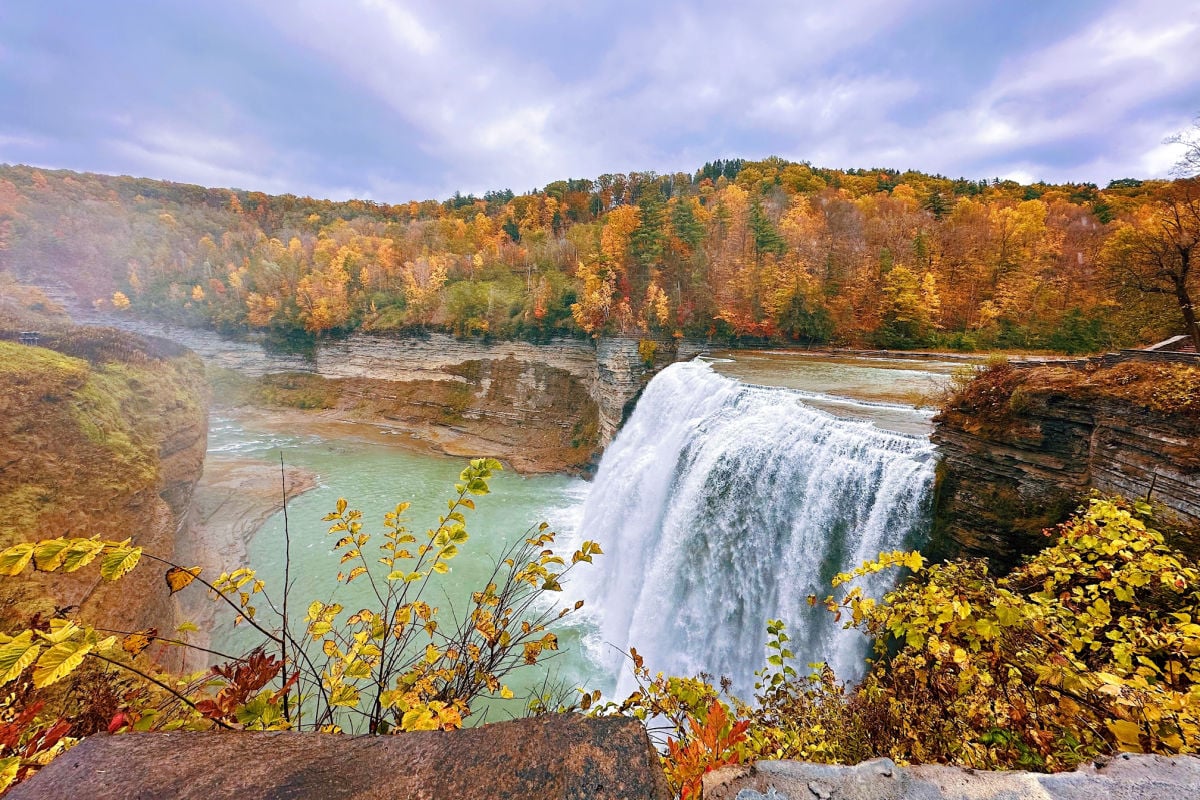
One such place has flown under the radar far too long, and once you visit, you may question why more travelers tend to visit super touristy Niagara Falls over this easy-to-reach State Park boasting over 20 picturesque waterfalls!
Just named the #1 State Park to visit this fall by HomeToGo, New York’s Letchworth State Park holds an impressive 4.8 rating on Google and only costs $10 for entry (cash or check only!)
Step Aside, Niagara! Better Waterfall Experiences Are At Letchworth
Crowded boats, flimsy ponchos, and the risk of getting your eye poked with selfie sticks—why risk it?!
That’s what Niagara Falls is like. Yes, it’s undeniably beautiful, but don’t the best travel experiences hit home when you discover something truly authentic?
That’s how you’ll feel visiting Letchworth State Park.
This had to be the place TLC had in mind when writing Waterfalls as you should definitely not stick to New York’s ‘rivers and lakes that you’re used to’.
There are nearly two dozen waterfalls to discover for the perfect photo-op without having to fight for space or have that picture-perfect moment ruined by the back of a stranger’s head in the way.
Having far fewer crowds and wide open wilderness, Letchworth is the place to be to fulfill your waterfall wanderlust, with some towering as much as 600 feet high! (Niagara Falls is under 200 feet)
Fall is arguably the best time to visit, as a rush of fall colors begins to pop, making hikes all the more enjoyable.
Waterfalls range in size, but there are some truly magnificent sights to behold, like the behemoth of Middle Falls, one of the most sought-after falls for frequent parkgoers.
Tip: For more insight, Outside Chronicles has put together a detailed guide for your waterfall explorations, including GPS coordinates, which can be viewed here.
Tremendous Hikes And Astounding Views: The East’s ‘Grand Canyon’
Letchworth offers far more than waterfalls; it’s an astounding destination for ample hiking through lush fall foliage and dramatic drop-offs.
Let’s be honest, though – there’s no real comparison to the actual Grand Canyon. But once you pay a visit here, you’ll see why it lives up to the name of the East Coast version.
Yes, some of the more popular trails lead to waterfalls, but along the way, you’ll appreciate the vast canyons, flowing rivers, and towering cliffs.
With over 66 miles of designated trails to explore, here are a select few of the best Letchworth has to offer:
Gorge Trail – 7 miles total, offering epic panoramic views of the Genessee River, waterfalls, and cliffs
Munro Trail – leads to one of the tallest waterfalls in the park
Inspiration Point Trail – offering sweeping views of the scenic gorge, leading to Inspiration Point Falls
4 Airports Within Close Reach
Sometimes hidden gems remain, well, hidden, because they’re too difficult to reach. That’s not the case here.
While flying into one of New York City’s trio of airports might be a stretch, there are 4 other nearby airport for a seamless gateway for your next fall adventure:
Rochester International Airport (ROC) – the nearest airport; approx. 45 minutes away
Buffalo Niagara International Airport (BUF) – oh, the irony!
Syracuse Hancock International Airport (SYR) – roughly 2 hours away
Ithaca Tompkins Regional Airport (ITH) – the smallest airport of the bunch; nearly 2 hours away
Upstate New York is absolutely gorgeous in fall, so don’t let a 45-minute to 2-hour distance detour you!
You’ll be mesmerized taking the scenic backroads all the way to the park, where the burst of fall colors enhance tenfold upon entering.
If you do fly here, that’s not the only way to take flight.
Don’t skip out on the unique opportunity to hop on a hot air balloon for sweeping views of Letchworth’s seemingly never-ending sprawl of natural wonders in this 14,000+ acre State Park.
Sam, our Lead Writer & Journalist based in San Diego has visited 30 countries and written over 400 articles with a focus on sharing his own travel experiences and shining a light on lesser-known gems.
Opinions expressed here are the author’s alone, not those of any bank, credit card issuer, hotel, airline, or other entity. This content has not been reviewed, approved or otherwise endorsed by any of the entities included within the post.
Well, if you ask this past summer’s tourists, perhaps a lot, as they all but melted in the sweltering heat!
But that’s not the point here, as we have turned our calendars to fall.
The point is that France has a secret Mediterranean getaway rivaling Greece’s glorious islands with its own.
The Mediterranean in general is never a bad idea, but you should know the entirety of options before booking your next dreamy vacation.
Greece? Italy? Maybe Cyprus or Malta? Or perhaps skipping the all-too-familiar Eiffel Tower by diving into France’s gorgeous sunny island of Corsica instead?
Where Med Vibes Meet A New Take On French Culture
French culture spreads far and wide, even beyond its vast borders.
From Canada’s vibrant cities to South America’s French Guyana to North America’s lesser-known slice of French paradise, Saint Pierre and Miquelon, you don’t have to roam the busy streets of Paris to get your French fix.
Corsica, on the other hand, is the best of both worlds.
You get the feel for France while biding time in one of the prettiest islands in Europe, yet overshadowed by the household names of its alluring neighbors.
The island already stands out on its own, but you may notice they borrow from the Italian diet and language to the point where Google Translate may be unusable with locals speaking a French-Italian hybrid with touches of Arabic and Spanish (good luck!).
Bottom line being if the bustling cities of France, or even the packed beaches of the famed Cote d’Azur aren’t your jam, Corsica fills in the gaps and makes for the perfect fall escape.
Clear Glistening Waters In The Autumn Sun
You can leaf the fall foliage lined streets and sweater weather back home, Corsica is for those who didn’t get enough summer sun and sand.
The island is truly stunning, where you’ll forget all about the bucket-list islands of Greece or anywhere else pinned on your map.
Boasting year-round weather pleasantries, fall is no different. According to the Irish Sun, expect temps to hover around an idyllic 70 degrees.
Corsica’s waters are crystal clear for swimming and shine blue from a distance, perhaps from one of the island’s numerous lovely restaurant patios or hotel balconies.
If you’re missing a sense of city life, Corsica’s capital and main port, Bastia, has you covered.
While nothing like Paris in terms of size, the pint-sized seaside exudes Old World charm, brimming with timeless cobblestone streets and quintessential French cafes.
It also provides epic views reminiscent of its Mediterranean counterparts.
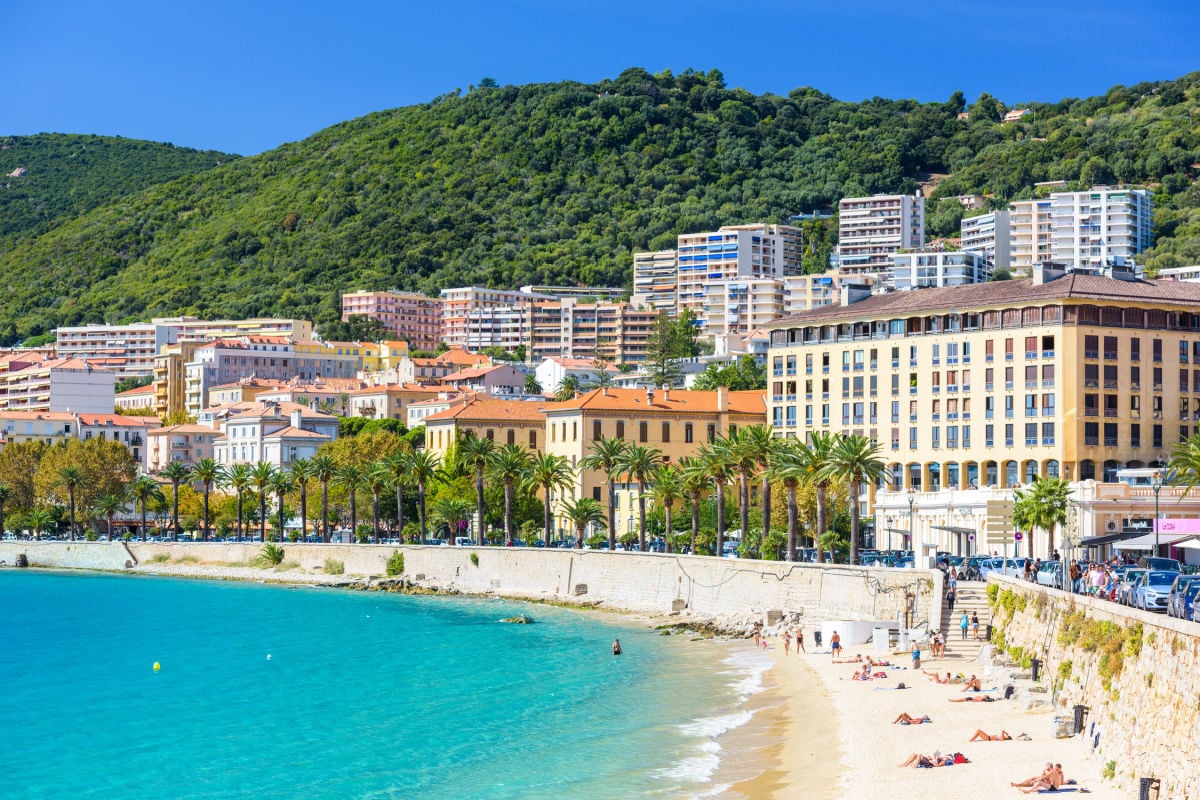
Those who’ve visited say you can’t really go wrong visiting any beach wrapping around the 114 miles of shorelines, but Plage de Palombaggia and Plage de Santa Giulia may take the cake with vivid turquoise waters and soft white sand.
Of course, many love wasting away in a lounge chair overlooking the vast sea, but Corsica is also popular with the more adventurous.
Stand-Up paddleboarding is very common, and it includes SUP yoga, snorkeling, and diving.
One of the best spots to do so is Scandola Nature Reserve, a UNESCO World Heritage site, where one recent visitor claimed, “The most amazing place to visit in Corsica”.
Captivating History And Divine Food (With Italian Flair)
You may not know whether to say ‘Bonjour!’ or ‘Ciao!’, but that’s beside the point. Corsica boasts multiple captivating historical sites throughout the island, ranging from architectural marvels and delightful cobbled streets to old citadels perched on the beach.
Not to mention the storybook villages dispersed throughout the mountains with awe-inspiring hilltop villas and traditional artisan markets. In other words, pack your walking shoes!
But, if there’s one aspect most of us travel to Europe for, it’s food. Especially, with such culinary icons as France and Italy.
The same way Bozcaada leans more Greek and Malta leans more Italian, the same goes for Corsica, while not being a complete Sicilian copycat.
Menus here showcase a blend of Mediterranean influences, but mostly a mix of French and Italian delights, especially when it comes to decadent seafood and wine.
Start off with a classic Corsican appetizer of Acciughe alla Planca, followed by a plate of Cannelloni accompanied by a glass of local wine, or perhaps sharing an immensely rich charcuterie board.
According to Micheline Guide, Casadelmar is where you have to dine in Corsica.
Sam, our Lead Writer & Journalist based in San Diego has visited 30 countries and written over 400 articles with a focus on sharing his own travel experiences and shining a light on lesser-known gems.
Opinions expressed here are the author’s alone, not those of any bank, credit card issuer, hotel, airline, or other entity. This content has not been reviewed, approved or otherwise endorsed by any of the entities included within the post.
There’s only one thing better than jetting off for some winter sun when it’s cold outside: Doing it on a budget!
Let’s face it, none of us have an unlimited pot of money.
And the less we spend on our flights to arrive at our dream vacation spot, the more cash we’ll have left to spend when we get there.
So how do you find those elusive cheap flights?
Google Flights has analyzed their booking data and found that these are the best times to book your flights if you want the cheapest flights this winter:
When To Book The Cheapest Flights To Mexico
According to Google Flights the best time to book an international flight is at least 50 days before take off, with the lowest average prices dropping 101 days before you want to fly.
But when it comes to booking the cheapest flights to Mexico, the normal rules don’t apply!
If you want to get the cheapest possible flights to Mexico, you’ll need to hold your nerve a little longer.
Google Flights has found that prices for traveling from the U.S. to both Mexco and the Caribbean are historically at their lowest 44 days before departure, with the price range for low flights being between 26-68 days before you take off.
So if you want to land in Mexico on December 23 so you can spend Christmas in the sunshine, for example? Then you need to book your flight on November 9 to get the best price!
And if Thanksgiving in the sun is more your vibe then you’ll need to book your flights by October 14 for the cheapest flight options, if this same pattern holds true.
Mexico is a dream vacation destination for American travelers looking for winter sun. And it’s a great place to spend the holiday season.
In fact, Google listed Cancun as the 2nd most searched destination for American travelers this holiday season.
Winter In Europe
Does this same rule apply if you want to escape this winter but would rather experience the cold and culture of Europe during the holiday season?
The simple answer is no! Booking flights to Europe is a whole different kettle of fish. And you’ll need to plan a little further ahead.
Trips to Europe if you’re departing from the U.S. have historically been cheapest 94 days before your departure date.
However, the same rules for international travel that I mentioned above also apply here. Always book at least 50 days before departure to get the prices: don’t wait until the very last minute or your wallet won’t thank you!
So if you want to arrive in Europe on December 23 to spend Christmas there?
Then you need to think fast! The cheapest day to book your flights will be September 19, which is next week.
Other Tips To Get The Cheapest Possible Flight Prices
Of course, predicting when flights will be at their cheapest isn’t an exact science, nor would everyone be doing it.
But they should give you a good idea of when to start comparing flight prices and when to book!
It’s also interesting to note that although some people swear by booking flights on a Tuesday, the reality is that flights booked on Tuesdays (the cheapest day to book) are only 1.3% cheaper than flights booked on Sundays (the most expensive day to book).
So if you find a price that works for you don’t hold off just because you’re not looking on a Tuesday!
What can make a difference isn’t the day you book but the day you fly.
Flying on a Monday, Tuesday or Wednesday has been found to be 13% cheaper than flying on a Friday, Saturday, or Sunday for international flights.
If you’re looking at domestic flights then this price difference jumps up to 20%.
And if you’re on a tight budget, and don’t mind inconveniencing yourself to save a buck or two then look for flights with a layover instead of nonstop flights.
Nonstop flights have been found to be 25% more expensive than flights with stops.
And if you’re on a long-haul flight or traveling as a family, that can add up to a significant chunk of money!
Tor has been writing for more than 20 years and has visited 25 countries (and counting!) She specializes in European and family travel and never says no to new adventures.
Opinions expressed here are the author’s alone, not those of any bank, credit card issuer, hotel, airline, or other entity. This content has not been reviewed, approved or otherwise endorsed by any of the entities included within the post.
It’s been well-documented some Barcelonians are giving the cold shoulder to tourists at this point, but Spain is just too good to pass up!
Like many awesome destinations across the globe, crowds can be a nuisance, but many in Barcelona act like they’re in an exclusive club.
The reality is they know the allure of their amazing city, but some prefer to keep it all themselves as hordes of travelers have invaded their city.
Well, Barcelonians aren’t going to be a fan of mine as I reveal their secret getaway to escape their own crowds.
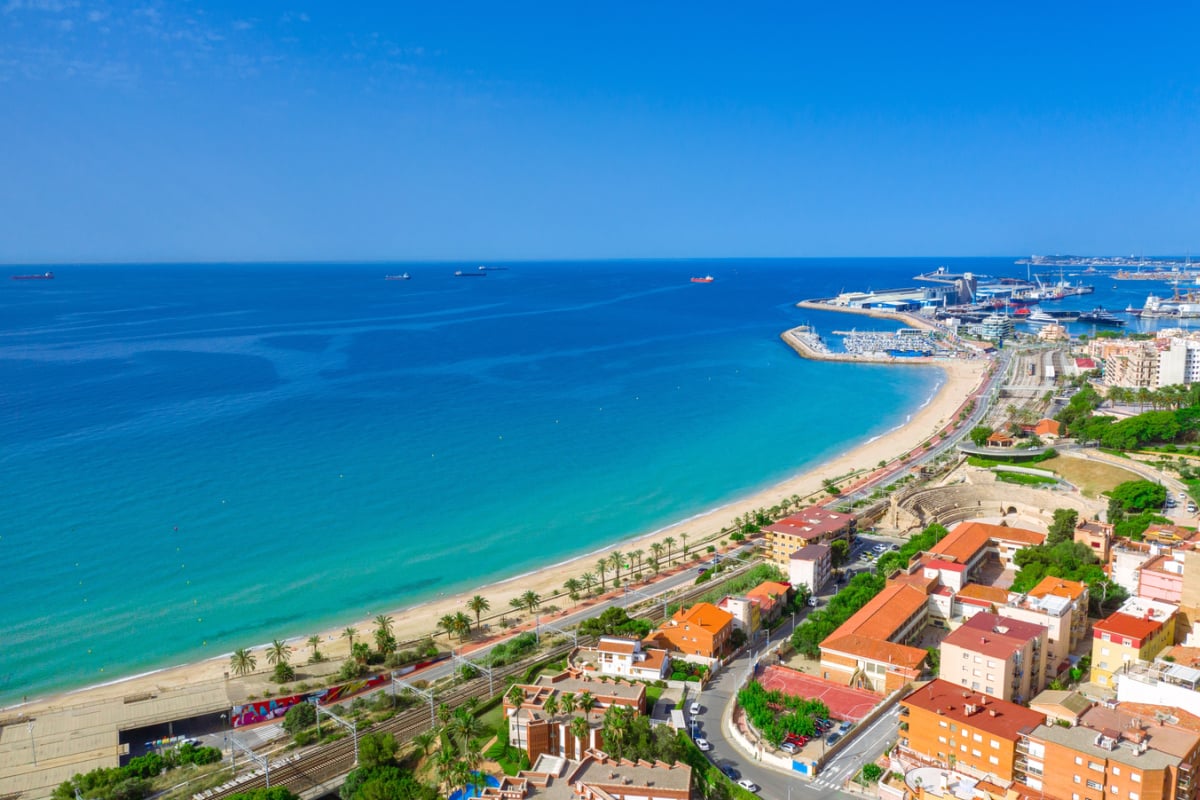
Spoiler alert: it’s Tarragona– a gorgeous beach city a little over an hour away by train from the busy streets of Barcelona.
Better yet, tourists will be welcomed here with open arms by locals.
Direct Flight Or Day Trip: This City Has Been Overlooked Far Too Long!
Side note: How does Europe have so many airports?!
Seriously!
It’s like every nook and cranny is so much easier to reach than the States. Rant over…
While it may be tempting to fly to Barcelona with seemingly endless flight options, you can travel to a lesser-known airport instead.
Those who do choose to come from Barcelona have multiple options too – the most popular being via train, followed by busses.
Renfe offers straight shots as low as $9. The same goes for Alsa’s buses with tickets slightly lower.
But those wanting to avoid Barcelona entirely can fly into Reus Airport (REU) with connecting flights all cross Europe, such as notable cities like Paris, Dublin, London, and Brussels.
This can potentially save you a decent amount of time rather than hopping a bus or train from Barcelona since the airport is only 20 minutes away from Tarragona.
Plus, many flights are “budget airlines,” which can save you a lot on airfare, meaning you’ll have more to spend in this slice of paradise!
Why Barcelonians Love This Place
To be fair, it’s not only Barcelona pulling out the welcome mat from under tourists’ feet.
Amsterdam, Venice, and Athens, among others, have been a bit moody when it comes to welcoming visitors.
What these cities fail to realize is there’s still going to be large amounts of people even if one foreigner never visited.
Barcelona has a population just shy of 2 million people, which isn’t chump change. 2 million people anyway is a large amount, so to solely blame issues just on tourists seems a bit dramatic on the surface.
Any way you slice it, however, Tarragona has been the secret escape from the hustle and bustle of Barcelona as a less-crowded blue water vacation spot surprisingly packed with intriguing historical sites.
The Colosseum is cool and all but what about former gladiator fighting grounds hugging the scenic coastline?
Tarragona is steeped in history, and it shows in the best of ways exploring the quaint city center.
Make sure to stop by Catedral Tarragona, a national monument dating back to the 12th century. But nowadays, it’s most popular for live music and wine tastings.
Ahh, the joys of Spain.
While Barcelonians certainly know how incomparable Spain’s food and wine scene are, other tourists should definitely arrive hungry and hydrated!
Tip: Don’t skip the Central Market of Tarragona dating back to 195 for fresh, savory local cuisine.
Crowd-Free Soft Sand Beaches
Tarragona boasts beautiful coastlines, becoming even more alluring once you realize how much space you have as this picturesque city has long been just a local’s secret.
There are 3 primary beaches to visit here, and you can’t go wrong with any of them. The pretty soft sand rivals many other popular coastlines.
The easiest to reach is Playa del Miracle right in town, or else you can head to Platja Arrabassada or Paltja Savinosa.
The latter being hyped the most for its pristine delicate sand and clear waters. Just be aware you may see more than you bargained for as nudity is welcomed here.
Sam, our Lead Writer & Journalist based in San Diego has visited 30 countries and written over 400 articles with a focus on sharing his own travel experiences and shining a light on lesser-known gems.
Opinions expressed here are the author’s alone, not those of any bank, credit card issuer, hotel, airline, or other entity. This content has not been reviewed, approved or otherwise endorsed by any of the entities included within the post.
Does the thought of a scorching 100°F heat, raging wildfires that every now and then lead to the evacuation of resort strips, and unsustainable mass tourism put you off visiting Southern Europe this summer?
You’re not the only one:
A growing number of travelers are actively avoiding Spain, France, Italy and the like, as visitor numbers and temperatures soar past manageable levels.
But if you’re still eager to experience some culture while enjoying cooler weather and beating the crowds,we have an alternative for you.
Just off the coast of Northern Norway, the Lofoten offers unrivaled natural scenery, Scandinavian heritage, and most importantly, milder weather:
What Is Lofoten, Even?
Norway’s most famous archipelago, Lofoten, is a collective of seven main islands connected by manmade bridges and narrow nature-made crossings, like a once-intact peninsula that has been broken into smaller pieces.
It is quite remote, and you’re unlikely to see crowds of tourists disembarking here, even at the peak of cruising season, which makes Lofoten particularly appealing to actual travelers who want to get off the beaten track, and immerse themselves in the local culture.
Norway as a whole is already a great destination for escaping the hustle and bustle of Europe’s big cities, as it is mostly rural, traversed by towering highlands and winding fjords, but these islands give idyllic a whole ‘nother meaning:
Summers Are Always Much Cooler Up Here
Lofoten has unique geological features, being characterized by jagged peaks, sheltered bays, and undisturbed Arctic nature.
You read that right: as it part of the Nordland county of Norway, it sits above the Arctic Circle.
It’s never too warm in Lofoten, even at the peak of summer, when other destinations in Southern Norway can easily reach highs of 86°F, and you can expect pretty mild temperatures, ranging between 73.4°F during the day and 57.2°F at nightfall.
As we like to say, shorts out when the sun’s out, long-sleeve shirts––and maybe a cozy, lightweight summer cardigan––after sundown: believe us, you’ll be spending a lot of time outside in Lofoten, and if you love the great outdoors, you’ve definitely come to the right place:
What Makes Lofoten So Special?
This is a natural oasis of crystal-clear lagoons and scenic mountain ranges and it’s beautiful regardless of season, but we’ll argue summer is probably the best period to visit, as the seas around Lofoten are not frozen, snowing is restricted to some mountain peaks, and daylight hours are plentiful.
Whether it’s an evening kayak tour off the Svolvær coast, when the sun’s setting over the mountains, or a guided summiting of the landmark Svolværgeita, there are countless activities to keep the adventurer in you entertained over a long weekend, if not a whole week.
To give you a bit of a headstart, these are 5 of the most unique guided tours in Lofoten and their prices:
Perfect for visiting smaller islands only accessible by boats and secluded beaches.
Ideal for those who want to get active, and experience the wild Arctic nature up close
The easiest way to visit Værøy Island and its sleepy fishing villages on a day trip
An open boat tour across one of the most breathtaking fjords in Norway––what more could you ask for?
Your best chance to spot the elusive lights in a Northerly location while it’s still not the freezing winter
*This tour is offered from late August only, when aurora activity resumes in the Arctic
It Has Some Amazing Free Activities
That being said, nature in Norway is free to explore, and everyone has the right to roam freely in it:
There are beautiful spots all around Lofoten, including unspoiled beaches with gleaming-white sands, like Haukland, on the island of Vestvågøy, elected Europe’s finest this year by Lonely Planet, and Punn Beach in Værøynd.
Just don’t, you know, jump in the water expecting it to be as warm as the Mediterranean, or you may be in for an unpleasant surprise.
For enthusiastic hikers, Tjeldbergtind is a popular mountain to conquer.
It takes roughly two hours to complete and offers priceless views of the archipelago’s snow-dusted peaks and the several tiny islets scattered along the bay.
A 2 hours up and 2 hours down trail, the eerie-sounding Devil’s Gate (Djevelporten) is where you find Norway’s second-most iconic suspended rock lodged between two cliffs, after the one in Kjeragbolten:
Visitors commonly pose for pictures on top of it, and though accidents have not been recorded, do so at your own risk––of course; the most fascinating part is the sweeping panorama of the rocky formations bounded by azure waters in the distance.
Near Moskenes, the Reinebringen hike is another must-do.
It rises as high as 448 meters above sea level and is best enjoyed between May and September when it’s not super chilly to climb and the sun’s relatively warm and pleasant.
There’s certainly no shortage of nature-made wonders to admire around Lofoten, and hiking options are numerous, but if you’re searching for something manmade and truly unique, the walk from Nusfjord to Nesland should be at the top of your list.
Nusfjord is one of the oldest villages in Lofoten, and if you’re planning on staying overnight to complete the hike at a relaxed pace, consider booking a cottage stay with fjord views at the marvelous Nusfjord Arctic Resort, starting from $282.59 a night this summer.
The pathway to the equally picturesque village of Nesland can be steep and strenuous in certain sections, but the completely undisturbed Arctic nature makes it all worthwhile.
Has Lofoten Got Anything To Offer On The Culture Front?
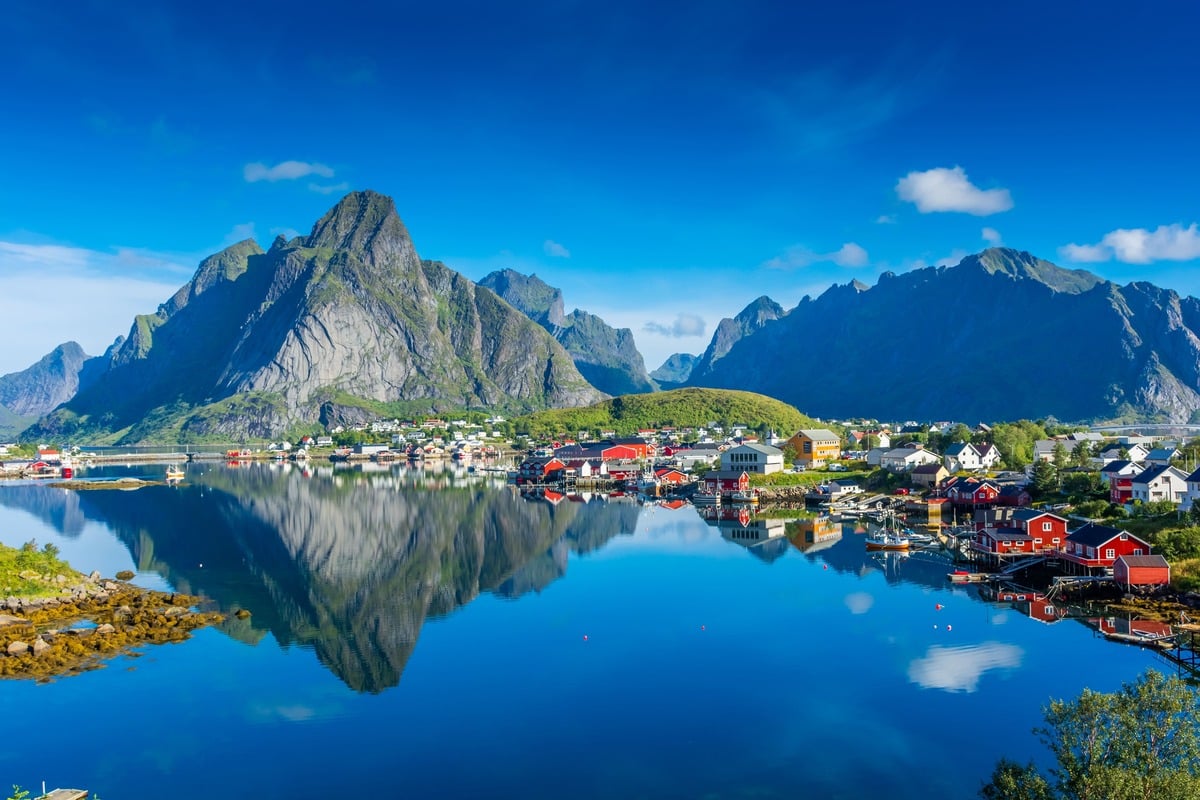
You’ve likely come all the way to Northern Europe to experience some of that Old World, Scandi charm, and you’ll be thrilled to learn that one of the most beautiful towns in all of Norway, the postcardy Reine, sits on a small bay on Moskenesøya Island.
With its vividly red, wooded houses, Reine must (probably) be the most-photographed spot in the archipelago, but its largest town, often called ‘smallest big city in the world’, is the surprisingly-lively Svolvær:
As pretty as the other villages are, this compact regional ‘capital’ is the best place to stay in Lofoten, with its World War II memorial museum, art galleries, casual seafood restaurants, and well-equipped tourist facilities.
If you’re looking for an authentic restaurant to sample Norwegian food––they do have the best-smoked salmon in the world––make sure you add Børsen Spiseri, in the heart of Svolvær, to your list.
Norway is known to have some of the highest prices in Europe, and accommodation is no exception to the rule, but there are still a fair few good deals to be found around Lofoten, particularly in Svolvær, where there are more listings to choose from.
For example, an overnight stay at the privately-managed Kule gule huset guesthouse will only set you back by $89 per night on wide-availability dates this summer, while a double standard room at the centrally-located, basic-amenities Marina Hotel costs an acceptable $143 to book.
Those would be on the cheaper end, but of course, room rates can go much, much higher once you start looking for some more comfort and maybe a continental breakfast included.
What we’re trying to say is that Lofoten is definitely not the cheapest summer adventure to embark on once you start adding secondary expenses, like car rentals–trust us, you will need one to get around unless you fancy walking long distances or taking ferries–but it is worth a shot.
Vini, our senior lead writer at Travel Off Path, has over 60+ countries under his belt (and currently weaving tales from Paris!), and a knack for turning off-the-beaten-path experiences into informative stories that will have you packing your bags.
Opinions expressed here are the author’s alone, not those of any bank, credit card issuer, hotel, airline, or other entity. This content has not been reviewed, approved or otherwise endorsed by any of the entities included within the post.
We get it, it is home to the most beautiful, unspoiled coastal scenery, waters of the brightest-blue, and picture-perfect towns that look ripped out the pages of a fairytale novel, but there’s just one catch many are failing to take into consideration.
Never mind the overtourism and inflated prices, it isflaming hot right now, with wildfires raging on in Greek islands and travel alerts being issued for parts of Spain and Italy as temperatures soar above safe levels:
We’re not talking a cozy, balmy warm; we’re talking torrid, unmanageable, get-me-out-of-here kind of warm.
Seeing some hotels in Greek islands already being evacuated again as dangerous fires break out, we wouldn’t be the first ones to bank on a Mediterranean getaway this season.
But there may be an alternative.
Away from the Med, there’s this paradisiacal Portuguese island with emerald nature and perfect weather––not unpleasantly warm, but not too chill, either––and you can even fly there nonstop from the States:
It’s Time You Stop Sleeping On Madeira
Though it is hundreds of miles away from Portugal’s mainland, and in fact, closer to the coast of West Africa than it is to Europe, Madeira is a remote Atlantic island the Portuguese have held since the 15th century, and believe it or not, an increasingly-popular year-round destination.
Before we get to the actual good stuff, here’s a couple of equally-interesting facts about Madeira:
Despite being an integral part of Portugal, it is a self-governing autonomous community with a distinct character, and at times, you might even struggle to consider both as being part of the same national entity.
For starters, mainland Portugal is much older: its History starts as far back as Gaelic tribes and the Ancient Roman Empire, and similarly to Spain, it has verdant plains, a sandy coast and exceedingly-high temperatures over summer.
Madeira is a volcanic island traversed by towering peaks. As it is nearer the tropics–once again, it’s in proximity to Africa as opposed to its home continent–seasons are not as well defined as they are in the European mainland.
Now we get to the good part.
Why Madeira Is A Year-Round Sunny Paradise
Madeira is nearer the tropics, where the climate remains largely at a constant irrespective of seasonal changes, and come summer or winter, it’s never too hot, nor too cold to visit:
Right now in Funchal, the coastal capital of Madeira, it’s a pleasant 82.4°F during the day, dropping to 71.6°F in the evening, while other parts of the island that are higher up, it ranges from 55.4°F to an acceptable 69.8°F.
The trend repeats itself throughout the year, with an only-moderately chilly 69.8°F in Funchal in December, and some rain expected, but not an awful lot.
As you might have guessed, wildfires over summer are an uncommon occurrence, and when winter comes, snow is an even rarer phenomenon unless you’re climbing up to some of the tallest peaks where some dusting is expected.
In other words, you won’t be risking heat exhaustion while exploring Madeira, and boy, is there an entire world of natural wonders to be braved:
The Most Beautiful Nature Anywhere In Europe
Mainland Portugal is best known for its rich Ancient Roman and Baroque heritage, with cities like Lisbon and Porto concentrating a great deal of the country’s regal palaces and most ornate churches, but Madeira, on the other hand, is all about the thriving nature.
We’re talking epic hikes into the sunrise, swimming off a pristine, rugged coast in nature-made volcanic pools, footpaths locally known as levadas that lead to lush-green jungles and hidden waterfalls, and botanical gardens that seem to be in a permanent state of bloom.
It’s no wonder Madeira is called Land of Eternal Spring (it might as well be):
Epic Hikes Await
The most epic hike in Madeira, the climb from Areeiro to Ruivo Peak, takes you through highland scenery, crossing tunnels and zig-zagging across the dramatic landscape.
In the end, you are rewarded with sweeping vistas of the sea of mountains from the island’s tallest summit.
Get your comfy hiking shoes on, and make sure you pack plenty of water bottles and protein bars: there’s no stopping once you cross the infamous Stairway to Heaven (and if you suffer from vertigo, make sure you don’t look down).
Luckily for beginners like us, we can always book a sunset hike tour dropping us off at the first peak, and then proceed to summit the second––and highest one––before getting picked up again, for a fixed price of $35.98 on GetYourGuide.
There are many more peaks to conquer all around Madeira, 147 mountains to be precise, but you’ll want to set some time aside for some beachside relaxation.
Volcanic PoolsAnd Mystical Forests
For that, head to Porto Moniz, in the island’s north, where you’ll find some of the best volcanic pools with crystal-clear water, which as you may know, are not as easy to come across in the Atlantic as they are in the Med.
Porto Moniz is also a lively resort town lined with beachfront hotels and oceanfront restaurants, and it’s one of the gateways for reaching the UNESCO-listed Fanal, an eerie ancient forest dating back millions of years that’s best experienced at dawn, when the mist is yet to dissipate.
Perhaps the most iconic postcard shot in all of Madeira, Valley of the Nuns is yet another popular stopover for nature enthusiasts: a sleepy isolated village nestled in the center of a valley, it is flanked by imposing fog-crowned elevations almost bordering on ethereal.
For those epic coastal views, drive towards Ponta de São Lourenço, Madeira’s easternmost tip, and a rocky peninsula jutting out into the azure Atlantic: the kind of stuff that needs to be seen with your own eyes to be believed.
Has Madeira Been An Underrated Cultural Hotspot All Along?
The nature may be the star of the show in Madeira, but let’s not forget about its cultural contributions:
More specifically, the capital, Funchal, is a prime example of Portuguese colonial architecture, with its old cathedral, built from blocks of native volcanic rock and with a magnificent roof of cedar wood, the late medieval Convent of Santa Clara, and a well-preserved Old City.
Taking the cable car from the maze of cobbled streets starting from the ever-busier Central Market, you’ll hover above the terracotta roofs of historic Funchal, all the way up to the hilly suburb of Monte (translatable as Mount), best known for its exotic Tropical Garden.
For enthusiasts of recent history, particularly football, you don’t want to miss the CR7 Museum, which is celebratory of Funchal’s biggest international export: Cristiano Ronaldo, who was born and raised in Madeira before taking on the world.
Funchal is up there with Lisbon as one of Portugal’s trendiest summer getaways, and one of Europe’s fastest-growing city destinations, according to a recent research published by ForwardKeys.
A short 24-minute drive from Funchal, Ponta do Sol is a dreamy oceanfront village surrounded by banana plantations, and its Nossa Senhora da Luz Church is among Madeira’s last-surviving from the early colonial settlement.
Further west of Ponta do Sol, the laid-back coastal town of Ribeira Brava is perfect for unwinding, sampling traditional Portuguese food––the drenched-in-oil lagareiro octopus is a must-try delicacy––and going for long promenade walks.
On the north coast of the island, there is yet another cultural hub to be found in Santana, where houses are built in a unique triangular shape, and topped with thatched roofs––in the center of town, the whitewashed Baroque Santana Church is not to be missed.
Madeira Is Incredibly Affordable By European Standards
Budget-wise, Madeira is one of the cheapest summer hotspots in Europe at present, with particularly-low prices observed for food and drinks, and attractive room rates.
With local restaurants boasting an abundance of local produce and many tourism providers (hotels included) growing their own vegetables and fruit, consumer prices in Madeira are markedly lower than those in the European mainland.
On average, tourists spend $34 on meals per day, as estimated by Budget Your Trip, though that is unlikely to include elaborate, three-course dinners in Funchal’s top-rated Alta Vista Restaurant.
If you’re keen on keeping costs down, there are still plenty of $1.50 custard tarts, Portuguese-style, delicious $3 savory pastries, and $2.18 poncha shots to be had.
As for accommodation, the average visitor spends $113 per night on hotels, though there’s far-cheaper privately-managed guesthouses listing rooms from $68 on Booking.com, like Residencial Chafariz in Funchal, and Pensão Fernandes in Porto Moniz, costing $87 to book per night.
Overall, a one-week trip to Madeira can cost $701 per person, or the equivalent in euro, excluding flights.
Fly Nonstop From Boston And Toronto To Madeira
Recently, Portuguese carrier Azores Airline launched new nonstop flights from Boston, Massachusetts (BOS), and Toronto, Canada (YYZ) to Funchal (FNC), eliminating the need for Americans and Canadians alike to first touch town in continental Portugal ahead of connecting onward to Madeira.
On both routes, flights operate weekly, with departures from Boston on Tuesdays and returns from Funchal scheduled for the following Wednesdays; as for Toronto, departures take place on Saturdays, and homebound flights leave on Fridays.
Azores Airlines has deployed a Boeing 767-300ER on the new routes and plans to maintain this Transatlantic service throughout the peak travel season.
On top of Boston and Toronto, Azores Airlines already transports passengers from New York (JFK) to Funchal every Sunday, with return trips scheduled for Mondays.
Vini, our senior lead writer at Travel Off Path, has over 60+ countries under his belt (and currently weaving tales from Paris!), and a knack for turning off-the-beaten-path experiences into informative stories that will have you packing your bags.
Opinions expressed here are the author’s alone, not those of any bank, credit card issuer, hotel, airline, or other entity. This content has not been reviewed, approved or otherwise endorsed by any of the entities included within the post.
Sargassum is making a comeback sooner than expected this year, and a powerful one at that, threatening to ruin vacation plans for thousands of travelers.
It may not be life-threatening, but for the average beachgoer, it does something even worse:
The proliferation of the foul-smelling seaweed tarnishes the typically-pristine beaches, accumulating in large deposits on the white sands like stains, and at times, they spread so disruptively beaches have to be closed so more intense cleaning can be carried out.
Still, there are four incredible beach hotspots where sargassum is unlikely to be a major concern for you if it will be a concern at all:
Los Cabos
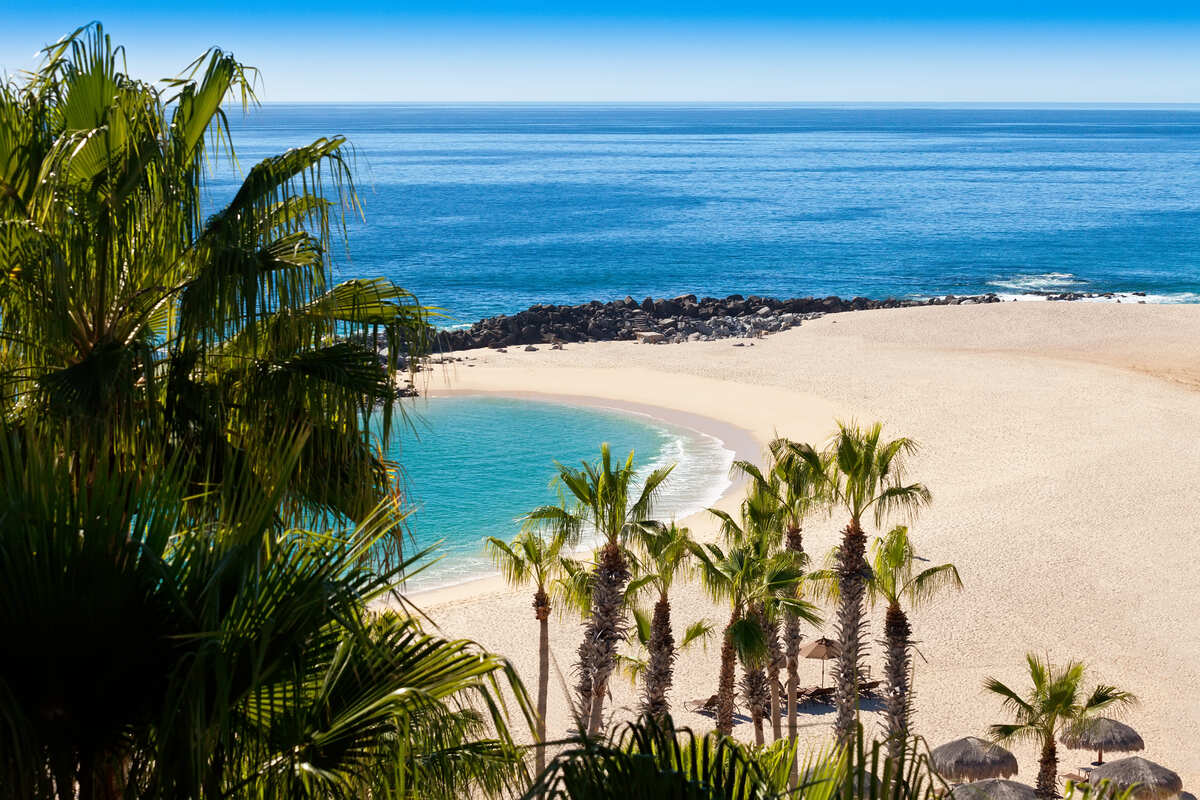
A laid-back leisure destination in the Mexican Pacific, the twin cities of Cabo San Lucas and San Jose del Cabo, which together form the upscale ‘Los Cabos‘, are best known for their luxury hotels, world-renowned wellness scene and abundant nature.
It is where several iconic natural wonders are located, including marine preserve Cabo Pulmo and the ‘Arco’ in Cabo San Lucas, an arched rock formation rising out of the azure waters, and it’s been challenging Cancun for the title of Mexico’s number one resort spot for a while now.
The fact that Cabo does not see any seaweed may help it overtake the Quintana Roo giant in the coming months, as the Pacific is colder than the tropical Caribbean, which is part of the Atlantic, where sargassum originates.
In short, the worrying phenomenon is not observed in Cabo, and the beaches remain an unspoiled shade of gold year-round.
Mazatlan
A fast-growing beach destination in the state of Sinaloa, Mazatlan also straddles the Pacific coast, meaning sargassum should be the last of your concerns when vacationing here.
Additionally, the beaches are remarkably clean, as ‘Maz’ is nowhere near as popular as jam-packed Cancun.
If you’re looking for charming coastal zones to bask in that Mexican sun, the Golden Zone and Cerritos should be at the top of your bucket list.
Teeming with sunbathers and swimmers this time of year, they offer foreign visitors a lively social scene, as well as a high concentration of beachfront restaurants, with the best seafood you’ll ever have, and relatively affordable condo rentals.
Besides being sargassum-free, Mazatlan’s true charm lies in its mix of Modern and Old Worlds: the historic center is dominated by colorful colonial-era buildings dating back centuries, yet the beachfront is lined by high-rises and Mexico’s usual palm-lined malecon.
Puerto Vallarta
Our third pick is, surprise, another Pacific gem: Puerto Vallarta has zero sargassum this summer.
On the other hand, it is teeming with life and activity, with trendy bars that overflow with young, sociable tourists, and an upscale, well-frequentedboardwalk leading to one of Mexico’s most scenic beaches.
The heart of town is the Bohemian Zona Romantica, where most of the entertainment venues and winding cobbled streets are, as well as the beautiful traditional architectural and landmark buildings, such as the magnificent Church of Our Lady of Guadalupe.
Beaches in PV (as it is known in its short term) may be protected against the invading seaweed, but that’s not to say they are perfectly serene.
Beach conditions can vary day to day, where one day might be perfect and the next may have undercurrents ready to wash you away. Travelers are being urged to be more cautious when swimming in the area, as there may be strong undercurrents.
Regrettably, there have been some casualties lately, especially tourists who are not fully aware of the risks, or who choose to ignore the black and red flags perched on the sands.
Learn more about the risks, and how to improve your safety on local PV beaches here.
Isla Mujeres
We know what you’re thinking.
Isla Mujeres is a Caribbean destination, so it can’t possibly be free of sargassum at the peak of seaweed season when, well, the Caribbean is the most heavily affected sea… right?
We’re glad to report that’s a common misconception, as despite the Caribbean’s long-standing issue with the smelly algae, Isla Mujeres in particular is largely cordoned off due to its strategic geographical location.
Much of the sargassum that will batter the mainland coast will generally miss Mujeres altogether, as it the ocean currents that pass the island do not carry the seaweed, the small amount that does make landfall is a lot less noticeable.
Additionally, Isla Mujeres is a tiny island, only 4.3 miles long and 2,130 feet wide, meaning beaches do not extend for miles on end as far as the eyes can see, and there’s not a lot of cleaning to do every morning following whatever moderate overnight arrival of sargassum.
Vini, our senior lead writer at Travel Off Path, has over 60+ countries under his belt (and currently weaving tales from Paris!), and a knack for turning off-the-beaten-path experiences into informative stories that will have you packing your bags.
Opinions expressed here are the author’s alone, not those of any bank, credit card issuer, hotel, airline, or other entity. This content has not been reviewed, approved or otherwise endorsed by any of the entities included within the post.
Are you dreading the sudden drop in temperature and the days that get shorter and shorter as we approach a cold and gloomy winter?
Perhaps it’s time you start narrowing down your winter getaway options and, dare we say it, to one Southeast Asian country in particular.
Famous for its paradisaical beaches, nightlife districts, vibrant city breaks, and low cost of living, Thailand is slowly but surely becoming one of the most sought-after tourism hotspots worldwide, being expected to have hosted as many as 25 million visitors by year’s end.
Here are 4 of the main reasons why the Asian gem is not only a world-class tourist destination but the ultimate winter escape:
The Thai Capital Is The 4th Most Popular City Worldwide
Bangkok has always been a go-to destination for backpackers exploring Southeast Asia due to its lower prices compared to most national capitals, a wide range of attractions, and lively social scene, but now it’s been officially named one of the leading tourist destinations worldwide.
According to a survey published by eDreams Odigeo, an important travel company, the Thai capital is the 4th most popular tourist city right now, behind London, Paris, and New York, and the highest-charting Asian hub on the list.
This is further proof Thailand as a whole is surging in popularity with international visitors, as Bangkok is the main entry point into the country, as well as its largest cultural center, home to a plethora of historical temples, ethnic districts, and entertainment zones.
Among Bangkok’s most famous landmarks are the Grand Palace, an important symbol of the traditional Kingdom of Thailand, the only one in Southeast Asia not to have been colonized by European powers, the imposing Wat Arun, and the Temple of the Emerald Buddha.
Beautiful Off-Path Sites
Thailand’s trendiness is not only linked to all-time tourist favorites like Bangkok, overdeveloped Phuket, or the adult entertainment capital that is Pattaya: beyond the most obvious points of interest, there is an entire undiscovered country Westerners are only now getting acquainted with.
Off-path tourism is a leading trend in a post-crisis world, especially now that the tourist hordes are back, yet fortunately for the crowd-wary visitor, Thailand certainly has no shortage of lesser-known gems where they can still escape the madness.
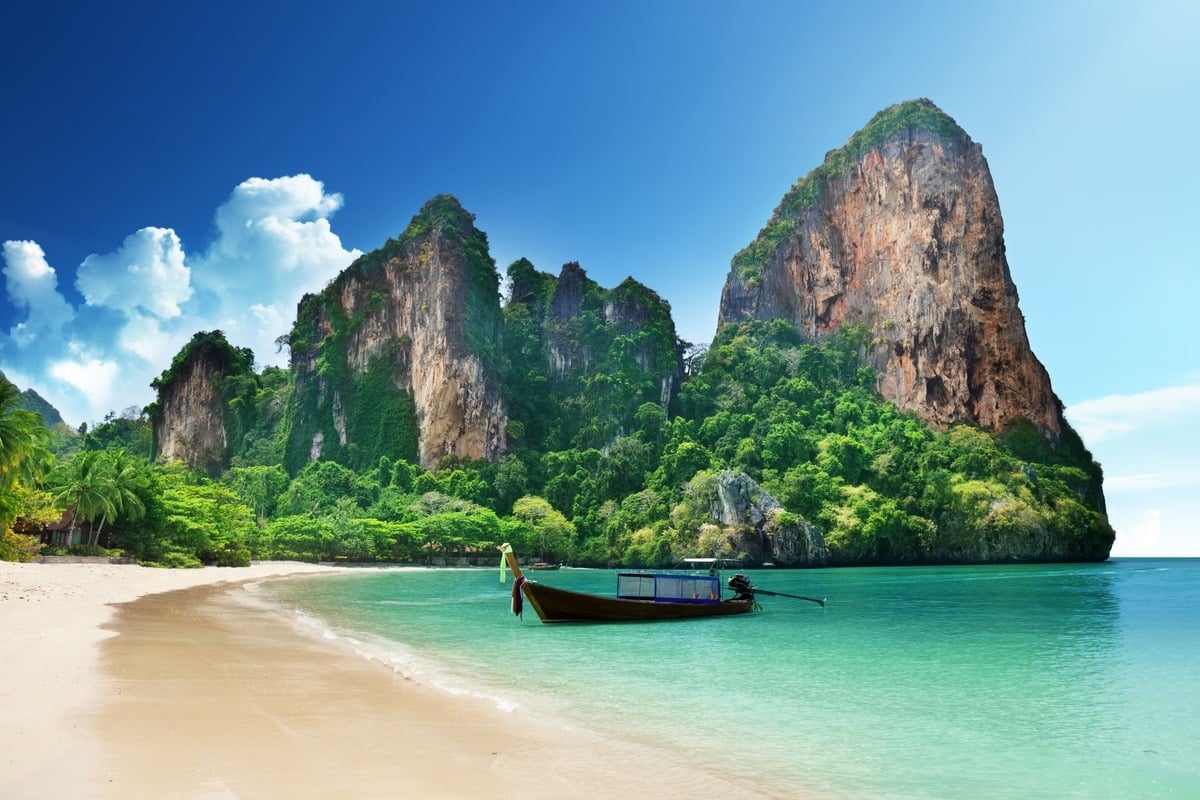
One of them is the mysterious Ko Kut island, which unlike Phuket, has not been essentially dollarized nor overrun by Americans and Europeans.
It remains very much an unspoiled Thai island at heart, with pristine nature reserves, unruffled beaches, and undisturbed fishing villages.
90 miles from Bangkok, Lopburi is yet another coastal town that does not often feature on tourists’ wishlists, though it should: it is mentioned by legendary Italian explorer Marco Polo in his Travels book, and it boasts a high concentration of temples and shrines.
Thailand Is Hugely Affordable
We know Americans are heading en masse to Cancun, Punta Cana, and the wider Caribbean this winter, but these are far from being affordable sunny getaways by any standard.
Hotel rates in Cancun can easily go as high as $500 per night during the peak travel season, and across the Caribbean as a whole, the hospitality industry is almost exclusively geared towards big spenders and luxury tourism, making it less attractive to budget-conscious travelers.
Thailand, on the other hand, is a budget traveler’s paradise, with lower prices across the board, from accommodation down to transportation to food in local restaurants.
According to BudgetYourTrip, visitors can spend as low as $30 per day during their stay in the country.
A mid-range vacation for two people in Thailand costs on average $1,178, including two or three-star hotel rates, local transportation, and even sightseeing, making it one of the least-expensive tropical destinations globally.
Americans Don’t Need Visas To Enter Thailand
Southeast Asia may be an incredibly popular destination among Westerners, but it is by no means the easiest place to go, nor the least bureaucratic.
A majority of countries in the subregion still have pretty strict visa rules, either requiring Americans to obtain a pre-authorized entry permit or even applying for a visa upon arriving – Thailand, on the other hand, allows them to visit hassle-free.
Landing in the kingdom, American passport holders can stay up to 30 days without applying for a visa, or an e-Visa in advance.
This means, as a U.S. citizen, you are free to book the next flight out to Bangkok without hesitation or fear your entry authorization will not arrive in your inbox on time.
Additionally, Thailand is now considering extending visa-free stays to up to 90 days for some nationalities, starting with Europeans.
While this does not yet apply to Americans, we wouldn’t be surprised if the United States is soon added to the 3-month visa-waver list.
Every day that goes by is another day closer to the frigid winter temperatures in many parts of the U.S., so there is no better time to start making plans for a sunny escape.
Fall is a wonderful time of year where many top destinations have cooler weather, cheaper prices and less crowds.
Of course, many seek out the colorful fall foliage too. But winter is generally when it’s time to get back to the beach.
One of the most visited states in the U.S. should be on your radar. Florida is home to some of the top beaches in North America.
Travelers love heading to Orlando for the best theme park in the world, Miami for its luxury and culture, but what about another Florida city that is often overshadowed?
Tampa Should Be Your Next Winter Escape
Florida is such a popular state for tourism, it’s easy to see how even a large city like Tampa can be overlooked.
Located on the western coast of the state, this underrated city is the perfect U.S. getaway this winter. It’s just as accessible as the state’s other top destinations and you will be surprised by how much you love it.
Miami may be the mecca for Cuban culture in the U.S., but Tampa may be a close second with delicious cuisine inspired by one of our closest Caribbean neighbors, along with fresh, locally sourced seafood.
There is plenty to do in the city as it is home to 3 professional sports teams, the Busch Gardens amusement park, the world class Florida Aquarium and the scenic Tampa Riverwalk.
Always Summery
No matter what time of year it is, you can count on warm weather in Tampa. In fact, summer may be the worst time to go to avoid the humidity.
Since now is the perfect time to plan your winter travels, Tampa should rank high on your list to escape the bitter cold.
There are always sunny days ahead in Tampa, so make sure to pack your tank tops, shorts and swimwear.
Many tourists love taking a bike along downtown’s bayfront promenades. The enjoyable weather tends to be consistently in the 70s throughout the day, rarely dipping below that mark even in the heart of winter.
A Gateway To Florida’s Top Beaches
You have may heard Tampa be referred to as “Tampa Bay” as well. The city is set along a picturesque bay, but the best beaches are outside the city.
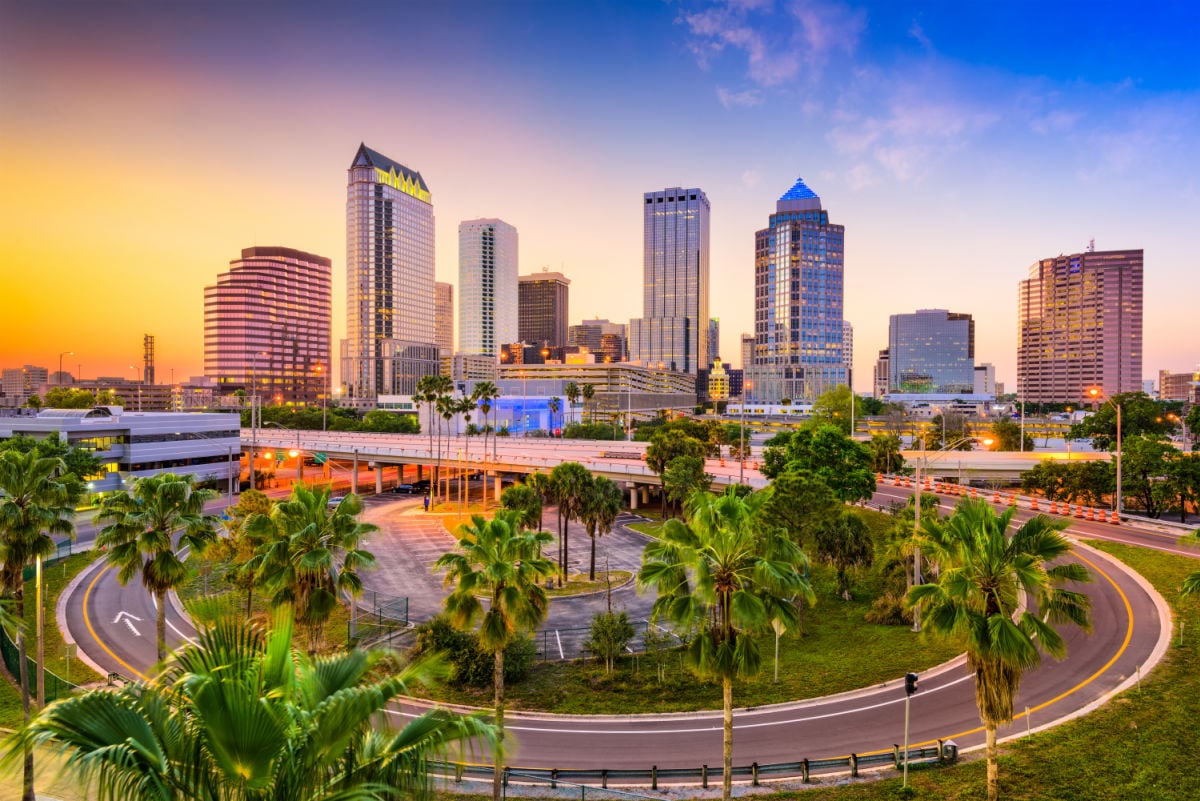
The skyline is a beautiful sight nonetheless as a backdrop along the city’s waterfront. Tampa has Uber and Lyft should you choose to get around that way, but most commonly tourists opt for a rental car at the conveniently located airport just minutes from top attractions.
Tampa is simply a great place to be outside. You definitely won’t be lacking Vitamin D here. What better place to enjoy the weather than the ‘best beach in America’?
Many beachgoers claim Clearwater as ‘America’s best beach’ and is only about 20 miles from downtown Tampa.
Although, Siesta Keys, roughly an hour away from Tampa, has something to say about that. Clearwater is very popular amongst locals with its postcard-worthy white sand, calm crystal blue waters and overall relaxing vibes.
Others may prefer to stay closer to the city. There is Ben T. Davis beach just a short drive from the airport to get your vacay started right away.
Lastly, there is Honeymoon Island Beach which looks as exotic and pristine as it sounds. Set on an unspoiled strip of beaches stretching 4 miles, this is the place for pure serenity to enjoy a relaxing beach day and finish it off with a beautiful sunset.
More Affordable In Winter
Winter tends to see lower prices in Tampa for tourists, especially at hotels. Whether you choose to stay at a new boujee resort, Airbnb or many of the city’s recognizable chains, prices tend to be on the lower end.
December is the best winter month to save. January and February tend to see slightly higher rates, but should still be more affordable than the busy summer season.
Between now to January offers travelers the best bang for their buck across the board, including flights.
If you’re anything like me, the thought of the approaching winter is enough to send a shiver up your spine.
Cold, dark, and wet days are just not compatible with me, and I’m sure there are plenty of other travelers out there who feel the same.
For this merry band of sun seekers, there are many options available to us to help us find some winter sun and extend our intake of vitamin D long into the colder months.
And in the United States, travelers are lucky enough to have a unique and breathtakingly beautiful winter sun destination right on their doorstep.
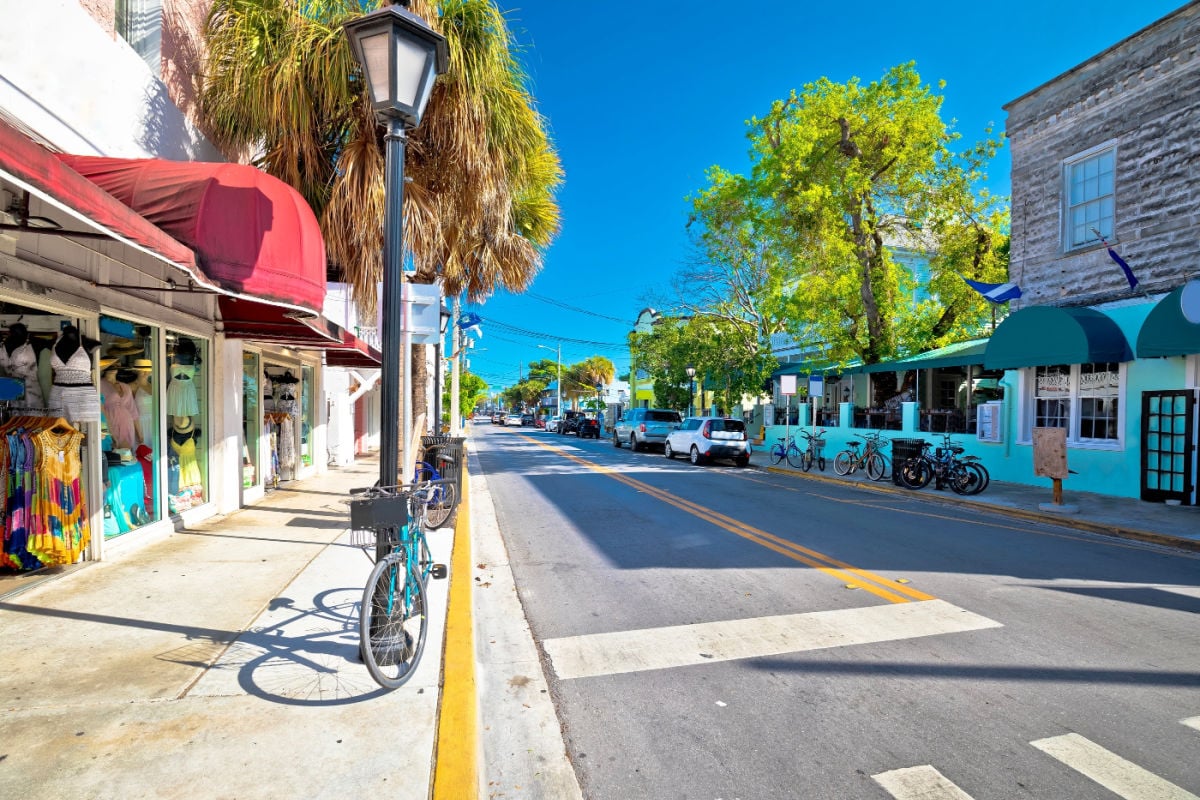
I am, of course, talking about the Florida Keys. And luckily for all winter avoiders, there are a host of great reasons to take a trip down to this idyllic archipelago right now.
More Ways To Get There
This is a common occurrence with each winter, but it’s worth noting that the airline capacity is increasing drastically to the Keys over the next few months.
Key West International Airport (EYW), located at the very southwestern tip of this stretch of islands, is currently undergoing a major concourse expansion, which the Florida Keys and Key West Tourism Board says is expected to be completed in the summer of 2025.
Airlines including JetBlue, American Airlines, Delta, and United will be increasing and expanding their offerings of flights to this airport throughout November and December from U.S. cities, including Washington D.C., Boston, Chicago, New York City, and Newark.
With so many flights from so many different airports, you should still be able to secure a relatively affordable airfare if you book at the right time.
Development Of Accommodations
Despite its relatively small size, there’s no shortage of accommodation in the 125-mile-long Florida Keys, many of which have recently been expanded or developed to welcome a new wave of visitors this winter.
Some of the highlights, according to a recent report, include Flamingo Lodge in the Everglades National Park, Casa Morada Resort in Islamorada, Sun Outdoors Sugarloaf Key in the Lower Keys, and Casa Marina Key West, Curio Collection by Hilton, which has just undergone a significant renovation.
While it’s not known as the cheapest region to stay, the sheer number of resorts means that you can at least shop around a little.
Ample Attractions
Even though it seems like a place with a slower pace of life, there is no shortage of attractions and things to do in the Keys.
The tourism board recommends the Mel Fisher Maritime Museum in Key West, Crane Point Museum & Nature Trails in Marathon, and the Key West Lighthouse and Keeper’s Quarters Museum, which recently reopened after restoration work.
That’s before you even mention the fishing, the watersports, the wildlife spotting opportunities, and the State Parks.
Relaxation Is Part Of Life
If you’re not into hitting attractions every day, then the Florida Keys is pretty much the perfect place to simply exist, enjoying the warm winter days and amazing sunsets and sunrises.
This part of the world is the ideal place to give yourself some time to reset.
Temperatures in the Keys average in the mid-70s for most of the winter, and it is also the season where there is hardly any rain. Sounds like heaven to me…
No Jet Lag (For Most Of Us)
The Keys is within reasonable flying time for a huge chunk of the U.S. population, and its eastern time zone location means that jet lag isn’t really an issue for most people who venture out there.
When you think of the winter sun, you may imagine having to trudge halfway across the world or to the opposite hemisphere, but that’s simply not the case here.
You can enjoy a near-perfect climate close enough to realistically fly there even just for a long weekend.
Embrace Your Nautical Side
A brand-new Key West marina has just opened this fall, called Happy Landings.
This marina is open to 75 vessels and has a 24-hour access dock – if you have a boat yourself, or if you simply like to go and gaze at them and dream about owning one, this could be the perfect place for you.