For decades, the ritual of entering Europe has been the same: a friendly greeting, a quick glance at your passport, and that satisfying ‘thump’ of a fresh passport stamp. But that whole process is about to change in a big way, and the first major shift is happening next month.
Here at Travel Off Path, we’re all about giving you the real, on-the-ground intel you need to travel smarter. The European Union has been talking about new, high-tech border systems for years, creating a ton of confusion. Now, it’s finally happening, and it’s kicking off with a confusing, country-by-country rollout.
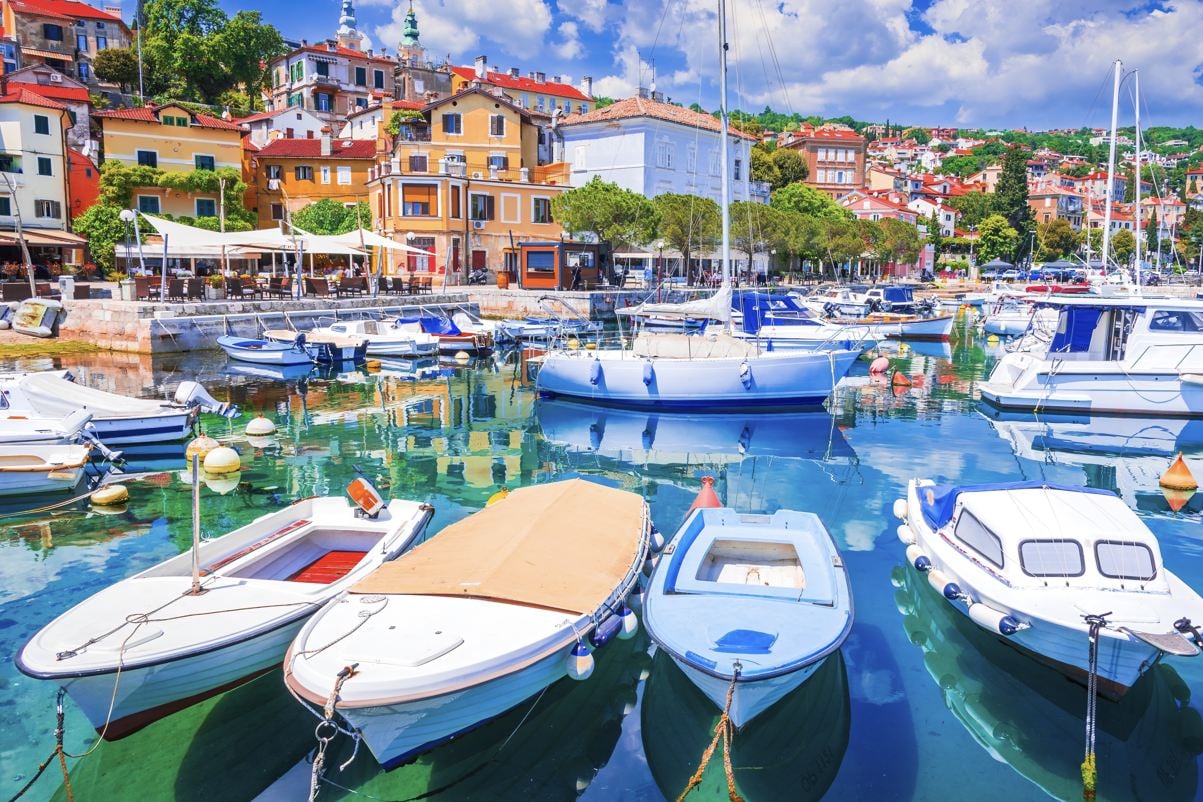
The big news? Starting October 12, 2025, Americans heading to the stunning coastlines of Croatia will be the first to experience a completely new entry process, one that includes getting fingerprinted and photographed.
First, What Is This New System?
This new process is part of the EU’s Entry/Exit System (EES). The simplest way to think about it is this: the EES is officially replacing passport stamps.
Instead of a border officer stamping your passport, you’ll use a self-service kiosk to scan it. On your first entry into a country using the system, you will also have to provide your biometric data: specifically, four fingerprints and a facial photograph.
This information is then stored securely for three years. On subsequent trips, the process will be much faster; you’ll just need a quick facial scan to verify your identity against the profile already in the system. The goal is to speed up border crossings and enhance security.
Hold On, Is This The Same as ETIAS?
This is the most confusing part for travelers, so let’s make it crystal clear: No, the EES is completely separate from the ETIAS.
Think of it like this:
EES (The Kiosk): This is the physical process at the border. It’s the new high-tech system that takes your fingerprints and photo instead of stamping your passport.
ETIAS (The Website): This is the online travel authorization you will need to apply for before you leave home. It’s the $7.50 pass that is still scheduled to launch in the last quarter of 2026.
You can’t have one without the other, which is why the rollout has been so complicated. The ETIAS system can’t launch until the EES infrastructure is working.
What To Expect in Croatia Starting October 12
Croatia’s Ministry of Interior has confirmed it is officially activating its system, making it the first European country to do so.
If you are flying into Zagreb or Dubrovnik, or crossing another international border into Croatia after this date, you will be directed to the new EES kiosks. You’ll scan your passport, provide your fingerprints and photo, and answer a few questions on the screen. It’s a change, but it’s designed to be a straightforward process.
What About The Rest Of Europe?
This is where the “confusing rollout” comes in. If you fly into major airports like Paris (CDG), Rome (FCO), or Madrid (MAD) this fall, you will probably see the new EES kiosks already installed. However, they are not yet mandatory for all travelers.
For now, these other countries are sticking to the plan of a coordinated, Schengen-wide launch in the first half of 2026.
Europe’s New Travel Rules: The Simple Guide
It’s confusing, we get it. Choose a system below to get a simple, easy-to-understand breakdown of what’s changing.
👆The EES (Entry/Exit System)
What it is: A new, automated system at the border that replaces passport stamps with digital scans.
What you’ll do: On your first entry, you’ll provide your fingerprints and a facial photo at a self-service kiosk.
When it starts: Croatia begins the rollout on October 12, 2025. The rest of the Schengen Area will follow in the first half of 2026.
🛂The ETIAS Travel Pass
What it is: A mandatory online travel authorization, similar to the ESTA for visiting the U.S. It is NOT a visa.
What you’ll do: Apply online before your trip. It costs about $7.50 and is valid for three years.
When it starts: The ETIAS will launch *after* the EES is fully operational, currently scheduled for the last quarter of 2026.
This means that for the time being, you’ll face a patchwork of systems. You’ll get your fingerprints scanned in Croatia, but you’ll still get a classic stamp in your passport if you fly to France or Italy.
This is the first, concrete step in a major shift for European travel. To stay on top of this and any other changes, the best tool is our 1 Minute Trip Check, which gives you the real-time entry requirements for any destination.
The Travel Off Path Advantage: Your Travel Toolkit
Subscribe To Our Latest Posts
Enter your email address to subscribe to Travel Off Path’s latest breaking travel news, straight to your inbox.
As the long, sun-drenched days of summer give way to the crisp, golden light of autumn, a different kind of travel magic awakens in Europe.
The massive summer crowds begin to thin, the weather cools to a perfect, sweater-friendly temperature, and the continent’s most beautiful destinations transform with a flurry of auburn leaves.
It’s a season that savvy travelers know is one of the best times to explore, and it feels like it’s coming early this year!
We just had a Travel Off Path meetup in Paris last week and can confirm, the fall vibes are here!
But with an entire continent of options, deciding where to go can be overwhelming.
Do you default to the usual suspects, or do you look for something with a bit more character?
To help cut through the noise, the travel experts at Condé Nast Traveller have curated a list of their favorite fall destinations for 2025.
This isn’t your standard list—it’s a fantastic mix of stylish city breaks, cozy countryside escapes, and unique adventures that capture the true spirit of autumn in Europe.
Beyond Pumpkin Spice: A New Kind of Fall Trip
While many fall travel lists focus only on foliage, this expert-approved guide is all about the vibe. It recognizes that a perfect autumn trip means something different to everyone.
For some, it’s the energy of a world-class city, where you can explore museums and galleries by day and dive into a vibrant restaurant scene by night. For others, it’s the complete opposite: the peaceful tranquility of a lakeside retreat or the rugged charm of a blustery coastal walk.
The destinations on this list reflect that incredible diversity. Think beyond the standard capital cities and imagine yourself sipping a boozy hot chocolate in a grand café in Vienna, hunting for vintage fashion and design inspiration on the stylish streets of Copenhagen, or escaping the crowds for an early-season ski run under the gaze of the Matterhorn in Zermatt.
From the late-season sun and hiking trails of Madeira to the energetic nightlife of Amsterdam, this list is a reminder that a fall escape can be anything you want it to be.
Find Your Perfect European Fall Getaway
With so many incredible but different options, the only question left is: which one is right for you? Are you seeking a fast-paced, energetic trip filled with festivals and events, or a slow and stylish retreat where people-watching from a chic café is the main event? Is your top priority this fall to indulge in cozy food and drink, or is it to discover Europe’s most innovative designers and boutiques?
To help you find your perfect match, we’ve taken these nine expert-approved destinations and built a brand-new interactive quiz.
In just 3 quick and easy questions, our tool will analyze your personal travel preferences and pinpoint the fall destination that you were truly meant to discover.
There are no wrong answers! Our quiz uses a comprehensive logic map to ensure that every recommendation is a direct and sensible match for your choices.
Ready to find out where you should actually go for fall this year? Take our quick quiz below to get your personalized recommendation in seconds!
What kind of fall escape are you dreaming of?
🏛️
Vibrant City Break
Exploring museums, shops, and a lively restaurant scene.
🏡
Cozy Countryside
Hunkering down by a fire, with coastal walks and charming pubs.
😌
Lakeside Relaxation
Still, glassy waters, verdant surroundings, and a slow pace.
☀️
Late Sun & Adventure
Hiking, exploring nature, and soaking up the last of the warmth.
What’s your top priority?
🎨
Arts & Culture
Museums, galleries, and a vibrant, creative energy.
☕
Food & Drink
Cozy cafes, hot chocolate, and an amazing culinary scene.
🛍️
Shopping & Style
Vintage shops, innovative designers, and inspiring interiors.
⛷️
Unique Outdoors
Early-season skiing or exploring unique flora and fauna.
What’s your ideal trip pace?
💃
Energetic & Lively
I want festivals, nightlife, and a bustling atmosphere.
✨
Stylish & Slow
People-watching from an al fresco cafe with a chic, carefree vibe.
🤫
Peaceful & Quiet
I want to escape the crowds and truly detach from everyday life.
Your Potential Fall Destinations Based on your answers above
Amsterdam, Netherlands
Antwerp, Belgium
Copenhagen, Denmark
Lake Garda, Italy
Madeira, Portugal
Madrid, Spain
Trevone Bay, Cornwall
Vienna, Austria
Zermatt, Switzerland
So what did you get? How many times did you take the quiz? Let us know in the comments below if you have plans to head to Europe this fall.
We can confidently say it’s one of the best places on Earth to watch the colors change and enjoy the vibe!
The Travel Off Path Advantage: Your Travel Toolkit
Subscribe To Our Latest Posts
Enter your email address to subscribe to Travel Off Path’s latest breaking travel news, straight to your inbox.
For years, savvy American travelers have dreamed of an easier way to reach one of Europe’s most stunning and historically rich island gems. Tucked away in the heart of the Mediterranean, this tiny nation has always been a bucket-list destination, but reaching it required a long, often frustrating journey with at least one connection through a busy European hub.
Well, get ready to update your travel plans, because that’s all about to change.
Here at Travel Off Path, we’re all about giving you the breaking news that makes your travel dreams a reality. In a landmark announcement that has been more than two decades in the making, Delta Air Lines has just confirmed it will launch the first regular, nonstop flights between the United States and the beautiful island of Maltain over 25 years.
A True Game-Changer For U.S. Travelers
This isn’t just another new route; it’s a historic breakthrough. For the first time since the mid-1990s, Americans will be able to fly directly to this Mediterranean paradise, slashing travel time and making a trip more accessible than ever before.
The Malta Hotels and Restaurants Association (MHRA) is hailing the news as a “game-changer” and the “missing piece of the puzzle” for the country’s tourism industry. For years, the lack of direct flights has been a major hurdle, but this new connection is set to open the floodgates for American travelers eager to explore Malta’s unique blend of ancient history, stunning coastlines, and vibrant culture.
All The Flight Details You Need To Know
Delta has laid out a clear plan for the new service, giving travelers plenty of time to get this incredible trip on their calendars.
The New Nonstop Flight to Malta: All The Details
Get the full scoop on the historic new Delta flight. Click on each item below to reveal the details.
New York (JFK) to Malta (MLA)
The inaugural flight is scheduled for June 7, 2026.
The service will operate three times per week.
Flights will run from June through October 2026.
A wide-body Boeing 767-300ER with multiple cabin classes.
The best news? The flights are expected to go on sale soon, allowing travelers to lock in their plans well in advance for the 2026 summer and fall seasons.
Why Is Malta About To Be The Hottest Ticket In Europe?
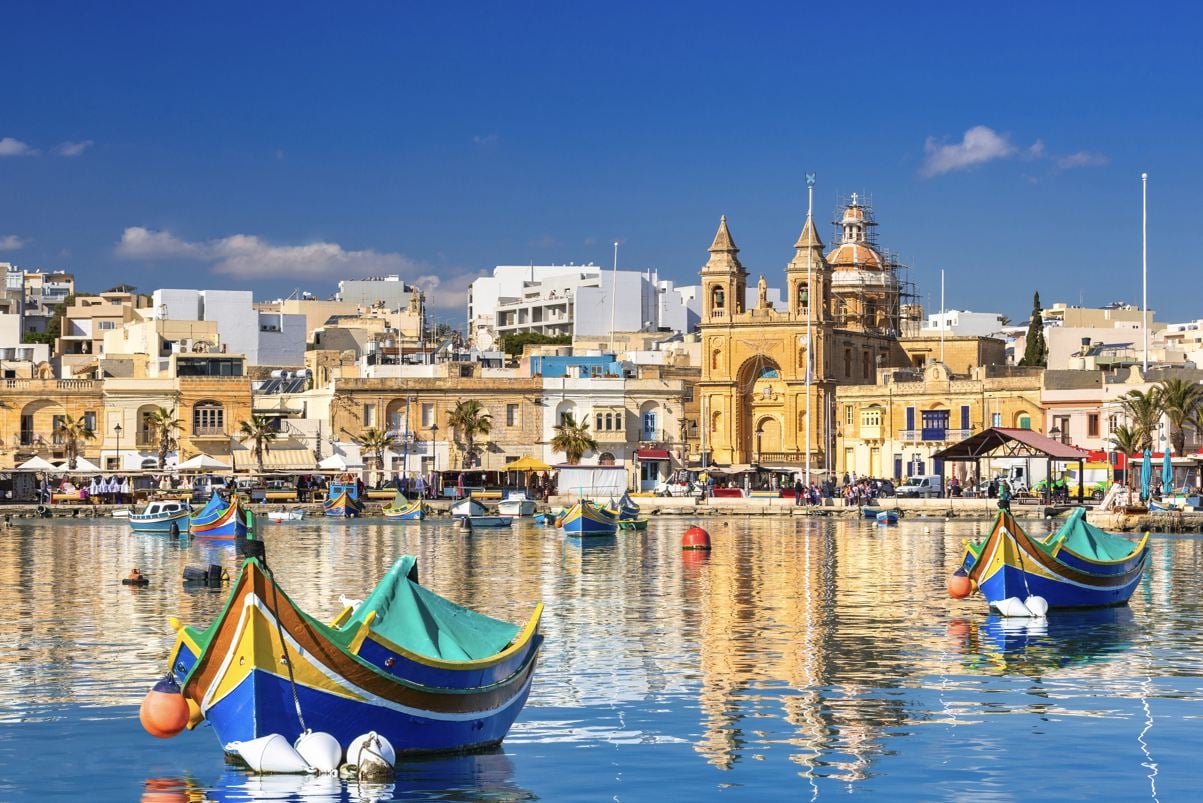
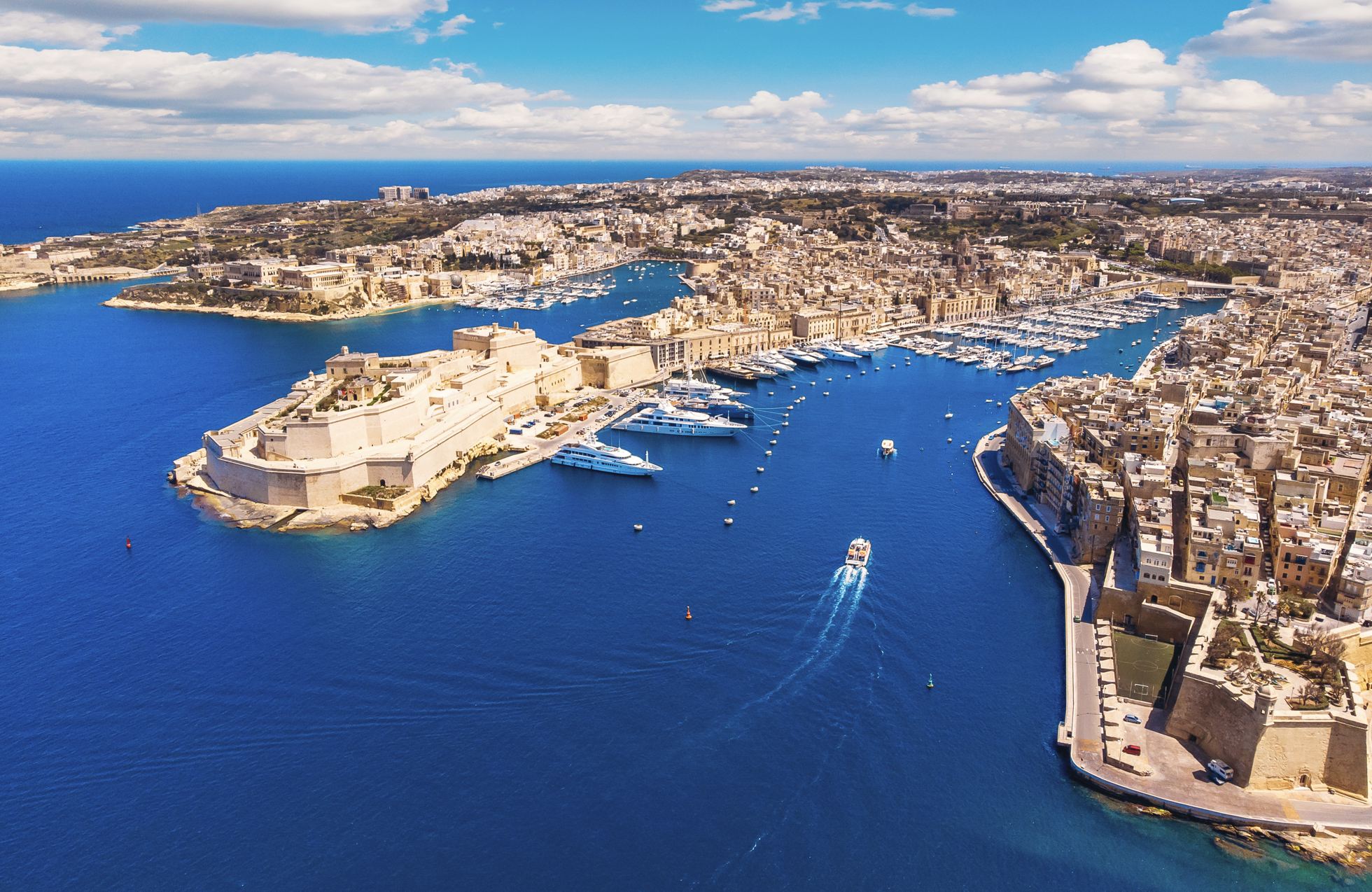
So, why is this new route such a big deal? Because Malta is an absolute gem. This tiny island nation packs an unbelievable punch. Its capital, Valletta, is a UNESCO World Heritage city, a stunning fortress built by the Knights of St. John with golden-hued limestone buildings and a grand harbor that is one of the most beautiful in the world.
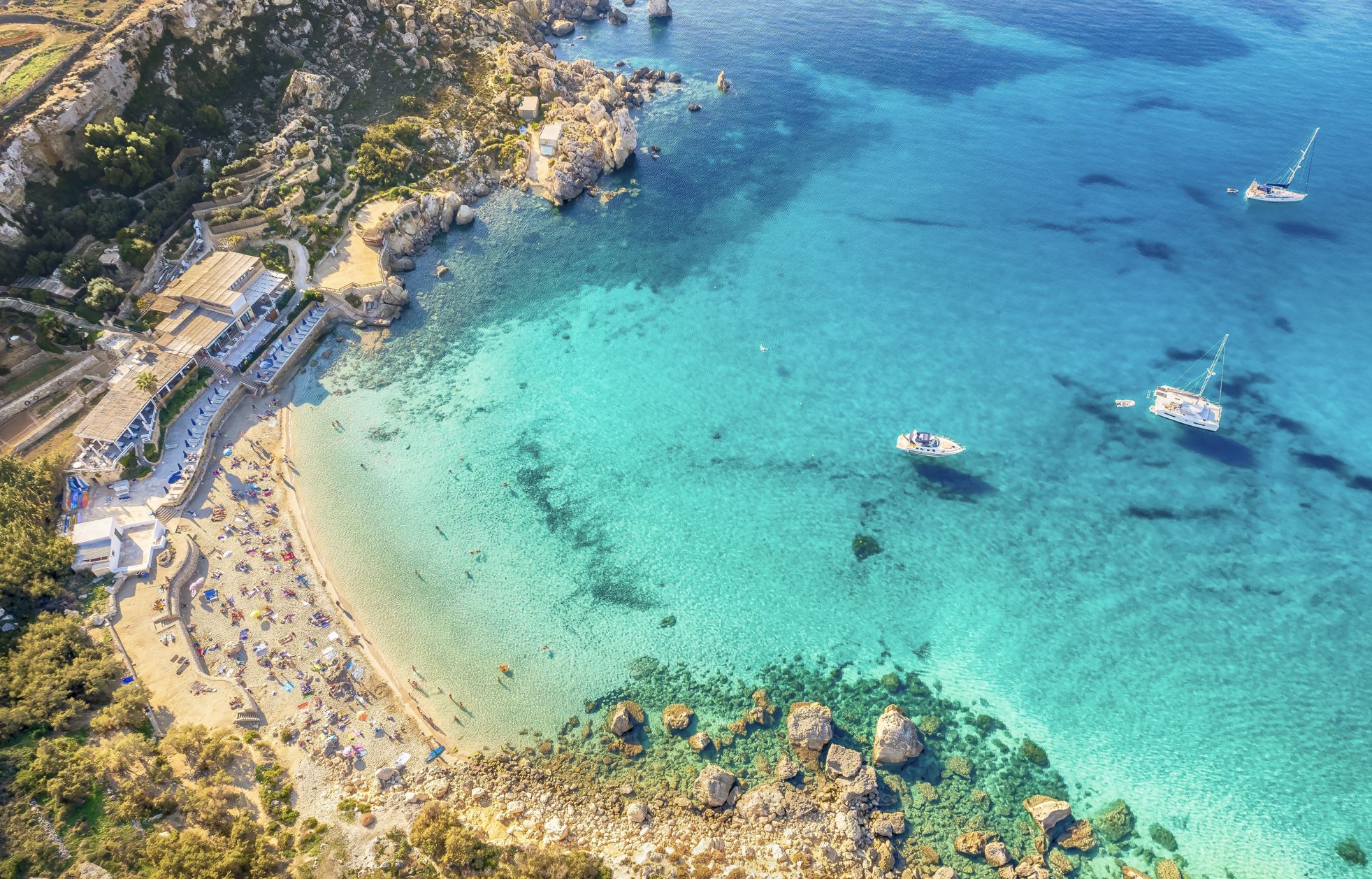
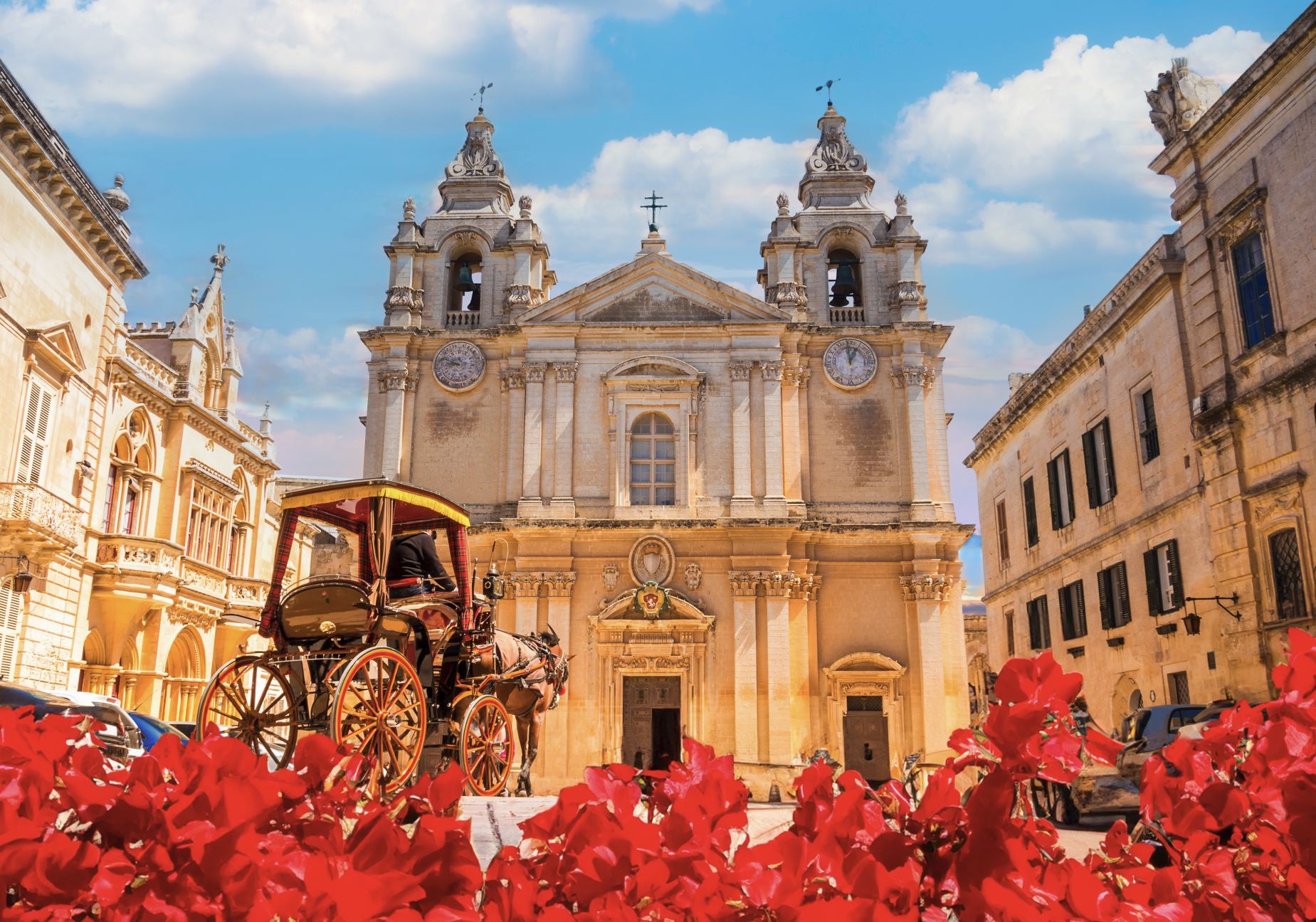
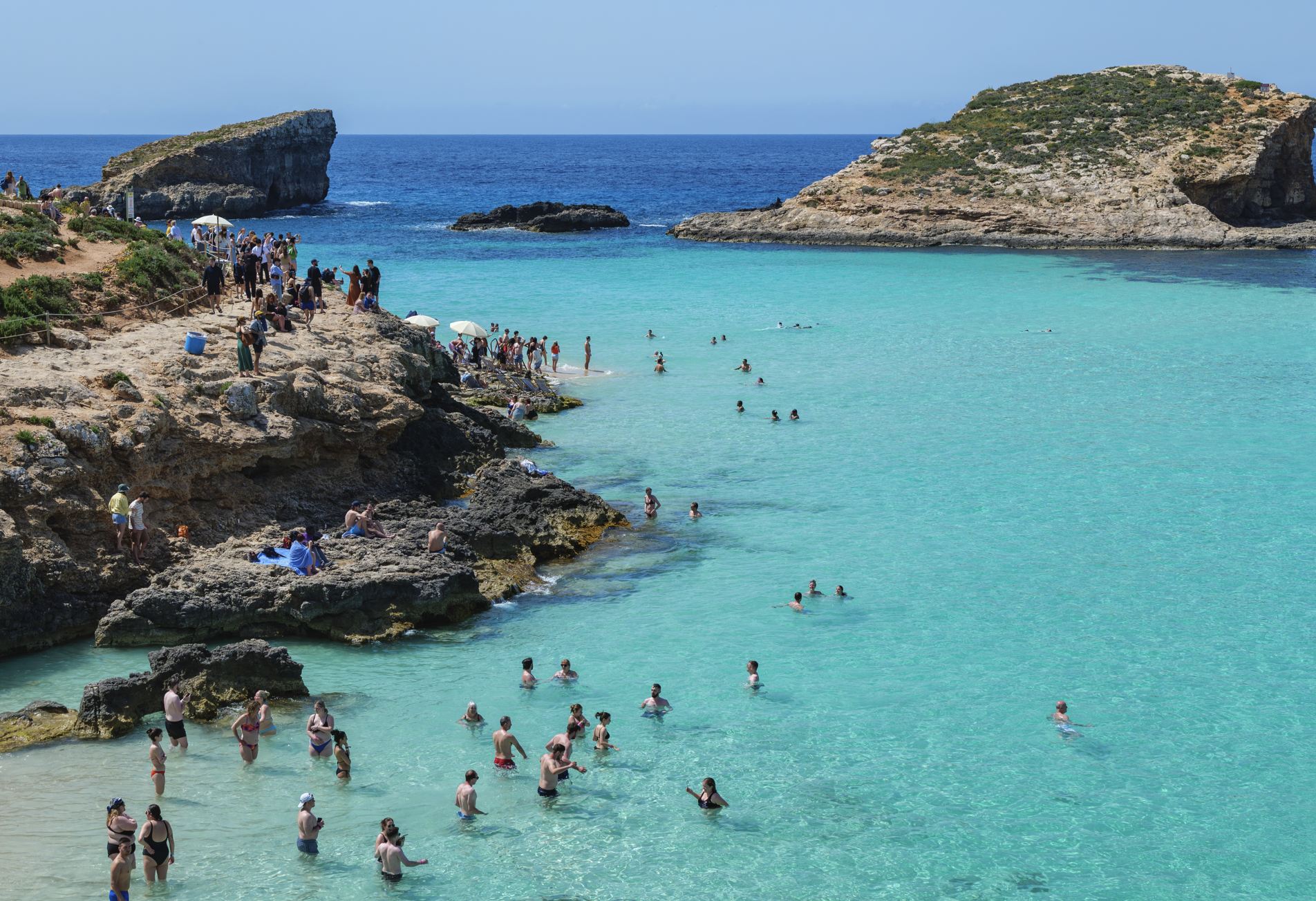
Beyond the capital, you’ll find ancient megalithic temples that are older than the pyramids, the silent, walled medieval city of Mdina, and the crystal-clear waters of the famous Blue Lagoon on the island of Comino.
Malta’s tourism authority has made it clear they are targeting high-value American travelers who are interested in culture, history, and gastronomy. This new direct flight is the key to unlocking that potential, making it easier than ever for Americans to discover a side of Europe they’ve only dreamed of. For 2026, the “hidden gem of the Mediterranean” is officially on the map.
Check the latest entry requirements and travel advisories for you destination in seconds using our new flagship tool, The 1 Minute Trip Check.
Happy travels!
The Travel Off Path Advantage: Your Travel Toolkit
Subscribe To Our Latest Posts
Enter your email address to subscribe to Travel Off Path’s latest breaking travel news, straight to your inbox.
You’ve finally landed the remote job you’ve dreamed of. All documents are in order. Bags are packed and ready to go.
But, the question is “where to?”.
As we enter the final stages of 2025, so many countries across the globe have launched their own variations of digital nomad visas by now.
Some seem too good to be true, with an unbelievably low bar to obtain, and others have you scratching your head, wondering how on Earth people meet said requirements.
And then there’s another category of destinations that are downright surprising, offering visas to attract remote workers, seemingly welcoming them with open arms despite government-backed campaigns to deter tourists from visiting.
That’s the case for one of Europe’s most iconic countries that we at Travel Off Path have covered too many times to count in terms of overtourism concerns, yet an insightful new report from the Global Intelligence Unit just featured it as the #2 spot in the world for digital nomads.
Are Digital Nomads Welcome In The Netherlands?
Where does the Netherlands stand in terms of tourism in general right now? The last time we checked, they were essentially pulling the welcome mat out from tourists’ feet.
Whether any particular visitor was “up to no good” in Amsterdam’s famous pockets of dark tourism, or if they’re your typical run-of-the-mill tourist enjoying more palatable delights of one of Europe’s prettiest cities, seemed pre-determined by the government with a ‘one size fits all’ approach.
As recently as early summer, well-respected Fodor’s was still reporting how locals are fed up with tourists in The Netherlands (mainly Amsterdam) hence we have tried to dig up the best alternatives for you, such as canal-lined Rotterdam and Dordrecht.
So, is there a difference between digital nomads and tourists in the eyes of locals?
Well, if they’re aligned with Mexico City residents, the answer would be no, which is why the Netherlands being crowned 2nd best in the world was quite a shocker.
Given how tourists may be in town as short as a weekend getaway compared to digital nomads paying rent each month, let’s look into the benefits of making your base in the Netherlands.
The downside is certainly Amsterdam’s unwelcoming “Karens”, at least from the outside looking in…
The Netherlands’ “Self-Employed Residence Permit”
Who knew the Netherlands even had its take on a digital nomad visa?
Described as “gross profit per month (with holiday allowance)” this permit only requires a minimum monthly income of $2011 as of today, meaning it’s actually remarkably easy to obtain from that standpoint.
Though business plan submissions can be a hassle, they’re not as much of a headache as they can be to maintain a decent quality of life if you’re scraping by on roughly $2000 per month.
As the same report implies, the cost of living here is high, especially if you’re dead set on Amsterdam.
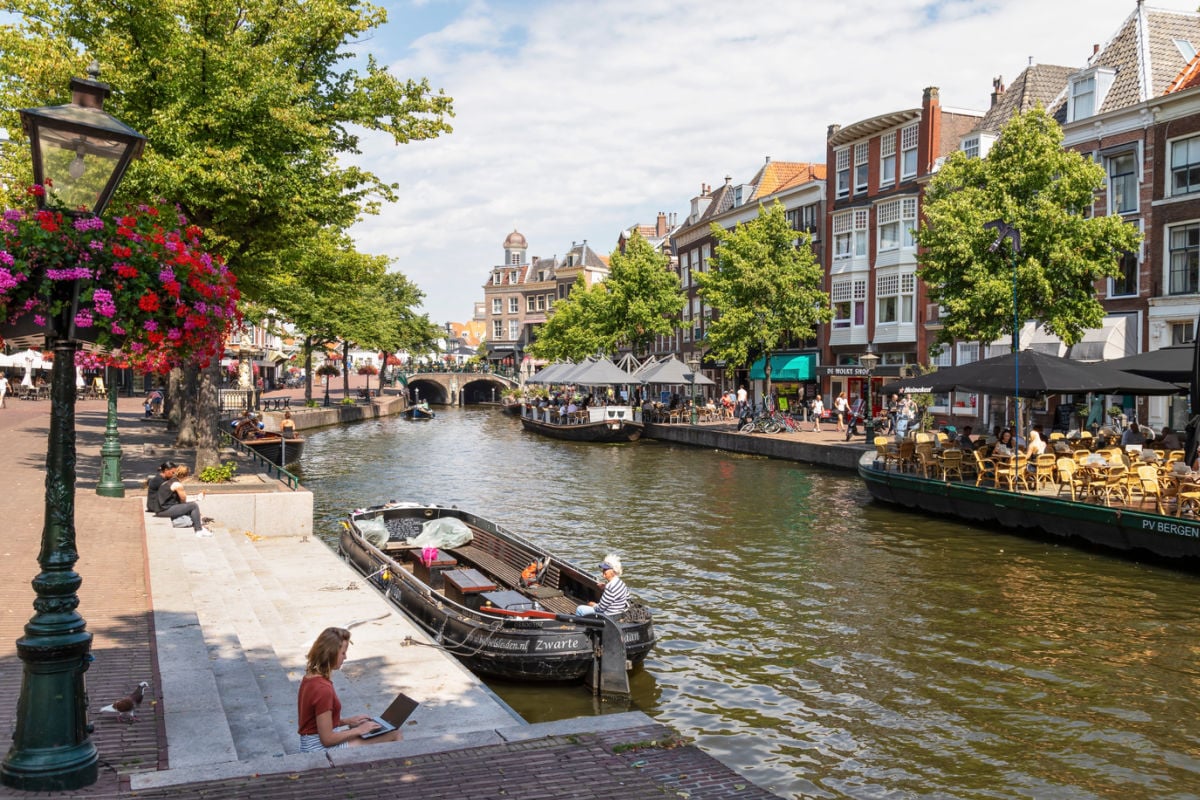
Other lesser-known cities, arguably just as pretty and far less crowded, like Haarlem, Utrecht, and Leiden, are all built along scenic canals with vibrant storefronts and welcoming cafes — and we all know cafe culture is a staple across the nation.
Known as the “Self Employed Residence Permit”, once granted, nomads can stay here up to 2 years and can be used as a gateway to permanent residency if that’s your end goal.
Online application fees total approximately $480 for first-time applicants and your job must pass a 3-step ‘points test‘ if you’re not an American, Japanese, or Bolivian citizen.
To sum up the benefits of this permit, you’re applying to a country highlighted by these features:
Largely proficient in English
Clear-cut instructions to obtain ‘permit’
Low income requirement
Popular café culture
2-year validity (with possible extensions)
Zippy internet speeds
High quality of life
Growing startup scene
Bicycle friendly everywhere (save Uber money!)
There’s also the option of DAFT (Dutch-American Friendship Treaty), catered toward U.S. citizens who prefer opening a business in the Netherlands.
It does come with a hefty $5335 investment requirement, but more flexible terms with stays up to 5 years.
Top 5 Dutch Cities For Nomads
If you’re willing to risk irritable locals not approving your presence, and you have deeper pockets than $2011 per month, Amsterdam is certainly a top choice.
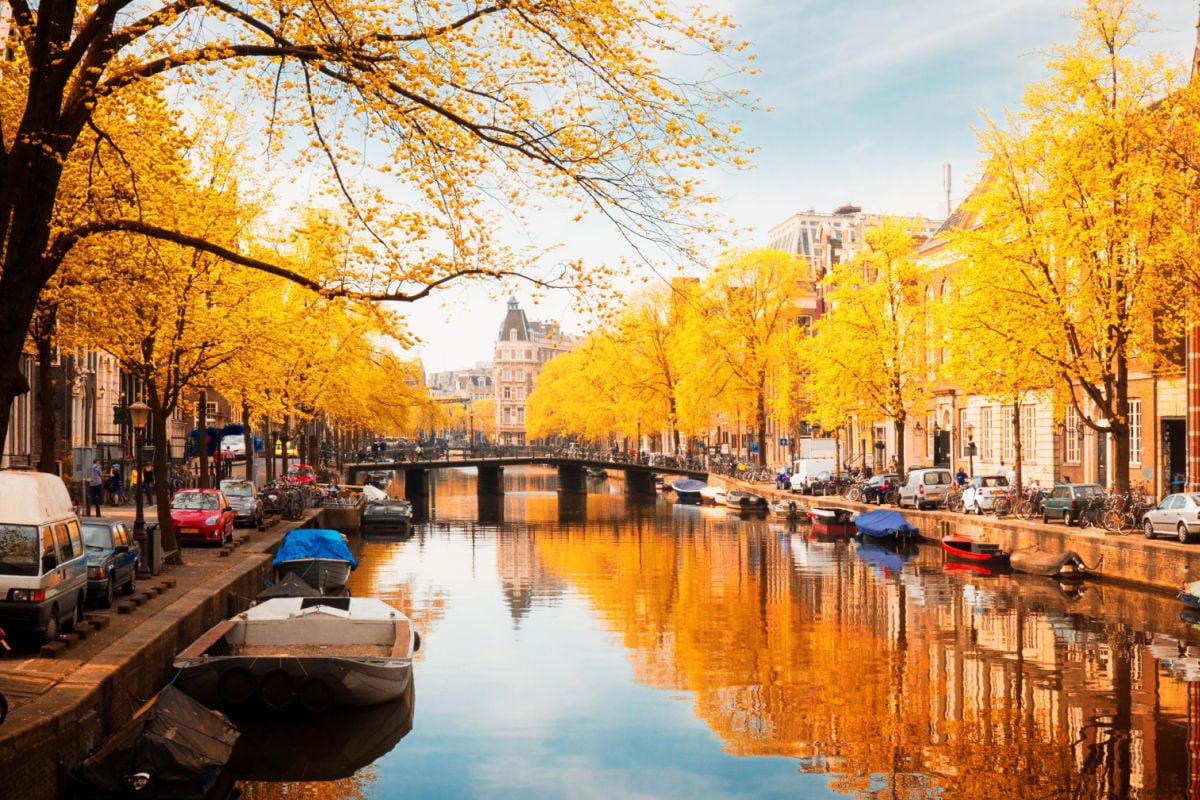
Lined with trendy cafes perfect to use as your office, ample co-working spaces, safe cycling routes, and no shortage of vibrant parks and world-class museums, this iconic city undoubtedly lives up to the hype.
One of our favorite sources to determine the latest trends with digital nomads is Nomads.com, where, currently, Amsterdam ranks #5 in the Netherlands.
This ranking is almost solely based on high costs across the board as there are 4 other cities (2 of which we mentioned above) that top Amsterdam for the nomad lifestyle:
5) Amsterdam
4)The Hague
3) Leiden
2) Utrecht
1) Groningen (listed as the most affordable Dutch destination)
Sam, our Lead Writer & Journalist based in San Diego has visited 36 countries and written over 1000 articles with a focus on sharing his own travel experiences and shining a light on lesser-known gems.
The Travel Off Path Advantage: Your Travel Toolkit
Subscribe To Our Latest Posts
Enter your email address to subscribe to Travel Off Path’s latest breaking travel news, straight to your inbox.
London, Paris, Rome. These iconic capitals are rightfully on every traveler’s bucket list, promising world-class art, history, and vibrant city life. But what if we told you that some of Europe’s most rewarding, authentic, and often cheaper travel experiences are found just a little off the beaten path?
Smart travelers are increasingly looking beyond the obvious.
They’re seeking out Europe’s “second cities”—the second-largest urban centers in each country—and for good reason. A recent in-depth study by Radical Storage analyzed 44 European countries, comparing their largest cities to their second-largest, and the findings are a game-changer for anyone planning a European escape.
The takeaway? In 10 of the 44 European countries analyzed, the second city actually offered a better tourist experience than the capital.
Not only that, but in 28 of 44 cases, the second city was significantly more affordable. This isn’t just about saving a few bucks; it’s about discovering genuine local culture, fewer crowds, and a refreshingly unique perspective on a country you thought you knew.
Why The ‘Second City’ Is The Smart Choice
Think about it: while capital cities often have the highest concentration of famous landmarks, they also come with peak tourist prices, congested streets, and an atmosphere sometimes diluted by the sheer volume of visitors. Second cities, on the other hand, often retain a stronger local identity, a more relaxed pace, and a palpable sense of discovery for the traveler.
The study looked at five crucial categories: accommodation, food, shopping, culture & local attractions, and accessibility. While Barcelona (Spain’s second city) might offer a vast array of attractions comparable to a capital, Novi Sad (Serbia’s second city) shines with exceptionally high-quality restaurants and attractions at incredibly affordable prices.
This isn’t about ditching the classics forever, but about broadening your horizons and recognizing that “second-best” often means “best-kept secret.”
Discover Your Perfect European ‘Second City’
Are you a hardcore history buff, a devoted foodie, or someone who lives for retail therapy and a buzzing urban scene? Do you dream of well-connected hubs or prefer the rugged charm of the Balkans or the mystique of the Caucasus? And is it the sheer variety of options or the assured quality of fewer, more authentic experiences that truly excites you?
To help you cut through the data and find your ideal European “second city” adventure, we’ve teamed up with the insights from this comprehensive study to create a brand-new interactive quiz.
It’s fast, fun, and designed to pinpoint the destination that perfectly matches your travel priorities. Take the quiz and check out the list of top 10 best second cities below.
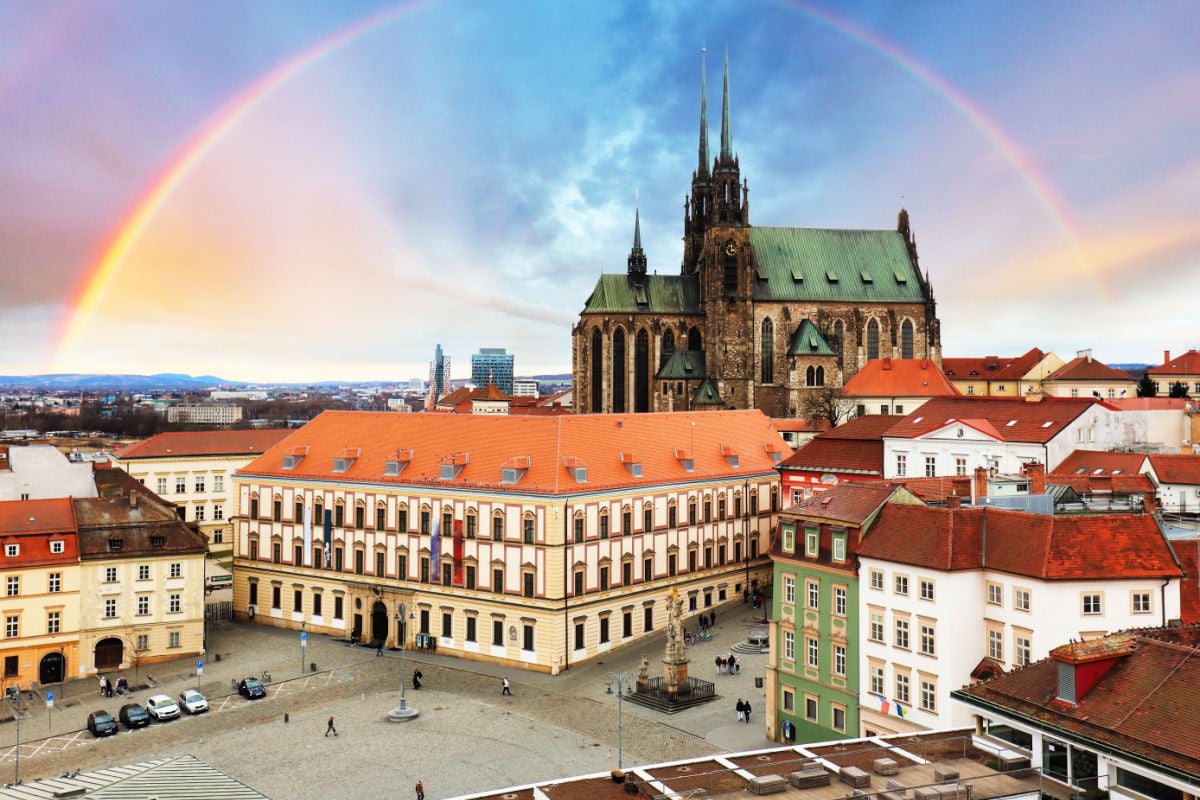
No matter your preference, there’s a second city waiting to surprise and delight you. From the ancient charm of Kutaisi to the architectural wonders of Brno, Europe’s overlooked gems offer a richness that rivals —and sometimes surpasses —those of their larger counterparts.
Ready to stop following the crowds and start traveling smarter?
Take our quick quiz below and uncover the European ‘second city’ that’s meant for you.
We’ll tell you exactly why it’s a perfect fit and what makes it such an incredible destination, setting you on a path to a truly memorable trip.
What’s your main travel goal?
🏛️
Culture & Attractions
I want to see famous sites and immerse myself in history.
🍲
Food & Drink
My trip is centered around amazing and affordable meals.
🛍️
Shopping & Vibe
I want to hit the shops and experience the city’s energy.
What’s your ideal location?
✈️
Well-Connected Hub
Easy to get to, with lots of famous landmarks.
🏞️
The Balkans
I’m looking for a more off-the-beaten-path vibe.
🏔️
The Caucasus
I want a truly unique and historic hidden gem.
What’s your priority?
⭐
Quality over Quantity
I prefer fewer, but highly-rated, authentic experiences.
🗺️
Variety is Everything
I want a huge number of options for things to do and see.
The top 10 Second Cities in Europe
Novi Sad, Serbia
Barcelona, Spain
Gyumri, Armenia
Cluj-Napoca, Romania
Banja Luka, Bosnia and Herzegovina
Kutaisi, Georgia
Kaunas, Lithuania
Brno, Czechia
Porto, Portugal
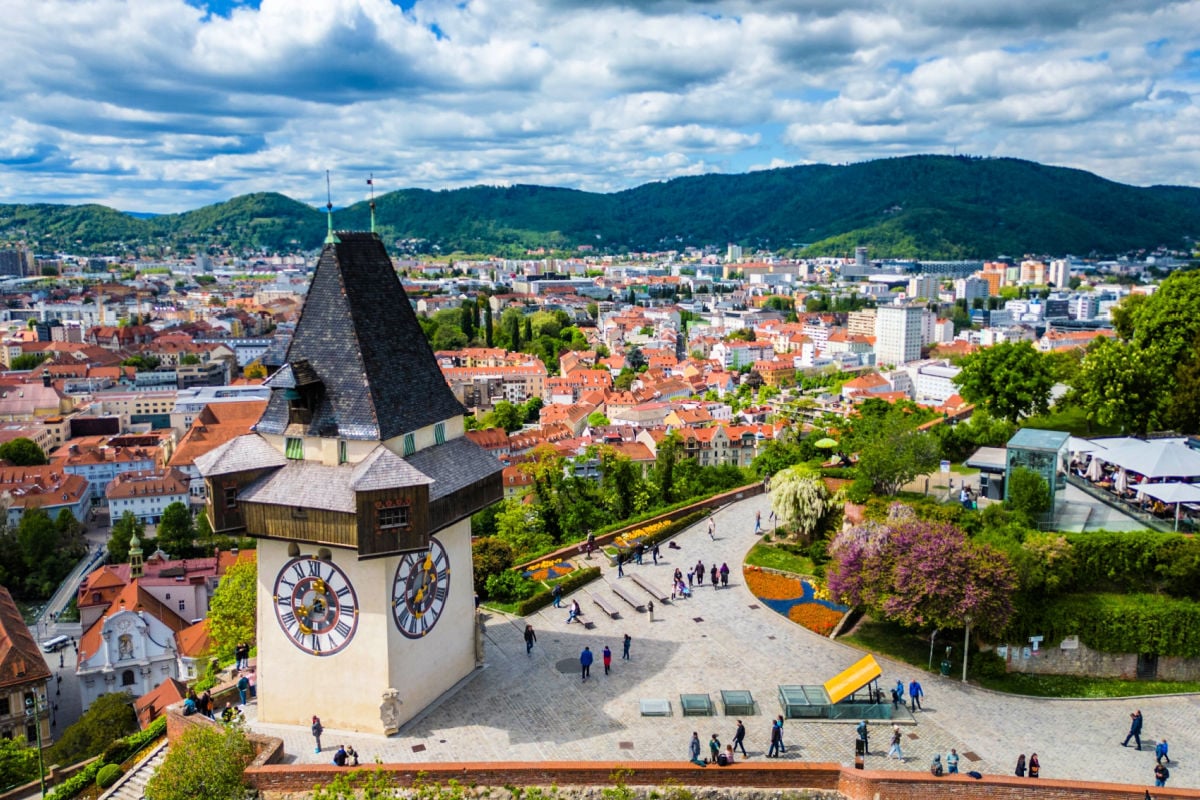
Graz, Austria
So which one did you get? Let us know in the comments!
The Travel Off Path Advantage: Your Travel Toolkit
Subscribe To Our Latest Posts
Enter your email address to subscribe to Travel Off Path’s latest breaking travel news, straight to your inbox.
It’s only natural that, when planning a trip in a European country, tourists will usually start with the capital.
After all, it’s usually the largest city, most cosmopolitan hub, and a cultural heart of sorts.
Think London and its bustling streets, double-decker buses, and iconic red telephone boxes, Paris with the Eiffel Tower and elegant Haussmann boulevards, or Berlin and its edgy urban art scene and electrifying nightlife.
Occasionally, however, the capital will not be the best representation of, much less the ideal introduction to, a nation.
That’s something we at Travel Off Path have picked up on years ago, and what’s inspired us to chase after lesser-known, underrated alternatives, but it’s finally drawing the attention of other major outlets.
Are Second Cities Better?
Just recently, the popular luggage storage company Radical Storage published a list of Europe’s top-rated “second” cities. As in, the most populous urban areas after a capital.
In that list, the overall tourist experience was better in 10 out of 44 second cities was “better”, taking into account factors like accommodation, food, culture, and local attractions.
3 in particular stand out, as unless you’re an avid Travel Off Path reader and well-versed in European hidden gems at this point, some of these names might surprise you:
Novi Sad, Belgrade
Instead of Belgrade
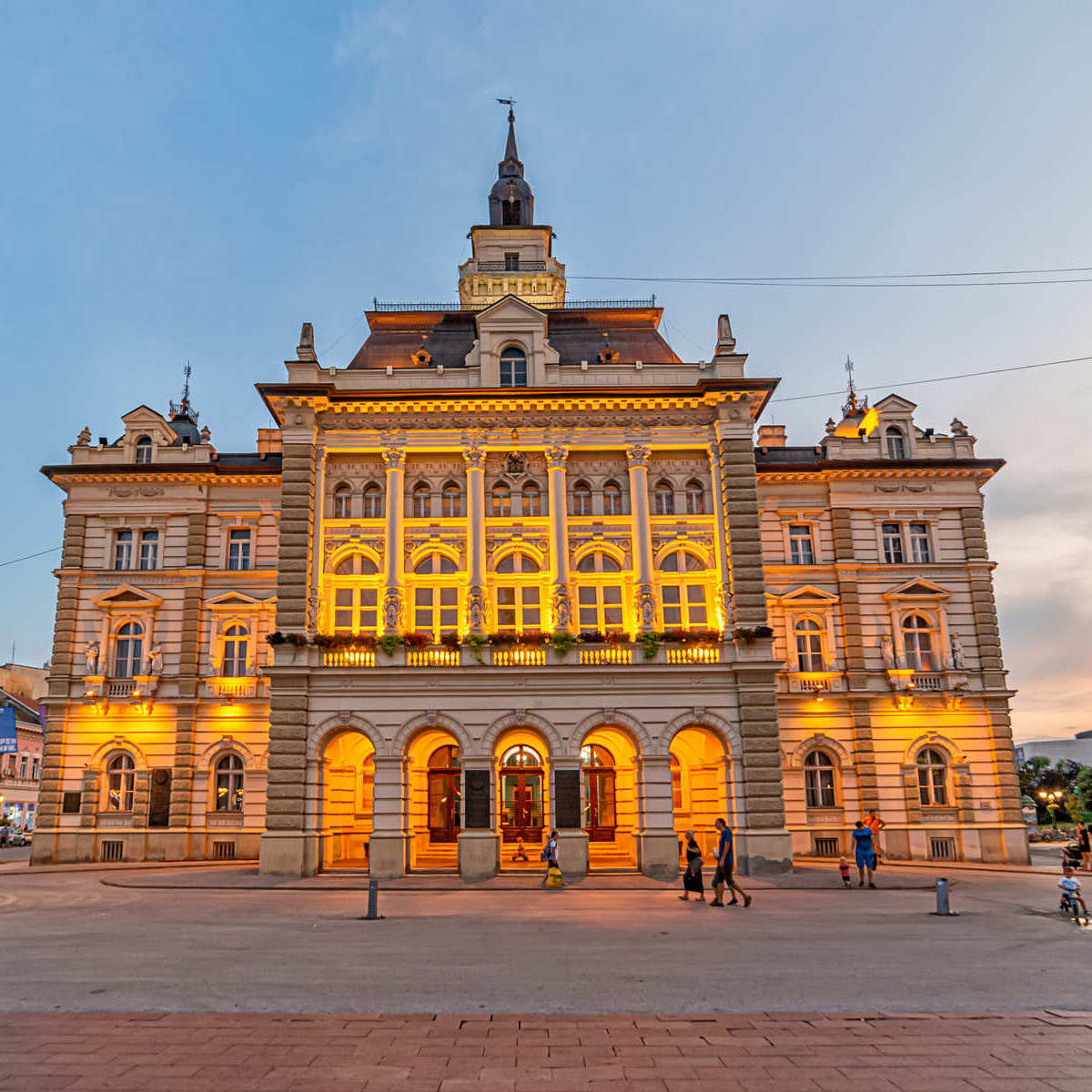
Trailing after a million-people-strong Belgrade, with a population of around 368,000, Novi Sad is often treated as Serbia’s second-best offer, but could it be that it’s just been overlooked all along?
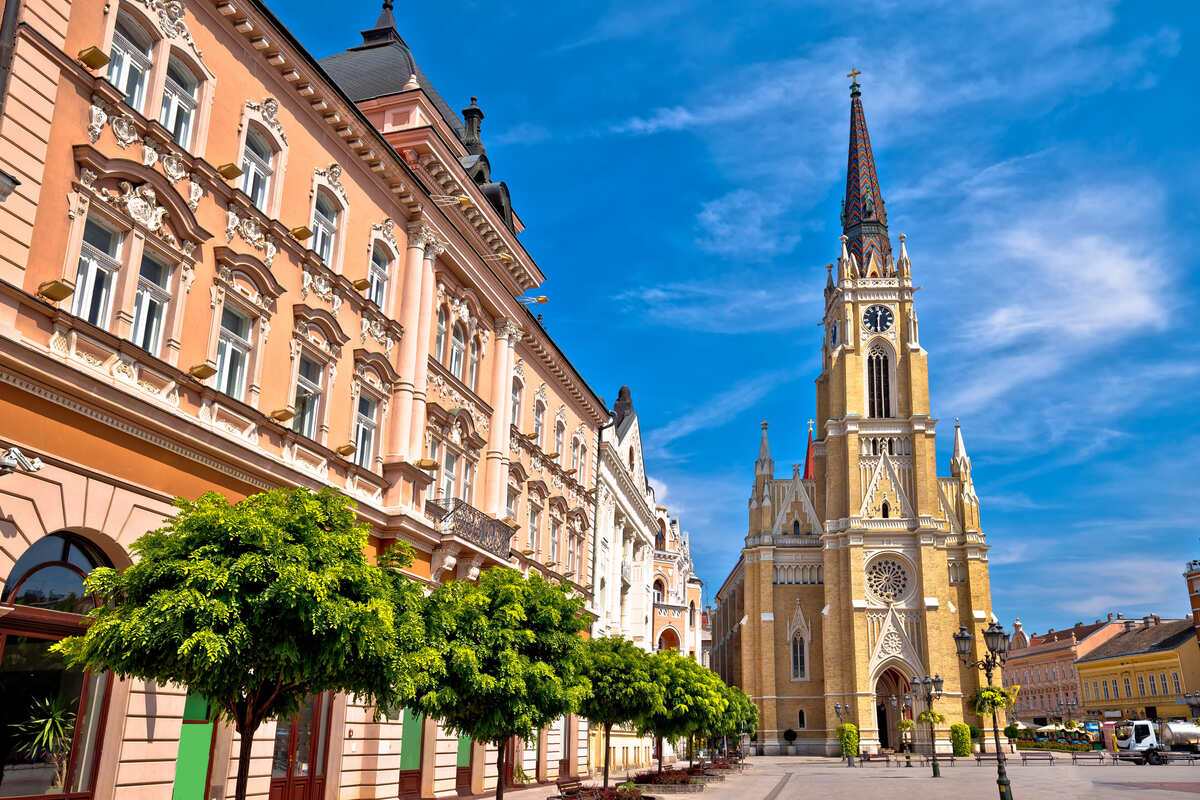
Home to a postcard Old Town, cut through with winding cobbled streets, peppered with traditional eateries, and dominated by a soaring Neo-Gothic cathedral, in a striking yellow, it is Belgrade’s more calm, idyllic sister.
Much like the Serbian capital, it sits on the banks of the Danube, lined with an imposing Petrovaradin and inviting riverside bars, and it just exudes Old World charm.
According to Radical Storage, Novi Sad boasts a whopping 102 attractions rated over 4/5 stars. With an average meal price of $9.80 per person and hotels costing roughly $ 39 per night, it ranks among Europe’s most affordable city breaks.
Cluj-Napoca, Romania
Instead of Bucharest
Unless you’re particularly enthusiastic about communist building blocks and that 20th-century modernist blight, chances are you won’t find what you seek in Bucharest, Romania’s sprawling, overly gray capital.
Now, if you’re dreaming of pointy church spires, narrow winding lanes, and Transylvanian aesthetics, you should head to Cluj-Napoca instead:
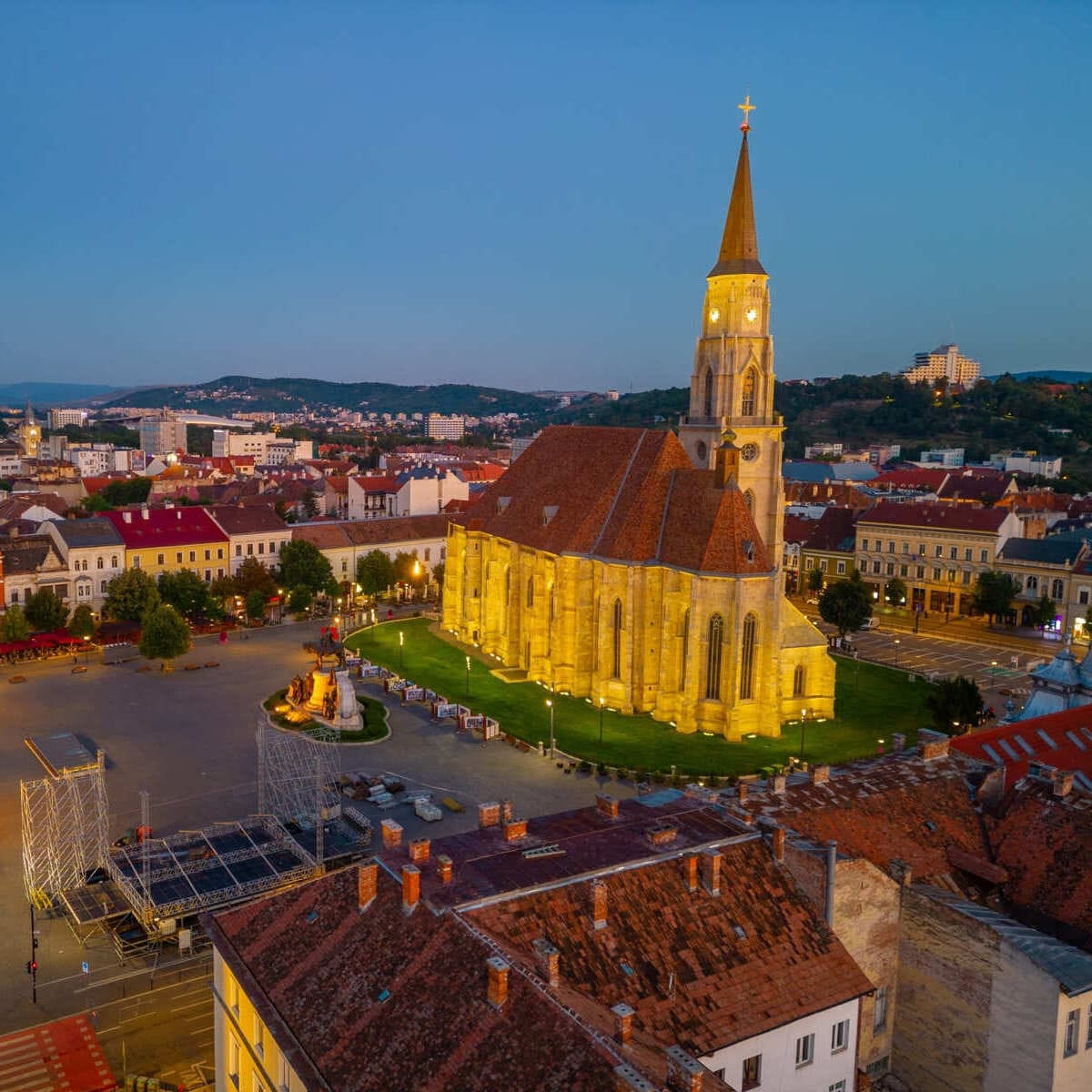
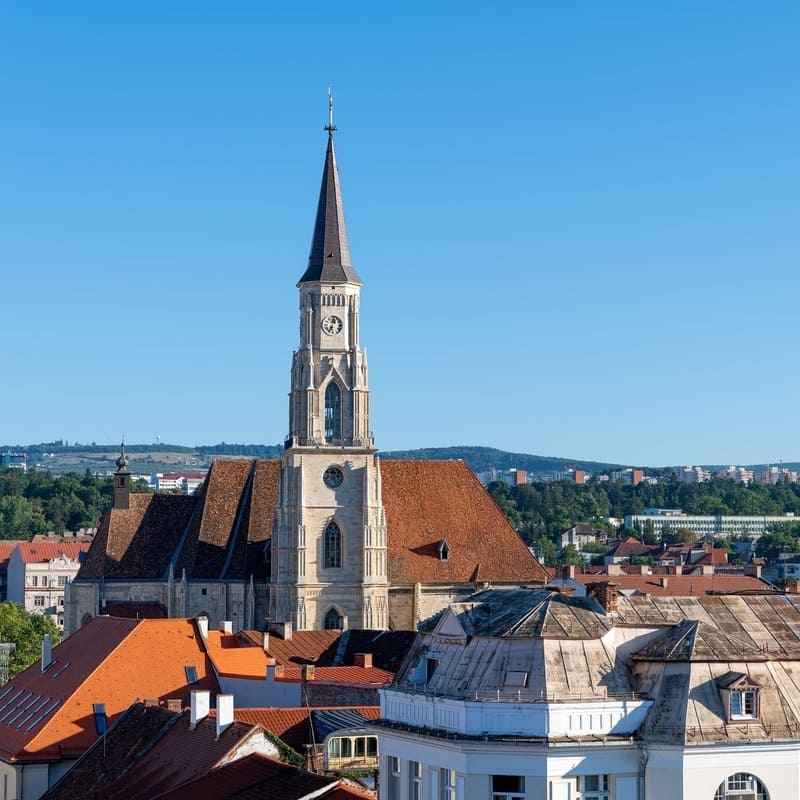
Boasting less urban pollution and more medieval allure than Bucharest, the beautiful Cluj is characterized by its lush gardens, most notably Cetatuita Park, landmark Saint Michael Church, a Gothic marvel dating back to the Middle Ages, and proximity to nature.
The mystic Hoia-Baciu Forest, famous for its twisted trees, is a short half-hour drive away, and Cluj itself is a gateway to the verdant Apuseni Mountains, a hiker’s paradise in central Romania.
As a cultural hub, it features 155 attractions with 4 stars and above, and its restaurants are equally well-rated.
Speaking of food, ordering yourself a Transylvanian lamb stew with onion and some beer will set you back by no more than $7.95.
Kutaisi, Georgia
Instead of Tbilisi
Last but not least, Tbilisi has become quite the trendy off-path destination in recent years since its discovery as a digital nomad hub.
Other than remote workers, short-term visitors have been flocking there for the great wine—did you know Georgia is where wine was invented?—lively social scene, and ancient sights, but very few have been said about Kutaisi.
Georgia’s second-busiest hub, and a fast-growing metropolis in the wine region of Kakheti, it makes for a great Tbilisi dupe due to its historical significance and natural attractions.
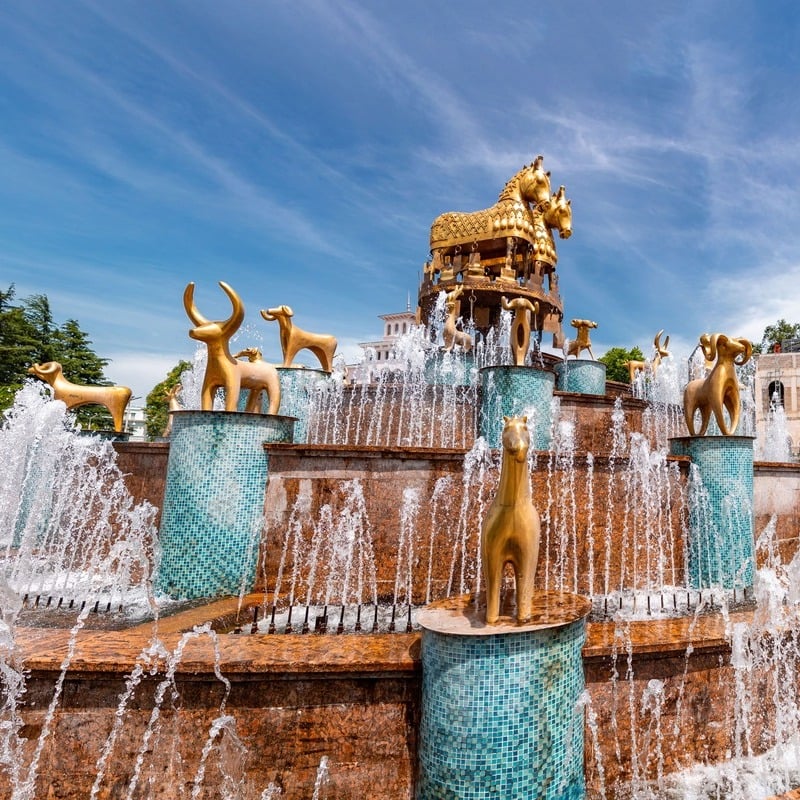
Perched on a hill overlooking the city, the medieval Bagrati Cathedral is one of the largest in Georgia, and in the very center of town, the monumental, gold-clad Colchis Fountain celebrates the country’s rich past.
Other must-sees include the Soviet-era State Opera and the Green Bazaar, a farmers market where you can buy freshly-baked Georgian dumplings and homegrown wine straight from Georgian hands.
In the vicinity of the city, you’ll find an UNESCO-listed Gelati Monastery, the aeons-old Prometheus Cave, a complex system of underground rivers and naturally-illuminated stalactite chambers, and the emerald-green Martvili Canyon.
Additionally, you’ll be spending an average $42.33 per night in hotels here, compared to Tbilisi’s pricier $63.60.
Vini, our senior lead writer at Travel Off Path, has over 60+ countries under his belt (and currently weaving tales from Paris!), and a knack for turning off-the-beaten-path experiences into informative stories that will have you packing your bags.
The Travel Off Path Advantage: Your Travel Toolkit
Subscribe To Our Latest Posts
Enter your email address to subscribe to Travel Off Path’s latest breaking travel news, straight to your inbox.
If you’re an American flying to Europe in the near future, there are 3 big changes coming to all European airports you should be aware of if you plan on having a smooth ride in and out of the Old Continent––or even being allowed to enter at all.
As you might already know, Europe has been slowly tightening entry controls for foreign visitors in recent months.
This trend is bound to accelerate from 2025 onward, when a new border policy will take effect, affecting all travelers, including Americans.
Enough said.
What are these proposed 3 changes impacting airport arrivals Brussels is so keen on introducing?
Liquid Limits Are Coming Back
The first one comes into effect from September 1 already, and it’s relating to the limit of liquid items you can carry traveling airside in Europe: after promising to do away with the 100ml rule, they’re in fact bringing it back.
Over the years, several airports in the European space have either relaxed or removed the dreaded liquid rule, in anticipation of a Europe-wide reverse of the 2006 aviation ruling, including major transit hubs like Dublin Airport and Amsterdam Schiphol.
The phasing out featured the trialing of more sophisticated C3 scanners and speedier, more efficient screening––sadly, plans to carry on to the final phase have fallen through, as the latest European Commission-issued regulation officially reinstates the liquid requirement.
According to the Commission, this is a ‘precautionary’ step to address a temporary technical issue, not necessarily a response to security threats; still, it is set to send shockwaves through Europe’s largest airports that had already adopted less restrictive baggage rules.
According to Airports Council International Director General Olivier Jankovec, though security is ‘non-negotiable’, airports that have been ‘early adopters’ of the C3 technology will be ‘heavily penalized both operationally and financially’.
In sum, go back to keeping your liquids in containers under 100ml moving forward.
Fingerprinting For All Travelers
The next big change coming to European airports is more significant, and Americans will be among the first to feel the sting come November 10: fingerprinting and registration of all non-European tourists arriving at European borders will be mandatory.
This is part of the European Union’s new Entry-Exit System (ESS), which seeks to modernize border control and the screening of new passengers.
As you should know by now, you’re only allowed to remain in Europe’s Schengen Zone for 90 days out of any 180-day period.
In enforcing that, border officers often use entry and exit stamps to verify whether an individual has stayed beyond the permitted three months as a tourist, and needless to say, that’s far from the most reliable method.
With the EES, tourists will be obliged to provide their biometrics at the moment of their arrival in Europe so their movement into and out of the zone can be controlled.
As confirmed by EU Commissioner Ylva Johansson, passport stamps will then be a thing of the past.
The bad news? You should be prepared for some additional wait time landing in Europe as you get registered for the first time.
The good news? Your data will be stored for three years, so it’s likely you won’t have to get fingerprinted again during that period.
Entry Fee Traveling To Europe
Last but certainly not least, you’ll want to hold off booking those flights to Europe, at least until you’ve obtained permission to fly.
You’ve read that right: for the first time in recent history, Americans will require pre-authorization to travel to Europe.
Though it is not a formal visa, without it, you will no longer be allowed to board Europe-bound flights from mid-2025.
It is called ETIAS (or European Travel Information And Authorization System) and applies to all foreign citizens that are currently visa-exempt from visiting Europe––this includes Americans, as well as Canadians and British citizens.
Once the ETIAS platform is up and running, you will be able to apply fully online, and most applications will be processed within seconds to minutes.
You will need to fill out a form, answer questions regarding your personal background, and pay a 7-euro fee.
Once your ETIAs are approved, you will receive a 3-year authorization to travel delivered directly to your email.
Every time you fly to Europe within that period, you can present it alongside your valid ETIAS alongside your passport at the airport.
If your passport expires earlier than your current ETIAS, then you will need to reapply once you’re issued a new travel document––oh, and remember: though an ETIAS is valid for 3 years, that doesn’t mean you get to remain in Europe for 3 years.
It allows you to travel an unlimited number of times to the Schengen Area, so long as you adhere to the 90-day rule during each trip.
Vini, our senior lead writer at Travel Off Path, has over 60+ countries under his belt (and currently weaving tales from Paris!), and a knack for turning off-the-beaten-path experiences into informative stories that will have you packing your bags.
Opinions expressed here are the author’s alone, not those of any bank, credit card issuer, hotel, airline, or other entity. This content has not been reviewed, approved or otherwise endorsed by any of the entities included within the post.
Everyone knows someone who is preparing for a trip to Europe, with destinations like Italy, France, and Spain being the most popular European hot spots for American travelers.
But if you’re looking for an alternative that’s outside of the norm then why not consider the Algarve instead?
This stunning coastline is the jewel in Portugal’s crown.
And as an added bonus for travelers on a budget, it’s an affordable destination too.
Here’s what you need to know:
Why The Algarve?
Often called the “California of Europe”, the Algarve has been attracting growing numbers of American travelers this year.
In fact, The Portugal News reports that there has been a 70% increase in American visitors to the Algarve since when compared to pre-pandemic figures.
Don’t worry you probably won’t bump into your neighbors!
The number of Americans visiting Portugal is still much smaller than those visiting the UK, France, or Spain, for example.
But frankly, anyone who hasn’t visited this breathtakingly beautiful region is missing out.
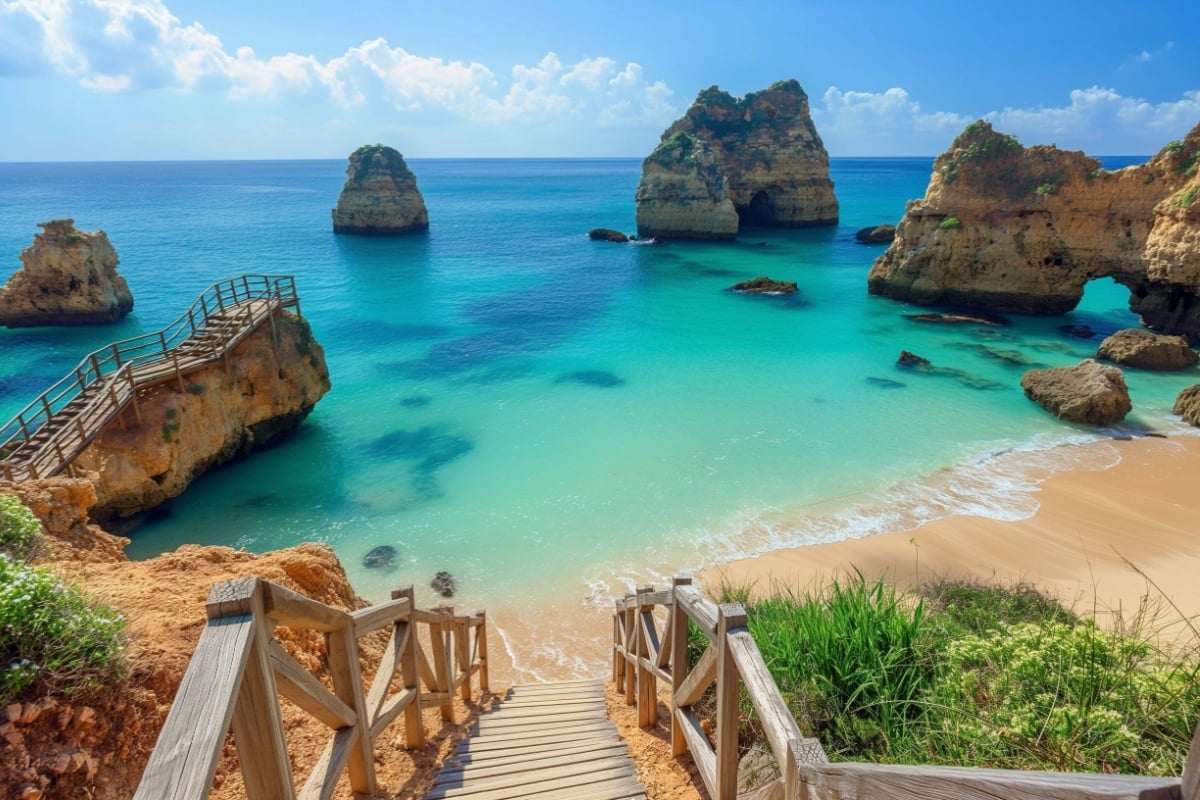
The Algarve is home to an incredible stretch of 155 km of unspoiled beaches.
There are a whopping 150 named beaches here as well as smaller coves and bays, so you’re never far away from soft fine sand and turquoise water.
If you can tear yourself away from the beach, the Algarve also boasts delicious cuisine, a fascinating cultural heritage, and, unlike other European destinations right now, a warm welcome.
As an added bonus, Portugal is a country with a high level of English proficiency, so you won’t have to worry about learning a new language or things being lost in translation on your trip.
Why The Algarve Is A Great Budget Option For American Travelers
Historically, traveling in Portugal has been much cheaper than traveling to other European destinations such as Italy, France, and even its neighbor Spain.
Whilst that gap has closed slightly in the post-COVID world, Portugal still remains the cheapest country to visit in Western Europe.
To test this theory, and give you an idea of how much your trip might cost, I’ve done some research and some sums!
Airfare To The Algarve
The most expensive part of any European vacation will be the airfare, and there’s no getting around the fact that a nonstop flight from the U.S. to Portugal won’t come cheap.
Faro is the Algarve’s regional airport and right now there isn’t a direct route to Faro from the U.S.
United Airlines had planned to launch a route between New York/Newark and Faro in May 2024, and this will still go ahead, but it has been delayed until summer 2025.
Because of this, most American travelers to the Algarve fly into Lisbon and then take the scenic train to the coast, so these prices are based on flights to Lisbon.
You can fly nonstop to Lisbon from Boston, San Fransisco, Miami, New York, Philadelphia and Washington D.C.
For flights from Boston to Lisbon travelling from September 9 to September 16 you will pay $797, at time of research. This flight is with Air Portugal.
For flights from Miami to Lisbon travelling from September 9 to September 16 flights are a little cheaper at $701. This is also an Air Portugal flight.
Eating And Drinking In The Algarve
The cost of eating out in the Algarve is incredibly affordable, especially compared to other European countries and definitely compared to dining out in the U.S.
Of course, there are pricier fine-dining restaurants, and the Algarve also boasts Michelin-starred restaurants with price tags that match their reputations.
But if you want to go to a traditional Portuguese restaurant, then you should expect to pay between €8-13 ($8.60-14) for a main meal.
If you head off the beaten track and avoid the restaurants aimed at tourists, then you’ll find plenty of great restaurants offering a menu completo (a complete 3-course menu) for €10 ($11) ahead.
As a self-respecting Brit, I couldn’t write about eating and drinking on vacation without mentioning the price of a pint! You’ll pay between €1.50-2.50 ($1.60-$2.70 ) for a local beer and around the same price for a glass of wine.
Portuguese wine is excellent, so there’s no need to pay more for imported brands.
Is this cheap? Well, for context, you’d pay €4-5 ($4.30-5.40 ) for a beer in Barcelona, and the average cost of a pint in London is £6.75 ($8.70).
So absolutely!
Where To Stay In The Algarve
There’s no shortage of high-quality beaches and high-quality tourist accommodation options in the Algarve. It has long been a popular vacation destination for both British and German tourists.
So where should you stay in the Algarve? Well for a first visit you should base yourself centrally and in one of the region’s larger towns.
Choose Albufeira if you’re looking for a lively atmosphere and easy access to some of the Algarve’s most beautiful beaches.
Alternatively, Faro is a great pick for a more laid-back and culturally rich vacation experience.
I looked at some accommodation options to go with those September flights I found above.
And a 7 night stay in the 3 star Hotel Ibis Faro Algarve will cost just $795 or $113 per night. If you prefer a 4 star hotel then the Hotel Monaco is coming in at $1,048 or $149 per night. These prices are based on 2 people sharing.
If you’re traveling on a tighter budget, then there are holiday apartments available in both Faro and Albufeira starting from just $40 per night.
Tor has been writing for more than 20 years and has visited 25 countries (and counting!) She specializes in European and family travel and never says no to new adventures.
Opinions expressed here are the author’s alone, not those of any bank, credit card issuer, hotel, airline, or other entity. This content has not been reviewed, approved or otherwise endorsed by any of the entities included within the post.
Does the thought of a scorching 100°F heat, raging wildfires that every now and then lead to the evacuation of resort strips, and unsustainable mass tourism put you off visiting Southern Europe this summer?
You’re not the only one:
A growing number of travelers are actively avoiding Spain, France, Italy and the like, as visitor numbers and temperatures soar past manageable levels.
But if you’re still eager to experience some culture while enjoying cooler weather and beating the crowds,we have an alternative for you.
Just off the coast of Northern Norway, the Lofoten offers unrivaled natural scenery, Scandinavian heritage, and most importantly, milder weather:
What Is Lofoten, Even?
Norway’s most famous archipelago, Lofoten, is a collective of seven main islands connected by manmade bridges and narrow nature-made crossings, like a once-intact peninsula that has been broken into smaller pieces.
It is quite remote, and you’re unlikely to see crowds of tourists disembarking here, even at the peak of cruising season, which makes Lofoten particularly appealing to actual travelers who want to get off the beaten track, and immerse themselves in the local culture.
Norway as a whole is already a great destination for escaping the hustle and bustle of Europe’s big cities, as it is mostly rural, traversed by towering highlands and winding fjords, but these islands give idyllic a whole ‘nother meaning:
Summers Are Always Much Cooler Up Here
Lofoten has unique geological features, being characterized by jagged peaks, sheltered bays, and undisturbed Arctic nature.
You read that right: as it part of the Nordland county of Norway, it sits above the Arctic Circle.
It’s never too warm in Lofoten, even at the peak of summer, when other destinations in Southern Norway can easily reach highs of 86°F, and you can expect pretty mild temperatures, ranging between 73.4°F during the day and 57.2°F at nightfall.
As we like to say, shorts out when the sun’s out, long-sleeve shirts––and maybe a cozy, lightweight summer cardigan––after sundown: believe us, you’ll be spending a lot of time outside in Lofoten, and if you love the great outdoors, you’ve definitely come to the right place:
What Makes Lofoten So Special?
This is a natural oasis of crystal-clear lagoons and scenic mountain ranges and it’s beautiful regardless of season, but we’ll argue summer is probably the best period to visit, as the seas around Lofoten are not frozen, snowing is restricted to some mountain peaks, and daylight hours are plentiful.
Whether it’s an evening kayak tour off the Svolvær coast, when the sun’s setting over the mountains, or a guided summiting of the landmark Svolværgeita, there are countless activities to keep the adventurer in you entertained over a long weekend, if not a whole week.
To give you a bit of a headstart, these are 5 of the most unique guided tours in Lofoten and their prices:
Perfect for visiting smaller islands only accessible by boats and secluded beaches.
Ideal for those who want to get active, and experience the wild Arctic nature up close
The easiest way to visit Værøy Island and its sleepy fishing villages on a day trip
An open boat tour across one of the most breathtaking fjords in Norway––what more could you ask for?
Your best chance to spot the elusive lights in a Northerly location while it’s still not the freezing winter
*This tour is offered from late August only, when aurora activity resumes in the Arctic
It Has Some Amazing Free Activities
That being said, nature in Norway is free to explore, and everyone has the right to roam freely in it:
There are beautiful spots all around Lofoten, including unspoiled beaches with gleaming-white sands, like Haukland, on the island of Vestvågøy, elected Europe’s finest this year by Lonely Planet, and Punn Beach in Værøynd.
Just don’t, you know, jump in the water expecting it to be as warm as the Mediterranean, or you may be in for an unpleasant surprise.
For enthusiastic hikers, Tjeldbergtind is a popular mountain to conquer.
It takes roughly two hours to complete and offers priceless views of the archipelago’s snow-dusted peaks and the several tiny islets scattered along the bay.
A 2 hours up and 2 hours down trail, the eerie-sounding Devil’s Gate (Djevelporten) is where you find Norway’s second-most iconic suspended rock lodged between two cliffs, after the one in Kjeragbolten:
Visitors commonly pose for pictures on top of it, and though accidents have not been recorded, do so at your own risk––of course; the most fascinating part is the sweeping panorama of the rocky formations bounded by azure waters in the distance.
Near Moskenes, the Reinebringen hike is another must-do.
It rises as high as 448 meters above sea level and is best enjoyed between May and September when it’s not super chilly to climb and the sun’s relatively warm and pleasant.
There’s certainly no shortage of nature-made wonders to admire around Lofoten, and hiking options are numerous, but if you’re searching for something manmade and truly unique, the walk from Nusfjord to Nesland should be at the top of your list.
Nusfjord is one of the oldest villages in Lofoten, and if you’re planning on staying overnight to complete the hike at a relaxed pace, consider booking a cottage stay with fjord views at the marvelous Nusfjord Arctic Resort, starting from $282.59 a night this summer.
The pathway to the equally picturesque village of Nesland can be steep and strenuous in certain sections, but the completely undisturbed Arctic nature makes it all worthwhile.
Has Lofoten Got Anything To Offer On The Culture Front?
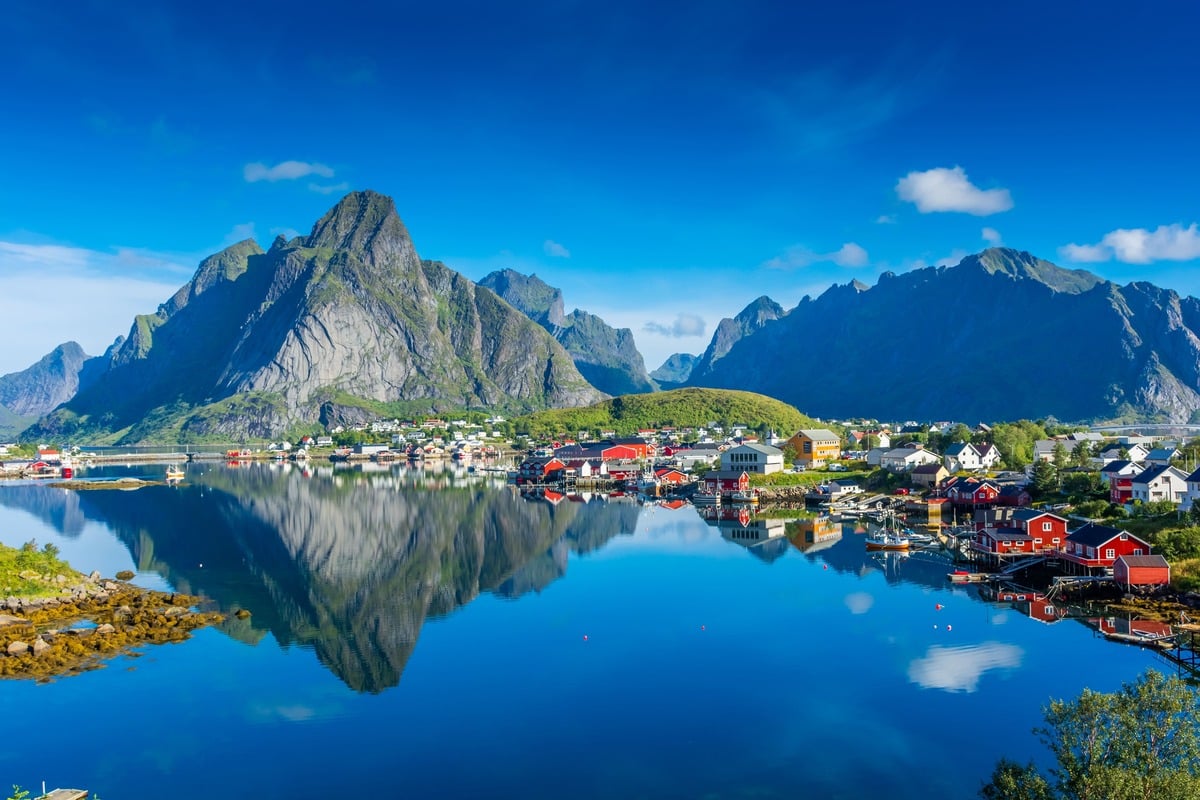
You’ve likely come all the way to Northern Europe to experience some of that Old World, Scandi charm, and you’ll be thrilled to learn that one of the most beautiful towns in all of Norway, the postcardy Reine, sits on a small bay on Moskenesøya Island.
With its vividly red, wooded houses, Reine must (probably) be the most-photographed spot in the archipelago, but its largest town, often called ‘smallest big city in the world’, is the surprisingly-lively Svolvær:
As pretty as the other villages are, this compact regional ‘capital’ is the best place to stay in Lofoten, with its World War II memorial museum, art galleries, casual seafood restaurants, and well-equipped tourist facilities.
If you’re looking for an authentic restaurant to sample Norwegian food––they do have the best-smoked salmon in the world––make sure you add Børsen Spiseri, in the heart of Svolvær, to your list.
Norway is known to have some of the highest prices in Europe, and accommodation is no exception to the rule, but there are still a fair few good deals to be found around Lofoten, particularly in Svolvær, where there are more listings to choose from.
For example, an overnight stay at the privately-managed Kule gule huset guesthouse will only set you back by $89 per night on wide-availability dates this summer, while a double standard room at the centrally-located, basic-amenities Marina Hotel costs an acceptable $143 to book.
Those would be on the cheaper end, but of course, room rates can go much, much higher once you start looking for some more comfort and maybe a continental breakfast included.
What we’re trying to say is that Lofoten is definitely not the cheapest summer adventure to embark on once you start adding secondary expenses, like car rentals–trust us, you will need one to get around unless you fancy walking long distances or taking ferries–but it is worth a shot.
Vini, our senior lead writer at Travel Off Path, has over 60+ countries under his belt (and currently weaving tales from Paris!), and a knack for turning off-the-beaten-path experiences into informative stories that will have you packing your bags.
Opinions expressed here are the author’s alone, not those of any bank, credit card issuer, hotel, airline, or other entity. This content has not been reviewed, approved or otherwise endorsed by any of the entities included within the post.
We get it, it is home to the most beautiful, unspoiled coastal scenery, waters of the brightest-blue, and picture-perfect towns that look ripped out the pages of a fairytale novel, but there’s just one catch many are failing to take into consideration.
Never mind the overtourism and inflated prices, it isflaming hot right now, with wildfires raging on in Greek islands and travel alerts being issued for parts of Spain and Italy as temperatures soar above safe levels:
We’re not talking a cozy, balmy warm; we’re talking torrid, unmanageable, get-me-out-of-here kind of warm.
Seeing some hotels in Greek islands already being evacuated again as dangerous fires break out, we wouldn’t be the first ones to bank on a Mediterranean getaway this season.
But there may be an alternative.
Away from the Med, there’s this paradisiacal Portuguese island with emerald nature and perfect weather––not unpleasantly warm, but not too chill, either––and you can even fly there nonstop from the States:
It’s Time You Stop Sleeping On Madeira
Though it is hundreds of miles away from Portugal’s mainland, and in fact, closer to the coast of West Africa than it is to Europe, Madeira is a remote Atlantic island the Portuguese have held since the 15th century, and believe it or not, an increasingly-popular year-round destination.
Before we get to the actual good stuff, here’s a couple of equally-interesting facts about Madeira:
Despite being an integral part of Portugal, it is a self-governing autonomous community with a distinct character, and at times, you might even struggle to consider both as being part of the same national entity.
For starters, mainland Portugal is much older: its History starts as far back as Gaelic tribes and the Ancient Roman Empire, and similarly to Spain, it has verdant plains, a sandy coast and exceedingly-high temperatures over summer.
Madeira is a volcanic island traversed by towering peaks. As it is nearer the tropics–once again, it’s in proximity to Africa as opposed to its home continent–seasons are not as well defined as they are in the European mainland.
Now we get to the good part.
Why Madeira Is A Year-Round Sunny Paradise
Madeira is nearer the tropics, where the climate remains largely at a constant irrespective of seasonal changes, and come summer or winter, it’s never too hot, nor too cold to visit:
Right now in Funchal, the coastal capital of Madeira, it’s a pleasant 82.4°F during the day, dropping to 71.6°F in the evening, while other parts of the island that are higher up, it ranges from 55.4°F to an acceptable 69.8°F.
The trend repeats itself throughout the year, with an only-moderately chilly 69.8°F in Funchal in December, and some rain expected, but not an awful lot.
As you might have guessed, wildfires over summer are an uncommon occurrence, and when winter comes, snow is an even rarer phenomenon unless you’re climbing up to some of the tallest peaks where some dusting is expected.
In other words, you won’t be risking heat exhaustion while exploring Madeira, and boy, is there an entire world of natural wonders to be braved:
The Most Beautiful Nature Anywhere In Europe
Mainland Portugal is best known for its rich Ancient Roman and Baroque heritage, with cities like Lisbon and Porto concentrating a great deal of the country’s regal palaces and most ornate churches, but Madeira, on the other hand, is all about the thriving nature.
We’re talking epic hikes into the sunrise, swimming off a pristine, rugged coast in nature-made volcanic pools, footpaths locally known as levadas that lead to lush-green jungles and hidden waterfalls, and botanical gardens that seem to be in a permanent state of bloom.
It’s no wonder Madeira is called Land of Eternal Spring (it might as well be):
Epic Hikes Await
The most epic hike in Madeira, the climb from Areeiro to Ruivo Peak, takes you through highland scenery, crossing tunnels and zig-zagging across the dramatic landscape.
In the end, you are rewarded with sweeping vistas of the sea of mountains from the island’s tallest summit.
Get your comfy hiking shoes on, and make sure you pack plenty of water bottles and protein bars: there’s no stopping once you cross the infamous Stairway to Heaven (and if you suffer from vertigo, make sure you don’t look down).
Luckily for beginners like us, we can always book a sunset hike tour dropping us off at the first peak, and then proceed to summit the second––and highest one––before getting picked up again, for a fixed price of $35.98 on GetYourGuide.
There are many more peaks to conquer all around Madeira, 147 mountains to be precise, but you’ll want to set some time aside for some beachside relaxation.
Volcanic PoolsAnd Mystical Forests
For that, head to Porto Moniz, in the island’s north, where you’ll find some of the best volcanic pools with crystal-clear water, which as you may know, are not as easy to come across in the Atlantic as they are in the Med.
Porto Moniz is also a lively resort town lined with beachfront hotels and oceanfront restaurants, and it’s one of the gateways for reaching the UNESCO-listed Fanal, an eerie ancient forest dating back millions of years that’s best experienced at dawn, when the mist is yet to dissipate.
Perhaps the most iconic postcard shot in all of Madeira, Valley of the Nuns is yet another popular stopover for nature enthusiasts: a sleepy isolated village nestled in the center of a valley, it is flanked by imposing fog-crowned elevations almost bordering on ethereal.
For those epic coastal views, drive towards Ponta de São Lourenço, Madeira’s easternmost tip, and a rocky peninsula jutting out into the azure Atlantic: the kind of stuff that needs to be seen with your own eyes to be believed.
Has Madeira Been An Underrated Cultural Hotspot All Along?
The nature may be the star of the show in Madeira, but let’s not forget about its cultural contributions:
More specifically, the capital, Funchal, is a prime example of Portuguese colonial architecture, with its old cathedral, built from blocks of native volcanic rock and with a magnificent roof of cedar wood, the late medieval Convent of Santa Clara, and a well-preserved Old City.
Taking the cable car from the maze of cobbled streets starting from the ever-busier Central Market, you’ll hover above the terracotta roofs of historic Funchal, all the way up to the hilly suburb of Monte (translatable as Mount), best known for its exotic Tropical Garden.
For enthusiasts of recent history, particularly football, you don’t want to miss the CR7 Museum, which is celebratory of Funchal’s biggest international export: Cristiano Ronaldo, who was born and raised in Madeira before taking on the world.
Funchal is up there with Lisbon as one of Portugal’s trendiest summer getaways, and one of Europe’s fastest-growing city destinations, according to a recent research published by ForwardKeys.
A short 24-minute drive from Funchal, Ponta do Sol is a dreamy oceanfront village surrounded by banana plantations, and its Nossa Senhora da Luz Church is among Madeira’s last-surviving from the early colonial settlement.
Further west of Ponta do Sol, the laid-back coastal town of Ribeira Brava is perfect for unwinding, sampling traditional Portuguese food––the drenched-in-oil lagareiro octopus is a must-try delicacy––and going for long promenade walks.
On the north coast of the island, there is yet another cultural hub to be found in Santana, where houses are built in a unique triangular shape, and topped with thatched roofs––in the center of town, the whitewashed Baroque Santana Church is not to be missed.
Madeira Is Incredibly Affordable By European Standards
Budget-wise, Madeira is one of the cheapest summer hotspots in Europe at present, with particularly-low prices observed for food and drinks, and attractive room rates.
With local restaurants boasting an abundance of local produce and many tourism providers (hotels included) growing their own vegetables and fruit, consumer prices in Madeira are markedly lower than those in the European mainland.
On average, tourists spend $34 on meals per day, as estimated by Budget Your Trip, though that is unlikely to include elaborate, three-course dinners in Funchal’s top-rated Alta Vista Restaurant.
If you’re keen on keeping costs down, there are still plenty of $1.50 custard tarts, Portuguese-style, delicious $3 savory pastries, and $2.18 poncha shots to be had.
As for accommodation, the average visitor spends $113 per night on hotels, though there’s far-cheaper privately-managed guesthouses listing rooms from $68 on Booking.com, like Residencial Chafariz in Funchal, and Pensão Fernandes in Porto Moniz, costing $87 to book per night.
Overall, a one-week trip to Madeira can cost $701 per person, or the equivalent in euro, excluding flights.
Fly Nonstop From Boston And Toronto To Madeira
Recently, Portuguese carrier Azores Airline launched new nonstop flights from Boston, Massachusetts (BOS), and Toronto, Canada (YYZ) to Funchal (FNC), eliminating the need for Americans and Canadians alike to first touch town in continental Portugal ahead of connecting onward to Madeira.
On both routes, flights operate weekly, with departures from Boston on Tuesdays and returns from Funchal scheduled for the following Wednesdays; as for Toronto, departures take place on Saturdays, and homebound flights leave on Fridays.
Azores Airlines has deployed a Boeing 767-300ER on the new routes and plans to maintain this Transatlantic service throughout the peak travel season.
On top of Boston and Toronto, Azores Airlines already transports passengers from New York (JFK) to Funchal every Sunday, with return trips scheduled for Mondays.
Vini, our senior lead writer at Travel Off Path, has over 60+ countries under his belt (and currently weaving tales from Paris!), and a knack for turning off-the-beaten-path experiences into informative stories that will have you packing your bags.
Opinions expressed here are the author’s alone, not those of any bank, credit card issuer, hotel, airline, or other entity. This content has not been reviewed, approved or otherwise endorsed by any of the entities included within the post.