As American tourists return to Europe in droves, it’s becoming harder than ever to find off-the-beaten-path destinations.
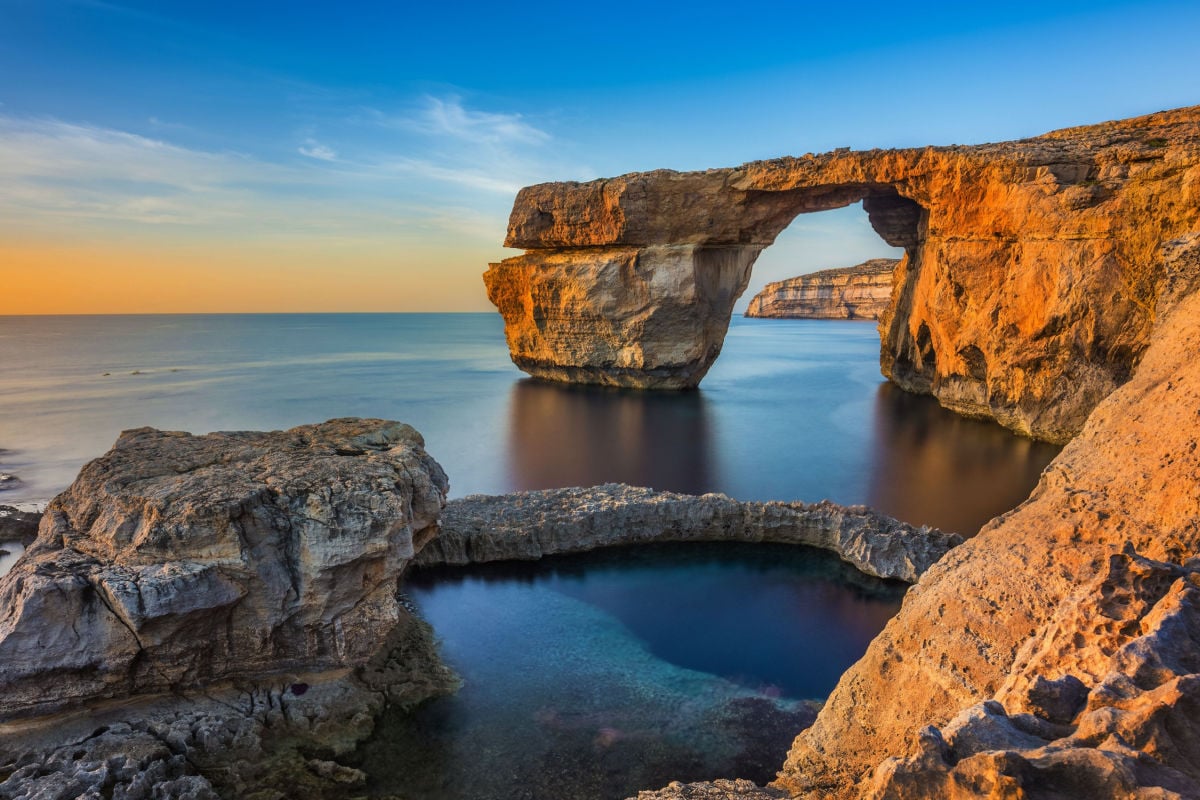
But if you want to get ahead of the curve and visit Europe’s next hot spot that is a truly beautiful destination before everyone else, then now is the time to head to Malta.
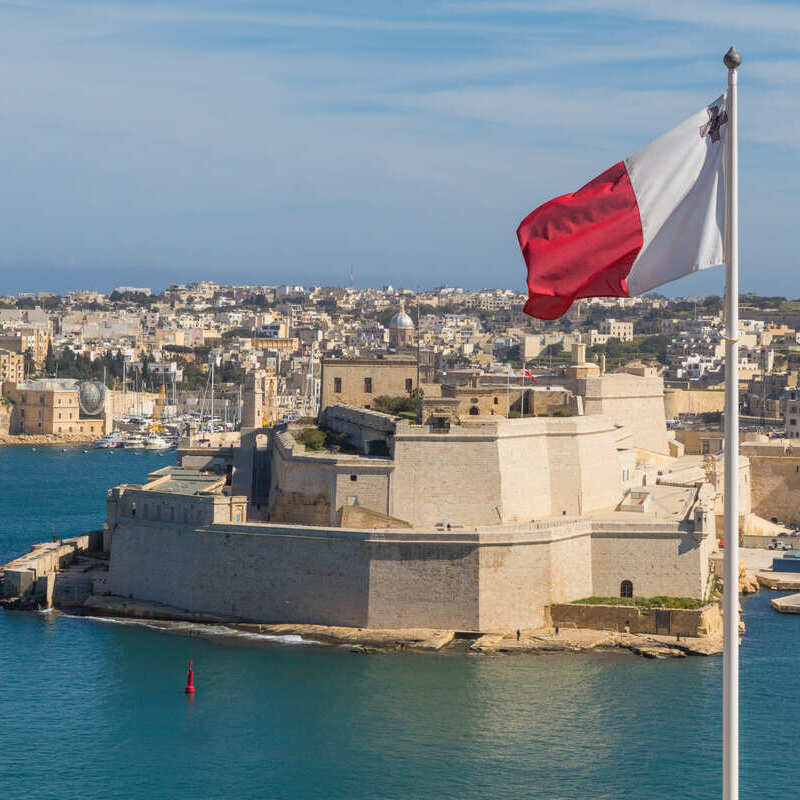
Malta is a small European island nation situated in the middle of the Mediterranean Sea. It is just 50 miles south of Sicily, and the nearest nations to the east and north are the African nations of Tunisia and Libya, respectively.
Malta boasts a year-round Mediterranean climate and a host of cultural and historical attractions. It is a popular stop for smaller cruise companies such as Viking and Ponant but isn’t yet on everyone’s travel radar.
Here’s why now is the time to visit:
Tourism In Malta Is Still Growing
In 2022, Malta welcomed 2.3 million visitors, making it their busiest year ever. These figures are only forecast to grow in 2023.
But these tourism levels are relatively low compared to other European destinations. Croatia received 15.3 million visitors in 2022, for example, while France welcomed 66.6 million tourists in the same year.
This means that while tourism in Malta is certainly growing, earning the nation the title of Europe’s next hot spot, and you will find a number of tourists at their larger cultural attractions, you’re unlikely to find them uncomfortably crowded.
Visiting now will mean that you can explore Malta’s three Unesco World Heritage Sites at your own pace, without the masses that other European World Heritage sites attract during the summer months.
Malta Blends The Best Of Two Continents
Its strategically important location between Europe and Africa means that Malta’s architecture and attitudes combine a unique blend of European and Arabic influences.
This is reflected in the names of the streets and the people you will meet, the winding cobbled paths, and its ancient heritage sites. The best example of this is the Maltese language itself, which mixes Arabic with Italian, French, and English.
Malta offers the best of two very different worlds. Visitors can experience the best of Africa and the best of Europe in just one vacation and one location.
Malta Is Easy To Navigate
A handy hangover from the years of British rule, which began in 1814, is that English is widely spoken in Malta. This makes the country incredibly easy to navigate for English-speaking tourists.
Whether you’re ordering dinner or hailing a taxi, it will feel stress-free and comfortingly familiar in Malta.
Malta is also geographically easy to navigate. The capital city of Valletta, a walled city that is the cultural hub of Malta, is relatively small and can be comfortably explored on foot.
If you don’t stop for sightseeing or coffee breaks, then you can walk at a gentle pace from Fort St Elmo on one side of the city to the Valletta City Gate on the other in around 30 minutes.
This same rule is also true of Malta’s other cities and towns. But this is hard to do, because there is so much to stop and see on your way!
Plenty Of Art and Culture
Although Malta is a relatively small island nation, it boasts an abundance of art and culture to attract tourists.
There are 365 churches in Malta: one for every day of the year. Each of these churches has its own charm, and many also have incredible art collections.
Italian Renaissance master Caravaggio’s most famous painting, a large piece entitled “The Beheading of St. John the Baptist,” is located in Malta’s St John’s Co-Cathedral. Although a hugely important work of art, the church is rarely crowded.
If you prefer modern art, then the Valletta Contemporary Art Gallery is situated close to St John’s Co-Cathedral, and is considered to be the best art gallery on the island. Valletta Contemporary showcases the work of influential local and international contemporary artists.
The Chance To Island Hop
Finally, while tourists commonly think of Greece or Croatia when they think of an island-hopping vacation, it is also possible to island-hop in Malta.
Malta is the largest of the three islands in an archipelago, and all three are easy to reach and explore in one relatively short vacation. Malta is the largest and most significant of the islands.
The smaller island of Gozo is accessible from the main island of Malta by ferry or private charter. It is best known for its lush greenery and is a great place to explore unspoiled beaches or hike through the countryside.
The final and smallest island is Comino, with a total area of just 3.5km. This island is largely uninhabited but is popular with tourists and day trippers hoping to explore its beautiful beaches or snorkel in its clear and calm waters.
Now is the time to explore everything all three of these islands have to offer before Malta cements its reputation as a ‘must visit’ nation and the crowds descend.
Landlocked in Eastern Europe between Romania and Ukraine lies an under-appreciated country that doesn’t get enough attention. Ranking last in Europe’s tourism numbers, Moldova simply deserves better. Especially during unprecedented times when “Eastern Europe” and “Ukraine” can be trigger words used to entice fear given the ongoing attacks from Russia.
Contrary to popular belief, Moldova is safe. It is unique. It is a place that should be explored and appreciated for standing firm in its identity. Moldova doesn’t need the glitz and glamour to become an attractive destination to travelers.
The Ever-Evolving Capitol: A Gateway Into Moldova
Tourism numbers have always been on the low end for this country, but it doesn’t have to be that way. More airlines are beginning to fly here to the capital, Chisinau, making it more accessible than ever for those willing to give Moldova a chance.
Chisinau is the biggest city in the country, with remnants of its Soviet past everywhere. Keyword: past.
There is no active threat to travel here as it relates to their neighboring country’s war. Chisinau has an interesting reputation even without travelers’ hesitation to visit. It would be hard to argue that the city is different than one might expect when they envision Europe. Visitors will not see a lot of color or pizzazz. That’s just not how Moldova rolls.
When you are the poorest nation on the continent, you appreciate what you have. That is what makes Moldova exceptionally beautiful.
The capital city has undergone many identities since its independence in 1990. Worth a visit all on its own; exploring Chisinau is not about getting the perfect selfie or eating picture-perfect food. It’s about getting a local feel of Moldovan life to gain a new perspective.
Check out a variety of museums, such as art and history
Take a walk through one of many parks to choose from
Visit the local market
Go to a cafe
Moldova Comes Alive At Night
Like any other major city, one might hear the background noise of car horns, dogs barking, or sirens every so often. Other than that, Chisinau is relatively quiet most days.
That changes when the sun goes down. This is where travelers might feel as though they’re in Europe again. Chisinau can go toe to toe with any European city that knows how to party.
New bars, restaurants, and clubs are packed on weekends near the historic city center. Whether visitors are looking to pull an all-nighter fist-pumping to local DJs or just show off their karaoke skills, there is something for everyone.
Get Outside The City Life
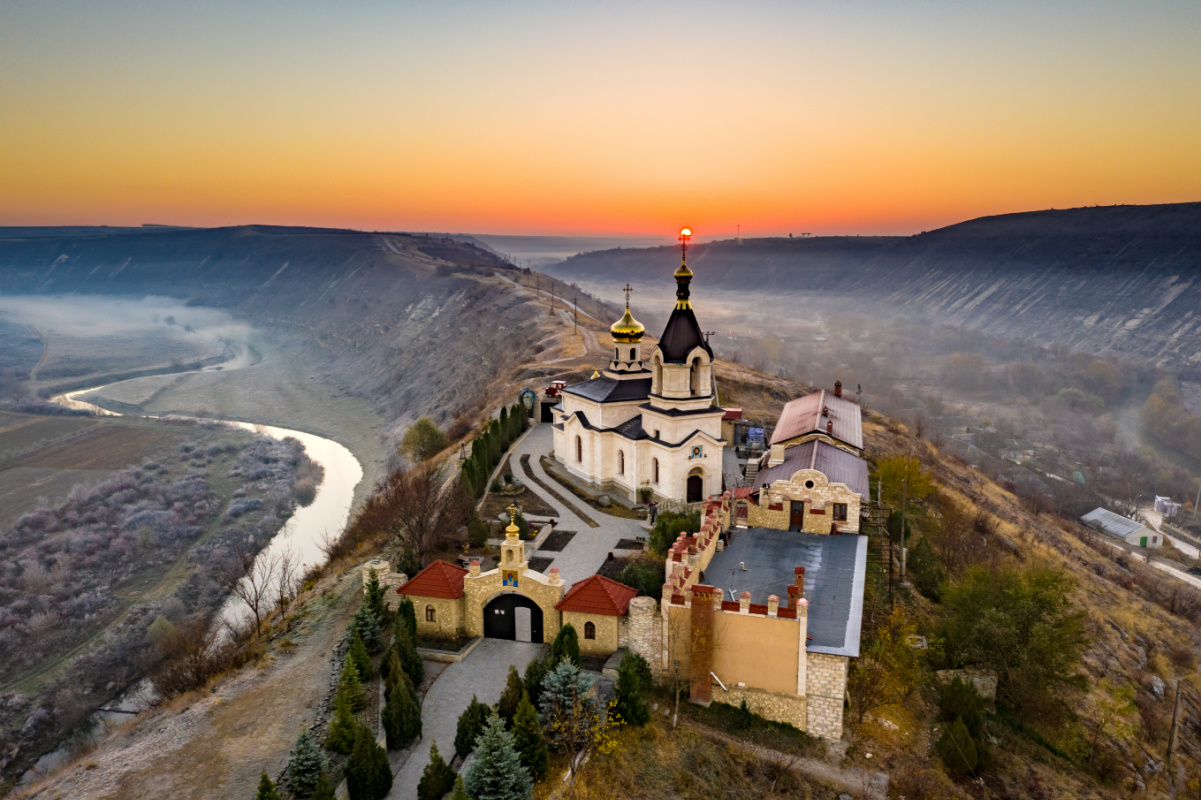
Moldova is home to multiple monasteries an hour outside Chisinau, the most popular being the gorgeous Old Orhei, which also has caves kept mostly intact to display the history of monks in the region. This place is surrounded by beautiful scenery of the countryside where recent travelers rave its “magical” and “definitely worth a visit”.
There is also the Hancu Monastery, as well as the Capriana Monastery, a 15th century time capsule where recent visitors noted the cleanliness and preservation of such an important piece of history.
Never-ending Wine
Possibly Moldova’s greatest attraction and best-kept secret are the various options to get a taste of locally produced wine.
In fact, Moldova is home to the largest underground wine cellar in the world!
There are 142 wineries spread across the country, but not all of them offer tours to the public.
One of the more popular wineries is known as Milestii Mici. Designed like a fortress from the outside and a wine paradise on the inside, wine enthusiasts will not be disappointed coming here! Travelers say tours are provided in English (if needed), and the full-course meal that’s included is a perfect pairing with the wine.
Another popular winery is Cricova, just 30 minutes north of the capital. Cricova is also an underground cellar where recent wine tasters describe it as “phenomenal” and were really impressed with the customer service.
I just spent a whole day exploring one of Europe’s poorest countries, where there are no shimmery Eiffel Towers, Mediterranean sunsets, or wide leafy boulevards lined with designer shops – and I almost couldn’t believe I was still in the same continent.
Comprising Southeastern Europe, the Balkan Peninsula is officially home to 12 nations, which all share a common culture and an intertwined History. It is also my go-to destination, home to gorgeous beaches and UNESCO-listed sites, the tastiest food, and beautiful, incredibly affordable citiesyet to be discovered, far away from the Instagram hordes.
Having been to Croatia, Albania, and Western Turkey, I decided it was time to go deeper into the heart of the region and explore what is perhaps its least-visited state:
Welcome To Kosovo, Europe’s Youngest Nation
Out of 12 countries that are either fully, or partially Balkan, the small, newly-independent Kosovo was the one nation I kept avoiding as I country-hopped across the peninsula. While I had the opportunity to visit twice since first arriving in the territory all the way back in 2019, both misinformation and misleading travel advisories always discouraged me.
Although it is certainly not fighting a full-fledged war, at least not anymore, Kosovo is yet to establish amicable relations with Serbia, from which it declared independence unilaterally in 2007. The latter has repeatedly refused to accept Kosovar sovereignty, and to this day, some maps include Kosovo as a Serbian autonomous province.
But why does Kosovo’s independence claim continue to be challenged by Serbia more than a decade later?
For most of the 20th century, these two countries formed the now-defunct federal entity of Yugoslavia alongside Croatia, Slovenia, Bosnia and Herzegovina, Montenegro, and North Macedonia. Beginning in the 90s, Yugoslavia began to crumble, and one after the other, the federal republics within it seceded, rejecting Serbian rule, though not without struggle.
Carrying the scars of the 90s war, responsible for re-shaping Balkan borders and establishing at least six new countries, and expressing a strong will to re-assert its Albanian identity, Kosovo was the last former Yugoslav territory to hold an independence vote only 15 years ago: Europe’s youngest (partially recognized) nation.
Regrettably, the Kosovar referendum was deemed illegal by Serbian lawmakers on the basis that Kosovo was never a constituent republic within Yugoslavia, unlike Croatia, Slovenia, or the others. Fast forward a decade, and the legal imbroglio continues to have repercussions, with Kosovo’s international recognition being limited and disputes extending well into 2023.
There are four main reasons why the people of Kosovo do not feel attached to Serbia and may want to untangle themselves from the persisting ghosts of the Yugoslav era:
Kosovo is inhabited by Albanians, who form the vast majority of the populace (92%)
Naturally, the most widely-spoken language in Kosovo is Albanian, an Indo-European language markedly different from Serbian
The most followed religion in Serbia is Eastern Orthodoxy (69.9%); Kosovo is 95.6% Muslim
For most of the 20th century, the Kosovar demand for more autonomy within Yugoslavia was largely overlooked and violently repressed by Serbian-controlled Yugoslav forces, giving rise to a strong anti-Serbian sentiment within the territory
Now that you know why Kosovo’s status is disputed, it is time we understood how actually underdeveloped it is as a nation standing on its own and why that came to be:
Kosovo Is The Third Poorest Country In Europe
Due to its complex recent past, assuming that it is independent from Serbia, Kosovo has been named the third-poorest country in Europe, with almost 30% of the population, or 550,000 Kosovars, falling below the poverty line. In 2016, it had an unemployment rate of 34.8%, and a majority of families earned less than €6,000 per year.
In addition to a low Human Development Index, Kosovars struggle from:
Not being members of the European Union and having their movement in Europe severely restricted
Not being a part of NATO, which puts them at an increased risk of attacks by neighboring belligerent countries
Having the weakest passport in Europe; as of 2022, Kosovo passport holders need visas to enter most European countries, and they are only granted visa-free access to 41 countries worldwide
Refused admission in countries that do not recognize Kosovar independence and thus Kosovar-issued travel documents (Georgia, Moldova, Cuba, and others)
Kosovo, and the wider Balkan Peninsula, are indisputably European, being an integral part of the continent’s multicultural, multi-ethnic, and multi-faith character. However, they are a different flavor of Europe, lying outside the Brussels sphere of control and occasionally resembling Western Asia in terms of urban planning, culture, and infrastructure.
For the most part, there are no wide, tree-lined Belle epoque boulevards to be found here. Instead, you should expect streets crammed with overhead power cables and overflowing garbage in the style of Latin America’s run-down hoods. Additionally, Kosovo isn’t the ideal destination for tourists looking for the quintessential European sightseeing experience:
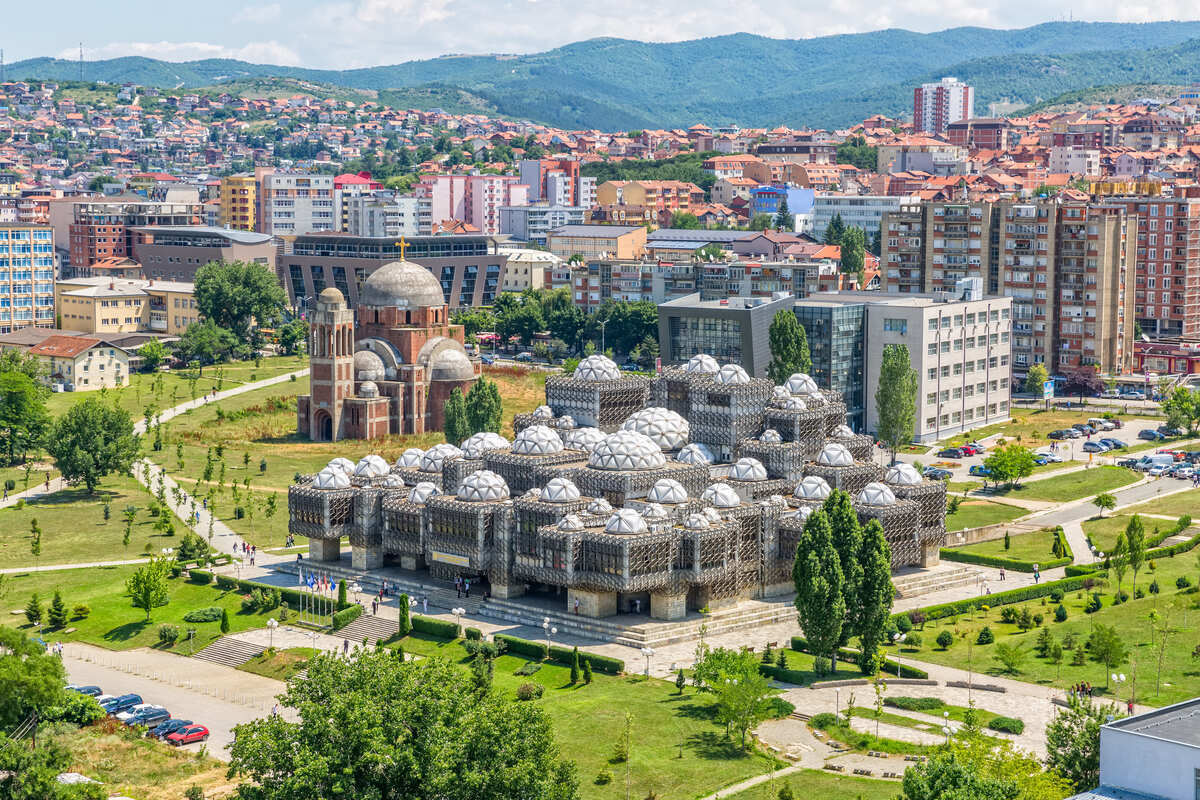
Several historical buildings in Pristina have either been destroyed or heavily damaged by bombing, and what’s left are a handful of medieval mosques and Serbian Orthodox Churches, modernist apartment blocks evocative of the communist years, and war memorials paying homage to the Kosovar Albanians who lost their lives fighting for autonomy.
So why, then, is Kosovo worth visiting?
Six Reasons Why Kosovo Should Be On Your Radar For 2023
Incredibly Welcoming Locals
The hospitality of Albanians precedes them, and upon arriving in Pristina, my first destination on this day tour, I was reminded why they have a reputation for being one of the most friendly people in Europe. Whether you’re shopping for souvenirs or simply asking for directions, you will feel their warmth and be greeted by genuine smiles.
From the few interactions with Kosovars I had during my excursion, I felt as if they were as elated as they were puzzled I was traveling there in the first place. Locals will go out of their way to make sure you feel welcome, be it eagerly sharing their customs and traditions, or pausing whatever it is they’re doing to help a tourist in need of assistance, without expecting anything in return.
We must remind ourselves this is a newborn country hosting less than 200,000 foreign tourists on average per year, and ensuring tourists have a good impression is in their best interest.
It Is Home To Beautiful Historical Sites
Kosovo may have been ravaged by war, and it’s true several of its historical monuments are either undergoing reconstruction or were razed to the ground, giving way to modernist buildings that wouldn’t be totally out of place in the bygone Soviet Union, but this does not mean there’s no architectural beauty to be found here, or an inestimable cultural value at that.
The Balkans are perhaps the most History-charged region in all of Europe, and Kosovo is no exception. One of the main points of interest in the country is the beautiful 14th-century Serbian Orthodox Gracanicka Monastery. Embellished by vibrant frescoes and atmospheric candles, it is one of a handful of UNESCO World Heritage Sites in Kosovo.
Yet another example of Orthodox architecture that’s been enlisted by UNESCO is the Patriarchal Monastery of Pec, located near the city of Peja, famous for its striking red exterior. Elsewhere in Kosovo, visitors can also admire the remnants of well-preserved 18th and 19th-century Ottoman houses.
Wandering the cobblestone streets of Prizren to the bewitching chants emanating from the nearby minarets, you will be transported back to the Anatolian heartland of Turkiye. Distinctly oriental in character, Prizren features an old Ottoman bridge arching over a clear river and imposing mosques glistening white against the surrounding green hills.
Some call it the prettiest city in Kosovo, and one of the prettiest in Southeastern Europe.
It must be something in the water… In recent years, Kosovo has been spawning an impressive streak of pop stars that are crossing over to the mainstream and making it big in America. Two of the most easily recognized artists whose families hail originally from here are the multi-platinum British artists Dua Lipa and Rita Ora.
Dua is, in fact, one of the most successful female artists of the streaming era with several top ten hits under her belt – with Don’t Start Now, Levitating, New Rules, and Physical to name a few – and other successful collaborations with world-renowned DJs and industry veterans like Elton John. Other than advancing the Kosovar cause, she’s been credited for ‘putting Kosovo’s name on the map‘ and reviving the country’s dying cultural scene.
Now, visitors to Pristina can attend an annual international music festival held in summer organized by Sunny Hill Foundation, headed by Dua Lipa herself and her father, Kosovo-born businessman Dukagjin Lipa. While she’s on tour, the singer is usually included in the line-up, which features other international acts and local Albanian artists.
Out of all 37 European countries I have set foot in, Kosovo has to be the one where my tourist dollars stretched the furthest. Even if you’re ready to splurge after being locked down at home for nearly three years, and you’re ordering every possible appetizer on the menu, getting a bill of more than 20 euros per person at a mid-range restaurant will be virtually impossible.
Additionally, entry to cultural attractions is, on average, €2 to €5 (such as the Gracanicka Monastery), making it incredibly affordable to explore over a few days or even a longer period of time. On average, the cost of living in Kosovo is 61.68% lower than in the United States, with monthly expenses without rent estimated at €359, or roughly $382.
An important piece of info: Kosovo has no official currency of its own, and they have adopted the euro unilaterally. It is by far the most widely accepted currency in the country, though it may be possible to find businesses that accept or exchange U.S. dollars, British pounds, or other popular currencies.
It’s Every Foodie’s Idea Of Paradise
Albanian food ranks among my favorite in Europe, mainly because it resembles other ethnic dishes concocted by the Turkish or the Greek, with ingredients that are always fresh, melt-in-your-mouth meat rolls, soup rich in spices and unique Balkan condiments, and a wide assortment of locally-sourced fruit and salted, soft cheeses.
Whether you’re in Kosovo, Albania, or any other Albanian-majority region of North Macedonia or Greece, rest assured you will be well looked after by your Albanian hosts. Some of my favorite picks are:
Fergese, a flavorful paste made mainly of tomato sauce, cottage cheese, green peppers, and garlic, served traditionally with bread
Byrek (the Albanian equivalent to the pan-Balkan burek), a flaky dough pastry filled with potatoes, spinach, meat, or cheese
Tarator, a cold soup containing sour yogurt, shredded cucumber, a few squeezes of lemon, and several teaspoons of salt
Speca te mbushura, rice-stuffed green peppers. In some Albanian regions, chopped lamb and/or tomatoes can be added
Qofte, meatballs that can be grilled, fried, or baked
Tave kosi, lamb baked in a melting pot of homemade yogurt, rice and eggs
Kosovo Is A Unique Country To Explore
Having traveled Albania extensively, I had the impression it borrows heavily from Italian and Greek cultures, resting cozily in its Southern European, Adriatic nook. To all effects, the Republic of Albania effortlessly fits all the Mediterranean criteria: pristine beaches, freshly caught seafood, Greco-Roman monuments, and laid-back vibes throughout.
Kosovo, on the other hand, is landlocked, and not only its cuisine but the locals’ way of life as a whole is entirely defined by its geographical features. You will not find an abundance of seafood here, though the traditional meat-heavy shqiptarë diet remains a defining trait, as does Albanian folklore and ethnic attire.
At the same time, it has incorporated other Turkish and Slavic influences, having spent centuries under Ottoman rule, and later in a state union with the South Slavic communities. The constant redrawing of the borders and influx of immigration from neighboring countries has given rise to a unique Kosovar identity that is closely related to Albania’s, but not exclusively Albanian.
This small, overlooked territory is, in essence, the Balkan Peninsula and all of its contrasting identities in a nutshell.
How To Get To Kosovo In 2023
Notably, there are no direct flights from the United States or Canada. Reaching Pristina from the Americas, U.S. travelers must change flights at least once. When it comes to one-stop connections, options are limitless: most of Europe’s major transit hubs, such as London Heathrow, Vienna, and Frankfurt, have established year-round air links to Kosovo.
Geographically, the closest country Americans can fly into is, ironically, Serbia. Belgrade is served by direct Air Serbia flights leaving from New York (JFK), with one-way fares starting at $618 this winter. Landing in Serbia, Kosovo-bound travelers are required to travel via land to the disputed territory (which Serbia continues to claim as its own).
Alternatively, international buses to Pristina depart from Skopje, in North Macedonia, and Tirana, Albania, as well as other select cities in the Balkans. Timetables may change depending on the date of the week, and tickets are normally purchased from the ticket office at bus stations. Fares range between $25 and $30 for return trips, though they can be more expensive depending on the transportation provider.
If you’re planning on taking the bus from Belgrade, the journey is usually hassle-free for those entering Kosovo after crossing into Serbia first. Americans who first cross into Kosovo, either via Pristina Airport or any other border crossing points with North Macedonia or Albania, and continue traveling onward to Serbia, will be barred.
The Problem With Entering Serbia After Crossing Into Kosovo First
As Belgrade considers Kosovo an integral part of its territory, border authorities have ruled that all non-Serbian nationals entering from the latter without a valid Serbian stamp on their passports will have crossed into Serbia illegally. Americans attempting to do should expect to be turned away at the border unceremoniously.
In sum:
Traveling from Serbia into Kosovo with Serbia as the initial entry point: perfectly legal in Serbia’s view (the same applies to re-entering Serbia after visiting Kosovo)
Traveling from Kosovo into Serbia without an initial Serbian entry stamp on your passport: illegal on Serbia’s part
Unless you are planning on visiting Serbia after Kosovo, you should not worry about these border disputes and complex technicalities. However, if you’re backpacking across the Balkans, and you would prefer not to get on the wrong side of a Serbian immigration officer, you must ensure you are stamped by them first.
To the best of my knowledge, previous visits to Kosovo that did not involve an accompanying visit to the northern neighbor should not pose an impediment for entry into Serbia in the future, unless you’re unlucky enough to run into hostile border staff, who may take their time questioning you over a fading stamp.
Want To Avoid All These Confusing Border Rules? Consider Booking A Private Tour Of Kosovo Instead
As I booked a private day tour of Kosovo leaving from Skopje, the capital of North Macedonia, located a short one hour and a half away, I entered via a land crossing point. The experience was rather smooth, and my incredible guide, Smile, from Skopje Daily Tours, handled all border formalities so I could worry about appreciating the scenery instead.
I am not an enthusiast of guided tours myself, particularly those involving a group. Personally, I prefer exploring new destinations at my own pace, and usually with enough time to have a couple of days at leisure. Unfortunately, this time round, I would be flying out of the Balkans on the very next day, and being so short on time, booking this private visit was the right call:
It is considerably more expensive than an excursion, but you have more freedom to personalize your itinerary and get to know your driver/guide a little better
Guides working for Skopje Daily Tours are Historians, or Geopolitics experts with extensive knowledge of Kosovo – and you’re free to ask them any questions you may have about the Balkan conflict
Traveling by car with an authorized guide, there is less waiting at land borders – buses are normally checked thoroughly to ensure there are no smugglers and that they meet certain standards until they are allowed to cross
No stops at the usual tourist traps or overpriced souvenir shops: your guide will ensure time is optimized and that you have the best possible experience, eating in reasonably-priced restaurants and seeing truly relevant sites
Prices for a private day tour of Pristina and Prizren, two of Kosovo’s main cities, start at €55.
Safety
Reading travel advisories on Kosovo, I’d be surprised if anyone decided to visit at all. In general, Western countries make notes on the unsolved Serbo-Albanian quarrel, warning their citizens of higher crime levels, ‘high tensions’ along the border with Serbia, and the threat of terrorism and violent demonstrations.
Kosovo is indeed a country with deep-rooted issues that is yet to fully achieve peace and normalize relations with its Slavic neighbor, but visiting the main tourist zones, namely the cities of Pristina and Prizren, phone in hand and speaking English unashamedly, I felt as safe here as anywhere else (in the Balkans).
Walking in Pristina, my limited knowledge of Albanian was my only concern being approached by friendly, smiling natives at local cafes or shops, who seemed as delighted to be running into a foreign guest as I was for visiting. One must bear in mind Kosovo is definitely not one of these European hotspots suffering from overtourism – on the contrary.
With that being said, I refrained from touring North Mitrovica, Leposavic, Zubin Potok, and Zvecan, where confrontations between Albanians and Kosovo’s ethnically Serbian residents have been known to erupt with little warning and restricted my movements to Pristina’s city center and the Old Town in Prizren, popular sightseeing areas.
On top of that, I was accompanied by an experienced guide who ensured I would not deviate from the touristic path and put myself in harm’s way. Unless you are directly involved with paramilitary groups or extremist organizations, and you’re not actively looking for trouble (e.g. wandering heavily patrolled borders), trouble will not come to find you.
Rules For Entering Kosovo In 2023
Kosovo has removed all of its Covid entry requirements since May 2022.
Vaccination is no longer a prerequisite for entry
There is no testing regime in place prior to, upon, or after arriving
Travelers are not expected to stay in isolation for a period of time after arriving
There are no online forms or pre-flight registrations to be made flying to Kosovo
Bottomline
This tiny, newly-independent state, plagued by ethnic conflicts and that’s yet to fully recover from a bloody war, is finally finding its footing as an off-path tourism hub. Although it is quite a way-off from other more developed neighbors, it has a lot of unexplored potential to charm tourists who usually flock to Western Europe.
Yes, it has somewhat of a reputation for being a little rough around the edges, but Kosovo is a beautiful place to explore… If you know where to look.
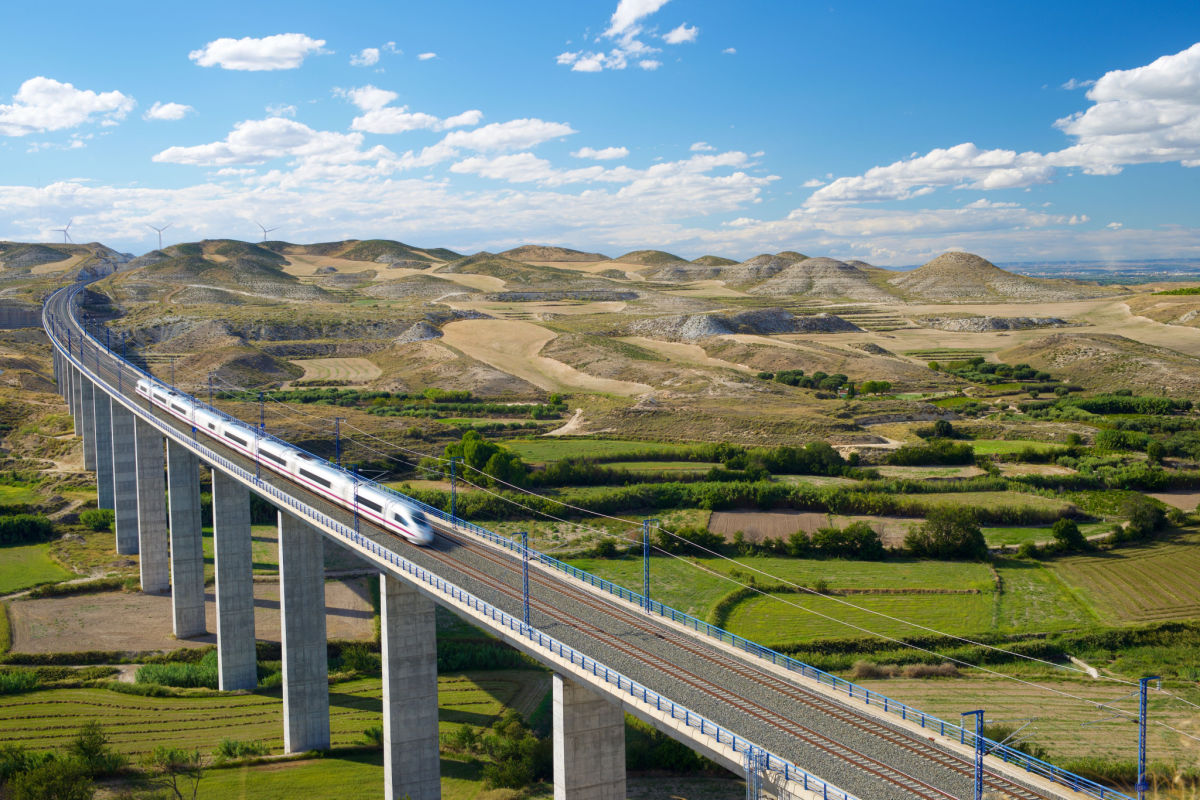
The world’s most populated country, China, holds the title for the world’s largest network of high-speed railways (around 23,500 miles), but you might be surprised by which country takes the second spot – Spain. Representing over 10% of China’s network, the country has just added a third fast train operator to its system, which has further cemented its spot as the number one longest rail network in Europe.
The introduction of the high-speed rail service, “iryo,” will make Spain’s rail network even cheaper and faster. With its trains running up to speeds of 223 miles per hour, high-speed trains have increasingly become an aggressive competitor to airlines and have been known to assist in sending national airlines broke, such as what happened in Italy with Alitalia. Spain’s new network will run operations between Madrid, Barcelona, and Zaragoza, with later routes being announced in mid-December and next year, including Madrid, Cuenca, and Valencia.
“It is great to see how commercially driven Open Access services – such as iryo — are making long-distance rail more attractive and winning travelers away from less sustainable transport modes, namely airlines and cars,” said Nick Brooks, secretary general of the Alliance of Passenger Rail New Entrants in Europe.
Where Can I Travel By Train in Spain?
Train services operate across all of Spain’s major towns and cities, meaning you’ll be able to travel by train to your favorite destinations without the hassle of short flights. You’ll be easily able to visit top locations such as Barcelona, Madrid, Valencia, Seville, Malaga, Pamplona, Santander, and Santiago de Compostela, all in a matter of hours.
When comparing mid-December availability for trains from Barcelona to Madrid, tickets for iryo start at around €30 (U.S. $31). The trip time is around 2 hours and 45 minutes, while driving would take 6 hours. Renfe is the more expensive option, with tickets ranging from around 50 to 120 euros (US $52- 104) for a basic fare, although you can grab some cheaper tickets if you book an early morning time; or you might meet the conditions to travel on Renfe for free, which is an initiative to lure tourists and help relieve residents up until the end of 2023.
Spain also offers more budgeted train options, with tickets on avlo starting at 7 euros (around US $7) and ouigo starting at around 15 euros (around US $15). When booking in advance, you can save money by scoring some cheap tickets.
When compared to flights within the country, the national airline Iberia offers flights in December for around US $50, which takes under 1 hour and 15 minutes. When you factor in additional transport costs getting to the airport, plus the time arriving at the airport before boarding, the train and air end up being similar in time duration, with select services being a quarter of the cost.
If you’re going to be taking multiple routes in a period, it’s recommended to grab a travel pass to save some money. Renfe offers travel passes for non-residents starting at 195 euros (US $203) for 4 trips, or you can grab a Eurail pass starting at U.S. $170 for 3 travel days in one month.
What’s The Process For Booking Tickets?
Like airlines, you will need to reserve your ticket even if seating is not allocated, so don’t expect to just turn up. Train companies also come with different classes with different fare options and comfort levels (keep reading below to see how these fares are applied).
You can buy all tickets either online through your desktop or mobile at the individual train company’s site with no booking fee, but keep in mind some of the sites have some confusing translations. Currently, on iryo’s website, you need to use the Google translate option with your browser, and some sites are known to have issues accepting international credit cards.
There are third-party sites, which are much easier to use, but these do take a small booking fee. These include thetrainline.com, raileurope.com, omio.com, and petrbax.com, which all connect to the train lines’ ticket systems and will provide your ticket for boarding.
What Is The High-Speed Train Experience Like?
Depending on which train network you take and the class of ticket, traveling by train can be similarly compared to an airport, except the seats are a little larger, and you have options with tables and seats facing each other for groups. You can also walk around the train whenever you feel like it, and trains are typically on time in comparison to flights. Most trains also have a silent carriage, so the experience can be as peaceful and relaxing as you choose while you gaze at Spain’s beautiful countryside.
On Renfe trains, they offer two different seat types; a standard seat and a comfort seat (which means more space) with Basic, Choice, Comfort, and Premium fare types. They all differ in benefits, such as access to the club lounge, seat selection, unlimited changes, and complimentary food and drinks. All tickets include Wi-Fi, 3 items of luggage, audio and video on board, a café, and a silent train carriage. Renfe also offers an overnight sleeper train, which connects you to cities such as Madrid (Spain), Barcelona (Spain), and Lisbon (Portugal).
Iryo trains have a focus on customization and flexibility and offer two seat types and four classes of travel — Inicial, Singular, Singular Only You, and Infinita. Targeted more towards business travelers, the trains are all fitted with individual USB and standard power sockets, armrests, and free 5G Wi-Fi. They also offer an onboard bar and a menu consisting of seasonal ingredients and prepared-to-go healthy options.
With the generalized chaos affecting airports in Europe, the popularity of trains in the continent has soared to new heights. After countries like Germany and Spain slashed fares to promoted train ridership this summer, a new trend started emerging: that of overnight journeys, and now there’s even a new high tech sleeper train launching.
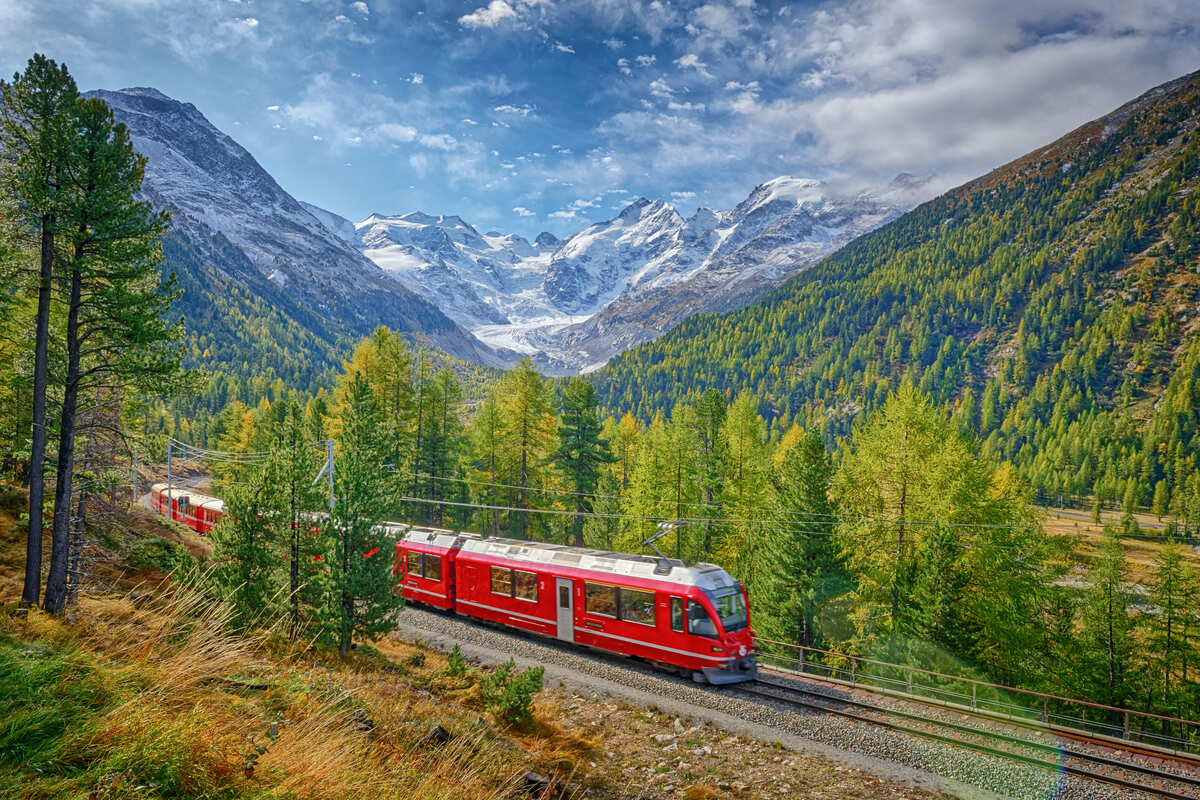
Unlike in North America, where companies like Amtrak were on the brink of bankruptcy due to low demand for rail links, and have only recently experienced a powerful comeback, trains are an inherent part of the wider European experience, with some routes being attractions in their own right and actively sought out by visitors.
Now, Europe is taking it up a notch by unveiling its brand new night trains, set to travel across all of its major destinations. Paris, Budapest, Milan, Vienna, you name it:
Here’s Everything We Know So Far About The Launch
Naturally, Europe has had the upper hand in responding to the train tourism surge: unlike in places like Mexico where this mode of transport is being re-introduced decades later, the Old World never ceased investing in railway, which has remained an important aspect of inter-European connectivity – even after air travel became widespread.
Now, it is banking on sleeper trains to assert its dominance in the market. More specifically, we’re witnessing the relaunch of a number of night routes that had, up until this year, been largely overshadowed by low cost, short-distance flights. As it appears, contrary to popular belief, the appeal of long luxury train rides has not faded in the slightest.
Austrian national rail company OBB has just confirmed its new NightJets are debuting next year – a generation of posh-looking, high tech trains built to maximize comfort during overnight journeys. Believe it or not, OBB’s new pan-European express even has the potential to surpass flight bookings.
The new NightJet trains will be comprised of seven carriages:
Two are standard seats
Two sleeping cars able to house two travelers in each compartment
Three further sleeping cars with four-passenger suites, as well as mini-cabins for those traveling solo and seeking more privacy
The most exciting addition, perhaps, are the new minisuites ‘at couchette prices’. These have been teased exclusively by Mark Smith, the Man in Seat 61, who had a sneak peak into the train ahead of its official launch:
They will be able to carry 254 passengers – more seats than most short-haul planes offer, including those used by Europe’s famous ultra low cost carrier Ryanair, most commonly a Boeing 737-800 with an 189-seat configuration. Additionally, the NightJet will travel at a speed of 143 miles per hour, covering longer distances in a much shorter timespan.
What Are The NightJet’s Strongest Assets?
Keeping it short, speed and amenities.
To draw a comparison, Trenitalia’s flagship Frecciarossa, Italy’s renowned high-speed trains among Europe’s best, can reach up to 186 miles per hour – only moderately faster than the NightJet. The latter is set to rival Europe’s historic, yet prohibitively-priced Venice Simplon-Orient Express, carrying passengers from Western Europe all the way to Istanbul in Turkey.
While they will obviously not be as upscale as the Orient Express, an unparalleled icon synonymous with Old World opulence, the NightJet trains are seeing some major upgrades compared to other long-distance, cross-border service around Europe:
Berths are expected to feature wireless phone charging and mood lighting
The sleeper car compartments will have their own toilets and showers
Fares for summer 2023 are yet to be announced, though they can go as low as €29,90 at present.
Recently, we published an article on Europe’s popular train pass enabling Americans to travel 33 countries for less than $200. We don’t know, as of yet, whether these can be validated on future NightJet journeys, as further details such as ticket fares and discount eligibility are yet to be outlined. For more information, please refer to the company’s FAQs page.
Enter your email address to subscribe to Travel Off Path’s latest breaking travel news, straight to your inbox
Disclaimer: Current travel rules and restrictions can change without notice. The decision to travel is ultimately your responsibility. Contact your consulate and/or local authorities to confirm your nationality’s entry and/or any changes to travel requirements before traveling. Travel Off Path does not endorse traveling against government advisories
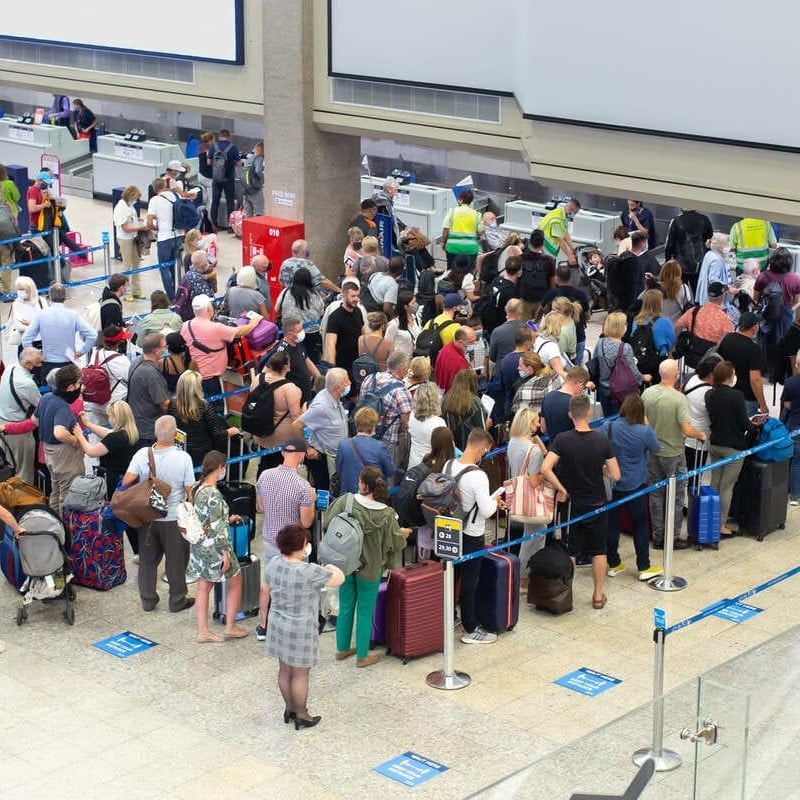
Air travel is an absolute mess right now, especially in Europe, where two-thirds of all airports are seeing some level of disruption. On their part, a majority of airlines have failed to strike a balance between staffing constraints and a high travel demand, resulting in a spate of cancellations. However, one of them has somehow managed to weather the storm, cancelling far fewer flights than its counterparts.
Perhaps surprisingly, this isn’t a full service airline either: the kind of carrier that should be better prepared for emergency situations, like the crisis the aviation sector currently faces. In fact, Europe’s most reliable airline is its most popular ultra low cost, usually criticized for a sub-optimal service, restrictive baggage rules, and lack of in-flight comfort.
Based on this information, you can probably already guess which one:
In 2022, Europe’s Most Reliable Airline Is…
According to data shared by OAG, a provider of digital air travel information, Ryanair was the best performing major airline for the first half of 2022, not only in Europe but worldwide. During this period, it cancelled only 0.3% of all scheduled flights, in stark contrast with full service British Airways, which axed 3.5%.
Effectively, this means that Ryanair customers were 12 times less likely to have their flight cancelled than those flying British. Michael O’Leary, Ryanair’s outspoken CEO, stated his company ‘saw the recovery coming’ and rushed to get staff back ‘early’. This might have been instrumental in mitigating the impacts of this chaotic summer of travel.
For those of you who are not frequent travelers in Europe, you may not have been introduced yet to Ryanair. This Irish carrier was founded in 1984 and has historically offered low fare tickets on popular vacation routes not only within Europe, but also a number of destinations in Western Asia and Northern Africa.
It is the European equivalent to Southwest, operating in 40 countries and connecting over 200 destinations. Ever heard someone who’s just back from their Eurotrip boasting about that unbelievably cheap, 9 euro flight tickets to Barcelona? It is very likely they have flown Ryanair or any of its main competitors – Vueling, easyJet, TUI Airways, Wizz Air etc.
On the other hand, you might have been warned traveling low cost in Europe comes at a price. Usually, you’re only sold the seat and any additional items you would like to bring on board, including small bags, involves paying extra. There are also no complimentary drinks or food, and in-flight catering is not these airlines’ forte.
Due to their lack of preparedness for the crisis – think staff shortages and logistical issues – low cost carriers have been those driving up cancellation rates in several airports. Strangely enough, Ryanair is not among them, despite its history of less-than-stellar service. Based on recent figures, it is arguably Europe’s most trusted airline right now.
What’s Behind Ryanair’s Success Story?
As we have pointed out already, lack of staff has been one of the main issues behind the latest industry woes, as airlines struggle to graduate enough pilots and flight attendants amid a renewed interest in travel. They just weren’t ready for such a pronounced increase in air traffic, after several countries reopened, dropping all Covid rules simultaneously.
CEO O’Leary attributed Ryanair’s success to its participation in the European Single Market, a privilege British competitors no longer enjoy since the United Kingdom left the European Union. According to O’Leary, Ryanair was able to benefit from ‘friction-less European labor’, unlike British Airways and other UK carriers in the wake of Brexit.
Regardless of the geopolitical reasons behind it, Ryanair’s improbable new status as a low-risk airline has not been mirrored by other EU competitors. All of the leading European airlines, such as Air France, Lufthansa, easyJet and KLM had higher cancellation rates than Ryanair, with KLM cutting as much as 5% of its flights so far in 2022 – the worst of them all.
This leads us to believe this success story has more to do with the fact that the airline has enough staff to fulfill most of its schedule, like O’Leary stated himself, as opposed to Brexit or other disruptive factors. There are no official data shared by OAG, or other aviation intelligence services, to confirm this as of yet.
Getting Insured Ahead Of Flying Is Key
There you have it: Ryanair may not be exactly world-renowned for the flight experience it offers, but it is a more reliable airline than all others in the continent at the moment. If you’re concerned about seeing one of your Europe flights get cancelled, as you should, you can insure your trip and get covered for travel disruption visiting this link.
Enter your email address to subscribe to Travel Off Path’s latest breaking travel news, straight to your inbox
Disclaimer: Current travel rules and restrictions can change without notice. The decision to travel is ultimately your responsibility. Contact your consulate and/or local authorities to confirm your nationality’s entry and/or any changes to travel requirements before traveling. Travel Off Path does not endorse traveling against government advisories