Turkey has been one of the hottest destinations of the year. It may be on the opposite side of the globe, but that hasn’t stopped travelers from visiting.
In all likelihood, your first stop is the immaculate city of Istanbul. What a place! Half Asia and half Europe, this one-of-a-kind destination will overfill your sense of wanderlust.
Istanbul may be the main draw, but there is so much more. Another city gaining popularity is the gorgeous coastal resort city of Antalya.
Located on the pristine blue waters of the Mediterranean Sea, the secret is out. However, that’s not the only coastal destination that should be on travelers’ radar.
There are a pair of waterfront cities destined to become the next tourist hotspots of Turkey. In fact, there is a campaign to make it happen.
The cities of Rize and Samsun are being promoted as prime destinations for those seeking a newfound sense of Turkish culture, scenic views, and the ultimate off-path beach escape.
The Black Sea Has Already Been A Tourism Hotspot
The hot weather of summer naturally makes us want to find the best beach getaways. To some, they choose to stay close to home. Others want to scratch their travel itch and venture across the globe.
Turkey has been a hotspot for tourism all year, but the Black Sea has seen its own set of tourists with record-setting numbers for its beautiful resort towns.
The Black Sea is not limited to Turkey; it covers a lot of ground. Bulgaria, Romania, Moldova, and Georgia also hold title to prime coastal real estate here.
Not to mention Ukraine and Russia, but tourists aren’t exactly taking advantage of the coastline in these neighboring countries for obvious reasons.
Turkey, however, has taken note of the influx of travelers and wants to promote and develop what they believe are the next tourist destinations.
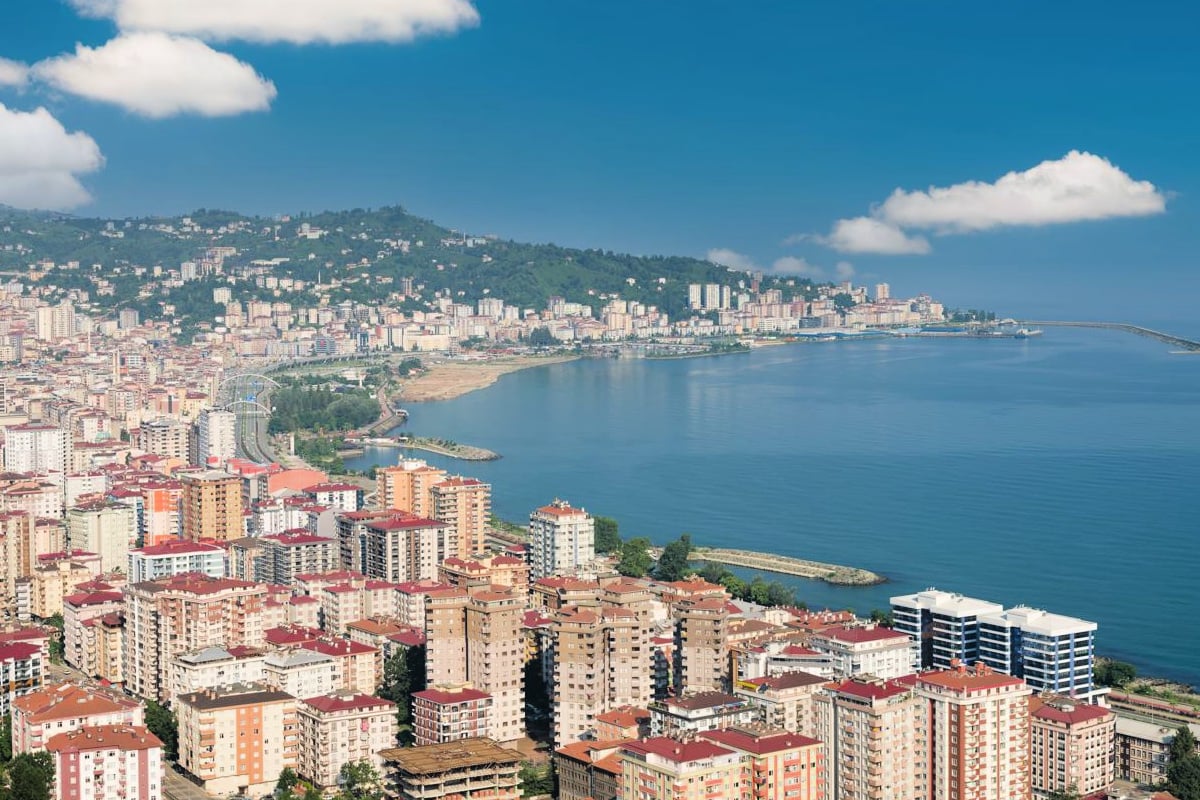
Samsun
The word “Samsun” translates to “port” in English. That’s fitting given the city’s notoriety. The narrative is going to change, according to Mehmet Nuri Ersoy, Turkey’s Minister of Culture and Tourism.
The goal is for Samsun to become a mainstream tourist destination. With the stunning scenery, the only surprise is why it’s not already a top destination.
“Together with our Governor, our municipality, our deputies, we will prepare this master plan. Our Ministry will fully support its development, and subsequently, the respective institutions will swiftly execute their roles,” said Mehmet Nuri Ersoy, Turkey’s Minister of Culture and Tourism
Mr. Ersoy continued, “The Black Sea is already a significant tourism destination, especially attracting many visitors from Gulf countries. Our aim is to distribute these concentrated visits to other Black Sea cities such as Samsun and Rize.”
Samsun is far beyond what you see looking out at the vast sea. There are multiple archeological sites to visit, a thriving culinary scene, jaw-dropping mountains and a potential tourism season lasting as many as 4 months.
This city already has a head start with familiar waterfront hotels, such as Wyndham and Sheraton.
Rize
In Rize, many would say the spectacular nature is unspoiled. There are not many places left with such characteristics. Take the mountain town of Çamlıhemşin, for example.
Here, there are untouched rolling green hills perfect for a tranquil getaway. To those who love to disconnect, there may be no better place than Rize.
At least for now. It’s not a popular destination yet, but tourism officials in Turkey intend to change that. In fact, the Minister of Culture and Tourism was also quoted as saying:
“Our goal is to achieve a revenue of 100 billion dollars from tourism. To reach this, relying on current popular tourism destinations isn’t feasible. We aim for every one of our 81 provinces to benefit from tourism.”
Time seems to stand still in Rize as it currently stands. It may be a coastal city, but it would be hard-pressed to ignore it’s stunning mountains.
This wholesome region of Turkey brings a sense of true Turkish culture of the simple life with a heightened sense of appreciation for nature.
Other than the picturesque coastline with waterfront hotels, one of the main draws is the Zilkale Castle- a centuries-old landmark overlooking the breathtaking views of this tranquil region of Turkey.
Tourists can indulge in traditional Turkish tea and cuisine while immersing themselves in a true untouched gem.
When you think of digital nomads, one of the first regions that likely comes to mind is Southeast Asia.
It seems that this part of the globe has been the original home to those who embrace the laptop lifestyle, and for good reason.
With an array of fascinating countries that boast first-class cities, award-winning beaches, a low cost of living, and fantastic food, Southeast Asia quickly moved up from being a tourist destination to a digital nomad hotspot as well.
Cities such as Bangkok, Ho Chi Minh City, and Singapore have quickly become favorites for remote workers, and report after report finds them at the top of lists for safety, quality of life, and popularity among remote workers.
While these trending mega-cities are definitely deserving of their popularity, there are other cities in Southeast Asia that are starting to gain more attention with digital nomads as well.
The three cities of Manila, Jakarta, and Kuala Lumpur are now starting to gain more recognition in the remote worker community, each offering the amenities needed to live a comfortable life, and a unique local vibe as well.
These are three major cities that are on the up-and-up, and while 5 years ago they might have been considered unsuitable for digital nomads for a variety of reasons, now they have an ever-improving infrastructure, with fast wifi, a low cost of living, and great connections to other destinations with within their county and to other destinations throughout the region.
Another bonus is that these cities each have a growing community of digital nomads, meaning things such as meetups, co-working spots, and other amenities aimed at growing a community of remote workers are increasingly available.
The bustling capital city of the Philippines, Manila has long been disregarded by many travelers for the main reason of safety concerns.
While it’s true there are many areas you should stay away from, the same goes for any large city in the world. Manila is known as the “Pearl of the Orient”, and while poverty is still an issue here, there are many nice areas that digital nomads tend to choose.
While the Philippines does not have a dedicated digital nomad visa yet, there are talks of one coming.
For now, most people can stay 30 days, giving you enough time to enjoy Manila and also explore some of the other mind-blowing islands as well.
Indonesia’s Jakarta was once also plagued by concerns of safety, as well as traffic and other issues.
While it might not have the massive draw as Bali, the capital city is starting to make its way onto lists for being ideal for remote workers.
Traffic is still a massive factor here, but as a digital nomad, you can enjoy working from your high rise and watch the city below you, all for a fraction of what it would cost back home.
Not to mention the endless places you can visit via a quick flight from Jakarta, including Bali, Komodo, and the lesser-known Sipura.
The sprawling Malaysian capital city of Kuala Lumpur is another example of a destination that most people saw as nothing more than a transit hub, yet now is starting to gain more attention for both vacationers as well as digital nomads.
It offers some pretty impressive views, fantastic day trips, and a cheap cost of living with a high, clean, and orderly way of life.
The lively Bukit Bintang is arguably the world’s best bar street, and adjoining Jalan Alor Night Food Court is where to go for arguably one of the best street food scenes in the world.
With a new digital nomad visa that is meant to be one of the easiest to obtain, more remote workers are looking to Malaysia as their next home base. If you want to explore this country before it could become overrun and potentially lose a bit of its authentic charm, now would be the time to go.
The work-from-anywhere movement isn’t going anywhere. Digital nomads leverage their location-independent online work to travel the world for long periods of time or even full-time.
Today there are more than 32 million digital nomads worldwide. With so many laptop-toting travelers, it’s no surprise that crowds and prices are skyrocketing in uber-popular remote work destinations like Mexico City, Lisbon, and Bali.
This has left many digital nomads feeling like they have to choose between affordability and trendy digital nomad hubs with bustling international communities.
But that’s simply not the case. There are plenty of vibrant digital nomad destinations with great work-from-anywhere infrastructure at affordable prices.
Here are the six cheapest trending digital nomad hotspots around the world:
San Cristóbal De Las Casas, Mexico
Mexico is the number one most popular country for digital nomads this year. U.S. remote workers especially flock to this country for its beautiful beaches, exciting flavors, and convenient time zone.
Mexico City usually steals the show, but there is a much more affordable nomad hub further south in the heart of Chiapas with a 30% lower cost of living than the country’s popular capital.
San Cristòbal de la Casas offers both authentic cultural immersion and an active international community at some of the lowest prices in the country.
This charming city is welcoming, walkable, and super affordable. Colorful Mexican baroque architecture, friendly locals, and romantic avenues will invite you to make San Cristóbal your home, even for a short while.
Remote workers here can enjoy a very comfortable lifestyle on less than $1,200 per month.
Digital nomads can expect a monthly cost of $300 per room or $400-500 per apartment for longer-term rentals in the center of the action (Barrio de El Cerrillo or Barrio de Guadalupe). Short-term stays average $160 per week or $23 per night.
One popular but pricier option is Co.404 Coliving & Coworking, which offers a spacious private room and coworking access for $620 per month.
Coffees cost about $2. Local tacos start at $0.80 each, and lunch menus in home-style restaurants start at $4.
San Cristóbal’s gastronomy scene is as diverse as it is delicious, so it’s definitely worth a few extra dollars to explore this city’s culinary corners. The plentiful international food inspired by Asian and European flavors will set you back around $8.
Staying connected is easy and affordable in San Cristóbal de las Casas. A basic SIM card here is about $14. An unlimited monthly coworking pass with stunning mountain views at Centralita is a steal at just $83.
Ecuador is a rising star in work-from-anywhere circles for its new digital nomad visa.
Remote workers from North America, the U.K., and most of Europe who earn at least $1,275 per month (or triple the local minimum wage) can apply to live and work in this culturally rich Latin American country for up to 2 years. This makes Ecuador one of the cheapest, easiest, and fastest options for a long stay in South America.
In Ecuador’s southern Andes mountains, the up-and-coming digital nomad hub of Cuenca is giving the capital city of Quito a run for its money.
Cuenca attracts online workers with its relaxed pace of life, spectacular cathedrals, and picturesque riverfront.
Once known for a more mature group of expats and retirees, Cuenca has recently benefited from an infusion of young, creative energy. Today, it’s generating great buzz among digital nomads. The city is a perfect home base for exploring the best nature Ecuador has to offer, from the stunning scenery of Parque Nacional El Cajas to the healing hot springs of Piedra de Agua.
A comfortable cost of living in Cuenca is less than $1,300 per month for a digital nomad.
Travelers can get their work done and network in shared offices for as little as $70 per month with Wi-Fi speeds averaging 80 mbps. The top choices are IMPAQTO, CoWorking Cuenca, and popular backpacker coliving-coworking chain Selina.
Apartment prices average $650/month or $250/week. Local menus cost $2-3 at breakfast and less than $6 at lunch; groceries are also super affordable.
Cuenca has a well-earned reputation as a coffee town. Travelers can fuel their online work with world-class java grown just a few hundred kilometers away for less than $2.
While Cuenca lacks the international airport access that some jet-setting remote workers are after, a short flight to Quito will get you connected to the world in less than an hour.
Ljubljana, Slovenia
Living the dream in Europe doesn’t have to break the bank.
While some uber-popular remote work destinations like Lisbon can cost a whopping $4,000 per month, Slovenia’s capital city is one of the most affordable hubs in Europe.
Depending on your lifestyle, digital nomads can enjoy Ljubljana for as little as $2,100 per month.
Ljubljana rent costs are among the lowest in Europe and the ninth cheapest among global trending digital nomad cities. Long-term local rentals average $670 per month.
Short-term travelers will pay more but can still snag a modern one-bedroom online for $1,100 per month, $300 per week, or $60 per night. Since the capital is full of students and young creatives, work-equipped rooms in flatshares can also be a super affordable option for as low as $500 per month.
Enjoying the everyday pleasures of life in Slovenia won’t cost much, either. Digital nomads can enjoy an afternoon espresso ($1.10) or a spritz ($3.90) on the banks of the Ljubljanica River, with or without their laptops.
Over a dozen coworking spaces around the city start at $125 per month. A 7GB local SIM card from A1 costs $11.
While Ljubljana may not seem “cheap” on face value, the Slovenian capital is a great budget-friendly and on-trend option for Western Europe.
Some other living costs include:
Byrek cheese pastry – $2.30
Set lunch menu – $11
Glass of local wine – $4
Dinner in a mid-range restaurant – $12-16
Single bus fare – $1.45
Chiang Mai, Thailand
Long before office workers were able to pack up their livelihoods and hit the road, adventurous entrepreneurs and techy travelers were thriving in the northern mountains of Thailand.
This perennial Thai favorite remains one of the top trending destinations among remote working travelers – and one of the cheapest.
Chiang Mai ranks as the 8th most popular digital nomad city in the world right now. Thailand is also trending as one of the top three most geotagged locations for digital nomad social media posts this year.
Best of all, digital nomads can live comfortably in Chiang Mai on $800 per month.
A quick look at Chiang Mai makes it easy to see why foreigners flock to this low-key Thai oasis. The obvious pulls are the area’s pristine nature, spectacular motorbiking, and active global community.
Living in the middle of this mountain paradise won’t cost you much, though. Nice studio apartments range from $120 – $250 per month, while larger condos with top amenities like swimming pools and cleaning services come in closer to $350 per month. For shorter stays, expect to pay $17 per night.
With over 220 coffee shops and nearly 40 superb coworking spaces all in the city center, Chiang Mai gives digital nomads plenty of ways to stay productive and make connections. The overwhelming choice of high-quality coworking options starts at $4 per day, $23 per week, or $80 per month. You can find a high-data one-month SIM card for just $13.
From black coffee in a bag for $0.75 to artisan flat whites for $2, there’s plenty of java to fuel online workers on any budget.
Eating out in Chiang Mai also means fresh, healthy food at low prices. Street food meals can cost as little as $0.80. Lunch sets with tons of fresh vegetables, meat or tofu, and noodles or rice average $2. If you’re buried in work and can’t be bothered to cook, a Grab app delivery of local food starts at $3.50.
For those who prefer to cook at home, a grocery budget of $11 per person per week will get you plenty of fresh tropical fruits, flavorful veggies, and a wide variety of proteins.
The nomad culture here is focused on a balanced blend of productivity and health, with less hopping nightlife than in Bangkok or Phuket. For a taste of the big city or an island getaway, however, Chiang Mai visitors only need to shell out $50 for a quick 1-hour flight.
Remember to avoid digital nomad trips to Chiang Mai during the burning season from February to May. In this dry weather period, smoke from traditional agricultural burning practices and general pollution gets trapped in the valley, making for dangerously poor air quality.
Dahab, Egypt
The blue waters and desert palms of the Sinai peninsula are calling.
Dahab, Egypt is one of the cheapest beach destinations in the world. Just an hour away from the luxury and buzz of Sharm El Sheikh, Dahab’s minimalism and seclusion offer an affordable, laid-back escape from hustle culture.
Living in this up-and-coming Arabian paradise will cost you less than $1,000 per month.
Digital nomads can make the most of their work-life balance with spectacular scuba diving or adventurous kitesurfing (and regular surfing) at Southeast Asia prices. Dahab’s breathtaking landscapes and a creative global community mean you’ll never be bored when you close your laptop.
A one-bedroom apartment will average $350-400 per month. For long-term stays in Dahab, it’s recommended to arrange accommodation with local providers or apartment hunt in-person on arrival. Online options here can be limited and usually far overpriced. Short-term stays booked online cost $10-25 per night or $120 per week.
Coworking from hubs like Mojo Co-Work Cafe will cost around $114 per month or $6 per day. The Wi-Fi in Dahab can be pretty hit or miss, so most bandwidth-hunting online workers prefer coworking spaces or trendy cafes like TIM’s Munch to working from home.
A $20 SIM card with a large data package from Etisalat or Orange is also a necessity; fortunately, data top-ups are dirt cheap in Egypt.
Most cafes and restaurants have free Wi-Fi and welcome visitors with laptops. A coffee will cost less than $1, while local meals will cost $2-5. Dahab is definitely a great place to enjoy fresh catch-of-the-day seafood without breaking the bank.
Best of all, the hospitality in Dahab is unparalleled. In fact, even women traveling to Dahab alone name it as their favorite destination in all of Egypt for its warm welcome and relative safety.
Digital nomads can stay on a budget and feel at home in this relaxed Egyptian beach town.
While the digital nomad community used to be a pretty small group known for its free-wheeling freelancers, post-2020 remote work policies have now brought millions of everyday employees into the digital nomad lifestyle.
2023’s growing work-from-anywhere community is as diverse as it is large. Every digital nomad is after something different. No matter what your travel style is, there are lots of affordable destinations perfect for online work waiting to be explored.
Cultural hotspots have become more and more relevant in recent times. Since the pandemic, the idea of going on vacation has changed, and more people are looking for destinations with authentic cultures. Theme parks are known as the best places to go with your family, but people understand that some of them are a bubble. Some travelers like those bubbles because they are safe and predictable. But what about the other travelers that enjoy a little more adventure?
Exploring different cultures is an excellent way to educate yourself and your loved ones on our differences. It’s also a perfect way to showcase our similarities and show that we’re not alone. More and more travelers are becoming aware of those ideas and booking cultural hotspots. Check out this list of the top six cultural hotspots to visit this year, according to Expedia.
Edinburgh, Scotland
Scotland has been on many people’s radars for the last couple of years, with 2023 expected to be the year the United Kingdom home state shines. Edinburgh, Scotland sets itself apart with its mix of art and culture different from the rest of the United Kingdom. In 2023, they’re planning the world’s most prominent arts and media festival.
Lisboa (Lisbon), Portugal
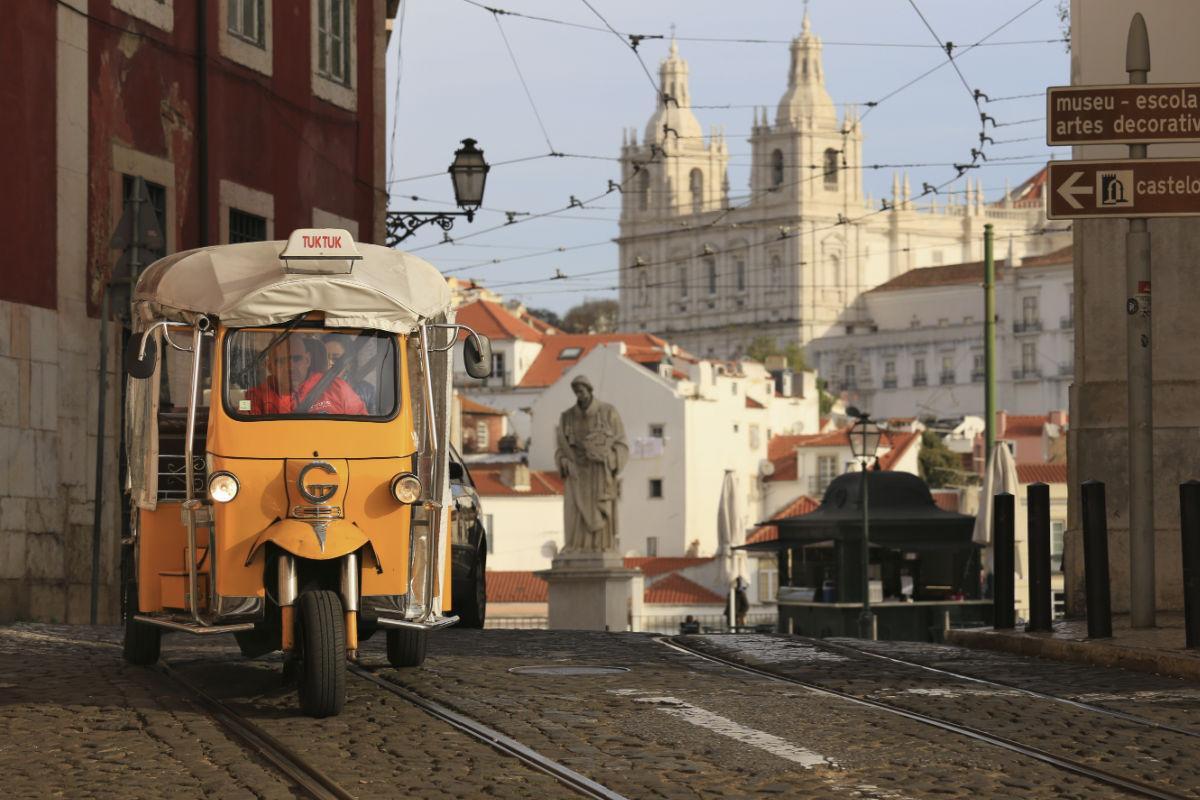
Right before the pandemic, the Azores were becoming a thing, and that’s because multiple outlets were showcasing the islands as outdoorsy heaven. Now the urban city of Lisboa is beginning to get noticed. If you travel to this destination in 2023, check out the Time Out Market and grab a plate of bacalao (cod fish). If you want to see the city but fear its winding hills might be too much, grab a tuk-tuk taxi that will take you around. It’s a cute way to explore the historical province of Estremadura. It’s also very TikTok-friendly.
Japan as a country has a lot going on this year, and Tokyo is on the verge of being a cultural dominator. If you make it out east, check out the bustling Shimokitazawa neighborhood, and if you’re feeling more adventurous, take a ride with the East Japan Railway Company. These luxury sleeper trains will take you around Japan, stopping in regions like Tohoku, where you can catch some of the best natural scenery the country can provide. Pro tip: head over in Autumn to see the fall foliage and save money on ticket prices.
Dublin, Ireland
For a good reason, Dublin is fast becoming a favorite for many travelers. The city is affordable, packed with the cutest pubs, and the perfect place to catch a football (soccer) game. Hotels like the amazingly sustainable Wren Urban Nest have modern amenities but accessibility to the main happenings in the city. If you want to see why they often associate green with Ireland, head over to The Wicklow Escape.
This charming bed and breakfast is smack in the middle of Wicklow, the most beautiful area for hiking and exploring. If you’re interested in what type of spirits Ireland can provide, check out the Glendalough Distillery.
You’ll find gins and whiskeys made locally with a botanical forager supplying some of the season’s best flavors. Getting here is accessible; Aer Lingus has many flights from most major airports and is usually a one-way shot from most eastern cities.
New York, USA
This city has so much to do, but if you want an excellent cultural experience, check out the town’s neighborhoods. The big apple is the perfect cultural hotspot for anyone looking for great pizza, fantastic broadway shows, and some of the best time-preserved neighborhoods like Chinatown and Little Italy.
These neighborhoods have been around forever, and you can get some of the best food there. Spanish Harlem and the Lower East Side have great Puerto Rican food, and you’ll always go right with pasta in Little Italy.
Sydney, Australia
WorldPride 2023 will be in Sydney, Australia, this year; that celebration will be fantastic. Sydney is already an incredible city, but WorldPride will take it to another level, and if you’re a fan of LGBTQ+ events and celebrations, you must check it out. From February 17 to March 5, you can join festival parties like Mardi Gras and Queer Art After Hours. You’ll learn about Queer history while being able to party the night away.
Cultural hotspots are becoming the most significant trends for 2023, and we highly encourage checking out one of these cities. They are diverse enough for every type of traveler, and crossing at least one of them off your bucket list will give you bragging rights for the rest of the year.
Tourism and travel have made an astonishing return over the past few months. Crippled to it’s core by a global pandemic, tourism around the world grinded to a complete halt for 2 years. Now with an overwhelming amount of tourists visiting European hotspots, countries are taking steps to limit the number of visitors and prevent overtourism.
With the successful help of vaccination efforts around the globe, dozens of countries have loosened entry restrictions, some nations have even taken a ‘post-covid’ approach and learned to live with the virus – removing entry restrictions entirely.
People more than ever are willing and eager to travel, and many destinations are feeling the pressure. The numbers are so high in fact that popular vacation spots in Europe are unable to manage the number of tourists that they receive.
Marseille initiates a permit system.
Marseille located in southern France is one of the most popular tourist destinations in France. Filled with beautiful beaches and romantic quaint streets, Marseille is often considered the heart of the French Rivera.
This port city has been hit by over tourism for a while now, in recent years however it has gotten a lot worse. Now the city is trying to make a change.
The famous Calanque de Sugiton and beach nearby will now require visitors to apply for an online pass prior to arriving. Visitors will have the chance to make an online reservation up to 3 days prior and at 6pm the night before, the registration will be closed.
City officials will be patrolling the area and doing spot checks to ensure visitors are compliant with the new policy.
Daily numbers for visitors will be restricted to 400 people and one person can only visit the site 8 times for the duration of the summer.
This new approach will go into effect from the end of June all the way until the end of August.
Amalfi Coast to implement alternate plate restriction.
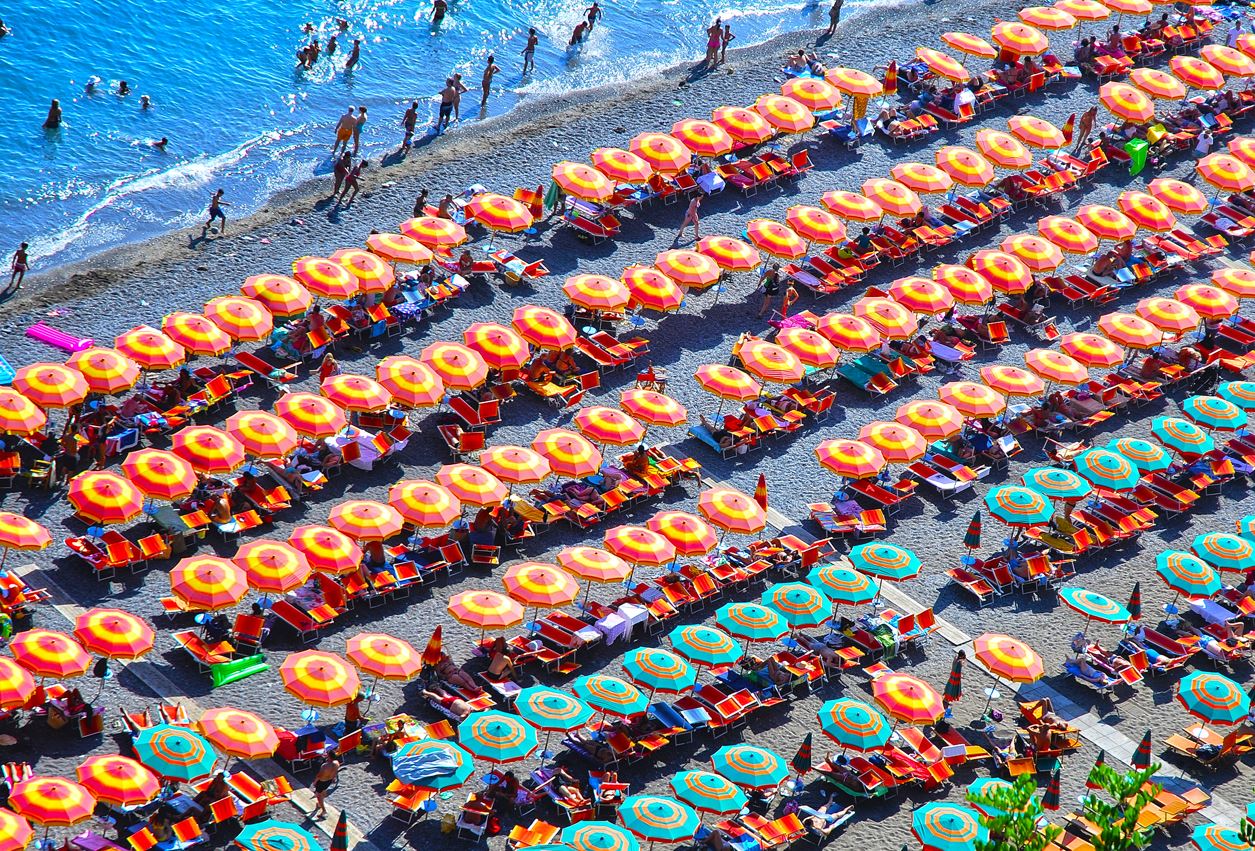
A few hundred miles away the Amalfi Coast is implementing their own rules to combat excessive tourism.
Local officials are beginning a new system that alternates who can access the famous 35-kilometer road between Vietri sul Mae and Positano.
On odd number days, only cars with odd number ending license plates are allowed to drive on the road. On even number days, cars with even number ending license plates can take to the famous street.
This new policy will run from the middle of June, all the way through the end of September 2022.
10am to 6pm on weekends, as well as during the Easter Holy week holiday.
However, residents of the region are exempt. So are public buses and taxis.
This isn’t the first-time officials in Europe have tried to combat over tourism.
Venice who at the height of summer receives up to 150,000 tourists per day has stopped cruise ships from docking in its ports because the city could not sustain the number of tourists it was receiving.
Local businesses were overrun with tourists, the canals overfilled, and locals were outnumbered 50 to 1.
The dangers of overtourism
Overtourism can wreak havoc on local municipals and the people that reside there. From hour-long traffic lanes, high cost of living and too many people in a limited space will always create challenges.
Europe has some of the most visited countries in the world; from Spain, Germany, Italy, and the U.K. everyone of these countries has their own challenges with over tourism.
One thing is for sure, restrictions on over tourism needs to be at the forefront of these nations in order to preserve the quality of life for locals and their surrounding environment.
Enter your email address to subscribe to Travel Off Path’s latest breaking travel news, straight to your inbox
Disclaimer: Current travel rules and restrictions can change without notice. The decision to travel is ultimately your responsibility. Contact your consulate and/or local authorities to confirm your nationality’s entry and/or any changes to travel requirements before traveling. Travel Off Path does not endorse traveling against government advisories