We all know California’s staples – San Francisco, Los Angeles, San Diego, among a select few other trendy treasures along the coast.
The Golden State has sure made a name for itself in recent years, finding itself on the wrong side of headlines in many cases.
While locals have been up in arms over major cities transforming into a real-life Zombieland, vacationers are still flocking to the West Coast.
Away from the hustle and bustle of California’s household names lies one region nobody ever seems to talk about, but it’s slowly garnering national attention.
One such lake town was just named the California’s best ‘Hidden Gem Destination’, although the trendy coastal town of Elk might have something to say about that…
Home to vivid blue lakes waiting to be explored, this relatively undiscovered region is California’s ultimate place to unwind this fall.
Convict Lake: California’s New Lake Town Darling
Ever been disappointed visiting a trendy new place that didn’t hit the mark?
Well, you don’t have to worry about that with Convict Lake, California’s top hidden gem, according to Cheapism.
Normally, your Golden State lake escape would be the resort-lined town of Lake Tahoe or perhaps the SoCal’s serene getaway, Big Bear.
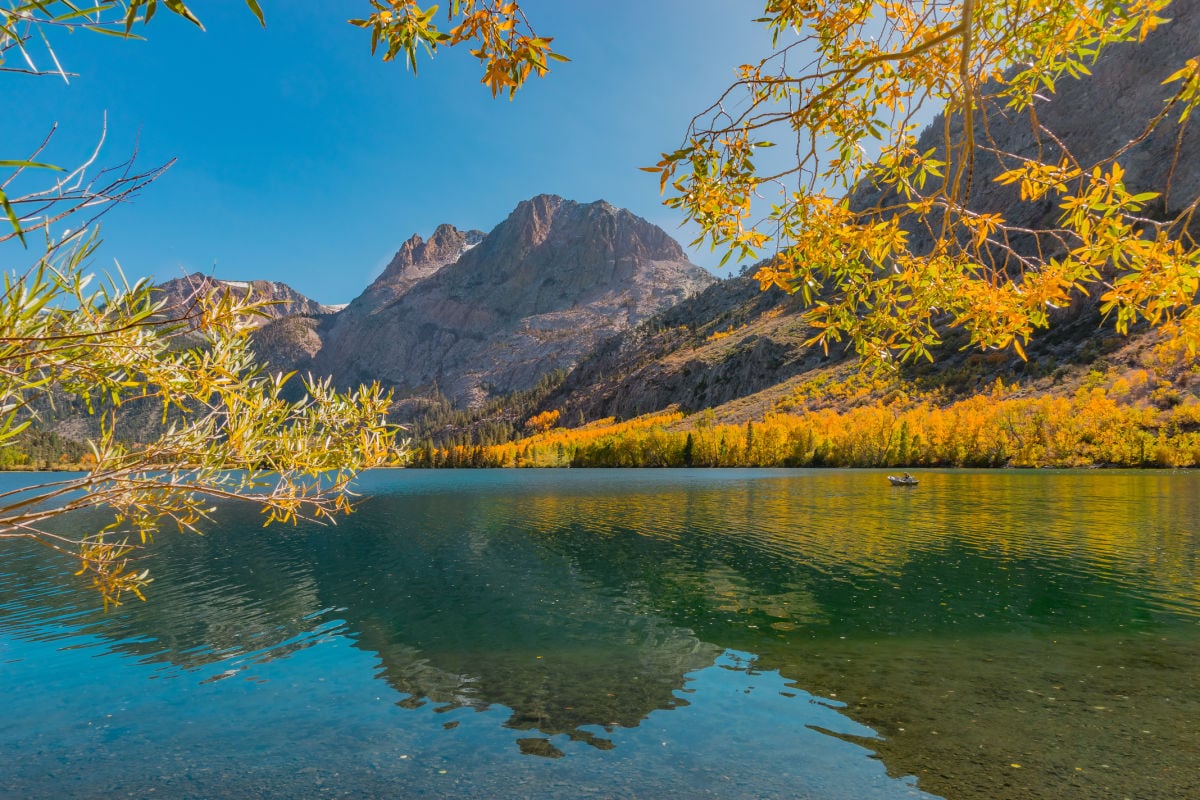
As fall begins to transform landscapes worldwide, Convict Lake and the surrounding area are no different, seeing a rush of colors matched by its vivid blue waters.
Truly out in the wild, away from touristy eyesores, there may be no more authentic place in California to unwind in such an untouched natural setting.
Those who frequent the picturesque lake love to go trout fishing, take scenic hikes through the lush forestry, or lay camp under the stars.
And yes, there are plentiful cozy cabins to rent, or you can opt for the one resort here, the rightfully named Convict Lake Resort, an upscale lodge offering fun boat rides, kayaks, and even horseback riding.
Fun fact: Convict Lake earned its unique name after a group of inmates escaped prison in the 1800s. This resulted in a shootout and the eventual capture of the runaway prisoners. So much for Alcatraz!
The Anti-Lake Tahoe: An Array Of Alpine Lakes Dot The Region
Lake Tahoe, a beautiful natural wonder shared by both Nevada and California, is a great place to visit, but you can’t say it’s undiscovered with towering resorts and flashy casinos.
The region surrounding Convict Lake, however, is way off the radar for most, especially for those not local to the area.
Pristine water conditions and astounding scenery go beyond Convict with ample alpine lakes dotting the region with names I can almost guarantee you’ve never heard of, yet still boast the same allure.
In no particular order, visitors have a multitude of crystal-clear lakes, such as:
This is just scratching the surface, and many of these unheard-of getaways offer relaxing resorts and nearby cabins to enjoy your downtime in pure serenity.
One such place is June Lake, as listed above.
This gorgeous lake town nestled in the Eastern wing of the Sierra Nevada Mountains boasts stunning views from a variety of hiking trails, a charming town center, and even better stays, like the Double Eagle Resort & Spa.
Mammoth: Not Just A Winter Wonderland
If there’s a claim to fame for this side of California, it’s certainly Mammoth (shortened for Mammoth Lakes) – a popular ski destination come winter.
Mammoth has its own flair in the other 3 seasons, however.
Right now makes for an awesome fall escape as well, where just this month, United began their seasonal service to Eastern Sierra Regional Airport in Bishop (BIH) under an hour away.
Before the mountains gleam white, you can take advantage of stunning fall blooms with a mix of golds, crimsons, and oranges.
You won’t need to pack your winter coat just yet, as the temperatures are much milder, allowing you to enjoy the crisp mountain air.
Better yet, many of Mammoth’s popular winter resorts are discounted for the off-season. For example, the luxe Westin Monache Resort is $257 in mid-October compared to nearly $400 in mid-December.
Tip: For an off-path escape to warm up, check out Wild Willy’s Hot Springs 13 miles from Mammoth. Best of all, it’s free!
Sam, our Lead Writer & Journalist based in San Diego has visited 30 countries and written over 400 articles with a focus on sharing his own travel experiences and shining a light on lesser-known gems.
Opinions expressed here are the author’s alone, not those of any bank, credit card issuer, hotel, airline, or other entity. This content has not been reviewed, approved or otherwise endorsed by any of the entities included within the post.
Endless history, alluring landmarks, friendly people, amazing music, great food, and some of the biggest parties on the planet. Yes — we’re talking about New Orleans.
The Big Easy, as it’s often called, is a place where time stands still and music and art are everywhere. To experience it in all its glory, without the unbearable heat, consider booking your trip for this winter.
Whether you want to experience the week-long party of Mardi Gras or find the hidden charms of the city’s lesser visited areas, you’ll find New Orleans is the perfect winter getaway this year.
Below are 5 reasons why New Orleans is the place to be this winter:
Experience Mardi Gras
Mardi Gras is a special celebration for the Fat Tuesday holiday. Although some historians say it actually started in nearby Mobile, Alabama, nowhere else celebrates it quite like New Orleans.
This five-day festival begins well before the official start date. Yet when it ends on Tuesday, the city goes quiet. Experiencing the incredible energy and celebrations the night before and waking up to calmness on the streets is one of the most unique travel experiences you can have.
If you come to New Orleans during Mardi Gras, you’ll experience endless live music, parades, late-night parties, and calmer family-friendly events outside of Bourbon Street’s famous debauchery.
The entire city sports the traditional green, purple, and gold colors, creating an unforgettable sea of color, especially while decorating the city’s incredible architecture.
Green symbolizes faith, gold for power, and purple for justice. Together, they symbolize a very good time.
In 2024, the party will start on Friday, February 9 and run until Tuesday, February 13. Don’t forget to book your accommodation early and expect crowds during your stay.
Its Unique Architecture, Food, And Culture Is Like Nowhere Else
New Orleans was first inhabited by indigenous tribes, then the French, then the Spanish, and eventually the United States. It’s been shaped by colonialism, the evil legacy of slavery, and the industries of the United States.
These historical events and diverse cultures shaped the city into what it is today. The city will transport you back in time while you walk around admiring its architecture.
What’s sometimes more impressive than its architecture? It’s food, of course. The city’s dishes evolved from a mixture of Indigenous, African, and European cooking traditions and ingredients to make something unique and famously delicious.
Non-stop Music And Nightlife
Music flows through the streets in New Orleans. It’s the birthplace of American jazz and has live music venues around almost every corner.
You’ll find parades of marching bands during funeral processions, street performers performing every style of music imaginable, and packed bars and speakeasies filled with people letting loose.
For any newbie to the city, a visit to the famous French Quarter is a must. Establishments such as Preservation Hall, Toulouse Theatre, and the House of Blues are all places where you can party all night and see the best live music of your life.
This year, the city’s popular Jewel of the South bar was added to The World’s 50 Best Bars list. From the famous Sazerac cocktails that blend French Absinthe with bourbon to the striking interior, this New Orleans watering hole is something special.
You’re Connected To Anywhere In The USA and Canada
There are great deals and plenty of flights that connect New Orleans with other cities in North America. Breeze Airways just added over a dozen new direct routes between cities such as Los Angeles and Tampa this year, and the prices are still low.
However, the city is not just connected by air. You can always make a memorable road trip out of your trip to the Big Easy. Several freeways, including I-10 and I-55, connect the city to other major cities around the country.
If you’re traveling to a city known for its unique charm, why not take a train? Several cities, including Chicago, LA, New York, and soon Mobile, will be connected to New Orleans by rail.
Great Weather
Let’s face it: New Orleans can be hot and uncomfortable. The high humidity and scorching heat of summer and much of fall and spring make most people’s itineraries include time inside under the air conditioner.
However, in winter, you’ll be able to wander the streets throughout the day with pleasant temperatures, often between 50° and 65° Fahrenheit. You may even see snowfall in the city, although it’s rare.
Winter is also the time when the North Atlantic calms down, and the threat from tropical storms goes away. New Orleans has been hit by destructive hurricanes throughout its history, the last major hurricane being 2005’s devastating Hurricane Katrina.
Besides the slight chance of brief snowfalls and morning frost, winter is the perfect time to experience the city without getting exhausted by the heat. You’ll be able to party longer, see more sights, and spend more time talking to locals and other travelers.
Mexico will always be an American’s first choice when picking an international destination, and it will be no different this fall.
When you get so very few paid leave days per year, and you’ve spent months on end dreaming of a holiday, there’s nowhere you’d rather go than the neighboring sunny country to the south.
With that being said, making a decision can be particularly hard, especially when you’re torn between the agitated life and crystal-clear waters of the Mexican Caribbean and the laid-back atmosphere and luxury of the Mexican Pacific states.
Where, then, should you go for an off-season beach getaway?
Cabo Is Where It’s At
In case you were still in doubt, there’s no better place to experience the natural beauty of Mexico and put your mundane worries to rest than Los Cabos.
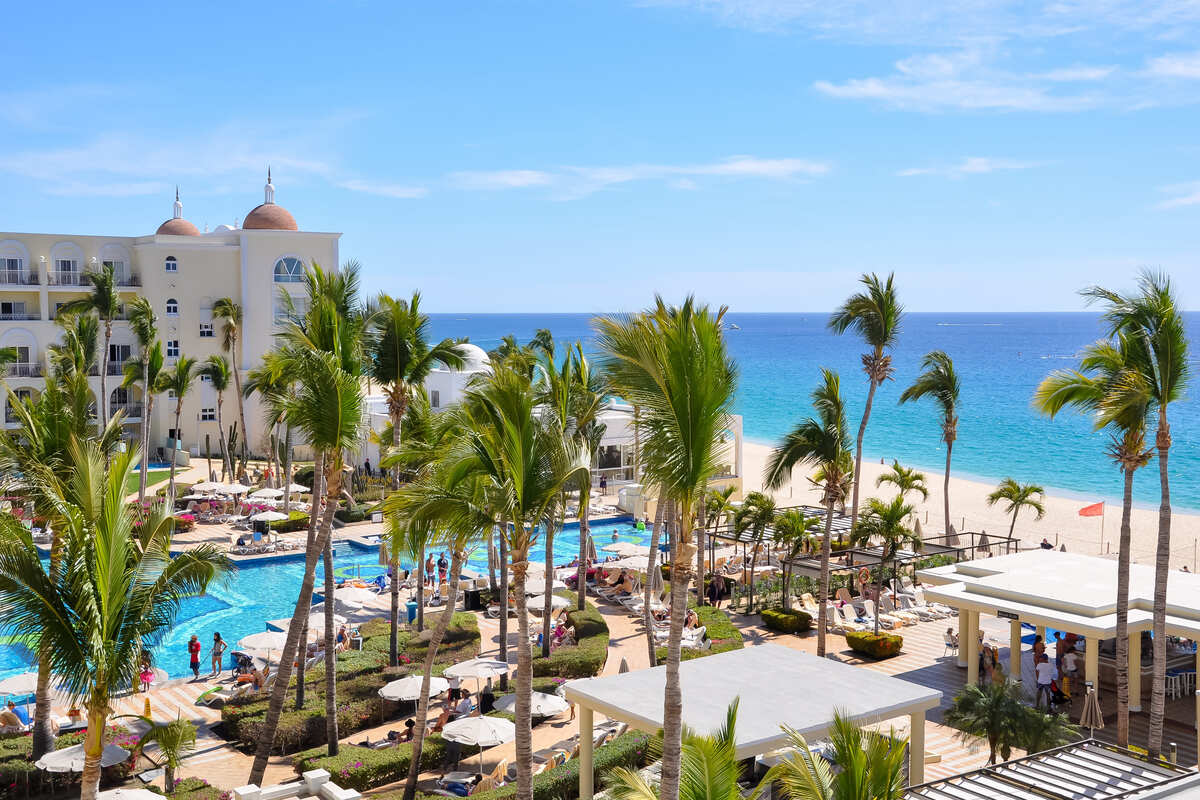
A dual attraction combining two resort cities of Cabo San Lucas and San Jose del Cabo, which sit on the Southernmost tip of the Baja California peninsula, it is currently Mexico’s trendiest and fastest-recovering destination post-crisis.
It has surpassed Cancun’s own recovery a number of times last year, and this year, it’s continued to grow at an unprecedented rate, with a 28 percent increase in available seats in May alone. Cabo is smashing records left, right, and center, and you may be wondering why.
World-Class Amenities
Cabo’s high rate of customer satisfaction, the resorts’ world-class amenities, and the hospitality and professionalism of the staff are a huge part of the reason why it has been challenging the overcrowded Cancun for the number one spot in Mexico.
This fall, there is a chance it might, as its hotel zone continues to enjoy prestige worldwide, with six properties featuring on La Liste, a publication ranking the one-thousand very best hotels globally – The Waldorf Astoria, an icon of the El Pedregal district of Cabo San Lucas, even cracked the top two.
Cabo is home to the highest-charting, and thus best-reviewed hotel in the whole of Mexico.
A Regional Leader In Wellness
First of all, Cabo has reached distinction for having the highest proportion of spas and well-being centers anywhere in Latin America, a testament to the city’s successful branding as a wellness capital.
Unlike Cancun, Tulum, and other Riviera Maya spots that have made their fame as destinations for both accessible vacations and nightlife, Cabo authorities have pursued a drastically different path, investing more in high-end tourism, natural world experiences, and relaxation retreats.
While Cancun is by no means an affordable place to visit, what with its soaring cab rates and pricey restaurants, it is still more ‘for the masses’ than Cabo, a more exclusive resort zone where chartering semi-private jets is becoming increasingly common among guests.
Not only does it lead the wellness trend in Mexico, but it is notoriously luxurious, catering almost exclusively to big spenders or, the very least, middle-class families that have saved up a hefty sum and who are not reluctant to splurgeon an all-inclusive vacay.
Cabo Is Worth Every Cent Spent
It is one of Mexico’s best-developed development zones, with an average overnight rate of $600, but judging by the impressive stats coming from hospitality, it is clear Americans who deliberately choose the shockingly expensive Cabo are not overly worried about money.
Or then, they are actively seeking to be treated like royalty for once when going on an international trip, as that is precisely what customers experience sojourning here.
Unlike other destinations in Europe, where prices are decreasing dramatically this fall, in response to a drop in demand, hotel owners and accommodation providers in Cabo have stated they will keep them ‘steady’ not to devaluate Cabo as a luxury destination.
Perfect Weather
Cabo also boasts incredible weather year-round, and though more rain is generally expected between August and November, which would comprise the off-season, when tropical storms are more common, though sunny days are still plentiful.
Humidity is also considered ‘moderate’, which makes sightseeing around the Capes more pleasant, especially when you’re exploring marine parks or lounging by tropical beaches.
Another reason why Cabo is the perfect fall destination is the myriad of cultural events and activities taking place between September and November. As the Cabo Sunreported, September is the best time to visit Mexico as it is ‘the most Mexican of all months’.
This is due to the celebration of Mexican independence from Spain, declared on the 16th of September, 1810. While the date is already approaching, festivities often extend throughout the month, with the sound of mariachi music resonating and the irresistible smells of Mexican food filling the streets.
Learn more about Los Cabos’ diverse tourist offer, including some hidden gems a short drive away from the resorts here.
The Black Sea is rising fast in popularity as a summer destination, with record rates of occupation in resort towns, a higher number of foreign guests landing in bordering countries, and a rapid post-crisis recovery that supersedes that of some Mediterranean countries.
For years, the Mediterranean – commonly called the Med – was seen as Europe’s only valuable summer offer due to its warm waters and balmy weather, while in the continent’s far North, the weather remains cooler year-round.
As some travelers are now finding out, however, Southern Europe is not their only shot at an idyllic sunny getaway across the pond, as the Black Sea claims the title of ‘New Mediterranean‘:
The Med Is Not Europe’s Only Warm Basin
Officially a marginal Mediterranean sea by definition – an enclosed sea with limited exchange of water with outer oceans – the Black Sea is yet another warm-water basin most tourists ignore, either due to its uninviting name or misconceptions relating to weather conditions and safety in Eastern Europe.
It is anything but dark-colored, and temperatures are the complete opposite of glacial.
The Black Sea is in fact incredibly azure, and even bright blue in certain parts, and it gets just as warm – if not warmer as it is even more enclosed than other similar seas than the Med in the hotter months of the year.
Some Black Sea coastal spots report temperatures of 40°C (104°F) and higher over summer, and this naturally reflects in the water temperature, which hits on average 26-27°C (78-80°). It’s surely no Persian Gulf, but it is pleasant to swim, and you won’t feel a shock jumping in the water.
Plus, the Black Sea is home to some of Europe’s most ancient nations and some of its most culturally-charged historical ports.
A Treasure Trove Of Ancient Gems
Countries like Bulgaria, Romania, Turkiye, Georgia, Ukraine, and Russia (though the latter two are off-limits due to the ongoing war) have their coastlines within the basin, and we still struggle to pick our favorite Black Sea beach town with such a vast array of incredible options.
Without a doubt, the best-developed resorts, and the destinations that are better prepared to host tourists, are located on the Bulgarian Black Sea Coast.
Sunny Bulgaria
Bulgaria has re-emerged in the post-COVID scene as a strong alternative to the Mediterranean South due to its golden-sand beaches, slow-paced lifestyle, and huge affordability.
The leading resort town in Bulgaria, the aptly-named Sunny Beach, located on a sandy stretch of coast between the cities of Burgas and Varna, has accommodation rates as cheap as US$39 per night in the peak of summer, inexpensive restaurants where a modest meal will cost you as little as US$5.75, and a half liter of domestic beer for a negligible US$1.78.
The beaches in Bulgaria are also some of the longest and cleanest, extending for miles on end and bounded by lush marine parks.
Not to sound redundant, the beach in Sunny Beach already gets jam-packed over summer, but quieter, more secluded swimming spots can still be found within short driving distance of the town, such as the municipal beach near Nesebar island and St. Vlas.
Rougher Yet Equally Beautiful Romania
Romania, on the other hand, is not as well sought-after but just as promising a summer destination. Cities like Constanta and Mangalia offer visitors an escape from the gray, Brutalist cityscape of Bucharest, the national capital, and a whole range of attractions to keep them entertained for days.
Whether it’s some casino fun, family-friendly water parks, live music venues, or nightclubs you’re after, Constanta will most certainly not disappoint.
On the downside, beaches in Romania tend to be somewhat dirtier than their Black Sea counterparts, with the sands of Constanta, neighboring Eforie Nord, and Mamaia reporting high rates of crowding – mostly locals – and littering in the high season.
If you’re looking for less of this and more of those idyllic, peaceful coastal vibes, head out of Constanta to Corbu and Vama Veche, smaller coastal towns where tourism has not yet turned disruptive.
Fascinating Black Sea Turkiye
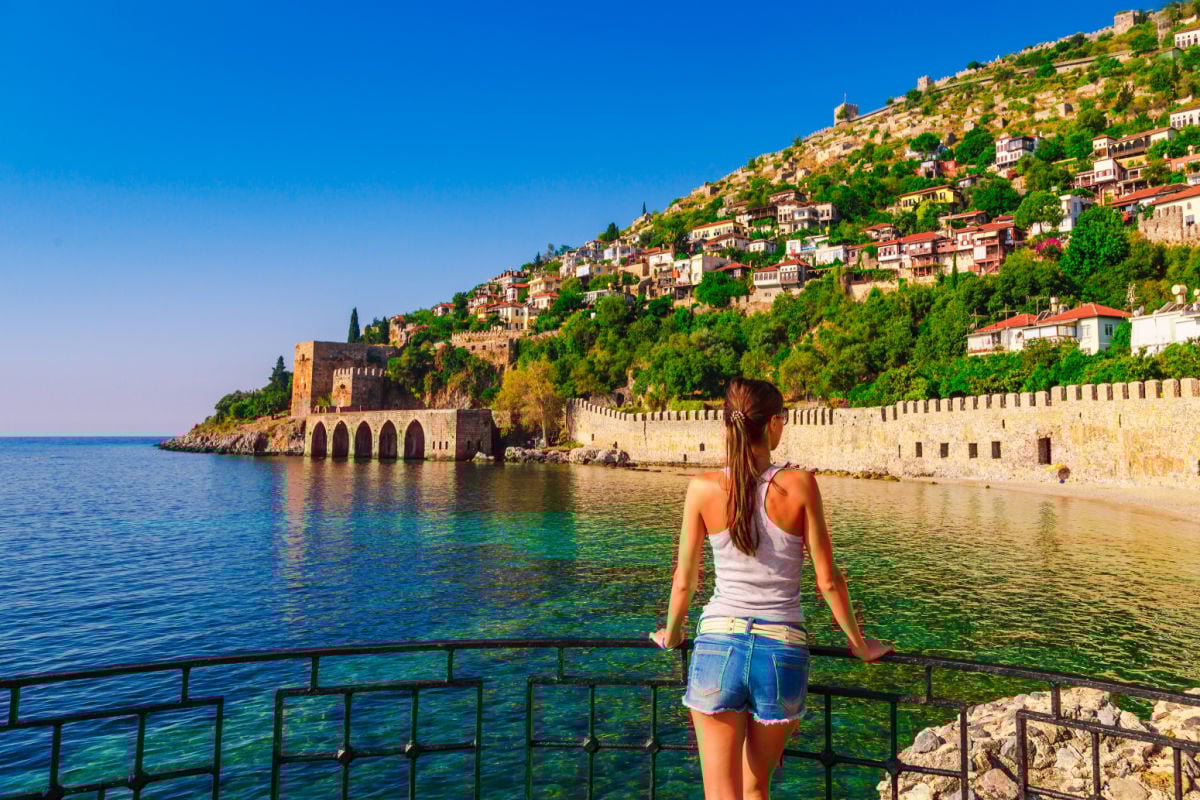
Then there is Turkiye’s hugely underrated Black Sea province, with its small, minaret-dotted coastal towns of Amasra and Sinop, bounded by the ocean, and the historical Trabzon, famous for its rich Byzantine heritage.
Trabzon has an up-and-coming resort scene. While it is surely not as popular as Mediterranean Turkiye, where extremely popular sunny getaways like Antalya and Izmir are located, it has a reputation for being a quieter seaport with a more laid-back atmosphere.
Guests are particularly fond of the slow-paced lifestyle they enjoy here and the crowd-free beaches to the West of Trabzon.
Underrated Georgia
Bordering Turkiye, Georgia straddles the Black Sea as well, and its main attraction, the resort city of Batumi, has been making headlines this year as the perfect alternative to over-crowded, increasingly more expensive Mediterranean Europe.
With its beautiful architecture, futuristic skyscrapers and marine gardens that have earned it the title of ‘Georgian Dubai’, and a surprisingly long stretch of beach, Batumi is perhaps Europe’s most underrated beach destination.
Other than their diverse offer, Black Sea ports have exciting new hotel openings scheduled in the near future, including an Accor-Mardi Holding joint-venture expected to bow in Batumi, a whopping five all-inclusive Hyatt resorts in Bulgaria, and further IHG Hotels & Resorts listings in Turkiye.
Black Sea summers are super trendy right now, and it’s no surprise all these international brands want a slice of the pie while it’s hot.
The Black Sea Is More Affordable To Visit
Finally, prices across the region can be shockingly affordable compared to Western Europe, as all of the currencies in Black Sea countries are weaker than the American dollar, with the Turkish lira standing out as one of the most devalued currencies currently.
There are no Euroized countries on the Black Sea: even Bulgaria and Romania, both European Union members, have not yet adopted the euro, using their own national currency instead and being renowned for their low cost of living.
You can find modest hotel rooms in Burgas for as cheap as US$24 in the Bulgarian high season, as well as more luxurious, four or five-star offers with rates starting at just US$105 per night on Booking.com.
Turkiye’s Black Sea Province is no different, with well-equipped, five-star offers in Trabzon ranging from US$109 only, to an acceptable US$283 per night. In Batumi, you will find VIP beachfront apartments for US$51 and US$275 for four-star resorts.
The Black Sea is beautiful and warm, it has fewer tourists, prices are fair, and there are enough historical landmarks to keep the History buff, Europhile in you entertained for days – it’s no wonder it’s Europe’s best place to be this summer.
Having gotten used to meticulously mapping out an itinerary prior to a trip, usually cramming it with activities and so much sightseeing there is barely room left to breathe, I often looked down on others who sought relaxation alone visiting Vietnam.
I wasn’t exactly keen on blending in with the crowd of holidaymakers sporting floral dresses and shirts in various floral patterns, fake tan on point as they flocked into the country with one collective goal in mind: lounging by the pool and basking in the sun for days on end,doing nothing.
However, following a wearisome, exceedingly-long train journey from South to Central Vietnam, I somehow found myself grinding to a sudden halt in Cam Ranh, a coastal resort town and one of many stops in-between destinations during my action-packed, month-long adventure.
My next train heading North would only be departing four days later, leaving me no choice but to join the beachgoers in kicking back and unwinding for a change… in Vietnam’s fastest-developing tourism strip at that.
Why not, then, go all out and check into one of the area’s top luxurious resorts to see what the fuss is about? Little did I know that what started out as a personal experiment would lead to a complete re-examination of my idea of a ‘truly’ authentic experience.
Touted as the ‘most exciting’ resort in Vietnam – though we will get to that further down – The Alma straddles the East Sea coast and is a stone’s throw away from the Cam Ranh International Airport – only 15 minutes driving.
It doesn’t matter if you’re flying into Cam Ranh from other parts of Vietnam, from abroad, or you’re first arriving at the train station in Nha Trang, the nearest major urban center some 28 miles away: you’ll have no issue getting to The Alma.
Contacting your concierge in advance, you can easily arrange a private transfer from the airport or other departure points in central Nha Trang. From the city, the journey takes roughly 40 minutes, driving along a scenic coastline with views of the Nha Trang islands.
My First Impressions
The first thing that caught my eye approaching The Alma was how palatial and immense it looked from the outside, as the chauffeur drove up the road snaking around the resort’s 30 hectares. From the window, I had a glimpse of imposing hotel towers, rows upon rows of private villas, and a water park.
Arriving at reception, my luggage was collected by porters and the van door slid open before I even got a chance to reach for the handle. Stepping out of the vehicle, I was instantly greeted by the staff, who helped me up the short set of stairs leading to the arrival hall.
Even though Vietnam has been open for tourism restriction-free for almost a year now, with Cam Ranh at the forefront of the tourism rebound as a development zone, I didn’t feel like the resort was extremely busy, even though occupancy rates have been climbing steadily since May 2022.
The whole check-in process took place in a heartbeat, with no queues to be seen as attentive staff effortlessly waved incoming guests through, with whatever insignificant amount of waiting required made endurable enough with welcoming refreshers and wet towels to help us cool down from the heat.
Once I was handed my key and a much-needed map for navigating the property, I was shown the way to the buggy car park, where a driver awaited, my luggage already safely stowed. Next stop: my Oceanfront Pavilion.
My Beachfront Oasis
As the buggy drove past the long corridors of villas interspersed with green foliage, I finally got to appraise how big of a behemoth The Alma actually is.
After the fourth turn, I gave up trying to memorize the surprisingly-long route there, and I suddenly became very aware of the map I clutched tightly with one hand along with my own personal belongings.
We made it there eventually, and the sight of my temporary, not-so-humble abode made me automatically break a smile. Unbeknownst to me, I had been assigned a three-bedroom oasis bounded by a lush garden, dubbed the Oceanfront Pavilion.
One feature my attention was immediately drawn to was the fact that my room key came in waterproof, wristband form, making it much harder for it to be lost or left inside the room – I can’t tell you how many times I have locked myself out of my own chambers in hotels.
Hardly note-worthy, but as I would learn later, the wristband has a dual purpose: it can be used for purchases within the premises, being registered to your room and serving as your credit card during your stay. Shopaholics, beware.
Crossing the threshold, I was surprised to find a super spacious living room, daylight coming in from all sides, a dining table in its center, where a basket of exotic fruits and a welcome package rested beside a bottle of Chilean Mapu wine.
Back to the pavilion itself, it is big enough to host an entire group of friends or family, with three rooms and their respective individual bathrooms and TV sets, and an additional fourth toilet for common use.
The kitchen comes with a minibar, supplied with complimentary sodas, water bottles, crisps, and KitKat chocolate bars, though it is filled a single time on arrival only. Although I doubted I’d be cooking, I had a microwave and an electric stove at disposal, and a kettle and coffeemaker with an impressive tea and coffee selection to go with it.
Traveling solo, I could have slept in a different room every night, but I instinctively paced towards the main suite, where I ended up dropping my bags in the end: the bed is impossibly large and soft to the touch, and I was sure it would accommodate three adults comfortably.
The upholstered tufted headboard is lit from behind with a soft LED strip set against a wooden panel reaching the ceiling, easily the most memorable element in the room.
Other than a bedside rug with triangular patterns, it lacks the usual abstract artwork and excess furnishing interior designers love to play with, but it does achieve the desired minimalist elegance as opposed to being just bare or lifeless.
Facing the bed, the TV set displayed the daily program and The Alma’s extensive list of amenities. Still inside the room, I particularly enjoyed the modern walk-in shower and the water pressure, so strong when it hits your back it’s almost therapeutic, as well as the spacious bathtub in the main suite, where most of the aforementioned Mapu would be consumed.
I travel light these days, especially in this post-COVID climate where luggage keeps getting lost, so I don’t carry an awful lot of toiletries around with me. Luckily, The Alma provided me with all the toilet essentials and then some, from a toothbrush and toothpaste to a hygiene kit and even cotton buds.
My favorite feature has to be my private pool facing the beach.
I’m the introverted guy who normally doesn’t go in the water and instead stays by the poolside reading or catching up with work, with both the shouts of children and my peers’ perfect bodies often inhibiting me, but even I couldn’t resist this pool’s gorgeous setting:
Of course, having it all to myself may have played a huge part in my sudden confidence boost, and boy, did I enjoy those precious little moments in complete seclusion and privacy as I bathed in my pool, a sea of shimmery blue for a view.
12 Pools Leading Down To The Beach
Not all pavilions come with a private pool, and surely not the hotel suites, but even guests in lower tiers will be spoiled for choice when it comes to swimming spots.
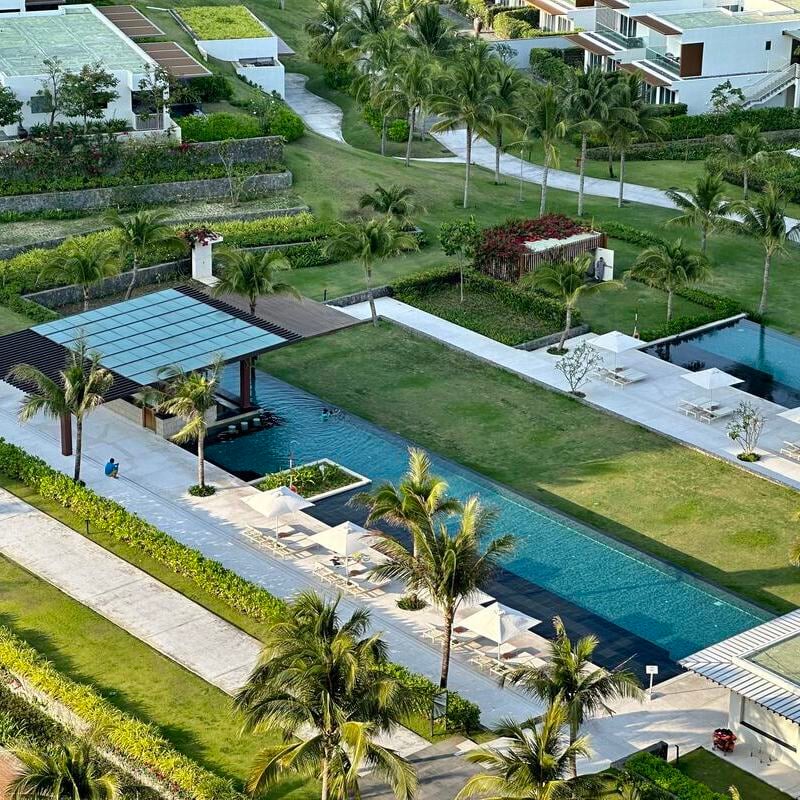
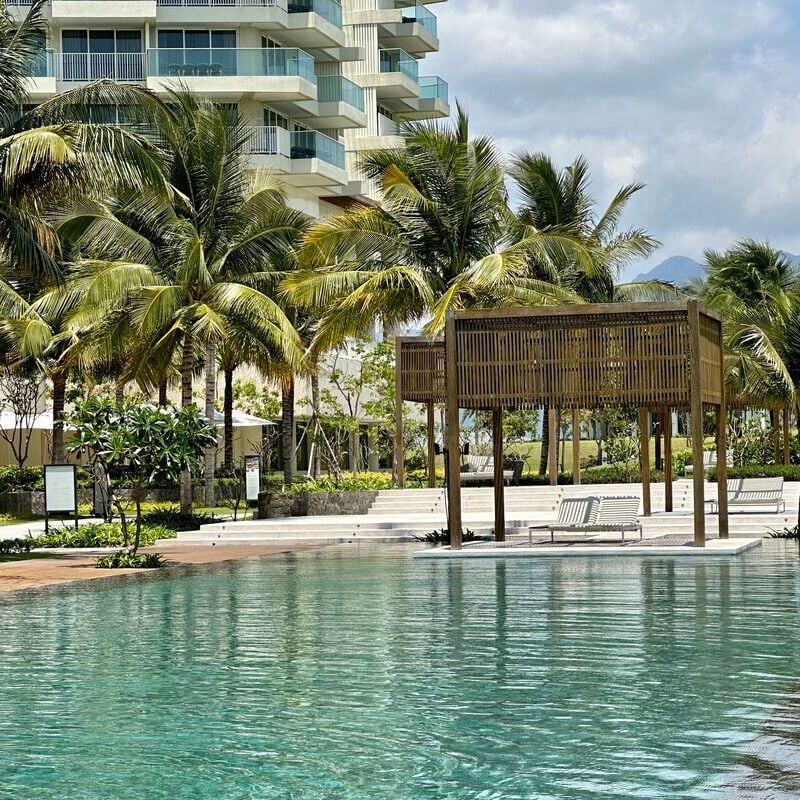
The Alma boasts a whopping 12 pools distributed along a wide corridor, which gravitates towards the beach from the hotel towers and main leisure complex.
The pools are not exactly distinct in nature, with a couple of exceptions. The first on the way down, the one closest to the recreation zone, is one of the largest and surely one of the most impressive, with sheltered sun loungers sitting on both extremes of the crystal-clear lagoon as if floating on water.
The one closest to the beach, where the largest poolside bar and swimwear shop are, is also bustling with activity.
With so many pools to pick from, besides my own private pool, of course, I never felt the need to leave in a hurry every morning to secure a lounger and a spot in the sun.
I spent the most time in the lesser-frequented pools, where I was able to bathe in peace, listen to the gentle ruffling of leaves against the wind, and busy myself with my book without the usual screaming and splashing on water.
If it’s saltwater you’re craving instead, the Alma encompasses an extensive stretch of sandy beach bounded by an azure, pristine ocean, which, unlike other parts of Vietnam, has been kept clean for the delight of guests.
The way down to the beach is lined with cocktail bars, changing rooms, and plenty of toilet facilities, which I appreciated as rushing back to my room anytime I fancied a quick change or grabbing a refresher would have been in the very least challenging, given the scale of the property.
World-Class Attractions
I have probably never seen a five-star resort as well-equipped and with a range of amenities and entertainment venues as wide as The Alma’s.
It has everything you’d expect a gated community to have: a mini market where guests can purchase beauty products or restock their minibar simply by tapping their wristband card against the card reader, varied restaurants on-site, a cinema, an American-style diner, a karaoke bar, a water park, and even a science museum where kids and adults alike can marvel at optic illusions and other entertaining experiments.
To put it simply, The Alma is the complete opposite of boring, and I found myself struggling at times to narrow down which activities were a priority on my to-do list before checking out.
As a cinema enthusiast, I regret that I could not fit a screening session in between my self-care and sunbathing time, but I had a marvelous time letting my inner child run wild, taking turns going down all five towering slides in the water park.
Once I tired myself of all the water play, I gladly retreated to Le Spa, the ultimate wellness center, for an hour-long deep tissue massage that seemed to release all of those knotty muscles I’ve earned from four years traveling as a backpacking digital nomad.
This was preceded by a 20-minute sauna sesh, and followed by some lounging sound-tracked by soothing, indigenous music, as I sampled freshly-brewed tea and eased into the delicious soreness of my post-massage, twisted-and-turned body.
Other non-clinical rituals I promised myself I would try in a future visit included a rejuvenating Collagen Radiance facial, warm stone therapy, foot rubs, and a Thai herbal compress, among others.
And Then There’s All This Food…
If you consider yourself a foodie, the Alma should definitely be added to your Vietnam itinerary. From the minute I stepped out of the buggy into my pavilion to the checkout three days later, the food basically didn’t stop coming, and it absolutely lived up to my not-so-modest gastronomic expectations.
Every day my basket of fruit was re-stocked, and between nibbling away at the complimentary morsels delivered in intervals to my room to gorging in a hearty buffet breakfast with hot dishes, French pastries, and freshly-picked exotic fruits every morning, I sometimes struggled to make room for whole meals at supper.
There are six eateries on site, though some of those would be clumped together in a single Food Court.
Inside, you can find a French bakery displaying fresh pastries and artsy cakes, a Vietnamese restaurant specializing in noodles, a tea shop, a Japanese food truck, and even a ‘Little New York’ where Western-style street food is served.
I sampled a few different things here and there during my three-day sejour, but somehow I kept getting drawn back to the Viet eatery in the Food Court. Once you try their flavorful spicy seafood noodle soup, you’ll understand why.
The two main external restaurants offer Western and Southeast Asian options.
La Casa is headed by a charismatic chef hailing originally from Puglia, and it’s where you’ll find an assortment of fresh pasta and other Italian dishes, while the beachfront Atlantis serves mainly seafood and local specialties.
If you’re staying at the Alma for a long weekend like myself, I would suggest you pay the Atlantis a visit for the first night, as it’s got great ambiance, with tables set in an external patio facing the beach, dimly lit by romantic lights, and the food is traditional Vietnamese with a haute-cuisine twist.
The seafood platter is bountiful and mouth-watering – I can’t tell you how many mini calamari cakes I gobbled in one go – and the accompanying seafood fried rice, made extra crispier with the addition of burnt garlic, was just lovely. Washing it down with ice-cold coconut water felt even better.
On the following evening, you can indulge instead in some classic Mediterranean at La Casa. For a three-course meal, I would recommend a burrata and prosciutto crudo appetizer, followed by a thin-crust pizza – any flavor of your liking – and canoles stuffed with pistachio cream for dessert.
You will probably have a favorite by your third night at the Alma, so you can decide for yourself which restaurant deserves a revisit.
From Our Family To Yours
The Alma is far from being a mere product of unrestricted development: it is giving back to Vietnamese communities and bridging the gap between foreign guests and hard-working locals in a way I couldn’t have foreseen or expected.
They are well aware of the surge in demand for more meaningful experiences and have partnered with local providers to bring guests closer to the local culture, offering a carefully-curated list of day trips and cultural activities.
Keen on understanding the complex dynamics of Vietnamese society, I opted for a cooking class in a traditional family home headed by a Vietnamese matriarch. We set out early in the morning, first stopping in the neighboring town of Cam Ranh, where the narrow streets are busy with trade.
You can find anything on these street markets, from colorful tropical fruits with unpronounceable names to live ducklings.
I was more interested in the fruit than anything else, especially after I realized how cheap dragonfruit is here and how sweet, juicy, and tastier it was compared to the imports we get in Europe.
After picking up a few bargains, we were collected by the driver and journeyed further inland to the rural outskirts of the province, where my cooking instructor awaited.
A stay-at-home mom, Mrs. Sen effortlessly moved around her fully furnished kitchen, reaching for condiments and being quick to fix my cooking mistakes before I got the chance to ruin lunch for all of us.
As you probably know by now, if you followed Travel Off Path during our trip to Israel, I’m not the most skilled cook nor the brightest student in do-it-yourself workshops. Granted, the prawn and noodle-stuffed rice-pacer rolls were quite easy to assemble, and despite being stuffier than usual and having unwrapped within seconds of being rolled in, mine tasted delicious nevertheless.
That’s the beauty of Vietnamese cuisine: no matter how hard you try to spoil it, it will still turn out great in the end.
Downsides
The Alma’s vastness and its endless supply of attractions is precisely what set its apart from other properties in the province, but it can feel like it’s too big of a property at times, especially if you’re looking for something a bit more intimate.
Unless you’re checking yourself into one of the hotel towers, which sit on both sides of the centrally-located leisure complex, you better pack some comfy walking shoes as you’re gonna need them.
From my pavilion, situated on the northern reaches of the resort, to the food court, bars, and entertainment venues, it took me between 10 to 15 minutes of marching every day. On the other hand, I did enjoy the peace and quiet that came with staying at a private pavilion, away from all the action.
Walking the extent of The Alma and taking in the nature along its stepping stone-laden trails down to the beach and the verdant corridors flanked by villas is indisputably part of the experience, and it turned out to be one of my favorite pastimes.
If the weather’s too hot, or you simply don’t fancy the long walk, you can call reception to ask for a buggy to pick you up or find the nearest buggy point near you and wait for the next one to pass by, though I would advise you to plan in advance if your activity is time-sensitive.
Getting to the water park, on the southern edge of The Alma, will almost certainly require a buggy, as the walk there can take up to half an hour or more depending on where in the property you’re staying. Yep, that’s how colossal it is.
Understandably, the WiFi may not be as stable across the entire property, particularly open areas away from the leisure center, but it is fast and reliable once you’re inside the rooms and main buildings, as well as recreational zones.
Regrettably, The Alma’s mobile app, which keeps you in the loop about relevant updates regarding your stay and any special events that may be taking place, was undergoing maintenance and too glitchy to use, but once those minor issues are fixed, I can see how it will further enhance the experience.
How Much Will An Overnight At The Alma Cost?
I have mentioned it a number of times before across my recent Vietnam features, but I still can’t wrap my head around how hugely affordable the country is – that is, when you’re earning dollars, British pounds, or any stable, strong currency.
Your tourist dollars will stretch the furthest here out of any coastal Southeast Asian destination, and the reasonable rates for overnight stays at The Alma is proof of that. With fares for a suite ranging from USD $127 to USD $212 for upcoming dates on Booking.com, it will hardly break the bank.
You won’t have your own pool, private concierge service, or palatial chambers, but you’ll still get the royal treatment and, of course, access to the resort’s world-class amenities.
If you’re feeling inspired and you don’t mind shelling out the dough now that you’ve traveled this far from home, fares for the oceanfront 2-bedroom Ocean View Pavilion start at USD $441. The bigger 3-bedroom, Oceanfront version sells for around USD $930 per night.
Was It Worth It In The End?
Albeit unexpected, my little detour to Cam Ranh and short-lived, experimental peek into the life of the wealthy, privileged few living it up in Vietnam proved an incredibly enriching episode. No pun intended.
It was a great way to see firsthand how fast-developing Vietnam is, beyond the classic rice paddies and rural areas, and how the bustling resort scene here has not only not proven detrimental to communities and their way of life but actively aided in its development.
Whether it’s arranging cooking workshops in a traditional family home, guided visits to flea markets, or other cultural immersions, The Alma is ensuring the wider province reaps the benefits of the tourism surge.
Although it was a short, intermediate stop on my way elsewhere, I actually wouldn’t have minded staying at The Alma a tad longer, so much so that I spent my entire sojourn dreading the moment I would eventually leave.
Travel Off Path was a guest at the Alma Cam Ranh in March 2023 during a month-long press trip in Vietnam. We would like to extend our thanks to the entire management team, and particularly Mrs. Amon (Mildred), Director of Marketing Communications, for her unconditional hospitality, and ensuring our guest experience was nothing short of remarkable.
Just a 30-minute drive outside the Albania border lies a tranquil lakeside town in North Macedonia. This small town of 40,000 residents is a beautiful, treasured secret to locals in the region who come here for a weekend getaway or make it their summer escape.
To others across the globe, it would rank high on the list for their next vacation or retirement dream goal if only they knew this place existed.
Welcome to Ohrid!
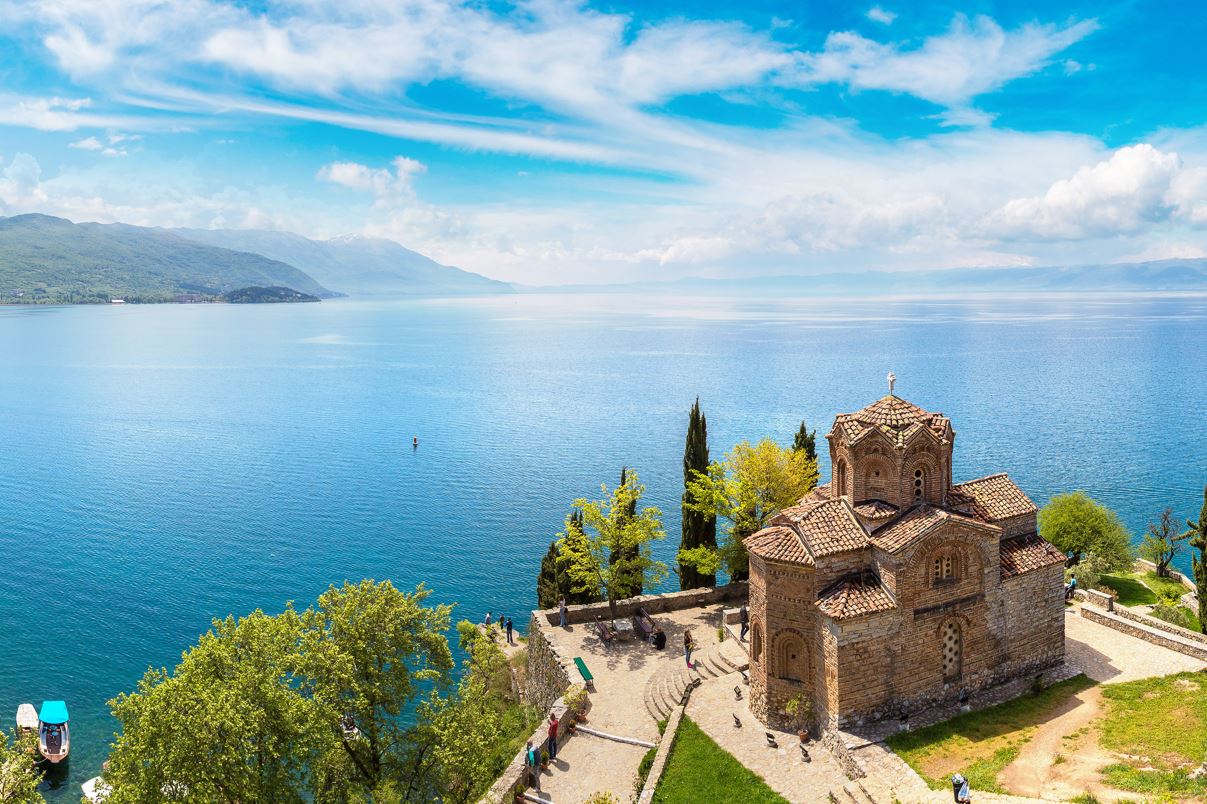
Lake Ohrid is one of the largest and deepest freshwater lakes in Europe. It is actually set in two countries, Albania and North Macedonia (more commonly known as Macedonia). The lake looks pristine from any direction, or country, for that matter. But the small town of Ohrid on the Eastside of the lake is the place to go for the best experience. Those who decide to make the trip will not be disappointed!
More airlines are adding routes to both Tirana, Albania, and Ohrid, making it much more accessible than it used to be. This charming town is actually just a 2-hour journey from the capital of Albania compared to a 4-hour journey from its own country’s capital, Skopje.
Ohrid, a UNESCO World Heritage Site, is a mix of old and new, like many other European cities. Old Town is where tourists will discover the heartbeat of Ohrid.
Cobblestone streets and alleyways zig and zag all across the city center, mostly full of locals going for a walk or digital nomads on their laptops at a breezy sidewalk cafe. Macedonians live life at a slower pace, and it is easily noticeable here. Want a coffee, for example? You might have to wait for your barista to finish their morning cigarette first before taking your order. Need a cab ride? Maybe your driver hasn’t finished reading the newspaper yet. That’s right, a newspaper.
There are numerous restaurants in Old Town offering fresh seafood straight from the lake and a cheap, cold local brew. Most of them offer outdoor patios so patrons can enjoy the calm, cool breeze and take in the amazing scenery of Ohrid. Many of these establishments specialize in cuisine from other nearby countries too such as Greece, and even Turkey. Those looking to indulge themselves really can’t go wrong here!
Going Back In Time
Walking through Old Town and the surrounding streets, one is bound to come across a church. It would actually be almost impossible not to since this town was once known for having 365 churches – a different church for every day of the year!
What’s left behind now is incredible. The preservation of these buildings is still mostly intact, with some dating back to at least the 9th Century AD! There are a lot of challenging hills to climb in Ohrid, but the postcard-worthy views of the lake, combined with the unique design of these Romanesque churches, is a one-of-a-kind experience well worth the trek.
Macedonia is the third least visited country in Europe, but the tourists who have already checked Ohrid off their list recommend the steep hike to Samuel’s Fortress for the breathtaking 180-degree views.
If one could forget there’s a smartphone in their pocket, they would truly feel like they are taken back in time.
The Serenity Of Lake Ohrid
Wherever travelers wander throughout Ohrid, it is impossible to miss out on Lake Ohrid. In many parts of the world, it’s common for lakes to be murky and not have the best reputation. Lake Ohrid just doesn’t belong in that category. The calm, crystal-clear water is more comparable to what one would see at a 5-star resort in the Maldives.
Seemingly untouched, it’s no mystery why this area is known as the “pearl of the Balkans”. There are a lot of options to best experience this natural wonder:
Paragliding
Swimming
Fishing
Boating
Or simply dipping your toes in the water and enjoying the serene surroundings of the lush green hills
Many tourists say the best way to experience Lake Ohrid is by taking a boat ride at sunset. The orange glow lights up the entire town. One recent traveler described the lake as, “a really special place” and “drop-dead gorgeous”.
If vacationers are seeking pure bliss and serenity, look no further than Ohrid, North Macedonia.
Travelers heading to Mexico this winter or for spring break should take caution or, in some instances, consider canceling their trip. The U.S. State Department has travel advisories in place for all but two Mexican states. Six Mexican states are under the most severe level 4 “do not travel” advisory.
Rather than issue a blanket travel warning for the entire country, the U.S. Department of State assesses the risk level of each of Mexico’s 32 states and issues a separate advisory for each state. The warnings are based on the threat level to U.S. citizens, including government employees, expats, digital nomads, and tourists.
Why Are There Travel Warnings In Mexico?
Travel warnings can be issued for any number of reasons, but in Mexico’s instance, it is due to an increased risk of violent crime. According to the State Department’s warning, homicide, kidnapping, carjacking, and robbery is currently widespread in Mexico. Additionally, the U.S. government and local authorities have limited ability to help Americans who need assistance in certain areas.
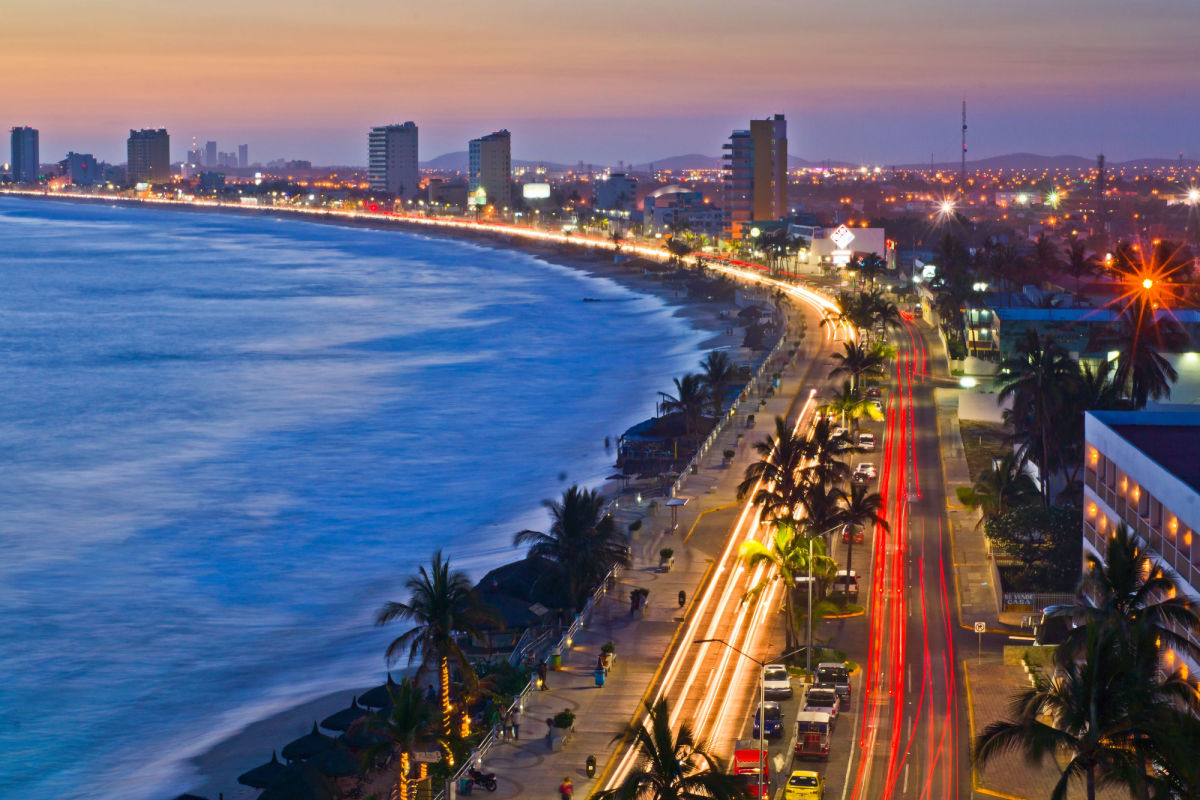
Recent incidents have included violence that erupted in the state of Sinaloa and an ongoing dispute between Uber and taxi drivers that has become aggressive in Cancun. While violence and kidnappings are generally not targeted toward tourists, there have been incidents where innocent bystanders have been injured or killed during altercations.
What Does The Travel Warning Mean?
The U.S. government has urged Americans to obey the same restrictions they have placed on U.S. government employees in Mexico. Specifically, U.S. government employees are advised to:
Avoid travel between cities after dark
Avoid hailing taxis on the street
Do not travel alone, especially in remote areas
Do not drive from the U.S. – Mexico border to interior parts of the country, with a few exceptions
Additionally, there are precautions tourists can take to reduce their risk of danger while visiting Mexico. Specifically, all visitors should enroll in the Smart Traveler Enrollment Program and inform family back home of their plans. Travelers should also avoid displaying obvious signs of wealth and be extra cautious when visiting ATMs or banks.
If you do find yourself needing assistance while visiting Mexico, you can call for help by dialing 911. Inform local authorities of any issues and file a Mexican police report if needed. Additionally, U.S. citizens should also contact the U.S. Embassy or the nearest consulate if help is needed. The embassy can help find medical care, provide a list of local attorneys, and help arrange accommodation and flights home in the case of an emergency.
Which Mexican Locations Have A Travel Warning?
Six Mexican states currently have a level 4 “do not travel” warning, and seven states are under a level 3 “reconsider travel” advisory. All but 2 of the remaining states are under a level 2 advisory where travelers should “exercise increased caution”. The only 2 regions with no current advisory are Campeche and Yucatan. That means that most of Mexico’s popular tourist destinations are currently under advisory. Below is a list of the advisories, along with popular tourist destinations within that state.
Each traveler needs to assess their own vulnerability and comfort level before deciding if they should travel to Mexico right now. Generally, if one remains in tourist areas and takes the recommended precautions, their risk of coming into contact with violence and crime is minimal. However, it is always important to be aware and prepared regardless of where you are traveling.
Want to find the perfect place to stay on your next trip? Try this useful TikTok hack recommended by a travel expert!
TikTok user Jessica Tsoi created a viral video sharing her unique strategy for planning your next trip.
The popular video platform has had a large impact on the travel industry. Users share videos on travel hacks for everything, from saving money on airline fees to the best way to choose a destination for your next trip.
TikTok has also helped certain destinations skyrocket in popularity after being showcased on the app. It’s a great resource for travel planning and finding inspiration for your next trip.
And in the case of Tsoi’s video, it will help you find the perfect place to stay on your trip.
What’s The Viral TikTok Hack?
Normally, travelers decide on a destination, book a hotel or Airbnb, and then start planning an itinerary of attractions, sights, and restaurants.
However, the problem with this is that the accommodation they booked may not actually be close to any of the things they want to do. Just because a hotel is top-rated or claims to be in a good location, it doesn’t actually mean it’s close to most of the traveler’s interests.
In her video, Tsoi recommends reverse-engineering your trip instead.
“It has come to my attention that not everyone plans a trip this way. And ever since I started doing this, I can’t look back,” says Tsoi, a frequent traveler who shares travel vlogs on her TikTok account.
Rather than booking a place to stay first, Tsoi suggests using Google My Maps to build out your itinerary first.
This free tool from Google allows you to create your own custom map and drop a pin on locations you want to visit.
Tsoi even suggests going a step further by grouping your pins together and color-coding them based on attractions you want to visit, restaurants you want to try, and transportation options you will use.
Once you’ve done this, you can save your custom map and narrow down the best location to stay based on where the most pins are clustered on your map.
Tsoi also recommends doing a Google search for the best areas to stay in the destination you’re visiting and comparing that to your own map.
Then you can go to a hotel booking engine like Expedia or Hotels.com and zoom in to a particular area, filtering your search results to only show hotels within that zone.
You will see all the hotels available for your target area on your specific dates, and you can further filter by star rating, review score, price, amenities, and more.
What’s The Benefit Of Following This Trick?
Planning your trip this way has several benefits.
First, it allows you to find a place to stay in an area that’s actually close to the things you want to do so you can avoid having to pay for taxis, take a long public transportation journey, or walk for miles just to reach the places you want to go every day.
It also helps you avoid overpaying for a hotel that claims to be in a great location but may not actually be centrally located. It also lets you avoid booking a hotel just based on brand name and not your actual convenience.
Plotting out your itinerary using Google Maps also helps you familiarize yourself with your destination before you go, making things easier and faster once you arrive.
By following this easy TikTok travel hack, you can make planning your next trip a breeze and find the perfect place to stay based on your own custom itinerary.