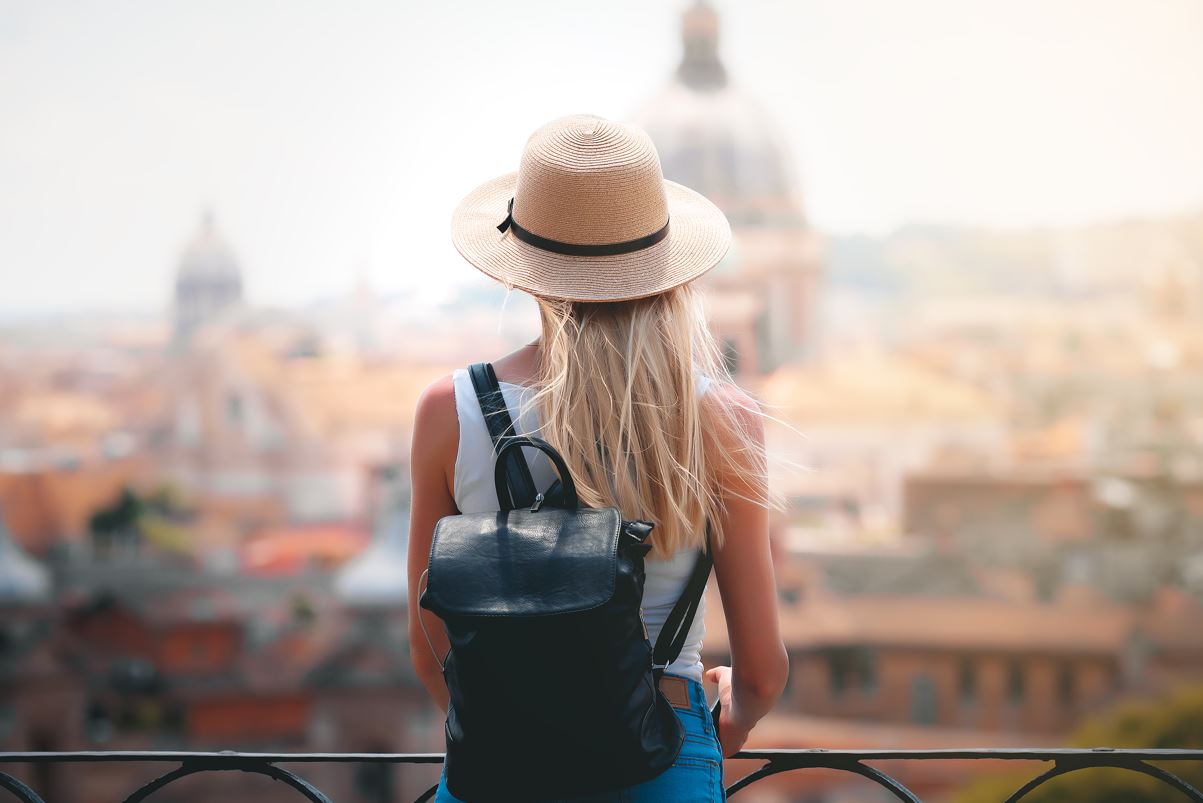
Travel is back and bigger than ever. Many destinations have reported record-breaking visitor arrivals, and the momentum doesn’t look like it will stop. As more and more travelers get back out into the world, many are considering going it alone. In fact, about 25% of American travelers planned on taking a solo trip this year, and the trend is set to grow in 2023.
Many travelers who are used to checking out new destinations with a group or a travel partner don’t understand why solo travelers decide to take a trip alone. Below are five reasons you should take a solo trip next year, but first, here are a few misconceptions about solo travel.
Solo Travel Misconceptions
As a married man with a wife who also loves to travel, some people I meet while on a solo trip are surprised to learn that I am traveling alone. Things I’ve heard that are common misconceptions include:
“You must be so brave!”
“Why isn’t your wife with you?”
“Don’t you get bored?”
“Don’t you get lonely?”
I’ll admit, before taking my first trip alone and without my wife, many of these questions were bouncing around in my head as well. Would I be lonely? Would I get bored? Did I need to be brave? What if something went wrong? Who would be there to help me? I quickly learned that there was no need to worry. Did I miss my wife? Of course I did. Was I lonely? Not at all.
Many people are quick to assume there must be something wrong if you are traveling without your spouse, but that couldn’t be further from the truth. Traveling solo has added a depth to our relationship that I’m not sure we could have reached any other way. If you have open communication with your partner and there aren’t any trust issues, solo traveling away from each other can actually be a great way to enhance your relationship. The old adage is true. Absence really does make the heart grow fonder.
With some of the misconceptions about solo travel out of the way, here are 5 reasons you should take a solo trip next year:
When you are living your day-to-day life with family, friends, and coworkers, it’s easy to forget about some of the things you were once interested in. Interests naturally intertwine when you spend enough time around others. Music, TV shows, conversation… we all tend to find common ground within the relationships we form.
When you travel alone, things you may have forgotten about yourself will come to light. The music you haven’t listened to in years suddenly finds its way back onto your playlist. Movies you used to love are now the go-to choice during flights. Restaurants you usually wouldn’t visit are now on the menu. It isn’t bad that we lose bits of ourselves in the relationships we form. In fact, it’s a beautiful part of life. I have mannerisms and tastes that I’ve picked up from my wife that I love, and she’s certainly picked up some of mine (sorry babe!). It’s an amazing thing that only she and I share, and I wouldn’t trade it for anything.
Traveling alone allows you to remember who you are by yourself and practice gratitude for who you’ve become. Taking a step away from the relationships that mean the world to you allows you to look at them from a distance and realize how incredibly important they are and how much they’ve changed you for the better.
2) Gain Self Confidence
Bravery isn’t required for solo travel, but you will undoubtedly gain more self-confidence by the end of your trip. Going into my first solo trip, I was worried about getting bored, lonely, or having something go wrong. However, I learned none of those things are true. Navigating airports, trains, Ubers, cabs, and language barriers may seem daunting while alone. Still, it’s really no different than if you were traveling with a partner or group.
You’ll quickly find that you can do everything you need to do on your own without the help of anyone else, and although they are relatively minor things, you will still feel more confident. You’ll see that you can be effective in whatever situation arises, and there’s no need to have a group or another person to rely on. You are enough.
3) Meet Interesting People
If I had to place myself somewhere on a scale of 1-10, with 1 being very introverted and 10 being very extroverted, I’d confidently put myself at 5. I am happy to meet new people and talk the night away if the conversation is interesting. I am also just as happy to read a book or listen to music on a nice walk alone. Before heading off on my first solo trip, I was worried about meeting new people. I was sure my more introverted tendencies would kick in when traveling alone.
I was wrong.
If you love traveling enough to go alone, you are in luck. That’s because everyone you meet that is traveling alone also loves travel! Conversations are immediately interesting and stimulating because they naturally gravitate towards travel, a topic all parties love. I’ve learned more about the world and the interesting people in it simply by talking to like-minded travelers. While many people assume that means you have to go to the bars or randomly approach strangers, I’m here to tell you it’s way easier than that.
The trick is simply to DO something. Go on a guided food tour, try a snorkeling trip, attend a conference you are interested in or volunteer. Meeting people is natural if you go try things you are interested in. You’ll meet people you know are interested in the same thing, making conversation easier than ever. I have friends in London, New York, Boston, the Caribbean, and more, simply from being open to a conversation while solo traveling. Some of the most interesting people I’ve ever talked to have been people I met while traveling alone.
4) Get Lost In The Moment
There’s something about walking down a London Street in the rain that will never get old for me. My wife and I both adore London and visit at least every other year. However, this past year I traveled there alone, and my senses were running on overdrive. The rainy reflections off the glass-covered buildings in Canary Wharf, the sounds of the busy footsteps of morning commuters crossing the south quay footbridge, the smell of fresh coffee each morning on my way to the tube… I was so much more immersed in the experience of being in London.
When traveling with others, it’s easy to fall into the trap of talking about things that aren’t happening. It’s easy to get pulled out of the NOW. Where do you want to get lunch? What should we do tomorrow? Remember the last time we were here? It’s natural to converse while going about your day, but those conversations often pull you out of the moment. When traveling alone, you have no choice but to be fully immersed in your environment, and it’s a beautiful experience.
When I return to London with my wife again, I will have an even deeper appreciation for both her and the city.
5) Freedom
This is one of the most popular reasons travelers opt to travel by themselves. When you travel alone, you have complete autonomy to spend your days and nights however you see fit. Want to try out a restaurant on the other side of town? Too tired from a packed day and want to order room service? Do it!
If you’ve ever traveled with a group (or even just one other person), you’ve probably disagreed on some aspect of the trip at some point. I’ll refrain from coming up with any specific examples, but there have certainly been times during trips with others when I felt like I was wasting precious time that could be used exploring something more interesting. Traveling alone means you can do what you want when you want. You can see and do everything you set out to do without negotiating the day away with anyone else.
Bonus Tip: This particular benefit of solo travel doesn’t have to be exclusive to traveling alone. If you are traveling with a partner or group, start the trip with the rule that no one has to do anything they don’t want to, and everyone is free to separate and do things they are more interested in. This is actually one of the best ways to get the best of both worlds when it comes to solo travel vs. traveling with others.
What Are You Waiting For?
2023 is right around the corner, and your next solo trip is waiting. As the world continues to open back up to normal tourism, the options are becoming more numerous than they have been in years. Solo travel is a great way to get out and see all the things you want to see in this world without waiting for others to come with you. See what you want to see, do what you want to do, and come back with incredible stories to share.
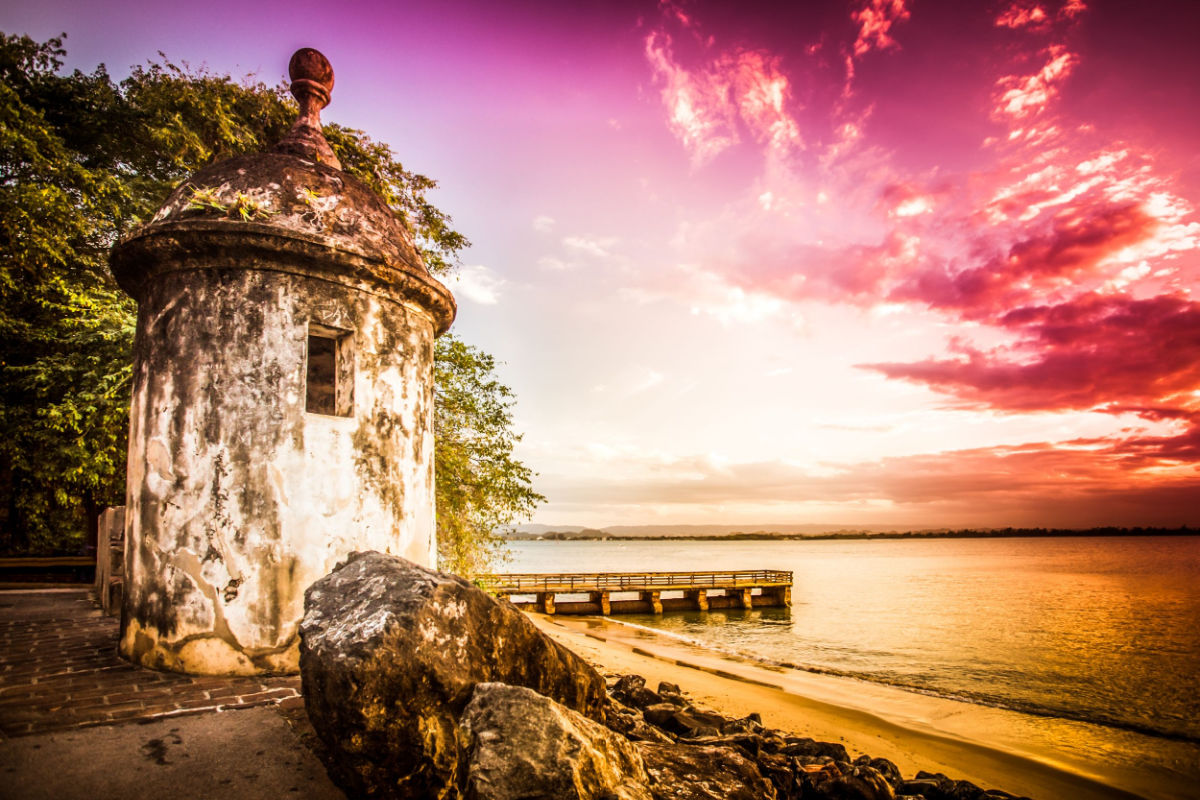
As wintry weather hits most areas of the United States, travelers are looking for options close to home that offer a break from the cold and a boost in mood from the sun. Puerto Rico has consistent sunshine with summertime feels all year round, and to make things even more enticing, its tourist board just released the best road trip itinerary to explore the island.
The route has been inspired by its official Pantone color, a red-orange hue that resembles Puerto Rico’s sunlight. Puerto Rican physicist Hector J. Jimenez calculated the color of sunbeams at different times of the day and locations using models of solar radiation and the atmosphere to identify the color.
The color has been incorporated into many of Puerto Rico’s businesses and attractions, and now the Sunshine Route points to various attractions where you can experience Puerto Rico’s sunshine color.
“There has never been a better time, or easier way, to visit Puerto Rico, with new direct flights departing from across the U.S. daily, and no passport required. Especially as the cold settles in across much of the mainland, we encourage people to feel the warmth in Puerto Rico,” said Leah Chandler, CMO of Discover Puerto Rico, in a press release.
Check out some of the top 10 highlighted road stops below:
A Sunshine-Inspired Lightshow
Located in the San Juan metro region, Puerto Rico’s massive new entertainment complex DISTRITO T-Mobile will be putting on a unique light show inspired by the Pantone color using its 14,000 feet of LED screens, including America’s largest 4K horizontal LED screen.
Senor Paleta is a specialty store in Old San Juan known for creamy and fruity frozen desserts on a stick, otherwise known as Paletas. The artisanal shop has created a Puerto Rico Sunshine-inspired paleta with papaya and pineapple flavors. Make sure you take your paleta to-go so you can enjoy it during the sunset over San Juan Bay.
Stunning Beaches
You’ll be spoiled for choice with Puerto Rico’s many glorious beaches as you wait for its orange-hue sun to disappear at the end of the day. Playa Pastillo is known for its turquoise waters and its cave, Cuevas de Las Golondrinas, which is only accessible during the summer months. During winter, you can take a casual beach walk to view it. If you want something for the whole family, Sun Bay beach offers all the amenities you need, while an off-the-beaten-path option is Zoni Beach which has fewer crowds and offers natural caves and sea grapevines.
Nature-Inspired Accommodations
With designs inspired by nature, accommodation options such as family-owned Hacienda Tres Casitas allow you to reconnect with nature as you look out into the wilderness and listen to the sounds of the coquis and chirping birds.
Coffee Farms
Nestled in the mountains, Adjuntas has been nicknamed the “City of the Sleeping Giant” and encompasses 1,400 coffee farms with local brands such as Hacienda Tres Ángeles. The coffee hacienda operates a plantation and offers guided tours to learn about how coffee goes from bean to brew, as well as a delicious tasting of the final product at the end.
The Highest Peak
Cerro Punta is the highest peak on the island, which is over 4,000 feet above sea level. Get as close to Puerto Rico’s sunshine as physically possible while experiencing panoramic views of the island either by driving to the peak or hiking it.
Breathtaking Sunsets
Take your pick between the hundreds of locations to enjoy a mesmerizing sunset in Puerto Rico, but Rincón has developed a reputation as one of the best. Located in the Western region of the island, you get to watch a magical display of the sun disappearing below the horizon line.
Nature Reserves
The route includes a stop at La Parguera Natural Reserve, which is one of the most biologically diverse ecosystems in Puerto Rico. This coastal area is known for its mangrove swamps, coral reefs, and estuaries. Spend the day island-hopping between 30 of its cays and islets or enjoy a snorkeling adventure to view its thriving reefs.
Indigenous Parks
The Caribbean’s most important Taíno archeological landmark, the Caguana Indigenous Ceremonial Site, dates back more than 800 years and gives a glimpse into indigenous culture prior to the Spanish colonization. Venture back in time with ten “bateys,” known as stone monoliths, and plenty of petroglyphs to interpret.
Hot Springs
There’s nothing more relaxing than an outdoor spa and natural thermal springs as you soak up the sun’s rays. Coamo Hot Springs has been called the Fountain of Youth, and the mineral waters have been known to help different conditions, such as diabetes, joint pain, and circulation issues.
We know Cancun can be chaotic at times. Over the years, it transformed into the most popular beach destination in the Americas, and as a result, excessively long queues at the airport, traffic delays, and crowding became common occurrences. Fortunately, authorities have begun addressing complaints and improving the visitor experience. On this article, we will give you 4 reasons why traveling to Cancun will be more stress-free than ever this winter, despite mass tourism (and the long-standing security challenges):
Passport Control Will Take Less Than 30 Minutes
An excessively long waiting time at passport control has become one of the leading causes of distress among passengers arriving in Cancun. Understandably, Americans winter break want to clear customs quickly to enjoy as many precious hours of sunshine as possible, not be held up at immigration for hours on end until they can speak to an agent.
This season, sun-seekers will be thrilled to learn that INM, Mexico’s National Institute of Migration, is launching a pilot program in Cancun to expedite the screening of international arrivals. Their ultimate goal is to get Americans through in ‘less than half an hour’, as stated by Roberto Gonzales Lopez, an INM delegate.
The program will involve the opening of new E-Gate lanes, which will allow U.S. passport holders to scan their way into Cancun, lowering waiting to 25 minutes or less, even at peak times. Other measures enacted by the local Government include the scrapping of the much-criticized customs form, and deployment of more immigration staff to keep up with demand.
Transfer Times Have Been Reduced As Well
Prior to this year, commuters were advised to leave several hours ahead of their check-in time in case there was congestion at any point along the Luis Donaldo Colosio Boulevard, the main road leading to the airport. Needless to say, getting stuck in traffic when you have a flight to catch can be quite stressful, and definitely not the best way to spend your last day of vacation.
This year, however, authorities have been working around the clock to finish construction on the boulevard, and streamline the flow of vehicles. Over the holidays, Americans will no longer have to take secondary routes, or wake up in the early hours to make it to the departure gate on time. To be more precise, transfer times are now estimated at 45 minutes.
We must reiterate estimations are not always reflective of the situation on the ground, especially during the high season, when arrival figures tend to skyrocket, but it still represents a significant improvement over previous reports. In quieter days when traffic is minimal, a taxi ride may take no longer than 20-25 minutes.
Cancun Is Cracking Down On Taxi Misconduct
The Cancun taxi monopoly can lead to a whole lengthy discussion that deserves its own feature article – and trust us, we are not fans of the so-called ‘shark tank’ corridor, either: landing in Cancun, passengers must walk across it in order to reach the transfer desk, to the disconcerting shouts of drivers offering rides, some unlicensed.
The Quintana Roo administration is yet to tackle this issue in particular, but they are revoking the permits of drivers who commit acts of misconduct. If you ever got into a cab and felt like the conductor was ill-mannered, or even feared they could turn violent over a disagreement (e.g. after you disputed an inflated fare), you will know why this is such an important step.
As reported by The Cancun Sun, misconduct is defined as assaulting passengers, a colleague, or even drivers from private companies like Uber. We do not know, at this stage, whether scammers will also be punished under the new stricter guidelines, but it’s a fact the city has moved quickly to redress the problem, after multiple reports emerged in October.
Increased Police Presence In Tourist Hotspots
Safety is a major concern for U.S. citizens going abroad, especially to Mexico, where they are met with striking cultural differences and risks they may not find at home. With that being said, let’s make this clear: Cancun – and the wider Riviera Maya – is perfectly safe for foreigners, especially those traveling on an all-inclusive package and staying in tourist areas.
Unlike in Colombia, where Americans have been directly affected by crime, officials here have ensured guests are well-received and looked after. This year, they really went above and beyond in tightening security on beaches, sending more police officers, and even the navy, to keep crime under acceptable levels.
Soon enough, yet another operation will take place – in Tulum speifically – to further heighten surveillance in the town. Dubbed the Guadalupes–Reyes program, it will be headed by the Tulum Civil Protection Coordination, in partnership with the National Guard, the Navy and many other entities, with the sole purpose of protecting beachgoers.
In other words, Cancun has never been safer, or more pleasant to visit. If you’re flying to Mexico this winter, don’t forget to keep up to date with all the latest developments affecting tourists in Quintana Roo by accessing this link.
More and more travelers are turning to locations where TV shows were filmed to get their travel inspiration. Dubbed the set effect, hits such as White Lotus, Bridgerton, and The Lord of the Rings have sent people on a journey to destinations around the globe to replicate what they viewed from their screens.
So, what is the next TV show that will have travelers packing their bags? Netflix’s hit Wednesday, which has already smashed viewing records is currently on track to steal from ‘Stranger Things 4” as the number one most-watched English-language series in Netflix history.
The series follows the character Wednesday from the popular fictional family “The Addams Family,” which made its debut as a cartoon in The New Yorker and was later turned into an iconic television series and multiple movies. Wednesday takes place in a boarding school for outcasts called Nevermore Academy and although the Addams family is supposed to represent an American family living in the suburbs, the majority of Netflix’s Wednesday was filmed in Romania.
Romania is no stranger to its gothic and spooky pop-culture references. Bram Stoker’s famous fictional novel Dracula was inspired by a famous figure in Romanian history, Vlad the Impaler, where castles have marketed themselves as the inspiration for Dracula’s home. The famous Bran Castle is an eerie castle perched on a 200-foot-high rock that attracts hundreds of thousands of tourists each year.
You won’t fall short of haunted and spooky destinations to visit in Romania, but while you’re there, check out some of the other unique experiences this safe country has to offer.
The Transfagarasan Highway
Popular TV show Top Gear helped put this 56-mile road on the tourist map after its popular host called it “the best road in the world.” The paved road is the second-highest mountain pass in Romania and contains exhilarating bends and curves through the mountains with some lengthy tunnels carved into the rock. The views are incredible, and you’ll find plenty of cozy stops along the way including some ruined castles.
Bohemian-Style Outdoor Terraces
Romania’s capital Bucharest is bustling with charming summer terraces, which are often hidden with a vibe of stepping into a secret garden. These outdoor terraces are popular spots for people to enjoy a coffee, have a drink, or taste some of Romania’s delicious food. While you’re in Bucharest, you can also stop by the Botanical Garden, where Nevermore Academy’s greenhouse scenes were filmed.
Sinaia is the highest ski area in Romania and is a popular mountain town with a reputation for the top skiing resorts in Romania. These picturesque mountains provided the wintry backdrop for Wednesday, where you’ll also find the train station featured in the series, Gara Regala, which was used by the Royals in the past.
Gothic-Style Castles
With several hundred impressive castles in the country, you’ll find it hard to narrow down which one to visit, since each has its own unique character. Wednesday fans will be flocking to see the Neo-Romanian style castle, Cantacuzino, which was used as the set of Nevermore Academy for the show. Poenari Castle is a castle ruin that is thought to be the real castle of Dracula and was once home to the sadistic leader, Vlad the Impaler in the 15th Century. If you’re looking for something more romantic, the charming Peles Castle is a day trip from Bucharest, located amongst a tall forest in the heart of the Carpathian Mountains.
Stone Alleys In Old Towns
Romania is full of medieval towns like Brașov, which is a picturesque old town full of winding stone alleys, pastel houses, and historic fortified churches. Romanian architecture has been inspired by the regions of Northwestern Europe, such as Luxembourg and Lorraine since its 12th-century Saxon settlers came from there. Romanian towns have a similar feel to its more popular European neighbors with outdoor dining on cobbled streets and quaint squares for people-watching that also make great work views if you have its digital nomad visa.
Outdoor Adventures
From hiking in the Bucegi Mountain to fishing in the Danube River, Romania has plenty to offer for thrill seekers and nature buffs. The Carpathian Mountains provide a great jumping-off point for all your outdoor desires, including hiking, camping, biking, and caving. Check out the Bucegi sphinx, which is a rock formation carved like a human face, or Scărișoara Cave, which is the largest underground glacier in the country.
Transylvanian History
Transylvania is a historical region in central and northwestern Romania with a history that is complex and diverse. It has a population that varies culturally, ethnically, linguistically, and religiously. You’ll find plenty of history to absorb from over 150 well-preserved fortified churches that offer unique architectural styles to the largest open-air museum, ASTRA Museum, which is a large reconstruction of the everyday village life of ancestors who lived in Romania.
Brazil may be home to a beautiful coastline and some of the world’s most iconic sights, but the cold, hard truth is that it remains one of the least tourist-friendly destinations in Latin America, and in this article, we will give you four reasons why you may find it more challenging to travel Brazil than neighboring countries.
I get it: catching a glimpse of Christ the Redeemer standing watch mercifully over the bustling metropolis that is Rio, sunbathing in Ipanema as you sip some coconut water to the soothing sound of crashing waves, or exploring the colorful streets of Salvador, the regional capital of an under-visited Northeast, all sound appealing enough.
Sadly, it only takes a couple of hours being in the country for visitors to realize there is a lot your usual travel brochure does not cover:
You May Have Your Purchases Limited For Not Being Brazilian
Perhaps one of the most unbelievable entries on this list, and something not that many Americans are aware of, unless you hold a CPF (Cadastro de Pessoa Fisica), which is the Brazilian equivalent to a Social Security Number, it will be extremely difficult, and at times impossible, to buy anything online– this includes tickets for cultural attractions, purchasing data, and intercity transportation.
Let’s take SIM cards, for instance: although e-SIMs have become massively popular in recent months, and roaming fees are not as expensive as they once were, you will certainly get the best value for your money buying a local Brazilian SIM. While there are several companies to choose from, perhaps shockingly, it is extremely difficult to find one that offers a tourist data package.
It gets worse: in some places, can only buy SIM cards in Brazil upon presentation of a CPF, supposedly for security reasons, which is an inconvenient requirement seeing that, for obvious reasons, non-Brazilian tourists do not have one. You read that right: a passport will not cut it. Alternatively, visitors can buy a pre-paid SIM from unofficial vendors or kiosks, though online activation of the SIM will normally still require a CPF.
It’s a dead end, and that’s only one example.
Searching Google, you should come across numerous reports of visitors to Brazil who had trouble not only accessing data but even booking flights thanks to their status as non-Brazilians, and, subsequently, individuals without a CPF. There is a way for foreigners to get their own Brazilian Social Security Number, but it is so complicated it resembles a visa application process, and it takes time:
Passport in hand, proceed to a CPF registration center: Banco do Brasil, Caixa Economica Federal,or Correios;
Request a CPF application form*;
Provide proof of residence in Brazil (energy or water bills will suffice).**
**When staying at a friend’s house or with a host family, you should ask them to write a declaration confirming you reside in the address. This needs to be notarized at a Registry Office (Cartorio)
It costs BRL 7,00 to apply.
You can certainly enjoy a stress-free, short-term vacation in Brazil if data roaming isn’t a big concern/ you’re an Airalo user, and you’re not planning on ordering items online/booking inter-municipal tickets in advance, but if you’re a digital nomad staying longer than a couple of weeks, you’re best advised to apply for a CPF.
I have seen foreign visitors routinely using their Brazilian friends’/ acquaintances’ CPF numbers as well, though they may pose a problem if ID verification is required upon boarding a bus or entering a venue.
Brazil Is In The Top Ten For Highest Crime Rates Globally
Being born in Brazil myself, and having lived several non-consecutive years in the country, I have always maintained an increased level of situational awareness due to the widespread violence and impossibly high crime rates. That being said, even keeping a low profile and exercising caution might not entirely protect you from harm in large urban centers.
Most visits to Brazil are trouble-free, irrespective of high crime levels, as attested by the U.K. Government, but there is no denying safety is a pressing concern for tourists and locals alike. As any Brazilian who’s grown up in this environment will immediately warn you, flashing any valuable items – jewelry, phones, tablets – is most definitely a no, daytime or nighttime, as is drawing attention to yourself by speaking English, or any foreign language, in city centers.
This is particularly true in places like Rio, which have long struggled to keep crime levels in check, mostly to no avail as a result of the city’s own complex social fabric and the systemic issues that pervade Brazil’s judiciary. I was only ever mugged in Brazil once as a teenager, and ironically, the traumatizing experience transpired in Rio.
More precisely, in Copacabana, a developed beachfront area lined with five-star hotels where the carioca elite is normally seen about. For me, this is a testament to how ‘normal’ safety rules applying to other countries, such as Mexico, cannot necessarily be replicated in Brazil. Whether you’re being reasonable by sticking to well-lit pedestrianized streets and tourist zones or not, you could still be affected.
I have lost count of the number of times I was urged by Brazilian friends to leave my phone at home going out at night, or at the very least, bring a secondary one with me ‘in case’ I am approached violently, so I would have something to give up; or then again, always calling an Uber from inside the building, as opposed to standing by the sidewalk, where you’re in a vulnerable position.
It just feels like being in a constant survival mode, 24/7, except when you’re home or safe inside your hotel.
Currently, Brazil has the ninth highest crime rate globally, with 67.49 incidents recorded per 100,000 inhabitants. It surpasses all of its closest competitors in the region, most notably Argentina, Chile, and Uruguay, which are not traditionally deemed ‘unsafe’, though it still fares a lot better than Venezuela, where rates reach a staggering 83.76.
Ninguém Fala Inglês. Ninguém Mesmo.
Brazil’s unpreparedness for international tourism means local staff and service providers outside Rio, Sao Paulo, and other metropolitan hubs are not usually trained to host international guests. A mere 1% of Brazilians are able to speak English fluently, and this normally poses a problem for tourists in need of assistance.
Internet in Brazil isn’t exactly the fastest or most reliable, so it may be, at times, that Google will not be available as a translation tool. In any such scenario, knowing a useful phrase or two in the local language is crucial. According to previous visitors who have shared their experiences on the online forum Travel Stack Exchange, ‘people understand very little other than Portuguese‘.
Matt Colson, an expat who was reportedly living in the Brazilian state of Rio Grande do Norte in 2016, confirmed himself ‘tourist staff will not be able to understand anything beyond the most basic phrases‘. Believe it or not, consolidated tourism hubs like Rio are no exception: ‘even in Ipanema, one of the most popular parts of Rio for international tourists, English is not spoken‘, remarked forum member ‘Tim’.
Brazil Needs Better, Faster, Smarter Public Transportation. Urgently.
Unlike other destinations in Latin America that have been investing heavily in infrastructure in hopes of bettering themselves and improving the tourist experience – notably, Mexico’s laudableTren Maya project – Brazil is still lagging behind as a continent-sized behemoth where the flow of goods, services, and people takes place almost exclusively via road.
Naturally, traffic can be wild, with three people dying in car collisions per hour, and traffic jams influenced by a lack of transportation planning and dual carriageways. In the likely event that your bus will get stuck behind a heavy lorry – or a whole queue of them – you should anticipate hours wasted in excruciatingly long bus journeys. Flights remain an option for major destinations along the coast, but other off-path gems like Ouro Preto can only be reached via land.
Brazil does not have a railway system or an equivalent to Germany’s autobahns, even between the economic powerhouse trio of Rio, Sao Paulo, and Minas Gerais. Cross-country travel is mostly reduced to buses, with a poor to average service, owing their inexistent infrastructure and sub-optimal schedules to long-standing transportation monopolies. In other words, planning a multi-destination trip is cumbersome, to say the very least.
Fortunately, privately-owned platforms like Buser are transforming the travel landscape within Brazil, offering the country’s first-ever luxury coaches operating between state capitals. I have traveled myself on the lie-flat, Sao Paulo – Belo Horizonte luxury express twice, and I am glad to say I was pleasantly surprised with the experience:
You get your own TV screen;
Free drinks;
Snacks;
You sleep comfortably through the night, knowing you’ll wake up in the next city in the wee hours.
The only downside to it all? You will need a CPF to book your ticket. Sorry.
We should bear in mind we’re talking about a vast country encompassing different customs, ethnic groups, and cultural influences. Brazil is certainly not a homogeneous bunch, and some states are less tourist-friendly than others – smaller towns, in particular, are not as plagued by violence as state capitals, much like anywhere else – but it’s evident there are issues that need to be addressed.
Do I wish tourism officials improved the quality of services provided and did away with all the pointless, excessively bureaucratic hurdles (e.g. mandatory CPF for e-commerce)? Yes, that would help. Do I feel like local authorities have historically failed, and continued to fail, in keeping cities safe, in stark contrast with the Mexican Government’s latest acts? Absolutely.
Will I ever let my guard down and walk the streets of Rio completely carefree as if I was back home in Europe? Probably not 90% of the time, when I’m not staying in a gated community or find myself strolling alone in rundown downtown areas. As the U.S. Government clearly states, ‘violent crime, such as murder, armed robbery, and carjacking, is common in urban areas, day and night‘.
Moreover, U.S. Government personnel are discouraged from using public and municipal buses in all parts of Brazil ‘due to an elevated risk of robbery and assault at any time of day’, reinforcing my earlier impressions that Uber, and other private transportation providers, are the safest and easiest way to commute in a Brazilian city.
With that being said, I would not discourage foreigners from visiting Brazil. Despite its ongoing war against crime and the violence surge noted in some states, it is an essential part of your Latin America puzzle map. Incredible regional cuisine, historical sites, stunning nature: it truly has it all.
As long as you’re extra vigilant and follow local guidance, chances are you’ll love it in the end – but I would urge people to calibrate their expectations to the reality on the ground: international tourism, and the well-being of visitors, are truly rather poorly handled.
Being one of the world’s top ten economies with a developing society and democracy, Brazil is surely no crumbling state in the Global South plagued by incessant humanitarian crises and on the brink of collapse. It has the financial means to do better and the potential to become a global leader on the tourism front.
It’s simply a shame it does not seem to have the political will to do so.
If you’re still wondering where in Mexico you should be traveling to next, and you’re concerned about excessive airport delays and long wait lines, you might want to consider good old Cancun as your destination. On this article, we will tell you four reasons why the city is the smoothest entry point into Mexico, and why its unwavering popularity remains at an all-time high in spite of the current travel chaos.
You know how the saying goes… You can’t go wrong with a classic.
Cancun Has Made It A Top Priority To Improve Airport Experience
Mexico as a whole is hugely popular among Americans, with places like Puerto Vallarta and Los Cabos in particular taking center stage as the next trendy sunny breaks, but Cancun is still America’s favorite by a large margin. You may be wondering why that is so, seeing that it’s already been a hot topic for years, but judging by the measures they’ve adopted to improve the tourist experience and ensure Americans feel welcomed when arriving, it’s really no surprise:
More Immigration Staff Being Brought In To Reduce Waiting
One of the most stressful, and anxiety-inducing procedures for travelers, especially those going abroad for the first time, is braving immigration. Besides the usual bureaucracy involved with carrying all the relevant documentation, such as a valid passport and hotel bookings, waiting in line to be stamped into Mexico by a border officer can easily take longer than an hour during the peak season.
Lately, the risk of missing travel connections, or hotel transfers upon arrival due to airport bottlenecks has greatly increased, mainly because the industry has not been able to cope with a surging travel demand amid its own worker shortage. In stark contrast with Mexico City, where air traffic congestion is yet to be tackled, Cancun Airport is a much safer bet.
Authorities are bringing in more immigration staff to deal with the surging demand, with 130 new hires having been confirmed, bringing the number of available border agents to 329. This will ensure Americans are screened much quicker, whether their final destination is Cancun or they’re on a connecting flight elsewhere within Mexico.
Digital Kioks For Automated Passport Control
Serving the most popular vacation hotspot in the country, Cancun Airport can get absolutely packed in the high season, which at times can make it an extremely unpleasant hub to transit. Nevertheless, the local Government never got comfortable in their ceaseless struggle to improve security wait times, and now lines will move much faster with the introduction of new digital kiosks.
While they have not been operating staff-free yet due to pending changes in Mexico’s border regulations, these kiosks will allow Americans to automatically check in and out of Cancun simply by scanning their passports, as easily as entering their own home country. In total, 40 automated kiosks are already available in Cancun, double the number of those installed in Los Cabos.
Pretty soon, thorough immigration checks will be a thing of the past in Cancun.
Transit Times Are Much Better Now
A couple of weeks ago, we informed you transit times between Cancun Airport and the Hotel Zone had increased drastically due to construction carried out on the main highway connecting both. At the time, even airport authorities urged visitors to depart as early as 5 hours not to miss their flights as traffic jams were expected. Now, some serious progress has been made in their bid to ease traffic.
According to the municipal government, this is how long it takes to transit all roads leading to the city, from the airport:
Boulevard Colosio – 34 minutes
Huyacan Avenue – 38 minutes
Kukulcan Boulevard – 62 minutes
These average times correspond to peak hours when traffic is at busiest, meaning the drive can be much shorter. Notably, the best option for Cancun arrivals in getting to their resort faster remains Boulevard Colosio, at just 34 minutes. In comparison, those attempting to reach the Hotel Zone via Kukulcan Boulevard face an hour-long drive.
Immigration Form Removed
Lastly, Cancun has scrapped its customs form passengers were made to fill out upon landing, where they were expected to provide their passport number, birth date, hotel address, specify the purpose of travel, and other information. Albeit easy to complete, this document was hindering the smooth influx of visitors into Mexico, as prior to the decision, they were required to first complete the questionnaire ahead of proceeding to border control.
Starting this week, tourists are no longer required to present the FMM form, nor retain part of it for screening purposes once again when leaving Cancun, making the city the first major destination in Mexico to remove what many saw as a bureaucratic step. Following the move, we expect border movements to be much quicker in Cancun compared to the rest of the country.
Cancun Is The Best Place To Fly To Mexico From Abroad
Taking into account the four measures listed above, we can safely infer that Cancun is, without a question, the best place to fly into Mexico currently:
Wait lines have been significantly reduced
Major infrastructure projects are ensuring visitors get in and out of Cancun Airport in the shortest time possible
Airport authorities are keen on dropping bureaucracy and streamlining border crossings
More staff is being deployed to avoid the infamous immigration bottlenecks and improve the tourist experience
Additionally, Cancun has remained at Level 2 Travel Advisory in the latest U.S. Department of State revision of travel risks in Mexico. In other words, the pearl of the Caribbean is one of the safest destinations south of the border.
Enter your email address to subscribe to Travel Off Path’s latest breaking travel news, straight to your inbox
Disclaimer: Current travel rules and restrictions can change without notice. The decision to travel is ultimately your responsibility. Contact your consulate and/or local authorities to confirm your nationality’s entry and/or any changes to travel requirements before traveling. Travel Off Path does not endorse traveling against government advisories
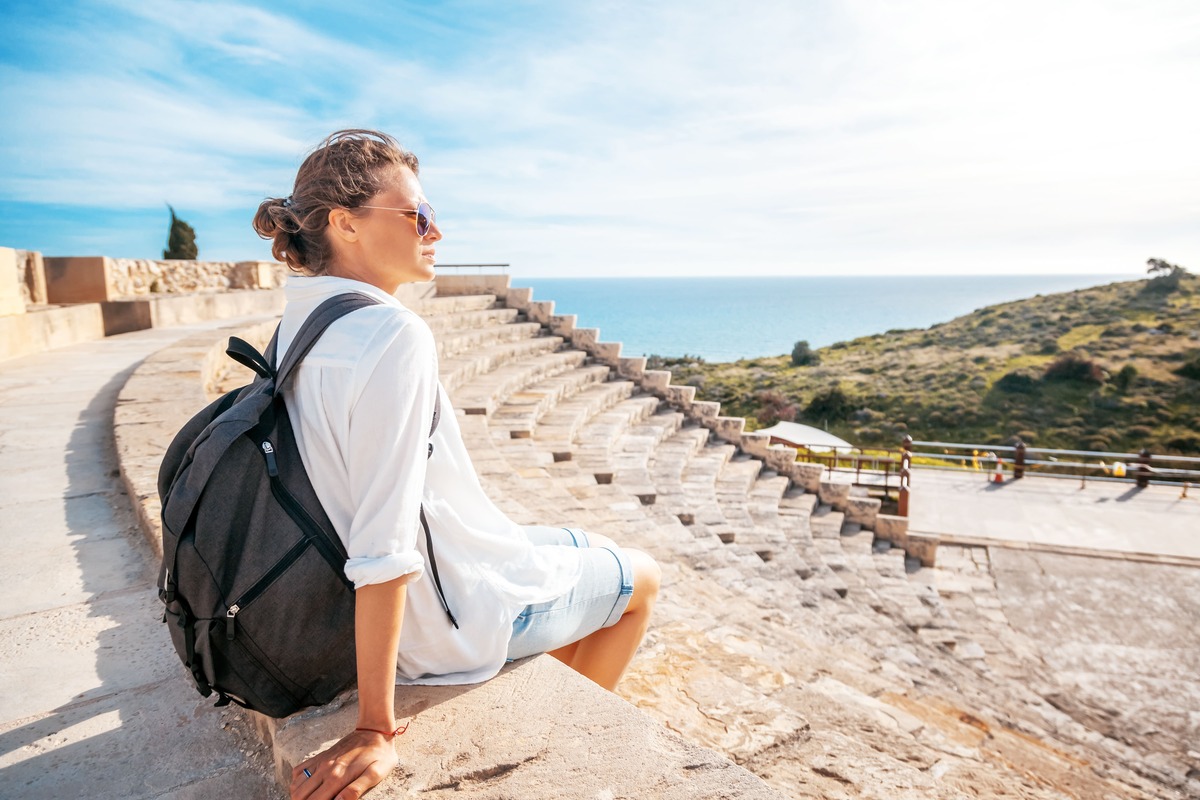
Mediterranean islands are commonly associated with beach getaways, translucent, teal waters and breathtaking sunsets, and they usually compete with each other for the title of leading summer destination every year. There’s just too many to name, and we’re sure you’ve heard all about Ibiza, Santorini, Mallorca, Malta and the like…
But what about the Eastern Mediterranean island of Cyprus? Cyprus is gaining popularity fast and travelers may want to get there soon before everyone else has the exact same idea.
Move over, Italy
We can already see our British and European readers rolling their eyes at this, with Cyprus having been a major vacay hotspot for years. We totally get it, it is hardly Albania or one of those unheard-of, severely underrated countries most people can’t even pinpoint on a map. It is, in fact, one of Europe’s favorite summer islands.
Unfortunately, from our side of the pond, Cyprus is still not nearly as successful as Greece or Spain: the U.S. did not rank anywhere in the top ten of tourist arrivals into this country back in 2019, with fewer Americans visiting than Romanians, Poles, Ukrainians – and even the blacklisted Russians.
After two years of Covid and strict border rules, that have only recently been dropped completely, we will take a wild guess here and presume U.S. arrivals have dropped even lower on the list. While this may be attributed to a lack of nonstop flights between the two countries, this has never discouraged Americans from traveling to faraway locations before.
Thailand has been a major Asian destination for years, and direct flights have only returned recently after 10 years of pause; not to mention the Pacific islands, where connecting flights are the norm. No matter how far you go, you will find an American snoozing at the beach, beer cup hanging from the classic neck strap, in places as remote as Fiji.
So why have most Americans still not heard of Cyprus, one might wonder? On this article, you will find out why, as a U.S. citizen, you may be one of the few in the Western World still sleeping on this Mediterranean jewel – and of course, why it should definitely be as big a summer destination as other Southern European countries:
Where is Cyprus to begin with?
That’s a tricky question, and there is no simple answer. Let’s start with a few facts: first, Cyprus is a Mediterranean island, and over the ten millennia it has been inhabited it has received a large influx of immigration from neighboring kingdoms and Empires, such as Greeks, Persians, Turks, Armenians and whatnot.
It is a member of the European Union, even though it is located 226 miles from the nearest Greek island. Regardless of the distance, Greece is still Cyprus’ nearest fellow EU member. Comparatively, Turkey’s southern coast is only 50 miles away from the Northern Cypriot shore, and other closer neighbors include Lebanon, Syria and Israel.
While it is indisputably culturally European, Cyprus may be geographically placed in either Europe or Western Asia, due to its remote location in the East Mediterranean, only a stone’s throw away from several Middle Eastern nations. But then again, the line that divides the continents is blurry and has changed over time.
Today, despite surviving numerous invasions and being subject to the rule of every single superpower you can name, Cyprus has remained loyal to its Ancient Greek origins. The vast majority of Cypriots speak, and some even identify purely as Greek, meaning the island is Greek in (nearly) all aspects – despite being its own country.
Some takeaways from this:
Cyprus is a Mediterranean island, and a country
Although it is technically in Western Asia, it is a definitely a European nation and an EU member*
Its official currency is the Euro
1.2 million people live there
The vast majority of islanders speak Greek, although some speak Turkish (more on that later)
*Think the Canary Islands, that are an integral part of Spain and have been for centuries, but are geographically located in Africa
Ok, but what exactly are Americans missing out on?
1. First of all, Cyprus is warmer than most of Europe all-year round
Cyprus is hot. And we mean sizzling hot. In the words of the country’s own tourism board, it has an ‘intense’ Mediterranean climate. The long dry summer extends from mid-May to mid-October, when temperatures can reach over 100 degrees in many coastal cities. Luckily, the sea is never too far away for a refreshing dip.
Temperatures can easily reach triple digits as early as late April, though, and winters remain pretty mild, to say the least: the coldest it usually gets on the coast is an average 16 degrees. We’re of course not taking into account the island’s towering mountains, where snow falls profusely and skiing activities are widely promoted over winter.
The point is: Cyprus is the ultimate paradise island. For those who grew up facing the harsh Northeastern American winter, even January in Cyprus will feel like a summer break. It enjoys between 300 to 340 sunny days per year, and the sea remains considerably warmer than most other Mediterranean hubs, even in the low season.
If you would still rather experience that classic Mediterranean summer, make sure you bring enough sunscreen to avoid burns, limit your time at the beach, especially during peak sun hours, and drink plenty of water, maybe double the amount you would normally at home. Trust us, the Cypriot heat is no joke.
2. 402 miles of coastline with turquoise waters
Unlike most Southern European countries that are only partially on the Mediterranean – Spain, France, Croatia, Turkey and others – Cyprus is fully surrounded by it. More precisely, it has 402 miles of either sandy beaches or scenic coastal rides where the turquoise glow of the ocean dominates the landscape for miles on end.
This means Cyprus is one of the few European nations with just enough beaches to counter overtourism. Don’t get us wrong, we are definitely not saying it does not get crowded. Many of the most popular beaches in the country like Ayia Napa and Protaras are absolutely packed in summer, but if you’re looking for quieter spots, it won’t be too hard to find them.
With so many beaches and other bathing areas inland available, including calm water rivers and waterfalls, you will be surprised at how many unblemished natural sites Cyprus still hides. Some of the best ones are situated on the island’s Northern coast, and they do not receive half as many tourists as the South.
We will explain why that is further below, but many of the seaside towns and sandy beaches on Cyprus’ Karpas Peninsula, that one crooked finger stretching out on the map that gives the island its distinct geography, are virtually unspoiled by mass tourism. The same cannot be said about other Medi competitors like Italy.
Before item No. 3, the shortest History lesson possible
So why is the North not as popular among tourists? In sum, Cyprus has been a divided island from 1974 onward, when an attempt to unite the island with Greece was violently hampered by a Turkish invasion. Due to its proximity to Turkey – the Cypriot coast can be seen from the Turkish mainland with the naked eye – the North was seized by the latter’s troops.
Prior to that, both of Cyprus’ Greek-speaking and Turkish-speaking populations lived somewhat peacefully in mixed communities. After the invasion, Turkish Cypriots were forced to move to the North, and the Greeks living in the North had to flee South. Fast forward a few decades, and a second de facto country now claims 36% of the island: the TRNC.
TRNC is an acronym for Turkish Republic of Northern Cyprus, a ‘country’ whose independence has only been recognized by – tee-hee – Turkey! The entire international community, including the United States, considers the North to be an integral part of the Republic of Cyprus (the South) that has been under an illegal occupation since the division took place.
For that reason, Turkish-speaking Cyprus has not enjoyed the same economic boom the Greek side has, maintaining official diplomatic relations only with Turkey and being under harsh economic sanctions. Even though visitors are welcome, and the Northern Cypriot administration strongly encourages tourism, very few actually venture far North.
Off path travel, anyone?
3. Here you will find the last divided capital in the world
Curiously, the UN-established Buffer Zone separating the internationally recognized Republic of Cyprus from the self-proclaimed TRNC runs along the heart of Nicosia, the island’s capital, dividing it between both states. Greek Cypriots claim the entire city – at the same time, Turkish Cypriots consider Northern Nicosia their capital.
Due to this complex situation, checkpoints have been installed in the city, including on the main street, effectively functioning like international borders. Because of that, in order to cross from the Greek part into the Turkish, you will need to present your passport, even though the Cypriot Government considers the TRNC a part of Cyprus.
Much like Berlin in the 1980s, prior to fall of the wall, Nicosia is a city plagued by division. Sad as it might be, and we are sure this is not easy for Cypriots raised there, it is the barbed wire-protected streets, the political murals lining up the Buffer Zone, and the constant clash between the Greek and Turkish worlds that make it such a unique, fascinating city break.
You could be having a sumptuous Turkish breakfast in the morning on the Northern side, as you listen to the Quran being recited out of the nearest minaret, and then cross to the South in the afternoon to try some traditional Greek pastries and visit museums where you’ll learn about the island’s Greek origins. Quite literally, Nicosia offers the best of both worlds.
4. Wine tours. Yes, in Cyprus.
Those coming to Europe with their hearts set on a winery tour will hardly ever think of Cyprus as their first pick. After all, how could Cyprus even compete when France has Bordeaux, Champagne and the Loire Valley, right? That’s when Cyprus becomes massively underestimated – even among Europeans that have been visiting for years.
It has the ideal climate for growing grapes, and Cypriot wine is among the best quality wine in the whole of Europe, ranking 50th in the world in terms of total production. A majority of visitors may want to head straight to the nearest beach straight out of the plane, but little do they know Cyprus has a whole wine industry that is yet to be discovered.
An off the path thing to do in the country – we love those – is going wine tasting in any of the inland villages, particularly those on the slopes of Troodos Mountains. This range sits on the exact center of the island and features the highest Cypriot peak: the aptly titled Mount Olympus, evocative of the Ancient Greek mythology.
As for the wine produced here… It is the drink of the gods. Among some of the best wine-producing villages, we have Lofou, where the busy seaside life is replaced by mountainside town views, with cobblestone streets and a more laid-back feel. Other mandatory stops include the picturesque Omodos and Pera Pedi, only a few miles north of the city of Limassol.
5. Cyprus is much more affordable than other Medi vacations
Minimum wages are a strong indication of a country’s purchase power and how expensive things are. In Spain, the minimum wage is roughly $1,068.84, beaten by France’s whopping $1,566.62, and both of these countries expect tourists to provide proof of at least $101 in spending money per day for the duration of their stay.
Even though Cyprus does not have a minimum wage, the average Cypriot makes about $940 a month, proving living costs are far less exorbitant than France’s, where the bare minimum a worker is paid is still 60% higher. Naturally, these figures have a direct influence on the price of basic items (meals, a bottle of still water, sunblock, insect repellent etc).
We won’t lie to you: Cyprus is not an ultra cheap summer destination. It is surely no obscure Balkan country where tourists can go by with $`100 dollars a whole week, or the budget-friendly Central America, that has even overtaken Europe lately in total hostel bookings. But it is cheaper than the Western Mediterranean.
Paphos, a city on the country’s West Coast, has been named this year the fourth most affordable summer destination in Europe, where tourists can live comfortably off of $72.78 on average per day. Needless to say, Paphos beats old summer favorites like Italy’s Amalfi Coast, Spain’s Costa del Sol and France’s Côte d’Azur in terms of affordability.
6. Oh, and Cyprus is not that far away
There may be no direct flight connections between the U.S./Canada and Cyprus, but North Americans can easily reach this summer dreamland via short stopovers in a number of European countries. An Austrian Airlines flight leaving from JFK, final destination Larnaca (Cyprus), with an air-side transit in Vienna only takes about 12 hours.
In addition to Austrian Airlines, other European carriers like AirSerbia (Serbia), Swiss Airlines (Switzerland), and Lufthansa (Germany) offer non-direct links to Cyprus, with transfers usually lasting less than two hours. But hey, even if you have a long layover ahead, this is not necessarily a bad thing, at least on certain routes.
Plus, Cyprus just needs that much-needed U.S. tourism boost. Prior to HBO’s Game of Thrones, that introduced Croatia to a wider American public, there were no direct flights between the Balkan country and the States. Now, United has a successful summer route connecting Newark and Dubrovnik. Who knows… Maybe Cyprus will follow suit one day?
Now that you know all about Cyprus, and what makes it a serious contender for the best Mediterranean summer ever, how about booking those tickets right away? Just make sure that you also get insured for flight delays and cancellations: in case you haven’t heard, U.S. travel is in turmoil and we don’t want your dreamy Cyprus trip to turn nightmarish.
One last thing… and this is VERY important
In case this piece of information has already slipped your mind – we forgive you, as the wonders of Cyprus do take precedence over anything else – the island is split in two. To the South, you have the Greek-speaking Republic of Cyprus, a UN member. To the North, lies the Turkish Republic of Northern Cyprus (TRNC), which occupies the territory illegally.
The island of Cyprus has three airports, though only two of those are under the control of the Republic of Cyprus. Those are the airports in the cities of Larnaca (Southeast Coast) and Paphos (West Coast), where most international flights arrive. The third airport, Ercan, served the capital of Nicosia until it was split in half.
Now, it is under the control of the TRNC. As a result of an international embargo, all flights to Ercan have a layover in Turkey, the only other UN member that has recognized the TRNC as an independent state. If you are planning on visiting Nicosia on your trip to Cyprus, make a mental note to NEVER book flights through Ercan.
Foreigners arriving in the island via the North will be turned away at the border when attempting to cross into the South afterwards, as the Republic of Cyprus considers any entry into the territory through Ercan, or any of the sea ports in the Turkish-controlled North, to be illegal. Cypriot and European citizens are exempt from this restriction.
If you’re an American, in order to avoid problems, just fly into Larnaca or Paphos instead. There are several shuttle buses, as well as public transport, linking the capital to the Republic’s airports, though Larnaca is the closest hub to Nicosia (33.6 miles away). Oh, and please: do not let this discourage you from visiting the North!
This rule does not go both ways: Americans who land in the South, and then enter the North are allowed back in the South any time, without any issues, no matter how many times they cross in one trip. Just remember to always keep your passport on you if you’re visiting the TRNC – or, in the case of Europeans traveling without their passports, a national ID card.
A Quick Recap
Always use Larnaca or Paphos as your point of entry into Cyprus
The Euro is the official currency in the South
The Turkish Lira is the currency in use in the North*
Never enter military, no-go zones without permission
*Euros may be accepted in North Nicosia, but not other cities in the Turkish-controlled North
Main Sights In Cyprus
The Church of St. Lazarus in Larnaca, the oldest in all of Cyprus dating back to the 9th century
Hala Sultan Tekke Mosque, on the shores of the Larnaca Salt Lake, one of the holiest sites in Islam
Cape Greco for scenic views of the Mediterranean and sea caves
Ayia Napa and Protaras, where some of the clearest waters in the island can be found
Nicosia, the last divided capital city in the world
The Kyrenia medieval castle in Kyrenia/Girne (Northern Cyprus)
The Lala Mustafa Pasha Mosque in Famagusta (Northern Cyprus)
Varosha, a ghosttown in the North left in ruins in the aftermath of the Turkish Invasion (Northern Cyprus)
Limassol, Cyprus’ second largest and most modern city
Lofou, a traditional inland Cypriot village
Mount Olympus
Nea Paphos, an archaeological site housing the ruins of an ancient Greek city in Paphos
The Tombs of the Kings in Paphos
The Akamas National Park
The Adonis Baths
The Blue Lagoon
What Are Cyprus’ Entry Requirements?
Since May 28, 2022, Cyprus has no Covid entry requirements. In other words, Americans can enter the country regardless of vaccination status, without testing and quarantine. Visiting is as simple as it was prior to the pandemic, though other requirements, such as indoor mask wearing once inside the country, may still apply.
Americans (and Canadians) can stay in Cyprus – both the South and the Turkish-occupied North – up to 90 days out of every 180 day period. As the country is not yet a member of Europe’s Schengen Area, any visits to other EU countries, or Schengen-associated states, do not count towards your visa limit in Cyprus.
Enter your email address to subscribe to Travel Off Path’s latest breaking travel news, straight to your inbox
Disclaimer: Current travel rules and restrictions can change without notice. The decision to travel is ultimately your responsibility. Contact your consulate and/or local authorities to confirm your nationality’s entry and/or any changes to travel requirements before traveling. Travel Off Path does not endorse traveling against government advisories
A flight ticket and a photo ID doesn’t always guarantee you boarding on an airplane (even if you’re all ready to go with your coffee in hand).
While US airlines have a long list of guidelines to abide by, another set of standards apply to all air travelers across the country. These standards allow airlines to legally deny boarding to passengers for a multitude of different reasons.
Turns out, there’s a few things you can do to get yourself kicked off of a flight in the United States. Here’s the guidance for the Department of Transportation for all travelers and airlines in 2022.
Reasons Passengers Can Be Denied Boarding
There’s a few simple reasons why you may be denied boarding by an airline. The typical ones that come to mind are if you don’t make the check-in deadline or don’t have the right identification.
In those cases, it’s important to note that different airlines may have different policies and standards when it comes to re-booking you on a later flight, which is one of the many reasons why you should know the terms and conditions of the airline you’ll be traveling with. Among them, one thing to check out is an airline’s contract of carriage.
What Is A Contract Of Carriage?
Airlines around the world, including US-based airlines, each have something that’s called a “contract of carriage.” This contract of carriage is essentially a legal agreement that you consent to when buying a ticket on a passenger flight.
Every airlines contract of carriage can differ, and according to the recent guidance by the US Department of Transportation, “an airline can refuse to transport a passenger for the reasons listed in its contract of carriage, so long as the refusal is not discriminatory.”
Non-Discriminatory Reasons For Being Denied Boarding
Some of the non-discriminatory reasons airlines can deny a passenger boarding on a plane include:
Being intoxicated or under the influence of illegal drugs.
Attempting to interfere with the duties of a flight crew member.
Disrupting flight operations or engaging in unruly behavior.
Having an offensive odor that is not caused by a disability or illness.
That’s right, you could be denied boarding if the smell you’re bringing on the plane is offensive to those around you, as long as it is not linked to a personal disability or illness.
Now, onto the subject of unruly passengers. This topic has been reported on widely over the past few years, so much so that the TSA partnered with the FAA at the end of 2021 to help with removing any TSA Pre-Check privileges to passengers deemed “unruly.”
FAA regulations state that, “no person may assault, threaten, intimidate, or interfere with a crew member in the performance of the crew member’s duties aboard an aircraft being operated.”
Keep Your Travel Documents Updated
And in order to streamline the travel process, it’s important to always travel with an updated passport. With the routine processing times currently at 8-11 weeks, it’s recommended to get your passport updated at least 3-4 months before the expiration date.
As a traveler, it is your responsibility to keep all documents up to date, especially if you plan on traveling internationally.
Enter your email address to subscribe to Travel Off Path’s latest breaking travel news, straight to your inbox
Disclaimer: Current travel rules and restrictions can change without notice. The decision to travel is ultimately your responsibility. Contact your consulate and/or local authorities to confirm your nationality’s entry and/or any changes to travel requirements before traveling. Travel Off Path does not endorse traveling against government advisories