There may be no better time to plan a trip to South America for an off-path sunny escape. Many American travelers opt for Mexico and the Caribbean, but South America offers a wide range of travel experiences.
This time of year brings bitter cold weather in many parts of the U.S., giving travelers even more motivation to seek a sun-soaked getaway.
One country in particular has been surging in popularity, largely in part because of Americans. Bringing in over 4.7 million international tourists through October 2023, that’s a whopping 74% increase from the prior year.
Here are 5 reasons why Americans are flocking to the diverse South American country of Brazil:
Culture Is A Driving Force
Embratur, the Brazilian Tourist Board, claims their unique culture throughout the country has been a driving force for increased tourism this year.
Over half a million American travelers have made their way to Brazil, where each destination in the country seems to have its own personality.
Some cities are more popular than others, of course, but many are still being put on the map beyond the recognizable names we all know.
In addition to culture, Embratur claims travelers are seeking a variety of ways to experience their diverse country, such as beaches, nature, historic cities, gastronomy, sunny escapes and sustainable tourism.
Rio de Janeiro
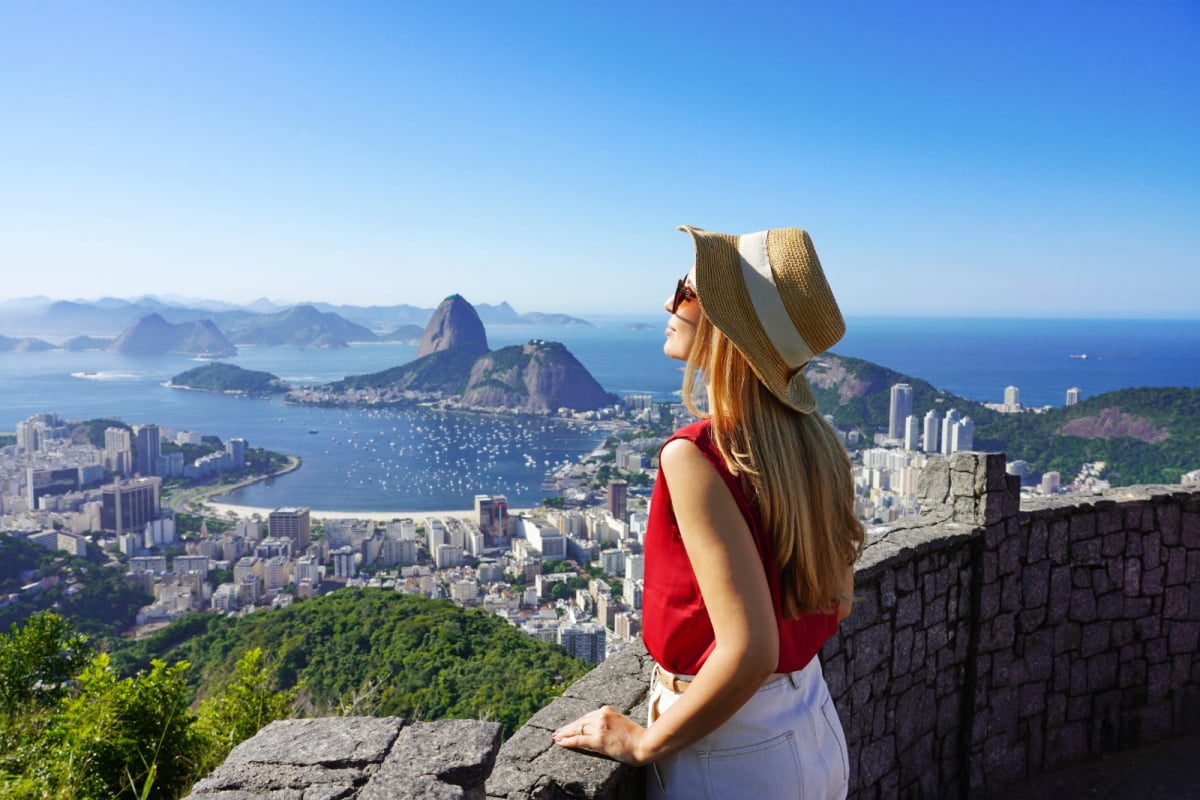
Rio may have the biggest recognition when we think of Brazil. Although it’s one of the furthest destinations from the U.S., that doesn’t stop Americans from checking this bucket-list beach city off their list.
With unmatched scenery and a lively, bustling culture, Rio is nonstop action even at famous Copacabana Beach.
This area is not for a tranquil beach getaway as you may get lost in a maze of crowds, a mix of locals and tourists alike.
Rio is a gem any time of year, but thousands flock to the city for the celebration of Carnival in late winter.
Sao Paulo
Those seeking an escape to an urban jungle brimming with cultural experiences should look no further than Brazil’s capital – Sao Paulo.
Often seen as the engine that runs Brazil, travelers can immerse themselves on the cheap into this underrated cosmopolitan giant.
Here is one of many places across the country to take advantage of phenomenal cuisine, arts and a variety of entertainment.
Stays are much more affordable compared to Rio, plus there are ample direct flights from the U.S., which tend to save travelers money on airfare.
Sao Paulo is then a cheap domestic flight to other popular destinations or a reasonable bus ride to Rio or other stunning coastlines even closer.
Other Destinations Being Spotlighted
Brazil is a vast country with many cities and regions not known to the average Joe or Jane. It’s not only Rio and Sao Paulo that are gateways into the country.
Sao Paulo can be your city escape, while Rio checks off the luxury beach destination, but what about the Amazon jungle or peaceful mountains of Minas Gerais?
There are also other coastal cities, such as Salvador gaining attention as a cultural hub and beautiful beach getaway – all easily connected by air.
According to Travelmath, U.S. travelers can fly nonstop to Manaus to explore the Amazon, Sao Paulo for a taste of the city life, and Rio for a bucket-list beach getaway.
Taking Advantage Of Visa Postponement
The U.S. requires a visa for Brazilian travelers, so Brazil flipped the script and will require the same.
Taking effect In April 2024, after a recent delay in implementation, all U.S. travelers will have to pay an $81 fee to obtain a visa to enter the country.
Americans are pouring in while they can to avoid the hassle and payment.
While the surge of travelers has only been reported through October, when the new visa requirements were originally supposed to be imposed, it will be interesting to see if tourism numbers dip from April onward.
If your goal for 2024 is to travel more, or if you just want to escape the cold, wet winter and relax on a beach instead, then Puerto Vallarta is a great place to go.
This charming Mexican resort city boasts beautiful white sand bays and beaches, an active nightlife, and a warm and friendly attitude.
Puerto Vallarta is a place that welcomes tourists with open arms and it is an incredibly easy place to visit, especially if you’re traveling from the U.S.
Here are 5 reasons why this beach destination in Mexico is breaking all-time tourism records:
Stunningly Beautiful Beaches
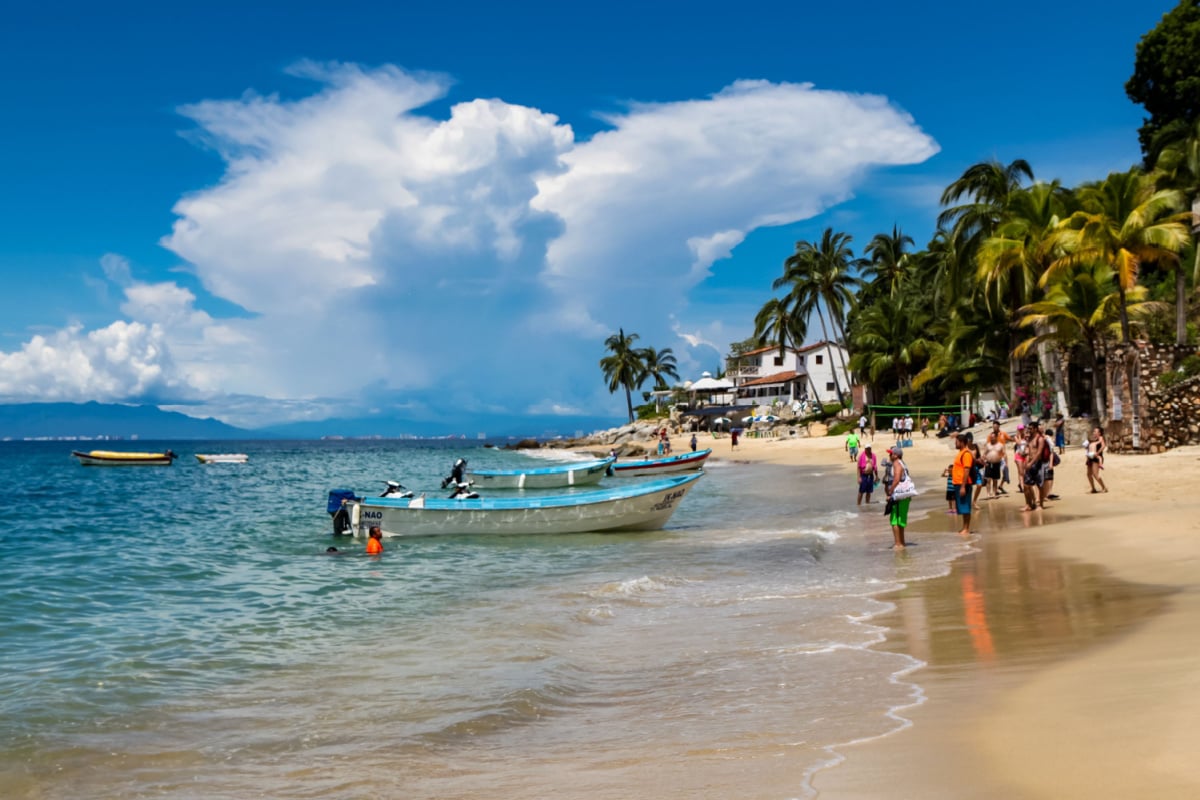
One of the main attractions of Puerto Vallarta is its stunningly beautiful beaches. You’ll find both powder-white and golden sand beaches here.
Playa de Los Muertos is considered the most famous of Puerto Vallarta’s beaches and it is a beautiful spot to swim, relax, and eat. Friendly street vendors and world-class restaurants sit side by side, so there’s something for everyone.
The beaches around Puerto Vallarta tend to be smaller than those on the Mexican Caribbean side of the country. But many of these beaches are small but perfectly formed. They have a rugged charm that is incredibly appealing to beach lovers.
Rich Mexican Culture
Puerto Vallarta is often referred to as Mexico’s most Mexican beach destination. It is a fascinating and culturally rich city that hasn’t lost its own identity in the hunt for more tourists.
Until the 1960s, Puerto Vallarta was nothing more than a sleepy port town, but even as the city has grown and grown, much of its architecture has remained the same.
You will find colorful colonial architecture and an incredibly beautiful Renaissance-style church tower, all fringed by incredible landscapes. Puerto Vallarta sits at the foot of the Sierra Madre mountains which create breathtaking views no matter where you are in the city.
Other aspects of Mexican culture that make Puerto Vallarta so popular include its proximity to Aztec temples, the chance to attend local festivals, and the colorful costumes and culture shared by the indigenous people.
A Safe Place To Visit
Puerto Vallarta is located along Mexico’s Pacific Coast.
The U.S. Government advises American citizens to exercise varying degrees of precaution when traveling in Mexico depending on the region. This is because the risk of crimes such as homicide, kidnapping, carjacking, and robbery are higher in some regions than other.
But Puerto Vallarta which is in the state of Jalisco is an incredibly safe place to visit.
In fact it is often listed as the safest place for international tourists visiting Mexico. What’s more Puerto Vallatra has been named one of the friendliest cities in the world.
The local police and security forces display regular day and night patrols around the city to create a sense of safety among tourists while giving a warning to those up to no good. Puerto Vallarta is like a resort bubble of safety.
This means that as long as you exercise normal precautions, Puerto Vallarta is an incredibly safe and easy place for American travelers to visit.
A Destination For Adventure Travelers
Many people choose to travel to experience new adventures and step outside of their normal, everyday lives. Adventure travel is a huge trend, and Puerto Vallarta is a great place to get involved.
The city’s unique geographical location means that you can enjoy mountain adventures and sea-based adventures on the same trip.
Try horse riding or mountain biking in the foothills of the Sierra Madre mountains. Whizz down ziplines or across the city’s incredible suspension bridge.
If you’re a water baby, then kayaking, paddle boarding, snorkeling, and scuba diving are all popular adventure activities here. The Los Arcos Marine Park in the waters of Mismaloya Beach attracts nature hunters and thrill seekers from around the world.
Friendly And Welcoming
Puerto Vallarta is friendly and welcoming to all of its visitors. When you visit this beach destination, the locals will go out of their way to make you feel at home. Tourism is key to the economy and so the contribution that tourists make is both understood and respected.
The city is also a welcoming destination for LGBTQ+ travelers, and its Old Town is considered a safe and fun destination according to the Gay Travel Awards.
With such a friendly arrival in store for every new arrival, it makes sense that this beach destination in Mexico is breaking all tourism records right now.
As many destinations in Mexico broke tourism records in 2023, it’s time to take a look at lesser-known places that fly under the radar.
When it comes to booking a Mexican beach escape, in all likelihood, Cancun, Los Cabos, and even Puerto Vallarta come to mind.
There’s nothing wrong with traveling to the behemoths of vacation hotspots, but travelers are doing themselves a disservice by not scoping out more of Mexico’s stunning coastlines.
One beautiful beach city is creeping up on travelers’ radars to where 2024 may be the year it begins to become more mainstream.
Here are 5 reasons why you should visit this lesser-known Mexican beach city:
New Luxurious Stays
In 2024, the underrated coastal city of Mazatlan will welcome a pair of luxurious hotels to add to the allure of making this your next stop in Mexico.
In addition to beachfront resorts, there will be a new golf and wellness resort rightly named Dreams. The Dreams Estrella Del Mar Mazatlán Golf & Spa Resort is slated to open in April 2024.
Although not categorized as a beach resort, this Hyatt-branded property sits beachside as an all-inclusive destination in its own right with a gorgeous 18-hole golf course, 8 on-site restaurants, and a waterpark.
Currently, the resort is offering promotional rates before the grand opening. Another hotel opening doors soon is the Fiesta Americana Zona Dorada, set in the touristy Golden Zone.
However, no official opening date has been set so far. Even more luxurious hotels are expected to open beyond 2024.
An Up-And-Coming Digital Nomad Hub
As more digital nomads seek out lesser-known destinations for new experiences, Mazatlan is one of the latest places to lose its top-secret status.
Digital nomads are falling in love with Mazatlan for a variety of reasons, but a few to highlight are safety, insanely fast mobile internet speeds, and affordability.
Mazatlan may not be the cheapest place in Mexico, but it’s affordable enough to stand out against mega-popular vacation spots to begin seeing digital nomads trickle in.
The nomad scene is only going to grow from here on out. We back up that claim as we at Travel Off Path awarded Mazatlan among the best digital nomad destinations in the world.
Authentic Mexico
Of course, finding a beautiful beach destination that remains true to its core benefits digital nomads too, but all travelers want a taste of authenticity.
Many super popular destinations across the globe cater to tourists with shiny new things, but Mazatlan is a blend of old and new that all travelers will appreciate.
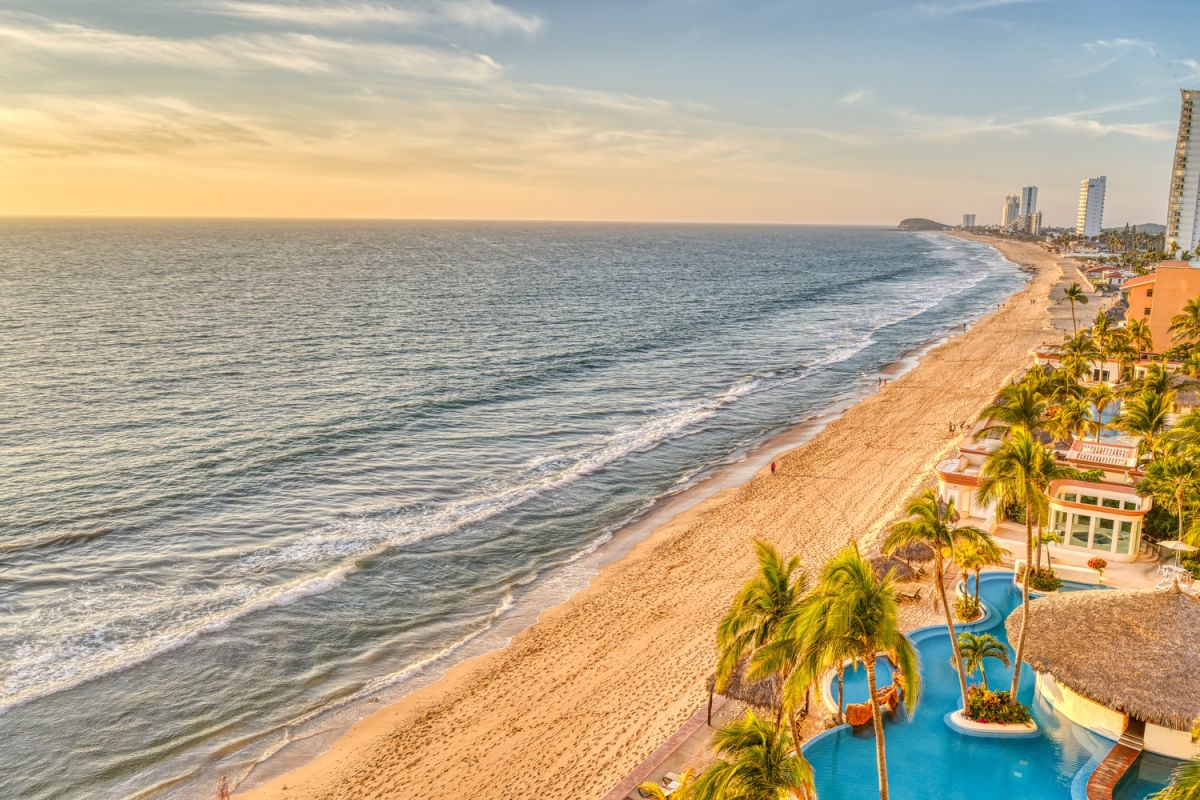
Visitors will find charming streets with vibrant historical architecture in the city along with modern high-rises lining the picturesque beaches.
Although prices aren’t what they used to be, locals know it’s worth the price of admission for a sense of real Mexico.
Whether it’s exploring the colonial-era streets or eating local cuisine dating back decades, first-timers will fall in love with this city and see why locals don’t want their treasured secret unleashed.
One Of The Most Affordable Mexican Beach Vacations
As word spreads about how great Mazatlan is for vacationing, prices will surely rise. As Mazatlan stands today, it remains one of the most affordable beach getaways in Mexico.
Compared to say, Los Cabos, where nightly rates commonly average hundreds upon hundreds of dollars per night, Mazatlan is the best beach spot to get the best bang for your buck.
Sadly, it won’t always be this way. Locals are already seeing surging housing prices.
It’s only a matter of time before travel prices skyrocket, making 2024 the perfect time to visit.
Not Just A Beach Destination
Many beachgoers tend to lounge around, taking life easy, but there is more to see in Mazatlan than crashing waves.
Even with roughly 20 miles of gorgeous coastline, there are fun things to do without your toes in the sand.
A new aquarium – the Gran Acuario Mazatlán “Mar de Cortés – opened recently and is the largest in the country.
Uber, or even outlandish golf cart taxis, make getting around easy to go bar-hopping, Mezcal tasting, or sightseeing.
Pay a visit to old cathedrals, wander the scenic Malecón, or even trek into the jungle for zip-lining tours.
Travelers are packing up their laptops and heading out high and low to find amazing new experiences, all while getting paid.
Doesn’t sound like a bad gig, right? There’s not one singular industry catered to remote workers, but some places don’t meet the mark in terms of cost of living.
Southeast Asia isn’t one of those places for the most part.
With tight budgets being a top priority for digital nomads, this is one of the best regions in the world to shuffle around country to country immersing yourself in new cultures.
One particular country is one of the most enticing for digital nomads to claim as their new work home.
Here are 6 reasons why this Southeast Asian country is so enticing for digital nomads:
An Easy Peasy Digital Nomad Visa
Malaysia launched its digital nomad visa many months ago, and it has been a success. The DE Rantau program aims at snatching both local and foreign remote workers and either stay in the country or move here from another.
Those who “work from home” can call anywhere home, but sometimes it can be a slippery slope crossing borders.
Taxes, visas, and various immigration issues can arise when earning income in a foreign country. On one hand, digital nomads love that certain countries offer visas catering to their lifestyle so they know they are both welcome and playing by the rules.
Malaysia’s visa is one of the easiest to obtain, with simple requirements to meet, such as just $24,000 annual income.
Amazing Destinations To Call Home
With stays up to 12 months, digital nomads have plenty of time to explore exciting cultural destinations in Malaysia.
Although 73% of digital nomads here make their base in the gargantuan capital city of Kuala Lumpur and the rapidly-growing, yet lesser-known region of Penang.
These two stunning yet differing destinations are among the fastest growing in all of Asia for digital nomads, behind the likes of Tokyo, Da Nang, and Seoul.
Penang is magnetizing to digital nomads as a coastal getaway full of wonders, especially the capital of the state, George Town, set on a picturesque island beaming with cultural sights.
Well-equipped for a digital nomad takeover, the invasion has begun. It’s best to move here quickly before it loses its off-the-grid appeal.
A Trio Of Unknown Gems Calling Your Name
If 73% of digital nomads are limited to a couple of areas, where are the remaining 27% in Malaysia? The truth is they are dispersed around the country.
With the ongoing success of the DE Rantau program, more destinations are wanting a piece of the pie. Kuala Lumpur may have the most recognition, but Malaysia as a whole offers so much more.
The gorgeous island of Langwaki, along with Sarawak and Sabah of Borneo, are a trio of unknown destinations ready to embrace remote workers.
Borneo is home to lush rainforests with a vast array of wildlife, while Langwaki offers stunning beaches and lavish hotels, such as St. Regis and Ritz Carlton.
Malaysia Is Super Safe And Affordable
Since many digital nomads venture off alone, going to a foreign country can always be a cause for concern in terms of safety.
The good news is there’s no need to worry about safety here. Plus, Malaysia is very diverse, and a majority of locals speak fluent English to add an extra layer of comfort.
Malaysia is currently designated at the lowest level of safety concerns as Level 1: Exercise normal precautions by the U.S. Department of State.
Affordability is key, which is why Southeast Asia has long been a backpacker’s paradise, and the visa only requires a $2000 monthly income.
Fast Internet
As an upper-middle-income nation, infrastructure should not be a concern for digital nomads. The country is well-equipped for digital nomads to complete their work assignments.
The big cities, especially Kuala Lumpur, will offer a plethora of cafes and co-working spaces with high-speed internet.
The same goes for Penang, where George Town is your best bet for a reliable internet connection. The DE Rantau program is looking to expand, so lesser-known destinations are undergoing transformations to become better equipped and more appealing to digital nomads.
Imagine a small chain of islands in the warm southern Mediterranean between Italy and North Africa with a unique culture, ancient UNESCO sites, incredible cuisine, and friendly locals who speak English.
Thankfully, this place exists, and now is the time to add it to your travel bucket list.
Malta is a beautiful European archipelago that’s easy to get to, easy to get around, and full of incredible sights and experiences.
No matter if you love cultural experiences, outdoor adventures, or exciting cuisine, Malta is truly special.
It’s no wonder this gem of a destination is becoming so popular with American travelers and is part of National Geographic’s Cool List 2024.
It’s The Filming Location For Blockbusters
Malta has been the film location for many major films and TV shows, including World War Z, Gladiator, The Count of Monte Cristo, and Game of Thrones.
The new movie Napoleon was also filmed here in the Grand Harbour area.
Sir Ridley Scott and his team are back at it in Malta this year, filming the anticipated sequel to the hit movie Gladiator.
This is as good of a time as ever to visit the island before the hordes of movie fans arrive.
It’s Safe and Perfect For Solo Travelers
Malta is a safe country to visit, with a low crime rate and high safety rating for solo travelers. The islands have a relaxed vibe, with friendly people and a welcoming atmosphere for tourists and foreigners.
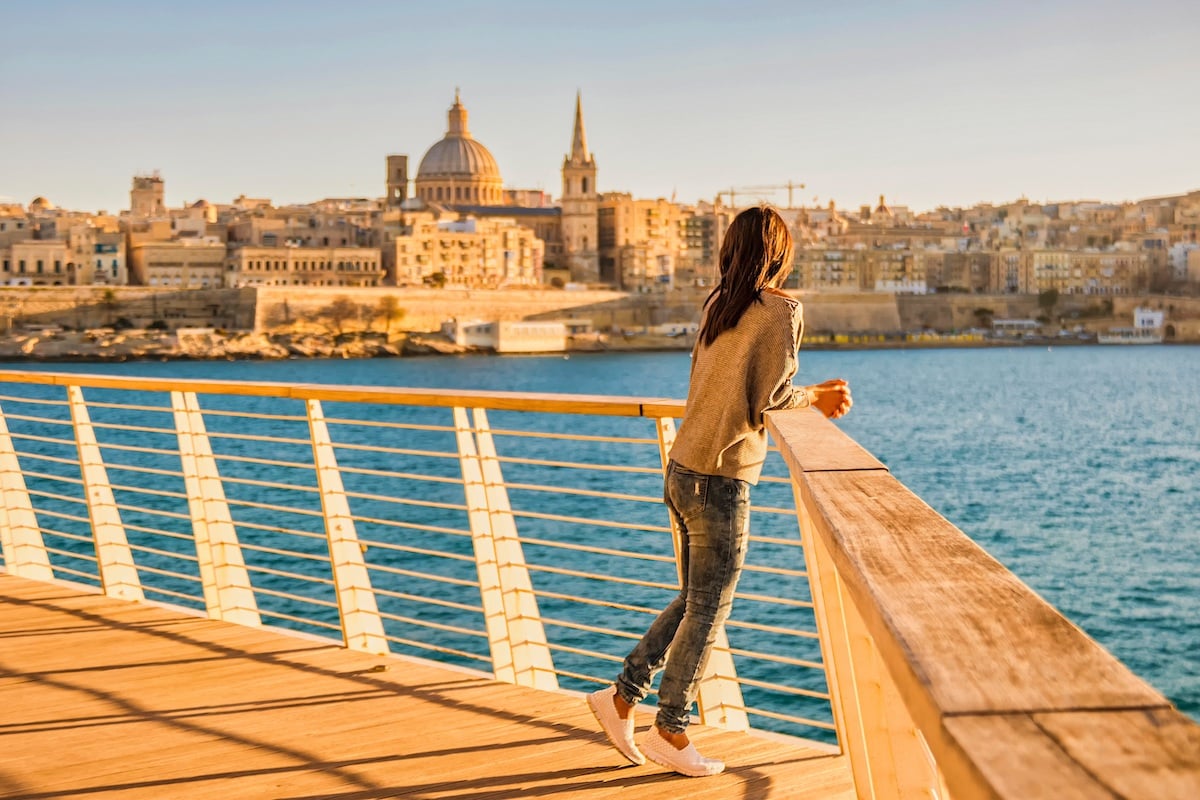
Even the capital city is safe. With just under 7000 people, Valletta is a capital city with a neighborly feel, plenty of helpful locals, and easy-to-navigate streets that are perfect for walking day and night.
Solo Travelers love Malta because of its community feel, lower cost, and great tourism infrastructure. Plus, the country feels like you’re a world away from everywhere else on earth.
Year-round Perfect Weather
If you’re looking for sunshine and warmth, Malta’s the place for you.
This European archipelago enjoys over 300 days of sunshine a year, with 5 hours of sunshine or more, even in December.
Because of its location tucked between the southern Italian Island of Sicily and Tunisia, Malta enjoys the perfect Mediterranean climate with no freezing temperatures or snow.
It’s not just the temperatures on land that attract visitors. Sea temperatures rarely drop below 60 degrees Fahrenheit and are above 70 for over half of the year.
English Speaking
Malta has two official languages: Maltese and English. Maltese evolved from Arabic back when the region was part of the Fatimid Caliphate over 1000 years ago.
Because of centuries of British rule, over 90% of the population in Malta speaks English, and all road signs are written in English as well.
Because of this, you’ll have no problems getting around or asking for directions.
Malta Doesn’t Quite Feel Like Europe
When you walk the narrow streets of Valletta or ancient sites like the Ħal Saflieni Hypogeum burial chambers, you feel like you’re stepping into history.
Sandwiched between North Africa and Southern Europe, Malta’s been a mixing pot of cultures for a long time.
Yet, all these cultures have made the country truly unique. Its world-famous food scene mixes influences from both sides of the Mediterranean, and its stunning architecture and UNESCO World Heritage Sites make exploring the islands seem like a dream.
For anyone looking to experience a warm island destination with endless natural beauty, unique culture, ancient history, and divine cuisine, Malta is the place to go.
It’s Easy To Get Around
With its English signs, great taxis and buses, and walkability, Malta is one of the easiest countries in Europe to navigate.
There are also ferries that take you cheaply from one island to another and even from the walled capital of Valletta to the city of Sliema across the bay.
Of course, it’s the joy and ease of walking that most visitors love. The capital of Valletta was built on a narrow peninsula. It takes under 30 minutes to walk from the ancient city gates to the historic Fort Elmo on the peninsula’s rugged point.
Because of the island’s layout, you can hike for under an hour in any direction and find yourself in new towns with romantic views of the countryside and the sea.
Malta Is Growing In Popularity
Word is out, and more people are choosing to travel to Malta. The country’s tourism numbers are up around 7% from before the pandemic in 2019.
With its easy connections to other cities in Europe and cheap fares, it’s easier than ever to get there. Plus, this trend doesn’t look like it’s going to end anytime soon, so now is the best time to go before it gets even more popular.
Are you dreading the sudden drop in temperature and the days that get shorter and shorter as we approach a cold and gloomy winter?
Perhaps it’s time you start narrowing down your winter getaway options and, dare we say it, to one Southeast Asian country in particular.
Famous for its paradisaical beaches, nightlife districts, vibrant city breaks, and low cost of living, Thailand is slowly but surely becoming one of the most sought-after tourism hotspots worldwide, being expected to have hosted as many as 25 million visitors by year’s end.
Here are 4 of the main reasons why the Asian gem is not only a world-class tourist destination but the ultimate winter escape:
The Thai Capital Is The 4th Most Popular City Worldwide
Bangkok has always been a go-to destination for backpackers exploring Southeast Asia due to its lower prices compared to most national capitals, a wide range of attractions, and lively social scene, but now it’s been officially named one of the leading tourist destinations worldwide.
According to a survey published by eDreams Odigeo, an important travel company, the Thai capital is the 4th most popular tourist city right now, behind London, Paris, and New York, and the highest-charting Asian hub on the list.
This is further proof Thailand as a whole is surging in popularity with international visitors, as Bangkok is the main entry point into the country, as well as its largest cultural center, home to a plethora of historical temples, ethnic districts, and entertainment zones.
Among Bangkok’s most famous landmarks are the Grand Palace, an important symbol of the traditional Kingdom of Thailand, the only one in Southeast Asia not to have been colonized by European powers, the imposing Wat Arun, and the Temple of the Emerald Buddha.
Beautiful Off-Path Sites
Thailand’s trendiness is not only linked to all-time tourist favorites like Bangkok, overdeveloped Phuket, or the adult entertainment capital that is Pattaya: beyond the most obvious points of interest, there is an entire undiscovered country Westerners are only now getting acquainted with.
Off-path tourism is a leading trend in a post-crisis world, especially now that the tourist hordes are back, yet fortunately for the crowd-wary visitor, Thailand certainly has no shortage of lesser-known gems where they can still escape the madness.
One of them is the mysterious Ko Kut island, which unlike Phuket, has not been essentially dollarized nor overrun by Americans and Europeans.
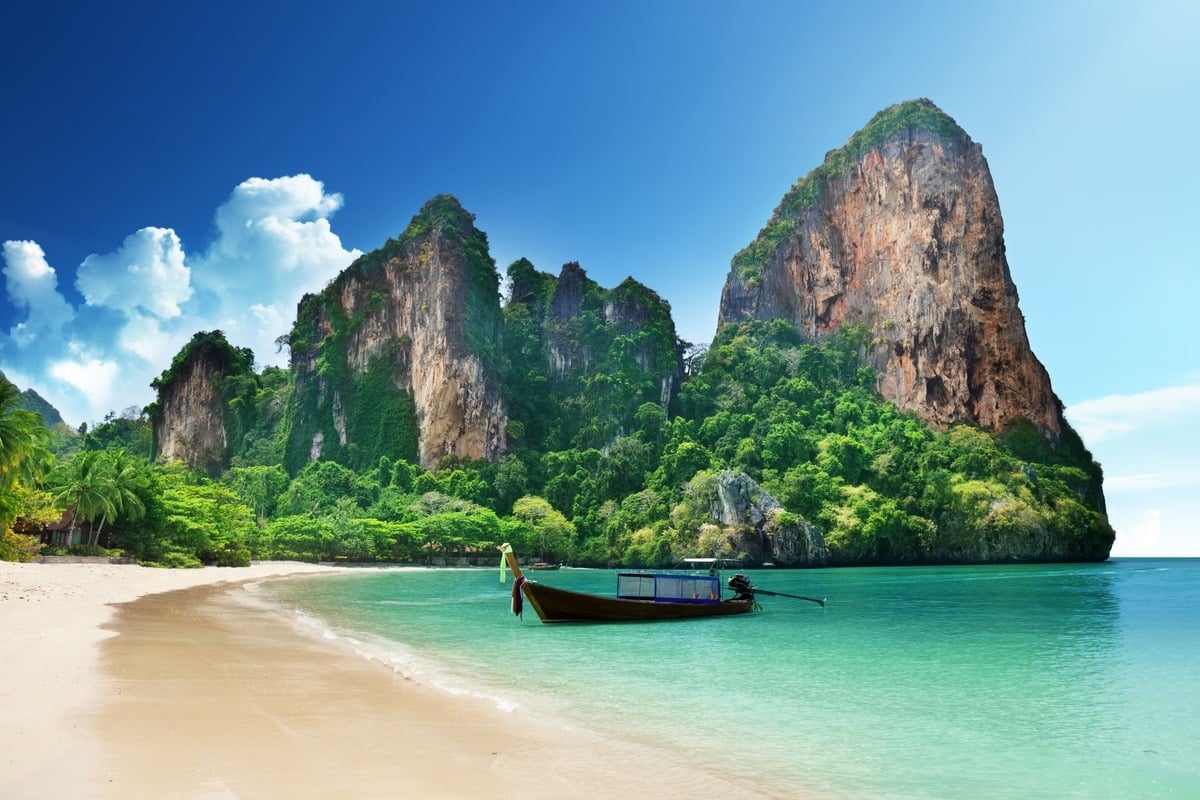
It remains very much an unspoiled Thai island at heart, with pristine nature reserves, unruffled beaches, and undisturbed fishing villages.
90 miles from Bangkok, Lopburi is yet another coastal town that does not often feature on tourists’ wishlists, though it should: it is mentioned by legendary Italian explorer Marco Polo in his Travels book, and it boasts a high concentration of temples and shrines.
Thailand Is Hugely Affordable
We know Americans are heading en masse to Cancun, Punta Cana, and the wider Caribbean this winter, but these are far from being affordable sunny getaways by any standard.
Hotel rates in Cancun can easily go as high as $500 per night during the peak travel season, and across the Caribbean as a whole, the hospitality industry is almost exclusively geared towards big spenders and luxury tourism, making it less attractive to budget-conscious travelers.
Thailand, on the other hand, is a budget traveler’s paradise, with lower prices across the board, from accommodation down to transportation to food in local restaurants.
According to BudgetYourTrip, visitors can spend as low as $30 per day during their stay in the country.
A mid-range vacation for two people in Thailand costs on average $1,178, including two or three-star hotel rates, local transportation, and even sightseeing, making it one of the least-expensive tropical destinations globally.
Americans Don’t Need Visas To Enter Thailand
Southeast Asia may be an incredibly popular destination among Westerners, but it is by no means the easiest place to go, nor the least bureaucratic.
A majority of countries in the subregion still have pretty strict visa rules, either requiring Americans to obtain a pre-authorized entry permit or even applying for a visa upon arriving – Thailand, on the other hand, allows them to visit hassle-free.
Landing in the kingdom, American passport holders can stay up to 30 days without applying for a visa, or an e-Visa in advance.
This means, as a U.S. citizen, you are free to book the next flight out to Bangkok without hesitation or fear your entry authorization will not arrive in your inbox on time.
Additionally, Thailand is now considering extending visa-free stays to up to 90 days for some nationalities, starting with Europeans.
While this does not yet apply to Americans, we wouldn’t be surprised if the United States is soon added to the 3-month visa-waver list.
As a travel writer and digital nomad who’s made it his life’s work to explore the world while sharing his experiences online, I have already seen over 79.1% of Europe – according to my Mark O’ Travel stats I religiously update every month – and have inevitably worked remotely from most countries on this side of the Atlantic.
From bleak mid-winters in the Balkans to the canicules of Southern France in a scorching July, and every writing session in between, be it holed up in my AirBnB room trying to keep the warmth in or lying on the edge of a beach, letting the ocean caress my feet, I feel I could put together a digital nomad guidebook for newcomers in the Old Continent.
Being close to completing my ‘European nomadic trek’, I was convinced already I had my immutable top three favorites: nowhere I would go next could ever top Georgia’s generous visa policy and high affordability, Albania’s beautiful nature and welcoming folks, or Poland’s underrated cuisine and awe-inspiring History.
As you might have guessed, I have a professed love for Eastern Europe and would normally openly avoid the Western flank, mainly because, more often than not, it does not fit the budget and it’s just too touristy.
The huge crowds are a big turn-off for me, who’s mostly looking to work in peace while sampling some culture.
As a nomad, my needs are rather primitive: I need comfort, good food, low cost of living, and sunshine.
As we approached winter, however, my options as a Europe-based, sun-loving nomad started thinning dramatically.
The Eastern bloc and its plummeting temperatures were suddenly off-limits.
I had to look elsewhere, as far South as I could.
Call it instinct, or perhaps a little push from the Instagram algorithm, but next thing I knew I was boarding a four-hour flight to a mysterious island so small you can’t see its outline on a map unless zooming in on the exact right spot.
In chasing the sun, I stumbled upon this gorgeous Portuguese archipelago that has me wondering whether I should reshuffle my own personal ranking of favorite nomad hotspots.
Madeira is the perfect year-round destination for remote workers, and here are 8 reasons why:
Madeira Is Perfect For An Escape Into Nature
If you are unsure what or where Madeira even is, it is an autonomous, archipelagic territory of Portugal located off the coast of West Africa comprising four islands, two of which are inhabited, and an additional two held as protected reserves.
From Lisbon, the Portuguese capital, to the archipelago, it is a whopping 600 miles, and in fact, it is part of the African tectonic plate, being geographically closer to Africa than Europe, and to be quite honest, it does feel worlds apart from mainland Portugal.
In terms of nature, Madeira is markedly different from the Iberian Peninsula, where mainland Portugal sits, as it is a subtropical island crisscrossed by hiking paths leading up towering mountains and dominated by an evergreen flora, including a 20-million-year-old laurel, UNESCO-listed forest.
From Curral das Freiras and its jagged peaks, down to the rugged South Coast, interspersed with quaint, hilly seaside villages and banana plantations as far as the eyes can see, to the waterfall-dotted inland, where Mother Nature is the ruling, unchallenged queen, Madeira is perfect for slowing down and practicing some inner healing.
According to research carried out Demandsage, 11% of digital nomads are openly seeking easier access to nature, and I’m not sure about you, but that’s exactly what I needed as a nomad, having jumped from country to country throughout 2023.
For the best part, I gravitated towards sprawling urban centers, as they are supposedly where you can find the best infrastructure, the internet cafes, and the largest group of expats, but the urban fatigue was quick to catch up to me.
Having constantly based myself in the largest possible city and leading a busier life anywhere the social scene is liveliest, I did not feel as that necessarily boosted my happiness levels, nor my productivity.
Deep down, I was reluctant to leave the urban center out of fear the great outdoors wouldn’t be nomad-friendly, and if you’re a fellow nomad, you know how important is having high-speed internet and a community to surround yourself with.
These are not easily found outside metropolitan areas.
Shockingly, as I landed in Madeira, I learned most of the island is nomad-friendly, and this brings me to point number two.
A Nomad-Friendly Remote Island
For an island as remote as Madeira, I was positively surprised to learn nomads are spread across the entire territory, as opposed to being concentrated in the regional capital, usually the best-equipped settlement.
Funchal is the largest city, and it is indeed the go-to spot if you’re looking for a wider range of services and better entertainment options, but Madeira as a whole is well-prepared to host slow travelers and remote workers, and even 600-people-strong villages offer long-term rental and a myriad of dining options.
I decided to get out of my comfort zone this time and left the city for a one-week stint at a small coastal town in South Madeira, aptly titled Ponta do Sol (Portuguese for ‘Sunny Tip’).
A fishing port found at the heart of a valley, bounded by sugar cane and banana terraces and lining the azure Atlantic, with winding alleys and a landmark church, it is ideal for relaxing, letting go of your mundane worries, and most importantly, getting work done without distractions.
Other than the friendly, hospitable locals and amazing food, my favorite memory of Ponta do Sol is listening to the soothing crashing of waves as I worked from my computer on the pebbly beachfront by the Sun Spot Cafe.
No traffic noise, no interruptions, and, most importantly, a stable WiFi connection (and delectable seafood food to top it off).
The next thing you know, the sun is setting and staining the sky in shades of jaune, blood orange, and purple: it is truly spectacular, and it’s no wonder the local Government has a dedicated live channel for broadcasting sunsets live to Madeirense citizens residing abroad.
I was fortunate enough to be there and see it with my own eyes, and it’s left me wondering why it is nowhere to be seen on rankings of best sunsets in the world.
It’s The Land Of Eternal Spring
The sunny climate is yet another huge plus.
You see, unlike continental Portugal, Madeira is not subject to the seasonal changes you see in mainland Europe. It is an island in the Atlantic, closer to West Africa than it is to the geopolitical entity it belongs to, and as a result of that, the weather remains relatively warm – or warmer than Europe – year-round.
It is truly never too hot nor too cold in Madeira.
I was there in early December, and temperatures averaged from 59°F in the evenings, with chilly coastal winds you can easily protect yourself from by wearing a light jacket, to pleasant highs of 75.2°F during the day.
Madeira has been aptly nicknamed the land of eternal spring, and winters are generally pretty mild, with 12mm of rainfall expected in January, the wettest month of the year, and a 47% chance of a clear sunny day, according to TUI.
If you’re a water creature, you will be thrilled to know the sea temperature around Madeira never drops below 66°F in winter, meaning you can swim off the coast irrespective of season, as the water is never gelid, though it may take you some time to get used to the naturally-colder North Atlantic.
While most of my time in Madeira was spent in Ponta do Sol, I did set out to explore other coastal areas of the island, and some of my favorite swimming sites were Seixal, one of a handful of sandy strips on the island, and where sands are dark and of vulcanic nature, and Porto Moniz, famous for its lava-formed natural pools.
Madeira Hosts The Ultimate Digital Nomad Event
Having traveled to over 60 countries while working remotely, one thing I have learned quite early on is that some of the best digital nomad destinations are the ones where a thriving expat community has been established.
There are exceptions to this rule, but it’s usually countries with a large number of alien residents that are better equipped to cater to nomads’ needs, as public services are likely to be foreigner-friendly, English tends to be widely spoken, and long-term rental options are plentiful.
Try living long-term as a digital nomad in fellow Lusophone Brazil without a local ‘CPF’ number, for instance. Spoiler: it is no fun.
Madeira is well-prepared to host us, and I have touched on that already, but something that honestly blew my mind is how the island has completely embraced this surging trend, so much so that it hosts a streak of digital nomad events every year.
In fact, the Nomad Island Fest, one of the biggest nomad retreats in Europe, takes place every December on the island, bringing together like-minded entrepreneurs, world travelers, and aspiring nomads to discuss new business ventures and common challenges they face.
I attended the Nomad Island Fest myself in Ponta do Sol, and over the course of the action-packed, week-long event, I was given the tools to boost my productivity and let go of my limiting beliefs, and connect with fellow ‘escapers’ on a deeper level – more so than any other soulless business conference I had been to before.
The fest has a different program every year, and it sets itself apart from other nomad retreats as there is a thorough screening process in place that only selects the best-suited guests.
Don’t worry: it is not a discriminatory process.
You do not have to be a self-made millionaire or even someone who’s successfully converted to a digital nomad to sign up: if anything, event organizers are looking for passionate individuals looking to grow professionally and personally, and who have an open mind and are not scared to dig deep in confronting their own fears.
That’s the whole point of the fest: it has a holistic approach, combining business and personal development.
As the recurring ‘escaper’ mantra reads, ‘work hard, play harder’:
I became a digital nomad to free myself of the shackles of corporate life and 9-to-5 jobs and trust me when I say there is nothing I would dread more than sitting in an auditorium through long, insufferable hours listening to older business moguls who know better.
Talks at the Nomad Island Fest feel more like a mutual exchange, and though invited speakers are renowned experts in their respective fields, they are keen on including spectators and are just as open to receiving input as we are willing to listen.
Add in meditation sessions, card games, lunch breaks, outdoor 4×4 excursions on dirt roads traversing a wild Madeirense nature, and riotous Gatsby-themed parties, and you might just get the gist of it.
How Much Does The Nomad Island Fest Cost?
With Basic Passes starting at just €829, or roughly $903, this is an investment not only on professional growth, but also lifelong friendships and potential life-changing encounters.
At the very least, however, you will be granted 7-day access to the event venue, all daily workshops, talks, and sessions, the fitness sessions, a coworking space in Ponta do Sol with fast-speed WiFi, and a one-year access to the Escapers Club, made up of digital nomads and industry innovators.
Accommodation is not included, but there is certainly no shortage of boutique hotels and Airbnb listings in town, within walking distance of the venue.
A Premium Ticket costs €1839, or approximately $2004, and includes all of the above, plus accommodation in a four-star hotel perched on a clifftop with privileged views of Ponta do Sol, breakfast and dinners, one-on-one coaching and more.
Other than the Nomad Island Fest, Nomad Escape offers two additional retreats to nomads based in Madeira: the Business Retreat and the Build Week, which you can learn more about here.
There Is No ‘Digital Nomad Fatigue’ In Madeira (Yet)
If anything, the fact that the Nomad Escape is based in Madeira is further proof this island has become one of Europe’s top destinations for remote workers.
Having chatted to and briefly interviewed locals during my time there, from taxi drivers to waiters in restaurants to passers-by, I realized anti-nomad sentiment is essentially non-existent.
Naturally, I did not carry out an official, extensive research – this was just me brushing up on my native Portuguese – but recent reports that nomads are being accused of contributing to gentrification and even being told to ‘leave’ Lisbon and other parts of mainland Portugal do not seem to have reverberations in this autonomous Portuguese archipelago, where they are being welcomed with open arms.
Other than shining light on this fast-growing trend, the Nomad Escape helps boost the local economy, actively encouraging visitors to stay longer and explore off-path locations – we were staying miles away from the capital’s glitzy resort strip ourselves, eating in local restaurants, and supporting local businesses.
Madeira Is A Hugely Underrated Cultural Gem
They may be great points to consider, but a sunny climate and pro-nomad sentiment are not the only metrics relevant to me.
I like my beach spots with a little bit of culture, and Madeira certainly did not disappoint: in many ways, it feels like its own territory, as it is hundreds of miles away from mainland Portugal, islanders have their own defining lingo and dialect, and the architecture is typically colonial in character.
Unlike Lisbon or Porto, Madeira was not settled thousands of years ago.
The Portuguese ‘stumbled’ upon the uninhabited archipelago during the Age of Discoveries, only a few decades before reaching the Americas (Brazil), and as a result, Madeira developed at a similar pace to that of the other colonies.
There are no ancient Roman ruins, as the Romans never got as far as the Macaronesian Islands, which Madeira is a part of, nor imposing medieval forts, as Madeira was discovered towards the very end of the Middle Ages, when building monumental castles was no longer viable, or needed.
Still, you will find whitewashed Iberian-style churches and cobbled lanes that criss-cross towns are an indelible mark of Portuguese settlement, except the surrounding scenery feels distinctly non-European, with tropical plants, rainforests, and exotic scents filling the air.
Madeirenses have their own cuisine, their own sub-culture, and their own identity, developed due to centuries of geographical isolation, and they are apparently exceedingly proud of having spawned one of Portugal’s national heroes, Cristiano Ronaldo, who was born in the outskirts of Funchal.
You can even visit his self-titled museum on the Funchal waterfront.
Among other attractions in Funchal, easily Madeira’s cultural center, there is a Municipal Square flanked by Baroque edifices, a 15th-century cathedral with a wooded-Moorish ceiling, a neatly-kept Botanical Garden with intricate flower designs, a hilltop ‘Monte’ palace with an adjacent park bedecked with Japanese-inspired torii and temples, and the 3,200-meter-long cable car, hovering above the red-tile-roofed historical city center.
If you’re looking for a cheap eat in Downtown Funchal, I strongly recommend O Giro restaurant, in the heart of the Old Town, and a short four-minute walk from the Municipal Square.
Their pork panini and ice cream churros are out of this world, and will only set you back by some $14 bucks. Speaking of affordability…
Madeira Is A Steal Of A Deal
This leads me to our fifth and final reason behind Madeira’s rising nomad population: it is very affordable to live in by Western Europe standards.
In the affordability chart, I still wouldn’t place Madeira higher than Albania, Bulgaria, Georgia and the like, but considering Portugal is not part of the Eastern flank, and it is a highly-developed country with high standards of living, Madeira is truly a steal of a deal.
Dining out in central Funchal, I would pay anywhere from $16 to $27, depending on how elaborate a meal was and the popularity of a restaurant, with some of my best dinners being in fact on the cheaper end of that range.
You just can’t beat some traditional, taberna-cooked swordfish and banana with white rice on the side, passionfruit-flavored pasteis de nata, a novelty I had never come across traveling in the mainland before, and some poncha, Madeira’s hard-hitting, distilled sugar-cane drink.
Of course, you can always opt for the well-reviewed eatery serving Portuguese dishes with a high-end twist in the fancier part of town, but the true culinary wonders of Madeira will not worsen the strain on your wallet.
On average, a basic lunchtime menu including a drink in the business district of Funchal will cost you an estimated $10.91, as per data by Expatistan.
Cheap rent is yet another important factor for nomads relocating to Madeira, with monthly rent for a 900 square-feet furnished apartment across Funchal averaging $793.99.
As Nomad List reiterates, Madeira is ‘affordable’, and if you’re earning an average $2,228 per month, chances are you will be fine.
You Can Live In Madeira On A Digital Nomad Visa
Finally, Portugal has its very own Digital Nomad Visa, allowing foreigners who make a living working remotely or who are entrepreneurs to apply for a long-term residence permit, enabling them to live in the country for an initial period of two years.
Other than presenting a clear criminal record and undergoing further checks at the Consulate interview, applicants must earn more than €3,040 to apply for this visa, which is issued for an initial period of two years, renewable for additional years.
This means a majority of digital nomads are eligible for a DNV for living in sunny Madeira, or in fact, any other Portuguese hotspot that’s been surging in popularity with nomads, such as Porto, the unofficial capital of Northern Portugal (mainland), or even the Azores, the mid-Atlantic archipelago.
We may be a bit biased, but judging by Madeira’s year-round, celebratory nomad activities, the fact that it hosts the Nomad Escape, it has some truly magnificent weather, and a comparatively low cost of living compared to the European mainland, we are inclined to say it is the most suitable option.
Alternatively, American citizens can visit Madeira and the wider Schengen Area, which the whole of Portugal and most European countries adhere to, for up to 90 days out of any 180-day period without a visa.
Many of the beautiful island countries that make up the Caribbean have been experiencing a real boom in tourism so far this winter.
A recent report showed that several of the countries in this beautiful part of the world are reporting double-digit growth at the end of 2023 and becoming hugely popular as winter sun destinations.
But one set of islands in particular is really making its mark in the minds of travelers this year.
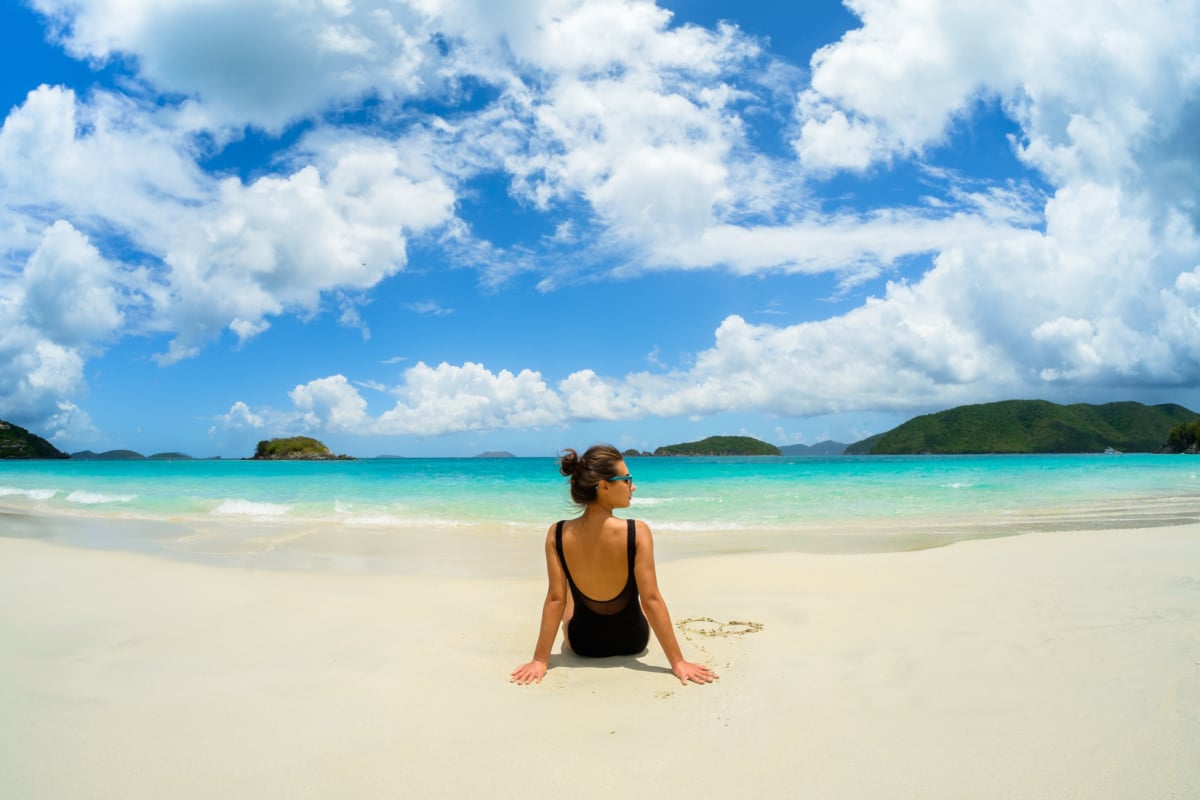
The U.S. Virgin Islands
Tourism visitor numbers for the fourth quarter of 2023 are up almost 40% on the same period in 2019, according to the latest information from the U.S. Virgin Islands Department of Tourism.
What’s driving this surge besides the fact that this country is very safe and most people’s idea of paradise?
Let’s take a closer look:
Sun, Sea, Sand, And Culture
The U.S. Virgin Islands are made up of three main islands – St Croix, St Thomas, and St John – and are situated just off the east coast of Puerto Rico, with the British Virgin Islands on the other side.
St Croix has a fascinating history, having previously been colonial territory of England, the Netherlands, France, Spain, Malta, and even Denmark.
The latter of those gives the island’s largest town its name – Christiansted – and it’s a beautiful place of colorful buildings, old forts, and quaint cobbled streets.
Besides the colonial history, St Croix has its fair share of stunning beaches, such as Rainbow Beach and Cane Bay Beach, as well as great nightlife and casinos.
Over in St Thomas, you can find some of the U.S. Virgin Islands’ best dining with fantastic seafood restaurants and local eateries run by friendly folk.
This island has plenty of fascinating history of its own, being home to the 17th-century Danish-Norwegian fort of Fort Christian.
Not to be outdone, St John is widely regarded as a premiere snorkeling and diving location in the Caribbean.
It is also home to the incredible Virgin Islands National Park, which covers 5,500 acres and is packed with hiking trails and jungle experiences.
Air Travel Availability Is Improving
Americans can already fly to the U.S. Virgin Islands from a host of different cities, but the U.S. Virgin Islands Department of Tourism states that seat capacity has increased from the mainland by 23% to the island of St Croix and 21% to St Thomas.
The tourist board is working hard to continue increasing the flight options and states, “Our focus is on adding flights to St. Croix from the United States, Canada, and Europe.”
Flight options to Cyril E. King Airport, St Thomas
New York, Boston, Miami, San Juan (American Airlines)
Atlanta and New York JFK (Delta Air Lines)
Boston (JetBlue)
Fort Lauderdale (Spirit Airlines)
Chicago, Washington Dulles, Newark (United Airlines)
Flight options to Henry E. Rohlsen Airport, St Croix
Miami, San Juan (American Airlines)
Atlanta (Delta Air Lines)
Award-Winning In Many Ways
The sun-drenched destinations on these beautiful islands have been achieving international recognition this year.
The island of St Thomas was recently hailed “Innovation Destination of the Year” by Caribbean Journal, while the Westin Beach Resort and Spa was bestowed the title “Best New Caribbean Hotel of the Year.”
Meanwhile, Trunk Bay on St Thomas was named one of the world’s best beaches and also featured in Conde Nast’s Best Places To Go In 2023 List.
A Great Cruise Stop Off
The tourism board has also been working closely with cruise companies to expand the opportunities to visit via this mode of travel.
It has recently partnered with the Florida-Caribbean Cruise Association to help with this.
Predictions are that the cruise passenger visitor numbers could grow by as much as 80% in 2024.
Easy For Americans To Visit
For American travelers, visiting the U.S. Virgin Islands is essentially the same as a domestic trip due to the fact it is official United States territory.
If you are flying from the U.S. mainland or Puerto Rico, you do not even need a passport to enter these islands, and you can enjoy other benefits such as online check-in and no need for a visa.
It’s only a small detail, but one that can really help make traveling that little bit smoother and more enjoyable.
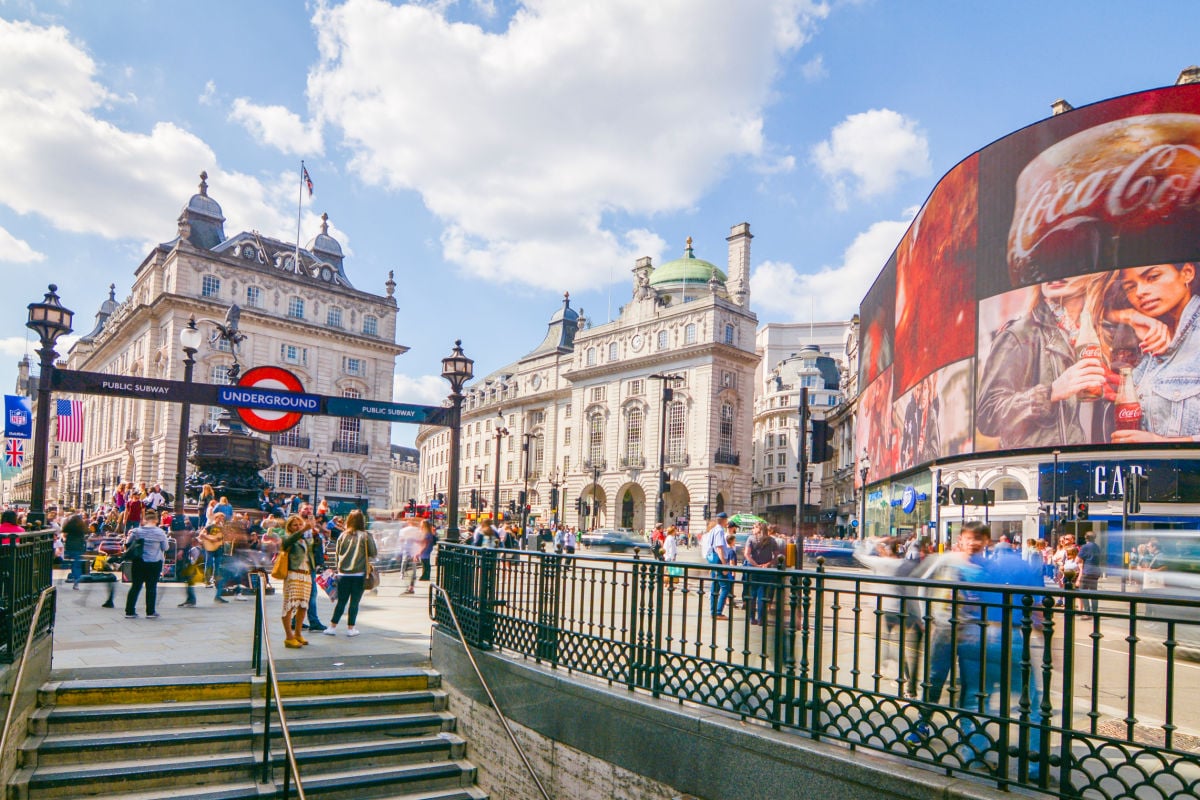
When Americans imagine their dream trip to Europe, Big Ben and the unforgettable London skyline is the peak of most travelers’ fantasies.
No bucket list is made complete without the opportunity to wander the streets of the Big Smoke and take in all this cosmopolitan European capital has to offer.
Being one of the largest and most iconic cities in Europe, it’s no surprise that Americans have been flying to London more than any other European city this year.
History
Exploring Europe’s cities can feel as though you’re stepping back in time, as there is such an abundance of historical sites and old architecture that simply can’t be found in a country as young as America.
London is no exception, and the sheer amount of history to be discovered here is one of the most exciting things about this urban metropolis.
Must-see places include Westminster Abbey, The Tower of London, Buckingham Palace, and Big Ben.
For those willing to venture further out of the city, a visit to the prehistoric monument Stonehenge makes a memorable day trip.
Museums
Any trip to London wouldn’t be complete without spending an afternoon or two taking in the incredible collections of one of this city’s world-class museums.
The best part? Many of these incredible institutions offer free admission.
Whether your interest lies in art, natural sciences, or world history, there is sure to be a museum that piques your interest.
The Tate Modern, British Museum, and Museum of Natural History are a few of our favorite choices.
We recommend giving yourself ample time to explore and not planning multiple days in a row at museums so you avoid brain burnout.
Shopping
London is an excellent destination for travelers in need of some retail therapy.
It doesn’t matter if your weakness is designer brands or if you’re a thrift queen; this city has enough shops to fit every style.
Budget-conscious and sustainability-minded travelers can spend their time hunting for second-hand gems at London’s “charity shops” (British English for thrift store).
You’ll surely walk away from Camden Market or Brick Lane with an epic thrift haul.
For discovering name-brand designers, up-and-coming brands, and boutique shops– Oxford, Regent, and St. James Streets are the places to be.
Accessibility
Another factor that makes London so appealing to Americans is its accessibility.
Travelers can fly from NYC’s JFK to London Heathrow in just 7 hours.
With London’s multiple airports and the large number of connections to the U.S., travelers can easily find affordable and convenient flight choices.
Food and Nightlife
While most people agree that English cuisine itself is not all that special, the international influence and diversity of this city has created an exciting and eclectic food scene.
While you can certainly delight in ordering the classic English favorite of fish and chips, there’s always more to discover in this city.
Foodies will never be bored eating in London; you could start your day with an English breakfast, stop for a delicious roll from a Swedish Bakery, and find top-notch Jamaican food for dinner if you so wish.
Once it’s dark, it’s time to grab a drink at a proper British pub.
Similar to its food scene, the diversity of London’s nightlife means no two nights out have to feel the same.
A good starting point is Soho, the center of LGBTQ nightlife and famous for its trendy restaurants, chic clubs, and music venues.
Another popular option is Camden, a great spot for pubs, live music, and bohemian vibes.
The Arts
London is at the epicenter of the global arts scene next to Paris and New York City for a good reason.
This city continues to attract the best musical, art, and theater talent from around the world and the arts thrive here.
This city has plenty to enthrall art lovers, from the impressive architecture to its many galleries and the enticing live theater.
Catching a play is a unique activity to add to your itinerary, and London always has new shows along with timeless favorites to check out.
Digital nomads are back to Latin America in droves now that countries in the region have normalized entry rules and even launched migration paths that are unique to the category.
LatAm (as it is commonly called in the short form) is openly challenging Europe and Southeast Asia for the title of number one nomad hotspot, and one nation in particular is playing a key role in advancing that cause.
Sitting on the Central American isthmus and bordering Costa Rica and Colombia, Panama is simply the perfect digital nomad destination, and these are 4 of the main reasons why:
Stunning Natural Scenery
Though they are definitely not a homogenous bunch, and there are subcategories within the group, it’s a fact most digital nomads favor warmer, tropical climates when picking a new country to call home, even if temporarily.
That is because a majority of them hail from big cities in naturally colder countries in the Northern Hemisphere, where the nature may not be as abundant, and winters can be particularly harsh.
In a sense, it’s no surprise as many as 80,000 Americans are now residing in Panama, as the country is widely known for its wealth of natural resources and tropical weather.
With coastlines on both the Caribbean and Pacific Seas and its year-round warm climate, it is an incredibly attractive destination not only for tourists and retiring expats but especially for remote workers looking for a higher quality of life.
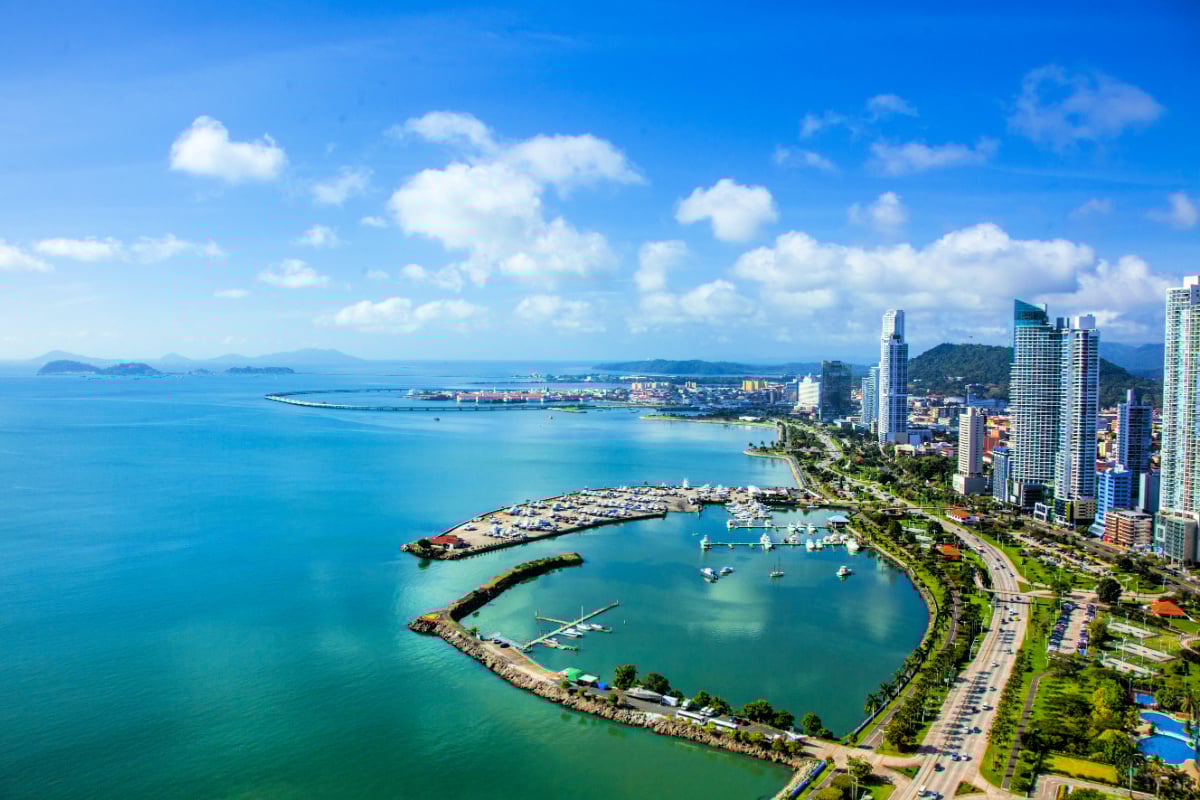
Outside Panama City, the country’s capital and largest city, nomads will find a plethora of protected reserves, jungle parks, and as much as 1,771 miles of combined coastline (both Caribbean and Pacific) dotted with quaint seaside resort towns.
If it’s a slow-paced life you’re craving, and the sight of tall coconut trees lining soft sands bounded by the azure Pacific has been in your dreams lately, you should definitely consider relocating to Bocas del Toro, one of the best-equipped towns in Colon, a paradisaical island surrounded by teal-colored waters.
Famous for its nomad-friendly facilities, including internet cafes and long-term rentals, and unspoiled nature, it is one of Panama’s most highly sought-after nomad hubs.
Better Infrastructure Than Most Central American Countries
The better-than-average infrastructure is yet another reason why nomads are enamored with Panama.
It’s no secret they tend to gravitate towards countries where there is already a well-established expat community, as this helps with integration, and the presence of foreigners and the influx of dollars is known to boost development in any given city.
Panama City is easily one of the most nomad-friendly capitals in Latin America:
It is large, but not overwhelmingly like São Paulo; as a regional hub for business, it boasts an entrepreneurial vein and a plethora of coworking spots, much like Mexico City; the Quality of Life score is ‘good’, as reported by NomadList, and safety levels are ‘okay’.
Other popular nomad centers in Panama include Santiago, one of the country’s most traditional and best-preserved colonial cities, home to a landmark Spanish-built cathedral, Colón, a medium-sized city straddling the Caribbean coast and fast-growing financial hub, and third-largest city, Tocumen.
Outside urban zones, internet connectivity may not be as strong, and nomad infrastructure may be lacking, especially in the heart of the jungle, but it still doesn’t take away from the fact that Panamanian cities are very well-prepared to host remote workers.
Panama Is Relatively Affordable
Affordability is yet another important factor behind Panama’s soaring popularity with nomads.
A majority of long-term travelers belonging to this category is budget-conscious, meaning they carefully pick destinations based on affordability and how far their hard-earned dollars can stretch, as in most cases, they are freelance writers used to planning their financial year well in advance.
In this regard, Panama is incredibly cheap for American and European nomads, with large cities like the capital requiring month-long residents to spend on average $2,575 per month, including food, accommodation, and leisure activities.
It is certainly not as cheap as neighboring Colombia, where development is not as pronounced, and thus, the cost of living is a lot lower, but seeing that the average nomad makes anywhere between $50,000 and $80,000 a year, Panama is a pretty safe bet at a temporary relocation that will not break the bank.
As reported by Numbeo, every time you eat a meal at an inexpensive restaurant will set you back by only $10, on average, though mid-range to high-end restaurants can bill you as much as $60.
Additionally, rent is up to 38.2% lower than the average Western city, like Paris or London.
Panama Is Open To Digital Nomads
Finally, Panama has been leading travel trends in the nomad community lately due to its friendly policies towards long-term residents and digital nomads.
Historically, the nation has always been open to foreign investment, serving as the natural gateway between South and North America and thus benefitting from cross-continental trade and the influx of foreign capital.
It’s never been exactly difficult to obtain permanent residency in Panama, but when it comes to digital nomads specifically, they benefit from their own ‘Short Term Remote Worker‘ visa, enabling them to remain in the territory for up to 9 months initially.
Before that period expires, they are invited to renew their visa for an additional 9 months, without leaving the territory, if they so wish, with each application costing a very reasonable $300.
Every first application must be made through a Panamanian Embassy or Consulate in the applicant’s home country or current country of residence, and only those who meet the minimum annual income of around $36,000 can qualify.
Being a digital nomad in Panama under the Short Term Remote Worker visa may make you eligible for some form of tax exemption.
If the bureaucracy sounds discouraging to you, you can still relocate to Panama for up to 180 days, or 6 months, as a tourist, if you hold American citizenship.