Many Americans overlook their neighbor to the north when planning an international vacation. But Canada is a destination that should not be missed!
Easy access from the U.S., great weather, beautiful nature, cool cities, and a favorable exchange rate are some of the reasons why Canada is a fantastic summer destination for Americans.
Here are the reasons why this summer is the perfect time to plan a trip to Canada.
1. Easy Flights
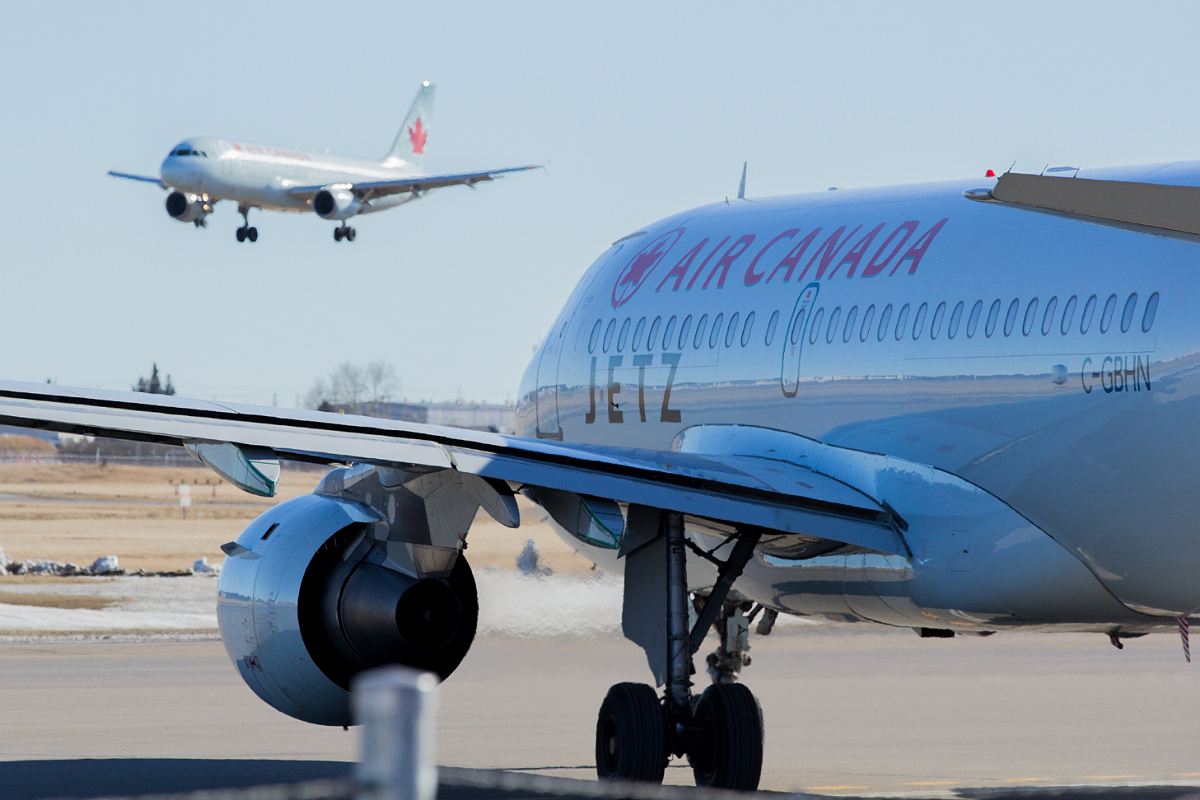
Getting to Canada from the United States is easy. There are tons of nonstop flights between cities in the United States and Canada, and many of them are shorter than you might expect.
For example, New York to Quebec City is less than two hours, Los Angeles to Vancouver is a three-hour flight, and Chicago to Calgary is under four hours.
They are also launching new nonstop routes from Washington, DC to Vancouver and Calgary.
2. Great Weather
Summer is arguably the best season of the year to visit Canada. While fall offers beautiful foliage and winter is the best time for skiing and other snow sports, summer in Canada has the best weather.
You can enjoy extra-long days where the sun doesn’t set until late and warm, mild temperatures. Unlike many parts of the United States, where temperatures can rise to scorching levels during the summer, Canada as a whole experiences milder summers.
It’s the perfect time of year for hiking and other outdoor activities.
Where Canada really shines is the outdoors, especially during the summer.
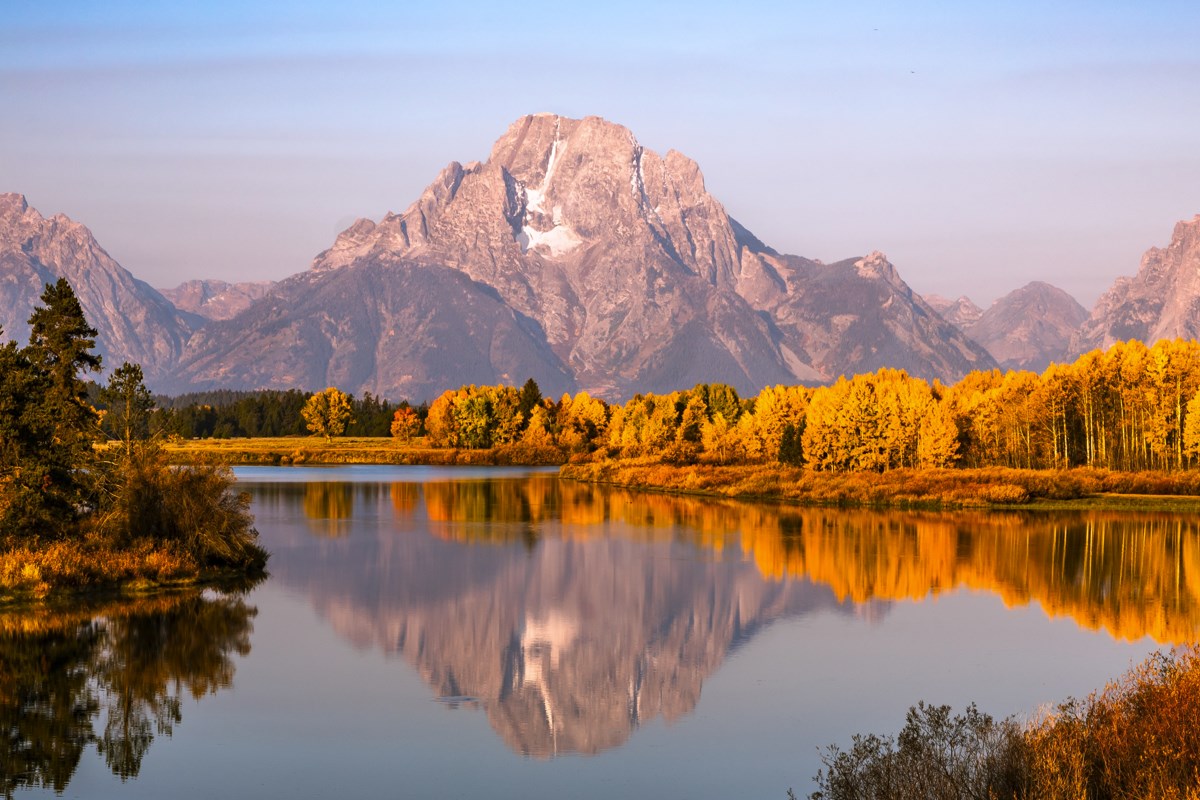
Banff National Park and Lake Louise in Alberta are popular summer destinations due to the jaw-dropping scenery and great hiking in the Canadian Rockies.
British Columbia is another great region to visit during the summer. While destinations like Whistler are popular during the winter for skiing, summer is also an excellent time to visit for outdoor activities.
On the eastern side of Canada, Niagara Falls is a bucket list destination that is beautiful in the summer.
And if you want to visit a more underrated destination, Prince Edward Island and Nova Scotia both offer beautiful nature, beaches, and coastal landscapes.
4. Vibrant Cities
Although Canada is a great outdoorsy destination, it also has a lot to offer for city lovers. Canadian cities come alive during the summer due to the great weather, and there are tons of events and things to do.
Vancouver, Toronto, and Montreal are some of the most popular cities in Canada for visitors, with tons of sights and activities.
But if you’re looking for a more off-the-beaten-path city break, consider visiting Calgary, a fast-growing city that is famous for hosting the Calgary Stampede rodeo every July. Quaint Halifax, Nova Scotia is another great spot and acts as a gateway to much of Nova Scotia.
5. Exchange Rate
Another reason for American travelers to visit Canada this summer is because of the favorable exchange rate when changing U.S. dollars to Canadian dollars.
At the time of publishing, the exchange rate is 1 USD to 1.35 CAD. This means you get more value for your money in Canada.
While Canada can be a pricy destination to visit, American travelers will find that they don’t have to break the bank on things like accommodation, food, transportation, souvenirs, and activities thanks to the favorable exchange rate.
Looking for the most underrated European beach destinations to visit this summer? Here are some of the best hidden gems that Europe has to offer!
Beach destinations from the Greek Islands to the Amalfi Coast of Italy to the South of France are extremely popular every summer. But with that popularity comes exorbitant prices and extreme crowds.
These beach destinations are more under-the-radar and come with a lower price tag.
While they still can get crowded during the peak summer months of July and August with more local European visitors, you’ll find that many of these destinations are quiet and enjoyable during the shoulder season months of June and September.
1. Ischia, Italy
Ischia is one of the most underrated destinations in Italy. Located in the Bay of Naples, this island is not too far from the popular island of Capri and the Amalfi Coast.
However, it’s less expensive and less crowded, not to mention there’s tons to do! From great beaches to natural thermal baths to ancient castles to quaint towns with seaside restaurants, Ischia is the perfect destination for an idyllic Italian summer vacation.
2. Milos, Greece
While the islands of Santorini and Mykonos may get all the hype, don’t overlook the Cycladic Island Milos this summer.
Long considered a hidden gem, this small island has a population of just over 5,000. However, Milos has been growing in popularity thanks to its stunning scenery and incredible beaches.
It still remains an underrated, authentic, and more affordable neighbor to more popular nearby islands, making it the ideal destination for a summer getaway this year.
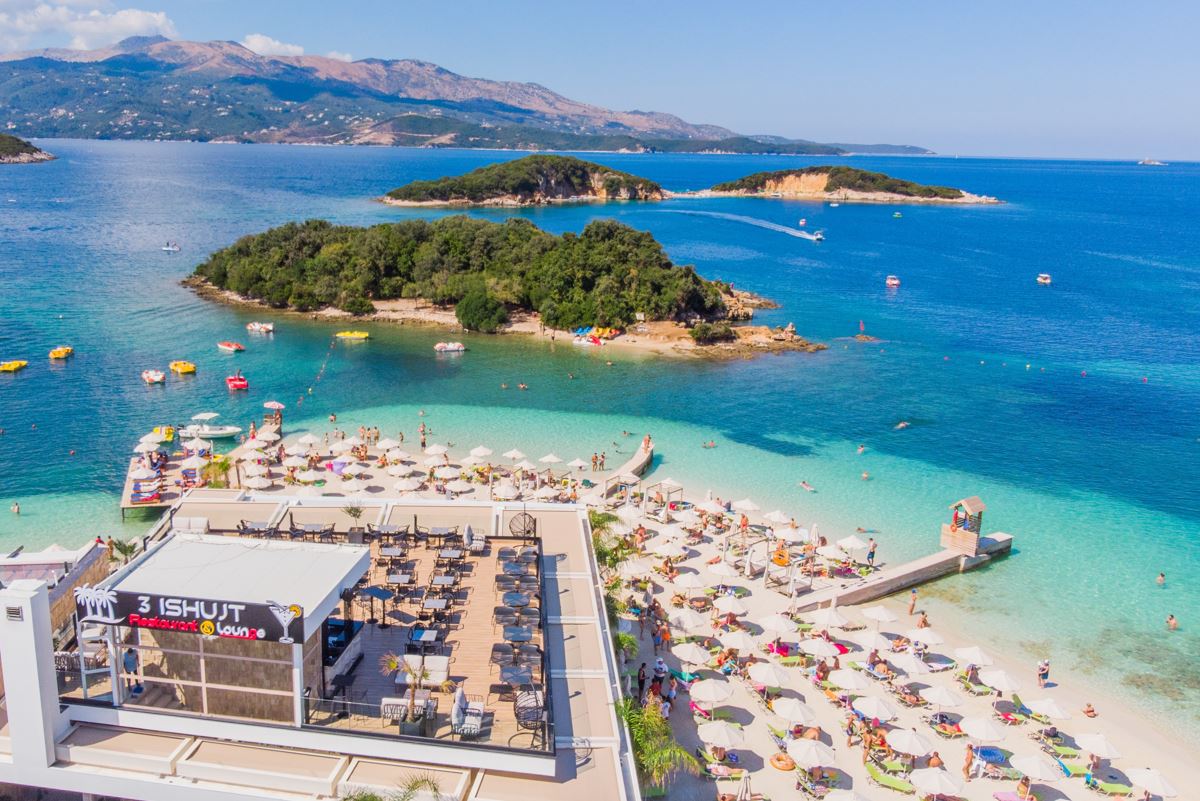
Albania may not be the first destination that comes to mind when you think of beaches in Europe, but shockingly this Balkan nation has some of the most beautiful coastlines in all of Europe!
And the best part is it’s incredibly affordable and remains off the beaten path for most American travelers. Ksamil is one of the most beautiful beaches in Albania, with white sand beaches and crystal-clear aqua water.
4. Ayia Napa, Cyprus
Cyprus is another underrated European beach destination. This small island is located in the Mediterranean Sea, south of Turkey and to the west of Lebanon.
Ayia Napa is one of the best beaches in the country, attracting travelers with its gorgeous beaches and resorts. This beach town is also known for having delicious fresh seafood restaurants, lively bars and clubs, and affordable prices, making it perfect for a trip this summer.
5. Aljezur, Portugal
Portugal’s Algarve Coast is hardly an undiscovered gem these days, with many beach towns exploding in popularity in recent years.
However, the town of Aljezur still remains an underrated destination, especially for surfers. If you’re in search of great surfing, you’ll find it in this charming town along the Algarve Coast. There are also plenty of incredible, secluded beaches where you can relax away from the crowds.
Aljezur is also known for its quaint and charming town and abundance of hiking opportunities along the dramatic coastline.
6. Korcula, Croatia
Croatia is one of the most sought-after destinations in Europe right now, and for good reason. This Balkan country is known for its beautiful natural scenery, beaches and islands, and historic towns.
While destinations like Dubrovnik and Hvar are swarmed with crowds during the summer, Korcula is an island on the Adriatic Sea with a more laidback vibe. It’s also more budget-friendly than other destinations in Croatia, which can get extremely expensive during the popular summer months.
It’s no surprise that everyone wants to flock to the water when temperatures start to soar, and this summer is no different. If you’re wondering what the trending beach destinations are for 2023, HomeToGo, a marketplace for vacation rentals, reviewed its data and has identified 6 beach destinations in the U.S. that have skyrocketed in searches.
You’ll want to get on top of your summer plans soon because the booking site also noticed travelers are looking to start their trips even earlier. They found a 14% increase in search demand for stays between March and June, meaning this typical quieter season for travel is starting to gain momentum.
Check out the most popular U.S beach destinations for summer below:
Topsail Beach, North Carolina
Search Demand Increase: +543%
Median Nightly Price Per Person: $115.54
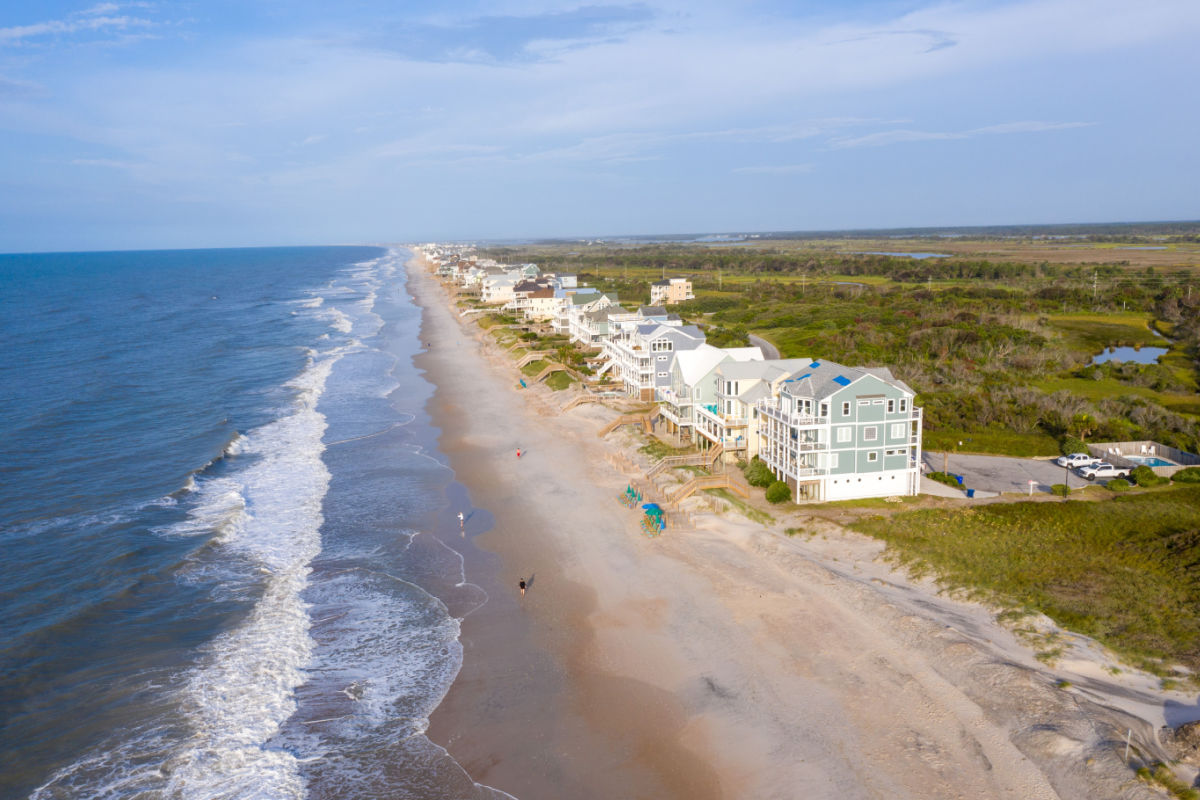
This island is located off the coast of southeastern North Carolina and is known for its consistent surf, making it a great option for surfers. It has a relaxed community atmosphere with plenty of access points to the beach, making it less crowded. In summer, the island hosts free movies in the park, as well as a monthly free concert series.
Whether you’re enjoying the expansive beaches, paddle boarding on the Intercoastal Waterway, or casting a reel from one of the piers, Topsail Beach offers plenty of activities to keep you occupied.
Avon, North Carolina
Search Demand Increase: +274%
Median Nightly Price Per Person: $140.39
Avon is another charming island town located in North Carolina and the center of Hatteras Island. It was once a popular boat-building village, thanks to the close proximity of cedar and live oak trees, which were used to build the boats in the Colonial days and after the Civil War.
You’ll find an abundance of fresh seafood to enjoy, or you can try catching your own from two of the main wooden fishing piers. From surfing, horseback riding, and kite flying, you’ll find many ways to experience this historic island.
Located 15 miles south of Virginia Beach is a quieter beach option with fewer tourists. Sandbridge offers 5 miles of sand dunes and seaside grass in a secluded area, where people can enjoy typical beach activities like surfing and fishing on the piers. It’s been said that the sunrises and sunsets are the best on the East Coast, so you’ll want to bring your picnic blanket to watch the show.
If you have a passion for bird watching, venture to the National Wildlife Refuge, which provides a habitat for water birds and other threatened species.
Brewster, Massachusetts
Search Demand Increase: +226%
Median Nightly Price Per Person: $155.33
This quaint bayside town is located on Cape Cod and is less than 30 minutes from Hyannis airport. The town was settled in 1656, so you’ll find plenty of rich history to discover. Some of the historical attractions include its Cobb House Museum and Windmill Village, and the Cape Cod Museum of National History, which features a butterfly house.
The area also hosts the most extensive bike path on the peninsula, with 30 miles of path to explore, which is a fantastic way to take in the sights.
Sussex County, Delaware
Search Demand Increase: +175%
Median Nightly Price Per Person: $116.90
Sussex County offers a mix of beautiful and clean beaches, luscious state parks, and charming historical towns to get lost in. Each town has its own unique character, and you’ll enjoy strolling through the boutique shops and antique stalls. If you make a purchase, you’ll have an added bonus that your purchases will be tax-free. The area is also known for its old-fashioned boardwalks, which offer scenic points to admire the surrounding beaches.
Sea Isle City, New Jersey
Search Demand Increase: +154%
Median Nightly Price Per Person: $158.64
This small beach town prides itself on its friendly hospitality and offers plenty of activities to keep everyone entertained. It features a large stretch of promenade along the oceanfront, where you’ll find a range of shops, arcades, restaurants, and rest stops.
One of the main attractions is the Townsends Inlet Waterfront Park, which is surrounded by natural beauty and a great location to watch the sunrise or sunset.
We know summers in Europe are almost exclusively associated with scenic drives along France’s Côte d’Azur, Italy’s street corner gelaterias and art galleries, and leisurely afternoon strolls in Spain’s ocher-tinged small towns – as some might call it, the quintessential Mediterranean starter package. But what if we told you one of the trendiest beach destinations in the continent right now is, in fact, not located in the famous basin?
We haven’t even seen the first snow of the season yet, but our hearts and minds are already set on the hotter months to come. Now that pandemic-related restrictions have been dropped and normal tourism has resumed, demand for travel to Europe has skyrocketed, particularly over the summer holidays – and it is set to reach new historical heights next year.
Interestingly, there is a slow-burner of a coastal attraction emerging as a far more attractive alternative:
Meet Bulgaria’s Gorgeous Black Sea Coast
In case you weren’t aware, the Eastern European nation of Bulgaria does have a coast, and quite an extensive one at that, running for 378 km from its southernmost point, where it meets Turkey, to the North, bordering the fellow Balkan country of Romania – and contrary to popular belief, the Southern Mediterranean is not the only warm ocean in Europe.
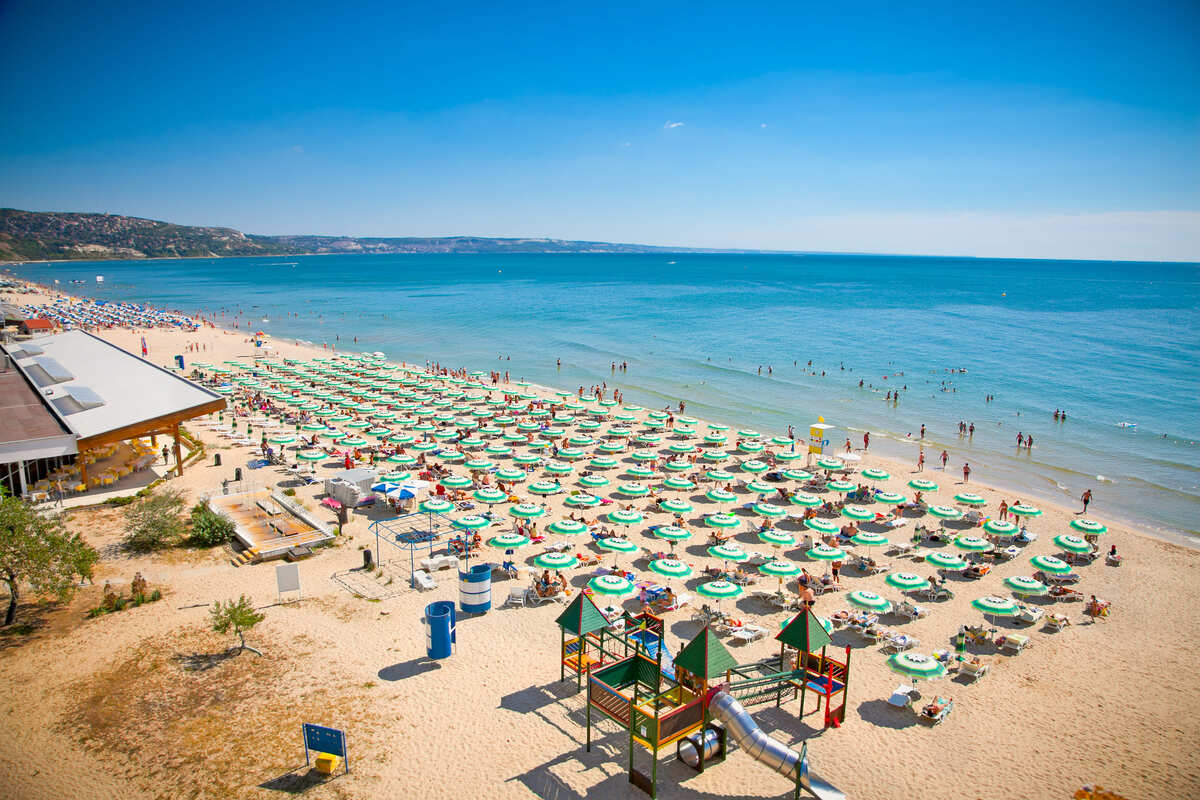
The Black Sea can reach temperatures of up to 82.4°F (28°C) in summer, and despite its peculiar name, it couldn’t be a prettier shade of blue. It may not be crystal clear like the Adriatic branch of the Mediterranean or a bright azure like the French Riviera, but it is just as warm, if not warmer, and its calm waters are incredibly pleasant to swim in.
The Bulgarian Coast is also dotted with UNESCO-listed monuments and historical ruins, such as the insular Nessebar, referred to as the ‘Pearl of the Black Sea’. Nessebar dates back more than three millennia, and its collection of ancient landmarks, Romanesque churches, and well-preserved city walls, fully encircling the islet, are truly a sight to behold.
On top of that, white and golden sandy beaches comprise 130 km of the coastline, with the Varna and Burgas provinces, the latter of which includes Nessebar and its adjacent Sunny Beach, listed as the leading resort complexes in the country. On average, tourists can expect highs of 30 degrees from May through August in the Black Sea region.
A Hidden Treasure Recently Rediscovered
For decades, Bulgaria’s coastal gems remained concealed from foreigners due to the years the nation spent as a Communist regime and obscure satellite state for the Soviets. International tourism really began to flourish upon the country’s democratization and reopening to the outside world in the early nineties, in a move that ushered a rapid ‘Europeanization’.
Following the fall of the Berlin Wall and the collapse of the Soviet Union, Bulgaria began tilting westward, having succeeded in joining NATO and, more recently, in 2007, the European Union. While domestic visitors used to account for the largest share of tourism revenue in the past, now the balance has shifted dramatically.
In 2019, prior to Covid, 70% of Black Sea resort guests were foreigners, coming mostly from Germany and Eastern Europe, proving awareness of Bulgaria as a sunny hotspot is growing. In the first ten months of this year, passenger traffic in the airports of Varna and Burgas rose by 59% (jointly), as reported by Germany’s Fraport Group.
Individually, Varna is up by 43% annually, with 1.3 million tourists recorded between January and October; Burgas takes the lead, surging by 74% (1.63 million arrivals). It may not seem like much, but we must take into account the heavy competition Bulgaria faces on the Mediterranean front and the fact that it is not a first choice for a majority of travelers.
Is It Because It’s Cheap?
Of course, Bulgaria’s affordability as a destination may be partly to blame for its astronomical rise in recent years: on average, the cost of living is 44.32% lower than in the United States, making it a safe haven for budget travelers, especially digital nomads looking to save money as they country-hop across Europe, while still accessing luxuries they wouldn’t elsewhere.
Booking ahead of time, vacationers can find week-long stays in five-star, all-inclusive hotels for as little as BGN 2,866.00, or only USD 1,565.94 – some high-end Sicilian resorts will charge that per night. If you want to bag a real bargain and, on top of that, avoid the crazy summer crowd, you better hurry: Bulgaria’s Black Sea Coast will not remain ‘off-path’ for long.
Its surprising growth rates alone are enough proof that the Black Sea is becoming more popular each passing year. Surely it will not be different in 2023, now that Bulgaria has removed all entry requirements pertaining to Covid, allowing travelers to cross the border freely without presenting vaccine certificates or undergoing testing.
Bulgaria Is Geographically Diverse
Bulgaria isn’t a place people would normally associate with sandy beaches and warm weather, being part of the South Slavic world, located in the Far East of Europe, and home to alpine peaks and packed with ski stations. A surprising fact many do not know, however, is that it is culturally and geographically diverse – more so than any of its neighbors.
To the West, close to the borders with Serbia and North Macedonia, the landscape is dominated by mountain ranges and deep valleys, frequently blanketed by snow over winter. In Central-South Bulgaria, the weather stays pleasant year-round, resembling that of Tuscany; as for the coast, it normally enjoys cool to mild winters and scorching summers.
There are no direct U.S. flights to Bulgaria, but once they are in Europe for their extended summer vacation, Americans can easily travel to Varna or Burgas using any major European city as a transit hub. Nonstop routes are available from Frankfurt, Dublin, London, Amsterdam, Copenhagen, Stockholm, Brussels, and dozens of other airports during the peak season.
Canada has had a rough relationship with travel this summer and just finished off the season with two of its airports ranking as the worst in the world for flight delays. The overwhelming increase in flight demand this summer has strained the aviation sector all over the globe, but Canada was hit especially hard. Staff shortages have led to all manner of chaos this summer. Cancellations, delays, and lost luggage have become the norm, and travelers have had to accept this as their new reality. Problems are so rampant that only 1 out of 5 travelers in June made it to their destinations without issue.
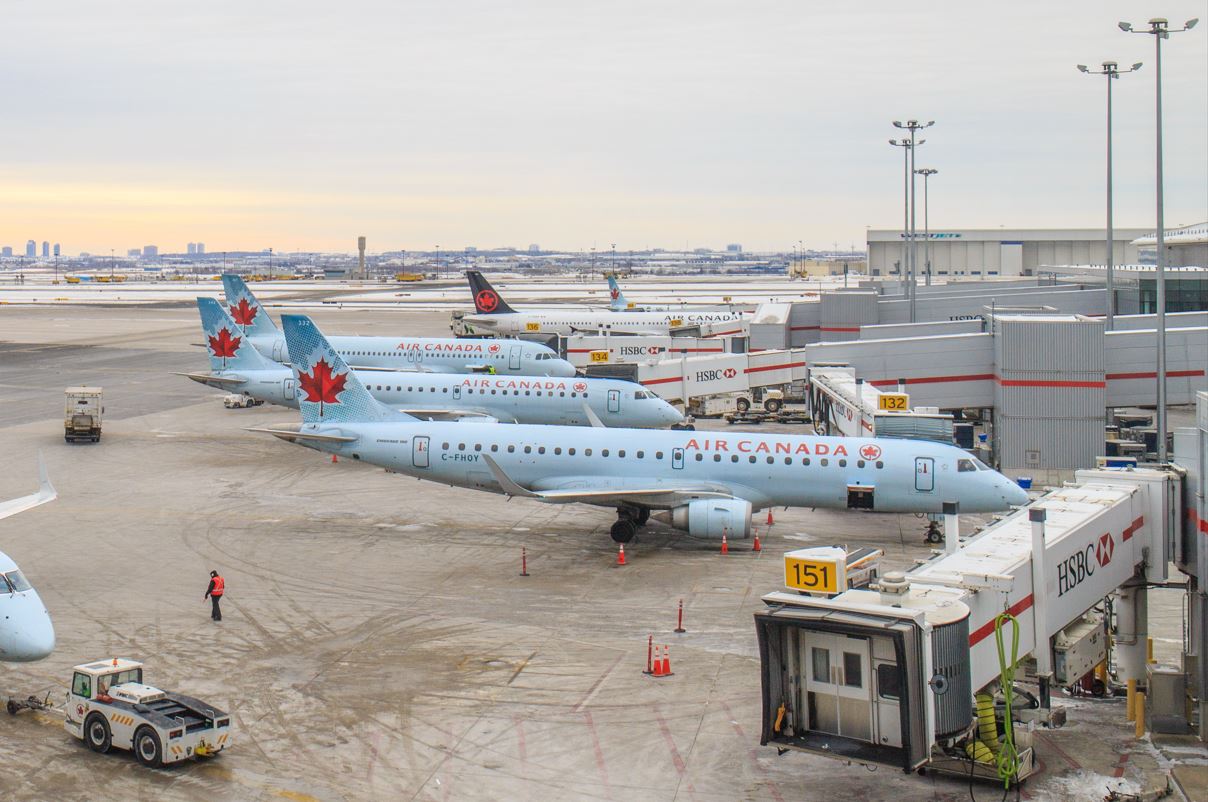
With the new reality of rampant flight disruptions, travelers may find it helpful to avoid airports and airlines experiencing the worst delays. Currently, Toronto Pearson International and Montreal-Trudeau International Airport rank as the 1st and 2nd worst airports worldwide for flight delays. Both airports performed quite poorly, with nearly half of their total flights from May 27th to September 5th being delayed.
To make things worse, Canada also claimed another spot in the top 10 worst airports in the world for delays. Vancouver International Airport was the 10th worst airport in the world for flight delays this summer.
Airport Stats
#1 Worst Airport In The World:
Toronto Pearson International Airport – 51.9% of Flights Delayed
#2 Worst Airport In The World:
Montreal-Trudeau International Airport – 47.8% of Flights Delayed
Special Mention, #10 Worst Airport In The World:
Vancouver International Airport – 37.8% of Flights Delayed
Canadian Travel Troubles
Canada certainly separates itself from the rest of the world for having immense amounts of flight delays this summer. Claiming 3 out of 10 slots for the top 10 worst airports in the world for flight delays is certainly a way to stand out, but it isn’t the only way Canada has drawn attention this summer. As the rest of the world began to open back up by shedding pandemic-era restrictions, Canada drew attention by becoming the only country in the world to add travel restrictions in July.
Having already separated themselves from much of the world by continuing to bar non-vaccinated visitors, they reinstated a random Covid testing policy. One of the benefits of being vaccinated that many travelers from other countries enjoy is being able to travel without having to take a Covid test. However, Canada’s strict border rules continue to punish travelers regardless of their vaccination status. Interestingly, Travel Off Path recently reported that the province of Ontario ended its requirement for residents to quarantine for five days after testing positive. Therefore, this begs the question, are Canada’s travel restrictions even reliable at this point?
Canadian Airports Claiming More Chaos
In July, Travel Off Path reported Toronto Pearson was the worst airport worldwide for delays, a title it still claims. However, neither Montreal-Trudeau International Airport nor Vancouver International Airport made the top 10 in that instance. Summer has not favored Canada as it now claims three slots out of the top 10. Canada has had an especially turbulent summer compared to the rest of the world. The full list of the ten worst airports in the world for flight delays over the summer is as follows:
1) Toronto Pearson International Airport – 51.9% of Flights Delayed
2) Montreal-Trudeau International Airport – 47.8% of Flights Delayed
3) Frankfurt International Airport: 44.5% – Flights Delayed
4) Humberto Delgado Airport (Lisbon) – 43% of Flights Delayed
5) London Gatwick Airport: 42% – Flights Delayed
6) Paris Charles de Gaulle Airport – 41.6% of Flights Delayed
7) Munich International Airport – 40.1% of Flights Delayed
8) Manchester Airport – 39% of Flights Delayed
9) Athens International Airport – 38.5% of Flights Delayed
10) Vancouver International Airport – 37.8% of Flights Delayed
Will It Get Better?
Time will tell whether or not Canada can get things under control, but travelers should be prepared for more delays as summer comes to a close. Air Canada recently reported that its operations are improving, but Canadians may still have reason to worry. The data in this article looked at flights from the end of May to September 5th, and peak travel chaos was witnessed during June and July. So, if things were improving, surely August would show better results? Unfortunately, singling out August doesn’t do much for Canada’s benefit.
In August, Toronto Pearson had 51.8% of its flights delayed, almost identical to the percentage of delays from the entire summer.
Montreal-Trudeau International had 51% of its flights delayed in August, performing worse than it did compared to the whole summer.
Vancouver International Airport also performed worse in July than it did compared to the entire summer, with 38.4% of its flights delayed.
Air Canada themselves say that they are showing improvements. However, they have to deal with these three airports regardless of their own attempts to improve.
This article originally appeared on Travel Off Path. For the latest breaking news that will affect your next trip, please visit: Traveloffpath.com
Enter your email address to subscribe to Travel Off Path’s latest breaking travel news, straight to your inbox
Disclaimer: Current travel rules and restrictions can change without notice. The decision to travel is ultimately your responsibility. Contact your consulate and/or local authorities to confirm your nationality’s entry and/or any changes to travel requirements before traveling. Travel Off Path does not endorse traveling against government advisories
Summer may be quickly turning into fall, but that doesn’t mean traveling is over. Whether you’re looking for one last summer trip or an early fall getaway, here are 8 great places to visit throughout the U.S. in the second half of 2022.
1. The Florida Keys
Here’s a great choice if you’re wanting to enjoy sunny, summer vibes as long as possible. The Florida Keys offers countless things to do, from exploring shops on Key West to hiking on Grassy Key. The end of summer can also offer slightly cooler temperatures, which can make it ideal for those looking to engage in outdoor activities.
2. Joshua Tree National Park
While many National Parks, such as Yosemite and Yellowstone, are most popular to visit in the summer (and even experience closures in the winter), the cooler parts of the year are actually the most popular time to visit Joshua Tree National Park. Planning an end-of-summer trip here is a great way to enjoy the best of both worlds – cooler temperatures while still having fewer crowds. Visitors can look forward to activities such as camping, hiking, and wildlife viewing.
3. San Diego, California
San Diego, California is a gorgeous city known for its year-round pleasant weather. The end of summer can be a great time to visit as summer crowds will begin to thin out, but temperatures will likely still be warm enough to enjoy exploring Balboa Park or lounging on the beach.
4. Phoenix, Arizona
Phoenix, Arizona is a beautiful desert city, and a great place to visit as summer weather cools off. The area surrounding the city is full of wonderful places to enjoy the outdoors, including Camelback Mountain, and the city itself offers plenty to do as well for all sorts of visitors, including the Arizona Science Center.
5. New York City
New York City is one of America’s most iconic cities, and for good reason. This beautiful city is a great visit any time of year, but also perfect for those looking to get one last summer hurrah in a new city. There are truly countless things to do in NYC, from exploring iconic spots such as Times Square to more little-known things such as The Dream House.
6. Marfa, Texas
If you’re looking for a quirky getaway, look no further than Marfa, Texas. Marfa’s location in Texas means you’ll likely still be able to enjoy warm weather during an end-of-summer visit. This small town is known for a number of eccentric draws, including supposed UFO lights in the night skies and a fake Prada store. It’s also about an hour away from the remote Big Bend National Park, which can make for a fun (and likely solitude-filled) day trip.
7. Maui, Hawaii
Maui is one of the gorgeous Hawaiian Islands. A great place to visit any time of year, Maui can be an especially great escape when the warmer summer weather begins to cool off in the fall, as it boasts year-round pleasant weather. If you’re looking to extend your fun in the sun, you can look forward to beautiful beaches, tropical forests, and even unique activities such as submarine rides and whale watching.
8. Jackson Hole, Wyoming
Jackson Hole, Wyoming is probably best known as a ski town, but an end-of-summer trip can also be spectacular. In town, you can look forward to exploring local shops, enjoying fine dining, and learning more about the history of the area at (museum). Once you’ve had your fill, head a little outside of Jackson to the gorgeous Grand Teton National Park. While the area becomes snowy in the wintertime, it’s often still dry in early fall, and offers stunning displays of changing leaves as well.
Enter your email address to subscribe to Travel Off Path’s latest breaking travel news, straight to your inbox
Disclaimer: Current travel rules and restrictions can change without notice. The decision to travel is ultimately your responsibility. Contact your consulate and/or local authorities to confirm your nationality’s entry and/or any changes to travel requirements before traveling. Travel Off Path does not endorse traveling against government advisories
Travelers often don’t even need to leave their own backyard to know that mosquitos are one of nature’s most frustrating inventions. In particularly bad areas, you’ve often already been bitten four or five times before noticing. Usually, mosquitos are just an annoyance, but they can also spread diseases like Zika and malaria. In the United States, only about 12 out of 200 different types of mosquitos can spread germs and illnesses, according to the CDC. However, whether avoiding a minor nuisance or germs, it’s helpful to know where you can expect mosquitos to be prevalent. Below are the top 10 worst U.S. destinations for mosquitos this summer, according to an analysis by pest control company Orkin.
1) Los Angeles, CA
Mosquito Season: All Year
Los Angeles has now claimed the top spot on Orkin’s list for two years in a row. The city’s temperate year-round climate means they nearly always have mosquitos around, but the worst time for mosquitos runs from June to November in Los Angeles.
2) Chicago, IL
Mosquito Season: April – October
Chicago ranks as the second worst city for Mosquitos, moving up from its previous position in fifth place. Mosquito season in Chicago typically begins in April, worsens during summer, and tapers off in Autumn.
3) New York, NY
Mosquito Season: April – October
New York also moved up in the ranks by three slots this year and is now the third worst destination in the U.S. for mosquitos. Mosquito season in the big apple runs from April through October, and most mosquitos in the city pose no harm of disease. The city has taken notice of its increase of annual pests and even sprayed larvicide from a helicopter over uninhabited parts of the city to curb their prevalence this year.
4) Washington, DC
Mosquito Season: March – September
D.C. has improved its ranking over its third place rating from last year and is now the fourth worst destination in the U.S. for mosquitos. The capital’s mosquito season runs from late March to early September, and West Nile virus has been found in D.C. mosquitos. However, other diseases such as Zika and Dengue fever have not.
5) Atlanta, GA
Mosquito Season: March – October
Atlanta improved by three slots this year and is now the fifth worst destination for mosquitos this summer. Several diseases spread in the Georgia mosquito population, but the West Nile virus was detected in Atlanta just this past week. Mosquitos start to come out in March and leave in October, but they are most prevalent during summer.
6) Dallas, TX
Mosquito Season: February – November
Dallas improved its ranking by two slots this year but is still the sixth worst destination for mosquitos in the States. Summer months are the worst for mosquitos, and the season can begin as early as February in warmer years and last all the way until November.
7) Detroit, MI
Mosquito Season: March – November
Detroit has ranked as the seventh worst destination for mosquitos for two years in a row. Mosquito season in Detroit can begin as early as late March and last into November. The West Nile Virus has also been detected in the population in the past.
8) San Francisco, CA
Mosquito Season: All Year
San Francisco had a massive jump of 34 slots over the last year, giving it a new designation as the 8th worst U.S. destination for mosquitos this summer. At the time of this writing, there have been five total human cases of West Nile virus in California this year, and none were in San Francisco. Given its temperate climate, San Francisco’s mosquito season runs all year, peaking from September to November.
9) Miami, FL
Mosquito Season: All Year
Miami moved down the list one slot to become 2022’s 9th worst destination for Mosquitos this summer. Many diseases are found in the mosquito population here, and The Florida Department of Health in Miami-Dade County just issued a mosquito-borne illness advisory after a confirmed case of Dengue fever of a resident. Mosquitos are around all year but peak in summer.
10) Philadelphia, PA
Mosquito Season: April – October
Philadelphia jumped in the ranks by two slots over the last year, making it break the top 10. The city announced last month that it had detected the first West Nile virus-positive mosquitos of the season and recently sprayed larvicide to lower the mosquito population. Mosquito season here typically runs from April to October.
How to Prevent Mosquito Bites
Pants and long sleeves that are loose-fitting will make it more difficult for mosquitos to bite you.
Repellent that contains DEET will help keep mosquitos away.
Eliminating standing water will help ensure you aren’t supplying a breeding ground for mosquitos.
Enter your email address to subscribe to Travel Off Path’s latest breaking travel news, straight to your inbox
Disclaimer: Current travel rules and restrictions can change without notice. The decision to travel is ultimately your responsibility. Contact your consulate and/or local authorities to confirm your nationality’s entry and/or any changes to travel requirements before traveling. Travel Off Path does not endorse traveling against government advisories
Traveling has probably never been more challenging than it is this summer. Unprecedented demand for air travel fueled by low staffing across the aviation industry has made flying a challenge for even the most seasoned traveler.
If you’re going to travel this summer, there are ways however to limit the amount of frustration and headaches you have to deal with. Here are 8 tips for navigating through travel chaos and flight delays this summer.
8 Ways to navigate through travel chaos and flight delays this summer.
Tip #1: Spend extra time researching.
Low prices and deals are hard to find on the surface, but if you dig deep, you’ll still find some deals.
-Use Google Flights to research cheap flight paths.
-Check your hotel across all hotel booking platforms to ensure you’re getting the lowest price.
-In some instances, you may even be better off booking with the hotel directly. Booking directly with the hotel will sometimes give you access to better deals and discounts.
-When booking with airlines, be sure to select reputable airlines that have a strong on-time departure percentage and a low cancellation rate.
Here are 4 airlines that are your best bet for avoiding flight delays:
Delta: Only 19% of its flights were delayed in May and 21% faced a delay in June.
United Airlines: May and June saw just 23% of the airline’s total flights delayed.
Spirit Airlines: 80% on-time performance.
Alaska Airlines: 81% on-time performance.
Here are 3 airlines that have had the most delays in recent months:
Allegiant: 39% of their flights have been delayed.
JetBlue: #2 airline with the most delays. 36% of JetBlue’s flights have been delayed.
Southwest Airlines: This airline has had 29 of its flights delayed.
If your trip allows you to select to travel with an airline that has a lower cancellation and delay rate than another airline, it is recommended that you book with that airline in order to minimize the chances of having your trip disrupted.
Tip #2: Get travel insurance (seriously).
No one thinks they need travel insurance until they are the ones with the canceled flight, lost luggage, or delayed flight. Travel insurance is oftentimes more than affordable and can completely alleviate unnecessary problems travel disruption can cause.
– Or even if you get sick right before the trip and can’t go.
Tip #3: Give yourself extra time.
-There are going to be lines, delays, waits, and lots of frustrating moments, so add extra hours or days
into your itinerary and plan for delays ahead of time.
– Get to the airport extra early.
– Try and fly in a day or two in advance, in case the flight is canceled last minute and you need to rebook.
Tip #4: Take the earliest flight the day that you fly.
If you are traveling by plane and are going to a destination that offers multiple daily flights, try and book the earliest flight of the day. In case you encounter any delay or cancellation, you’ll have a greater chance to get rebooked on another flight.
-Delay times only get worse as the day goes on, though. For every hour later you depart, you can expect an extra minute of delays, FiveThirtyEight reports.
-Delay times hit a peak between 6 and 7 p.m. (reaching up to 20.7 minutes on average!), and they remain above 20 minutes through 9 p.m.
Tip #5: Pack carry-on only.
If you’re planning on going on a summer trip this year, try to avoid checking in any luggage. Airlines all over the world are struggling with delays and cancellations. The last thing you want when your flight is canceled is to wait hours to reclaim your luggage.
-Each airline has its carry-on luggage rule, some are a lot stricter than others, be sure to check with your airline and when booking with an airline, ensure that you are allowed to bring on a carry-on bag with you.
– A rolling carry-on luggage and backpack (personal item) will be your best chance to bring on the most amount of items onto the plane without having to check a bag in.
-Pay for priority boarding so you can ensure that you can fit your items into the overhead compartment.
-Boarding at the end or with a basic fair ticket often means your carry-on items will automatically be checked in due to the lack of space.
Tip #6: If you have to check in a bag, be smart about it.
If you can’t pack a carry-on, get super smart about your checked luggage.
-Don’t wait until the last minute to check in your luggage. The earlier, the better.
-Keep all your valuables such as medicine, travel documents, electronics, and valuables with you.
-Get travel insurance that covers lost or delayed luggage.
-Many credit card companies will reimburse you for lost luggage. Contact your credit card company.
-Lock your luggage.
-Tag your bag and make it stand out so you can easily recognize it.
Tip #7: Check on the status of your flights
– Every day leading up to your flight, and then every hour on the day of your flight, keep checking the status. Anywhere from 10%-40% of flights in North America are being canceled or delayed so far this summer, so there is a good chance your itinerary may be impacted last minute.
– Download the airline app. They usually update these apps faster than they update the airline gate/counter
– Check the flight # on Flight Aware. This is another site where airline updates will commonly show before the gate agent is even aware.
Tip #8: Know your rights if your flight is canceled or your luggage is lost.
-Act fast: Open up a lost/delayed luggage claim as soon as you realize your luggage is missing.
-If you paid a fee to check your luggage, you are entitled to a refund in most cases.
-Check coverage and track expenses. Some airlines will reimburse you for any expenses incurred during the process of reclaiming your luggage.
-Have the luggage sent to your final destination and directly to your place of accommodation.
– Travelers in the U.S. need to be sure to know their rights, Airlines have to refund you your ticket in the event of a cancellation.
– Airlines also have to compensate you if your flight is overbooked.
Bottom line:
The travel industry is going to take another few months in order to rebound from the 2-year-long pandemic. Airlines and airports across the globe have to replenish their staff to meet travel demand. Ultimately things will go back to normal, it’s just a matter of time.
Until then, do the best you can do to minimize the chaos you’ll undoubtedly experience at airports.
Enter your email address to subscribe to Travel Off Path’s latest breaking travel news, straight to your inbox
Disclaimer: Current travel rules and restrictions can change without notice. The decision to travel is ultimately your responsibility. Contact your consulate and/or local authorities to confirm your nationality’s entry and/or any changes to travel requirements before traveling. Travel Off Path does not endorse traveling against government advisories
Let’s be real for a sec, airports are in absolute shambles right now, so how can we get from point A to point B without flying? The U.S. has a decent rail system and sleeper trains may just be the answer.
Whether it’s domestic or international travel, flights are being delayed or simply unceremoniously canceled as a general rule, and passengers are being warned to expect the worst, including no help at all from understaffed airlines. Way to go when we’ve had two years of Covid and travel confidence had already hit an all-time low…
Even though most would agree Covid is yesterday’s news – there are of course exceptions – the days of widespread travel disruption, especially in the United States, have not yet been overcome. Maybe it is time, then, we look at alternatives to flying, which may not be as fast, but have become much more efficient and reliable means of travel than planes.
Instead of booking that flight from New York to the Sunshine State, only to have it canceled last minute and your entire vacation plans ruined, have you ever considered, perhaps, taking a sleeper train instead? Before you put a frown on, allow us to explain how they might just save your summer, and why you could be actually saving some time traveling:
Taking A Sleeper Train Might Might Get You Faster To Your Destination Than Flying
All of America’s most popular carriers, and most notably Allegiant Airlines, JetBlue, and Southwest, have put travelers through misery lately as they fail to fulfill their flight programs – at times, providing no substantial compensation to affected passengers and leaving them to fend for themselves. In the current volatile scenario, you get to pick one out of two options:
Either playing Russian Roulette with flights and risking a night at the airport without comfort, possibly no complimentary meals, and zero assurance your flight will leave as promised… Or you could hop on an Amtrak train instead, where you’ll get your own room, travel stress-free and (probably) arrive earlier, even though it is, only technically, the longer route to take.
Believe it or not, sleeper trains might even get you faster to your destination than most airlines these days. As reports of delays quickly spread across the industry, air passengers are learning the hard way they must prepare for long wait times at the airport in case their flight does not depart as scheduled – or even on the same calendar date.
While those flying abroad from the U.S. have little room to maneuver, as there are only a handful of countries you can travel to without flying, there are several summer destinations within the country that are easily accessible by rail. By the way, have we mentioned already train journeys can be incredibly scenic?
Here are five of the most popular sleeper trains you can use for travel this summer:
5 Sleeping Train Routes You Could Take
NYC – Chicago
Are you planning a city break in either New York City or Chicago this summer? Maybe Amtrak’s Cardinal Train is the right pick for you: it offers service between these two cities, via Washington D.C., three times a week, and although the journey takes 28 hours, it is a once-in-a-lifetime experience you will not want to miss.
This route has some of the most amazing scenery in the Eastern U.S., views of the Allegheny and Blue Ridge mountains, Shenandoah Valley, the Ohio River and so much more. Even better: you will be swapping sitting on the airport floor during excruciatingly long hours for a private room and complimentary food.
Image by Amtrak Vacations via the Amtrak Vacations official website
Pros:
Despite the longer journey you will definitely arrive on time
Additional bags can only be added at a cost of $20 each
Oversize luggage is charged starting from $20
NYC – Miami
If you’re heading to the Sunshine State this season, Amtrak has two train lines operating on this route. First, there’s the historic Silver Meteor, introduced all the way back in 1939 and calling at several vacation destinations along the way, including Philadelphia, Baltimore, DC, Savannah, Jacksonville and Orlando.
The duration of the trip is 28 hours, and there is surely no shortage of breathtaking sights. The second option, the Silver Star, follows a similar trajectory, with a few more stops in North Carolina and Tampa. Even before the aviation crisis, this Eastern Coast tour was already considered a bucket list item for many, so what better time to tick it off the list than now?
The Silver Meteor/Silver Star train adventure is a landmark trip
Guests have access to a dedicated Sleeping Car attendant
New towels and linens available
Turndown service
Bedrooms feature a sofa and armchair by day, and upper and lower berths by night
Meals included in the ticket price
Cons:
This trip lasts longer than a day
Not ideal for travelers who feel uncomfortable in small spaces (room length is 7’1” – 7’6”, width 6’6” – 6’8”)
Roomette and bedroom prices may increase in the high season
St. Louis – Nola
Summer in New Orleans may be excessively hot and humid, but that is not keeping domestic tourists from flocking into the city’s old historical quarter, where a blend of French, African and American cultures dominate the scene. Luckily, those traveling from St. Louis can completely avoid the flight chaos by taking a 16-hour train instead.
Because rooms start at $350 one-way, fares may be more expensive than an Economy Southwest ticket ($161), but we would still not place our trust in them when they ranked among the worst airlines for flight delays recently. After all, a cancellation does not involve only flights: there are additional costs incurred, such as emergency hotel bookings and extra meals.
About as expensive as an airline Business Class seat
Access to private shower facilities
Cons:
46% more expensive than the cheapest flight tickets on this route
There is a short 26 minute transfer in Carbondale, IL
Bedroom availability may be limited during peak dates
Chicago to L.A. (Via Texas)
Going East to West this season? If you’re not on a super tight schedule, you can easily book one of Amtrak’s hotel on wheels that will get you from Chicago to Los Angeles, via Texas, in 65 hours. You may think we’re crazy for suggesting a 3-day journey, but have you actually checked out the perks of a Texas Eagle train vacay?
It is a double decker train with a lower level for showers, bathrooms and sleeping facilities, and an upper level for just one thing: sightseeing. You can either slowly make your way to L.A. as you gaze out the window, whooshing past Dallas-Fort Worth, Austin, San Antonio, El Paso and the like, or you can arrange tickets to get off sooner at any of the line’s 9 stops.
Pros:
It serves not only Los Angeles, but basically the whole state of Texas
Meals and coffee are included at sleeping accommodations
Tickets are cheaper when traveling between Chicago and Dallas, Forth Worth Or San Antonio
Cons:
Not the most affordable option on this list, with roomette prices starting at $600 one-way
Although 4G coverage is generally good throughout the trip, the train has no WiFi of its own
L.A. to Seattle
There are many perks to traveling by rail, but one of them is surely seeing natural wonders as opposed to a sea of clouds. Luckily, if you’re looking to catch a glimpse of the iconic Cascade Mountain Range, as you travel up the Pacific Coastline on your way from Los Angeles to Seattle, then you should maybe consider Amtrak’s picturesque Coast Starlight route.
It is the West Coast’s answer to the East’s Silver Meteor, boasting numerous beach views and city stops along the way. As Amtrak states, passengers can get off and back on the train again whenever it pleases them, but they will need to ‘book each leg of the trip separately‘. Fortunately, there are both one-way and multi-city options.
Pros:
Multi-city tickets can be purchased
Rooms start at only $432, equal to or cheaper than most Business Class flight tickets
Meals and coffee are available for free for Sleeper Car guests
Cons:
The direct route between L.A. and Seattle takes 35 hours
Despite good 4G coverage for the most part, there is no WiFi
You can find all of Amtrak’s train routes in the map below (please open the image on a new tab for better visualization):
As you may have noticed, sleeper trains are not meant for travelers who are in rush. If you’ve got somewhere to be ASAP, then flying may be considered, even though there are no guarantees at this point you’ll depart on time. In that case, we strongly suggest you purchase travel insurance covering cancellations, and make contingency plans.
However, if you’re not following a strict itinerary, especially when you’re a digital nomad or solo traveler wanting to take it nice and slow now that the travel world is in turmoil, long train rides may be worth the investment. On top of being more reliable than most airlines, trains are also much better for the environment.
The staffing issues affecting the aviation sector will not be solved for months to come, and now that some airlines’ percentage of flight disruption is rising above 30%, resulting in thousands of passengers stranded and/or separated from their luggage, we can safely state train travel is about to see a much-needed resurgence.
Plus, who wouldn’t prefer waiting long hours from the comfort of their own berth, free snacks in hand, watching beautiful landscapes from the window and, on top of that, having a precise arrival time? Otherwise, passengers will probably find themselves calling customer service incessantly from a tumultuous airport, desperately trying to rebook a flight that may not be available for days.
We’re not sure about you, but we’ll go with the former any day.
Enter your email address to subscribe to Travel Off Path’s latest breaking travel news, straight to your inbox
Disclaimer: Current travel rules and restrictions can change without notice. The decision to travel is ultimately your responsibility. Contact your consulate and/or local authorities to confirm your nationality’s entry and/or any changes to travel requirements before traveling. Travel Off Path does not endorse traveling against government advisories
Prospective travelers have been dealt a further blow this week with the news that Air Canada is now canceling over 9000 flights this summer, leaving the travel plans of thousands of people in jeopardy. The announcement was made just yesterday, with the Air Canada’s CEO sending an email to customers of the airline, and is set to leave those with travel plans this summer scrambling to find out if their flight is affected and what they can do if it is.
What was once looking like a positive summer full of travel after years of pandemic related disruptions now looks as though it will descend into chaos, with Air Canada the latest of several airlines to announce sweeping cuts to their planned summer flight schedules. Here’s a look at Air Canada’s decision to trim more than 9000 flights this summer, including why it is happening, which type of flights are set to be affected and where customers stand with regards to compensation.
Air Canada Announces Cancellations – Information For Travelers
The sheer number of cancellations affecting various different airlines across North America has left the so-called record breaking summer of travel at risk of even taking off. Due to myriad factors, airlines on both sides of the US-Canada border have been forced to delay or cancel thousands of their flights, as they struggle to match the increasing demand for flights from the travel-starved populace – and Air Canada is the latest to disappoint.
Air Canada is set to substantially lower its overall flight offerings this summer. At present, the Canadian flag-carrying airline is currently operating around 1,000 flights per day. However, it has plans to reduce this figure by an average of 154 flights per day throughout the months of July and August – a move that will reduce their overall number of flights offered this summer by more than 9,000, a significant reduction.
The cancellations come as there is a major strain on the aviation industry, brought about by the sheer number of travelers flying at present. The unprescented number of travelers choosing to fly this summer has left the airline unable to provide customers with their normal standards of care, leading them to make the decision to cut flights to preserve a higher level of service. In his letter to customers, Air Canada’s President and CEO Michael Rousseau wrote that whilst many of these issues were anticipated and planned for, the airline must still cut thousands of flights in order to maintain its operational stability and reduce passenger numbers to levels that the airline can accommodate.
Some flights are set to be more affected by the cancellations than others. Amongst the routes that are the most affected are flights to and from Toronto Pearson International Airport and Montréal-Pierre Elliott Trudeau International Airport, and in particular flights that take part during the evening and late at night on Air Canada’s smaller aircraft. Some routes are to be cut altogether, such as the routes between Montreal and Pittsburgh, Baltimore and Kelowna, and Toronto and Fort McMurray.
It’s not all bad news for travelers. It’s expected that the latest cuts will only affect domestic flights, with no reductions planned for the airline’s current international flight offerings. Air Canada has slowly been rebuilding its international flight network, and last week it became the first airline to offer a non-stop flight to Thailand in ten years when it announced flights between Vancouver and Bangkok starting in December.
Thankfully for travelers, those who are scheduled to be on flights that are canceled by Air Canada will get their money back. According to the airline’s policies, travelers will be either rebooked on to another flight or offered the chance to receive a full refund. On top of this, the Canadian government announced last week that it would ensure travelers would receive reimbursements for all canceled flights, regardless of the reason for the cancellation – making sure that travelers are well protected as we head into an uncertain and chaotic travel period.
Enter your email address to subscribe to Travel Off Path’s latest breaking travel news, straight to your inbox
Disclaimer: Current travel rules and restrictions can change without notice. The decision to travel is ultimately your responsibility. Contact your consulate and/or local authorities to confirm your nationality’s entry and/or any changes to travel requirements before traveling. Travel Off Path does not endorse traveling against government advisories