Already thinking of your next sun-drenched Caribbean getaway this winter? Before you go ahead and spend hundreds of dollars on those ‘irresistible’ round-trip flights that are, in fact, not as cheap as they could be, you’ll want to hear this one out:
From November 15, Arajet, the Dominican Republic’s new budget carrier, will start ultra-affordable direct flights from Chicago to Punta Cana.
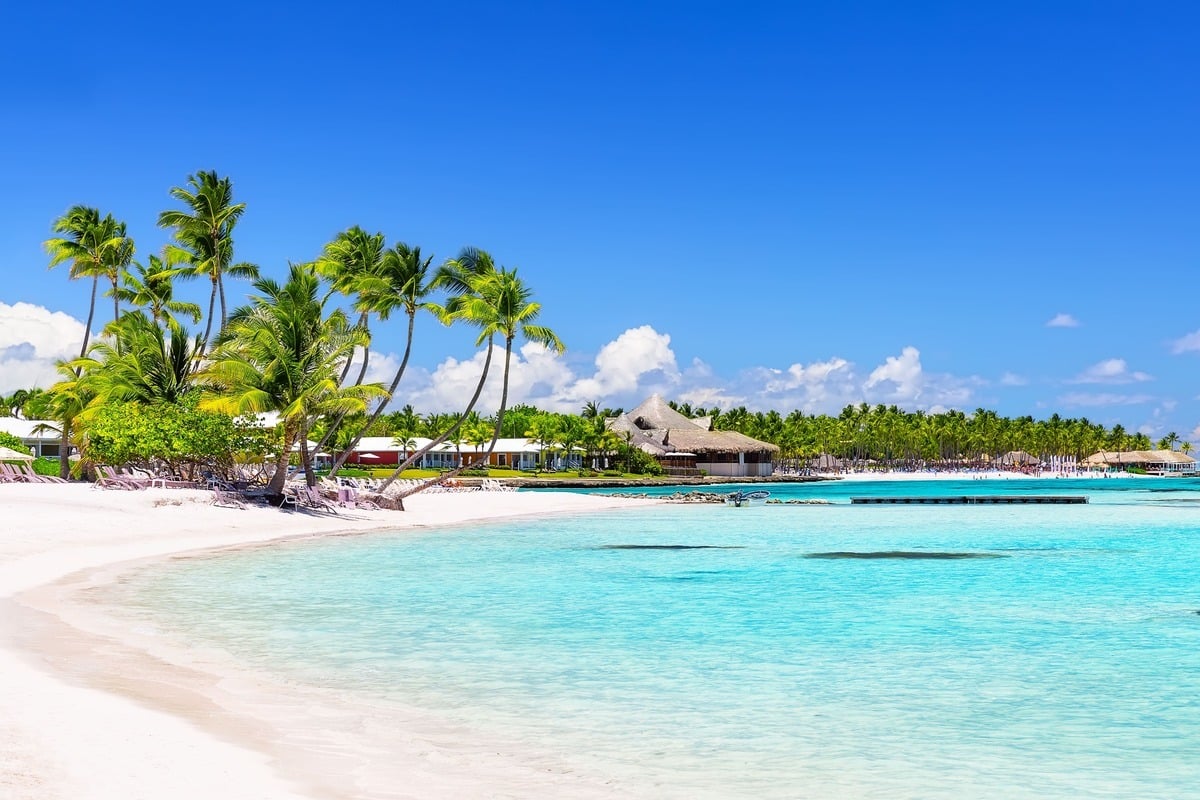
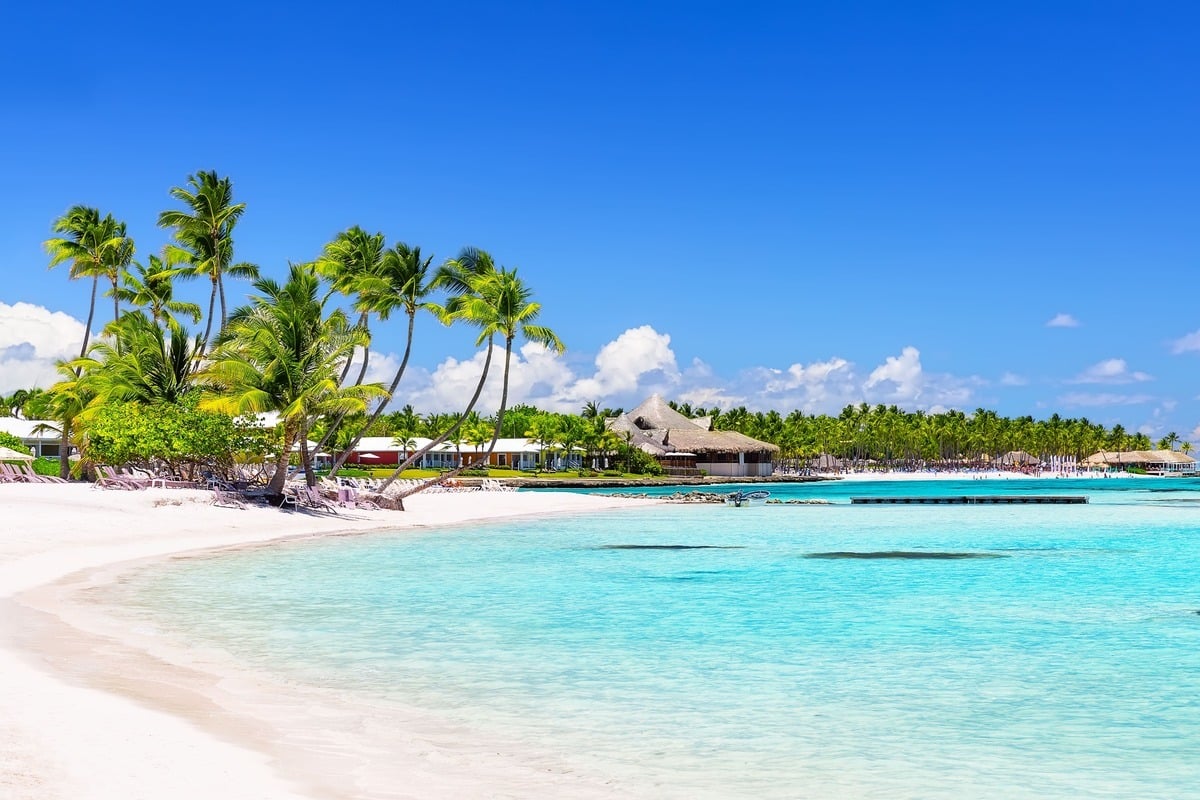
Home to postcard white-sand beaches hugged by teal seas, world-class resorts, and a lively entertainment district peppered with restaurants and nightclubs, it is one of the trendiest destinations in the Tropics, and it’s never been cheaper to get to:
At Last… Arajet Is Coming To Chicago!
You might not have come across Arajet in your flight searches before, but that’s because they’re a new airline launched in 2022, and until recently, they operated to and from select hubs across the Americas.
It has grown significantly since its launch, and by 2025, it will already serve destinations such as Miami (MIA), Newark (EWR), and even San Juan (SJU) in Puerto Rico.
Arajet isn’t exactly known for its top-notch service, comfy flying experience, and wide range of onboard amenities, but what they do excel at is their unbeatable prices. That is, if you’re flying at the lowest possible fare, with carry-on only.
From Miami, round-trip tickets average only $196 flying to Punta Cana (PUJ), and from Newark (EWR) to Santo Domingo, the culture-loaded capital of the Dominican Republic, you can expect to pay roughly $208 both ways.
Given their low-cost appeal, it was about time they finally debuted in the Midwest market:
$234 Roundtrip Fares Going To Punta Cana
From November 15, Arajet service will begin between Chicago O’Hare (ORD) and Punta Cana, with base round-trip fares currently estimated at $234 (without extras).
We’re sure this might increase as time goes on, but for now, the predicted frequency is three-times-weekly flights, with the operation days as follows:
From Punta Cana (PUJ): Tuesdays, Saturdays, and Sundays
From Chicago O’Hare (ORD): Mondays, Wednesdays, and Saturdays
Outbound flights departing from Chicago have a listed departure of 10:27 A.M. from ORD, arriving to PUJ at 5:12 P.M. for a total flight time of 4h45.
Meanwhile, return flights from PUJ are expected to depart at 5:47 A.M. (who here’s an early bird?), touching down back in ORD at 8:57 A.M. just in time for breakfast at Berghoff Cafe in Terminal 1.
What To Expect Flying Arajet
When it comes to Arajet’s bag allowance, you should know it uses the common low-cost carrier structure:
‘Base’ fare: personal item only, with no free carry-on or checked luggage
‘Comfort’: larger carry allowance or one checked baggage, depending on route
‘Extra’: checked baggage, priority boarding, and add-ons you’d typically have to pay for are included
As of now, the average fares for the Comfort and Extra fares from Chicago to Punta Cana haven’t been formally disclosed, but based on Arajet’s historical pricing, we can expect Comfort to start at approximately $253 and Extra at $269.
Once again, these are estimates, and final prices depend on seat availability, seasonal demand, and other factors.
Either way, there’s no denying Arajet will be a stone in American and United’s shoes, and perhaps even Frontier’s, once they enter the Chicago market.
With American Airlines, the cheapest round-trip tickets going to Punta Cana from O’Hare are $328. With United, that’s an even pricier $348, and with Frontier, they average $328.
Prepare For Your Punta Cana Getaway
If you’re flying to Punta Cana this winter, make sure you prepare in advance with our newly-launched, free-to-use Traveler Tools.
Use our TOP Entry Requirement Checker to verify whether there are any visa or digital entry permit restrictions imposed on Americans, and the (already popular) Travel Advisory Check, to stay on the loop about security updates at your destination.
Vini, our senior lead writer at Travel Off Path, has over 60+ countries under his belt (and currently weaving tales from Paris!), and a knack for turning off-the-beaten-path experiences into informative stories that will have you packing your bags.
The Travel Off Path Advantage: Your Travel Toolkit
Subscribe To Our Latest Posts
Enter your email address to subscribe to Travel Off Path’s latest breaking travel news, straight to your inbox.
The world may be full of epic travel destinations, but one Asian country in particular seems to be stealing the spotlight this year.
Multiple recent reports examining travel trends reveal Japan to be one of the most coveted destinations of 2024.
It’s easy to understand why Japan has captured the interest of so many travelers; this trendy country is abundant with rich cultural sites and traditions, breathtaking natural beauty, and delicious foods.
And while each time of year brings its own unique offerings, spring brings Japan to life with contagious energy and pastel colors you won’t find in other seasons.
It is Sakura (Cherry Blossoms) Season
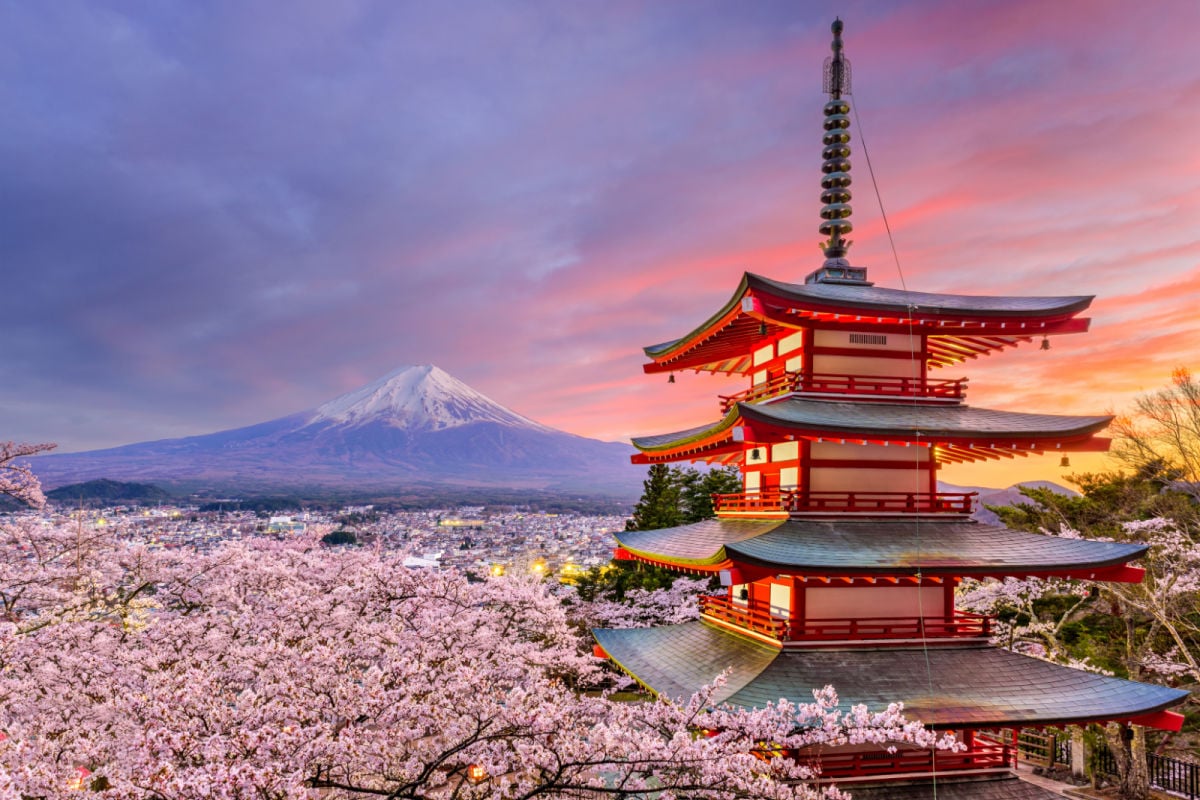
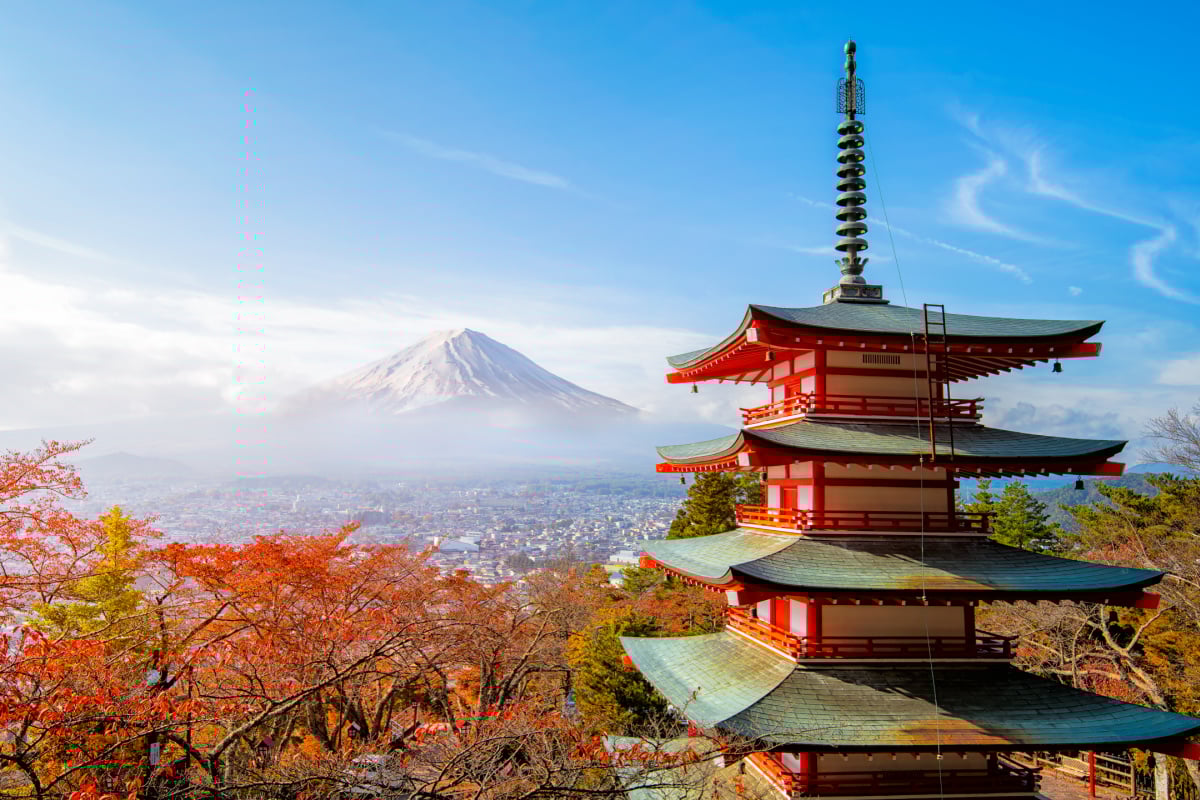
Sakura season transforms this trendy country into a landscape of pastel pinks that will make you feel as though you’ve stepped into a fairytale.
The ideal dates to see the cherry blossoms at their best will vary depending on what part of the country you are in.
In general, the blooms first peak in the south, and then the color moves north; early to mid-April is the ideal time to catch the sakuras at their best.
The Japanese Meteorological Society recently forecasted the following iconic destinations would be in full bloom by the following dates–Osaka: 4/2, Tokyo: 3/30, Kyoto 4/1.
If you want to be extra prepared, you can download the Sakura Navi app here for up-to-date forecasts and the most relevant information on bloom times and best viewing spots near you.
Some of the best places to view blooms are Mount Yoshino in Nara, Philosopher’s Path in Kyoto, Shinjuku Gyoen, Tokyo, Himeji Castle in Hyogo, and Hirosaki Castle Park, Aomori.
Ideal Weather
Japan experiences the traditional four seasons, with its rainy season falling in June and July.
If you want pleasant weather and to visit when the landscapes are colorful and lush, spring is the perfect time.
Whether you are climbing this country’s mountains, wandering Tokyo’s streets, or exploring Kyoto’s temples, you’ll be much more comfortable visiting in spring when the days are still mild.
Japan’s summers are notoriously hot and humid, bringing unpredictable rains and temperatures as high as the upper 90’s in Tokyo.
In contrast, daily temperatures in spring fall in the comfortable 50-70 degree range, and skies are clear with plenty of sun.
Festival Season
Visiting a country during a national holiday or local festival is an experience like no other.
Celebrating amongst the locals on crowded streets, feeling the pulsing energy and excitement, and witnessing colorful, culturally rich traditions come alive can be one of the most fulfilling travel experiences.
As winter thaws and the sunshine returns, the country comes alive with a variety of matsuri or festivals.
You’ll find Cherry Blossom festivals all over the country celebrating the sacred flower throughout its bloom season in April.
One of the most beautiful of the matsuri is the Takayama Festival, which takes place in the Gifu prefecture from April 14th-15th.
The elaborately designed wooden floats and skilled mechanical doll performances are among the highlights of this colorful celebration.
Flights
While the cheapest time to fly to Japan is during its off-seasons, summer or winter, you can still find some good deals for spring if you book sooner rather than later.
We found non-stop flights from Los Angeles to Tokyo right in time for peak cherry blooms that cost around $1600 for a 2-week trip at the beginning of April.
For our Midwest based readers, a non-stop round trip ticket from Chicago to Tokyo for a 10 day trip departing March 30th would cost around $1800.
If you’re up for a 2 hour layover on both flights, we found a roundtrip 10 day trip from New York City to Tokyo for just $1495 also departing on March 30.
Seasonal Cuisine
While there’s no wrong time of year for sampling Japanese cuisine, different times of the year bring a different availability of ingredients.
Japanese cuisine and the availability of certain dishes change to align with the seasons, as the country’s Buddhist roots bring an appreciation for seasonality and alignment with nature.
The Sakura blossoms and leaves aren’t only beautiful, but they are also edible!
The arrival of spring will bring a host of unique sakura-themed treats and drinks like sakura mochi.
The spring months are the ideal time to visit if you want to sample springtime dishes featuring seasonally fresh seafood, and Takenoko, or bamboo shoots.
Opinions expressed here are the author’s alone, not those of any bank, credit card issuer, hotel, airline, or other entity. This content has not been reviewed, approved or otherwise endorsed by any of the entities included within the post.
With winter approaching, days getting shorter, and winds blowing colder by the minute, we understand why taking a Transatlantic trip to Europe, where the gray season can feel rather gloomy, might not seem the most attractive thought.
A majority of Americans will be heading instead to the Caribbean, South America, or if feeling particularly adventurous, Southeast Asia, but little do they know that not all of the Old Continent will face low temperatures and snow flurries in the upcoming weeks.
In fact, one of the trendiest European destinations remains relatively warm throughout winter, and it’s actually best experienced in the off-season:
Why Sicily Is One Of The Most Underrated Winter Hotspots In Europe
Recently, Lonely Planet went as far as naming Sicily one of the best destinations in Europe for winter sun.
As the largest island not only in Italy but the entire Mediterranean Sea, it has been one of the most popular European getaways this year, particularly over summer.
Home to beautiful beaches, millennia-old cities, a rugged nature, and a vibrant culture that’s distinct within the wider Italy, it has drawn in millions of vacationers who were either hoping to live out their White Lotus fantasy, relax and enjoy the subtropical vibes, or immerse themselves in History.
As any of you who have paid Sicily a visit earlier this year will now already, however, is that it can be impossibly hot, and unbearably crowded in the high season – which, believe it or not, can begin as early as May, and end as late as November.
Much like Andalusia in Spain, Sicily is one of the naturally hottest regions of Europe due to being located closer to the tropic lines and near the African continent, and this brings us to point one.
Unlike most of the continent, especially tourist hotspots like Paris, London, and Amsterdam, winters in Sicily can be rather mild.
Sicily Is Not Your Usual European Winter Destination
Don’t get us wrong: it does get cold, but it’s usually in the evenings.
Locals still enjoy plenty of long hours of sunshine every day and an average temperature 59°F in January, the peak of winter, though this can vary depending on elevation and location on the island (generally, the coast is warmer).
The risk of precipitation is quite low in Sicily year-round.
It may increase in winter, but even in January, the worst month for weather-based activities, tourists can still expect an average of 50-60mm (2~2.5 in) of rainfall spread over 9 to 10 rainy days.
That’s not much at all, and then it only gets progressively better from February onward.
A Crowd-Free Taormina Is Possible
Then we have point two: as Sicily is mostly treated as a summer getaway, as opposed to a year-round destination, crowds tend to dissipate over winter.
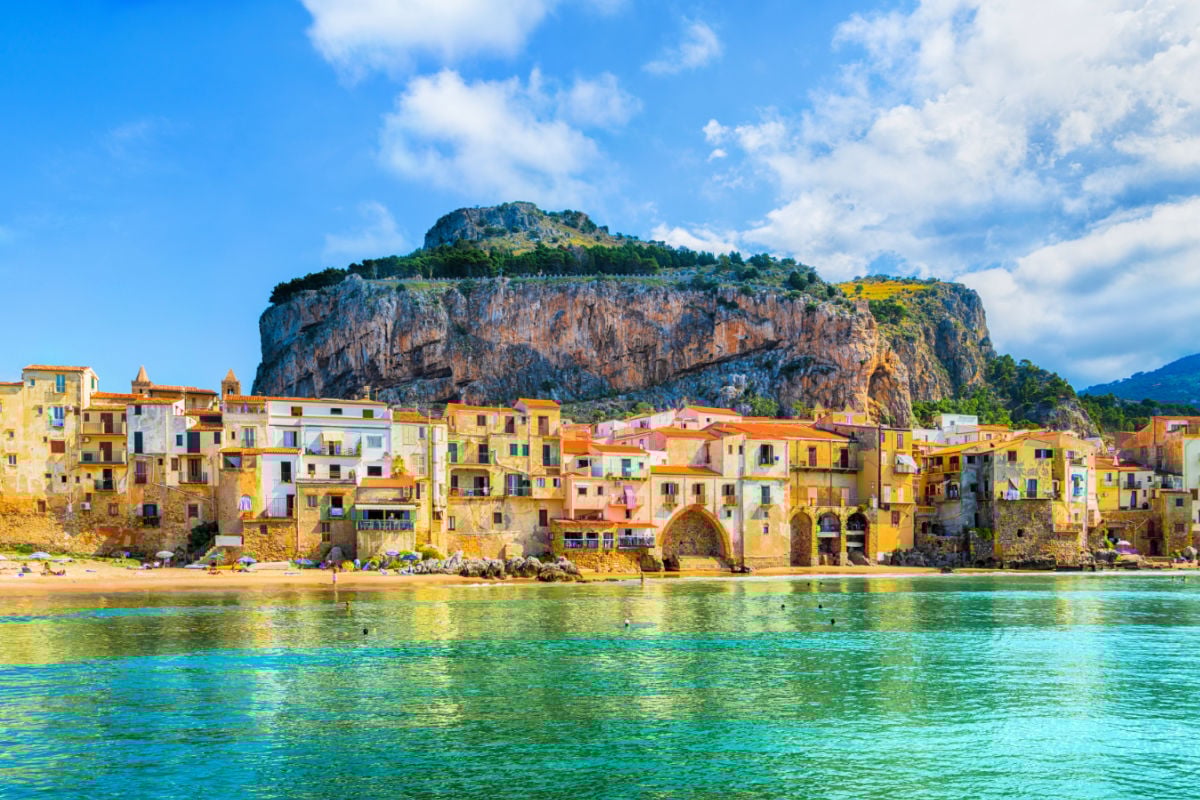
This means you will essentially have the beautiful streets of Taormina, a hillside town featuring an iconic Greek theater overlooking the Mediterranean, the charming alleyways of Syracuse, and the quaint harbor of Cefalù (mostly) all to yourself.
You may expect locals to continue flocking into those places, but the concentration of foreign tourists this time of year in Europe is normally elsewhere, in Spain’s autonomous Canary Islands or Portugal’s up-and-coming Madeira.
In bigger cities, like the metropolitan Sicilian capital Palermo or its second-largest conurbation Catania, you may notice points of interest remain busy, but these are major urban centers with a fast-paced life anyway.
And trust us when we say, Sicily is every bit as fascinating a destination in winter as it is in summer or the fall.
Sicily In Winter Is Not For Swimming, But It’s Perfect For Sightseeing
Whether it’s exploring the ancient Greco-Roman temples in the Valley of the Kings, sightseeing in Palermo, easily one of Italy’s most exciting city breaks, home to a plethora of architectural gems, or visiting quaint villages with a snow-capped Etna for backdrop, you will find sunny Sicily makes for a great winter escape.
The only downside really is the temperature of the water this time of year.
The Mediterranean cools off around Sicily in the shoulder months, which means it is certainly not as warm or attractive for swimming in winter, but the breathtaking panoramic views of the coastline are the same, and the coastal drives into blood orange-tinged sunsets are just as mesmerizing.
If you’re going to Sicily in winter, bear in mind it is first and foremost a cultural destination, and while you won’t be required to pack heavy winter jackets, and you may even feel comfortable wearing shorts in the daytime, it is not a year-round beach destination.
If it’s a Mediterranean beach getaway you’re after, it’s best you put off visiting until early May at the earliest.
However, if it’s the historic temples that attract you the most, you’re appreciative of the delectable Sicilian cuisine, which includes Italian classics like arancini and caponata, and you’re looking instead for a slow-paced, relaxing vacation that does not necessarily involve the sea, you will not be disappointed.
Home to some of the world’s most stunning natural wonders and vibrant metropolises, Asia has always managed to capture the imagination of wanderlust-filled souls, thus securing a rightful spot in every traveler’s bucket list.
While there’s no shortage of captivating destinations in the region, there’s one in particular that tourists seem to keep coming back to time and time again.
After claiming the prestigious title of the fastest-growing hotspot on Earth, it was only a matter of time before Japan, East Asia’s crown jewel, set a new tourism record.
Recently, news outlets reported a new high for travel in the country – this past month was the busiest October in its history, welcoming 2.52 million visitors and surpassing 2019 numbers (the previous record-holding year) by 0.8%.
One-Of-A-Kind Attractions
Japan’s unique appeal goes well beyond the run-of-the-mill parks and museums you’d find anywhere else in the world.
Kyoto, along with its historic temples (the iconic Kiyomizu-dera, for example, is not to be missed), shrines, and traditional tea houses, stands as a testament to Japan’s unmistakable identity.
A five-and-a-half-hour drive away, you’ll find Tokyo, Japan’s pulsating heart best known for its futuristic cityscape and remarkable technological prowess.
The skyline, dominated by landmarks like the Tokyo Skytree and the Tokyo Tower, reflects the kind of harmonious coexistence of tradition and progress that can only be truly experienced in Japan.
If you’re lucky enough to visit the stunning country in the spring, you won’t want to miss out on one of the many hanami parties hosted throughout the season, usually in parks along riverbanks (think Ueno Park in Tokyo and Maruyama Park in Kyoto).
During these events, locals and tourists alike gather to appreciate the fleeting beauty of Sakura, which, by that time of year, should have turned the local landscape into a pastel wonderland.
A Gastronomic Wonderland
Foodies don’t need convincing of the fact that Japan is a gastronomic wonder – that’s just common knowledge.
The local cuisine is renowned for its meticulous preparation and often breathtaking presentation, all of which can be witnessed from the delicate art of sushi-making to the sizzling delights of teppanyaki.
The bustling streets of Osaka, often referred to as the “Kitchen of Japan,” are the place to be for all food lovers.
Dotonbori, in particular, invites visitors to indulge in local favorites such as takoyaki and okonomiyaki.
For those seeking a more adventurous culinary experience, though, Kyoto’s kaiseki dining, a multi-course meal that showcases seasonal ingredients, provides just what you’re looking for.
Never A Dull Moment
While Japan is undoubtedly one of the most visually captivating destinations in the world, the country’s allure stretches far beyond its views.
The Japanese calendar is adorned with more festivals, cultural events, and nation-wide celebrations than you can count, and chances are that no matter the timing of your visit, you’ll be able to experience at least one or two of them.
Take this December, for example.
Those planning a trip to Japan before the year ends, have the Akibasan Fire Festival, Sekino Boroichi, Kasuga Wakamiya Onmatsuri, and the Chichibu Night Festival (just to name a few) to look forward to.
A Safe, Tranquil Atmosphere
Don’t let Japan’s lively spirit give you the wrong impression – the country is as safe and tranquil as they come.
After being named the safest destination in the world, Japan’s commitment to creating a peaceful atmosphere for visitors and locals alike has become that much more apparent.
The country consistently ranks high in global safety indexes and low in crime rates, so whether you’re exploring the bustling streets of Tokyo or the serene rural landscapes of Takayama, you can fully let yourself relax and take in the moment without constantly having to worry about your surroundings.
A Well-Connected Hotspot
Japan’s robust infrastructure and world-class transportation system have undoubtedly played a pivotal role in its most recent tourism boom.
The extensive network of high-speed trains, known as shinkansen, allows visitors to get in and out of the country’s major cities with remarkable efficiency, setting the scene for a more well-rounded travel experience with plenty of sightseeing opportunities.
The cities themselves are served by punctual metro and bus systems, while local airports are constantly expanding with new flights from all over the globe.
We tend to think that most fall and winter travel is reserved for Europe’s cultural cities and Mexico’s dreamy beaches; however, right now, there’s one particular Middle Eastern country that’s rivaling the world’s most coveted hotspots in terms of traveler interest.
After a widely successful year, Turkey is finally breaking its all-time tourism records, with trends pointing to what could very well be the country’s busiest winter in history.
In the first three quarters of 2023, Turkey hosted some 44.6 million visitors, which marks a 13.2% increase from last year, and an 8.78% increase from the previous record set in 2019.
So, what’s prompting tourists to flock to the gorgeous Middle Eastern country in never-seen-before numbers?
An Abundance Of Cultural And Historical Attractions
Turkey is one of the most historically captivating countries on Earth, boasting a long, storied past that spans thousands of years.
Today, travelers can get some fascinating insights into its traditions by visiting one of the many historical attractions in the region, including the iconic Hagia Sophia, Blue Mosque, Topkapi Palace, the well-preserved ruins of Ephesus, the Library of Celsus, as well as the Dolmabahçe Palace.
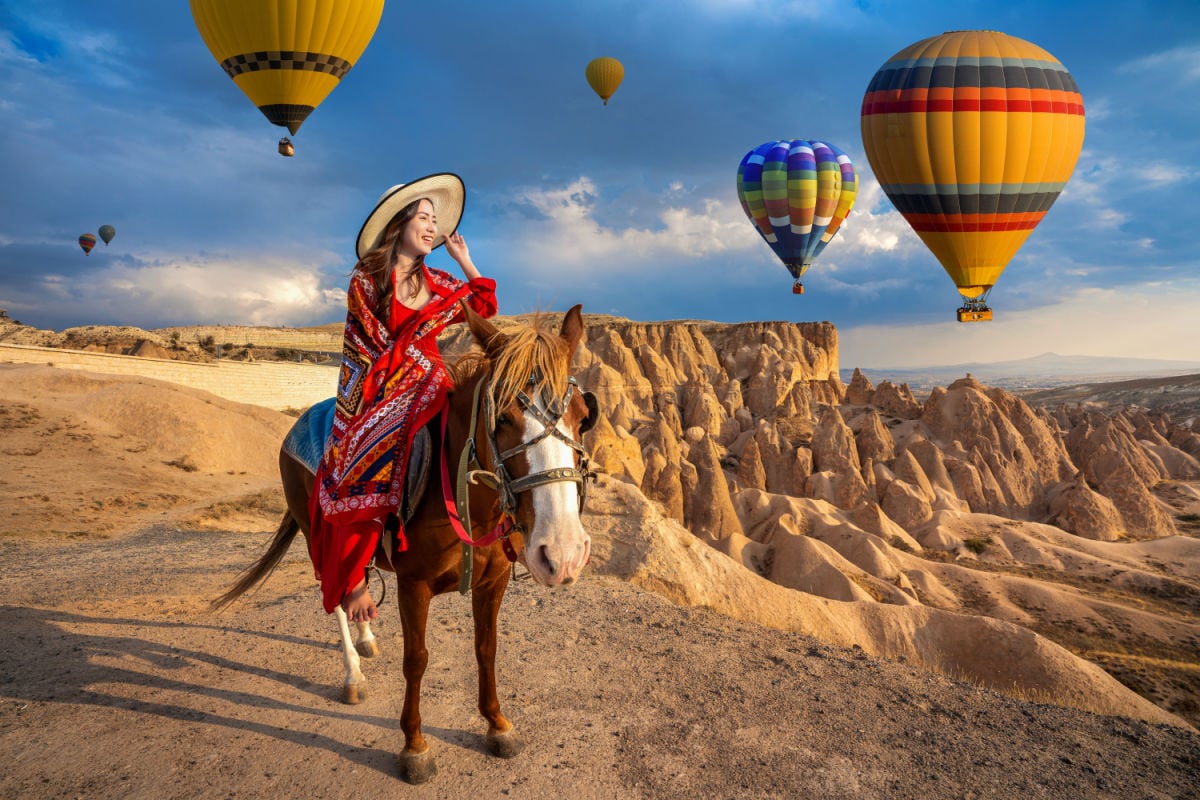
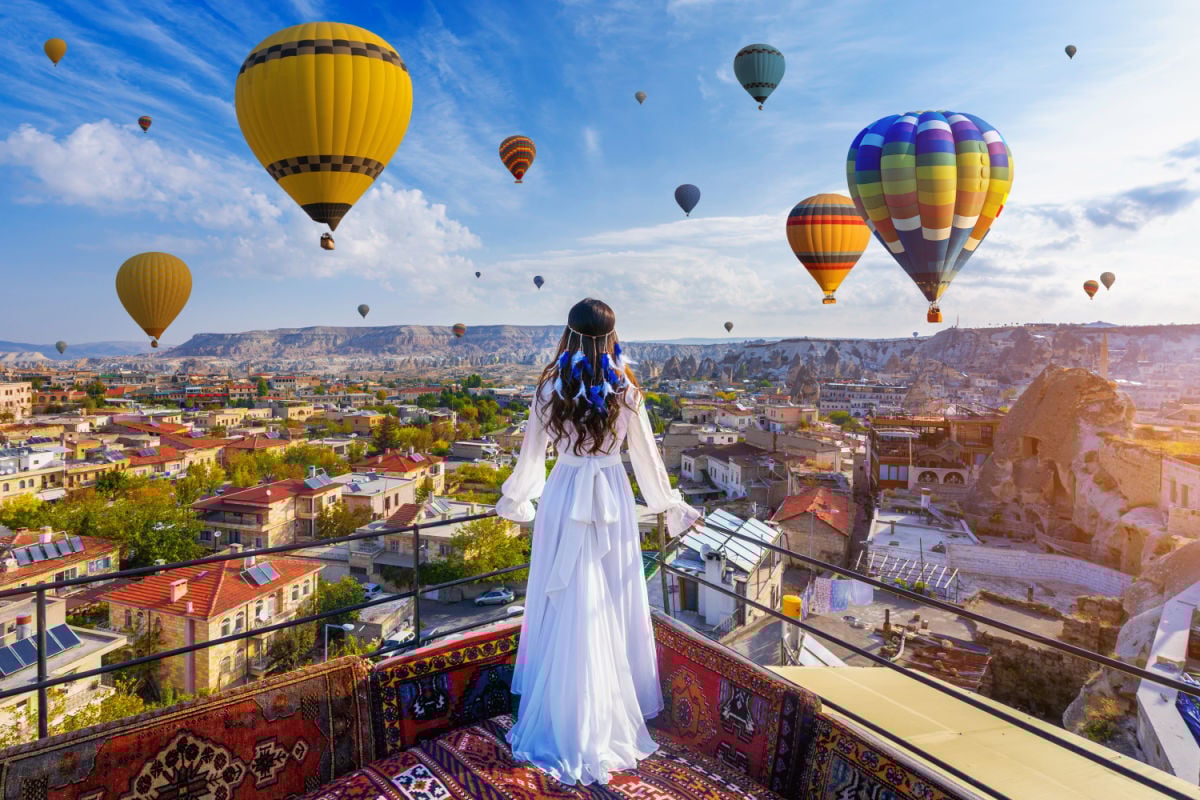
Beyond the intricately adorned buildings, you won’t want to miss out on Cappadocia, a region built on fairytale-like rock formations, which just recently broke its very own tourism record.
As far as cultural attractions are concerned, your best bet is to stick to the likes of Istanbul and Ankara, though I usually tend to favor the former.
There, you’ll find that the influences of the East and West clash into a gorgeous display of colors, providing a feast for the senses.
I’d also highly recommend taking a stroll around the bustling Grand Bazaar, just remember that having a local or professional guide beside you will make the experience go much more smoothly.
Picture-Worthy Landscapes
The breathtaking views in Cappadocia are far from the only picturesque sight you’ll come across in Turkey.
The country is a mosaic of diverse landscapes and a haven for nature enthusiasts.
All you thrill seekers out there will be happy to learn that the rugged terrain of the Taurus Mountains provides excellent opportunities for hiking and trekking.
The same goes for the Lycian Way, a long-distance hiking trail that offers travelers the chance to explore ancient ruins and charming villages, all while marveling at panoramic vistas.
If you’re looking to experience something truly unique, though, you won’t want to miss out on Pamukkale, a natural mosaic of thermal springs terraces and travertine formations, which creates a surreal landscape reminiscent of a snow-white paradise.
A Foodie’s Dream
Turkish cuisine presents a range of flavors and aromas that can’t be found anywhere else in Europe, which is why there’s no shortage of travelers flying thousands of miles just to sample some authentic kofta, börek, and baklava.
From savory kebabs and flavorful mezes to delectable desserts like Turkish delights, the country’s culinary scene is nothing short of a gastronomic wonder.
The flavors are warm, bold, and striking, mirroring the personalities of most locals you’ll come across.
What’s more, everything’s very reasonably priced, giving you the chance to enjoy a bit of everything.
If you’re ever in Turkey, though, don’t miss out on the chance to taste at least a few sips of Turkish coffee – it truly introduces you to a whole different set of flavors and aromas compared to your run-of-the-mill espresso.
So Much To Do
Turkey’s delectable dishes will prove to be especially appetizing and filling after a long day attending local events and festivals, a few of which you’re bound to come across during your travels.
Just this past month, for example, Antalya hosted its annual Film Festival, bringing together filmmakers, actors, and cinephiles from all over the globe.
If you’re planning on going to Turkey before the year ends, some events you can look forward to include the Halal Expo 2023, the UEFA Europa Conference League, as well as concerts by iconic local musicians like Ümit Yaşar and Gökhan Türkmen.
One thing’s for sure – you’ll never get bored exploring the natural, cultural, and historical wonders of Turkey.
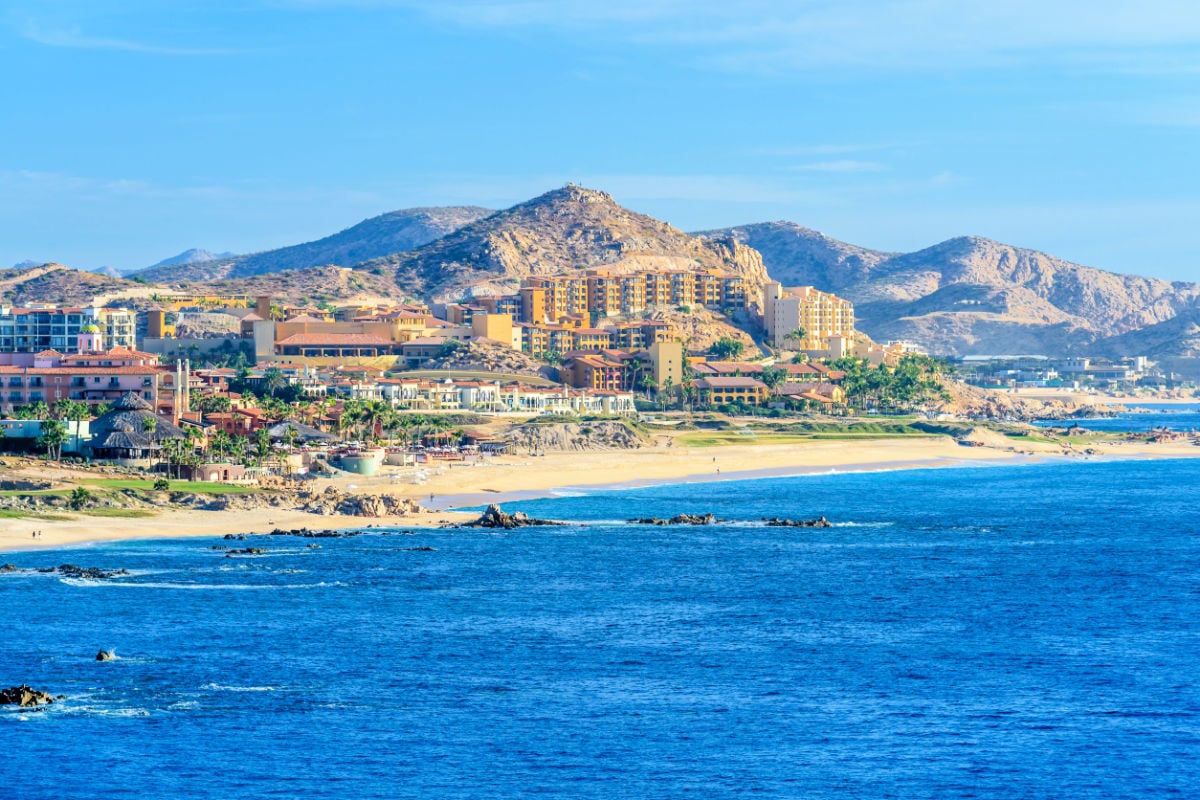
For years now, Cabo has been a popular beach escapade for Americans, especially those living on the West Coast.
Not only is it geographically close and thus easy to reach, but it’s equipped with world-class amenities and surrounded by stunning nature.
It’s truly no surprise it’s growing so fast in popularity this year, having even toppled the mighty Cancun in that respect, but there’s another subcategory in which Cabo is excelling lately: that of higher-end tourism, with demand for luxury getaways increasing year after year.
With so many incredible development zones scattered around Mexico, you may be wondering why it’s Cabo’s that U.S. sun-seekers are flocking into:
Why Los Cabos Keeps Surging In Popularity
With the constant fluctuations of the dollar, which lost value against most major first-rank currencies, such as the euro and the British pound this year, some travel experts had suggested demand for luxury vacations would inevitably drop.
After all, when money’s tight, Americans don’t go splurging on a tropical resort and have historically tended to be more conservative regarding their savings. FITURCA, Cabo’s Tourism Trust, seems to have a different prediction and interpretation of the phenomenon.
According to Rodrigo Esponda Cascajares, FITURCA’s director, the dollar’s instability may in fact lead to an increase in tourists opting for luxurious vacations, as perception of value increases, and customers favor spending dollars where they know they’ll get their money’s worth.
Now more than ever, travelers are seeking a more meaningful experience rather than just another beach vacay, and they are often not hesitant about shelling out the dough if that means identifying value in a product or when they are sure they will get a high degree of satisfaction from it.
Having hit a peak of 97% in 2021, Los Cabos’ satisfaction rates are among the highest in Mexico, with visitors commending the service offered at hotels, the highly developed infrastructure and applauding the resort zone’s tight surveillance and safety.
Unlike the Mexican Caribbean, which has taken a markedly different approach in promoting affordable all-inclusive packages over the years, Cabo’s eyed big spenders.
A Favorite Among Celebrities
Tourists are no strangers to flying semi-private jets when taking trips to Cabo, as airfares are not as prohibitive as one might think, and unlike the average Cancun visitor, who wants to enjoy their time in the sun without breaking the bank, Cabo’s clientele is actively looking for deluxe experiences.
In recent years, authorities have invested heavily in converting Cabo from a mere resort town into a luxurious wellness capital of Latin America, so much so that it now boasts the highest concentration of five-star spa resorts anywhere in the subcontinent.
From frequent celebrity guests like Britney Spears and Jamie Foxx to anonymous vacationers from California who put aside some money every month and count down the days to live it up in Cabo at the end of the year, it has become Mexico’s number-one luxury destination.
Cabo has the distinction of being home to the second-best hotel in the world in Waldorf Astoria, as selected by the prestigious French publication La Liste.
Overall, it features six times on the list, with other noteworthy entries including Montage Los Cabos, straddling the Pacific, and the landmark Grand Velas, an award-winning listing renowned for its architecture and impressive amenities.
Demand Will Keep Increasing In The Near Future
As Cascajares says, ‘the number of people interested in a luxurious vacation in the area will keep increasing in the following years’.
Yet another recent report has showed more than one in ten tourists traveling to Cabo are devoted foodies, as the Mexican Capes are known all over Mexico for their upscale restaurants and unique blends of indigenous Mexican cuisine and modern influences.
Other five-star experiences include well-frequented nightclubs, with better-selected customers than the Mexican Caribbean’s jungle parties, and yacht tours, with a growing number of guests renting private boats to explore natural attractions off the mainland, such as the famous Arcos.
Cabo is not only trendy: it is the guarantee of a well-spent, truly relaxing, luxurious vacation.
Southeast Asia is back to being on everyone’s radar now that the region is not only fully open but eager to welcome tourists following three years of self-imposed imposed isolation.
Throughout the course of 2023, we have seen numerous exciting developments coming from Southeast Asian (SEA) countries, including a new three-month tourist visa for Vietnam and a boost in frequency on some Transpacific routes.
Still, one country in particular continues to post big numbers, even challenging the mighty Thailand for the number one spot in the subcontinent, as it is considered more developed and generally tourist-friendly. This year, it is expected to host as many as 18 million tourists.
Here are 7 reasons why you should trendy, incredibly safe Malaysia this winter:
It Has Beautiful Paradisaical Nature
When visiting Southeast Asia, a majority of travelers have one thing in mind: braving the wild nature, taking boat rides around archipelagic territories, jumping into the turquoise-colored seas, and escaping their chaotic big city life.
Luckily for them, Malaysia has its own – dare we say, impressive – collection of natural landmarks to keep them busy for weeks on end.
Divided between a ‘peninsular’ territory and the Northern section of the island of Borneo, which it shares with Indonesia and the small country of Brunei, it has no shortage of beautiful natural sites, sandy beaches bounded by warm waters, and tropical jungles.
Malaysian nature is deserving of a story of its own, as there are far too many points of interest to be condensed into a single section in a wider article, but some of the ‘unmissable’ gems include:
Gunung Mulu, a national park in Borneo known for its jagged rock formations
Taman Negara, an undisturbed rainforest dotted with Malay villages
The Danum Valley, traversed by jungle pathways and hiking trails
Ipoh, both a small, traditional city and protected reserve surrounded by dense foliage
Vibrant City Breaks
Malaysia is one of the largest sovereign states in Southeast Asia and other than its geographical features and natural wealth, one of the main reasons why it makes for such an incredible destination is its host of world-class cities.
The capital, Kuala Lumpur, is currently one of the top digital nomad hotspots, drawing in millions of young, sociable remote workers and entrepreneurs due to its eclectic, multicultural scene, amazing infrastructure, incredible nightlife, and futuristic cityscape.
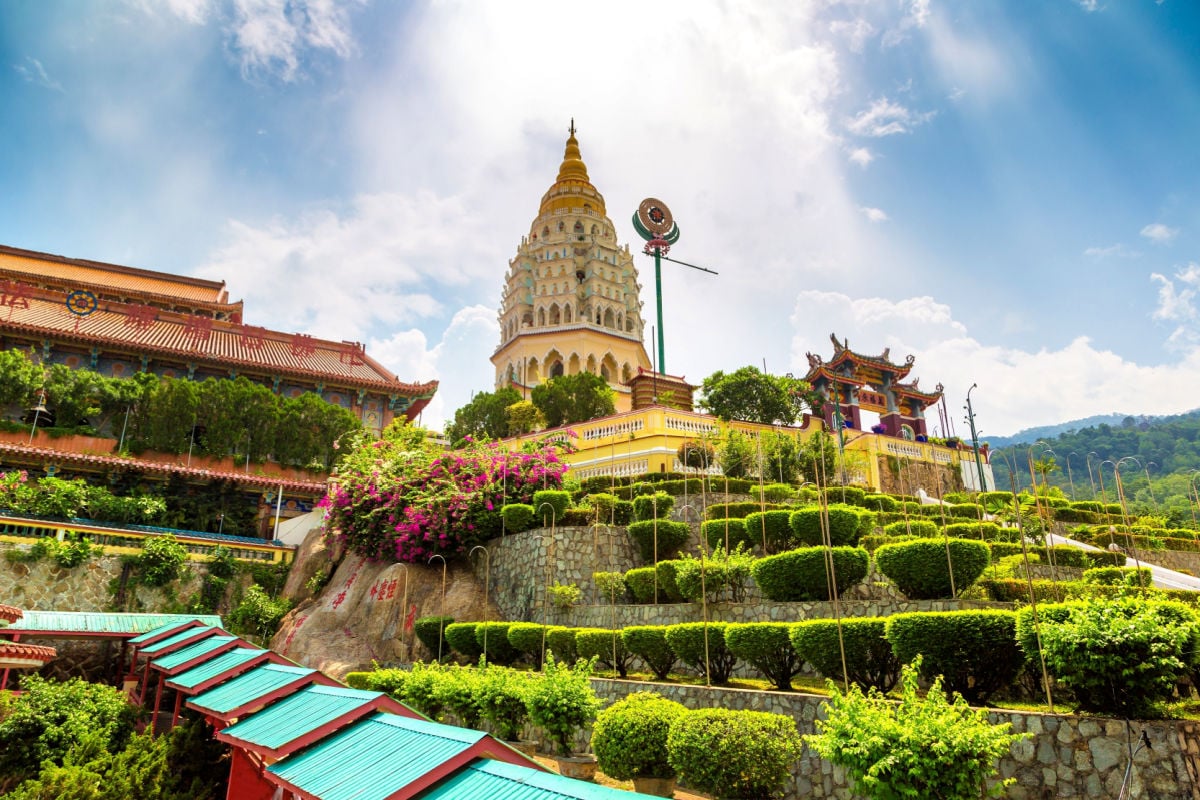
George Town, in the state of Penang, is not to be missed, either, boasting well-preserved British colonial structures and an up-and-coming resort belt.
Elsewhere, Johor Bahru is a famous port city linked by a bridge to the small city-state of Singapore, highly sought-after for its coastal atmosphere and sandy beaches.
A Unique, Fascinating Culture
Malaysian culture is yet another attraction for Westerners – in particular Americans – visiting the country.
In a way, Malaysians can be more collectivistic than people born and raised in the U.S. They usually are more prone to identify as being part of a wider group, be it their relatives or ethnicity, and their life decisions very much take into account the community-wide impact.
Needless to say, Malaysians are more family-centered, and while this is not exactly evident in major cities like Kuala Lumpur, it only takes a day visit to a tiny hinterland village yet to be engulfed by globalization for you to come into contact with their kindness.
Naturally, food is a part of the culture, too, and Malaysian cuisine is a unique blend of indigenous cooking practices, Chinese influences, European due to colonization, and even Middle Eastern – in case you were not aware, over 60% of the population adheres to Islam.
Better Infrastructure Than Most Southeast Asian Countries
A little-known fact among most Westerners is that not all Southeast Asian countries are in development, or underdeveloped. For instance, Singapore, a neighbor of Malaysia, is one of the richest states in the world by GDP per capita.
Malaysia is not as wealthy, and it certainly has classic ‘Global South’ problems, but it is surprisingly developed by any Southeast Asian standard, and in a far better standing internationally than Thailand, Indonesia, or Vietnam.
It is a newly industrialized economy quickly approaching high-income status.
For tourists, this means the infrastructure is better, including the state of the roads and public transport, the market is open and prosperous, especially if you’re a nomad looking to settle in Malaysia, and the locals’ quality of life is higher.
From the public service down to food standards and ultimately food poisoning rates, which are much lower in Malaysia than in other SEA countries with more lax regulations, it is essentially Southeast Asia for beginners – which is not necessarily a bad thing.
Malaysia Is Affordable
Malaysia may be the second-most developed country in Southeast Asia after Singapore, but this does not mean it shares its partner nation’s high cost of living.
It is one of the cheapest tropical destinations globally, with travelers expected to spend, on average, US$61 per day on vacation in Kuala Lumpur, yet this is only an estimation, and the actual cost can be even lower if you’re on a budget.
There are many youth hostels on Booking.com with overnight rates of US$15 and cheaper, and food is pretty affordable as well. On average, a hearty meal in a mid-range restaurant for two people will cost you a mere US$16, according to Numbeo.
High Safety Levels
Another misconception surrounding Southeast Asian countries is that they are unsafe. Granted, food poisoning is a pressing concern, and some of them do have unstable politics, with the occasional military coup, but Malaysia is not one of them.
As stated above, it is quite developed and well-equipped, and safety levels are abnormally high. You are unlikely to get mugged walking the streets in Kuala Lumpur, face regular scamming, whether it’s in the capital or the countryside, or be a victim of violence.
That’s not to say it will not happen – like anywhere, there are exceptions to the rule – but crime is definitely not widespread in Malaysia, and you are not required to maintain a high level of situational awareness when visiting.
Malaysia is listed as a Level 1 destination by the U.S. itself, meaning it has attained the best possible security level a country can aim for, and it’s up there with Iceland, Finland, Croatia, and other popular, perceived-as-safe European countries.
Easy One-Stop Flight Connections
The seventh and last reason why Malaysia is so trendy right now is the fact that it is not exactly difficult to get to, despite lacking a nonstop flight route with the United States and most European countries.
When traveling to Malaysia, most travelers from the Northern Hemisphere will be required to make a stopover in a third country, either on connecting flights or switching to a different airline completely, but the good news is:
Most major airlines will sell ‘full tickets’ to Kuala Lumpur, which means you pay for the whole of your trip, including the stopover and the final leg, and they use major international airports like neighboring Singapore, Doha, or Dubai-International as transit hubs.
This means you get to enjoy all the amazing facilities in the world’s most luxurious airports on a stopover flight, and depending on the carrier you choose to fly with, you may even be eligible for free hotel stays when staying a day or two in the intermediate stop, or free tours if you opt for the shortest transfer.
We don’t know about you, but we love stopovers.
They’re a great opportunity for exploring two destinations for the price of one ticket, and who wouldn’t love to couple a trip to Malaysia with the equally fascinating Singapore?
Start planning your trip to Malaysia – and the wider Southeast Asia – by reading further.
After a wildly successful summer, Turkey is reveling in its reputation as an international hotspot that tourists just can’t seem to get enough of.
One of the country’s most coveted destinations, Cappadocia, just broke its all-time tourism record, hosting over 3,000,000 tourists in the past eight months alone.
In comparison, the previous record was set in 2022, when 2.5 million tourists visited the Turkish region from January to August.
So, what’s making travelers flock to Cappadocia in record numbers?
Unearthly Landscapes and Fairy Chimneys
The landscapes in Cappadocia are truly otherworldly, featuring thousands of soft, cone-shaped rock formations usually known as fairy chimneys.
These stunning natural wonders have been sculpted over millions of years through erosion and volcanic activity, resulting in a surreal terrain that looks like it belongs in a fantasy novel.
Some even describe the landscape as what they imagine Mars or another neighboring planet to look like, as there simply isn’t anything else like it on Earth.
While similarly-shaped formations, like hoodoos, can be found in other places in the world, the term “fairy chimney” is generally used to refer to the specific shapes and nature of the natural structures found in Cappadocia, Turkey – that’s just how one-of-a-kind they are.
If that’s not enough to convince you to plan your next sightseeing trip here, the formations are further complemented by the ancient cave dwellings and churches carved into the soft tuff rock.
The best way to experience the entire surreal landscape of Cappadocia is to embark on one of the many hiking trails in the area; however, make sure to research a route you feel comfortable tackling.
After all, you won’t have much breath left to spare after witnessing the jaw-dropping views.
Rich Historical and Cultural Heritage
The region where modern-day Cappadocia is located is believed to have formed over 60 million years ago, giving winds, erosion, and volcanic eruptions just enough time to form the majestic landscape we can marvel at today.
However, the abundant natural wonders are far from the only historical heritage the region has managed to hold onto.
Cappadocia has long been a center of civilization, homing some of history’s most well-known societies, including the Hittites, Persians, Romans, Byzantines, and Ottomans.
The wonderfully diverse cultural heritage is apparent in the numerous historical attractions you’ll find in the area, including rock-cut churches, unique frescoes, and the fascinating underground cities that dot the entire region.
If you’re ever in the area, though, your first order of business should be a visit to the Göreme Open-Air Museum, a UNESCO World Heritage Site that features everything we’ve talked about so far and more.
Hot Air Ballooning Over Cappadocia’s Skies
Upon reading the word “Cappadocia,” chances are your mind immediately went to the hot ballon-filled skies you’ve seen in hundreds of Instagram pictures.
The reason why the region is so heavily associated with hot air balloons is the fact that both the landscape and the weather make for the perfect setting for a serene ride through the Turkish skies.
However, it’s worth noting that Cappadocia will rarely look like the pictures you’ve seen online – that is, unless you time your visit carefully enough.
Most hot air balloon rides take place from April to November, as that’s when weather conditions are most favorable.
In July, you’ll be able to experience the stunning Balloon Fest Cappadocia, an event that spans four days and honors the region’s prized tradition.
During these days, the sky is filled with hundreds of balloons that create the jaw-dropping panorama we’ve come to expect from Cappadocia, and, best of all – the event is entirely free!
Unique Cave Accommodations
One of the features that sets Cappadocia apart from other historical hotspots is the fact that you won’t only get to see the carved churches and underground cities during your sightseeing trips, but you’ll also get to experience staying at a cave hotel or suite yourself!
The area is filled with charming, unique accommodation options that are carved directly into the soft rock that comprises the very landscape you’ll be fawning over throughout your trip.
Make no mistake, the rooms are filled with all the modern amenities you might expect from a hotel, with the added bonus of having access to stunning panoramic terraces.
Culinary Delights and Local Experiences
No trip to Turkey is complete without a run-through of local dishes and delicacies.
Regional specialties in Cappadocia include testi kebab, manti, and kuru fasulye, which are best followed by a classic Turkish dessert. My top choice would be a pistachio baklava.
You’ll also be delighted to hear that the region has a long winemaking history, with local producers making a diverse range of wines year-round depending on the weather, season, and specific location.
If you’re not sure what type of wine to get just yet, I’d recommend stopping by one of the many wine-tasting shops in the area.
Even though the peak season for traveling is now behind us, it is now clear Europe will still see an influx of international tourists in the fall, as temperatures are set to remain at record highs, especially along the Southern Mediterranean coast.
Spain is one of such locations where summers seem never-ending and a country that continues to enjoy pleasantly balmy days while most of its counterparts see leaves turn amber and colder winds blow. On top of that, it is home to one of the trendiest beach destinations in the entire continent.
That is why if you’re in need of an off-season sunny getaway, it’s the hugely overlooked Murcia where you should be headed:
The Shortest Possible Introduction To The Wonderful Murcia
Murcia is an autonomous region in Spain’s central Mediterranean coast, sandwiched between the much larger provinces of Andalusia (where the lively city of Malaga is located) and the Valencian Community (home the city of Valencia, one of the world’s fastest-growing digital nomad hotspots).
As it is not as popular a destination as its famous neighbors – Malaga and Valencia themselves concentrate a huge portion of Spain’s coastal tourism, alongside Barcelona – Murcia should not be underestimated:
The region as a whole boasts 160 miles of spotless Mediterranean beaches, part of the aptly-called Costa Cálida, Castillian (or Spanish) for Warm Coast, and it’s easily the sunniest region in Spain, with more than 300 sunny days per year.
Its marvelous weather also puts Northern European countries to shame: as it straddles the Mediterranean, directly facing the North Coast of Africa, Murcia can be a lot warmer than other European beach destinations, with an average temperature of 21°C, or 70°F for the year.
In summer, it easily reaches 93.2°F or above, while in fall, the temperature decreases to a more tolerable 86°F, with lows of 66°F in the evenings. Murcia stays relatively warm well into the winter months, recording an average high of 70°F as late as December and very few, if any, rainy days.
Needless to say, it is perfect for a mid to late-fall beach escapade.
Top 4 Destinations In Murcia, Spain
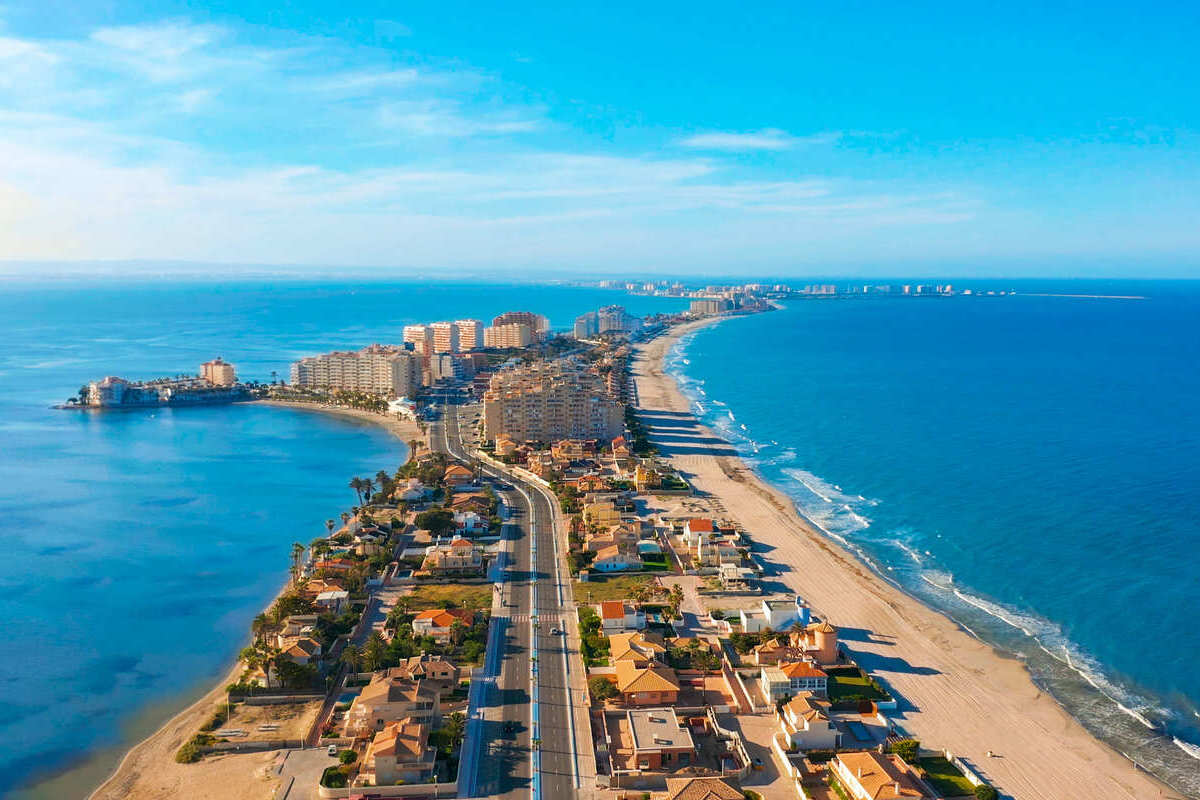
Some of the best resort towns on the Warm Coast include Los Alcázares, La Manga, and Cartagena (the original one, not its Colombian equivalent).
Los Alcázares
Los Alcázares is easily one of the top spots in Murcia for both appreciating Mediterranean nature and going for dips in the warm sea, and taking in the culture, as it was previously a traditional fishing village before resorts and big international brands started pouring into it.
Somehow, it’s still retained its small-town character, with several fiestas and festivals held throughout the year. If you’re planning on visiting Alcázares this fall, you should mark October 12th as the day to be there, as it coincides with the Díade la Hispanid, a vibrant national holiday in Spain.
Unlike in Malaga, Valencia or Barcelona, local resorts are also a lot more affordable, with overnight rates starting at just $84 at the Ona Mar, a five-star golf & spa resort in Torre-Pacheco, a quieter settlement only 3 or so miles from downtown Alcázares.
La Manga
If a more exclusive beach vacay piques your interest, perhaps it’s La Manga you should hit up. A natural spit – a narrow strip of land – separating a crystal-clear lagoon from the Mediterranean, it is lined with luxury hotels, and either lagoon or oceanfront stays.
It can be considerably pricier than the more underdeveloped Alcázares, with overnights at all-inclusive resorts costing as much as $416, but the privacy and high-end amenities will be greatly appreciated by visitors looking to escape the crowds.
Cartagena
Cartagena, on the other hand, is a much larger coastal hub with over 200,000 residents and equipped with an enormous cultural wealth. One of the oldest cities in Europe, it has been inhabited for over two millennia, and several ancient monuments have survived to this day.
This includes a Roman Amphitheatre dating back to the 1st century AD, historical ramparts and forts, while the newer port area of Cartagena is embellished with a plethora of traditional 18th and 19th-century ornately decorated facades.
Cartagena also offers access to the sea, with long, sandy beaches bounded by turquoise-colored waters being located within short driving distance of the old city, such as Playa de Calblanque and Cala Cortina, but its main appeal is surely the cultural aspect.
Murcia (The Capital)
Also on the coastal zone, the regional capital of Murcia, which the province is named after, concentrates a vast number of historical landmarks.
These include the Cathedral of Saint Mary, a combined Gothic-Reinassance-Baroque effort, Monteagudo Castle, with its iconic Christ statue on top, and the stately University of Murcia.
Europe’s Orchard (as Murcia is affectionately called), is just as popular for its flavorful Mediterranean cuisine, with regional favorites like marinera, a potato and seafood snack, zarangollo, scrambled egg cooked with various fresh vegetables, and tomato-egg-tuna-based Murcian salad.
Why You Should Visit Murcia
According to a recent study headed by Itrem, the Tourism Institute, in partnership with the University of Murcia, beaches, the weather, and gastronomy are three of the main reasons why tourists flock to the region.
As Murcia is not as popular a destination as Costa del Sol, Costa Brava, or even Spain’s Basque Country, it sees less crowding off-season, while Barcelona, Seville, Malaga, and the like suffer from a massive influx of tourists.
If you’re wondering just how difficult Murcia is to reach – after all, the local airport isn’t that big and it hosts mostly seasonal flights from Northern and Eastern Europe – the capital is a short 3h25 train ride from Madrid, when taking the AVE high-speed service.
Getting to Madrid from America is incredibly easy, as nonstop flights are available daily from multiple departure points – just check the closest airport to you or the nearest major transit hub – and tickets from Madrid to the city of Murcia can be as cheap as $27 one-way.
The list goes on for how many awesome getaways there are in the fall. Some of us choose to head to the northeast for breathtaking scenery, while others stick to the city life.
Austin, Texas is a mix of both. What was formally known as a quirky college town is now more mainstream as it has grown tremendously.
In fact, it’s not uncommon to hear locals demand, “Don’t Dallas my Austin!”. Austinites are a proud community that embraces their inner freakdom.
While more skyscrapers have popped up in recent years, don’t let them overshadow what makes Austin truly unique.
If you’re seeking a fun fall trip, Austin is for you.
Here are 5 reasons whyfall is the perfect time to visit this trendy Texas city:
Summer Is Scorching
Texas becomes blazing hot in the summer. There is really no escaping the heat. In Austin, it’s not only the heat but the unbearable humidity too.
Austin is still fun in the summer since you can cool off with a dip in the famous Barton Springs or find a local Tex-Mex restaurant for an ice-cold margarita.
But fall just hits differently. The weather is so much more comfortable come October and onward. With so many places to explore, the nice weather makes it all the more enjoyable.
September is still prone to heatwaves so it’s best to plan a visit in the following months.
300 Days Of Sunshine
The capital of Texas proudly boasts about their weather year-round, even though they exclude the humidity part.
Fall brings cooler weather, but you can still expect beautiful sunny days ahead. The city claims it has “300 days of sunshine” each year, but another Texas city stole the title ofSun City.
Austin is a gorgeous city where exploring the outdoors is a must. There is a huge cycling community here with dedicated bike lanes and paths through many areas.
Some would argue seeing the city by bike is the best way, given its horrid traffic. The charm of Austin is it has a small-town feel yet has become the fastest-growing city in the U.S.
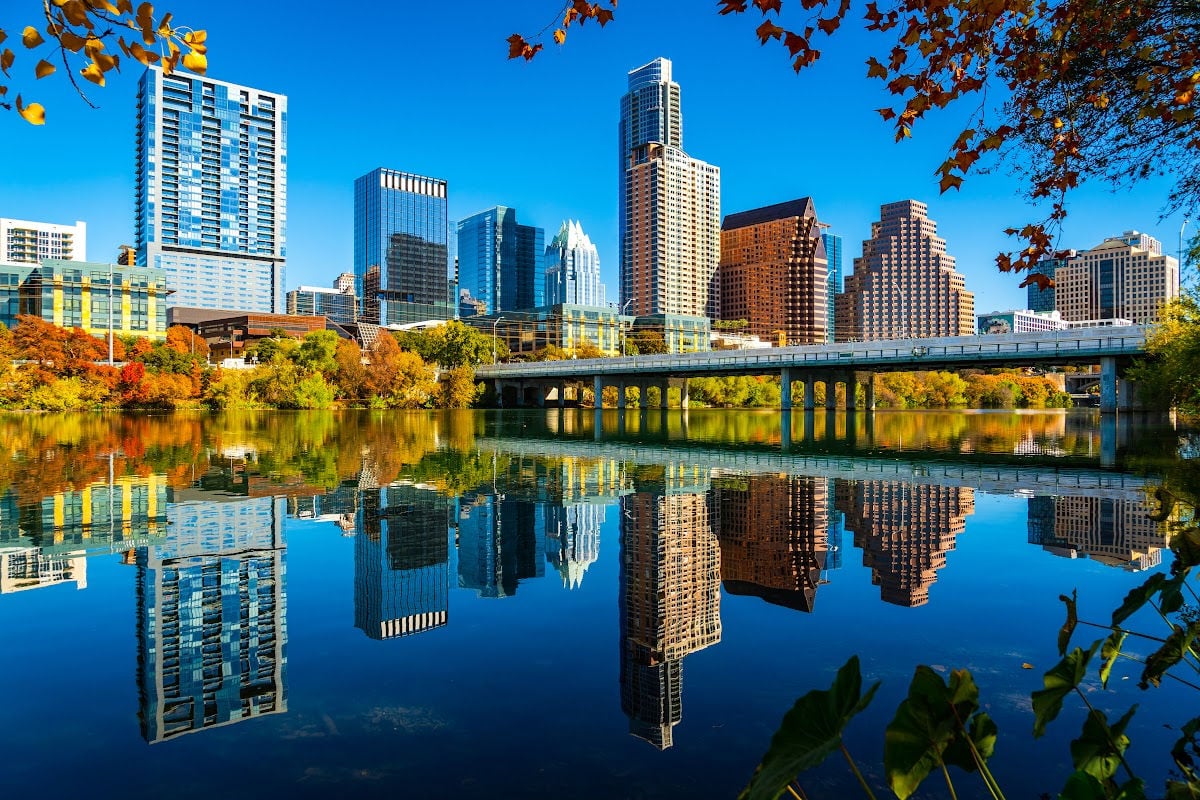
Many of the top sights are centrally located, whether you want to kayak the lake along Austin’s pristine skyline or go out for a fun night on the town.
A Gateway Into One Of Texas’ Most Stunning Regions
Hiking, boating, and floating the river are all popular activities nearby. Lake Travis is a popular trip just 30 minutes away with amazing views and nice restaurants.
Others may enjoy Mount Bonnell or the smaller towns known as the Texas Hill Country. A little longer of a drive is the quaint town of New Braunfels with a neighboring charming town of Gruene (pronounced Green).
This trip is the ultimate fall getaway for your quintessential fall activities, such as spotting the beautiful fall colors, pumpkin patches, and overall small-town charm.
Here, the backroads are gorgeous, with tree-lined streets full of vibrant fall foliage. So gorgeous, in fact, you will probably find yourself pulling over the car to take it all in.
A Foodie Paradise
Austin is one of the trendiest cities in America, and it reflects with their food. A popular food truck destination, you can truly find just about any type of cuisine here.
World-renowned chefs have come to Austin and it’s harder to find a bad meal than it is a great one. Seriously, you will be stuffed by the time you go back home!
Many fall vacationers seek out all the pumpkin flavors, and Austin does have that. With a plethora of cafes, you can start your day with a Pumpkin Spice Latte.
But Austin offers so much more and is known for their tacos and queso, particularly in the fall. They say soup is perfect for fall weather, but here in Austin it’s queso weather.
Ain’t No Party Like An Austin Party
Austin has become more than a college town, but the massive campus of the University of Texas remains.
The best time to go out for a fun night in the city is in the fall. The college kids are back in class, and the nights are much cooler.
That means it is time to hit up world-famous 6th Street or nearby Rainey Street, where houses have been converted into trendy bars and restaurants.
The streets are blocked off to easily bar-hop from one place to another for a night you will never forget. With new comedy clubs, restaurants, and seemingly endless bars, you will have a blast!