You don’t have to travel around the world to have an exceptional break this fall.
In fact, some U.S. destinations are so popular that they are attracting record numbers of both domestic and international visitors.
The U.S. is experiencing an unprecedented increase in domestic tourism this year, and 3 iconic destinations in particular are benefiting from this.
Orlando, Las Vegas, and Chicago have now entered the chat!
Smaller crowd levels, special events, and cooler temperatures are just some of the reasons why these 3 iconic and popular destinations are best visited in the fall:
Orlando
The leading destination for domestic travel in the U.S. is Orlando.
This year the city should exceed an incredible 54 million visitors from across the states.
Orlando is best known as the land of epic theme parks, with people traveling from around the world to visit Walt Disney World and Universal Studios here.
But as someone who’s visited Disney World in August, I really wouldn’t recommend it unless storms and extreme humidity are your idea of a good time! Instead visit in the fall when the weather is much more comfortable, and the crowd levels are lower too.
Top tip: Visit when kids are still in school for the lowest possible crowd levels everywhere you go.
Walt Disney World is decorated for Halloween from the first week of August (nothing like being prepared early!) and on select nights between August 9 and October 31, 2024 you can attend Mickey’s Not-So-Scary Halloween Party in the Magic Kingdom park.
If you like your Halloween theme park celebrations with a bit more gore, then Universal Studios will host Halloween Horror Nights in the fall season.
This is a scary event not aimed at kids as you’ll face 10 terrifying haunted houses, 5 sinister scare zones, outrageous live entertainment.
Tickets range from $129.99, plus tax, per person to $239.99, plus tax, per person.
Las Vegas
Las Vegas is America’s undisputed party capital and its second most visited destination with 35 million visitors forecast this year.
Like Orlando, the heat here can be relentless during the summer months, but by fall, the weather is perfect.
Warm, sunny, and with endless blue skies. Expect temperatures in the 80s.
When you can tear yourself away from the airconditioned casinos, you can dine outdoors and head out into the desert for hikes and ATV adventures in Las Vegas in the fall.
But the weather isn’t the only reason to visit Las Vegas in the fall. There’s also a lot going on! In addition to the abundance of Halloween events and fall festivities, October is Las Vegas’s PRIDE month.
A great month to be in the city.
If you’re interested in motorsports the South Point 400 is coming to the Las Vegas Motor Speedway this fall too. This is a huge weekend in the motorsports calendar with tickets starting from just $20, making it a great budget day out too.
Top tip: If you want to explore Vegas but (like me) don’t love big crowds, then there are plenty of places to escape the masses. Escape the strip and explore the city’s outdoor destinations.
Great day trip options include the Red Rock Canyon National Conservation Area or taking a dip in the Gold Strike Canyon Hot Springs.
Fall is the perfect time to visit these Springs, which are closed from May through September due to extreme desert temperatures.
Chicago
In third position is the Windy City of Chicago, with a whopping 30 million visitors this year.
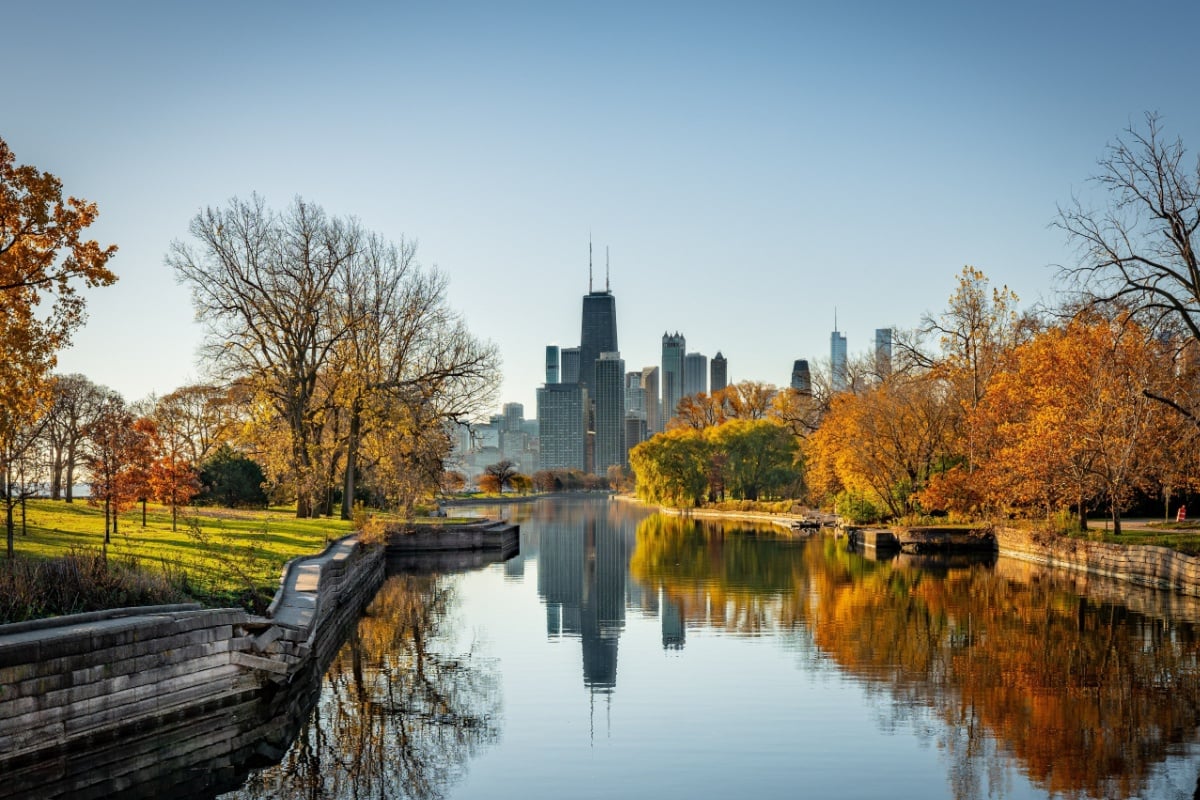
And if you’re looking for a riot of fall colors and traditional fall activities then Chicago is by far the best city on this list to visit this fall season.
Fall is cooler here, so be sure to pack a sweater.
Head to Lincoln Park and the Millennium Park and Lurie Garden to see some of the best examples of fall foliage in the city. A great activity for budget travelers, with entry to all public parks in the city free of charge.
Fall foods and brews hog the spotlight in Chicago at this time of year.
There’s no need to fly all the way to Germany to celebrate Oktoberfest: You can join in the celebrations in Chicago!
At the Saint Alphonsus Oktoberfest celebration, adults can sample 20 different craft beers. Entrance costs $40 and includes a souvenir glass and pretzel necklace.
Fall in Chicago is traditional and cozy, so I think the best thing to do in the city at this time of year is to really embrace that.
Think apple picking, pumpkin patches, corn mazes, and more. Embrace the seasonal fun!
Tor has been writing for more than 20 years and has visited 25 countries (and counting!) She specializes in European and family travel and never says no to new adventures.
Opinions expressed here are the author’s alone, not those of any bank, credit card issuer, hotel, airline, or other entity. This content has not been reviewed, approved or otherwise endorsed by any of the entities included within the post.
We’ve been conditioned to think that any European getaway, let alone a fun beachy one, is bound to drain savings – have you seen the movie-like views people are posting all over social media? Those don’t seem like budget-friendly places.
But what if I told you that there’s a very real way to get the summer you’ve dreamed of for less than what you’d pay even in some places in the U.S.?
That’s right, if you’re trying to plan the ultimate European holiday this season but don’t want to blow through thousands of dollars, I’ve got just the place for you – the Balkans.
The gorgeous yet so often overlooked region just so happens to be home to some of Europe’s most incredible beaches, and luckily for those of you looking to get all of the insider tips you can, I’ve been to almost all of them.
So today, I’ll be going through the 5 most amazing Balkan countries where I’ve vacationed on a budget as well as what makes each of them a worthy addition to your bucket list.
Albania
When it comes to value for money, few destinations complete with Albania – that’s why travelers are flocking to the country like never before.
While the Balkan gem offers a lot to travelers year-round, summer is especially lively here since just about everyone wants to get a taste of its incredible Riviera, especially the beaches along the Ionian Sea.
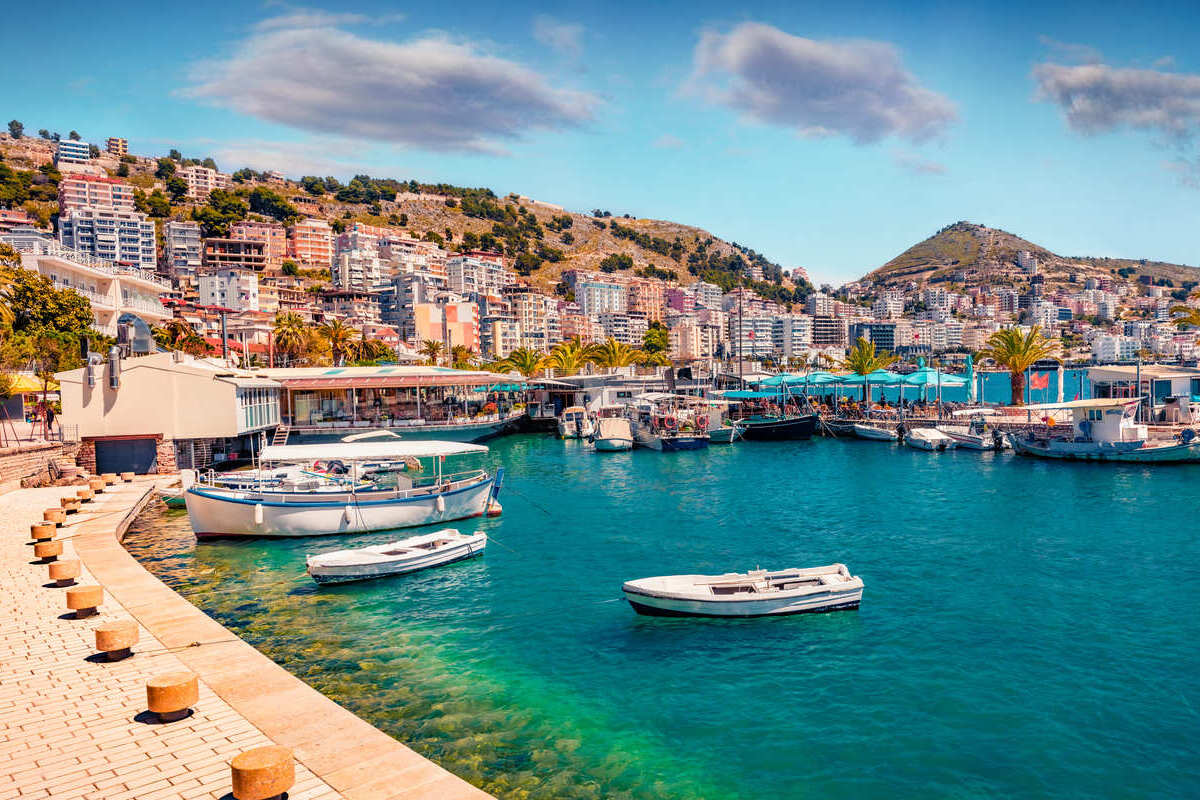
Saranda, Ksamil, Dhërmi, Himara, and so many smaller yet just as stunning hubs welcome travelers with jaw-dropping views and the types of prices that are hard to come across elsewhere.
A typical budget for a solo traveler here would look something like this:
Accommodation: $40 – $70 a night
Budget-friendly meal: $5
Restaurant meal: $12 – $20
1-mile taxi ride: $5
Average entry fee to popular attractions: $5 – $10
Greece
If unreal views and unbelievable variety are what you’re after, there’s no topping Greece.
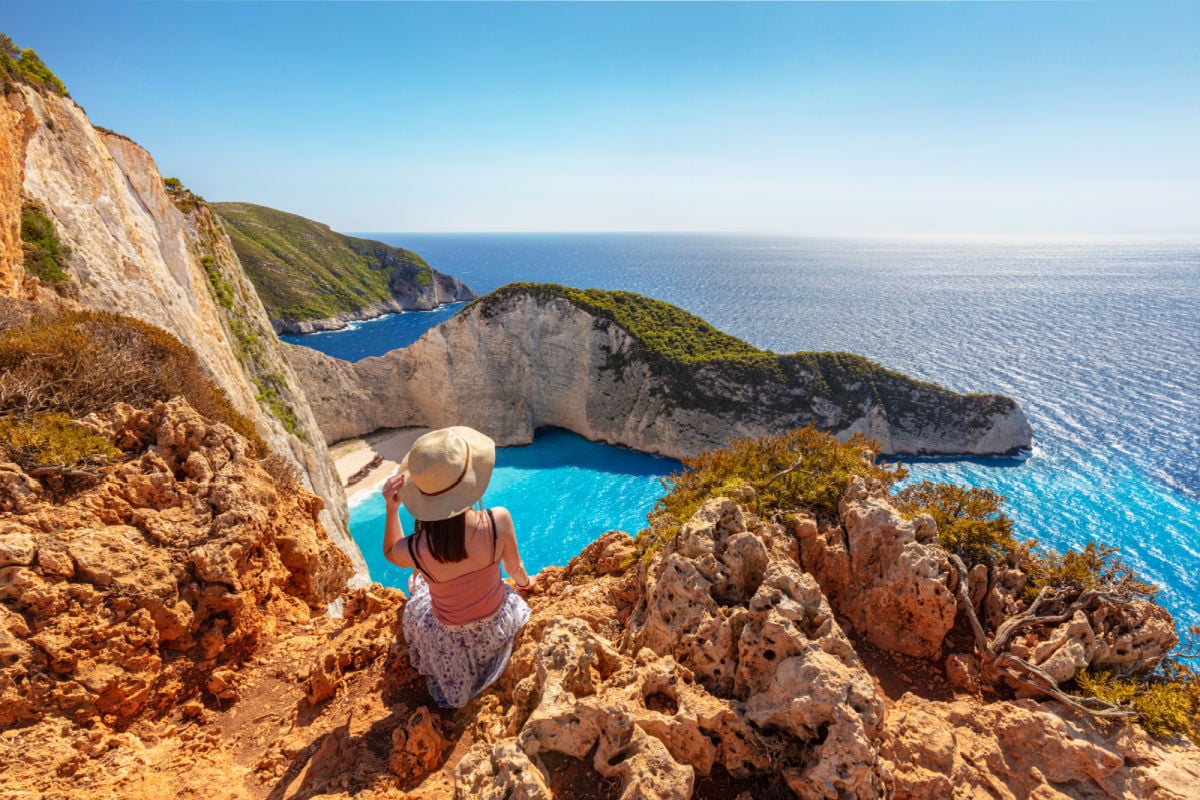
Between Zakynthos, Lefkada, Crete, Mykonos, and even Halkidiki, the country is home to what I consider to be some of Europe’s most gorgeous beaches, and as long as you book your trip a bit in advance and research where you’ll eat/go beforehand, you’ll probably be able to get by on less than $100 a day.
Here’s what you can expect to pay for some traveler musts:
Accommodation: $60 – $100 a night
Budget-friendly meal: $8
Restaurant meal: $15 – $25
1-mile taxi ride: $6
Average entry fee to popular attractions: $15 – $20
Turkey
Turkey’s 8000-kilometer (5000-mile) coastline is filled with beaches that cater to just about every traveler – from secluded coves reachable by only the most experienced hikers to long stretches of sand filled with restaurants and beach bars.
In my experience, however, you’ll get the best value for money here by booking an all-inclusive resort.
Places in popular summer hubs like Antalya or Bodrum usually charge between $200-$450 a night for their ultra all-inclusive packages – these include unlimited food and drinks, access to pools, saunas, jacuzzis, and private beaches, as well as organized entertainment.
If we’re looking at the entire country, though, here’s what you can expect to pay:
Accommodation: $30 – $200 a night
Budget-friendly meal: $8
Restaurant meal: $25 – $30
1-mile taxi ride: $1.5
Average entry fee to popular attractions: $25 – $40
Croatia
By now, Croatia’s stunning Adriatic coast needs no introduction – the way it has boomed in popularity these past couple of years, it’s safe to assume everyone has heard of Dubrovnik and Split by now.
But with so much publicity, comes contradictory information, so what beaches are actually worth visiting and how much can you expect to spend during your time here?
My top recommendation would be to explore the Makarska Riviera, Primosten, Rab Island, and Vis, and as far as costs are concerned:
Accommodation: $70 – $200 a night
Budget-friendly meal: $10
Restaurant meal: $20 – $25
1-mile taxi ride: $2
Average entry fee to popular attractions: $15 – $30
Montenegro
Last but certainly not least we have Montenegro.
There are plenty of unmissable beach destinations scattered across the tiny Balkan hub, though I’d usually recommend Budva, Kotor, Ulcinj, and my favorite hidden gem, Herceg Novi.
And let’s not forget the low prices:
Accommodation: $45 – $80 a night
Budget-friendly meal: $10
Restaurant meal: $15 – $20
1-mile taxi ride: $2
Average entry fee to popular attractions: $5 – $15
Having explored over 20 countries in the last 3 years, Megi is committed to bringing the freshest, most up-to-date news and perspectives on the world’s most fascinating destinations.
Opinions expressed here are the author’s alone, not those of any bank, credit card issuer, hotel, airline, or other entity. This content has not been reviewed, approved or otherwise endorsed by any of the entities included within the post.
Spring is a time when most travelers stay put and try to save for that long-awaited summer getaway, but if you’re looking to get the best bang for your buck on your upcoming vacation, the first thing you need to do is to rethink your schedule.
Visiting some of the world’s top beach destinations smack dab in the middle of summer is far from ideal since the timing guarantees that you’ll be dealing with sky-high prices and insufferable crowds.
That’s why Kayak’s “Best Time To Travel” tool, an algorithm based on the latest data surrounding destination prices, weather, and traveler numbers, suggests that several amazing warm destinations are best visited in the spring.
For example, if you’re thinking about going to Hawaii, Phuket, or Cartagena this summer, what you’re about to read might convince you to take that vacation a bit earlier than planned.
Hawaii
Those who want to keep their travel domestic this spring can’t go wrong with Hawaii, where the paradisic weather and movie-like beaches are bound to get you officially out of that wintery mindset.
These upcoming months, return tickets to Hawaii will start at just over $110, giving all travelers, no matter their budget, a chance to hike along the lush trails, snorkel on the crystal-clear waters, or simply lounge around the soft-sanded shores of the 50th state.
Hotel prices in Honolulu, Hawaii’s beating heart, will hover a little over $200 a night, and remember, most of these places are all-inclusive resorts where several meals are included in the upfront fee.
However, I do want to note that scheduling your trip a bit later on in spring might be a smart choice, at least if you want to avoid peak-season crowds.
According to Kayak’s data, December and March are the most popular months in the state, so those looking to enjoy a peaceful, relaxing experience will want to plan their trip in April or May instead.
And I’m not even getting into how dreamy the weather gets this time of year, with temperatures ranging from the mid-70s to the mid-80s (24-29°C).
Phuket
Are you itching to go somewhere warm and remote this spring? Phuket might just be the place for you.
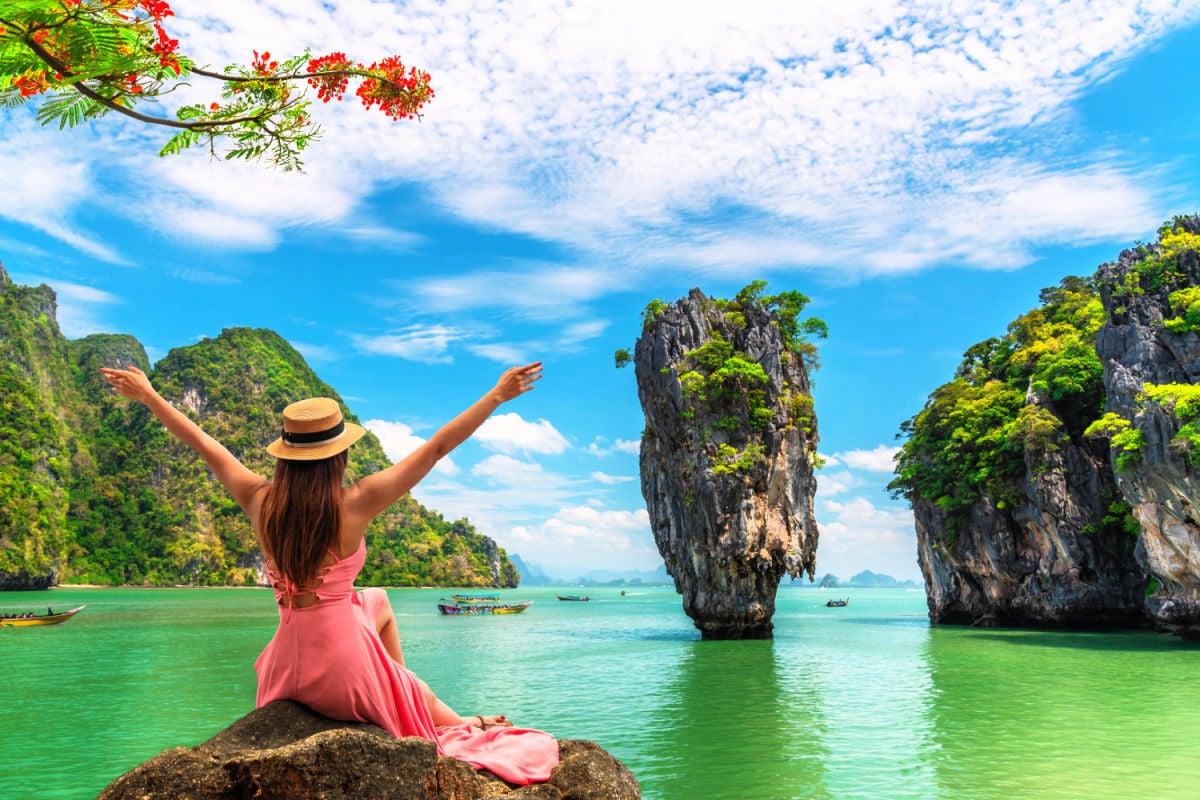
From March through May, the Thai gem offers everything you could wish for and more, from great prices to fantastic sightseeing opportunities.
Plane tickets to Phuket reach their annual low in March, when a round-trip will cost roughly $859.
In comparison, the same exact ticket would set you back $1322 if you were to schedule your trip in July, marking a remarkable $463 difference – money that would be much better spent toward fun experiences or better accommodation options.
While airfare to Phuket will be steep no matter the time of year, the good news is you can save quite a bit on accommodation instead.
Stays in the city during April and May have an average daily rate of $37, but depending on the neighborhood, it can go as low as $21 a night—that’s less than what most of us are paying for a fast-food meal!
Now that the holiday season has officially passed, you can explore the region’s gorgeous beaches and cultural attractions crowd-free while enjoying the sweet 82°F (28°C) weather.
Cartagena
While the Caribbean coast of Colombia offers the type of picture-perfect views that can be enjoyed all year long, April is hands-down the best month you can choose for your Cartagena getaway.
That’s when the winter crowds have subdued and local beaches enjoy what you’d consider the ideal sunbathing weather – with temperatures that range from 75°F to 88°F (24-31°C).
Value-seeking travelers will be delighted to learn that flight and accommodation prices are at their lowest, too – airfare will cost you around $195, while hotels and short-term rentals have daily rates that rarely go over $75.
So, if you’ve been dreaming about strolling through Cartagena’s cobbled streets, exploring its Old Town, and seeing the iconic Castillo San Felipe de Barajas, scheduling your visit this spring will guarantee that you get the best bang for your buck.
Opinions expressed here are the author’s alone, not those of any bank, credit card issuer, hotel, airline, or other entity. This content has not been reviewed, approved or otherwise endorsed by any of the entities included within the post.
They’re the perfect destination for laid-back relaxation, boast beautiful beaches, outstanding natural beauty, fascinating culture, and (for the most part) warm and welcoming people.
But which island is best?
I’ve been lucky enough to visit every island in Spain, and this is the one I keep going back to. Here’s why you can’t miss it:
The Balearics Or The Canary Islands?
There are two main island chains in Spain: The Balearic Islands and the Canary Islands.
The Balearic Islands is an island group located in the western Mediterranean Sea just off the coast of Spain. There are 4 main islands, although there are 151 in total. Only 5 of these are inhabited: Majorca, Minorca, Ibiza, Formentera and Cabrera.
The Canary Islands are a chain of islands and islets located off the coast of northwestern Africa. In fact although they are Spanish territory they are considerably closer to Africa than they are to Spain. The 4 main islands are Tenerife, Fuerteventura, Gran Canaria, and Lanzarote.
Both island chains are known for their abundance of beautiful beaches. Both are popular with tourists looking for a sun, sea, and sand vacation.
But if you want to visit no matter what the time of year then the Canary Islands really can’t be beaten for their year-round sunshine. When it’s cold and raining at home you’re guaranteed a hot sunny break in the Canaries.
What’s more the sea temperatures are always above 20°C (68 F) even during the coldest winter months. By contrast, the Balearic Islands experience typically Mediterranean seasonal weather fluctuations and you can only swim in the sea during the warmest (and most expensive) months of the year.
Because tourism is seasonal on the Balearic Islands, this means that if you want to visit when the weather is warm, the crowd levels are always high.
And with locations such as Palma de Mallorca on Majorca and Playa d’en Bossa on Ibiza attracting party people with their high-octane nightlife, they’re not the best spots for low-key relaxation.
The Island Of Fuerteventura
I will always choose to visit the Canary Islands over The Balearic Islands.
Tenerife is the most-visited Canary Island in the chain and it has many busy and bustling resort towns. But by far my favorite island in this chain is Fuerteventura. There are so many reasons why!
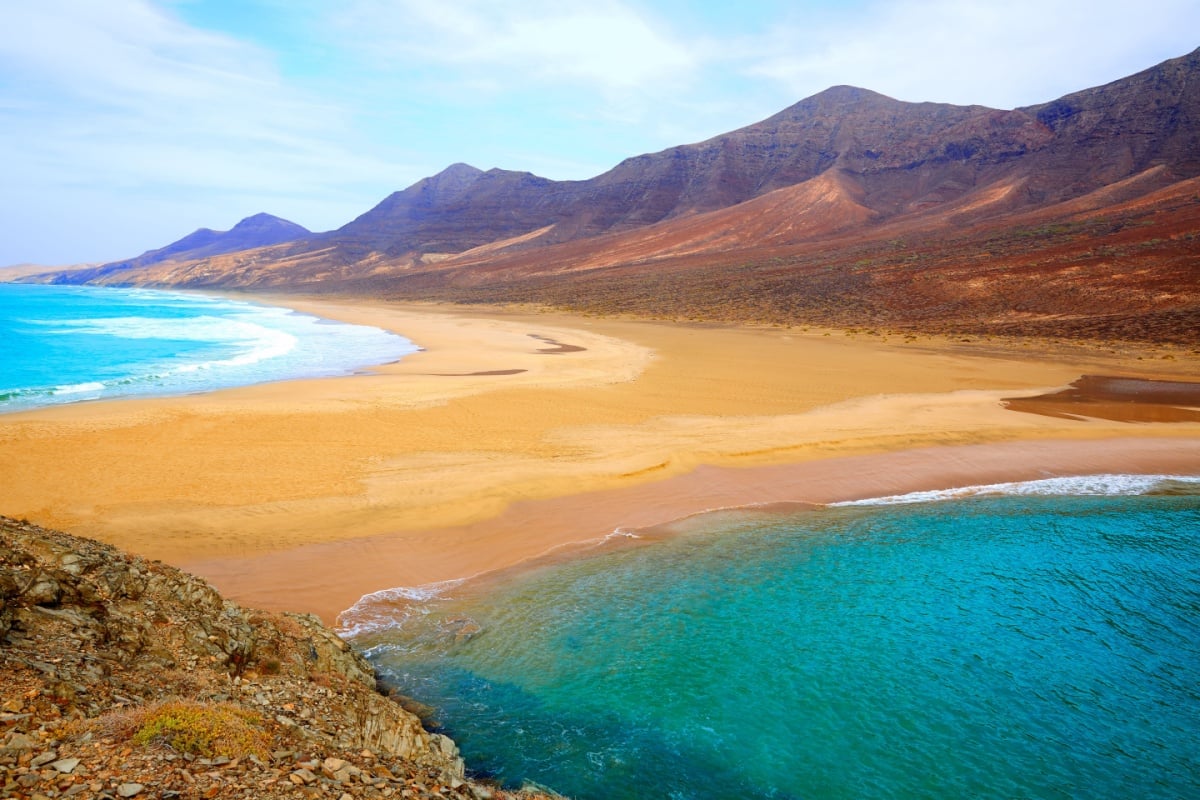
First, the island boasts incredible rugged landscapes of incredible volcanic rock formations. Calderón Hondo is the most famous volcano in Fuerteventura and you can hike to its peak if you’re feeling energetic.
You’ll find similar volcanic displays across all of the Canary Islands. But what makes Fuerteventura unique is that these barren landscapes are punctuated by the Dunas de Corralejo Natural Park. These massive sand dunes are the biggest in Europe and they are breathtakingly beautiful. They are often referred to as a mini Sahara, but they’re much more accessible.
On the edge of these sand dunes is an incredible turquoise coastline with kilometers of beautiful white sand beaches. Many of these beaches don’t have traditional facilities such as restrooms or restaurants but they are truly stunning places to swim, sunbathe, and surf. La Oliva is my favorite beach here thanks to its calm waters and smooth, soft sand.
The people in Fuerteventura are among the friendliest I have ever met. While other islands (notably Gran Canaria right now) are railing against growing tourism and encouraging travelers to stay away, on Fuerteventura you’ll receive a warm welcome.
There are large communities of ex-pats on the island, and much of the local economy is reliant on tourism. Because surfing is such a huge part of life on the island you’ll also find laid-back surfing communities here.
My favorite is in Correlejo on the northern tip of the island. It has a reputation for having the best surf in Europe, boasts an abundance of surf schools, and whether you’re traveling solo or as a group you’re sure to find like-minded people here.
Convenient Location
If you have itchy feet like me then Fuerteventura is also a great choice because it’s such a good base for wider exploration.
In fact staying on Fuerteventura is worth it for visiting Las Lobos alone. The uninhabited island of Las Lobos is a protected island that can only be accessed by ferry from Fuerteventura. This journey only takes 15 minutes and if you make the trip then you’ll be rewarded with some of the most beautiful beaches and bluest waters I’ve ever seen.
Playa de la Concha is the main beach here and it’s known for its clear waters that are popular with snorkelers. To preserve the flora and fauna of the island, which is a national park, only 400 people per day are allowed to take the journey from Fuerteventura and for many people this opportunity is the highlight of their trip.
Fuerteventura is also conveniently close to Lanzarote, and you can take the ferry between the two islands in just 30 minutes. This means that you could visit two Spanish islands in just one vacation, and it’s fascinating to take the trip and explore the unique personalities of each island.
In the waters that surround the islands you can spot fish, turtles, bottlenose dolphins, and even pilot whales which makes getting out on the water in a boat of any size even more exciting.
Whether you’re island hopping or just want to see as much of the island as possible I recommend hiring a car. The roads are well-surfaced, traffic is minimal, and it’s incredibly easy to navigate. If you choose to stay in the north of the island it’s also cheaper to hire a car than to book a transfer from the airport.
As you travel from the north to the south of Fuerteventura you’ll pass through ancient villages, and authentic local markets, and learn so much more about this incredible island.
Opinions expressed here are the author’s alone, not those of any bank, credit card issuer, hotel, airline, or other entity. This content has not been reviewed, approved or otherwise endorsed by any of the entities included within the post.
As a digital nomad based in Europe, I have traveled extensively around the continent, working remotely from every country you can possibly name across the pond, from the tourist hotspots of France and Italy to the lesser-known Baltic states and the multicultural Balkan Peninsula.
Nope, I haven’t skipped the millionaire-owned micro-state of Monaco, war-raging Russia and its neighbors, nor newly-born Kosovo, one of the poorest states in Europe,
With over 40 European countries under my belt, I was bound to have a personal favorite by now.
That one special place that keeps pulling me back, where I could actually see myself staying longer than the usual three months or even putting down roots at some point down the line, and that somehow feels like my home away from home.
When I set out to visit every European country as a digital nomad, never would I have expected an unheard-of, post-communist state most tourists mistakenly believe to be dangerous, and even not worth seeing, to rank at the top of the list by the end of the five-year journey, yet here we are.
It’s beautiful Albania that stole my heart, and this is why I believe it is the strongest contender for European Digital Nomad Capital:
Why Albania Of All Places?
Unless you’ve been country-hopping around Europe as a tourist for a while, having had to come up with ingenious ways to extend your stay beyond the restrictive 90-day Schengen rule, it is unlikely you have passed through Albania, much less heard of it.
We’re here to remedy that together, but first, where even is Albania?
Geography isn’t everyone’s forte, so I won’t dawdle and waste your time going into the specifics of it: all you have to know it is located across the Adratic sea from Italy, and just north of Greece.
We know what you’re thinking: if it borders these two popular vacation spots, could Albania be yet another off-path Mediterranean destination waiting on the sidelines to be discovered?
The short answer is a resounding Yes!, and the shocking part is it’s been deliberately concealed for decades.
What we mean by that is it was actually kept hidden, so we wouldn’t blame you for not having the foggiest idea about Albania beforehand: as customary in Eastern Europe in the 20th century, the country was ruled by an iron-fisted communist regime.
Why Haven’t You Heard Of Albania Before?
Albania’s dictatorship was among the harshest in Europe, with very few people being allowed to leave the territory, and likewise, only a select number of visitors were allowed to enter well into the 90s, meaning this wing of the Mediterranean was virtually off-limits only three decades ago.
In case you’ve been wondering, Albania is now an open, progressive state, having adopted democratic principles since the collapse of communism and being on a firm path to aligning with the Western World: it joined NATO in 2009, and it has applied to become a member of the European Union.
The latter aspiration has not been as successful yet, but we’ll get into that soon enough – the question is, why has this unsung, troubled nation surpassed every other Southern European competitor to become my safe haven as a digital nomad?
I don’t know about you, but like any self-proclaimed Europhile, this continent’s immense cultural wealth was a decisive factor in my decision to stay a whole five years so far, and my dear fellow nomads, sure Albania has a lot going for it on the culture front:
Hospitality Is At The Heart Of Albanian Culture
Albania is a one-of-a-kind-country, in the sense that its language (Albanian) is not closely-related to any other languages on the periphery, like Serbo-Croatian or Bulgarian share similitaries, and its culture is markedly different from the Slavic-dominated Southeastern Europe.
Family is extremely important, and it’s not uncommon to find nuclei of relatives living together in the same neighborhood, or even the same street, and to them, hospitality is not only a long-standing tradition, but a national value.
In the words of renowned Albanian novelist Ismail Kadare, who couldn’t have phrased it better:
‘Of God and the guest, you see. So, before it is the house of its master, it is the house of one’s guest. The guest, in an Albanian’s life, represents the supreme ethical category, more important than blood relations. One may pardon the man who spills the blood of one’s father or of one’s son, but never the blood of a guest.’
There were certainly occasions where Airbnb hosts would invite me to partake in rounds of raki tasting shortly after we’ve made acquaintances, and hospitable locals would invite me back to theirs to share high-spirited conversations and a hot meal.
As a digital nomad traveling solo, actively seeking to distance himself from other expats to fully immerse in the local way of life, it was definitely not a challenge to befriend Albanians, even if the older generations are more proficient in Italian than they are in English.
If anything, my rusty Italian and poor attempts at mouthing basic words in Albanian would get me humorous smiles in response, friendly pats on the shoulder, and more raki invitations: I’m not sure previous writers have coined this already, but Albanians are the Latin Americans of Europe.
The Whole Of Albania Should Be A UNESCO Heritage Site
We know you’re here for some of that Old World flair, the cobbled towns with origins lost to time, and fairytale castles Disney has tried their best to emulate in kitsch theme parks, and you’ll be glad to know Albania has its fair share of manmade wonders.
From the Accursed Mountains in the north, home to the ethnic village of Theth, best known for its rustic cottages and solitary church, to the medieval citadel in Kruje, south towards a UNESCO-listed, Ottoman-built Berat, and the Stone City of Gjirokaster, this country’s beauty is truly boundless.
The 296-mile long Mediterranean coast is littered with historic port cities as well, including Durres, where a 5th-century castle still stands, the charming Vlore, with its Italian-inspired, pastel Old Town, and the hilltop, whitewashed village of Dhermi, overlooking the turquoise sea.
If you’re looking forward to wearing your Indy Jones hat again, Butrint is a vast archaeological zone dating back to the 10th century BC, encompassing flooded Byzantine palaces, partially-preserved colonnaded agoras, and a landmark Greek theater.
The point is, Albania may not be as popular as some of its closest neighbors, for the reasons already outlined above, but it certainly does not suffer from a shortage of heritage sites. In fact, it’s almost as if it’s taken a page from the book of every other Mediterranean hub in the vicinity:
A Potpourri Of Everything That’s Great About Europe
With Its Own Little Albanian Twist
Some of its settlements are as ancient as Italy’s, it is just as warm as Greece’s, beaches as pristine as Croatia’s, the local cuisine rivals Spain’s, and it is as topographically diverse as France, with a territory that comprises both towering alpine peaks and a subtropical coast.
I’m not averse to harsh winters myself, and I’m a firm believer that, in order to truly appreciate the balmy days of summer, you need to experience the changing of the seasons, but if you can live without the occasional snow, coastal Albania will not disappoint.
Temperatures can plummet to negative levels in northern Albania, but much of the coast remains perfectly sunny and a pleasant 64°F. Having visited in February myself, I was surprised to find that the additional wool coats and puffer jackets I packed ‘in case’ were not at all necessary.
If you’re hell-bent on escaping the cold, the laid-back coastal village of Ksamil, a stone’s throw away from the lively harbor city of Saranda, is where your best bet at year-round springtime weather, with its lemon trees, soft white-sand beaches and teal-colored waters.
Don’t Come To Albania On A Strict Diet
Albania may be isolated in terms of language and culture, but the food served in Albanian homes and restaurants is typically Mediterranean and Eurasian in character, having been heavily influenced by Italy, Slavic gastronomic practices, and even Turkish cuisine.
Its cheese and spinach-filled, flaky-dough byrek pastry is a variation of the Turkish burek, the cold cucumber soup takes direct inspiration from Bulgaria’s tarator, and I could certainly draw parallels between Gjirokaster’s qifqi rice balls and the more mainstream Italian arancini.
That being said, there are a number of native delicacies only Albania can lay claim to, with my personal favorites being the deep-fried petulla fritter, crispy on the outside, soft on the inside, typically served with butter and jam, and tavë kosi, lamb baked in yogurt.
Given Albania’s ample selection of dairy and hearty meat-based dishes, not to mention the fresh seafood and fruit growing in abundance in the verdant hinterland, rest assured you’ll never go hungry here, whether you’re staying in a small qytet on the shores of the Adriatic, or the sprawling capital city of Tirana.
How Nomad-Friendly Is Albania?
How about digital nomad infrastructure, a.k.a. long-term rentals, availability of coworking cafes, foreigner-friendly services, and so on?
I’ll be honest with you: outside major urban centers, life as a remote worker can be challenging (at times).
That is particularly true in the off-season, when restaurants and guesthouses on the coast typically close down, and getting around without a car is an adventure you don’t want to embark on.
Albania is nothing short of stunning, but it’s years behind in development compared to the average European country.
For that reason, I would recommend you spend most of your time in a large city like Tirana, where there’s enough of a social scene and nighttime services to keep you entertained, as well as bus connections to the resort zones on the Adriatic coast, unless a quaint village life resonates with you.
Tirana Beyond The Grey Clusters Of Communist Apartment Blocks
Tirana may not be the prettiest of capitals – much of the old city has been razed to the ground in favor of a modernist makeover – but you can’t deny it is intriguing, with communist-era bunker museums, artifical lakes and eccentric high-rises making up the tourist offer.
If you’re a regular cafe-goer, you should probably know Albania is a global leader in the number of cafes, with around 654 such establishments per 100,000 inhabitants.
There are no Starbucks around, but there are plenty of local-owned and Mulliri Vjeter coffeehouses around.
Mulliri Vjeter is the oldest coffee chain in Albania, and stores are typically rustic in character, offering visiting nomads free WiFi and a cozy nook to work from. Central Tirana is loaded with those, and not a day goes by that I don’t miss their signature Capuccino Chocomel.
It’s truly no wonder Tirana has proudly taken up the mantle of Europe’s center for digital nomadism, hosting a Digital Nomad Conference since 2022 and with an expat community that continues to grow year after year.
The Top 5 Best Digital Nomad Destinations In Albania
The way I see it, the top five best destinations for digital nomads in Albania are:
Tirana: the exciting capital city, packed with quirky cafes, oozing urban art, and full of verdant parks for temporarily escaping the city crowds and crazy traffic
Shkoder: the cultural heart of Northern Albania, famous for its revitalized, restaurant-lined Old Town and an imposing 2,400-year-old Rozafa Castle
Durres: the busiest port, offering ferry connections to Italy and littered with Roman and Venetian-era landmarks
Saranda: the largest city in the Albanian Riviera, bounded by the teal-colored waters of the Adriatic and within short driving distance of the up-and-coming leisure zone of Ksamil
Elbasan: the fourth-largest city in Albania, and one of its food meccas, where I tried the best jani me fasule on the trip (make sure you add Taverna Kala to your list of restaurants)
Albania Is The Cheapest Country I’ve Been In Europe
It only took me a couple of days of being in Albania to understand, at least in part, why nomads like me are finding an unlikely home in this overlooked Adriatic gem: prices are the cheapest I’ve seen anywhere in Europe.
On average, Albania is 40.6% less expensive than Western Europe, with meals in inexpensive restaurants costing an acceptable $10.43, based on data gathered by Numbeo, and monthly expenses for a single person capping at roughly $700, excluding rent.
Even though accommodation costs aren’t included in this estimate, rent can be up to 69% cheaper than Paris or London, two overpriced cities that will wipe your wallet clean if you’re not careful enough. Luckily, living costs are nowhere near as exorbitant in Albania.
A quick Airbnb search led me to find seafront condos in Vlore for only $617 per month this April, whole apartments with dedicated workspaces in Saranda for a negligible $343, while in Tirana, there are private, centrally-situated flats for as cheap as $520 monthly.
It Is Incredibly Safe For Foreigners
Not only is Albania remarkably cheap to live in, it is just as safe as fellow Southern European states Italy and Spain.
That’s not my own judgment, but the U.S. State Department’s, which officially considers Albania a low-risk destination, as seen here.
Having spent most of my time between Tirana, Shkoder and Durres, never once did I feel unsafe walking the streets during the day, or get ‘jumpy’ in crowded areas, as much as I normally do in busier areas of Barcelona, or sketchy zones of South Dublin.
While I wouldn’t take my chances going for a late evening stroll in Tirana – Albanian cities are not particularly well-lit at night – crime levels are under acceptable levels, and visitors are rarely, if ever, affected by violence.
Your main concern here is pickpocketing, though I never felt the need to hide my phone when out in public, and judging by the amount of jewelry Albanian women wear and the fancy sportscars the men drive, nobody’s visibly excessively worried about petty theft, either.
Naturally, general safety advice applies, but odds are you’ll be fine. Once I was lulled to sleep by the gentle sound of crashing waves at a busy Ksamil beach, with my laptop bag by my side, and I startlingly woke up to find it still untouched where I left it.
I’m not sure this fortunate outcome was an exception to the rule, or whether Albania is really so safe your personal unattended items will be probably be left alone, but it doesn’t change the fact I’ve never felt on edge, nor remotely suspicious of people around me.
Believe it or not, I’ve saved the best for last:
Are You A U.S. Passport Holder?
You Can Stay An Entire Year In Albania
Every digital nomad based in Europe has a love-and-hate relationship with Schengen.
In case you’re not familiar with the term, it corresponds to a 27-country-strong, passport-free zone where customary cross-border checks typically do not apply.
All of Europe’s top destinations are signatories to Schengen. I’m talking France, Italy, Croatia, Greece, Spain, and the list goes on: flying, taking trains, or boarding ferries between any of the Schengen states, you will not be subject to passport control.
The only downside to Schengen? You can only be present in the Schengen territories for 90 days out of any 180-day period. In other words, if you’ve used up your 90 days in Spain, another Schengen country can’t be your next destination for another three months.
In Albania’s case, the strict Schengen policy does not apply, as it is not a member of the European Union (EU), and is not bound to join the borderless area anytime soon in the future.
Foreign nationals get a whole 90 day-stay in Albania, irrespective of time spent elsewhere in Europe.
If you’re an American citizen, however, you’re issued a whole year-long tourist visa upon arrival, on the basis of being a U.S. passport holder alone, making Albania the perfect long-term destination, if you’re not merely looking for a grey zone to wait for your Schengen clock to reset.
Despite being outside the EU, Albania remains at the heart of Europe, sharing land borders with four other countries, and boasting low-cost flight connections to the entire continent, with fares starting from $19 on Ryanair.
What Are Some Of The Main Downsides About Life As A Nomad In Albania?
What are some of the negative aspects about life in Albania as a digital nomad, you may be asking?
I have already touched on some of those throughout this article, but I would say some of the main ones include:
The lack of public transport (good luck getting from point A to B if you’re not renting a car and you have reservations about hitchhiking)
With the exception of the main motorways linking Tirana to the coastal ports and resort towns, the regional road network can be quite precarious, with lots of potholes and missing road signs (if you’re driving, I would advise against hitting the gas, especially after sundown when visibility is lower)
Reception can be poor in remote areas, particularly up in the mountains, so make sure you save your drafts working from your computer during that bumpy ride up the Accursed range, or you might have to write that 1,500-word article from scratch again (not that it’s happened to me…)
This is no spotless, idyllic, First-World European country: basically, as much as you try to turn a blind eye, you can’t easily ignore the poverty-stricken areas
Nomad-friendly facilities, like work-friendly cafes and coworking offices may be harder to come across outside cities like Tirana, Shkoder and Durres (I would add Berat and Gjirokaster, but compared to the capital city, they are not even close to being considered well-equipped)
Social attitudes in Albania are pretty carefree, considering this is one of Europe’s handful of Muslim-majority countries, but I wouldn’t encourage you to show affection with your same-sex partner in public if you don’t want to get grumpy Albanian nonos to curse you lowly, or more rarely, an unfriendly shoulder bump
If you’re flying, your only way into and out of Albania is via Tirana: mind-boggling as it may be, there are no airports yet on the Adriatic Coast, and the country’s only other operational international airport is located in Kukës, near the Kosovo border (with a single seasonal flight route to Basel in Switzerland)*
*The easiest way to get to Southern Albania is actually flying first to the Greek island of Corfu, which lies just offshore, and then take a ferry to Saranda. The journey takes just over half an hour on average.
Needless to say, the good far outweighs the bad, and I can’t wait to be back in Albania myself this summer. I’m now based in Paris, and there’s no way I’m sticking around to see how utterly anarchic this city will get once the Olympics – or should I say Hunger Games? – commence.
Opinions expressed here are the author’s alone, not those of any bank, credit card issuer, hotel, airline, or other entity. This content has not been reviewed, approved or otherwise endorsed by any of the entities included within the post.
They say the West Coast is the best coast and I will back up that claim any day of the week. I may have been born and raised in Texas, but some of the best years of my life have been spent in California.
I’m not going to sugarcoat the frustrations of living here, but at the end of the day, there is no other place I’d rather call home.
And I know so because I’ve left before and the grass truly wasn’t greener both literally and figuratively.
The Golden State may not get everything right, but it’s one of the best places to travel in the country.
I have lived here for 10 years and visited every city. These are my 5 favorite destinations:
5) San Francisco
I know, I know – San Francisco has changed. We even included this awesome city as a place not to visit this year and with good reason.
If Tony Bennett left his heart in San Francisco today someone would steal it and sell it on the black market.
The crime waves and unsightly zombie apocalypse-esque streets are something I’m able to overlook because I love it so much and have never had a bad time.
Even as unfortunate as the city has changed, the cultural neighborhoods, amazing views, fun attractions and phenomenal food scene remains, which is why it barely cracks my top 5.
Having traveled to about 30 countries, my favorite restaurant on the planet is still Terra Cotta Warrior located in the Outer Sunset neighborhood.
It’s a no-frills, yet authentic, Chinese restaurant specializing in cuisine from the Shaanxi province. If this place ever shuts down, SF may not even crack my top 10. That’s how good it is!
4) Malibu
Spoiler alert: Los Angeles proper will never crack my favorites list for anything. Personally, I believe it’s the most overhyped city in America, but outside of the city limits is where LA is at its best.
Malibu is so much more than a Miley Cyrus song. This ritzy beach town is a place where average Joe’s like me can blend in and hobnob with the rich and famous, unlike Beverly Hills where I feel looked down on after making a Target run.
Lined with delicious upscale restaurants, really nice beaches and the scenic Topanga State Park for incredible views and hikes, Malibu is an awesome place to visit.
The coastal drive itself is amazing. Just plan ahead for traffic during Spring Break and summer.
Speaking of summer, who is coming to the always popular Malibu Chili Cook-Off with me?
3) Sequoia National Park
My favorite place in California to immerse myself in nature beyond the state’s incredible beaches is without a doubt Sequoia National Park.
While you can fly into Fresno (definitely not a favorite), a road trip makes the adventure more fun with stops in charming small towns like Kernville.
Sequoia’s backroads are indescribably beautiful. Just prepare better than I did by renting a Toyota Yaris.
Regardless, a trip to Sequoia should honestly be bucket-list worthy. Few places have given me a sense of appreciation for nature more than this park.
Seeing pictures of the mountains and massive trees online are one thing, but seeing them in person is a whole different level.
2) Orange County (Beaches)
Orange County covers a lot of ground in southern California with cities such as Santa Ana, Irvine, and Anaheim, but I’m not here to promote Disneyland anymore than it needs to be.
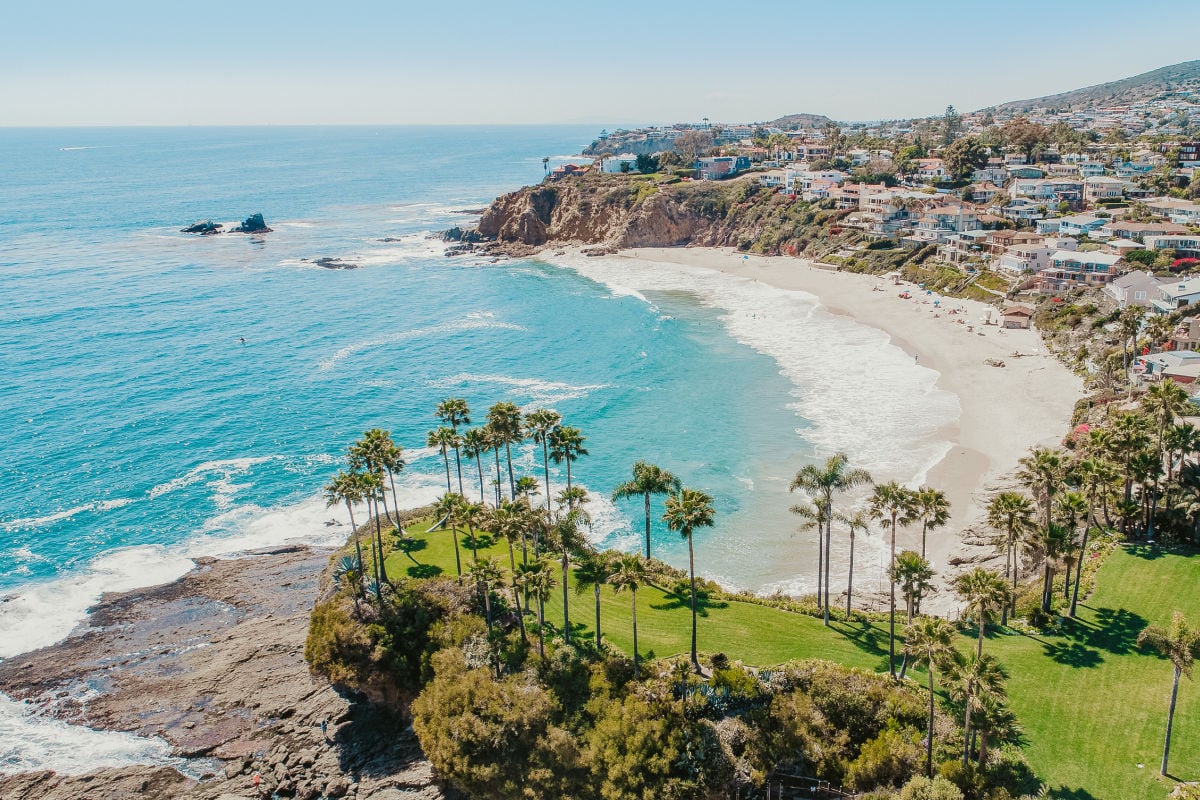
Orange County’s quaint beach towns are gorgeous and it’s honestly hard to pick just one. Each of them tends to have its own unique vibe, such as luxurious Laguna Beach to more laid-back Dana Point and San Clemente.
If I had to pick one it would depend on my budget for the day, but it would be a toss-up between Laguna Beach and San Clemente.
You can’t go wrong with either, although San Clemente definitely has much more of a local feel as a surfer’s favorite hangout.
1) San Diego
My home for 10 years and hopefully many more, San Diego is without question my favorite destination in California.
Traveling is my first love and one of few passions in life, but no matter where I am or how long I’ve been there, I always look forward to coming back home to this beautiful city.
Often overshadowed by the gargantuan size of Los Angeles, San Diego is still a major city with plenty to do beyond planning beach days from Coronado to Oceanside.
With historic districts such as Old Town known as the “birthplace of California” to cultural neighborhoods like City Heights where more than 80 dialects of languages are spoken, San Diego isn’t just a “beach town” per se.
While it’s definitely no digital nomad haven with a high cost of living, my favorite part about San Diego other than Mexican Food, of course, is you can go hiking in the mountains, hit up the beach and see the snow all in the same day.
There is always something to do outside in the city, but the delightful small towns like Julian being in close reach make for an easy escape for a change of pace when needed.
And after a night in the wild Gaslamp District downtown, you will definitely need a change of pace.
Opinions expressed here are the author’s alone, not those of any bank, credit card issuer, hotel, airline, or other entity. This content has not been reviewed, approved or otherwise endorsed by any of the entities included within the post.
Travelers have always been drawn to Mexico’s pristine beaches, archeological wonders, and vibrant city life, but never has the country enjoyed the levels of international popularity it’s experiencing right now.
Following a record-breaking 2023, January and February have seen millions of travelers enter the country’s borders, and though there’s no shortage of gorgeous places people are eager to see across Mexico, three cities, in particular, are currently attracting the vast majority of these visitors.
And if you, too, are thinking about exploring the many wonders that lie just south of the border, why not consider one of these wildly popular destinations?
After all, there’s a reason why people can’t seem to get enough of them.
3. Los Cabos
Famously located in the southern tip of the Baja California Peninsula, Los Cabos has become synonymous with gorgeous all-inclusive resorts and pristine beaches that make a simple sunbathing session feel like a spiritual experience.
And even though avid beachgoers might tell you to stick to the Caribbean side of Mexico, the stunning Pacific shores of Los Cabos are just as breathtaking, so those looking to take in some truly awe-inspiring views have nothing to worry about here.
Be it the picture-worthy sights, overall sense of safety, or just the trendy atmosphere that’s often lacking in bigger hotspots, Los Cabos’ offerings have helped it reach unprecedented levels of popularity, and with so many new exciting places set to open in 2024, a brand new tourism record can’t be too far ahead.
Here, you can spend your days lounging around the sun-kissed beaches of El Médano, exploring the iconic El Arco rock formation, or enjoying the bustling nightlife the city is so well-known for.
2. Mexico City
Once Mexico’s no. 1 destination, the capital has recently been overtaken by another wildly popular city, but its allure as the country’s cultural and historical heart remains as strong as ever.
In fact, considering that the city is the furthest thing you can find from a beachy resort town in Mexico, its continued relevance among travelers is pretty impressive (since, at the end of the day, most people going to Mexico are looking to take advantage of the stunning coastline).
Still, there’s so much to see and do in Mexico City that even if you consider yourself to be part of that beach-loving crowd, taking a day off to visit the capital and see the Zócalo, the Metropolitan Cathedral, the National Palace, and the Chapultepec Park is a must.
This is also the best place to explore Mexico’s world-famous culinary scene.
Most of the popular beach towns in Mexico cater to travelers, which means that the cafes and restaurants you’ll find in those beautiful all-inclusive resorts are usually built with the tastes and preferences of U.S. visitors in mind.
In Mexico City, however, you’ll have a much better chance of finding someplace authentic where locals like to eat – that’s the only way to experience the bold flavors and aromas of Mexican cuisine in their truest form.
1. Cancun
Considering everything you might’ve read about Cancun these past few months, the city’s ranking as Mexico’s biggest hotspot should come as no surprise.
Boasting pearly-white beaches, indulgent all-inclusive resorts, and endless opportunities for water sports, dining, and dancing, Cancun promises the ultimate relaxing tropical getaway.
And if you think the records the city has set thus far are impressive, wait until you see what the latest developments are going to do for local tourism.
The recently launched Maya train will singlehandedly change the way people travel in and around Cancun.
Not only will it allow tourists to get to other wildly popular Mexican hotspots like Tulum in a matter of minutes, but it’ll also make exploring the rest of the country feel like an adventure rather than a logistical nightmare.
What’s more, one of the largest Caribbean all-inclusive resorts is set to open its doors in Cancun this summer, giving a couple of thousand extra travelers the opportunity to indulge in the luxury and natural charm of the city.
Opinions expressed here are the author’s alone, not those of any bank, credit card issuer, hotel, airline, or other entity. This content has not been reviewed, approved or otherwise endorsed by any of the entities included within the post.
Then there are the cities – with Mexico City leading the charge as one of those places you simply must visit once in your life, especially as a solo traveler.
There’s always chatter about safety in Mexico, and naturally there are some places you should avoid, but with usual travel precautions many of the popular locations across the country are safe to visit.
There are plenty of reasons to visit in 2024, not least because the Tren Maya is now operational, making traveling around the super-popular Yucatan Peninsula easier and cheaper – allowing us to see some lesser-known hidden gems.
Canada
With captivating cities like Toronto and Vancouver and some of the most stunning scenery on the planet in between, it’s easy to see why Canada attracts travelers in droves.
While there are plenty of flights available to the neighbor in the north, another great benefit for those that live in the north of the United States is that you can easily drive across the border – giving you the benefit of having your own car when exploring the vast wilderness.
One other great reason to consider visiting Canada next year is that its tourism visitor numbers have not fully recovered yet after the pandemic, meaning the most popular places will still be a bit less crowded than usual.
France
A serial winner of the world’s top tourism destination title, France has an endearing appeal that American travelers just can’t seem to get enough of.
Paris alone is a good enough reason to visit this European country thanks to its beautiful architecture, unrivaled art scene, and oh-so-chic café culture.
Despite that, you may want to avoid visiting in the summer this year as prices will be inflated due to the city hosting the Olympic Games.
Away from Paris, France has many other destinations worth your time and effort – from the lush Loire Valley littered with beautiful chateaux to the sparkling seas and luxury hideaways along the iconic Cote d’Azur.
And with new flights to France being added all the time, there really is no excuse for you not to go and see what all the fuss is about.
United Kingdom
A weekend in London is pretty hard to beat.
This super diverse and constantly changing city is not only home to some of the world’s most famous landmarks but also a place where you can find trendy neighborhoods off the beaten path.
You could spend a few days in London and never go to the same places twice, with more still left to explore. It’s no wonder that Americans love visiting it so much.
Italy is another country that American travelers will always be fascinated with.
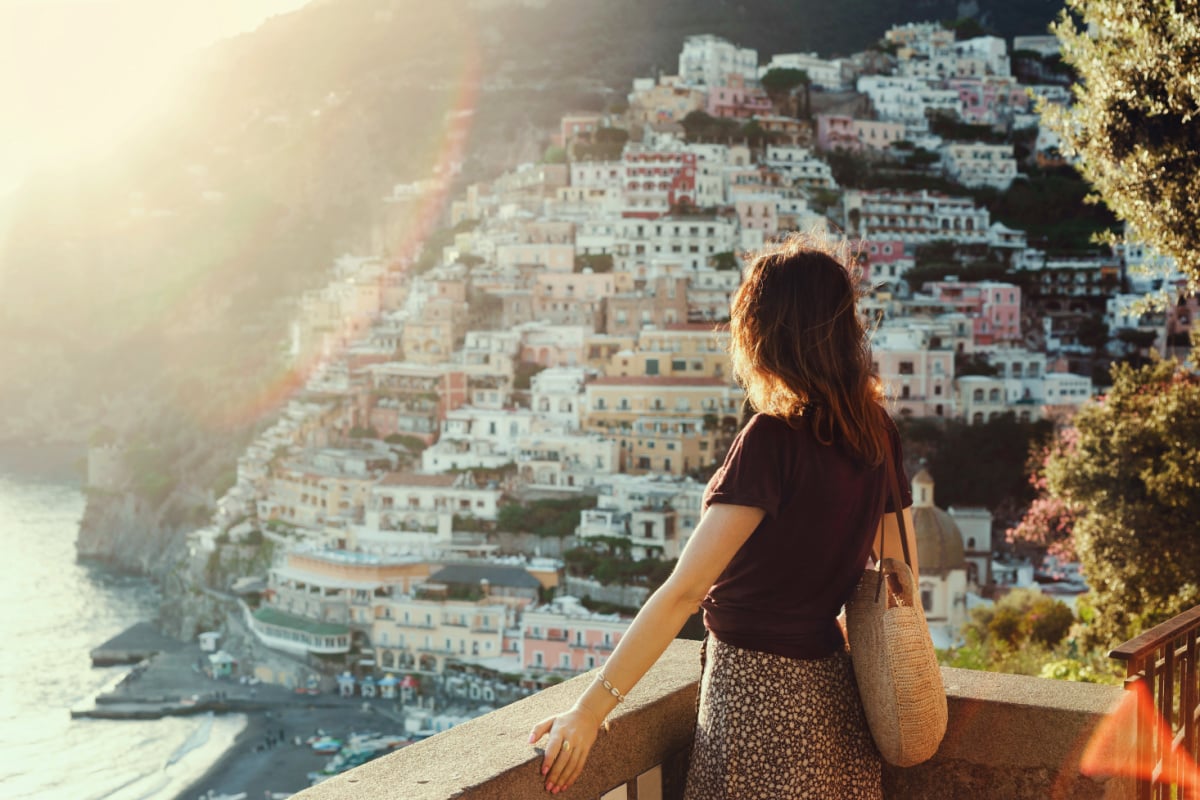
Its varied destinations such as Rome, the Amalfi Coast, and Venice are always great places to explore, even in the winter.
Italy benefits from a very efficient and affordable train network – it’s one of the best ways to get around and see as much of this diverse and historic place as possible.
However, my personal recommendation to check out in Italy is the Mediterranean island of Sardinia.
This gem has some of the best beaches in the country, as well as pretty and historic towns, impressive canyons and valleys, and culture that is unique and separate from the mainstream of Italy.
The remainder of the top 10 from this list are as follows:
It is the largest city in Iceland and the country’s capital, but it is still the smallest city on this list.
During the winter months Reykjavik is a frozen wonderland thanks to its location in the arctic circle but the weather is much milder in the summer when the destination becomes beautifully verdant green.
No matter what time of year you visit you shouldn’t miss the opportunity to visit the National and Saga museums where you can explore Iceland’s Viking history.
Other not-to-be-missed attractions include the chance to swim in the geothermal Blue Lagoon spa.
Reykjavik is an incredible city for nature lovers and if you visit during the winter months between September and April then you’ll stand a good chance of seeing the breathtakingly beautiful Northern Lights.
4. Rome, Italy
Italy is a hugely popular country with travelers from the U.S., and Rome is considered the country’s cultural heart.
Incredible architecture, museums and galleries, delicious food, and the warm Mediterranean climate are all part of the eternal appeal of the eternal city.
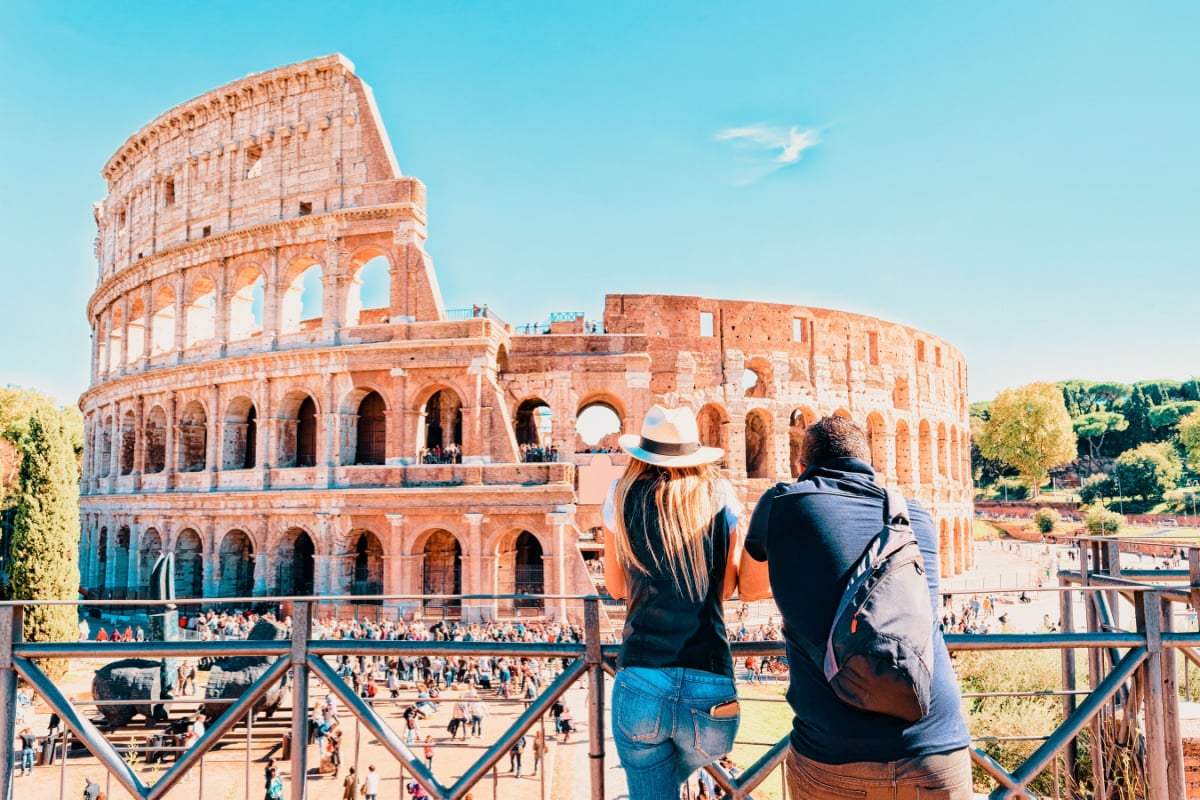
Rome is the third most visited city in Europe thanks largely to its rich history, monuments, and archaeological sites. Some of Romes’s not-to-be-missed attractions include the Colosseum, the Pantheon, the Roman Forum, and the Trevi Fountain.
Although officially a city in its own right, Vatican City is also in Rome, and travelers shouldn’t miss the opportunity to explore its unique and ornate attractions. The Vatican museums are fascinating and you can also see the Sistine Chapel here.
Rome is a modern city with an ancient heart. Spend your days exploring the city’s rich history and your nights eating delicious Italian food and partying with the locals.
3. Dublin, Ireland
Dublin is the 3rd most visited European destination for U.S. travelers. Many Americans choose to visit Dublin because they want to explore their own Irish heritage and others are just looking for a good time!
Some of the main attractions for American travelers in Dublin include The Irish Emigration Museum, the Book of Kells exhibition at Trinity College and the National Museum of Ireland. Dublin is a city with a rich history and these are the best places to explore it.
If you want to learn more about Ireland’s most famous beer, then you can visit the Guinness Storehouse, which was ranked Ireland’s number 1 visitor attraction. And on the subject of beer, Dublin is a great place for a pint or two.
The people of Dublin are known to be warm and welcoming, and the city also has a rich arts and cultural scene that would be easy to incorporate into your trip.
2. Paris, France
Paris is the city of lights and the city of love. Paris has been heavily romanticized in American culture. Because of this it is a bucket list dream for many American travelers to visit the Eiffel Tower and to see the Mona Lisa in the Louvre.
More Americans visit Paris than any other nationality, and if you’ve never visited the city before, then you should see the Eiffel Tower and tick that off your list.
But Paris is a city with so much more to offer than these hugely popular attractions.
Other sites you shouldn’t miss during your Parisian adventure include riding the funicular in Montmartre to the Sacre Couer Basilica, visiting the famous dead in Père Lachaise Cemetery, or watching the dancers at the famous Moulin Rouge.
For something a little different, visit the sprawling Saint-Ouen flea market on the weekends and bag a bargain that you won’t find anywhere else in the world.
1. London, England
London has emerged as the most popular destination in Europe for American travelers. The lack of language barrier makes London an easy place for U.S. travelers to visit, and the city’s rich history is a huge attraction.
Those with an interest in the British Royal Family can explore Buckenham Palace and watch the changing of the guard, stop to say hello to the ravens in the Tower of London (which is where the crown jewels are held), and have a scare in the London Dungeons.
London has an incredible restaurant scene for foodies, the West End is a cultural Mecca thanks to its huge number of shows and events, and with a pub on every corner London’s nightlife is exceptional too.
The most popular month to visit London in 2023 was April. The weather in April is perfect for sightseeing and this is when the city really starts to come alive after a long cold winter.
April is also a great time to visit the city’s many parks and gardens, such as Hyde Park and Kew Gardens, when the spring flowers are in full bloom.
Proving once again it is a tour de force in tourism, Spain has welcomed a whopping 79.8 million visitors throughout 2023, just short of reaching the all-time high figures it posted in 2019, making it the second most visited country worldwide.
Though it is yet to break the record it set four years ago, it is on a clear path towards full recovery, with crowds of tourists seen gathering before Barcelona’s Sagrada Familia for selfies, and beachgoers heading to Costa del Sol en masse for their sunny getaways after three years.
Spain is back to being the second most visited country worldwide, behind only France, and these are five of the main reasons why:
It Is One Of A Handful Of European Nations To Offer This Unique Combination
Europe is an incredibly diverse continent offering both nature and culture-based activities. While countries like Italy and France are highly sought-after for their ancient heritage, Norway and Switzerland have breathtaking natural sceneries for top attractions.
That’s not to say these elements are mutually exclusive, but few European countries excel at combining them the way Spain does: it is the birthplace of renowned artists like Picasso and Dali, it is where bullfighting and flamenco originated, and it lays claim to some of Europe’s top landmarks.
At the same time, the Iberian gem boasts a natural wealth like no other country in its vicinity, with coastlines on both the Atlantic and Mediterranean, a hinterland that is traversed by glorious mountains, and lush-green forests brimming with wildlife.
On the nature side, the Pyrenees range offers some of the best skiing in all of Europe, the Canaries archiepelago remain warm year-round, and island-hopping around the subtropical Balearic Islands, which include Ibiza and Mallorca, is possible as early as February.
When it comes to culture, in strolling the busy streets of Madrid, you should expect to find world-class museums housing awe-inspiring art and ornate buildings; in Barcelona, the narrow, winding streets of the Gothic Quarter are preserved examples of medieval city-building.
In Seville, Moorish influence is everywhere to be seen, owing to centuries of North African control, and the traditional Basque towns in Northern Spain are cultural manifestations of Europe’s oldest and most mysterious ethnic nation.
Spain’s tourist offer is truly limitless, and it has something to offer everybody irrespective of preferences in travel.
The Food Is Just Out Of This World.
Still somewhat in the topic of culture, it’s probably worth mentioning that Spanish cuisine plays a huge part in promoting the country on an international stage, especially when it places ninth for best cuisines in the world, as ranked by Taste Atlas.
The Kingdom of Spain is comprised of 17 autonomous regions, well distinguished for their own cooking practices, and depending on which part of the country you’re in, you are likely to sample completely different, unique dishes that are characteristic of that specific destination.
In Catalonia, it’s all about escudella, a rich stew served with pasta and minced meat and esqueixada, deliciously salted codfish; in Andalucia, the region closest geographically to North Africa, elements of Arab cuisine are noticeable, with one obvious example being pestiños:
These deep-fried pastries soaked in honey are typically Arabic in nature. Other Andalucian delicacies include gazpacho, or cold vegetable soup, and pescaíto frito, fried fish of the day; for the best seafood you’ll ever have, take a Northwest-bound train to Galicia.
Their emblematic polbo á feira and merluza a la gallega, hake fish cooked in white wine-and-vegetables-based broth are to die for, and don’t get us started on the impressive selection of homegrown wine:
Home to Ribeiro and Godellos of Valdeorras, they give their Portuguese neighbors a run for their money.
Ready To Go Off Path?
Speaking of Galicia, it is partly responsible for Spain’s Tourism Reinassance, largely thanks to its off-path appeal and uncrowded spots yet to be ruined by beach bums and the Instagram hordes.
If you’ve been following travel trends lately, you should know by now that lesser-known destinations are witnessing a boom in bookings, and as widely popular as Spain may be, there are still some key spots flying under the radar.
One of those hidden gems, the quaint cobbled city of Pontevedra, jam-packed with historical buildings, inhabited since the Roman times, and a short drive from the sandy Galician coast, is one of the most searched destinations on Google right now.
Galicia as a whole is undergoing a popularity surge, with Santiago de Compostela, the regional capital, gaining traction due to its magnificent cathedral, the last stop on the Way of Saint James pilgrimage route, and its status as a UNESCO World Heritage city.
Elsewhere in Spain, the lesser-known Canaries are becoming more popular with American tourists since nonstop flights to Tenerife were introduced back in 2021, bringing Americans closer to Spain’s forever-springtime, paradisaical islands.
Even the Andalusian hinterland, often skipped by visitors heading straight for Madrid or Barcelona, Spain’s top two tourist destinations, is now seeing a record increase in visitor numbers, being predicted to welcome over 33 million guests in 2024.
Andalusia is the land of whitewashed mountainside villages, Moorish palaces, and flamenco art.
Did You Know The Warmest Region In Europe Is In Southern Spain?
Andalusia’s importance for the Spanish tourism sector cannot be so easily overlooked. Since summer ended, it has been instrumental in keeping arrival figures high, and the explanation is rather simple.
It is the hottest region of Europe, being geographically the closest territory to North Africa and bearing the brunt of the heatwaves coming from across the azure Mediterranean. Believe it or not, Andalusia is best experienced in the off-season.
Summers and the fall are scorchingly hot, with temperatures easily hitting 122°F and higher in larger urban centers, particularly the open furnace that is Seville, and unless the prospect of sunburns and the dry heat doesn’t faze you, we would strongly recommend visiting in spring, or even winter instead.
Right now in Malaga, the gateway to Andalusia’s Sunny Coast and an ancient port littered with Roman and Moorish ruins, it’s still a pleasant 73.4°F, perfect for some sightseeing.
The beach zones in Marbella and Estepona are also perfectly warm irrespective of season, and though the Mediterranean may be colder this time of year, we would choose leisurely strolls down crowd-free, palm-lined boardwalks, sipping on tinto de verano and admiring the coastal over the chaos of the peak season any day.
Spain Is A Bargain Of A Holiday
Finally, Spain is not as expensive as you may think.
Granted, it is no Balkans or Eastern Europe, but prices across much of the country, excluding ultra-popular cities, are considerably cheaper than France’s or Italy’s and certainly more affordable than the U.S. average.
Tourists spend on average $43 on meals every day and $134 on hotels, while the total cost of a one-week trip to Spain for two people is an acceptable $2,300 (excluding flights).
Traveling on a budget – i.e., staying in hostels or low-priced guesthouses and avoiding expensive eateries – costs are reduced even further, capping at $64 per day, including accommodation and all daily expenses.
This winter, you can book the centrally-located Chinitas Urban Hostel in sunny Malaga, famous for its rooftop bar with privileged views of Malaga Cathedral, for only $26 per night or an overnight in a private room in a local guesthouse for a reasonable $35.
Feeling inspired? You can learn more about Spain and discover five incredible cities to visit in the heart of Iberia this year by reading further here.