From block parties starting at dawn, samba music echoing the streets, and a wild feast of hedonism, this is Rio de Janeiro’s Carnival. Although over 50 countries celebrate Carnival before Lent, there is none more famous than Carnival in Rio de Janeiro in Brazil.
More than 80,000 tourists will be flocking to this year’s Carnival celebration, representing an all-time high when compared to the past two years that curbed tourist numbers.
Organizers are faced with heavy planning for throwing one of the biggest parties of the year, but the payoff is an energetic and colorful celebration that will be even bigger and better this year. Residents and Carnival attendees have been starved of the celebrations during the 2-year hiatus, and Eduardo Paes, the Mayor of Rio, has called this year a “carnival of democracy,” a time that is welcomed after a tumultuous political climate.
Visitors can expect over 150 block parties (or blocos) during the main celebration of February 17-25, while samba schools will hit the streets to parade through Carnival’s official venue – Marques de Sapucai Sambadrome. Since the celebration is so large, it can be hard to know what you’re walking into, but here’s what to expect during the month of wild and brightly colored festivities.
The Official Blocos
Blocos is the term used to describe the free and wild parties that take place on the streets, which are considered the heart and soul of Carnival. There are more than 450 official blocos (150 during the official period) that are granted to roam the blocks this year up until late February. Celebrations for Carnival start a few weeks before and continue after the parade ends, so don’t think the parties are only exclusive to the official dates.
It’s recommended to get to the starting point on time since the parades are on the move, and it might be difficult to locate them if you’re late. Make sure you also keep your valuables and phone at home (if you don’t have a good hiding spot) because petty theft is quite common.
Each bloco has its own flair, whether it be the type of music they play, how people dress up, or the number of people (the smaller ones can be just as fun as the larger events). You’ll find the more family-friendly block parties are the ones that kick off at dawn, while the large, tourist ones take place on the beaches. To get the full experience, you’ll want to head to as many blocos as possible, and you should plan your itinerary in advance since there are different locations spread across the city.
The Unofficial Blocos
While the official blocos are organized events, there are plenty of unofficial groups that are known to organize parties via Whatsapp and Instagram. These parties are spread through word of mouth, so you’ll want to make friends with a local to be kept in the know.
These spontaneous block parties are considered an essential pillar of Carnival, where the playfulness and creativity really shine from the local organizers. Just like the official blocos, they are known to have themes or interesting names, such as one carnival organizer named a bloco “Geleia da Shakira” / Shakira’s Jam – a nod to the recent news about popular singer Shakira catching her ex cheating by how much jam was left.
Sambadrome Parades
Despite being more of an attraction for tourists, you don’t want to miss the Sambadrome parades that take place across five different nights in the official stadium. This is where the best of the best Samba schools compete against each other in a dazzling spectacle of over-the-top costumes and decadent floats. Unlike the block parties, this is a paid event, with the final champion parade being the most expensive (from around US $114), so you’ll want to get your tickets ahead of time.
Carnival Balls
If you’re looking for something more exclusive, the Rio Carnival balls are popular events with a guest list of the rich and famous. The most famous balls are considered the Magic Ball at the Copacabana Palace and the Scala Ball. These over-the-top events come with a theme and dress code and a competition for the most eccentric costume.
The balls are considered a very glamorous and classy event, with tickets ranging from US$600 to US$1200 per person to attend. If you’re not fussed about attending the main balls, you can find some cheaper carnival ball options, which are considered much wilder.
We know Cancun can be chaotic at times. Over the years, it transformed into the most popular beach destination in the Americas, and as a result, excessively long queues at the airport, traffic delays, and crowding became common occurrences. Fortunately, authorities have begun addressing complaints and improving the visitor experience. On this article, we will give you 4 reasons why traveling to Cancun will be more stress-free than ever this winter, despite mass tourism (and the long-standing security challenges):
Passport Control Will Take Less Than 30 Minutes
An excessively long waiting time at passport control has become one of the leading causes of distress among passengers arriving in Cancun. Understandably, Americans winter break want to clear customs quickly to enjoy as many precious hours of sunshine as possible, not be held up at immigration for hours on end until they can speak to an agent.
This season, sun-seekers will be thrilled to learn that INM, Mexico’s National Institute of Migration, is launching a pilot program in Cancun to expedite the screening of international arrivals. Their ultimate goal is to get Americans through in ‘less than half an hour’, as stated by Roberto Gonzales Lopez, an INM delegate.
The program will involve the opening of new E-Gate lanes, which will allow U.S. passport holders to scan their way into Cancun, lowering waiting to 25 minutes or less, even at peak times. Other measures enacted by the local Government include the scrapping of the much-criticized customs form, and deployment of more immigration staff to keep up with demand.
Transfer Times Have Been Reduced As Well
Prior to this year, commuters were advised to leave several hours ahead of their check-in time in case there was congestion at any point along the Luis Donaldo Colosio Boulevard, the main road leading to the airport. Needless to say, getting stuck in traffic when you have a flight to catch can be quite stressful, and definitely not the best way to spend your last day of vacation.
This year, however, authorities have been working around the clock to finish construction on the boulevard, and streamline the flow of vehicles. Over the holidays, Americans will no longer have to take secondary routes, or wake up in the early hours to make it to the departure gate on time. To be more precise, transfer times are now estimated at 45 minutes.
We must reiterate estimations are not always reflective of the situation on the ground, especially during the high season, when arrival figures tend to skyrocket, but it still represents a significant improvement over previous reports. In quieter days when traffic is minimal, a taxi ride may take no longer than 20-25 minutes.
Cancun Is Cracking Down On Taxi Misconduct
The Cancun taxi monopoly can lead to a whole lengthy discussion that deserves its own feature article – and trust us, we are not fans of the so-called ‘shark tank’ corridor, either: landing in Cancun, passengers must walk across it in order to reach the transfer desk, to the disconcerting shouts of drivers offering rides, some unlicensed.
The Quintana Roo administration is yet to tackle this issue in particular, but they are revoking the permits of drivers who commit acts of misconduct. If you ever got into a cab and felt like the conductor was ill-mannered, or even feared they could turn violent over a disagreement (e.g. after you disputed an inflated fare), you will know why this is such an important step.
As reported by The Cancun Sun, misconduct is defined as assaulting passengers, a colleague, or even drivers from private companies like Uber. We do not know, at this stage, whether scammers will also be punished under the new stricter guidelines, but it’s a fact the city has moved quickly to redress the problem, after multiple reports emerged in October.
Increased Police Presence In Tourist Hotspots
Safety is a major concern for U.S. citizens going abroad, especially to Mexico, where they are met with striking cultural differences and risks they may not find at home. With that being said, let’s make this clear: Cancun – and the wider Riviera Maya – is perfectly safe for foreigners, especially those traveling on an all-inclusive package and staying in tourist areas.
Unlike in Colombia, where Americans have been directly affected by crime, officials here have ensured guests are well-received and looked after. This year, they really went above and beyond in tightening security on beaches, sending more police officers, and even the navy, to keep crime under acceptable levels.
Soon enough, yet another operation will take place – in Tulum speifically – to further heighten surveillance in the town. Dubbed the Guadalupes–Reyes program, it will be headed by the Tulum Civil Protection Coordination, in partnership with the National Guard, the Navy and many other entities, with the sole purpose of protecting beachgoers.
In other words, Cancun has never been safer, or more pleasant to visit. If you’re flying to Mexico this winter, don’t forget to keep up to date with all the latest developments affecting tourists in Quintana Roo by accessing this link.
Amsterdam will soon take measures to prevent certain types of tourists from visiting the city. The Dutch capital regularly sees upwards of 20 million tourists each year, making it one of Europe’s most popular destinations. The city’s liberal attitude towards sex, drugs, and alcohol has given it the reputation of a city where ‘anything goes. Tourists have taken advantage of that, and it has become problematic. Now, officials are attempting to take back the city for locals by telling some tourists to stay away.
Amsterdam’s deputy Mayor Sofyan Mbarki has stressed the need to intervene. “Action is needed to prevent nuisance and overcrowding. Amsterdam is a world city, and bustle and liveliness come along with this, but to keep our city liveable, we need to choose limits instead of irresponsible growth.”
The problem, as seen by officials, is that the activities of tourists are lowering the quality of life for residents. Amsterdam attracts many tourists wanting to partake in activities often deemed unsavory in their home countries. Their behavior often spills from the coffee shops and clubs into the streets causing an unpleasant living environment for locals.
That combined with the sheer number of visitors who flock to the city has created a unique problem. Amsterdam is suffering from too many tourists, specifically too many of the types of tourists that they don’t want. In response, Amsterdam’s officials are launching a campaign, bluntly named ‘Stay Away,’ to make it clear who is unwelcome in the city.
In the spring of 2023 the ‘Stay Away’ campaign will attempt to curtail tourist numbers by disincentivizing many popular activities. The goal is to keep out the following types of tourists:
Cannabis And Drug Tourists
Amsterdam is famous for its coffee shops that allow customers to purchase and consume cannabis and other “soft drugs”. The cafés are so popular that in the city center alone there are 92! According to research, half of all tourists to Amsterdam plan to visit a coffee shop during their travels. 16% of visitors state that it is the main reason for their visit to Amsterdam.
To keep cannabis and drug tourists away the city has made some proposals. Regulations could include a ban on smoking cannabis on the street in tourist areas. Measures could even extend to banning sales of the popular drug in the red light district on weekend nights.
Batchelor Parties And Drunk Tourists
The streets of Amsterdam are one of the most popular destinations for bachelor parties in Europe. The city’s famed Red Light District is home to a lively bar scene and an accessible sex industry. Revolving groups of young men frequent the city with the expectation that they will have the time of their lives and often wreak havoc on the streets with their drunken debauchery which can get out of hand.
The city plans to dissuade these types of tourists by mandating earlier closing times for bars and brothels, and by outlawing organized pub crawls.
Sex Tourists
Prostitution is legal in Amsterdam and has been regulated by the Dutch government for over 20 years. That has made the city an international destination for sex tourism, which in turn has created a booming sex industry. Brothels, peep shows, strip clubs, and sex shops can be found all over the Red Light District.
Officials hope that plans for earlier closing times and restrictions on businesses within the Red Light District will let sex tourists know that they are no longer wanted in the city.
Too Many Tourists
In addition to discouraging the types of tourists that are unwanted, Amsterdam’s officials are also taking measures to combat over tourism. They are seeking to limit visitor numbers to 20 million by imposing a tourist cap. They also want to limit the city’s popular river cruises and guided group tours, tighten rules around short-term rentals, and potentially impose a tourist tax.
While official plans won’t be determined until next week, the ‘Stay Away’ campaign is sure to make some tourists feel unwelcome.
What Type Of Tourists Are Welcome?
Tourists are still welcome in Amsterdam, however, these measures are meant to find a balance between tourism and the day-to-day lives of locals. Officials want to find a way for tourism to contribute positively to the city rather than undermining it. The goal is to bring in the right amount of tourists who can appreciate Amsterdam for its beauty, people, and unique cultural attractions.
These unique North American cities will make you feel as if you’ve been transported to Europe.
Most cities in North America are very new in comparison with their European counterparts, and they lack the Old World charm that can only be found across the Atlantic.
In North America, you won’t find many thousand-year-old castles, towering cathedrals, or cobblestone streets.
But there are some cities that have a decidedly European flair to them, whether it’s real (in the case of 500-year-old colonial cities) or manufactured (in the case of 50-year-old “themed” cities.)
These are five cities in North America that feel like visiting Europe:
1. Quebec City, Canada
Quebec City tops the list of the most European-feeling cities in North America. It’s no surprise that this Canadian city has a strong European feel to it, given the French influence on Quebec.
Known for its rich history, cobblestoned streets, and beautiful architecture, Quebec City is a slice of Europe in North America. Adding to the sensation that you’re actually in Europe is the fact that 95% of Quebec residents are French speakers.
One traveler was amazed by the parallels between Quebec City and other European destinations such as Switzerland, Germany, and Austria. Quebec City is a top destination for food, arts, and culture in Canada.
For one of the most unique places in the Pacific Northwest, head to Leavenworth, Washington. This town will make you feel as if you’ve stepped directly into a quaint Bavarian village.
Leavenworth, which is located in the Cascade Mountains, didn’t always have its unique German theming, with Alpine-style buildings and German beer halls. It actually began as a civic initiative in the 1960s to attract tourists.
Now, Leavenworth is a popular winter destination, when the town is transformed into a winter wonderland filled with twinkling lights. They are also known for hosting Oktoberfest in the fall.
3. Solvang, California
Solvang is one of the most intriguing places in the United States. Visitors to this town might find it hard to believe that they’re actually in Southern California and not Denmark.
That’s because Solvang is known as the “Danish Capital of America.” Settled by a group of Danish Americans in the early 1900s, they wanted to escape the cold winters of the Midwest, where most Danish immigrants lived.
Solvang has a unique Danish-style architecture and flair that cannot be found anywhere else in the U.S. The Elverhøj Museum of History & Art explores the city’s Danish heritage. The town is also known for its many wineries, making it a popular day trip in Southern California.
B
4. Mexico City, Mexico
Mexico City is a bustling, world-class city that rivals any European capital. It’s a vibrant and multicultural city known for its architecture, museums, food, nightlife, and culture.
European influence can be glimpsed around the city. Picturesque, tree-lined avenues in neighborhoods like La Condesa and Roma Norte lend an especially European feel to the city.
Mexico City is often compared to Paris because of its status as a hub of arts and culture. It’s not hard to see why many artists, writers, and filmmakers have been inspired by Mexico City over the years.
5. Guanajuato, Mexico
The city of Guanajuato is often described as one of the most beautiful cities in Mexico. Its colonial architecture and colorful buildings give it a decidedly European feel.
Guanajuato’s historic center is a designated UNESCO World Heritage Site, and its cobblestoned streets are lined with beautiful colonial buildings, museums, galleries, and shops.
Narrow, mazelike alleyways open up into squares with stunning churches, while underground, Guanajuato has a hidden system of tunnels dating back to its copper mining history. These tunnels are open to tourists today and are one of the most interesting things to see in the city.
Earlier this week, a tourist was scolded and physically attacked by an angry crowd after climbing the historical pyramid of Chichen Itza in Mexico. After the incident went viral on TikTok, numerous users began wondering why her behavior was so strongly reprimanded and, most importantly: what exactly are the rules for visiting an ancient site?
Chichen Itza is a large archaeological zone in the Yucatan Peninsula of Mexico, comprising the ruins of a 1,272-year-old city dotted with Late Classic architectural gems. Its most iconic symbol, the Temple of Kukulcan, is a traditional Mayan step pyramid where sacrifices and other pre-Columbian religious practices were carried out.
Purely out of respect and due to local conservation efforts, tourists must refrain from entering areas closed for visitation or face the consequences:
A Woman Faces An Angry Mob After Breaking Visitation Rules In Mayan City
If you follow all the latest Cancun and Riviera Maya news closely on our sister website The Cancun Sun, you know by now a tourist identified as Abigail Villalobos made headlines after reaching the very top of the Temple of Kukulcan, a sacred Mayan pyramid that’s part of the Chichen Itza complex, which dates back hundreds of years.
Visiting Chichen Itza as a whole, you will find several signs indicating which paths and attractions are open to tourists and which are not. The pyramid itself is usually cordoned off to remind day-trippers climbing is not permitted, but this was no impediment for Mrs. Villalobos, who proceeded to climb and ungraciously dance atop the monument:
Ce n’est pas parce qu’il y a des marches qu’il fallait les emprunter…la touriste en question a été arrêtée par la police et risque une amende de plusieurs dizaines de milliers de pesos.
Making her way down, she was greeted by an angry crowd of onlookers, who started booing, pulling her hair, and chanting ‘jail, jail, jail‘, or even ‘sacrifice‘. Mrs. Villalobos was escorted away from the mob by local staff and has been issued a fine of US $250.00, or the equivalent of 5,000 Mexican pesos, for breaking visitor rules.
Unlike other pyramids in Mexico, most notably the temples in Teotihuacan, the sacrificial chambers of Kukulcan remain off-limits since 2006, when an elderly tourist from California fell down the UNESCO-listed building and tragically died. Nowadays, ticket-holders can only walk around the pyramids but not ascend the steep steps due to security concerns.
What Are The Rules For Visiting A Historical Site?
These may vary depending on a site’s state of preservation, but there is an ‘Etiquette’ that should be followed when touring ancient sites. The Society for American Archaeology lists a few of them, and although they refer specifically to monuments found in the United States, they may also apply to Chichen Itza, and any other ruins of historical relevance in Mexico:
Visitors must avoid moving or disturbing anything from the site, as they may be ‘evidence’ left by its former inhabitants;
When finding an artifact, examining it from a distance, drawing it, and photographing are allowed, but it must be left in its original position;
Unless there is proper infrastructure in place, such as boardwalks, avoid stepping on ancient structures and mounds, as you may inflict damage;
Leaning, sitting, standing, or climbing on ‘prehistoric’ walls is strictly forbidden;
Staying on tourist paths and trails is advised, as it helps preserve the site for future generations;
Waste should always be disposed of appropriately: any food leftovers, cigarettes, or trash in general lying on the ground can attract wild animals, known to be ‘very destructive’;
Whenever possible, pets should be left behind when entering archaeological zones (for the exact same reason as the one listed above).
Other additional rules that are exclusive to Chichen Itza include, obviously, not scaling the temples. This may be permitted across other archaeological zones in Mexico, but for the sake of this specific Mayan city’s conservation, as well as due to safety, some monuments must be observed from afar – and security tends to be very strict, as evidenced above.
Additionally, camera tripods are not permitted, irrespective of size, as they are considered ‘professional equipment’. In order to bring tripods and/or video-cameras to the site, visitors must arrange a permit in advance. Bringing your mobile phone, tablets, and other smaller devices with the sole purpose of taking pictures is allowed.
You Don’t Need To Conquer Summits To Soak Up The Incredible Mayan History
Fortunately, most of Chichen Itza can be explored by foreigners, albeit with limitations as to which temples can be approached. Conquering the summit of the pyramid is no longer possible, but Americans are free to closely examine other landmark buildings, such as the Akab Dzib, with a perfectly preserved, well-cut stone facade.
The Nun’s House is another inviting attraction, described as ‘one of the most imposing of all the architectural groups in Chichen Itza‘. The main section is about 33 feet high, featuring an elaborate staircase that, in primeval times, connected the upper and lower temples. The exterior is richly decorated in the Chenes style, with the usual ‘monster mouths’ framing the entrance.
Like most Mayan cities, Chichen Itza was built in close proximity to cenotes, a complex system of submerged caves the Mayans believed to be the gateway to the underworld. Unlike the Kukulcan Temple, tourists can both access and swim in them. As you can see, there are a lot of ways to soak up a place’s History and have an amazing time without being disrespectful.
If you’re flying to the Mexican Caribbean this winter, discover our top 3 historical Mayan ruins for an incredible day-trip from Cancun.
On April 1st, 2021, the Mexican government implemented a tourist tax for international visitors coming into the state of Quintana Roo. Many of the most popular destinations in Mexico, including Cancun, Playa del Carmen, Tulum, and Cozumel, are located within Quintana Roo. As a result, most tourists entering Mexico are subject to the tax, which applies to all tourists over four. Though the tax has been around for over a year, many remain unaware of its existence.
How Much Is The Tourism Tax?
The total fee per visitor amounts to $241 Mexican Pesos, or roughly $12 U.S. Dollars as of this writing. The fee applies to every traveler over four who will visit any part of the Quintana Roo state. To pay the fee, travelers can use the Mexican Government’s VISITAX website before or during their trip. The tax is a measure to raise funding for development in the tourism industry, and it was initially estimated that the tax would produce $29.1 million U.S. dollars in 2021. However, many tourists remain unaware of the tax, which has made its collection unpredictable.
Do You Have To Pay The Tax?
The Quintan Roo tourism tax is mandatory for every traveler over four. So, if you are reading this, you should probably pay the tax. However, information regarding the tax is fairly limited, and its existence has eluded many travelers even after a year of being in effect. Beyond the payment website itself, it can be difficult to find information about the tourism tax. Some travelers have reported that they traveled to and from Cancun without ever being asked for proof of tax payment, leading others to ignore it. However, the tax is still mandatory, and travelers could still be asked to provide proof of payment.
A Word Of Caution
There is only one official site that travelers are to use when paying the tourism tax. For clarity, the site with its entire URL string is https://www.visitax.gob.mx. Any other site users may find through search engines or other means is NOT the official portal for paying the tourism tax. Many sites have popped up after the tax introduction that attempt to take advantage of travelers planning to visit Quintana Roo.
Because Travel Off Path does not wish to further these sites by providing links to them, we’ve included screenshots of the prices that a few of these sites are charging for the tourism tax. As you can see, some sites are charging as much as $42 for the $12 tax. Presumably, they are taking your information, paying the tax, sending you the confirmation, and pocketing the difference. However, since none of these sites are official avenues for paying the tourist tax, it’s unknown whether or not they actually pay the tax in your stead.
Latest Updates
When this tax was first introduced, it lacked a system to support its enforcement. Hence, many travelers have gone to and from Quintana Roo without paying or being asked about it. However, Mexico is slowly adding more infrastructure to the system. Recently, it introduced VISITAX payment modules in arrival terminals 2 and 4 at Cancun International Airport.
International tourist friend, now you can make your VISITAX payment directly at the Cancun International Airport, locate our modules in arrivals terminal 2 and 4, from Monday to Sunday from 8:00 a.m. to 5:00 p.m. to 6:00 p.m. pic.twitter.com/jWFvYQOxhm
Until recently, the only way to pay the tax was through the use of the online form. However, travelers can now pay in person at Cancun International Airport. It seems the government is trying to make the tax more apparent and more stringent enforcement could soon follow.
Information Needed To Pay The Tax
In order to pay the tax, travelers will need to fill out either the online form or use one of the in-person modules located in Cancun International Airport. The form will require:
The Number of People in Your Party
First & Last Names of All Party Members
Birthdates of Each Party Member
Passport Numbers for All Party Members
The Date of Departure from Quintana Roo
Proof of payment will be provided and, if enforced, must be shown to airport security before departing. As more destinations continue to add tourist taxes, travelers will likely see them become the new normal. Thankfully, this particular tax remains low for now. And although many travelers have gotten by without paying the tax since its introduction, it is still mandatory.
This article originally appeared on Travel Off Path. For the latest breaking news that will affect your next trip, please visit: Traveloffpath.com
Enter your email address to subscribe to Travel Off Path’s latest breaking travel news, straight to your inbox
Disclaimer: Current travel rules and restrictions can change without notice. The decision to travel is ultimately your responsibility. Contact your consulate and/or local authorities to confirm your nationality’s entry and/or any changes to travel requirements before traveling. Travel Off Path does not endorse traveling against government advisories
More travelers are interested in visiting this fascinating destination that has so much to offer, from fascinating buildings and casinos to amazing landscapes and outdoor activities.
This year’s Las Vegas hotels’ hidden fees are higher than ever. These extra charges —written in fine print— range from $40 to $80 per night and can be excused as “benefits” or “perks” that are usually included in other hotels like internet services or parking spots.
Before booking a room, make sure you understand all fees included or search for hotels without resort fees. The room might look cheaper in comparison to other options on popular platforms like Booking.com, but at the end of the booking process, when these fees are added, it might actually be the most expensive room in the market. Read carefully!
Consider Weather
The extreme summer heat has been extending to September, just a couple of days ago, Las Vegas peaked at 110 degrees. However, forecasts say it will cool down, and a few storms will occur. If you are traveling to Vegas soon, consider clothing for rain and hot weather.
Some travelers believe that the best time to visit Las Vegas is between September and November because the extreme heat is gone. The best weather sets in October—temperatures range from 89°F to 75°F— and November—from 74°F to 61°F.
Don’t Miss Unique Fall Events
There are many important and unique events in Vegas, like Adele’s Vegas Show at Caesars Palace which will finally start on November 18. Of course, Las Vegas offers events and shows for all tastes.
Travelers also can visit traditional casinos and museums like Madame Tussauds or the Illumination, but there are seasonal or once-in-a-lifetime events that might be worth the shot. Visitors can see upcoming events at Visit Las Vegas, Las Vegas Calendars, or Eventbrite.
Las Vegas Is Not Cheap
You don’t have to lose money on bad bets in the casino to realize that your budget might not be as sufficient as you thought. Travelers will encounter expensive hotels, expensive hidden fees, expensive meals, expensive shows, expensive gambling, and expensive shopping, especially on the Strip.
Try Simple Ways To Save Money
This is a city of opportunities and visitors can avoid spending money on tourist locations to save a few bucks and also prefer low-budget and yet unique things to do in Vegas like visit the Bellagio Conservatory & Botanical Gardens—or even getting last-minute tickets for shows. Also, traditional saving strategies like avoiding holidays, using reward points, and comparing rates are always useful.
Enjoy Nature
You have the perfect weather to make the most out of outdoor activities during fall. Las Vegas has so much more to offer than casinos and night shows. Without the extreme summer heat and still away from the freezing desert winter, it’s the perfect opportunity to go for a hike—there are great routes at the Valley of Fire State Park—, go kayaking, and if you are not that sportif, maybe a helicopter tour around the Grand Canyon?
Make Reservations For The Things You Don’t Want To Miss
If there is a show, conference, restaurant, museum, Grand Canyon tour, or activity you absolutely want to do while in Vegas, make that reservation asap! Tickets usually sold out fast for the most popular shows and iconic restaurants are typically full. You might save money by finding alternatives like last-minute tickets, but you risk missing what’s important to you.
Enter your email address to subscribe to Travel Off Path’s latest breaking travel news, straight to your inbox
Disclaimer: Current travel rules and restrictions can change without notice. The decision to travel is ultimately your responsibility. Contact your consulate and/or local authorities to confirm your nationality’s entry and/or any changes to travel requirements before traveling. Travel Off Path does not endorse traveling against government advisories
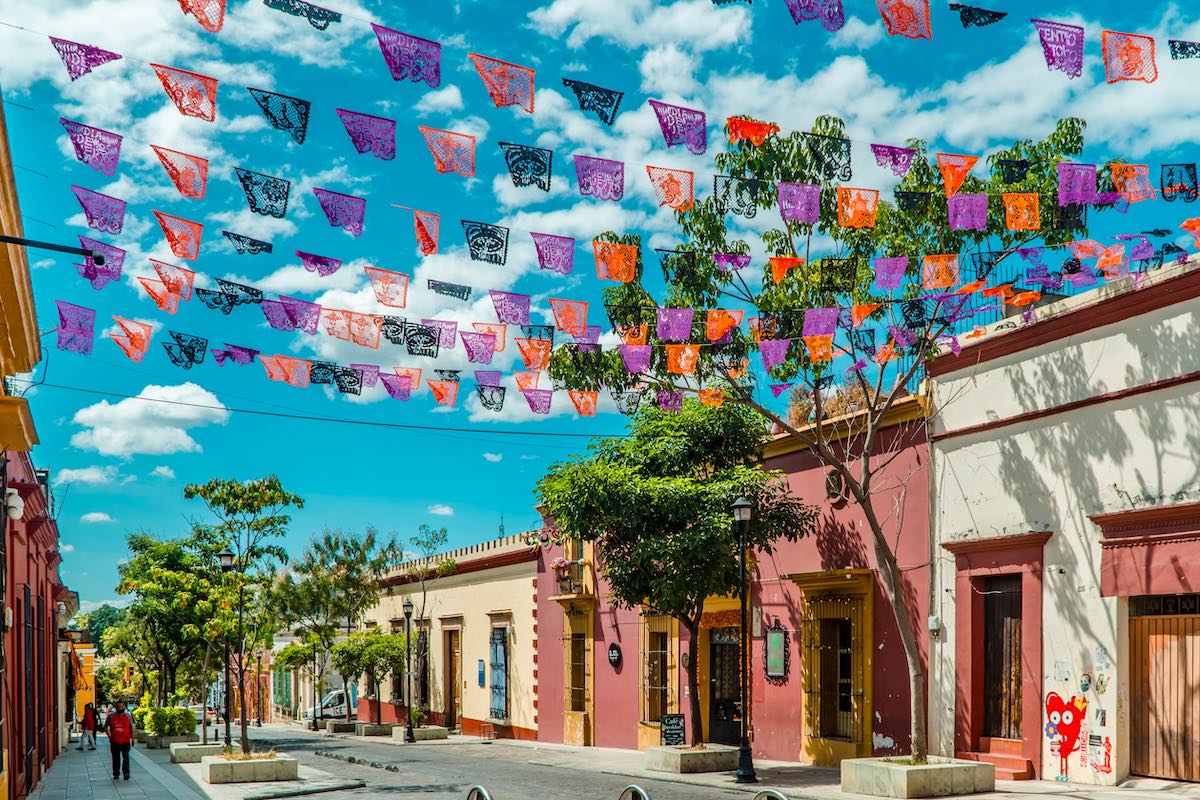
Oaxaca (pronounced wa-ha-ka) is also known as Oaxaca de Juarez, the capital city of Oaxaca state in Mexico. The city is steeped in history that starts along those cobblestone roads of Centro and into the narrow streets of the city where boutique cafes, restaurants, art galleries, inviting parks, and dimly lit mezcalerias are lurking around just about every corner.
Oaxaca’s unique climate (subtropical highland climate at an over 5,000 ft elevation, just fyi) makes for some amazing food, with some of its cuisine’s key ingredients coming from the nearby Sierra Madre mountains.
In this guide, you’ll find useful travel tips for Oaxaca, like:
How much should you budget for travel?
Dos and don’ts
What are the top experiences and things to do in Oaxaca
How safe is it?
Ready to get to know more about this fascinating destination? Here are the top 10 things you need to know before visiting Oaxaca, Mexico.
How Hard Is It on the Wallet?
⭐⭐⭐
Rating: 2.5 out of 5.
When it comes to GDP per state in Mexico, Oaxaca is on the lower end, ranking 20th overall just above Yucatan and Chiapas. More than a decade ago, Oaxaca was known for being uber cheap for tourists but those days are unfortunately long gone.
While Oaxaca is getting more expensive, it’s still cheaper for tourists than destinations like Mexico City, Cancun, and Puerto Vallarta. So I’m giving it a 2.5/5 when it comes to the affordability scale. Here’s a little breakdown of what to expect when it comes to prices and cost of living in Oaxaca:
Food: Food prices in Oaxaca, as with so many other travel destinations, can really vary. A meal for two on a fancy rooftop restaurant in the heart of Centro will set you back about 500 pesos, and your morning latte will be priced at about 50 pesos.
If you want to cook at home, fruits and veggies in the market will typically be plentiful and priced lower than in the U.S., Canada, and Western Europe. Here’s an overview of the latest costs in 2022.
Accommodation: In Oaxaca, you can still snag a hostel bed for 200 pesos per night (plus 16% VAT). A double room in a hotel in the center of town has an average price of 2,000 pesos (100 USD) per night.
If you’re renting monthly (and traveling with an average budget) don’t pay more than 8,000 pesos per month for a one-bedroom apartment. Local prices are still cheaper, but an influx of tourists and expats has led to a rise in housing prices in Oaxaca.
Transportation: Oaxaca de Juarez is pretty much a walking city, so if you’re in and around Centro and have the ability to do so, the best way to get around is on foot. Public buses to get you to different parts of the city cost about 8 pesos (less than 50 cents USD).
If you want to flag down a taxi, fares start at around 40 pesos.
Gas prices are pretty comparable with the rate in the U.S. and Canada, at around 22 pesos (a little over 1 USD) per liter or 1/4 gallon.
How Is It as a Foreigner?
⭐⭐⭐⭐⭐
Rating: 4.5 out of 5.
Oaxacans are friendly and outgoing. They are courteous and polite, and expect the same from everyone else. So wander the streets with a good attitude, practice your Spanish, and you’ll be welcomed with open arms.
So many foreigners from all over the world have a great experience here and that’s why they keep returning.
Customs and Culture: Do’s and Don’ts in Oaxaca
Oaxaca de Juarez doesn’t really have any strict cultural etiquette for tourists to abide by compared to other destinations. But if you’re visiting this beautiful city, here are a few important things to keep in mind:
Don’t join protests
DO learn and practice your Spanish! Greet strangers on the street with a friendly buenas dias.
DO accept food when offered by a local in any sort of hospitality situation, as it’s considered impolite not to accept this kind gesture.
DO try as much mole as possible!
Top Trending Things to Do in Oaxaca
From the top sights in the city to excursions outside of town, here are the top things to do in Oaxaca de Juarez in 2022.
Jardin Etnobotanico de Oaxaca: These are the botanical gardens located right behind the main cathedral in Oaxaca Centro. Come early to join a guided group tour showcasing some of the region’s most impressive native plants.
Hierve el Agua: This is that gorgeous pic you’ve probably seen on Instagram of the floating pool. Located just over 40 miles outside of the city, Hierve el Agua is a series of cliffs and rock formations with mineral build up. Tourists can visit the natural and artificial pools on-site that offer gorgeous views of the surrounding valley.
Monte Alban: Telling the story of the Zapotec, Mixtec, and Olmec empires, Monte Alban is an archeological site just outside of Oaxaca city that consists of a plaza and a series of tombs, palaces, and stone carvings. The site dates back to 500 B.C.E. Get a taxi early in the morning to be there by the time the park gates open at 8 a.m. You won’t find much shade here, so make sure to bring a hat and sunscreen.
How Safe Is It?
⭐⭐⭐⭐
Rating: 4 out of 5.
Traveling in Oaxaca is generally safe for tourists. Over the past few years however, there have been more reports of petty crimes and muggings. To stay safe, it’s not recommended to walk around the large public markets flashing any expensive belongings, as this can easily make you a target. Oaxaca rates much higher on the safety scale compared to other parts of Mexico.
I personally felt safe as a solo female traveler in Oaxaca and had no issues as I took normal precautions as one would in any city.
Travel Insurance Tips for Your Trip:
Getting a travel insurance package is always a good idea when going on any type of trip. If you’re heading out soon, you can get yourself covered (and, at a super low cost!) with the right health insurance just in case you get sick or if your travel stuff gets stolen or lost at some point during your travels to Oaxaca.
Local Eats and Drink in Oaxaca
Now, here’s where the fun really begins. After being featured in so many Netflix shows like Street Food: Latin America (remember Dona Vale?) and Somebody Feed Phil, more tourists than ever before are booking flights to Oaxaca to try some of Mexico’s best food.
From moles to memelas and mezcal and more, you could eat your way ’round Oaxaca five times over and still be coming back for more. Here are some of the highlights:
Tlayudas: This is probably one of the main foods you can find that’s unique to Oaxaca. A tlayuda is a large, crispy and crunchy tortilla topped with everything from meat, cheese (in Oaxaca, it’s quesillo), and fried veggies. The base sauce is typically a refried beans and lard.
Memelas: Memelas are smaller and thicker corn tortillas that can be found at street food stands and mercados throughout Oaxaca. The tortilla is first spread with lard before being topped with a mole sauce, cheese, avocados, beans, and meat if you desire. Seriously delicious.
Mezcal: Oaxaca’s libation of choice (that seems to be trending just about everywhere else, too), made from agave plants from the nearby valley. While this is a trendy drink, be mindful of where mezcal comes from and how it’s made.
Chapulines: Toasted grasshoppers that are seasoned with chili, salt, and lime. You’ll find bowls of these popular crunchy snacks just about everywhere in Oaxaca, and they might even make an appearance in your cocktail (if you order it, of course).
Cocoa: Oaxaca is a big producer of cocoa and coffee beans. At a local market or restaurant, ask for a hot chocolate Oaxaqueño served with pan de muerto (yolk bread).
For more info, here’s my list of some of the best places to eat in Oaxaca where tourists can sample great food and drink.
What Are the Top Apps to Use in Oaxaca?
These apps will come in handy for your next trip to Oaxaca.
Rappi: Mexico’s top food delivery app. While going out to eat in Oaxaca is a big part of the foodie experience, these app might come in handy on a rainy day.
WhatsApp: Use this app for messaging and connecting with local businesses and traveler groups to help you better explore the city.
Duolingo: You can practice your Spanish using this fun language game app on your flight!
DiDi: Uber doesn’t work in Oaxaca, so the go-to ride share app is DiDi. But, most tourists prefer taxis (just ask them to turn on the meter) to get around the city.
How’s the WiFi?
⭐⭐⭐
Rating: 2.5 out of 5.
You can get by using the WiFi in Oaxaca. The average speed is 6 Mbps, and most hotels, cafes, and restaurants will have free WiFi for guests.
If you are working remotely while visiting Oaxaca, there are a few co-working spaces available in the city.
What Are the Best Cultural Experiences?
One of the best ways to experience Oaxaca is through its food, and one of the best ways to do that is by taking a cooking class during your visit.
Luis, the owner and operator of NomadCook, runs a few boutique cooking classes in Oaxaca. His passion for food and culture is infectious, and he puts his philosophy into practice with his cooking classes. Whether you want to learn how to make vegan moles or tortillas from scratch, there’s a class for you.
Another top cultural experience in Oaxaca is to take a street food tour. Get to know the city like a local with this tour led by local experts, you’ll show you some of the best dishes of the city and teach you about their history.
How Long Can I Stay?
Mexico’s visa-free program for tourists applies to passport holders from 67 nations, which include the United States, Canada, and the U.K. You can check out the official government visa page for the latest info.
Typically, incoming tourists will get a 180 days in Mexico which will be written on their FMM (immigration) card that they have to fill out and get stamped upon arrival.
So, there you have it – an intro guide to traveling to Oaxaca. From the delicious food to incredible sights, there are so many reasons to love this city and why it’s such a unique destination in Mexico.
Enter your email address to subscribe to Travel Off Path’s latest breaking travel news, straight to your inbox
Disclaimer: Current travel rules and restrictions can change without notice. The decision to travel is ultimately your responsibility. Contact your consulate and/or local authorities to confirm your nationality’s entry and/or any changes to travel requirements before traveling. Travel Off Path does not endorse traveling against government advisories
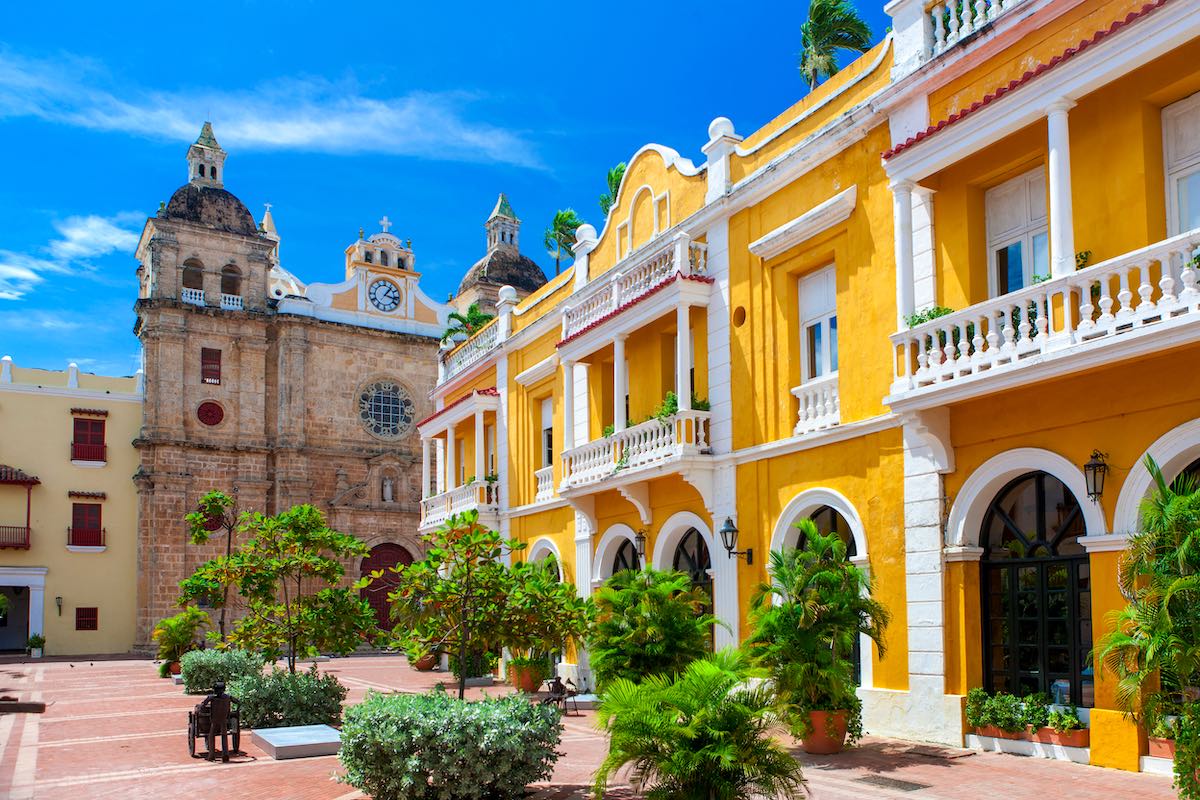
Get lost in Old Town, sample streetside empanadas in Getsemani, and dance cumbia til dawn before heading off on a boat tour to explore the bay and nearby islands…these are just some of the adventures to be had in Cartagena, Colombia.
A gorgeous and historic coastal city along Colombia’s Caribbean coast, in Cartagena you’ll be at a crossroads between the Caribbean and South America. Many travelers use it as an introduction to South America before heading east along the coast or down to the bustling destinations of Medellin or Bogota (or perhaps a quick jaunt to Ecuador or Peru?).
We’ve covered all the basics for traveling to Cartagena in this post, including:
Travel budget
Top cultural experiences in Cartagena
How fast is the WiFi?
Best local eats and drink
Ready to prep and plan for your adventure to Latin America? Here are the top 10 things you need to know before visiting Cartagena, Colombia.
How Hard Is It on the Wallet?
⭐⭐⭐
Rating: 2.5 out of 5.
Cartagena, Colombia ranks right in the middle when it comes to budget-friendly cities for travelers. Setting your travel budget will depend on what kind of excursions you want to do and where you want to stay.
For starters, staying in the middle of the historic Old Town is more expensive than the nearby neighborhood of Getsemani. Sit-down restaurants in the Old Town will also be much more on par with U.S. and Western Europe prices than other areas of the city.
Cartagena also gets a 2.5 instead of a 2 because it’s one of the pricier destinations for travelers in Colombia. If you live like a local in Bogota or Medellin, or even Santa Marta, you’ll notice that prices there are much cheaper. Also, note that the local currency is COP (Colombian pesos). Here’s a little breakdown of what to expect for costs in Cartagena, Colombia:
Accommodation: Hostels in Cartagena can still be found on the cheap for less than 50,000 COP (11 USD) per night. The city is also filled with luxury hotels, and prices are currently around 650,000 COP (150 USD) per night.
Food: Some of Cartagena’s top street foods like meat skewers and empanadas only cost about a dollar or two (higher if you’re in Old Town). Lunch or dinner at a non-touristy restaurant will set you back about 13,000 COP per person (3-4 USD). Breakfast in Cartagena can be found for cheaper, and plan to spend less than $4 on a plate of eggs, arepa, and coffee (or chocolate completo, most likely). If you want to be fancy, expect to pay about 100,000 COP for a two or three-course dinner for two.
Transportation and tours: Cartagena is pretty walkable so you don’t need to worry much about transportation costs if you’re sticking to the city. The airport is also super close to town, and a taxi ride there will set you back about 13,000 COP (about $3 USD – make sure to have exact change in pesos, though!).
If you want to get the best price on a tour, our recommendation is to head to a hotel or hostel in Getsemani and ask all about them at their information deck. You can do everything from book a private boat tour of the bay, charter a yacht to some nearby islands (a few hours off the coast), and so much more. Expect to pay about $100 per person (if you’re in a group of 4 people) to charter a boat.
Are the Locals Friendly?
⭐⭐⭐⭐⭐
Rating: 4.5 out of 5.
Colombians are lovely and welcoming, and with some knowledge of Spanish you’ll probably find yourself chatting away with just about everyone you meet during your trip.
For reference, the website Nomadlist rates Cartagena as “great” when it comes to friendliness towards foreigners. As with any destination, some knowledge of the culture and language (complete with a big smile) can go a long way.
Basic Dos and Don’ts
Each city in Colombia is unique, so your dos and don’ts list will be a little different depending on whether you’re in Bogota or a Caribbean area like Cartagena. Especially if you’re visiting Cartagena for the first time, here’s some things to keep in mind:
Don’t drink the tap water.
Don’t leave your bags unattended in touristy areas or flash your valuables while wandering the streets. This is known in Colombia as “offering up papaya”.
Don’t walk around alone at night. Old Town will be a little safer for travelers because most areas are well-lit and there’s plenty of bars and nightclubs open at all hours. If you do venture off, always make sure that you’re in a group and use a ride share app (much better than a taxi at night) to get from where you are to your hotel.
Don’t just casually ask locals about Pablo Escobar. This one goes from a huge pet peeve to an outright no-no: Colombians don’t want to hear about what you think of Pablo Escobar or talk about him at all. The country is working hard to change its reputation, so help them out a little by not bringing up the past and be happy that you’ve been welcomed in their beautiful country.
Don’t say you can’t dance. In Colombia, not dancing is really not an option. A city like Cartagena is filled with culture and dance is at the heart of it, so it’s best just to feel the rhythm and go with the flow.
This is by no means an exhaustive list of the cultural etiquette for travelers to Cartagena, but it’s a start. Make sure to read up on more dos and don’ts before your trip.
Top Trending Things to Do in Cartagena
Landed in Cartagena and ready to explore? Here are the top things to do in 2022.
Charter a yacht to nearby islands: Book a boat and an expert tour guide to explore some islands in the Caribbean that are a day trip away from the shores of Cartagena. Top picks include the Rosario Islands and Isla Grande.
Sunset tour: You can have your very own private tour guide organize a walking tour of Cartagena’s most picturesque spots in town. Enjoy some snacks, drinks, take the best pictures for golden hour, all before ending the day by the city wall to watch one of the most glorious sunsets in the Caribbean.
Walking tours: Traveling on a budget? There are a few free or low-cost walking tours you can join in Cartagena. Take advantage of the free walking tour of Cartagena’s beautiful Old Town that’s been a hit with tourists for over eight years now. Another popular tour is a walking tour of Getsemani and San Diego neighborhoods, where you can check out funky murals and some of Cartagena’s best street art.
How Safe Is It?
⭐⭐⭐⭐
Rating: 3.5 out of 5.
Cartagena has a much higher safety index compared to other cities in Colombia. Currently, the city rates at a 82 while Bogota is at a 46, nearby Barranquilla at 47, and Medellin at 46. But, there are still some things to be aware of when you visit Cartagena.
Pickpockets can be common, especially in touristy areas and if you’re visibly carrying valuable items (note the “don’t offer papaya” rule).
Watch out if you go out clubbing, because there are stories of people being drugged and then mugged. Western males between the ages of 30-45 are typically the target, and instances have even been known to occur in broad daylight, so make sure to keep your wits about you.
Travel insurance is always a good idea when going on any type of trip. Get yourself covered (and, at a super low cost!) with the right health insurance just in case you get sick or if your travel stuff gets stolen or lost at some point during your travels to Cartagena.
Local Eats and Drink in Cartagena, Colombia
With mouth-watering arepas and coffee for breakfast, fresh tropical fruits throughout the day, and all kinds of local dishes to sample for dinner, you will eat well in Cartagena. Here are the highlights:
Cazuela de Mariscos: Cartagena is by the sea, after all, so some of the city’s best dishes are seafood-related. This local dish is a seafood stew brewed in coconut milk.
Ceviche: Try this local favorite Cartagena style, which is served with coconut milk and sour cream.
Posta Negra: This uber-local dish is one of the city’s most beloved meals, which consists of beef eye rounds roasted in everything from Worcestershire sauce, brown sugar, and even coca-cola.
Cartagena also has an impressive amount of international foods, so if you want to ease into things at the start of your trip (or splurge on a meal), there are plenty of cute cafes and restaurants in the city that serve pastas, sandwiches, pizzas, and other comfort foods.
What Are the Best Apps to Use in Cartagena?
It might be handy to download these apps to your phone before your trip to Cartagena:
Tappsi: Colombia’s alternative to Uber. This local taxi app that will allow you to safely hail a ride using your phone.
WhatsApp: This is the main messenger app preferred across Latin America, so download it if you haven’t already.
Google Translate: If you need help with translation when taking a ride share or checking into your hotel.
Babbel: A great language app for learning Spanish!
How’s the WiFi?
⭐⭐⭐⭐
Rating: 3.5 out of 5.
The WiFi signal doesn’t run super quick inside the walled city of Cartagena, but it’s decent. Most hotels do have WiFi for guests and you can buy a cheap local SIM card to use data or even hotspot yourself. The average speed in Cartagena 5 Mbps. If you need an internet break for the afternoon, here are some cafes in Cartagena with good WiFi.
What Are the Top Cultural Experiences in Cartagena?
Cartagena is a city filled with culture so you can plenty of choice when it comes to unforgettable experiences. Here are some top picks:
Salsa lessons (with a view, to boot): This amazing experience in Cartagena gets you moving and shaking like a local. A true cultural encounter!
Food tour: Are you a foodie who also happens to be a book nerd? This tour will be perfect for you! Gabriel Garcia Marquez is one of Colombia’s most beloved writers, and this food tour integrates some local dishes enjoyed by the characters in his books.
Coffee tour: Cartagena is home to some amazing coffee houses and they are a great way to get to know Colombia’s iconic brew. There are a few local cafes in Getsemani that offer coffee experiences that are definitely worth checking out.
How Long Can I Stay?
Travelers from the U.S., Canada, the U.K., and more can visit Colombia for leisure without applying for a tourist visa beforehand. You can typically stay for up to 90 days for your first visit.
If you want to stay in Colombia longer, you can request to extend your stay at the local immigration authority. The current policy allows for up to 180 days in one calendar year.
See what all the buzz is about and why Cartagena is an amazing destination in Colombia for your travel radar. With so much beauty to discover, you’ll be wondering why you didn’t plan a visit to Cartagena sooner!
Enter your email address to subscribe to Travel Off Path’s latest breaking travel news, straight to your inbox
Disclaimer: Current travel rules and restrictions can change without notice. The decision to travel is ultimately your responsibility. Contact your consulate and/or local authorities to confirm your nationality’s entry and/or any changes to travel requirements before traveling. Travel Off Path does not endorse traveling against government advisories
Qatar, a peninsula on the shores of the Persian Gulf is a travel destination filled with things to do and experience. Don’t know much about Qatar but feeling curious about what a trip would be like there? With the World Cup approaching in November 2022, we’re sure many of y’all are wondering what it’s like.
We’ve covered all of the basics when it comes to things to know before visiting Qatar in this guide, including:
How safe it is to travel in Qatar
What kind of budget to expect
The best things to do and experiences in Qatar
The top cultural dos and don’ts in Qatar
Ready to get started? Here are the top 10 things you need to know before visiting Qatar.
How Hard Is It on the Wallet?
⭐⭐⭐⭐⭐
Rating: 4.5 out of 5.
Qatar definitely shouldn’t be your first choice if you’re looking to pinch pennies (or in this case, your riyals) on a trip. While it’s not the most expensive destination in the world, Qatar is a place for luxury livin’ for most who come to visit.
That being said, expats love Qatar’s tax-free status. Salaries are high here, so you expect some of the highest prices on rent and food in the Middle East. Here’s a little breakdown of the costs:
Food: The geography of Qatar means that most foods have to be imported, so most food items, especially international dishes, tend to come at a higher price than in the US and even the UK. According to some of the latest data, a three-course meal for two at an average restaurant will typically set you back about QR600 (about $165 USD). A meal at McDonald’s comes out to about $6.50 USD, which is about the same as what you would pay at home.
Accommodation: According to Nomadlist, the average AirBnB in Qatar costs a whopping $8,000 USD per month. But, it’s not impossible to find something on a more modest budget. You can get a 2-star hotel for less than $100 USD a night in Doha, and there are plenty of stylish hotel stays near the city center (with a pool, of course) that you can grab for around 300 QR (about $85). Summer deals are currently available, but note that prices will likely skyrocket when the World Cup comes to town.
Transportation: Most people get around by car, and gas is very cheap in Qatar. If you want to use public transportation, the standard cost is between 3 and 4 QR (about 1 USD) for a one-way fare in the capital city of Doha, and between 4 and 9 QR outside of Doha. If you want to explore the outskirts, book a tour that comes with transportation to and from your hotel.
Editorial credit: Monticello/Shuttershock.com
How Friendly Are the Locals?
⭐⭐⭐⭐⭐
Rating: 4.5 out of 5.
Qataris are well-known for their hospitality, and are always eager to welcome foreigners and show them their country. While helpful and hospitable, visitors are also expected to respect and abide by the local customs. So if you read up before your trip and follow the major dos and don’ts, you’ll be just fine.
Customs And Culture: Do’s and Don’ts
This ‘dos and don’ts’ section is probably the most important part of our ‘Things to Know’ post for Qatar. Strap yourselves in, because there’s a lot of things to read up on before your trip. Keep this handy for during your trip so that you don’t forget anything.
No PDA: Any hugging, kissing, or anything physical in public with the opposite sex is not allowed in Qatar and can get you fined or banned. Holding hands and a cheek peck is okay if it’s between husband and wife, however.
Dress modestly: Non-Muslim women aren’t required to cover themselves with a hijab or niqaab, but you’ll have to cover yourself before entering a mosque. Even though you don’t necessarily need to cover yourself in public, men and women alike are still expected to dress modestly (no short, no crop tops – having shoulders exposed is a no-no). As for bikinis (but nothing teeny tiny), best to save them for the hotel pool only as public beaches have the same dress etiquette as other public spaces.
Same-sex relationships are illegal in Qatar.
Tipping: If there’s no service fee added to the bill, then a 10% tip is appropriate.
While some bars and clubs allow for drinking, drinking alcohol in public is illegal in Qatar.
Gestures to avoid. A number of physical gestures are considered very offensive in Qatar and can result in a fine or worse, so make sure to take note of these:
DON’T do the thumbs up sign. While this is a casual greeting in Western culture, it is considered very rude in Qatar.
Don’t cross your legs: especially when sitting in front of someone older or higher up.
Don’t use one finger to gesture for someone to come over, like to call a waiter, for instance. As an alternative, use the palm of your hand. It’s also very rude to point at someone or even something.
This is not a comprehensive list of all the culture and customs in Qatar. If you plan on moving here or staying for a longer period of time, we suggest reading a guidebook that’s specific to Qatari culture to get the full picture of what to expect.
Top Trending Things to Do in Qatar
From world-class shopping malls to museums and mangroves, a trip to Qatar is filled with wonders. Here are some of the top trending things to do for your trip:
Al Thakira mangroves: Two hours away from Doha is this beautiful region of mangroves and other wildlife in Al Khor. Once there, you can rent a kayak to explore the area!
Museum of Islamic Art in Doha: This gorgeous museum holds one of the largest collections of Islamic art in the world. You can also get some of the best views of the city’s skyline from the museum grounds (the MIA is currently closed and set for a big relaunch this fall.)
Hit the beach: Being mostly seaside (and super hot most of the year) Qatar is a great place to explore the gorgeous beaches that stretch along the peninsula. Try Al Maroona and Fuwairit Beach for beautiful views, and Katara Beach for water sports that the entire family will love.
How Safe Is It in Qatar?
⭐⭐⭐⭐
Rating: 4 out of 5.
If you follow the rules and local customs, traveling in Qatar is relatively safe.
While there are still some reports of pickpockets in certain areas (maybe watch your bags and don’t bring out anything flashy if you’re in a large crowded space) know that Qatar has a low crime rate and you’ll be safe if you stick to the main areas and don’t venture out alone at night.
Travel Insurance Tips for Your Trip:
Travel insurance is always a good idea when going on any type of trip. Get yourself covered (at a super low cost) with the right health insurance in case you get sick or if your belongings get stolen or lost at some point during your trip to Qatar.
Local Eats and Drink
Mouthwatering meat dishes with rice and fresh veggies, fragrant coffee and tea, and spices galore, a visit to Qatar will no doubt be tempting for your tastebuds. Here are some of the top eats and drink to try when visiting Qatar:
Waraq enab: Traditional stuffed grape leaves that come as a great side dish.
Machboos: Spiced rice with just about any type of meat (camel, cow, lamb, chicken).
Kousa Mahsi: Stuffed zucchinis with red sauce.
Saloona: A stew made with a spicy broth and a bunch of local veggies.
Karak chai: A strong tea
What Are the Top Apps to Use?
There are some handy apps that will be worth downloading before your trip to Qatar, including:
Talabat: The nation’s main food delivery app.
Karwa and Uber: Qatar’s main ride-sharing apps.
The Entertainer: To get deals for local attractions, spas, and restaurants in Qatar
Babbel and Duolingo: Great language apps for practicing some basic Arabic phrases for your trip!
How’s the WiFi in Qatar?
⭐⭐⭐⭐
Rating: 4 out of 5.
Even though the WiFi in Qatar is very fast, we are giving it a 4 out of 5 because lots of websites and searches are blocked with Qatar’s internet. The average internet speed is about 11 Mbps.
What Are the Best Cultural Experiences?
There are so many opportunities to experience Qatari culture and learn a bit of history on your trip. Start your adventure off by booking a once in a lifetime glamping trip to the nearby desert where you can sleep under the stars in a five-star, full-service campground. So you’ll be living just like the bedouins do, but with WiFi.
Your trip to Qatar will most likely start in Doha, which is the perfect place to dip your toe in Qatari local culture. The city’s main market, the Souq Waqif, is the perfect place to people watch and pick up some handicrafts and gorgeously colorful textiles. Save room in your suitcase!
How Long Can I Stay?
At the time of writing, travelers from over 95 countries don’t need to apply for a visa if planning a short visit to Qatar. Travelers from the US, UK, and most of Europe will be given a visa on arrival which will allow them to stay for up to 30 days in the country, with the possibility to renew once to get 30 more days.
You just need to make sure your passport’s valid for at least six months from arrival and show an onward ticket (return ticket or to your next destination) at immigration. Check the Hamad International Airport immigration page for more detailed info.
While Qatar is a new player on the global travel scene, a trip here won’t disappoint. There’s plenty of amazing experiences to be had, food to eat, and things to learn. Arrive with an open mind and be welcomed by the unique sights and sounds of this beautiful region.
Enter your email address to subscribe to Travel Off Path’s latest breaking travel news, straight to your inbox
Disclaimer: Current travel rules and restrictions can change without notice. The decision to travel is ultimately your responsibility. Contact your consulate and/or local authorities to confirm your nationality’s entry and/or any changes to travel requirements before traveling. Travel Off Path does not endorse traveling against government advisories