Have you been dreaming of leaving it all behind and jetting off to the Caribbean but keep putting off that passport renewal? Luckily, Americans can experience the beauty and charm of the Caribbean without a passport!
In fact, Americans can experience the best of the Caribbean without a passport, without exchanging money, without a long-haul flight, and without dealing with the hassle of international cell service limitations.
Take It From Me, Puerto Rico Is The Most Accessible Caribbean Destination
When the opportunity to travel to Puerto Rico this fall presented itself, I jumped on it immediately. Having lived elsewhere in the Caribbean since July, I was interested to see how different things were in San Juan. As an American, I knew I could travel to Puerto Rico without a passport. However, it didn’t register how truly easy it was to visit until I flew to San Juan.
The flight was a breeze! A lovely 2.5 hours from Miami with gorgeous weather, so the view from above turned the world below into a painting.
Having never been to Puerto Rico, I still felt like I was traveling to another country outside of the States. With Puerto Rico being a U.S. territory however, flying into San Juan was like any other domestic flight. When I landed and took my phone off airplane mode, I had fantastic cell service. Once deplaned, a small part of me felt like I needed to go through customs.
Instead, I was outside the airport and waiting for my ground transport in about 5 minutes! The drive to my hotel, The Sheraton, was smooth and short, which felt out of the norm for the Caribbean. If you’ve frequented much of the Caribbean, you probably know how rough the roads can get!
As we all know, the media often tends to exaggerate. As my departure date inched closer, I watched two hurricanes make landfall in Puerto Rico. First Fiona, and then Ian. Friends and family kept asking me if I planned to cancel my trip. I never had any intention of doing so, but did wonder what things would be like when I arrived.
Hurricane Fiona Approaching Puerto Rico Credit: Zoom.Earth
By no means am I discounting the impact Hurricane Fiona and Hurricane Ian had on residents of Puerto Rico, particularly those in the south. Still, while exploring San Juan, I saw no evidence of storm damage and no areas without power, save the occasional traffic light. Everything seemed to be operating business as usual.
Speaking with my driver on the way to the hotel, he recounted his experiences throughout various hurricanes. He told me how much his life changed during Hurricane Maria, one of the worst to ever hit the island. Fiona and Ian were no comparison, at least for him.
Brad Dean, CEO of Discover Puerto Rico, later informed us at a press conference that Hurricane Fiona barely impacted travelers’ plans to come to the island for vacation. Less than 10% canceled their trip, and in Dean’s words, Hurricane Fiona was “a setback, not a reset.” Indeed, most of Puerto Rico was and still is completely open and safe for travel.
One Of The Best Ways To Give Back
It may seem counterintuitive, but one of the best ways to help the local economy of Puerto Rico, even after a hurricane, is through travel and tourism. Even something as simple as grabbing a quick bite at a local brewery adds up and supports the locals who work there.
During my stay, I had the pleasure of talking to numerous locals working in the tourism sector. Each of them echoed this sentiment, traveling to Puerto Rico and enjoying local activities is one of the best ways you can help.
An Immense Cultural Experience
Since it was my first time in Puerto Rico, I didn’t know what to expect. My typical go-to destinations are mostly European, and I have a deep-rooted love for the old. Marveling at the beauty of St. Paul’s Cathedral in London, walking among ancient Viking burial mounds in Mølen, and exploring Blarney castle in Ireland are memories solidified in my brain. Not because of their visual appeal, but because of the connection I felt to the history and culture of those experiences.
Puerto Rico now has a place among this special set of memories, and I can’t wait to go back. Walking through the historic district of Old San Juan showed me that Americans don’t have to travel far to see a unique blend of history. Old San Juan is the oldest city in the U.S. and its territories. Visitors can see gorgeous buildings displaying Baroque, Neoclassical, Gothic, and Spanish Colonial architecture — all within walking distance of each other. On the western side of Old San Juan, some buildings date back to the 1500s — the history lover in me felt right at home.
A Unique Take On History
I explored Old San Juan in a unique way that I highly recommend to anyone visiting the area. Rather than simply walking around and exploring independently, I went on the Old San Juan Walk & Taste Tour with The Spoon Experience. This tour wasn’t just a guided walk among beautiful buildings and experiencing local food and drinks. While that was certainly part of it, what made the tour unforgettable was the vast amount of history eloquently expressed by our incredible guide.
In just a few hours, I sampled the most authentic local foods available while learning each meal’s historical and cultural significance. In between our food stops, our guide talked about Old San Juan’s rich history. From the obvious details like its strategically defensible position, to the not-so-obvious fact that the endless shade offered by San Juan’s architecture only exists due to a poor compass reading during the city’s planning. There was so much incredible history shared, and I can’t wait to go back and do it again to learn more!
Top 6 Reasons I’ll Be Going Back To Puerto Rico
It’s So Easy – Visiting Puerto Rico was like taking everything great about the Caribbean and packaging it with easy domestic flying. My flight from Miami was only 2.5 hours, and getting through the airport and to my hotel was a breeze. If I lived in Miami, I’d visit Puerto Rico on every available long weekend.
For More Of Old San Juan – I fell in love with Old San Juan the moment I saw it. The architecture, the charming little shops, and the immense cultural experience have cemented this beautiful city in my mind.
For The Adventure – My trip was spent in San Juan, but next time I head to Puerto Rico, I plan to check out more off-the-beaten-path sights. Some that I have in mind include El Yunque National Forest and Laguna Grande, a bio bay where visitors can experience the beauty of bioluminescence in the water.
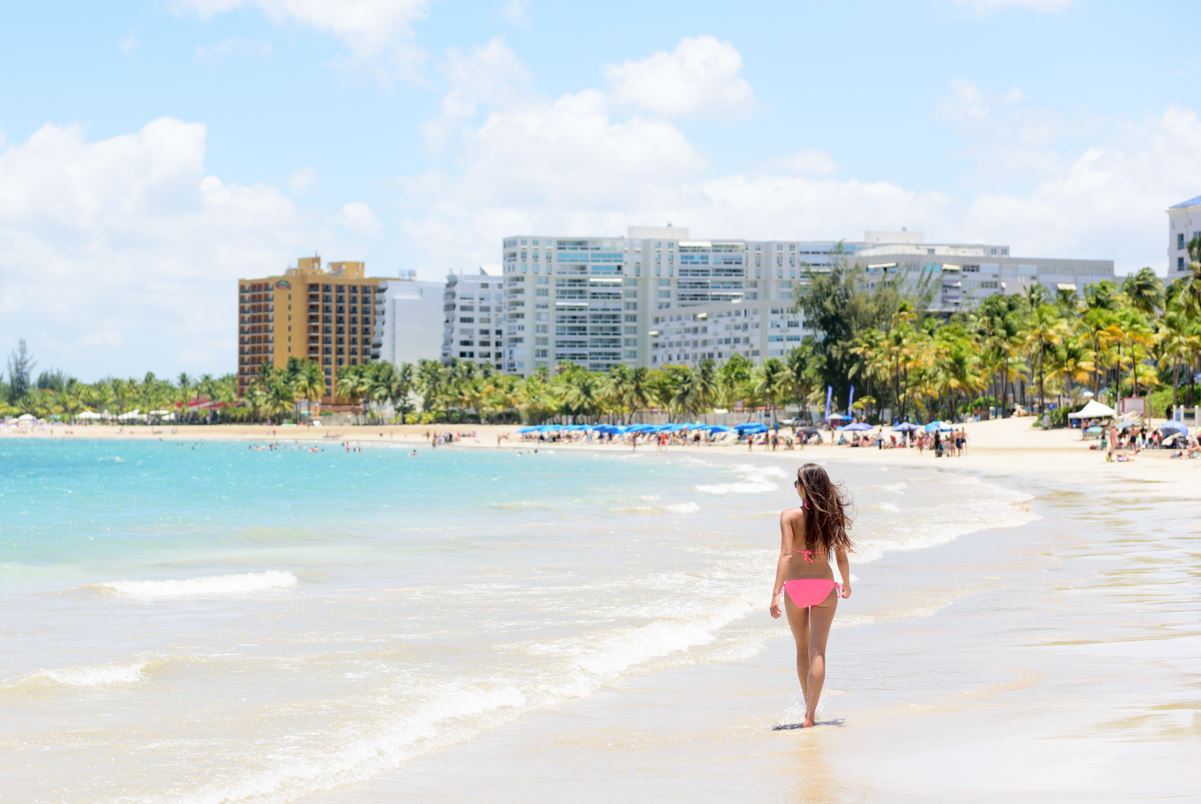
For More BeachTime – I didn’t spend much time at the beaches, but definitely will in the future! From the gorgeous El Escambrón in San Juan to the stunning Pelícano Beach in Ponce, I’ll be scoping out Puerto Rico’s beaches during my future trips.
For The Art – I had the pleasure of taking part in a walking art tour in Santurce, a municipality in San Juan known for its vibrant art scene and exciting nightlife. Just like the culinary tour, it was a history lesson in disguise. I learned more about Puerto Rico and its people during the tour than I ever had in school. This was entirely due to our incredible guide from theartwalkpr.
For The Food – The food, I miss it so much! Aside from the Old San Juan Walk & Taste tour, I had the pleasure of taking a cooking class with Mesa Redonda at the lovely Cocina Abierta. My group was responsible for making the Sofrito, a staple base for many Puerto Rican dishes. Everything was incredible, and I left convinced that every meal should start with Alcapurrias and end with Tembleque.
Best Times To Visit Puerto Rico
I’m of the opinion that anytime is the best time to visit. However, depending on your preferences, there are months of the year that may best suit your needs.
To avoid crowds, stick to the shoulder seasons of September to mid-December and mid-April to May.
To save money, June through September is generally more affordable, as it is hurricane season. Just keep an eye on the weather and be sure to purchase suitable travel insurance, and you’ll be all set.
To avoid rainy days, shoot for February, as it is one of the driest months of the year.
How To Get There
While you may stop and see Old San Juan for a day during a cruise, if you want to stay in Puerto Rico for a while, you’ll have to fly. This is where Puerto Rico shines when compared to many other Caribbean destinations. San Juan has over 25 direct routes from the U.S. mainland, and flying in is incredibly easy.
Americans will not need a passport, and there is no lengthy customs line waiting for you upon landing. Not only that, it’s typically quite affordable. For instance, a direct flight from New York City to San Juan can be found for around $300 with JetBlue this November, carry-on included. Puerto Rico is undoubtedly one of the most accessible destinations in the Caribbean.
The Number One Reason I’ll Be Back
I arrived in Puerto Rico not knowing what to expect. I left with a newfound love and respect for the culture and people that made this island come alive. While the experiences themselves were incredible, the people behind them were the true magic. And they, more than anything else, are the reason I’ll be coming back.
**Travel Off Path was a guest of Discover Puerto Rico who helped with the creation of this itinerary by hosting some of our accommodations and attractions. Our opinions, recommendations, and suggestions remain our own.**
Palm Springs, California is a beautiful desert town that’s been a well-loved vacation destination for decades. Home to countless high-quality resorts, warm weather year-round, and plenty of things to do in the town, Palm Springs is a great choice for a relaxing getaway. Here are 6 hotels that won’t disappoint for your next trip!
Inn At Palm Springs
This beautiful hotel has a fun, colorful feel. It also offers guests a wide variety of amenities. You can look forward to lounging by the sparkling outdoor pool. If you’re looking to explore the rest of the town, the Palm Springs Visitor Center is a mere 12-minute walk away. For those looking to head further from the hotel and enjoy some fresh air, the Inn also offers complimentary bicycle rentals. Other amenities include an on-site bar as well as free private parking and WiFi. Finally, for those traveling with animals, the Inn At Palm Springs is also pet friendly.
If you’re looking for a luxurious stay with a wide variety of amenities, this is the option for you. Desert Isle Resort sits on seven acres and offers lodging in the form of suites with full kitchens. You can look forward to taking a dip in one of two outdoor, heated pools. Then, enjoy a game of tennis at one of the resort’s tennis courts, or enjoy a meal at the on-site restaurant.
This hotel features artsy, modern decor that’s the perfect backdrop for both memorable vacation photos as well as relaxing. Once you’ve checked in, you’ll definitely want to spend some time relaxing by the hotel’s pool. Towels, snacks, and cocktails are all available from the bar cart and poolside butlers. If you’re looking for an even wider variety of drinks, head over to the poolside bar to enjoy some delicious mixed drinks. Other amenities at the hotel include on-site dining and in-room tablets.
If you’re looking for some quiet relaxation or a romantic getaway, La Maison Hotel is the choice for you. This adults-only hotel features classically elegant but laid-back rooms. Amenities that you can look forward to include an outdoor pool and hot tub, as well as complimentary bicycle rentals and free private parking. While the hotel doesn’t offer on-site dining, there are multiple restaurant options within a few minutes walk from the hotel, such as Giuseppe’s Pizza and Pasta.
Enjoy a slice of minimalistic luxury by staying at the Weekend. This beautiful hotel is located near the center of Palm Springs – a convenient location for those looking to easily explore the shops and eateries in town. The hotel features a heated outdoor pool and is also pet-friendly for those traveling with furry friends.
Here’s another great option for those looking for a couples getaway! Like La Maison Hotel, the Desert Riviera Hotel is for adults only. It features a heated outdoor pool, as well as gorgeous on-site gardens. Other amenities you can look forward to include a welcome basket upon arrival, free private parking, and complimentary bicycle rentals.
Vacation rentals are still reaping the benefits of their success from pandemic travel, with the demand for short-term rentals on the rise, despite the looming colder temperatures. According to data from HomeToGo, a marketplace for vacation rentals, it has seen a 28% annual increase in rental searches by U.S. travelers for fall vacations.
The vacation rental company also conducted a survey and found more than one-third of their U.S. respondents are planning overnight travel during Thanksgiving and are gravitating towards peaceful coastal towns, mountain villages, and laid-back cultural gems.
“Instead of having a family feast in their homes, many are opting to celebrate in the comforts of a getaway in a vacation rental,” said Caroline Burns, travel expert and Director of PR at HomeToGo, in an email to Travel Off Path.
HomeToGo crunched its data of thousands of vacation rentals and discovered that the below five U.S. destinations have more than doubled in searches for the Thanksgiving period. Conveniently, they all fall under $250 a night on the website and still have plenty of availability.
Killington, Vermont
Situated in the Green Mountains in central Vermont, this ski town has the largest ski and snowboard resort in eastern North America. The snow season officially kicks off as early as November 11, and you won’t be disappointed by the slopes, which have some of the best views of the Northeast.
Spend a day skiing the historic Pico Mountain and follow it with some live music at the Wobbly Barn. This adventure capital also offers stunning hikes along the Appalachian Trail and converts into a mountain biking wonderland when the season changes. The average price per night is $239.
This quiet beach town boasts the perfect coastline for surf fishing or cast your reel on a private charter in the deep sea. Wander around town and view the local-painted murals celebrating the island’s culture and enjoy a craft brew in a beer garden.
The town is also known for some excellent bird watching, especially at Carolina Beach State Park. Make sure you catch the sunset on Carolina Beach’s boardwalk, which also offers plenty of entertainment along the walk. The average price per night is $198.
Tallahassee, Florida
Florida’s capital is home to a rich history, delicious cuisine, award-winning parks, and beautiful scenery with over 700 miles of trails. Stop by Bradley’s Country store to taste the famous smoked sausage and grits, or hit up the many bars with craft cocktails.
For college football fans, Tallahassee will host one of the biggest rivalries of the season when Florida State University takes on the University of Florida the day after Thanksgiving at Doak S. Campbell Stadium. The average price per night is $120.
Greenville, South Carolina
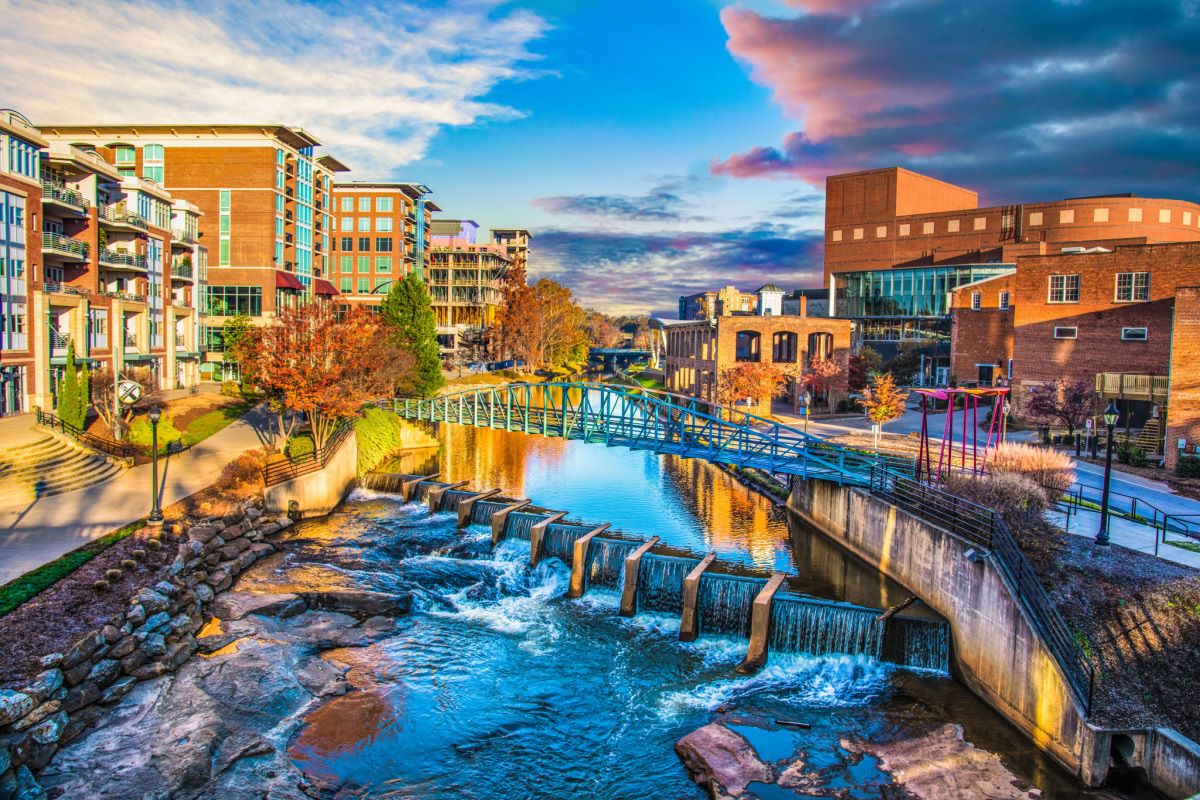
Nestled in the foothills of the Blue Ridge Mountains and just under two hours from Charlotte, Greenville is the mecca for culture and entertainment in the Upstate. With an award-winning downtown and a major performing arts center, this town’s growing art and music scene has something for everyone all year-round. With a buzzy food scene serving up delicious barbecue and local favorites, make sure you bring your appetite. The average price per night is $138.
Corpus Christi, Texas
This windy coastal city has been considered one of the best cities for kiteboarding, windsurfing, kite flying, and sailing. Situated on the Gulf of Mexico in Southern Texas, it has been nicknamed the “Sparkling City by the Sea.” Go back in time on the WW2 aircraft carrier docked in the bay or see some giant fish at the Texas State Aquarium. With nine unique beaches and delicious Tex-Mex and seafood, this city boasts plenty of historical monuments, museums, and natural surroundings. The average price per night is $168.
It seems like airplane seats couldn’t get any smaller, but the Federal Aviation Authority (FAA) is currently seeking public comments to determine if airlines should be restricted in decreasing seat sizes. There are currently no rules in place regarding the space and size of airplane seats, so without an official ruling, airlines can continue to decide their own measurements.
A long-time advocate of introducing regulations for minimum seat room and distance between seat rows is United States Senate Majority Leader Chuck Schumer, who had been pushing for amendments to the FAA reauthorization bill since 2016. Over the weekend, Schumer was again urging the public to fight against the FAA and to submit comments by November 1 to ensure that airlines aren’t given the freedom to shrink seat sizes even further.
“Any minimum seat and [legroom] size standard should be made with the input of experts and consumers and based on science, passenger health, and safety, not only the maximum number of people that can be crammed into one plane to make a buck,” said Schumer in a statement.
Currently, federal laws require a certain amount of space in exit rows, but ownership has fallen on airlines to decide their own seating configurations. According to a report published by Fortune, the average seat pitch (the measurement from the back of one seat to the same point of the seat in front) went from 35 inches in the 1970s to approximately 31 inches today, and the average airline seat width has dropped to around 17 inches, originally 18.5 inches.
The FAA was required to examine the seat issue after Congress approved a bill to amend the FAA Reauthorization Bill back in 2018, so the FAA conducted simulated emergency evacuations to determine if seat sizes impacted passenger safety. Critics have said the simulated emergency evacuations didn’t go far enough since the study excluded children, people over 60, and individuals with disabilities. The FAA is now opening a window for the public to share their own comments so the FAA can take them into consideration for its examination, ultimately determining if restrictions will be necessary to enact on airlines.
“The FAA invites public comments to assist the agency in determining what minimum dimensions (including pitch, width, and length) of passenger seats may be necessary for safety, including in particular airplane evacuation,” written in an FAA notice. “The FAA has assessed what safety issues could be associated with seat dimensions and concluded that additional data regarding evacuations could be valuable.”
How can you get involved?
The public has until November 1 to persuade the FAA to enforce restrictions on airlines for seat size. Comments are open to all public and “should address whether, considering the existing regulatory requirements, one or more of the following seat dimensions have or demonstrably could adversely affect the safety of air passengers by delaying the group egress time of an emergency evacuation,” said the notice. The FAA emphasizes that comments with technical data and information will be the most valuable. Comments can be made via the Federal eRulemaking Portal (www.regulations.gov), by mail, hand delivery, or by fax.
Which airline has the best legroom?
Airlines measure seat pitch when referring to legroom as it is considered the preferred guide to understanding seat comparisons, with the standard falling around 31 inches.
According to Conde Nast Traveler, the airlines with the best legroom in economy flying in the U.S. are:
Southern California is a popular and timeless vacation destination. Featuring iconic attractions such as the Hollywood sign in Los Angeles, as well as no shortage of beautiful beaches, it’s no wonder why. Here are eight off-the-beaten-path things to do the next time you’re in southern California.
1. Visit The Museum Of Dream Space
Here’s one for the photographers out there, as well as those looking to take some truly memorable vacation photos for Instagram shots. Located in Los Angeles, California, the museum of dream space is an interactive art exhibit that features a series of rooms filled with stunning lighting, projections, and backdrops. Tickets are available online.
2. See Sunny Jim’s Sea Cave
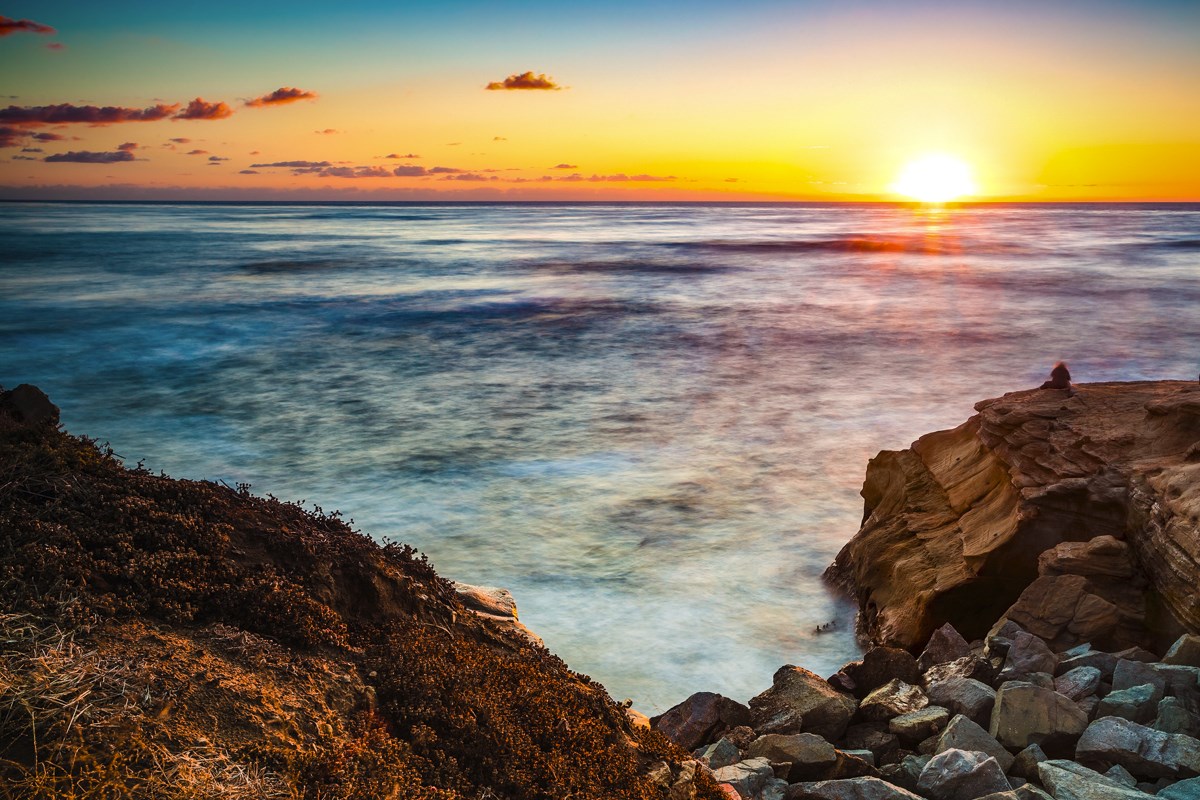
If you find yourself near San Diego, California, his off-the-beaten-path attraction is sure to provide a one-of-a-kind experience. Sunny Jim’s sea cave is one of several sea caves in the La Jolla Cove area. While most are inaccessible or require gear to reach, Sunny Jim’s is accessible from the land. It lies beneath a gift shop, with tickets available at the door.
One great thing about Southern California is that it rarely experiences the cold temperatures many other places do. Anza Borrego is a great example of that. The cooler months are actually one of the best times to visit this stunning state park, as temperatures consort well past 100°F there in the summer. The state park features a number of hiking trails that lead to unique spots, such as a palm tree oasis. And the nearby town of Borrego Springs is also a great place to spend an afternoon looking around, as it’s home to many local art galleries and shops.
4. Find The Secret Swings Of La Jolla
If you’re looking for a truly off-the-beaten-path adventure, consider trying to find some of – or all of – the hidden swings in La Jolla, a neighborhood in San Diego. These hidden swings have long been a tradition to find and are often located in scenic spots. The swings themselves change – they’re created by community members – which can make finding directions to them difficult. If you’re looking for a quick, easy stop, this may not be the option for you, but those who enjoy a bit of mystery will love this one! One helpful tip to find where the swings currently are is by checking social media hashtags such as #secretswinglajolla (or asking a local friend if you have one!)
5. Have A Picnic At An Abandoned Zoo
Here’s a quirky spot to enjoy a picnic or get some cool photos! Head over to Griffith Park to see the remains of an old zoo, which features the remains of some of the old enclosures as well as picnic tables.
6. Stroll Along The Venice Canals
Here’s another one for those in the Los Angeles area! Head over to the Venice beach area to step into Italy for a few moments. The Venice canals are a series of canals that run through a Los Angeles neighborhood. Surrounded by lush plants and gorgeous views, they can be a great place to spend some time exploring and strolling down.
7. Explore Coachella Valley Preserve
The name Coachella probably brings to mind a well-known music festival, but the valley it is named for is also home to some gorgeous examples of nature. Coachella Valley preserve, for example, is known for its palm trees oases and being home to a wide variety of wildlife.
8. Stop By Pioneertown
Take a step into the past with a visit to Pioneer Town! This quirky small town was originally constructed as an old western movie set in the 1940s but has since become an ongoing attraction. Featuring old western-style buildings and live entertainment, Pioneertown is sure to be a memorable stop!
It’s no secret the Riviera Maya is the go-to place for those looking to escape the winter blues, but while Cancun, Tulum and the like would normally be hailed as the top destinations, it’s the much more quaint island of Isla Mujeres that’s been stealing the spotlight lately. In fact, based on occupancy alone, it is now officially one of America’s favorite sunny destinations.
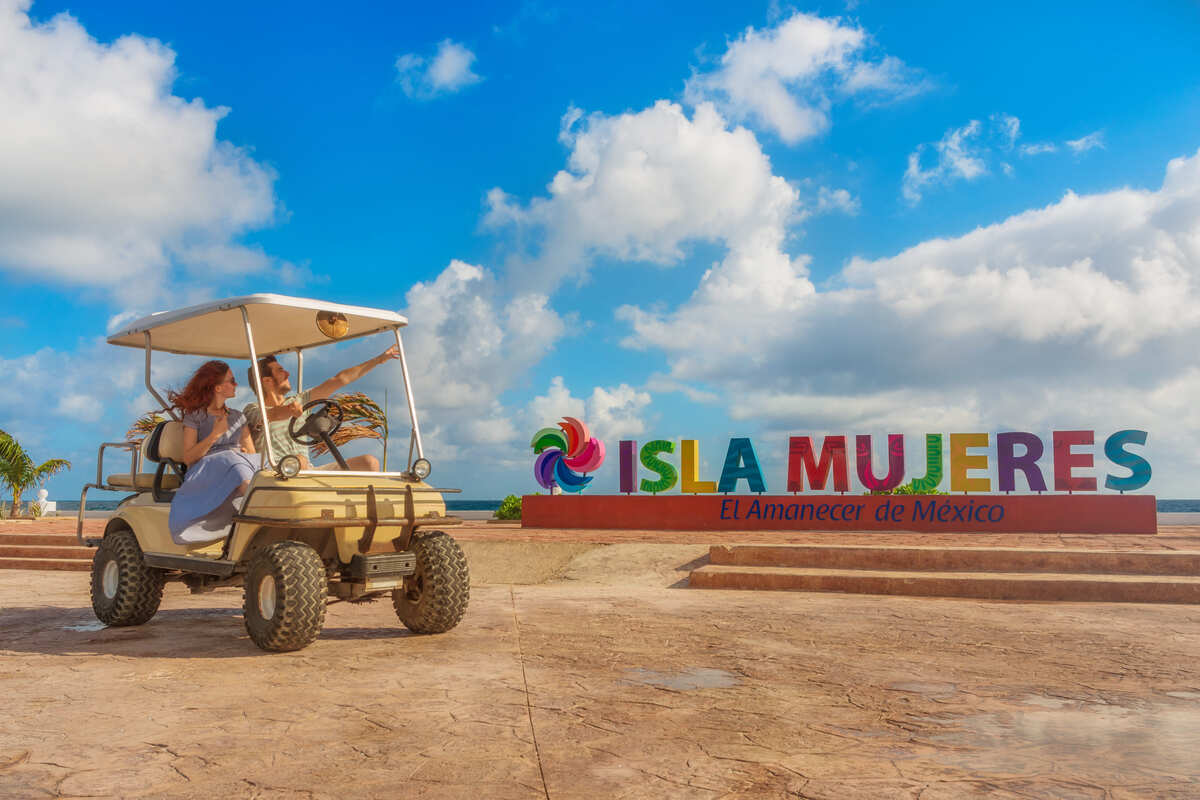
Isla Mujeres is a small island known for its ‘laid-back’ nature. Much like Puerto Morelos, another up and coming smaller settlement we already covered here, it brands itself as a ‘more authentic’ alternative to the ‘overtouristed’ continental stretch. Additionally, it is easily accessible and boasts both crystal clear and waters a year-round warm weather.
All the qualities that, when it comes to a Caribbean getaway, U.S. visitors tend to prioritize:
Americans Love Isla Mujeres And The Proof Is In The Numbers
As reported by local media, Isla Mujeres has become one of the leading destinations in the state of Quintana Roo, which comprises most of the Mexican Caribbean, largely thanks to a successful promotional campaign headed by the local government – and of course, its own hospitality outlook. The news were shared during the DíaNacional de los Pueblos Mágicos.
The commemorative date celebrates achievements of 132 towns across Mexico that have distinguished themselves as sites of both historical and cultural importance. This year, it saw Isla Mujeres, one of these magical ‘pueblos’, tower high above other competitors in the same category due to its post-pandemic hotel occupancy.
According to figures released by Sedetur, Mexico’s equivalent to a Tourism Board earlier in the year, Isla Mujeres was already one of the best performing in the Mexican Caribbean during the first yearly quarter, way before the last surviving Covid mandates in Mexico fell – at times, it even surpassed the mighty Cancun.
In the first three months of the present year, which comprised the last high season for Mexican tourism, Isla Mujeres had an occupancy rate of 71.2%, higher even than the Cancun-Puerto Morelos duo at 70.73%. It still couldn’t beat Cozumel (71.77%), but it got pretty close to snatching the crown as the Riviera Maya’s fastest recovering municipality in early 2022.
Trend Continued Well Into The Summer Months
This trend was repeated over summer, when the insular gem experienced a ‘boom’ in bookings, with an average 180,000-200,000 tourists monthly. According to José Castillo Magaña, the island has succeeded in having ‘record occupations’ that even exceed the pre-pandemic levels. On certain occasions, occupancy was as high as 85 percent.
Of course, in terms of guests, Cancun remains a force to be reckoned with, being currently projected to be used as an entry point into Mexico by as much as 25 million tourists by year’s end. Although many will land in, and fulfill their vacations in Cancun, others will have onward tickets to other spots along or off the coast, including Isla Mujeres.
In early June, there were already up to 12,000 hotel rooms available, and an approximate 3,000 more would be added ‘until the end of 2022’, proving demand remains at an all-time high. As Magaña sees it, Isla Mujeres is positioning itself as a consolidated tourist hub, both due to the quality of services provided and ‘warmth’ of the islanders.
Our partner website and one of the biggest sources for Riviera Maya news in English, The Cancun Sun, concurs Isla Mujeres is on track to become major in the region. With multiple ferries departing daily from the continent, it is both a highly sought-after day trip, due to the exclusivity it provides being an island, as well as a resourceful final destination.
What Makes Isla Mujeres So Popular?
Located only 13 km from the Cancun coast, Isla Mujeres is home to incredibly pristine beaches, including Playa Norte, repeatedly ranked among the most beautiful in the world, and that’s been recently named ‘the best beach‘ in all of Mexico. It beats other regional contenders, like Playa Delfines in Cancun and Playa Paradiso in Tulum.
It has also been recently voted the second best island destination in North America by the renowned travel magazine Condé Nast Traveler. Besides, it is part of the reason why the Mexican Caribbean’s has had surprising September numbers, a period when tourism usually slows down following the end of the school holidays.
We cannot predict whether this growing popularity will extend into the upcoming high season, namely the months of December through April, especially now that the looming recession and cost of living crisis is making it harder for the average American to go abroad and splurge on a Mexican all-inclusive, but one thing’s for certain:
Isla Mujeres is trendier than ever, and they’re eager to welcome you.
Not even the gloomy travel advisories issued by the United States authorities have been able to slow down what’s been an incredible recovery journey for Mexico’s tourism sector. In spite of reports of violence and gang activity across major tourist destinations like Cancun, Americans keep flocking into the country in record numbers.
And it’s time we understood why this keeps happening.
For years on end, Mexico has incessantly battled organized crime, particularly in states like Colima and Guerrero, where clashes between the police force and gangs have been known to occur. These drug cartels have long been a concern of the Mexican Government, and the never-ending war on drugsplayed into the stereotype that Mexico was ‘unsafe’ to travel to.
Past tense. That may be no longer, as more Americans come to realize things are not nearly as bad as the media usually portrays it:
How Unsafe Is Mexico In Reality?
Throughout this year, we have been extensively covering U.S. travel advisories for Mexico and what they mean for tourists. Whether it’s your usual Riviera Maya hubs, such as the aforementioned Cancun and Tulum, or off-path locations like San Miguel de Allende, we have kept track of all safety concerns and developments on the tourism front.
If you have been following our Mexico coverage closely, you might have picked up on a noteworthy trend lately: no matter how many discouraging travel warnings the U.S. Department of State issues – and trust us, there have been quite a few – a majority of Americans are not at all fazed. In fact, they are expected to head to the Mexican Caribbean en masse this winter.
As far back as 2019, we have worked tirelessly to deconstruct the idea that Mexico is unsafe and that, perhaps, crime levels are comparable to those of the United States. Yes, there can be the occasional shooting, and absolutely, gang activity is a recurring problem, but then again, this is the case in any large metropolitan area.
It is surely not exclusive to Mexico City or Cancun: one could argue a quick glance at Chicago’s latest gun violence figures should be enough for foreign entities to class the Illinois city a no-go zone. Why, then, is Mexico the only one getting all the bad press and scrutiny, especially when incidents take place randomly and affect a negligible number of tourists?
Kidnapping Alert Based On A Single Kidnapping Case
For example, the U.S. Department of State has added ‘kidnapping’ risks to their Quintana Roo advisory, when the state has only reported a single kidnapping case since the year started. While no such occurrence should be taken lightly, and we do acknowledge tourists can sporadically be a target, this is hardly common enough to warrant an official warning.
Previously, anti-kidnapping organization Alto al Secuestro wrongfully claimed Cancun’s was 0.302 per 100,000 inhabitants – again, wrongfully, so even those figures had been exacerbated. To draw a comparison with a fellow sunny destination, the Miami-Dane county kidnapping rate is 0.36 per 1,000 residents during a standard year.
The only difference between Miami and Cancun? One of them sits on the southern side of the border.
Being aware of this issue, the Mexican Government went as far as asking the U.S. to stop featuring tourist spots in travel advisories without a strict set of criteria, though with each passing month, the States authorities’ relevance as a source of information for U.S. citizens going abroad wanes critically. The proof is in the numbers:
As the Secretary of Tourism Miguel Torruco confirms, the travel alerts ‘have not affected the arrival of foreigners at the moment‘. During a promotional trip to Canada, where he presented Mexico’s brand new tourist offer, the ‘magical’ colonial towns, and the upcoming Tren Maya, Mr. Torruco spoke candidly about his expectations for the sector moving forward.
Mexico Tourism Is Booming In Spite Of Gloomy Advisories
He expressly stated Mexican tourism is in ‘full recovery’, and that by year’s end, it should welcome 42.3 million visitors, only 6% fewer than the record year of 2019. ‘For now, the issue of travel alerts from the United States so far is not affecting tourism in Mexico, which is why international tourism continues to increase‘, Mr. Torruco added.
From January to August 2022, 13,757,000 million tourists landed in Mexico, 64.7% more than the same period in the previous calendar year. Out of those, the United States continues to be Mexico’s most important market by a large margin: out of nearly 14 million arrivals, 8,925,000 of those were Americans (Canadians and Colombians round up the top three).
Referring to security specifically, which continues to be a prime concern for visitors, largely due to the constant influx of negative news concerning Mexico, Torruco declares these have been ‘throwing up’ a series of problems that have already been ‘overcome’. From our understanding of this statement, the Secretary may be referring to the unjust classification of Mexico as unsafe.
‘The National Guard was created’, continued Mr. Torruco, ‘with special training, with more sophisticated equipment, and we are already beginning to see a downward trend in many of the crimes.‘ Indeed, security has been tightened across all major tourist locations, and of course Cancun, where the sight of beach patrols has become more common.
No Country Takes Tourist Safety More Seriously Than Mexico
Travel Off Path has published an entire article detailing five ways in which Mexico has improved the tourist experience for Americans visiting, and that includes deploying more police to keep cities risk-free and tackling taxi scams. Tourists really needn’t worry: Mexico is on top of things, or as the Secretary puts it himself, they are ‘on the right track’.
The U.S. Department of State is a respected branch of the American Government, and one of its aims is to inform American citizens about the risks of traveling to certain places to the best of their abilities. This does not mean their methodology regarding risk assessment is always up to date or that it always accurately reflects the situation on the ground.
After all, they did include ‘kidnapping’ as a specific risk for those traveling to the Quintana Roo state, where Cancun is located, when only one case has been documented so far in 2022. When in doubt, remember most visits to Mexico are trouble-free and that Mexico itself currently has a zero-tolerance approach to crime.
They are America’s favorite travel destination, after all, and it’s surely in their best interest to keep it that way.
Mexico has three of the top five islands in North America, according to a poll conducted by the renowned travel magazine Condé Nast Traveler. Every year, their editors compile the world’s favorite destinations based on their readers’ preferences, and this time, those surveyed sent a clear message that the Riviera Maya remains highly sought-after for beach breaks.
Throughout the pandemic, while most of the world shut down for tourism, the Mexican Caribbean remained open and continue to welcome foreigners, irrespective of their immunization status and with very few entry requirements. As a result, Mexico easily outpaced other global competitors and is on track to claim the unofficial title of King of Tourism.
It may have taken a health crisis for the more skeptical tourist to turn their eyes to Mexico, but now that they have seen firsthand all the wonders it hides, they don’t want to go anywhere else:
Mexico Is Officially America’s Favorite Sunny Destination
The Mexican Caribbean is easily Mexico’s best-selling product when it comes to international tourism. Home to an internationalized Cancun and featuring an extensive list of traditional fishing villages and historical sites of invaluable importance, it has arguably become the top-rated sunny destination in North America.
This winter alone, the state of Quintana Roo is projected to host nine million visitors, easily surpassing an already record-breaking 2019, and this fast-paced recovery has shown no signs of slowing down. Naturally, part of the Riviera’s irresistible appeal lies in a triad of islands that have been recently recognized for their enviable advances on the tourism front.
According to Condé Nast Traveler (CN Traveler), a respected source that has been tracking travel trends for more than three decades, three of North America’s top five island destinations are now claimed by the Mexican Caribbean. For the 35th edition of their Readers’ Choice Awards, the publication heard 240,000 readers, and the masses have spoken:
Isla Holbox is 2022’s trendiest North American island.
Isla Holbox Is The Number One Island Destination
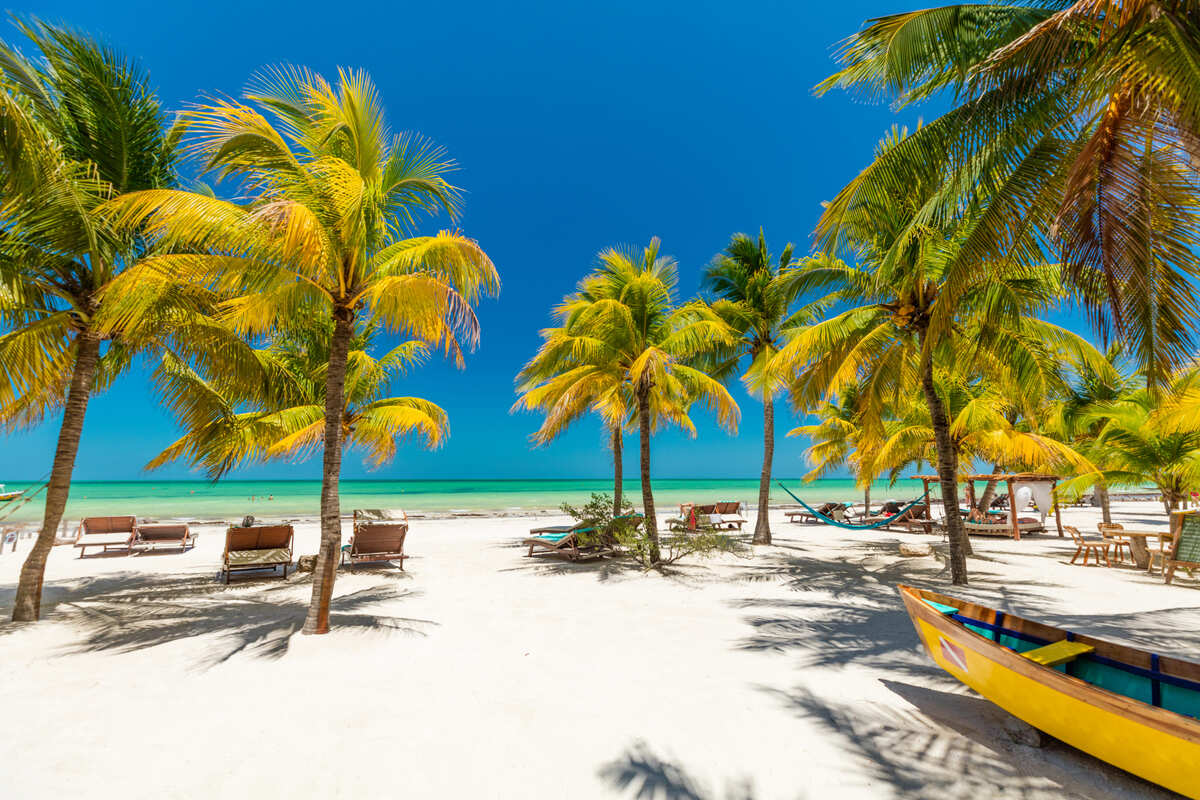
Isla Holbox, situated north of the Yucatán Peninsula in the Quintana Roo state, is officially the region’s best-loved island. Isla Holbox is famous for its wildlife, which includes elegant pink flamingos wandering turquoise water beaches. Moreover, it is car-free, making it much more quaint than the continental Quintana Roo.
Overall, it has a score of 88.96 on CN Traveler’s ranking, placing it at number one. It was almost a tie between Isla Holbox and the second-best placed, the beautiful Isla Mujeres, but the former still came out ahead with slightly more points. Interestingly, these two islands do not have a commercial airport.
While Cancun, Tulum, and the like have direct international links to cities across the United States and Canada, most visitors attempting to reach Isla Holbox do so by ferry, even though there is a small aerodrome hosting air taxis and other private jets. Similarly, the gateway into Isla Mujeres, located only 13 kilometers off the Cancun coast, is also Cancun Airport.
These islands’ relative exclusivity, at least when it comes to the incredibly well-connected Cozumel, proves North American travelers are favoring destinations that offer more peace and quiet and are not as overrun by tourists as the coast. Regarding its score, Isla Mujeres ranks in the runner-up slot with an enviable 88.01 points – marginally fewer than Holbox.
Cozumel Rounds Out The Top Five
When it comes to the aforementioned Cozumel, the Riviera Maya’s most popular island based on arrival figures alone, it charts at a lower number five, scoring 80.22 points. Rounding out the ranking, the island is served by an international airport, unlike Holbox and Isla Mujeres, and is much more densely populated, with over 100,000 inhabitants.
The full top five can be seen below, Mexico being the definitive winner with three out of five entries:
Isla Holbox, Mexico
Isla Mujeres, Mexico
Cape Breton, Canada
Vancouver Island, Canada
Cozumel, Mexico
Additionally, readers elected Cape Breton and Vancouver Island as the third and fourth-best islands in North America, respectively. These Canadian gems are the only ones in the list that have not been attributed to winter breaks or beach holidays: Cape Breton has a rugged coastline and dramatic scenery, while Vancouver Island is a well-known metropolitan hub.
Enter your email address to subscribe to Travel Off Path’s latest breaking travel news, straight to your inbox
Disclaimer: Current travel rules and restrictions can change without notice. The decision to travel is ultimately your responsibility. Contact your consulate and/or local authorities to confirm your nationality’s entry and/or any changes to travel requirements before traveling. Travel Off Path does not endorse traveling against government advisories
Houston is a beautiful city in Texas with lots to offer visitors. In addition to some more popular attractions, such as Space Center Houston, Houston also has a variety of hidden gems. Here are seven off-the-beaten-path things to do on your next trip to the city this fall.
1. Enjoy A Meal At The Hobbit Café
Here’s a great option for all of the Lord of the rings fans out there. The hobby café is a charming coffee shop that offers delicious drinks and pastries and features a one-of-a-kind middle earth theme. Even if you’re not a huge fan of Tolkien’s works, the unique atmosphere alone can still make this a fun option to check out.
2. Explore The Houston Underground
Beneath downtown Houston lies an expanse of walkways that were Originally created in the 1950s and 1960s for workers to be able to traverse the city and get to work without breathing the intense Texas heat. Nowadays, you can still visit the tunnels. There are even a number of shops and places to grab a bite to eat down there, and the tunnels consist of more than 6 miles of air-conditioned walkways.
3. Check Out The Health Museum
Here’s a fun option for those traveling with kids or those looking to bring out their inner child while learning more about science. The Health Museum is an interactive science That features quirky exhibits such as a gigantic walk-through praying, all of which are geared towards inspiring the next generation of scientists. Tickets are available online.
Looking for a fun night out it’s filled with delicious drinks, plenty of laughs, and some live entertainment? Consider stopping by The Music Box Theatre. Featuring a combination of live music and entertainment from comedians, the music box Theatre is both a fun option for a night out with friends, as well as a potential date night. Tickets, as well as the upcoming show schedule, it’s available online.
6. Stop By Old Macdonald’s Farm
You might associate the name Old McDonald with the classic nursery rhyme, but it turns out that in Houston, he really does have a farm. If you’re looking for something to do this fall, consider heading over to Old McDonald’s farm. This family-friendly option is a little bit outside of downtown Houston – about 20 minutes – but it’s more than worth the trip. You can look forward to a pumpkin patch, pony rides, and more! More information is available on their website, and tickets are available for purchase at the gate.
7. Brave The Terror Dome
With Halloween right around the corner, many of us may also be trying to find something spooky to do to get in the Halloween – no pun intended – spirit. If you enjoy some frights along with your fun, consider visiting the Terrordome. This haunted house in Houston promises a terrifying time and also offers some other attractions, including ax throwing outside of their haunted house.
Enter your email address to subscribe to Travel Off Path’s latest breaking travel news, straight to your inbox
Disclaimer: Current travel rules and restrictions can change without notice. The decision to travel is ultimately your responsibility. Contact your consulate and/or local authorities to confirm your nationality’s entry and/or any changes to travel requirements before traveling. Travel Off Path does not endorse traveling against government advisories
We just spent a weekend in what’s arguably the most liberal and ‘free’ city in the Middle East, and the things we found and saw there were far more surprising – and dare we say, exciting – than we were expecting.
Writing for Travel Off Path, I like to think of myself as a lover of freedom and advocate for an open world. After all, we have been covering the different levels of restrictions imposed on citizens over the course of the last two years and strongly supporting the resumption of normal tourism. As a traveler myself, I tend to favor destinations where individual liberties are upheld.
Not only when it comes to freedom of movement, but where people are not persecuted or criminalized based on their gender, sexuality, or political views, and that is safe in general for outsiders who don’t speak the language and/or are unfamiliar with the local customs.
Health crisis aside, I mostly avoided the Middle East in my years of traveling, not because it didn’t appeal to me – Iraq, for instance, is one of my bucket list destinations – but because it has developed a reputation for being a hotbed of religious quagmires and strict laws governing social life… Right?
As it turns out, that’s not always true, especially when it comes to this one compact metropolitan gem tucked away on the Eastern shores of the Mediterranean:
Not The Middle East I Expected
I’ll take a guess here, and please, do let me know if I’m wrong in the comment section. When you think ‘Israel’, the first image that pops to mind is probably that of ancient cities carved out of limestone, where both History and religion walk hand in hand, and the droves of pilgrims flock into every corner looking for some sort of religious awakening.
Am I wrong? Well, that’s not too far from the truth, as Israel is, indeed, the Land of the Bible, as well as home to places held as holy in all three major religions – Judaism, Islam, and Christianity. We all know it can be an incredible destination for believers, irrespective of the Abrahamic branch they belong to, but what about others?
Others like me, who are thrill-seeking young digital nomads who do not feel strongly about any particular religion and who wouldn’t necessarily mind the occasional infusion of History, but are simply hoping to have a cracking time for once. Luckily for both demographics, Israel has the best of both worlds: sites of huge historical importance and unparalleled city breaks.
Of course, it is the birthplace of Jesus, John the Baptist, King Herod, and all other Bible icons that have long been in our social imagery, whether we were born into a Christian household or simply hail from the Christianized Western World. But then again, it is home to Tel Aviv, which is the most overlooked city I’ve ever set foot in… and perhaps one of the most vibrant.
What Makes Tel Aviv Great?
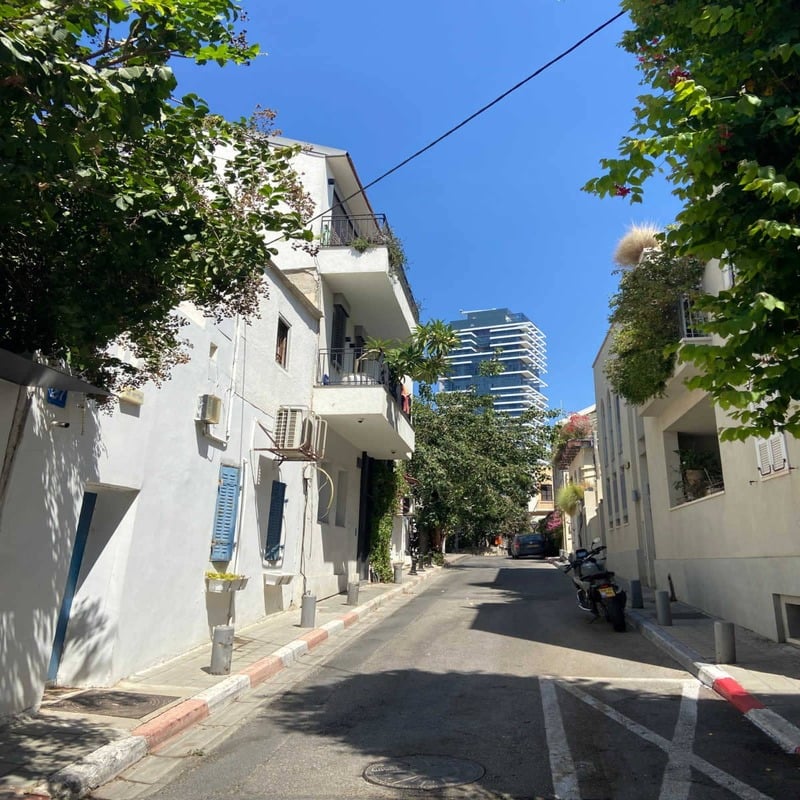
In a country as packed with millennia-old monuments and wild nature as Israel is, Tel Aviv is a city that looks almost out of place. Its monumental skyscrapers cannot be found anywhere else, and the unblemished white of its signature Bauhaus architecture looks strikingly alien in a country where the ocher-tinged tone of its historical buildings is the commanding color.
Tel Aviv is an aberration, and although some of the Orthodox Jews of Israel would certainly like to keep it in line with the more-conservative Jerusalem and Nazareth, I mean it as a compliment of the highest order. This is the Land of Creation’s younger, rebellious child, who owes its charming looks to a century of innovation and openness to the outside world.
It couldn’t have been any different: it was established on the shores of Israel’s central Mediterranean Coast in the early 20th century, and throughout the decades that followed, it hosted an influx of migration from the Americas, Europe, and other Middle Eastern neighbors, as far southwest as the continent of Africa.
This amalgamation of cultures, customs, languages, and ethnicity is still very much present in Tel Aviv. It is indisputably a city belonging to the Jewish State at its core, but if you’re looking for Israel’s equivalent to a multi-faith international community and/or more permissive branches of Judaism, then here is where you’ll find them.
Being a gay man holding what I would like to consider a ‘progressive’ worldview, I felt at ease in Tel Aviv as I would normally in Amsterdam, Stockholm, or Lisbon. Granted, I can’t speak for other groups, and certainly not for women, but even then, I was under the impression tourists from all walks of life would feel just as embraced and welcome as I was.
In fact, finding the odd rainbow flag proudly displayed on a private balcony or a shop’s front door isn’t a strange sight in Tel Aviv. In the wider Middle East, where numerous countries still criminalize same-sex relationships or even expect women to live under certain constraints, this is certainly a testament to its status as a young, free city.
Top Things To Do In A Weekend In Tel Aviv
Tel Aviv may look imposing in pictures when it excels at mimicking New York City’s skyscraper-dotted skyline, but in reality, it is a small town with big city aspirations. By that, I mean it is incredibly compact, in spite of its metropolitan feel, and getting from one end to the other will not take you longer than 35-40 minutes of driving (if there’s traffic).
This is why it is such a perfect weekend getaway: most of the attractions are all clumped together and can be seen in a single day. Below, I have listed six of my favorite things to do while on a weekend in Tel Aviv:
6. Swim At One Of The City’s Beaches
You’re free to be yourself in Israel.
Many Americans may not be entirely aware of this, but Israel straddles Western Asia’s Mediterranean shore. In other words, the world’s most sought-after beach destination, where Ibiza, Santorini, Cyprus, and the like are located, incorporates Israel on an extent – and like any Mediterranean hub, Tel Aviv’s access to the sea makes it a popular swimming hotspot.
I’m not even one for beach hopping myself, but I certainly couldn’t resist relaxing at a Hilton Beach lounge on a scorching mid-September afternoon, fresh-squeezed lemonade and Kindle at hand, hearing the sound of waves crashing and the faint hint of pop music coming from the nearest beach bar. Absolute heaven.
It is also known for being the ‘gay beach’ of Tel Aviv, though judging by its diverse crowd of young bathers, it is popular among all groups. However, if you’re coming with your family and would prefer a more child-friendly spot, I can suggest Gorden Beach instead, located directly opposite the Sheraton Hotel, or even Geula Beach.
5. Go For A Bite To Eat At Carmel Market
Around 50 – 66 NIS (≈ $14 – $19 USD) for a one-course meal
I’m not the biggest fan of street markets myself. I have little use for the trinkets and souvenirs shouting vendors try to sell you at any cost, nor do I particularly enjoy being hurried along amid the current of tourists and other curious onlookers exercising their bargaining skills. For that reason, I wasn’t truly looking forward to visiting the open-air Carmel Market.
It was, however, part of my Tel Aviv Weekend Tour itinerary, and as soon as we approached the first row of shops stacked with Persian rugs, art pieces looking meticulously made, and the smell of kebab grilling on skewers, I knew I was in for a treat, and couldn’t have been more grateful to my guide, Michael Skir, for insisting we came here.
Carmel Market couldn’t be farther from your usual tourist trap, with all its colorful flowers – irises, gladiolas, and roses that owe their blood-red vibrancy to a prosperous Mediterranean climate – dried fruits, dates, and other Western Asia classics, as well as a plethora of unique condiments I would have loved to take home myself, were I not a dreadful cook.
Moreover, it is one of the best lunch spots in all of Tel Aviv: its corridors are home to various restaurants and street food stalls, and I certainly felt spoiled for choice in picking a favorite. If your heart is set on traditional Middle Eastern cuisine – especially if you’re hoping to sample some humus – then this is the place to be.
Perhaps the farthest out of the six – that is, if you’re staying central – Tel Aviv University’s ANU Museum was bound to become one of my highlights for a very simple reason: my favorite pastime is cuddling up to my cat, burying my nose in a book, and spending hours on end ruffling through the pages, lost in thought.
A museum chronicling the trajectory of Israel as one of Ben Gurion’s most ambitious projects, and then a nation over time, ANU felt very much like a giant-sized book full of textures and vibrant imagery I could just walk into. Similarly to the Museum of Contemporary History in Bonn, Germany, still my all-time favorite, each floor of ANU is dedicated to a particular period of Jewish History.
Slowly working your way down from the top floor, you will learn how ethnically diverse and surprisingly multicultural the Jewish peoples are, what has been their collective angst and goal across centuries, who are some of the brightest minds to have been born in Israel, and how far this relatively new country has come in as little as seven decades.
My only regret? Not having planned longer than an hour here.
3. Downtown Is Where It’s At
Catch the vibes.
Tel Aviv may not be the ideal destination for those fixated on deep cultural expeditions, but it does shine through with its extensive list of world-renowned restaurants, some of which I will detail further down, bohemian districts where youngsters pour into the streets for a much-needed weekend relief, and a cafe culture rivaling that of Europe.
The best place to feel the atmosphere and mingle with locals and visitors alike is the Downtown Area, close to the iconic Rothschild Avenue and any of the smaller streets feeding into it, such as Allenby, Florentin, and Levontin. Here, you will find alfresco dining options, quirky themed cafes waiting to go viral on TikTok, the country’s top-rated nightclubs, and even co-working spaces perfect for digital nomads.
Being completely unaware of Tel Aviv’s hidden wonders until I landed, I could have easily skipped the 20th-century city altogether and headed straight to the nearest Roman-era citadel. Sky-high apartment blocks, busy city life, and shopping centers are not exactly my cuppa, but now, I’m so glad that I didn’t.
It’s precisely this eccentricity and the city’s unique status as a modernized financial center in the heart of the primeval nation, whose existence has been enshrined on the pages of the world’s best-selling book, that make it worthwhile, even if only for a long weekend.
2. The White City
You’ll want to take your time here.
Besides being home to Israel’s liveliest social scene, Tel Aviv is a guidebook for minimalist aesthetics. An experimental ground for Bauhaus, a 1919 creation of German architect Walter Gropius, Tel Aviv’s historical center is home to a vast collection of whitewashed, UNESCO-listed monuments comprising the so-called ‘White City’.
Strolling the area, tourists are graced with views of rectangular-like or round structures without intricate decorations or the ornate, romantic forms you’ll find in Europe’s Belle epoque buildings. Tel Aviv’s oldest neighborhood, which defies other contemporary developments, is both a lesson in architectural practicality and a sight to behold.
These geometric shapes are spread across the city center, and they’re surely not hard to find, but for some of the most iconic sights, I strongly suggest you visit Rothschild Boulevard, Tel Aviv”s pulsating vena cava, adorned with some of Gropius’ finest feats, and Dizengoff Square, the setting for a futuristic water fountain display flanked by Bauhaus landmarks.
1. The Ancient Jaffa
Tel Aviv’s equivalent to an Old Town.
My favorite district in all of Tel Aviv, Jaffa is an ancient port dating back thousands of years that was slowly absorbed by the city as it grew larger, rising from a mere 34,000 inhabitants in 1920 to over 400,000 today. Luckily, its strong identity as a distinct entity hasn’t entirely vanished, in spite of the contrasting 21st-century skyline surrounding it.
As soon as you cross the former municipality’s symbolic threshold, which proudly reads ‘Welcome to Old Jaffa’, you will feel like stepping back in time and into an alternate reality where Tel Aviv’s modern sea promenade and a cluster of skyscrapers give way to narrow alleyways, lined with little craft shops, museums, and centuries-old churches.
Doubtless, Jaffa is the most Instagrammable district in Tel Aviv, and in short walking distance of the White City, it makes for an incredible day trip away from all the hustle and bustle. Once in Jaffa, make sure you check out:
Jaffa Port
Ilana Goor Museum
The Flea Market
The ‘Suspended Orange Tree’
The Frank Meisler Gallery
The Great Mahmoudiya Mosque
St Peter’s Church
The House of Simon the Tanner
Tel Aviv Should Be Every Foodie’s Dream Destination
Out of the 40 countries I have visited so far, and more than 200 cities globally, I must confess Tel Aviv would rank somewhere in my top 5 for foodie destinations. Whether it’s sizzling shoarmas straight from the market, or fine dining overlooking the Mediterranean coast, travelers are for sure in for a treat, irrespective of budget.
My tour group, headed by Michael Skir Tours enjoying a Mediterranean-style dinner in the famous Manta Ray Restaurant
Compiling the list below was a tough pick, but I did try my very best:
Puaa, a mid-range cafe and restaurant located in the heart of Old Jaffa’s flea market, is known for its variety of hummus, cheese, and Mediterranean dishes (I cannot recommend their Balkan-style moussaka highly enough);
ARIA, features a downstairs bar and lounge and a cozy upstairs restaurant with views of Downtown Tel Aviv. Their Arab-style mains are beautiful, especially the Persian kebab with fresh vegetables and tahini;
Manta Ray is a beach-side restaurant known the world over for its comprehensive seafood menu and the assortment of Meze that accompany it, ranging from Mediterranean salads to Balkan bread and everything in between.
As a devoted foodie myself, and an enthusiast of off-path travel, I couldn’t help but verge off the main route and explore a side of Tel Aviv most tourists are completely unaware exists. Luckily, my guide Michael knew just where to go to quench my thirst for authentic experiences, and thanks to him, I met one of Israel’s most renowned cooks, Myassar Seri.
Mrs. Seri is an Israeli citizen of Palestinian origin who leads cooking workshops from her own home, nestled in Jaffa, and who has done an awe-inspiring job at bridging gaps between Israelis, regardless of their religion or political inclinations, and sharing her culture with other men and women who are willing to learn it.
Amid the ongoing Arab-Israeli conflict, witnessing this woman’s willingness to heal old wounds, and express her own family history through a rich, flavorful Arab cuisine that’s been passed along generations upon generations, is an experience I will cherish forever, and one I can only encourage other visitors to undertake.
As you’ve been made aware already, I may be a terrible cook myself, and I am sure I wasn’t of much help in my group, but in spite of my clumsiness and ceaseless efforts to spoil the tahini – one of my main tasks that day – it still turned out to be one of tastiest entrées I’ve had in my life.
Either I’m not nearly as bad in the kitchen as I thought I was, or Mrs. Seri’s miracle-working hands somehow saved the day.
I’m banking on the latter.
It Was A Movie…
Cinema Hotel, Zamenhoff St 1
If you’re flying all the way from America to Israel and you’re planning on spending a weekend in Tel Aviv, like me, I would first advise you to steer clear of shady AirBnB owners and stay in the White City area, a prime location for short-term visitors, within walking distance to all the major shopping centers, street markets and the Port of Jaffa.
I will go even further and personally recommend Esther Cinema, my own hotel. A true Bauhaus jewel towering over Dizengoff Square, one of the main landmarks I mentioned earlier, this hotel has a life of its own. Not only was it once one of Tel Aviv’s first cinemas, it boasts incredible views of the White City below and a sumptuous breakfast spread.
Today, other than the vintage film posters hanging from the walls and the enviable display of movie projectors dating back to the 1950s, there is little left of Esther Cinema on site to indicate that this hotel, part of Atlas’ Boutique portfolio, was ever designed to welcome passionate moviegoers, but you will still find:
It is remarkably stylish, with an interior that pays homage to the decayed magic of Hollywood
Breakfast is included, with a wide array of salads, pastries, and even hot dishes that kept me full until the early evenings
The hotel hosts a happy hour with complimentary refreshments, other tidbits, and live music
Amid the current hotel fare surge in other beach destinations, Cinema Hotel’s are still relatively affordable*
*The price for a Twin Room is an estimated USD 188.00 per night on Booking.com
How To Get To Tel Aviv
Direct flights to Ben Gurion International, Israel’s main entry hub serving both Tel Aviv and Jerusalem, are available from:
Boston (EL AL Israel Airlines)
Chicago O’Hare (United Airlines)
Las Vegas (EL AL Israel Airlines)
Miami (American Airlines + EL AL Israel Airlines)
New York-JFK (American Airlines + EL AL Israel Airlines)
New York-Newark (EL AL Israel Airlines + United Airlines)
San Francisco (EL AL Israel Airlines + United Airlines)
Washington-Dulles (United Airlines)
I’d advise you to check airfares with each airline for more competitive prices – as we have seen this year, they might have been hiked as a result of the soaring inflation. On the bright side, those looking for a last-minute deal for their fall vacays will be thrilled to learn this off-season has been the best time to book international flights globally.
Can I Travel To Israel If I’m Unvaccinated?
Earlier this year, Israel removed all health entry requirements for foreign visitors, including U.S. citizens arriving from the United States. Heading into the fall, all of the following apply:
No vaccination certificates are required, including boosters
No pre-departure testing, even for the unvaccinated
No post-arrival testing
No post-arrival quarantine at a government-listed facility
No mandatory masks in any public settings
Despite the relaxation of measures, tourists must still complete a Passenger Locator Form up to 48 hours prior to departure.
So yes, Tel Aviv – and, to an extent, the astoundingly beautiful country of Israel – is open for tourism and looking forward to having you back. For unique experiences and a customized itinerary based on your own profile as a traveler, get in touch with the knowledgeable Michael Skir, who was my own contact on the ground while in Israel.
Without Mr. Skir’s expertise, insightful comments,and love for Israel, it would have been much more challenging to peel off all these layers of Tel Aviv I didn’t even know existed.
Enter your email address to subscribe to Travel Off Path’s latest breaking travel news, straight to your inbox
Disclaimer: Current travel rules and restrictions can change without notice. The decision to travel is ultimately your responsibility. Contact your consulate and/or local authorities to confirm your nationality’s entry and/or any changes to travel requirements before traveling. Travel Off Path does not endorse traveling against government advisories