Keeping up with the world of travel can feel like a full-time job, with rules and safety situations changing in the blink of an eye. One minute you’re booking a dream trip, and the next, the U.S. State Department drops a new advisory that could throw a wrench in your plans.
Here at Travel Off Path, our job is to cut through the noise and give you the real-deal breakdown of what these updates actually mean for you as a traveler. This isn’t about fear-mongering; it’s about giving you the intel you need to travel smarter and safer.
Just this week, the State Department has been busy, issuing three significant new travel advisories for countries in both Europe and Asia. This comes on the heels of the recent update for Mexico, which saw the U.S. government add a specific warning about the risk of terrorism in certain areas.
Let’s break down what you need to know about the 3 latest alerts.
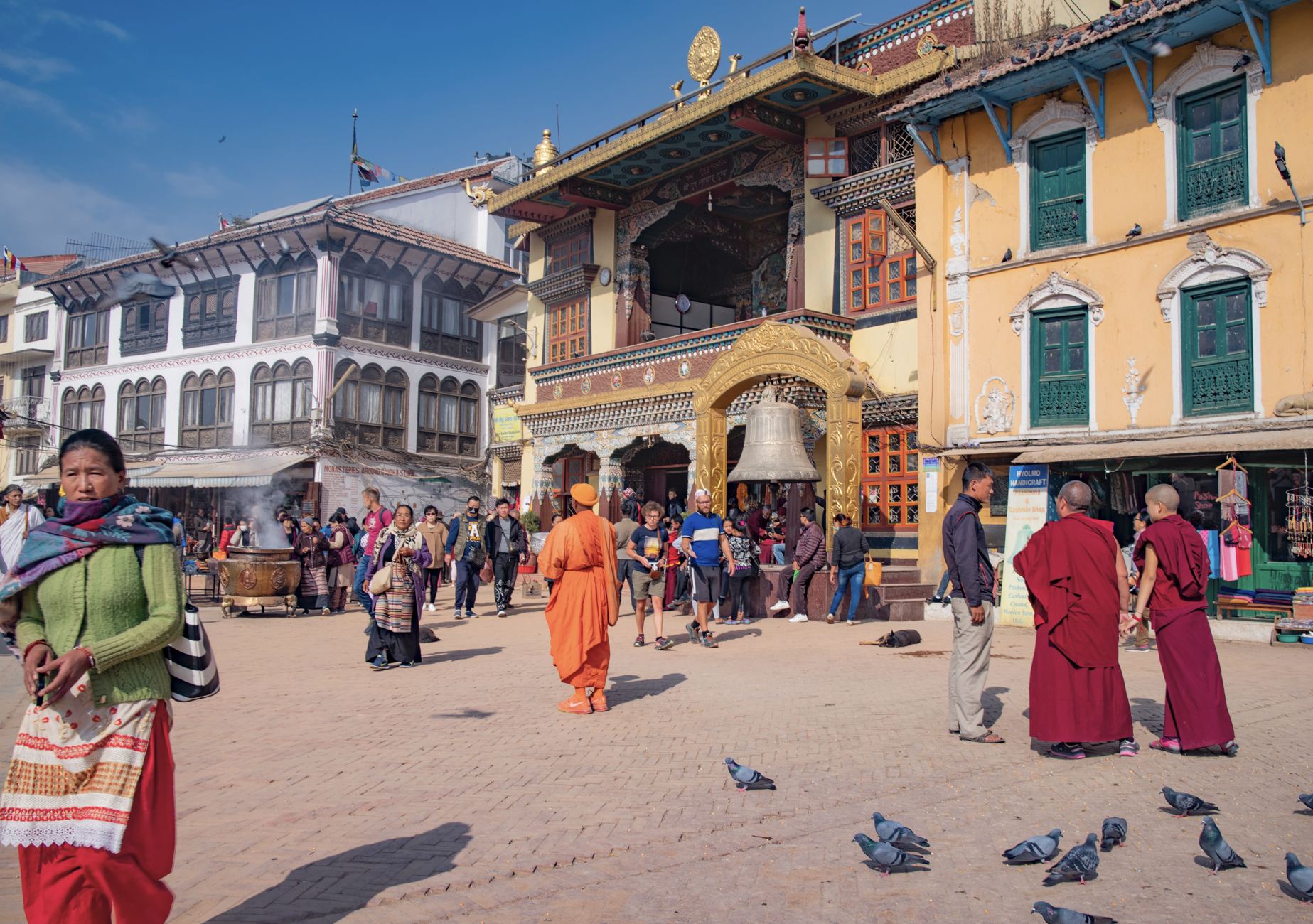
What’s Actually Happening? This isn’t a general warning about crime; it’s a direct response to large-scale protests that turned violent in major cities earlier this week, resulting in injuries and even deaths. As a result, local authorities have imposed curfews in popular tourist hubs like Kathmandu and Pokhara. The State Department is warning that more protests and curfews could be announced with little to no warning.
What This Means For Your Trip: For travelers, the message is clear: stay away from all protests and large gatherings. Getting caught up in a demonstration, even as an observer, can be a dangerous situation. Be prepared for potential travel disruptions, like street closures, and always follow the instructions of local authorities. While this doesn’t mean your Himalayan trek is off the table, it does mean you need to be extra vigilant and aware of your surroundings when in major cities.
What’s Actually Happening? The core of this advisory is about geography. The risk is not spread across the country but is highly concentrated in specific areas due to the potential for armed conflict. The State Department is telling travelers in no uncertain terms: Do Not Travel to the border region with Azerbaijan. U.S. embassy employees are also restricted from personal travel to specific eastern and southern regions of the country.
What This Means For Your Trip: For the average tourist visiting the capital, Yerevan, or exploring the country’s famous monasteries, this advisory has minimal impact. The key is to be geographically aware. Stay away from the designated high-risk border zones, and your trip should be perfectly safe.
Belarus Upgraded to ‘Level 4: Do Not Travel’
The Bottom Line: This is the highest and most serious warning the State Department can issue. The message is simple and direct: Do not go to Belarus. If you are there, leave immediately.
What’s Actually Happening?The situation in Belarus is critical. The “Level 4” warning is due to a combination of severe risks: the arbitrary enforcement of local laws, harassment by security officials, the potential for civil unrest, and the danger associated with the country’s continued support of Russia’s war against Ukraine.
What This Means For Your Trip: The most crucial piece of information for any American is that the U.S. Embassy in Minsk has suspended all operations. This means the U.S. government has extremely limited ability to provide any emergency services or assistance to U.S. citizens in the country. If you are detained, you may not be granted access to consular officials. This is a no-go zone, period.
Latest U.S. Travel Advisories
Get a quick, easy-to-understand breakdown of what you really need to know about the latest alerts.
⚠️The Risk: Violent civil unrest and protests in major cities like Kathmandu and Pokhara.
➡️What to do: Avoid all large gatherings and demonstrations. Be prepared for sudden curfews.
⚠️The Risk: Potential for armed conflict in specific, remote border areas.
➡️What to do: Do not travel to the border region with Azerbaijan. The rest of the country remains safe for tourists.
⚠️The Risk: Extreme danger. The U.S. Embassy is closed, meaning no emergency help is available for Americans.
➡️What to do: Do not enter Belarus under any circumstances. If you are there, leave immediately.
Navigating the world of travel advisories can be confusing, but it’s an essential part of planning any international trip. To make it easy, Travel Off Path has its own simple Travel Advisory Checker, where you can find the official alert level for any destination in seconds.
Safe Travels!
The Travel Off Path Advantage: Your Travel Toolkit
Subscribe To Our Latest Posts
Enter your email address to subscribe to Travel Off Path’s latest breaking travel news, straight to your inbox.
In terms of its safety reputation, Mexico is hit or miss, depending on who you ask.
However, any trip abroad comes with its risks as we go out of our comfort zone away from home.
Mexico has long battled mainstream news as any violent act or serious offense seems to overtake headlines and leave an impression that all of Mexico is dangerous.
Despite the media’s best efforts, 99.9% of travelers who have been to Mexico surely disagree, as the beautiful country is teeming with welcoming locals, vast cultural cities, delightful pueblo magicos, and, of course, incredible beaches and resorts.
That being said, there are always ‘bad apples’ who can change the narrative, and there are always a handful of tourists who push the envelope.
So, what does the U.S. State Department think with their intel?
Ranging from Level 1 to Level 4 to determine safety levels, the government agency has issued travel advisories for every state in Mexico.
These are the 7 safest beach destinations according to the U.S. State Department:
Campeche
Surprisingly, the coastal city of Campeche is trending with travelers this year, and one key reason it’s become a big hit is that it’s one of the safest cities in Mexico.
Beyond the safety aspect, next in line for the ‘trendiest’ title would be the highly-anticipated Maya Train.
Campeche is one of the stops and travelers are loving it! A mix of captivating cultural sites, affordability and nice beaches along the Gulf of Mexico is luring in tourists this year.
There are only 2 states in Mexico designated Level 1: Exercise Normal Precautions and Campeche is proud to be in this exclusive club.
Yucatan
The only other standing member in the club is the Yucatan state.
Super safe, gorgeous, and offering ample historical sites, such as Chichen Itza, travelers can’t go wrong visiting this side of Mexico.
And while Merida is not a beach city per se, it’s close enough as this increasingly popular city makes for a great gateway to hit the coast.
Proudly holding the title of ‘safest city in Mexico‘, Merida is perfect for those who want to ease into Mexico if they have any hesitations regarding tourist safety.
Choosing between Playa Norte, Sisel, and Progreso to spend your beach days is a coin flip, but one unsuspecting beach is the Yucatan’s best kept secret.
Quintana Roo
Now on to Level 2 – Quintana Roo is home to Mexico’s most popular beach vacation hotspots. Of course, the best of the best is the iconic beach city if Cancun.
A staple for vacationers for decades, Cancun is always reliable, always safe for tourists, and checks off all the boxes for a dreamy getaway.
Factor in surrounding trendy beach destinations, such as Cozumel, Playa del Carmen, Tulum, among others, there is perhaps no better place in Mexico to find your niche.
As the Maya Train continues to expand operations, the region is more accessible than ever before!
Baja California Sur
Just the word “Baja” seems to invoke instant bliss, knowing that places like Los Cabos exist for us to escape to.
The southernmost point of Baja lies Mexico’s most luxurious beach destination, Los Cabos. Lined with picture-perfect resorts with all the all-inclusive amenities you could want, it simply doesn’t get much better.
Los Cabos is the biggest draw for southern Baja, but tranquil coastal cities like La Paz and delightful small beach towns like Todos Santos are making a name for themselves as well.
Oaxaca
Oaxaca is a vastly cultural city and state of the same name, but the state’s beaches are where its natural beauty shines through.
Both the city and beaches are major hubs for digital nomads.
The coastal city of Puerto Escondido has soared in popularity with remote workers, which speaks volumes since digital nomads don’t exactly seek out unsafe places to call home.
The state of Oaxaca is stunning and you can’t go wrong visiting Puerto Escondido, Huatulco, or the smaller lesser-known gems dispersed along the coast.
Veracruz
Veracruz is a great example of why Mexico should be given more of a chance to prove mainstream news wrong.
In fact, it’s well on its way in doing so as the port city has surged in popularity. Despite some minor nuisances, Veracruz is very safe for tourists.
Tourists love exploring the centuries-old streets lined with colonial architecture, but Veracruz also has nice beaches within close reach.
Roughly 20 minutes away lies miles of sandy beaches along the Costa Esmerelda, including scenic islands to visit just off-shore.
As one of the trendiest destinations in Mexico this year, seemingly endless beaches are obviously a huge reason for that.
Safety plays a huge factor, too.
Although Puerto Vallarta is technically in the state of Jalisco, given its popularity and close distance to Nayarit, it’s fair to add this mega-popular beach city to the equation as one of the safest in Mexico.
Sam, our Lead Writer & Journalist based in San Diego has visited 30 countries and written over 400 articles with a focus on sharing his own travel experiences and shining a light on lesser-known gems.
Opinions expressed here are the author’s alone, not those of any bank, credit card issuer, hotel, airline, or other entity. This content has not been reviewed, approved or otherwise endorsed by any of the entities included within the post.
Travelers heading to Mexico this winter or for spring break should take caution or, in some instances, consider canceling their trip. The U.S. State Department has travel advisories in place for all but two Mexican states. Six Mexican states are under the most severe level 4 “do not travel” advisory.
Rather than issue a blanket travel warning for the entire country, the U.S. Department of State assesses the risk level of each of Mexico’s 32 states and issues a separate advisory for each state. The warnings are based on the threat level to U.S. citizens, including government employees, expats, digital nomads, and tourists.
Why Are There Travel Warnings In Mexico?
Travel warnings can be issued for any number of reasons, but in Mexico’s instance, it is due to an increased risk of violent crime. According to the State Department’s warning, homicide, kidnapping, carjacking, and robbery is currently widespread in Mexico. Additionally, the U.S. government and local authorities have limited ability to help Americans who need assistance in certain areas.
Recent incidents have included violence that erupted in the state of Sinaloa and an ongoing dispute between Uber and taxi drivers that has become aggressive in Cancun. While violence and kidnappings are generally not targeted toward tourists, there have been incidents where innocent bystanders have been injured or killed during altercations.
What Does The Travel Warning Mean?
The U.S. government has urged Americans to obey the same restrictions they have placed on U.S. government employees in Mexico. Specifically, U.S. government employees are advised to:
Avoid travel between cities after dark
Avoid hailing taxis on the street
Do not travel alone, especially in remote areas
Do not drive from the U.S. – Mexico border to interior parts of the country, with a few exceptions
Additionally, there are precautions tourists can take to reduce their risk of danger while visiting Mexico. Specifically, all visitors should enroll in the Smart Traveler Enrollment Program and inform family back home of their plans. Travelers should also avoid displaying obvious signs of wealth and be extra cautious when visiting ATMs or banks.
If you do find yourself needing assistance while visiting Mexico, you can call for help by dialing 911. Inform local authorities of any issues and file a Mexican police report if needed. Additionally, U.S. citizens should also contact the U.S. Embassy or the nearest consulate if help is needed. The embassy can help find medical care, provide a list of local attorneys, and help arrange accommodation and flights home in the case of an emergency.
Which Mexican Locations Have A Travel Warning?
Six Mexican states currently have a level 4 “do not travel” warning, and seven states are under a level 3 “reconsider travel” advisory. All but 2 of the remaining states are under a level 2 advisory where travelers should “exercise increased caution”. The only 2 regions with no current advisory are Campeche and Yucatan. That means that most of Mexico’s popular tourist destinations are currently under advisory. Below is a list of the advisories, along with popular tourist destinations within that state.
Each traveler needs to assess their own vulnerability and comfort level before deciding if they should travel to Mexico right now. Generally, if one remains in tourist areas and takes the recommended precautions, their risk of coming into contact with violence and crime is minimal. However, it is always important to be aware and prepared regardless of where you are traveling.
Planning your vacation for 2023? Many travelers are eagerly planning out their getaways for next year as they plan out how to use their refreshed vacation time. As we head into the end of the year, there are currently over 15 destinations you shouldn’t travel to, at least according to the U.S. State Department.
When planning your 2023 vacations, it may be worth considering the risks if any of your planned destinations are on the U.S. State Department’s Level 4: Do Not Travel list.
One thing we should point out before digging into the countries on the Level 4 list is that this is simply the State Department’s recommendation. Just because a country is on the Level 4 list doesn’t mean that you can’t travel there; it just means that the State Department recommends that you don’t travel there.
The decision whether or not to travel to an area listed should be considered extensively, and each traveler should decide what is best for themselves.
Below, we have listed all the current destinations that are considered Level 4, their reasons for being included on the list, and a few reasons why some travelers still choose to visit.**
**To be clear, we are not saying travelers should ignore the State Department’s advice; we are simply highlighting some of the reasons travelers choose to do so.**
Mexico… Sort Of
It’s no secret that destinations like Cancun, Tulum, and Los Cabos top the lists of American travelers’ favorite destinations. As such, it may alarm travelers to find Mexico on this list. However, the State Department treats Mexico a bit differently than the rest of the countries on its list.
Namely, Mexico is assessed on a state-by-state basis rather than looking at the country as a whole. This makes sense, as Mexico is quite extensive, and safety varies broadly based on location within the country.
Below are the Mexican states that are on the U.S. State Department’s Level 4 Do Not Travel List. Included with each state is their reasoning for being on the list, as well as exceptions within the state:
Colima State
Exception: Tourist areas and port areas in Manzanillo
Guerrero State
Exception: Downtown tourist areas of Taxco
Michoacan state
Exceptions: Lazaro Cardenas city center and port, Morelia
Sinaloa state
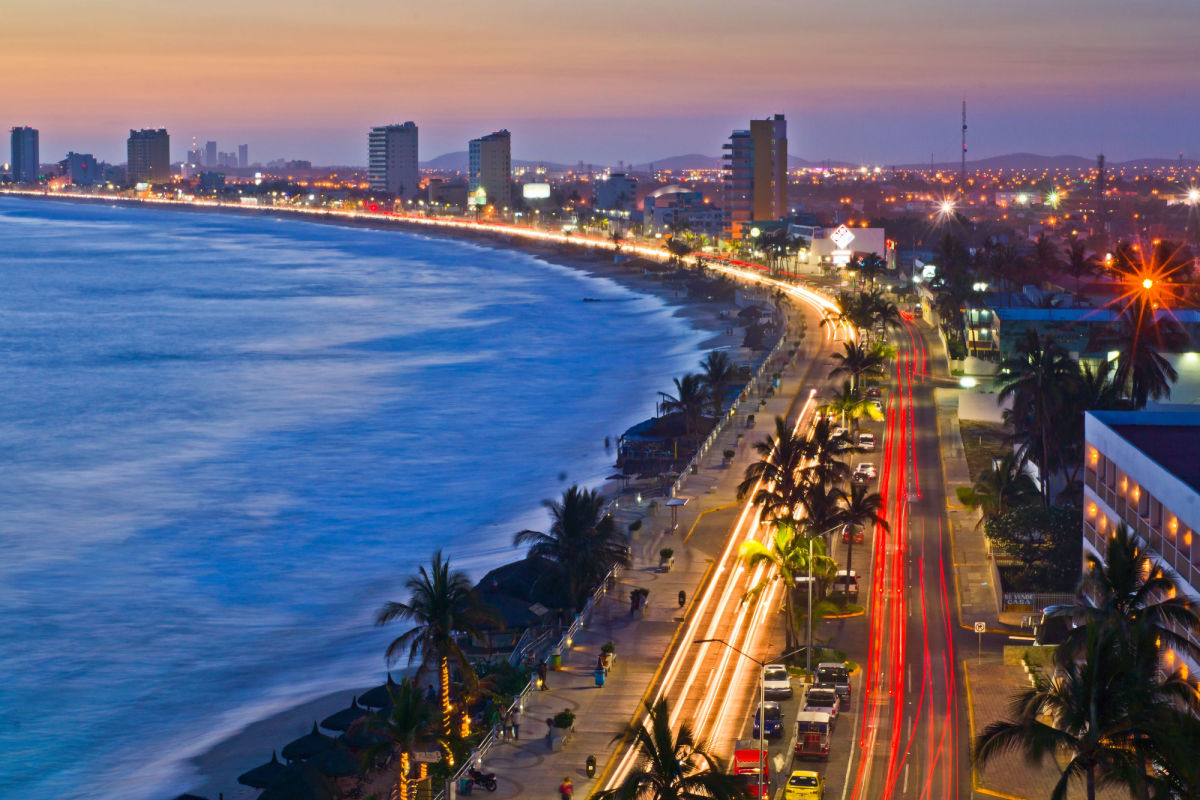
Exceptions: Mazatlan’s Zona Dorada and historic town center
Tamaulipas state
Zacatecas state
Exception: Zacatecas City proper
When looking at the rest of the list of Mexican states, travelers will notice that nearly every state in Mexico is listed at a Level 2: Exercise Increase Caution When Traveling or higher.
However, this should be taken with a grain of salt for travelers heading to Mexico for vacation. Those visiting Mexico to stay at a resort and enjoy a week or two in the sun are extremely unlikely to fall victim to a crime, especially if they plan on sticking to their resort and reputable tourist outings.
Israel… Sort Of
Similar to Mexico, Israel gets a special classification on the State Department’s site. In Israel’s case, there are certain areas that are classified as Level 4:Do Not Travel, while the rest of the country is classified as Level 2: Exercise Increased Caution. The State Department says travelers should not travel to Gaza due to terrorism, civil unrest, and armed conflict and classifies it as a Level 4 area.
Why Some Still Visit:Many travelers choose to visit Israel for a trip to the Old City of Jerusalem, steeped in history. A visit to Israel is filled with ancient history not found anywhere else in the world.
Afghanistan
The State Department says you should not travel to Afghanistan due to armed conflict, crime, civil unrest, kidnapping, and terrorism. The U.S. embassy closed in August 2021, and the U.S. government is unable to provide help to citizens in the country should they be unjustly detained or worse.
Why Some Still Visit:Historical sites in Bamiyan Valley or Band-e-Amir National Park are popular choices for locals and visitors alike.
Haiti
Sharing half of an island with one of The Dominican Republic, a popular tourist destination, Haiti is considered unsafe for travel by the U.S. State Department. The reasons cited are crime, civil unrest, and kidnapping. Recently, on October 7th, 2022, the State Department authorized the departure of non-emergency government employees from the area, as well as family members of U.S. government employees, showing that they consider the country a legitimate risk to employees’ safety.
Why Some Still Visit: Haiti is often visited for many of the same reasons other Caribbean destinations are, including beautiful beaches like Cadras beach, nature escapes like Bassin Bleu falls, and exclusive small islands of the mainland like Amiga Island.
Yemen
Yemen is considered an unsafe destination, and there is an active civil war going on in the country. The U.S. embassy ceased operations in 2015. As such, the U.S. is unable to provide emergency services to citizens in the country. Landmines, kidnapping, armed conflict, health risks, terrorism, and civil unrest are all cited as reasons the State Department recommends travelers avoid going to Yemen.
Why Some Still Visit: Though the country is not recommended for travel, it is still home to an UNESCO world heritage site, The Old City of Sanaa, one of the oldest cities in the world.
Venezuela
Venezuela rarely gets any good press. Additionally, the State Department’s reasoning for putting it on its Level 4 list doesn’t give it a good look either. Terrorism, wrongful detentions, poor health infrastructure, civil unrest, crime, and kidnapping are all cited reasons why travelers are recommended to avoid going to Venezuela.
Why Some Still Visit: Locals to the area and travelers who don’t heed the State Department’s advice enjoy visiting the world’s highest uninterrupted waterfall, Angel Falls, and El Ávila National Park, accessible from Caracas by cable car.
Syria
Syria is not recommended for travel due to kidnapping, risk of unjust detention, armed conflict, terrorism, and civil unrest. The U.S. embassy hasn’t operated in the country since 2012. As a result, the U.S. is unable to provide emergency services to citizens in the country.
Why Some Still Visit: Home to ancient ruins, castles, and mosques, Syria is full of history. Like Yemen, it is home to one of the oldest cities in the world, the Old City of Damascus.
Sudan
Sudan is not recommended for travel due to kidnapping, terrorism, armed conflict, crime, and civil unrest.
Why Some Still Visit: Ancient ruins like the Meroe Pyramids or the Gebel Barkal are a popular choice for travelers who choose to go to Sudan, and the country is home to two Marine National Parks, which have extremely diverse habitats.
South Sudan
South Sudan is listed as a Level 4 country due to armed conflict, crime, and kidnapping.
Why Some Still Visit: Nature lovers flock to Boma National park. The popular park is home to one of the largest mammal migrations on the planet.
Somalia
Somalia is a level 4 country due to kidnapping, health issues, crime, terrorism, civil unrest, and piracy.
Why Some Still Visit: Laas Geel, outside Hargeisa, is home to some of the oldest cave paintings in the region. Depictions of cattle with their shepherds adorn the ancient walls.
North Korea
The State Department recommends travelers avoid North Korea due to the critical threat of wrongful detention in the country. The U.S. cannot provide emergency services to its citizens in North Korea because it does not have any diplomatic relations with the country. Tourism in North Korea is extremely strict, and travelers can only see the country on a guided tour. They will only be alone when in their hotel room and when entering the country.
Why Some Still Visit: Most people who travel to North Korea do so out of curiosity more than anything else, hoping to glimpse what life is like in the country.
Libya
Libya is a Level 4country due to kidnapping, civil unrest, crime, terrorism, and armed conflict.
Why Some Still Visit: The country is home to many ancient sites from both the Greek and Roman eras, such as Cyrene, an ancient Greek city, and Leptis Magna, an ancient Roman city. There are also many opportunities for tours in the Sahara Desert.
Iraq
Iraq is on the list for no travel due to terrorism, civil unrest, kidnapping, armed conflict, and Mission Iraq’s limited capacity to help U.S. citizens.
Why Some Still Visit:Iraq is home to many ancient ruins and buildings and is full of historical sites like the Erbil Citadel and the Ziggurat of UR.
Iran
Iran is a Level 4 country due to kidnapping and the wrongful detention of U.S. citizens.
Why Some Still Visit: This country is home to some truly stunning architecture, like Golestan Palace or Nasir al-Mulk Mosque, both displaying captivating colors and mosaics.
Burma (Myanmar)
Burma is on the list for no travel due to armed conflict, civil unrest, areas with landmines, wrongful detentions, and inadequate healthcare resources.
Why Some Still Visit: The country is home to countless temples, pagodas, and monasteries, and one of the most unique ways to see them is by taking a hot air balloon ride over the city of Bagan.
Russia
The State Department says travelers should avoid travel to Russia due to its “unprovoked and unjustified invasion of Ukraine by Russian military forces.” They also cite harassment against U.S. citizens, arbitrary enforcement of local law, limited flights in and out of Russia, terrorism, and the Embassy’s limited ability to assist citizens in the country.
Why Some Still Visit: Many travelers head to Russia for its unique architecture. Russia is home to many interesting buildings, but one of the most famous is certainly Saint Basil’s Cathedral.
Mali
Mali is a Level 4country due to kidnapping, crime, and terrorism.
Why Some Still Visit:The Great Mosque of Djenne, Boucle du Baoule National Park, and Djinguereber Mosquea are all reasons people visit Mali despite its place on the State Department’s list.
Central African Republic
The Central African Republic is a Level 4country due to kidnapping, civil unrest, crime, and the Embassy’s limited ability to help citizens in the country.
Why Some Still Visit: Visitors head to the Central African Republic to get a unique glimpse at nature. Visiting the Dzanga-Sangha Reserve, Manovo-Gounda St. Floris National Park, and Les Chutes de Boali provides unique views of natural landscapes and the animals that call them home.
Burkina Faso
The State Department lists Burkina Faso as a Level 4 country due to kidnapping, terrorism, and crime.
Why Some Still Visit:Like the Central African Republic, Burkina Faso is a place for nature lovers. The Reserve de Nazinga, Les Cascades de Banfora, and Mare aux Hippopotamus are all popular areas for viewing wildlife and natural scenery.
Belarus
Belarus is a Level 4 country due to the risk of detention, arbitrary enforcement of laws, and the buildup of Russian military along its border with Ukraine.
Why Some Still Visit:Belarus hasn’t really marketed itself as a tourist destination for most of its existence, and travelers heading here can look at soviet-era buildings, tour Belarussian castles, and visit one of the country’s many lakes.
Ukraine
Ukraine is a Level 4 country due to the ongoing invasion of Russia. However, for those brave enough to visit, the country did launch war tourism opportunities recently.
Why Some Still Visit:Ukraine has a lot of natural beauty to explore, like the largest canyon in Europe, and it is also home to many UNESCO world heritage sites like the wooden churches of the Carpathian region
The U.S. State Department has just issued a further 16 more new travel advisory updates. Posted on the Department of State’s travel advisory website just yesterday, the new travel advisories are the latest of several updates already this month, as the State Department and embassies around the world work around the clock to ensure that American travelers are kept in the loop and can make informed decisions regarding their travel plans.
Featuring a wide range of countries spanning several continents, yesterday’s travel advisories prove that even after the pandemic, there are still plenty of other things that travelers need to be wary of when traveling abroad. Here’s a look at which countries were affected by yesterday’s latest round of travel advisory updates, plus a reminder of what travel advisories are and the role they should play in any traveler’s trips abroad.
Travel Advisory Updates – Information For Travelers
Travel advisory updates are the State Departments way of keeping travelers up to date with issues they may encounter on their trips abroad. Every country in the world has a travel advisory page, regardless of its popularity, which contains concise, up to date information about security threats and concerns not just in the country as a whole, but often in specific regions where appropriate. A wide range of different issues are covered, ranging from everyday issues such as high crime rates to more pressing matters such as civil unrest and terrorism. Following the pandemic, travel advisories also contain an update from the CDC on the level of Covid-19 in each destination.
Travel advisories come in four different levels, each one indicating the severity of the risk travelers will face in that country. Level 1 travel advisories – the least severe warning – advises travelers to “exercise normal precautions,” whilst Level 4 – the most severe warning level – tells travelers “do not travel” to that destination. Despite the strict wording on the different levels, travel advisories do not have the power to prevent a traveler from heading to a certain destination, though they do provide travelers with the information required to make the decision of whether or not to travel in the first place.
Latest Travel Advisories – What Travelers Should Know
Yesterday’s travel advisory updates saw a further 7 countries issued with Level 1 travel advisories, bringing the total number of Level 1 countries up to 81. Those 7 countries and their CDC-determined Covid-19 levels are:
There were also five additions to the Level 2 category, which advises travelers to exercise increased caution. They are as follows:
Bangladesh: exercise increased caution in Bangladesh due to crime, terrorism, and kidnapping. Low level of Covid-19.
Bosnia and Herzegovina: exercise increased caution in Bosnia and Herzegovina due to terrorism and land mines. High level of Covid-19.
India: exercise increased caution in India due to crime and terrorism. Moderate level of Covid-19.
Laos: exercise increased caution to Laos due to civil unrest. Unknown level of Covid-19
Philippines: exercise increased caution to the Philippines due to crime, terrorism, civil unrest, and kidnapping. Moderate level of Covid-19.
Four countries were awarded Level 3 travel advisories, which asks travelers to reconsider travel. El Salvador, which has a moderate level of Covid-19, was deemed to be Level 3 due to its high levels of crime. That was also the case for Honduras, which also has a high level of Covid-19 according to the CDC. Travelers are also asked to reconsider travel to moderate Covid-19-level Ethiopia due to armed conflict, civil unrest, communications disruptions, crime, and the potential for terrorism and kidnapping in border areas. Those with travel plans involving Moldova (moderate level of Covid-19)are also asked to reconsider them, due to the country’s close proximity to the conflict in Ukraine.
The latest round of travel advisory updates saw no countries awarded the most severe Level 4 update – but that doesn’t mean that things can’t change quickly. In addition to making sure they read the travel advisory page for their destinations this summer, travelers should also ensure they purchase a good travel insurance policy to ensure they are covered in the event that something does go wrong.
Enter your email address to subscribe to Travel Off Path’s latest breaking travel news, straight to your inbox
Disclaimer: Current travel rules and restrictions can change without notice. The decision to travel is ultimately your responsibility. Contact your consulate and/or local authorities to confirm your nationality’s entry and/or any changes to travel requirements before traveling. Travel Off Path does not endorse traveling against government advisories
The United States’ Department of State has just updated the travel advisory pages for 10 countries around the world. Whilst international travel may have moved closer towards normality over the past few months, it still isn’t completely without risks and challenges – as these updates show – and travel advisories still play a key role in keeping travelers in the loop before they take their trips.
From common, everyday issues such as crime and health concerns, to more serious problems such as terrorism, war and kidnapping to name but a few, travel advisories are routinely updated by the State Department to contain up to date information about the risks associated with different destinations. Here’s a look at which ten countries were included in yesterday’s travel advisory updates, plus a recap of what travel advisories are and how they help travelers.
What Are Travel Advisories? Information For Travelers
Curated and updated by the State Department as often as is required, travel advisories provide simple, clear information about the risks travelers may face when traveling abroad. Travel advisories are color coded and sorted into four different levels – with Level 1 being the least severe and Level 4 being the most severe – to make it quick and easy for travelers to see the risks associated with visiting a specific destination.
In addition to updates from the State Department, each travel advisory contains information from the CDC about whether there is a low, moderate or high level of Covid-19 in the destination. Whilst they do not legally prevent a traveler from visiting a country, they can help a traveler to make an informed decision about whether or not it is a good idea to visit, playing an important role in the pre-travel process.
New Travel Advisory Updates – What Travelers Should Know
The ten new travel advisory updates posted on the State Department’s website yesterday feature all four of the system’s levels. Two countries were handed Level 4 updates – their details are as follows:
Libya – do not travel to Libya due to crime, terrorism, civil unrest, kidnapping, and armed conflict. The CDC states it has an unknown level of Covid-19
Iran – do not travel to Iran due to the risk of kidnapping and the arbitrary arrest and detention of U.S. citizens. The CDC has determined that Iran has a low level of Covid-19
Three countries were handed Level 3 warnings, which tell travelers to reconsider travel to such destinations.
Lebanon – reconsider travel to Lebanon due to crime, terrorism, armed conflict, civil unrest, kidnapping and Embassy Beirut’s limited capacity to provide support to U.S. citizens. The CDC states it has a low level of Covid-19
Guyana – travelers should reconsider their trips to Guyana due to crime. The CDC has also stated that the country has a high level of Covid-19
Guatemala – travelers should reconsider their trips to Guatemala due to crime, with some parts of the country designated as no-go areas. The CDC states it has a moderate level of Covid-19
Only one country received a Level 2 travel advisory – Zimbabwe – due to crime, with the CDC adding it has a low level of Covid-19. Four countries received Level 1 travel advisories; these are as follows:
Saint Kitts and Nevis – CDC indicates a high level of Covid-19
Poland – CDC indicates a moderate level of Covid-19
Namibia – CDC indicates a high level of Covid-19
Mongolia – CDC indicates a high level of Covid-19
Whilst they do provide important information that travelers should be aware of, travelers are free to do their own research and decide whether or not to follow through with their travel plans. Regardless of a country’s travel advisory level, travelers should always make sure they have a good travel insurance policy to keep them safe and protected whatever happens on their vacation.
Enter your email address to subscribe to Travel Off Path’s latest breaking travel news, straight to your inbox
Disclaimer: Current travel rules and restrictions can change without notice. The decision to travel is ultimately your responsibility. Contact your consulate and/or local authorities to confirm your nationality’s entry and/or any changes to travel requirements before traveling. Travel Off Path does not endorse traveling against government advisories
The US State Department has issued 13 new travel advisories for June. The latest updates, which were uploaded onto the State Department’s website on May 31st, provide information that aims to keep American travelers safe and well informed ahead of their travels. These most recent updates feature a range of countries which are located in regions that are bound to be amongst the most popular with American travelers this summer, such as Europe and the Caribbean.
With travel this summer expected to rival pre-pandemic figures, travel advisories are bound to play an important pre-travel role for those jetting off around the world this year. Here’s a look at which countries were affected in the most recent updates, plus a recap of what the travel advisory system is and how it helps American travelers.
Travel Advisories – An Explanation For Travelers
The State Department’s travel advisories are helpful updates that provide information to travelers about destinations around the world. Each update assigns a risk level to a destination, with Level 1 being the lowest risk level and Level 4 being the highest risk level. Warnings are updated frequently as and when they are needed, reflecting the ever changing risks such as crime, terrorism and health concerns that are present in each destination.
Along with a warning from the State Department, each travel advisory update also contains information from the CDC on the level of Covid-19 in each destination, allowing travelers to know what they may be getting themselves into if they do decide to travel. Whilst they play an important role in keeping travelers informed about real and current threats they may face and should always be consulted, they have no legal power to prevent travel – meaning the decision to travel is ultimately down to the traveler.
Recent Travel Advisory Updates – What Travelers Should Know
The latest travel advisories to be posted featured updates from all four warning levels. The Level 1 updates are as follows:
St. Kitts and Nevis – exercise normal precautions. CDC indicates a moderate level of Covid-19
Anguilla – exercise normal precautions. CDC indicates a high level of Covid-19
Kuwait – exercise normal precautions, travelers should not visit the border region with Iraq. CDC indicates a low level of Covid-19
The Level 2 updates are:
Bosnia and Herzegovina – exercise increased caution due to terrorism and land mines. CDC indicates a moderate level of Covid-19
Dominican Republic – travelers should exercise increased caution due to crime. CDC indicates a moderate level of Covid-19
Tunisia – exercise increased caution in Tunisia due to terrorism. The country also has several no-go regions. CDC indicates a moderate level of Covid-19
Turks and Caicos Islands – exercise increased caution due to crime. CDC indicates a high level of Covid-19
Level 3 travel advisories carry a warning that travelers should reconsider travel to these destinations. The recent Level 3 updates are:
Guyana – risk of crime. Covid-19 level is moderate according to CDC
Jamaica – risk of crime, with several areas travelers should not travel to. According to the the CDC, Jamaica has a high level of Covid-19
Mauritania – risk of both terrorism and crime. The country’s Covid-19 level is low according to the CDC
Poland – travelers should reconsider their trips to Poland due to its Covid-19 related restrictions. It has moderate levels of Covid-19 according to the CDC
Finally, two countries were awarded Level 4 warnings. These warnings explicitly tell travelers “Do Not Travel” to the destinations in question. The Level 4 warnings are as follows:
Burma (Myanmar) – do not travel due to areas of civil unrest and armed conflict. CDC indicates a low level of Covid-19
Moldova – do not travel due to armed conflict in neighboring Ukraine, and the unresolved conflict between the breakaway region of Transnistria and the central government. Moderate level of Covid-19 according to the CDC
Enter your email address to subscribe to Travel Off Path’s latest breaking travel news, straight to your inbox
Disclaimer: Current travel rules and restrictions can change without notice. The decision to travel is ultimately your responsibility. Contact your consulate and/or local authorities to confirm your nationality’s entry and/or any changes to travel requirements before traveling. Travel Off Path does not endorse traveling against government advisories
Travelers have been warned to reconsider travel, the government is concerned about crimes and kidnappings in the region
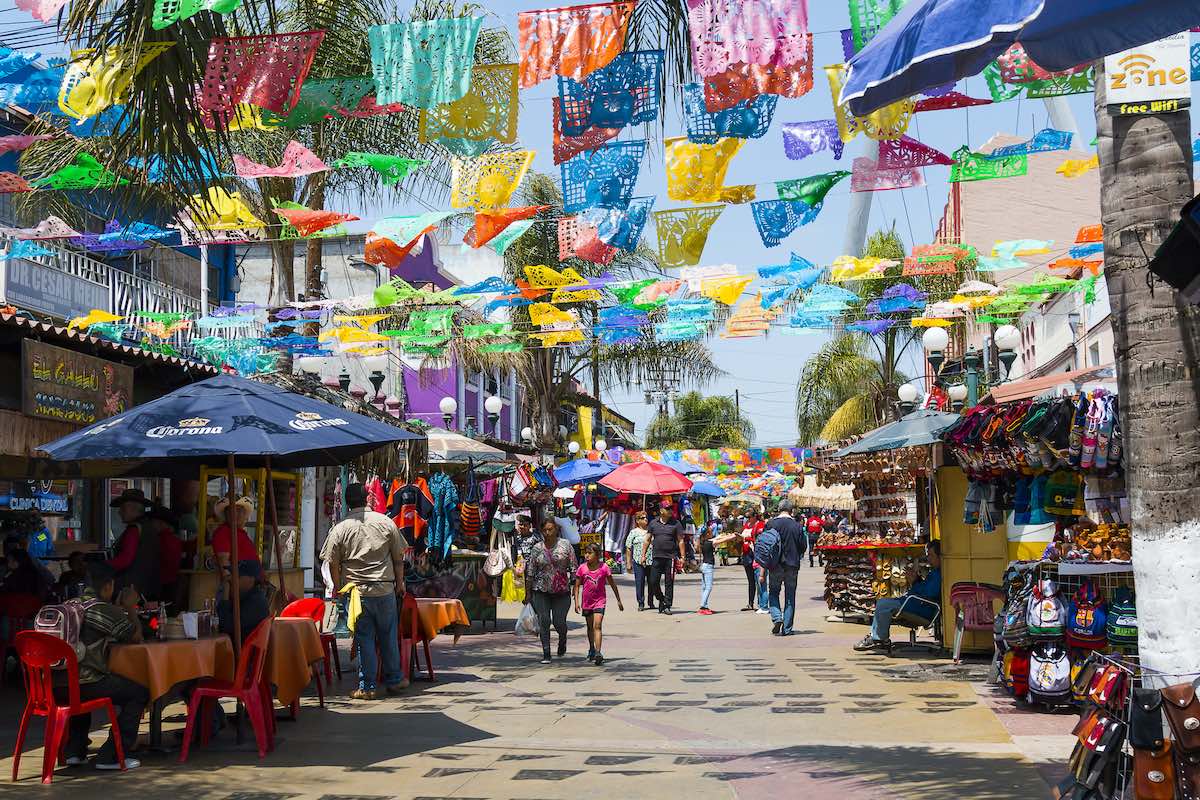
The U.S. Department of State issued a new travel warning for US citizens visiting Tijuana and Baja California. The update comes after recent cases of kidnapping and violence in the region.
The amendment has been made just two weeks after the Bureau of Consular Affairs of the United States announced that it lowered travel advisory for Mexico from “Level 4: Do not travel”, to “Level 3: Reconsider Travel”.
The government is concerned about rising crime and recent kidnappings which include homicide cases and violent aggressions. The official publication states: “Transnational criminal organizations compete in the border area to establish narco-trafficking and human smuggling routes. Violent crime and gang activity are common. Travelers should remain on main highways and avoid remote locations.”
Many Americans have been traveling in the past few weeks to Tijuana also for cheaper gas prices, as Los Angeles Times reported. Those visiting the region, even for a short period of time, should stay aware and follow the State Department’s recommendations.
Risks For Travelers In Tijuana
According to the information shared by the US Department, the highest concern is addressed to non-tourist areas of Tijuana, where a high number of homicides have been reported recently. The government explained that most homicides have been targeted, but bystanders can be injured or even killed in territorial disputes between criminal organizations.
It has also been disclosed that citizens and lawful permanent residents in the United States have been victims of kidnapping.
The president of Tijuana’s Chamber of Commerce, Jorge Macías Jiménez, has made declarations to Fox 5, after the US Government shared this update: “The warning is mostly for areas where tourists wouldn’t go in the first place, it won’t harm tourism or the commercial sector.”
Macías Jimenez considers that the warning shouldn’t frighten tourists and said: “I do advise people to use caution since there are areas where criminal disputes sometimes result in injuries or even death of bystanders, but that’s only if you venture into non-tourist areas.”
Travel Considerations And Recommendations
The US Department of State also shared recommendations and advice and requested US government employees to adhere to the restrictions. These are the current considerations regarding Baja California:
Avoid Mexicali Valley: the agency urges Americans to avoid this area due to the “heightened possibility of violence between rival cartel factions”.
Travelers can use Highways 2 and 2D —during daylight hours— to transit between Mexicali, Los Algodones, and San Luis Rios Colorado. Also during the daytime, visitors can use Highways 1, 8, and 5.
Reconsider Travel to Baja California: the government urges US citizens to especially avoid non-tourist areas.
Travelers must read and understand the information published on the government’s official website when visiting Mexico. General Mexico Travel recommendations include:
Do not transit between cities during nighttime. Travelers shouldn’t hail taxis on the street, it is better to rely on dispatched vehicles, app-based services and regulated taxi stands.
Avoid traveling alone, especially in remote areas.
Do not travel to Colima, Guerrero, Michoacan, Sinaloa, and Tamaulipas states due to crime and kidnapping.
Reconsider travel to Baja California, Chihuahua, Coahuila, Durango, Guanajuato, Jalisco, Mexico, Morelos, Nayarit, Sonora, and Zacatecas states due to crime and kidnapping.
Increase caution when traveling to Aguas Calientes, Baja California Sur, Chiapas, Hidalgo, Nuevo León, Oaxaca, Puebla, Querétaro, Quintana Roo, San Luis Potosí, Tabasco, Tlaxcal, and Veracruz states and Mexico city due to crime and kidnapping.
Review the US Embassy’s, CDC, and Crime and Safety Reports’s webpages regarding Mexico.
Exercise increased caution when visiting local bars, casinos, or nightclubs.
Keep family and traveling companions informed of the location and travel plans.
Follow the US Department of State and the US Embassy on Facebook and Twitter.
Avoid wearing watches or jewelry, since these are considered signs of wealth.
Enter your email address to subscribe to Travel Off Path’s latest breaking travel news, straight to your inbox
Disclaimer: Current travel rules and restrictions can change without notice. The decision to travel is ultimately your responsibility. Contact your consulate and/or local authorities to confirm your nationality’s entry and/or any changes to travel requirements before traveling. Travel Off Path does not endorse traveling against government advisories