Tag: South

  • This Mayan Ruin South Of Cancun Will Open To The Public For The First Time Ever

    This Mayan Ruin South Of Cancun Will Open To The Public For The First Time Ever

    [ad_1]

    Share The Article

    Mayan ruins are a big part of the reason why Mexico is so popular as a tourist destination, particularly among History enthusiasts.

    Belonging to the wider Mayan World, it is home to over 200 archaeological zones, where some of the most impressive structures of the ancient civilization, including the world-famous step pyramids and the ball courts, can still be seen.

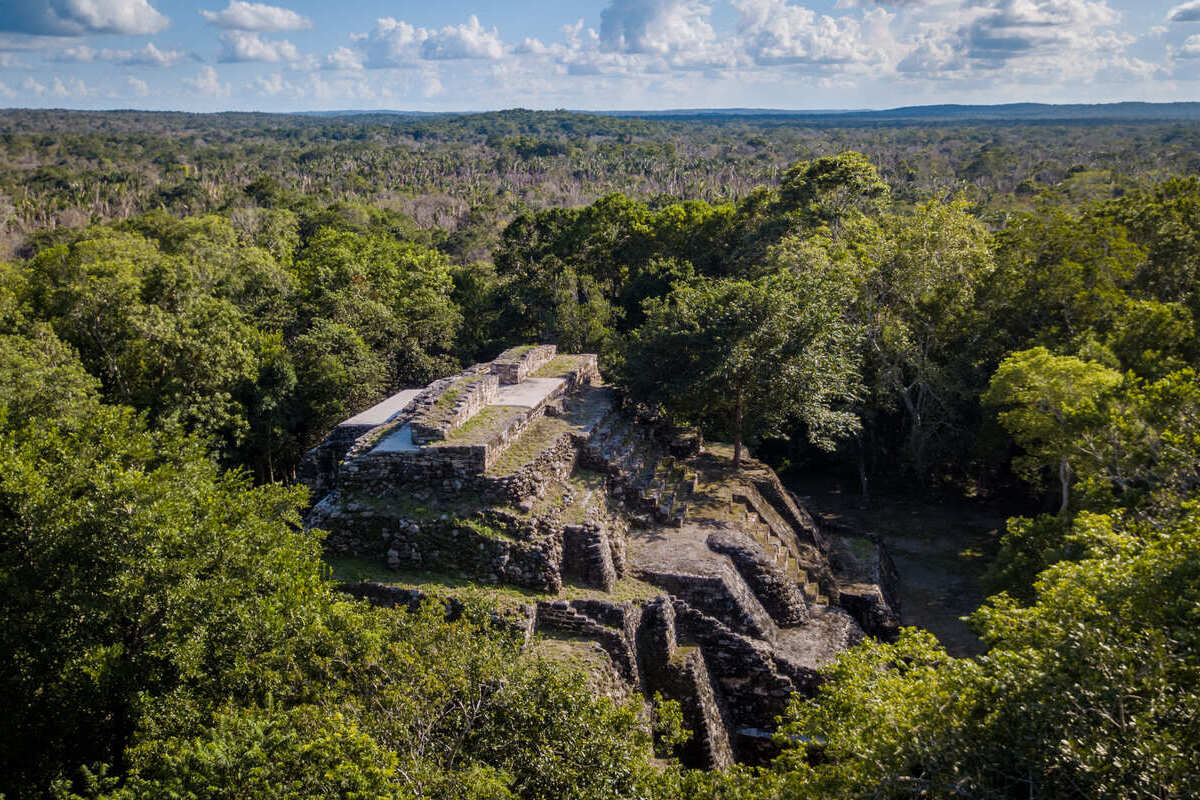
    Step Pyramid In Ichkabal, Mexican Caribbean, Yucatan Peninsula Of Mexico

    While open-air museums like Chichen Itza and the Tulum ruins are well-known to the wider public, one of Mexico’s priceless Mayan treasures had remained sealed off for decades as excavations and conservation efforts were underway, though that is changing soon.

    A Mayan ruin with restricted access is opening for visitors for the first time, and if you’re planning a trip to Cancun for 2024, you could be among the first to explore it:

    The Legendary Ichkabal Is Opening To The Public For The First Time In History

    Step Pyramid In Ichkabal, Mexican Caribbean, Yucatan Peninsula Of Mexico

    After a decade since it was first announced as Mexico’s next protected archaeological site, the unexplored Mayan city of Ichkabal will host its first foreign visitors.

    As revealed by Diego Prieto, Director General of the country’s National Institute of Anthropology and History (INAH), renovation works in the ruins will be finished soon, allowing it to welcome tourists as early as summer 2024.

    In his own words, ‘the Federation’s instruction is that the opening of the archaeological zone of Ichkabal be in August 2024, so they with the ejidatarios to reach an agreement‘.

    Top 5 Travel Insurance Plans For 2023 Starting At $10 Per Week

    Bacalar, Lake Bacalar, Quintana Roo, Mexico

    The ruins are only a two-and-a-half hour drive South of Cancun, towards the trendy resort town of Bacalar, and its opening coincides with the launch of the Mayan Train later this year.

    From December 2023, travelers based in Cancun will be able to hop on an affordable scenic train to Bacalar, the major town nearest to the ruins in question, and the gateway to the seven-colored Lake Bacalar, a popular alternative to the Tulum coast this summer.

    From the planned Maya Train station in Bacalar, the drive to Ichkabal will take less than 25 minutes.

    Why Is Ichkabal Important?

    Aerial View Of Ichkabal Pyramid In The Yucatan Peninsula Of Mexico

    Ichkabal was once one of the most important urban centers in pre-Columbian America.

    Settled by the Mayans as early as 400 B.C., it stood among an elite group of cities on the Mayan trade route, due to its privileged location, in close proximity to the Central American isthmus, offering easy links to all of the major Mayan hubs beyond the Yucatan Peninsula.

    Although it was a secondary power and not as relevant a cultural center as the likes of Chichen Itza – currently one of Mexico’s best preserved ancient cities – or Tikal, in Northern Guatemala, Ichkabal was able to flourish as a key trading hub in the pre-classic era.

    Chichen Itza, Yucatan Peninsula, Mexico

    Much like Chichen Itza, its more famous sister city-state, it consisted of several temples and sacrificial sites built as a means to bring the Mayans closer to their deities, wide avenues flanked by stone houses and public buildings, and ball courts and other entertainment areas.

    It was inhabited until the early 16th century, when the natives were pushed out or exterminated following the Spanish Conquest, and the city fell into abandonment.

    As the ‘Hispanicization’ of Mexico took place, and the native Mexicans eventually assimilated into Hispanic culture, Ichkabal’s existence was all but forgotten as the construction of post-colonial settlements advanced, and nature slowly reclaimed it.

    mayan ruins

    It wasn’t until the 20th century that a renewed interest in Ichkabal was noted, particularly following the rise of tourism in the Mexican Caribbean, leading historians and archaeologists to intensify their efforts in restoring the lost city to its former glory.

    What Are The Rules For Visiting Ichkabal?

    At this point, we do not yet know how much it will cost to visit the ruins or whether there are additional rules visitors must familiarize themselves with not to be on the wrong side of the law.

    mayan ruins

    Recently, a number of tourists have been penalized, or issued fines, for climbing Mayan structures in Chichen Itza and other protected ancient reserves in Mexico.

    Some of the pyramids in the Aztec city of Teotihuacan, close to Mexico City, are now also off-limits to climbers.

    Regarding Ichkabal’s state of preservation and whether its temples are accessible and safe to enter, we will only know more once the site is formally open and the visitation rules are available for consultation.

    While Ichkabal is not open, you can still explore countless other Mayan ruins accessible to visitors within driving distance of Cancun. Learn more about them here.

    Traveler Alert: Don’t Forget Travel Insurance For Your Next Trip!

    ↓ Join Our Community ↓

    The Travel Off Path Community FB group has all the latest reopening news, conversations, and Q&A’s happening daily! 

    Travel-off-Path-group-1-1
    SUBSCRIBE TO OUR LATEST POSTS

    Enter your email address to subscribe to Travel Off Path’s latest breaking travel news, straight to your inbox.

    This article originally appeared on TravelOffPath.com

    [ad_2]

    Source link

  • The Top 8 South American Cities For Digital Nomads According To New Study

    The Top 8 South American Cities For Digital Nomads According To New Study

    [ad_1]

    Share The Article

    Last Updated

    South America seems like a distant land with its rich culture and charming, picturesque towns. Even though it seems far away, many noteworthy cities are just a short flight to a new adventure.

    That might be the main draw for digital nomads who want to call South America their new work home.

    Many places on the continent are highly affordable, so many remote workers can sustain a nice life here and stretch their money further.

    A new study from Resume.io has pieced together the top destinations for digital nomads in South America.

    woman working on laptop outside

    By analyzing thousands of social media posts with the #digitalnomad hashtag and confirming users’ geotags, they were able to determine the top cities digital nomads call home.

    These are the top 8 South American cities for digital nomads:

    8 – Quito, Ecuador

    The underrated capital of Ecuador cracked the top 8, and it’s no surprise as to why it’s so popular. Those who visit Quito may not want to leave.

    Travelers with a laptop on hand will instantly be tempted to stay with the allure of the charming streets and sidewalks cafes in the historic main square.

    This study found just under 2500 verified digital nomad posts in this under-appreciated gem.

    quito at night

    7 – Santa Marta, Colombia

    This scenic beach town is an instant draw to digital nomads as soon as they step foot outside and see the immaculate coastline.

    Although rather small for a major Colombian attraction, it also serves as a gateway to many other popular cities, which is probably why Colombia is so popular for digital nomads!

    Almost 2500 posts were verified from digital nomads.

    Hiker enjoy the Panoramic view on the terraces of the Lost City (Ciudad Perdida) in the Sierra Nevada de Sante Marta- Santa Marta/ Magdalena/ Colombia

    6 – Santiago, Chile

    The jaw-dropping skyline of Santiago is a sight to behold. It’s easy to see why travelers would be drawn in by the backdrop of gorgeous mountains set behind this sprawling city.

    Not to mention Chile’s unique culture and underrated cuisine, digital nomads have many reasons to want to plant their flag here.

    The study also found slightly under 2500 verified posts from digital nomads.

    Top 5 Travel Insurance Plans For 2023 Starting At $10 Per Week

    cablecar over santiago chile

    5 – Cartagena, Colombia

    This popular, charming city full of cobblestone streets and historic buildings is appealing to all travelers, not just digital nomads.

    With a tropical climate year-round, digital nomads will be living the dream life choosing Cartagena.

    The study found just under 3900 verified posts from digital nomads in this Colombian gem.

    colorful streets of cartagena

    4 – São Paulo, Brazil

    This vibrant mega city is the most populous of Brazil, but apparently, there is still room to add some remote workers.

    Even though Americans will now need a visa simply to enter Brazil, that hasn’t stopped this massive city from being in the top 5 places for digital nomads in South America.

    Just over 4300 digital nomad posts were confirmed in the study.

    skyline of sao paulo

    3 – Medellín, Colombia

    Medellín is on the most commonly visited cities in Colombia for American travelers and the top Colombian destination for digital nomads.

    In fact, it crushed pre-pandemic tourism numbers by huge numbers! With lovely weather and a low cost of living, this historical city is an amazing fit to embrace those who work from their laptops.

    This study confirmed 5100 posts from digital nomads in Medellín.

    Medellin from Above

    2 – Rio de Janeiro, Brazil

    When travelers think of Brazil, Rio is probably what comes to mind first. This sprawling city with popular beaches and world-famous festivals, such as Carnival, this amazing city has something for everyone.

    For digital nomads, it’s the rich culture, warm weather, and low cost of living. It’s no surprise this study verified slightly under 7500 digital nomad posts.

    view of rio de janeiro

    1 – Buenos Aires, Argentina

    Argentina has been a hotspot for American tourists this year, but more particularly, the number one spot for digital nomads in South America.

    As one of the safest South American destinations, digital nomads feel comfortable calling this immaculate city home all day and night.

    There are tons of cultural attractions to keep busy during off-hours, and it is a gateway to more of Argentina’s natural wonders.

    Buenos Aires has truly embraced the digital nomad wave. Those arriving at the main airport with a digital nomad visa can pick up a welcome package with a SIM card and discounts for hotels.

    Over 9400 posts were verified with #digitalnomad in Buenos Aires.

    colorful town square in buenos aires

    Traveler Alert: Don’t Forget Travel Insurance For Your Next Trip!

    ↓ Join Our Community ↓

    The Travel Off Path Community FB group has all the latest reopening news, conversations, and Q&A’s happening daily! 

    Travel-off-Path-group-1-1
    SUBSCRIBE TO OUR LATEST POSTS

    Enter your email address to subscribe to Travel Off Path’s latest breaking travel news, straight to your inbox.

    This article originally appeared on TravelOffPath.com

    [ad_2]

    Source link

  • This Country In South America Will Require A Visa For Americans In October

    This Country In South America Will Require A Visa For Americans In October

    [ad_1]

    Share The Article

    Last Updated

    The U.S. passport is one of the most powerful globally, granting its bearer access to over 180 countries visa-free, but there are some infamous exceptions.

    From Cuba to Turkey, a select number of destinations requires Americans to present either a pre-issued tourist visa, or a travel authorization in order to travel.

    To the dismay of some, this infamous will keep growing this year, with the addition of one of the world’s top sunny destinations from October.

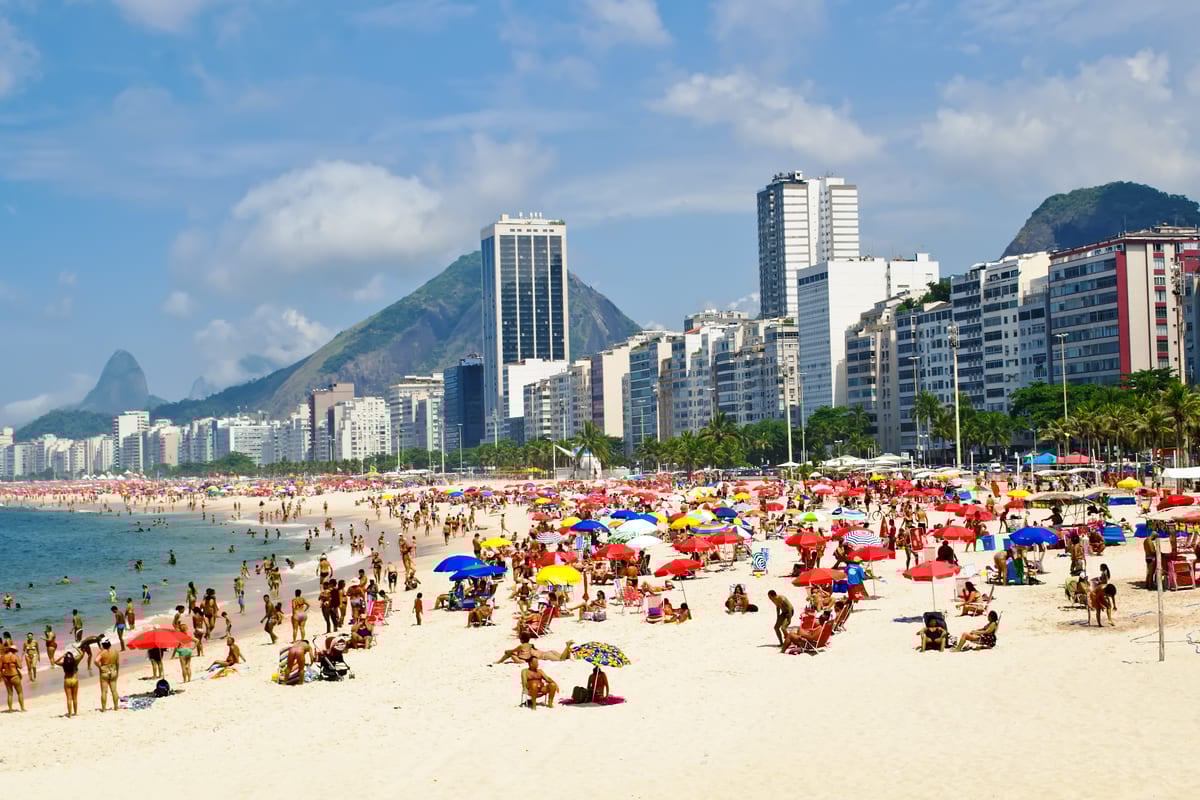
    View Of Copacabana Beach In Rio de Janeiro, Brazil, South America

    As soon as October 1, Brazil will suspend visa-free access to U.S. citizens, reversing a decision taken in 2019 to exempt them from the bureaucratic hurdle. This means that, if you’re an American, your days of enjoying unrestricted access to Brazil are numbered.

    On this article, we will give you a quick rundown of why a visa is being implemented, how difficult it will be to apply, and why you should book your flights to Brazil before the new rule comes into force:

    Why Is The Rule Changing?

    Since Brazil’s newly-elected Government came into power, the country has shifted from its open-door policy and began enacting stricter curbs.

    Candelaria Church In Rio de Janeiro, Brazil, South America

    One of those changes has been, in fact, a reversal to a previous visa regime.

    Back in 2019, Brazil’s approach to tourism was based on reciprocity. Unlike the European Union, the United Kingdom, New Zealand, and much of the international community, Washington does not grant Brazilians visa-free access to the United States.

    As a result of the lack of a bilateral visa suppression agreement, Americans flying to Brazil were required to obtain a visa prior to boarding, which could be applied for at the Brazilian Consulate or mission closest to them.

    Top 5 Travel Insurance Plans For 2023 Starting At $10 Per Week

    Aerial View Of Christ The Redeemer In Rio de Janeiro, Brazil, South America

    The South American giant abandoned the reciprocity measure temporarily in a bid to boost tourism, but due to a political decision, it is once again being reinstated from October 1.

    How Hard Will It Be To Apply?

    Beginning October, if you’re an American national, you will only be allowed to board a Brazil-bound flight, or any flights connecting in Brazil for that matter, holding a valid tourist visa.

    Unlike what was previously reported when the news came out, the visa application could move online.

    A Woman Holding Up A Passport As She Types On Her Computer

    While there is a lot of speculation at the moment, the local Government is expected to launch a new easy-to-apply eVisa, enabling American applicants to continue traveling to Brazil with minimal hassle – as well as Canadians, Australians, and the Japanese*, who will also automatically lose their privilege of visa-free travel due to their respective country’s visa restrictions imposed on Brazilians.

    So far, no further details have been divulged, but the fact that an electronic visa is being discussed, as opposed to a traditional Consulate-issued visa, is surely encouraging news for bureaucracy-wary tourists, as this means it will be a lot easier to apply.

    Praia Dos Anjos In The State Of Rio de Janeiro, Brazil, South America
    *The Japanese may be exempt from any visa requirements that may come into force as Tokyo is currently working with Brasilia on a visa-waiver agreement between both countries.

    Why Should You Visit Brazil Ahead Of The Visa Implementation?

    Visiting Brazil before October 1, Americans will only be required to present a valid biometric passport.

    They will not be expected to fill out visa forms, pay a fee, nor submit their travel information ahead of flying, as the visa suppression continues valid up until that date.

    In other words, visiting Brazil now is less complicated than it will be in four months.

    Colorful Favela Or Slums In Rio de Janeiro, Brazil, South America

    Although an eVisa is hardly an impediment, with countries like Turkey and Vietnam all having similar procedures in place, visa applications, no matter how simple, are always an anxiety-inducing process, especially when there is a backlog of requests, or the official application website presents problems.

    Best to tick Brazil off the list while there are less hurdles standing in your way.

    3 Of The Most Beautiful Off Path Locations To Explore In Brazil

    Tourist Couple Admiring The Historical City Of Ouro Preto, Minas Gerais, Brazil

    Brazil is an incredibly diverse destination, home to a multi-ethnic populace whose nationhood is shaped by Southern European, African, and indigenous-Brazilian influences. Rio is merely the tip of a colossal iceberg.

    If you’re in need of some inspiration, some of our favorite off-path destinations in Brazil include:

    Balneario Camboriu

    Dubbed by some the ‘Brazilian Dubai’, it is a rapidly-developing coastal city in Southern Brazil, known for its skyscraper-dotted skyline, sandy crescents, and pristine nature.

    Walking the modern ocean boulevard Avenida Atlantica, you will find upscale beachfront restaurants, international brands, and luxurious shopping centers. Balneario’s top attraction, however, is the Unipraias cable car, linking the busy port to a preserved enclave of the Atlantic forest.

    woman at beach in Mexico

    Ouro Preto

    A UNESCO World Heritage Site and one of the best-preserved colonial towns in the Americas, Ouro Preto is famous for its cobbled streets, centuries-old churches embellished by ornate goldwork and colorful frescoes still looking fresh, and distinct mineiro cuisine.

    Nestled in the hills of Minas Gerais, one of Brazil’s most traditional states, this picturesque settlement will make you feel as if you’re in the Portuguese hinterland – no surprise, judging by both countries’ familial links.

    Panoramic View Of Ouro Preto, Minas Gerais, Brazil

    Belem do Para

    One of Brazil’s oldest cities, Belem do Para was settled by the Portuguese as early as 1616, and serves as one of the main gateways to the landmark Amazon River.

    A hugely overlooked gem of the Brazilian North, it was the first European colony established in the Amazon, and due to its historical importance, it’s retained much of that colonial-era charm, an attribute lost in sprawling urban centers like Rio or Sao Paulo.

    You will still find canopied streets, European piazzas surrounded by trees, churches with traditional Portuguese-style blue tiles, among other architectural treasures, as well as development zones, and lush green parks. This is the Amazon region after all.

    Bolivia Amazon Rainforest

    No COVID-Related Requirements

    Brazil may be imposing visa requirements on US citizens soon, but on the brightside, it has recently lifted all COVID-related mandates.

    Flying to Brazil, you are no longer expected to present either a vaccination certificate or a negative test: entry is once again as simple as it was prior to 2020.

    Read more about Brazil here.

    Traveler Alert: Don’t Forget Travel Insurance For Your Next Trip!

    ↓ Join Our Community ↓

    The Travel Off Path Community FB group has all the latest reopening news, conversations, and Q&A’s happening daily! 

    Travel-off-Path-group-1-1
    SUBSCRIBE TO OUR LATEST POSTS

    Enter your email address to subscribe to Travel Off Path’s latest breaking travel news, straight to your inbox.

    This article originally appeared on TravelOffPath.com

    [ad_2]

    Source link

  • Why This Underrated South American Country Is Perfect For Adventurous Travelers

    Why This Underrated South American Country Is Perfect For Adventurous Travelers

    [ad_1]

    Share The Article

    South America is a continent with plenty to offer to adventurous travelers: trekking to the ancient Machu Picchu ruins in Peru, exploring the Galapagos Islands of Ecuador, hiking the impressive mountains of Patagonia in Argentina and Chile, and so much more.

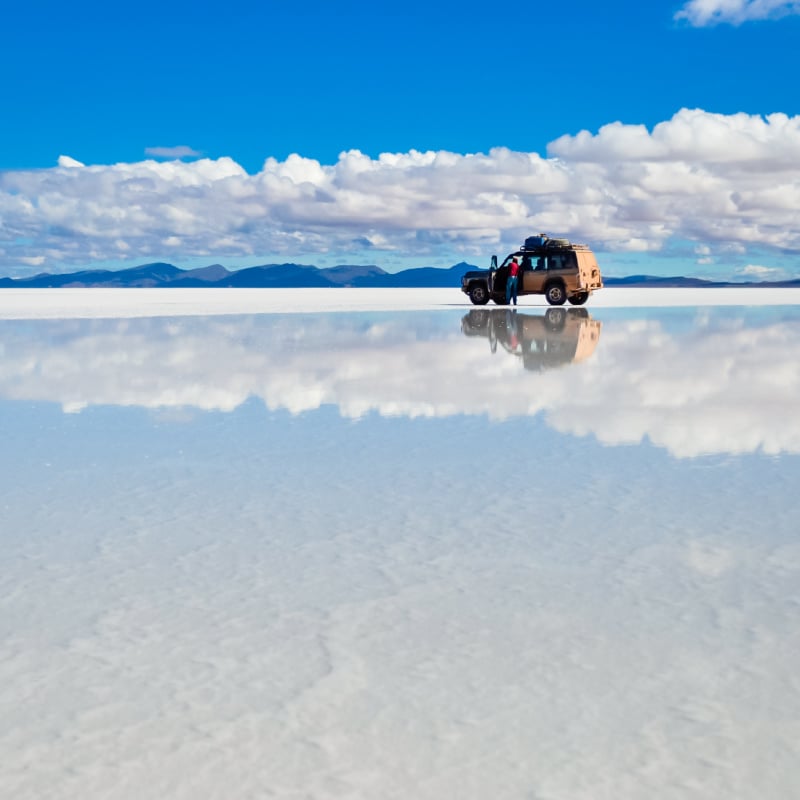
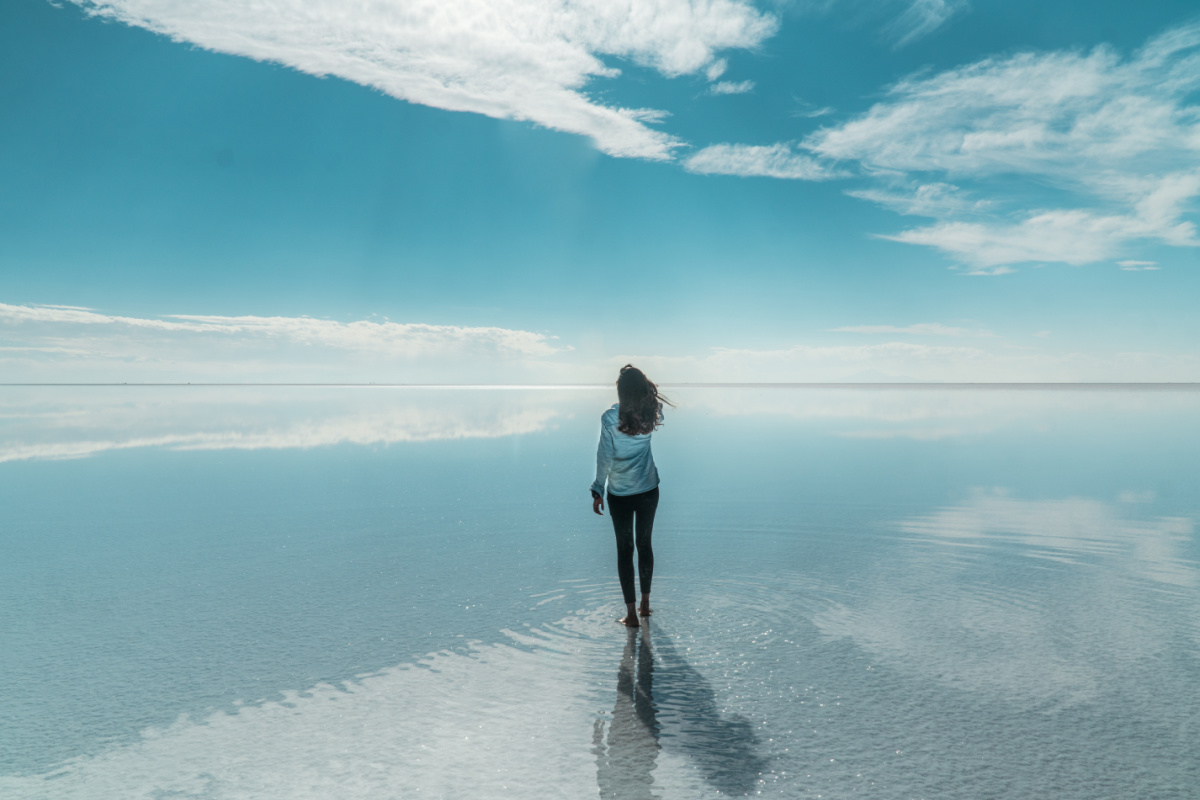
    Woman on Uyuni Salt Flats in Bolivia

    But one South American country that flies under the radar for many travelers is home to some of the biggest adventures of all.

    Bolivia receives just 1.2 million tourists per year, much less compared to neighboring countries in South America like Argentina (7.4 million), Brazil (6.3 million), Chile (5.4 million), Peru (5.2 million), and Colombia (4.5 million.)

    Despite flying under the radar, this landlocked South American nation has so much to offer to adventurous travelers.

    Here are the top reasons to add Bolivia to your bucket list:

    La Paz Witches Market

    Uyuni Salt Flats

    One of the top tourist attractions in Bolivia is the Uyuni salt flats. This otherworldly landscape is best viewed during the rainy season from January through March, when rainfall creates a unique reflective surface on the salt flats.

    The most popular way to visit the Uyuni salt flats is on a three-day, two-night tour in a 4×4 vehicle that will take you through the salt flats and surrounding national parks.

    Top 5 Travel Insurance Plans For 2023 Starting At $10 Per Week

    Uyuni Salt Flats

    Cycling Death Road

    Cycling Bolivia’s Death Road is an activity that is only for true thrill-seekers because this experience is not for the faint of heart!

    “Death Road” was formerly one of the most dangerous roads in the world, with hundreds of fatalities per year. Now, it’s only used for bike tours, but cycling this 40-mile gravel road is still a nerve-wracking experience as you whip around sheer cliff drops and under waterfalls.

    Cycling Death Road in Bolivia

    La Paz

    Bolivia’s high-altitude capital city of La Paz is vibrant, gritty, beautiful, and chaotic. It’s definitely worth spending a couple of days in the capital on your visit to Bolivia.

    Some of the best things to do in the city are visiting the famous Witches’ Market (where you’ll see some highly unusual remedies like llama fetuses for sale) and riding the city’s many cable cars, one of the most unique forms of public transportation in the world.

    La Paz Bolivia Cable Cars

    Potosi Silver Mines

    Potosi is a popular stop between the Uyuni salt flats and the beautiful colonial city of Sucre. Potosi’s claim to fame (or rather, infamy) is its silver mines.

    Hundreds of thousands of indigenous and African slaves died in these mines during the era of Spanish colonial rule, and they’re still incredibly dangerous today. Miners toil away in dismal working conditions, and several tour operators run tours to these still-active mines today.

    This is an activity that is NOT recommended for anyone who’s claustrophobic. It’s also a controversial activity, and it’s recommended to do your research and choose an ethical tour operator.

    Potosi Mines

    Amazon Rainforest

    Many people don’t realize that a large swath of Bolivia is located in the Amazon rainforest. While many people visit the Amazon from Brazil or Peru, you can also easily visit from Bolivia.

    Rurrenabaque is the gateway to the Amazon in Bolivia, and you’ll find many multi-day tours you can choose from to experience the Amazon. As a bonus, it’s generally more affordable to visit the Amazon in Bolivia than in other countries in South America.

    Bolivia Amazon Rainforest

    Lake Titicaca

    Since Bolivia is landlocked, it doesn’t have any beaches, but Lake Titicaca is the next best place to go if you’re looking to chill out and relax after all your adventures.

    This massive high-altitude lake is home to Isla del Sol, said to be the birthplace of the Incas. You can take a boat from Copacabana, a popular lakeside town, to Isla del Sol and spend the day hiking around this beautiful island.

    Lake Titicaca

    Traveler Alert: Don’t Forget Travel Insurance For Your Next Trip!

    ↓ Join Our Community ↓

    The Travel Off Path Community FB group has all the latest reopening news, conversations, and Q&A’s happening daily! 

    Travel-off-Path-group-1-1
    SUBSCRIBE TO OUR LATEST POSTS

    Enter your email address to subscribe to Travel Off Path’s latest breaking travel news, straight to your inbox

    This article originally appeared on TravelOffPath.com

    [ad_2]

    Source link

  • Why This South American City Needs To Be On Your Bucket List This Year 

    Why This South American City Needs To Be On Your Bucket List This Year 

    [ad_1]

    Share The Article

    Last Updated

    South America offers travelers a mix of anything and everything, from glaciers to mountains to cities and beaches.

    Narrowing down where to visit in this vast continent can be a monumental task for even the intrepid traveler.

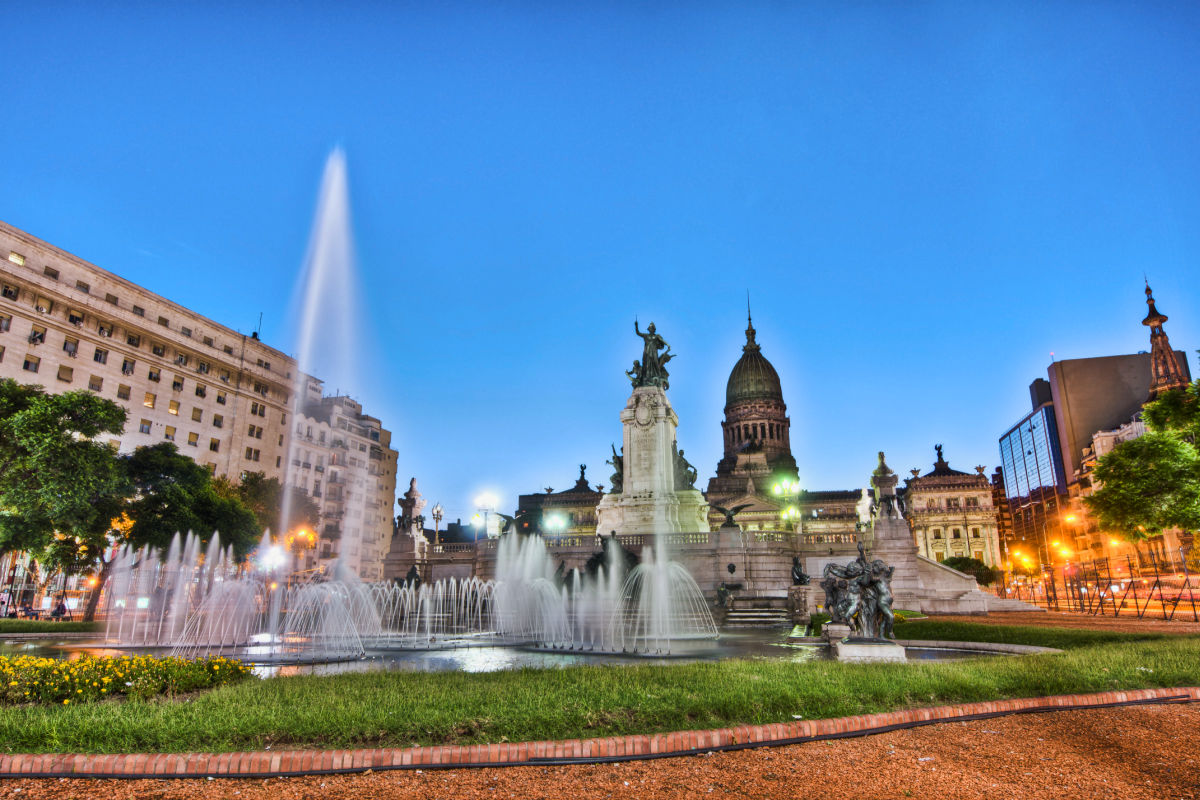
    congress square buenos aires

    But with more reasons to visit than ever before, South America should be on everyone’s bucket list this year. If it’s a city you’re after, you would be hard-pressed to choose a better destination than Argentina’s vibrant capital of Buenos Aires. 

    Known as the “Paris of South America,” Buenos Aires is one of those cities that does not disappoint. Located on South America’s southeastern coast, Buenos Aires is a melting pot of European and South American influences, with creative and colorful characters and a mix of architecture to be found around every corner. 

    What To Expect 

    Argentinians will be the first to tell you that life in Buenos Aires is crazy, being a chaotic, sprawling metropolis with a nearly overwhelming choice of things to do. It’s likely that if you ask any local and they will lead you to something fun and exciting, no matter the hour. One of the first things visitors notice on their visit? This city goes late, and people are out dancing, playing football, eating, and drinking until the early morning hours. 

    colorful building in buenos aires, argentina

    One bonus for those who visit Buenos Aires is the sheer amount of attractions you can visit for free. The city is known for its “greeter” program, offering locals to guide you around the main sights. The live music, dancing, and fitness classes you find in every park are all encouraged to join for free as well. 

    While there really isn’t any bad time to visit Buenos Aires, the best times are their fall season of April thru June or the spring months of September to December. Travelers in these months will be rewarded with lower prices, milder temperatures, beautiful fall foliage, and smaller crowds. While a popular time to visit is January and February (their summer), this, of course, is the time when prices are high, crowds are common, and a muggy heat encapsulates the city. 

    Top 5 Travel Insurance Plans For 2023 Starting At $10 Per Week

    colorful doors buenos aires

    Getting Here & Around 

    With the launch of new flights being added this year, getting to Buenos Aires has never been easier. Those coming from the U.S. will be happy to know that Delta has introduced a JFK-Buenos Aires nonstop route starting in early 2023. In addition, numerous other airlines are now increasing their offerings to Buenos Aires as well, connecting the city to far-flung destinations such as Rome, Tokyo, and Sydney. 

     colorful bus in buenos aire, argentina

    Once you’ve landed in Buenos Aires, exploring the city is easiest done on foot. The tree-lined streets are full of historic architecture, and most of the city Is accessible and easy to navigate. In addition, the local busses, “colectivos or bondis”, as they are known to the locals, can get you where you need to go for cheap, and often they prove to be quite the experience in themselves. Buenos Aires also boasts the first metro system in Latin America, and getting around via subway is cheap, safe, and easy. 

    pink house buenos aires

    A Lower Pricetag 

    For travels with cost on their mind, heading to Buenos Aires this year could prove to be a good choice. Argentina is one of the cheapest tourist destinations in South America this year, with a 57% lower cost of living than the U.S. In addition to being an overall budget-friendly country, the new tourist exchange rate makes traveling here even more financially viable. 

    buenos aires street colorful with people

    Previously it was common knowledge among travelers that when traveling to Argentina, cash is king. Those coming to visit would be prepared with stacks of cash and have to seek out back-alley exchange “agents” to get the best rate. Now with the launch of Argentina’s new tourist exchange rate, the result effectively doubles your money when you visit. When paying by foreign credit card, the transaction will be processed at an Electronic Payment Market (MEP) dollar rate, making this the preferential way of purchasing among visitors now. 

    Things To Look For in 2023 

    There’s a lot going on in terms of tourism in Buenos Aires this year, travel is on the rise, and hotels are speeding up development in answer to the demand. In addition to more options for accommodation, the city is drawing attention to its rising culinary scene. Buenos Aires snagged 10 spots on the 50 best restaurants in Latin America List and is home to one of the best bars in Latin America. 

    buenos aires colorful houses

    In action to short-term travelers, the country hopes to become a top destination for digital nomads worldwide and aims to host 22,000 remote workers by 2023. In addition, the country is having a bit of a moment on the worldwide stage after winning the World Cup this year. All of these are reasons enough to head to Buenos Aires and enjoy some world-famous Argentinian steak and wine and get much more for your money when paying by credit card.

    Traveler Alert: Don’t Forget Travel Insurance For Your Next Trip!

    ↓ Join Our Community ↓

    The Travel Off Path Community FB group has all the latest reopening news, conversations, and Q&A’s happening daily! 

    Travel-off-Path-group-1-1
    SUBSCRIBE TO OUR LATEST POSTS

    Enter your email address to subscribe to Travel Off Path’s latest breaking travel news, straight to your inbox

    This article originally appeared on TravelOffPath.com

    [ad_2]

    Source link

  • Why This South American Country is Perfect For Digital Nomads

    Why This South American Country is Perfect For Digital Nomads

    [ad_1]

    Share The Article

    Last Updated

    If anyone seems to have their finger on the pulse of up-and-coming destinations, it’s digital nomads. Always looking for the next best place to check out, this group seems to be constantly in the know of countries for remote working.

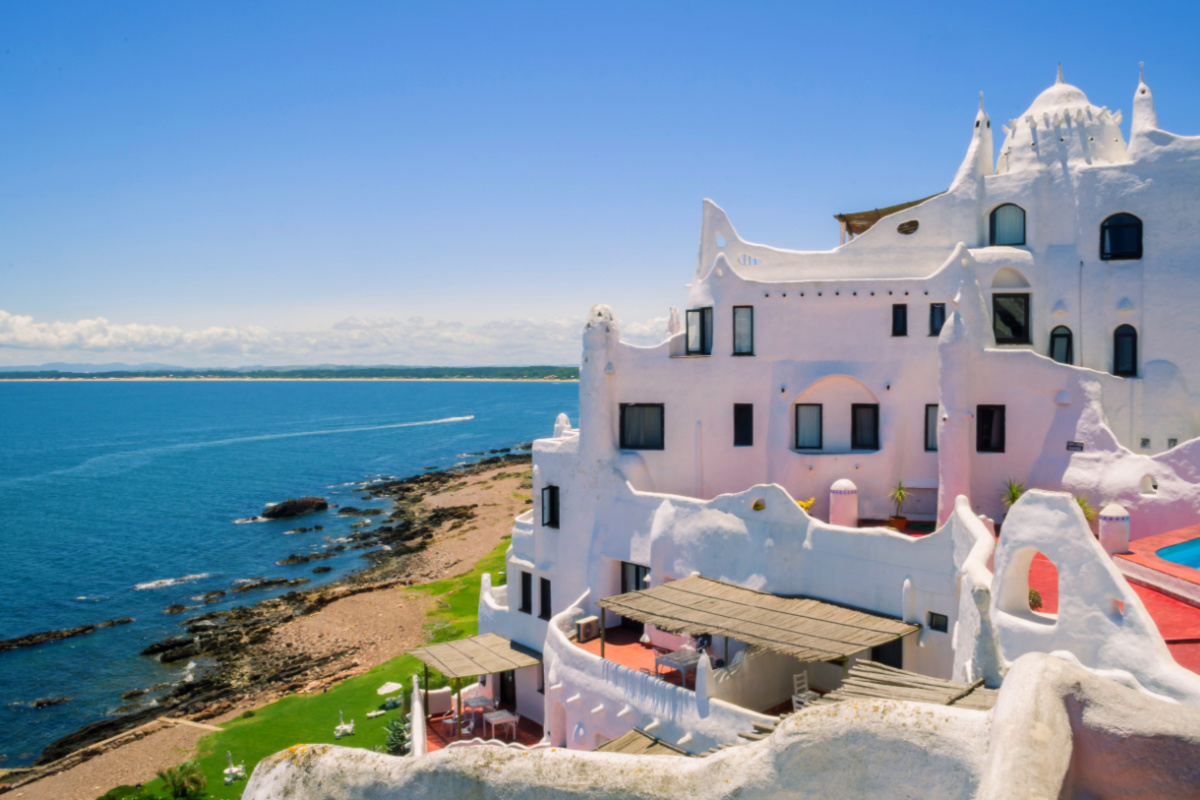
    famous-casapueblo-whitewashed-cement-stucco uruguay

    While South America might not be any big secret among digital nomads, most seem to favor Columbia, Peru, or Brazil. While these other countries are ideal choices, there is one that seems to get overlooked a bit, which is why this article is here to announce Uruguay as the next digital nomad hotspot. 

    beach and pier in punta del este uruguay, digital nomad concept

    Introducing: Uruguay

    Often overshadowed by its more well-known neighbors of Argentina and Brazil and commonly confused with nearby Paraguay — Uruguay is definitely a destination worth checking out. This small country offers a lot for both tourists and long-term digital nomads. It ranks within the top 50 for the digital nomad index, scoring high for factors such as weather, cost of living, connectivity, and safety. 

    Top 5 Travel Insurance Plans For 2023 Starting At $10 Per Week

    uruguay plaza independence with palm trees, digital nomad concept

    While not offering a digital nomad visa, most passport holders can stay in Uruguay for up to 3 months. And with a sunny and dry summer season running from November thru February, it’s a perfect spot to escape the winter weather for a few months. In fact, Uruguay has recently been named one of Forbes’ “top ten warm weather destinations for digital nomads”. 

    Safety 

    When choosing where to live, digital nomads often face the question of safety. Knowing how safe a certain country is can be challenging before arriving, as data is not always readily available or perhaps trustworthy. This can be especially true in regions such as South America, where safety can be a concern. 

    punta del este at sunset in uruguay, digital nomad concept

    One reason Uruguay is growing in favor of digital nomads is its excellent safety record. In fact, it has recently been classified as the safest country to live in South America, giving digital nomads just another reason to relocate here. Most digital nomads base themselves in the capital city of Montevideo, and for good reason, This coastal, clean city is one of the safest in Latin America.

    Being both politically and economically stable, it leaves a lower chance of getting caught in protests or any civil unrest that tends to plague other South American cities. In addition, Uruguayan people, in general, are known to be quite friendly and welcoming, so getting along with locals shouldn’t be an issue.

    El Salto del Penitente in Lavalleja sunrise over mountains

    Cost 

    In addition to safety, a country with a low cost of living is often at the top of every digital nomad’s wish list. Those coming from the U.S. especially look for destinations with a lower cost of daily living than where they are coming from, and factors such as rent, food, transportation, and utilities are all considered when making the move.

    Of course, digital nomads coming from most areas of the U.S., Canada, or the UK can tell you that moving abroad just about anywhere will undoubtedly be less expensive than daily living costs in their home country. With the cost of living crisis and inflation looming, this factor is becoming increasingly important when deciding on where to set up camp as a digital nomad. 

    puntadeleste hand sculpture in uruguay

    Having recently been listed as the country in South America with the lowest cost of living, Uruguay is an ideal choice for those looking to save some money. 

    Housing and grocery costs are comparable with other developing countries, and average prices can range from low to high depending on the quality that you are looking for. One cost that does remain low in Uruguay is utilities. The average bill for electricity is substantially lower here than in other nearby countries of Argentina or Chile.

    This low cost is because Uruguay is heavily invested in renewable energy sources, especially solar and wind power. The fact that Uruguay’s energy consumption is almost 60% derived from renewable resources makes it not only cost-efficient but also one of the most sustainable countries in Latin America. 

    sacramento coloty uruguay colorful street and old car

    Connectivity 

    Any digital nomad will tell you that the internet situation is the first and foremost concern when choosing a new destination. As you can probably guess, no article claiming a place was “perfect for digital nomads” would do so unless the country was known for its solid internet connection. 

    Uruguay is no exception and boasts internet speeds comparable to that of a Scandinavian country. The connectivity across the country is exceptional, and the large majority of households and businesses boast broadband access. 

    uruguay legislative palace with statue

    Aside from the internet, transportation in and around Uruguay is quite cheap and efficient. The country has a large concentration of roads, connecting the capital city of Montevideo to the rest of the country and to those nearby. Montevideo is also connected to Buenos Aires from a comfortable ferry ride, clocking in at just under 5 hours. Uruguay has 13 airports, allowing connections to other destinations in South America and further abroad. 

    Traveler Alert: Don’t Forget Travel Insurance For Your Next Trip!

    ↓ Join Our Community ↓

    The Travel Off Path Community FB group has all the latest reopening news, conversations, and Q&A’s happening daily! 

    Travel-off-Path-group-1-1
    SUBSCRIBE TO OUR LATEST POSTS

    Enter your email address to subscribe to Travel Off Path’s latest breaking travel news, straight to your inbox

    This article originally appeared on TravelOffPath.com

    [ad_2]

    Source link

  • These Are The Cheapest Tourist Destinations In South America For 2023

    These Are The Cheapest Tourist Destinations In South America For 2023

    [ad_1]

    Share The Article

    Last Updated

    The world is once again open for tourism, but on the downside, the surging demand for travel, coupled with a financial crisis, has led to price increases across the board. With Europe and the Caribbean out of the question for millions of middle-income tourists, all eyes are on a much more affordable South America instead.

    But which destinations in the continent are truly cheap to visit, and which ones are best avoided?

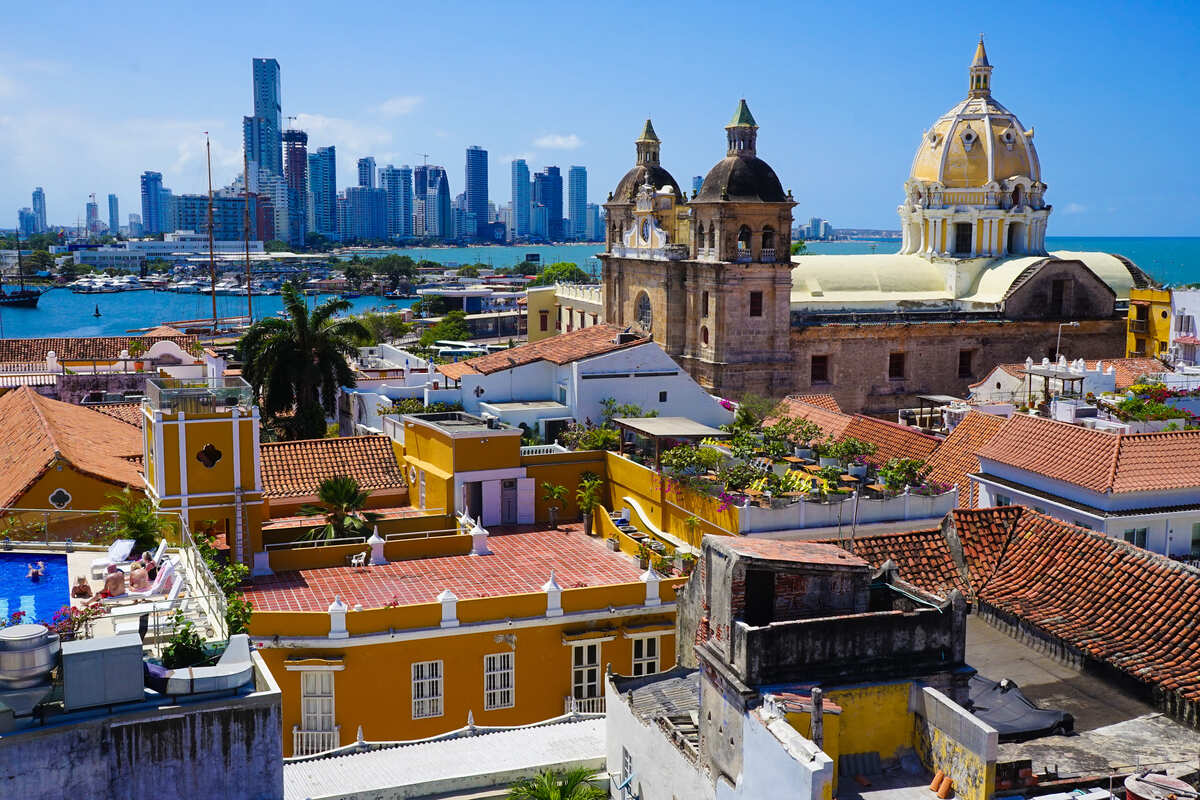
    Panorama Of The Old City Of Cartagena With Skyscrapers And A Modern Development Zone Seen Across The Caribbean Sea, Colombia, South America

    South America Is Filled With Wonders, And It’s Cheaper To Explore Than The U.S.

    Although it is often mistaken for a homogenous Spanish/Portuguese-speaking group, South American (SA) countries comprise an incredibly vast territory stretching from the glacial tip of Argentina to Colombia’s northwesternmost Caribbean Coast, which is as geographically diverse as it is multicultural. In fact, ‘diverse’ doesn’t even begin to cover it:

    Couple Embracing As They Stan On A Rock By The Shores Of A Glacial Lake, Surrounded By Alpine, Snow Capped Peaks In Patagonia, Southern Argentina, South America

    Whether they’re looking for beaches, off-grid travel (one of the top five travel trends for 2023), off-path locations yet to be ruined by mass tourism, or natural world experiences, American globetrotters will be spoiled for choice, irrespective of personal preferences. On top of accessing this vast tourist offer, their dollars stretch much further in the Global South.

    So where, then, will they get the best value for money?

    Top 5 Travel Insurance Plans For 2023 Starting At $10 Per Week

    Colonial Era Buildings Inside The Walled City Of Cartagena, Colombia, South America

    The ranking below, based on estimates available on Numbeo, the world’s largest crowd-sourced quality-of-life data, might give us an idea. The percentage indicates how much lower the cost of living (COL) is in those countries compared to the United States as a whole:

    1. Colombia – 66.7% lower
    2. Argentina – 57.1% lower
    3. Bolivia – 55.9% lower
    4. Peru – 54.2% lower
    5. Ecuador – 51.6% lower
    6. Brazil – 49.5% lower
    7. Venezuela – 42.2.% lower
    8. Chile – 36% lower
    9. Uruguay – 17.2% lower
    A Female Tourist Leaning On A Trekking Pole As She Admires The View Of Machu Picchu Surrounded By Green Peaks In Peru

    Colombia Is The Cheapest Tourist Destination

    Colombia leads the affordability ranking with a 66.7% decrease in COL against the U.S., and we can’t say we’re surprised based on the financial threshold the Colombian Government has set for issuing Digital Nomads Visas: in order to be eligible to move to the country, remote workers must earn a minimum of USD $684 per month only.

    Female Tourist Admiring The Landscape From Atop Penol De Guatape, The Landmark Rock In Guatape, Antioquia Region Of Colombia

    In a major city like New York, named the most expensive in the world, long-term travelers would struggle to find a room to rent for less than 700 bucks a month, much less be able to afford other daily expenses. This is further indication Colombia is a low-risk spot for backpackers and budget-conscious tourists alikeat least when it comes to money.

    Recently, Travel Off Path named Colombia one of the 7 best destinations when you’re young and broke, citing USD $35 will be required per day on a trip to Colombia. Back to Numbeo figures, you would need, on average, USD $1632 in Bogota per month when aiming to maintain the same standards of living you enjoy earning USD $7000 in Los Angeles (CA).

    skyline of a city in south america

    Argentina And Bolivia Round Out The Top Three

    Second on the list, Argentina has always been widely recognized as safe haven for budget travelers, largely due to a depreciated currency, and then there’s Bolivia, an under-visited gem of the continent that may impose stricter visa requirements on U.S. passport holders, but comes in third with a decreasing COL rate of 55.9%.

    Argentine Flag Flying Before Casa Rosada, Buenos Aires, Argentina

    Across Colombia, Argentina and Bolivia, Americans will benefit from the following:

    • Lower prices for consumer goods
    • Inexpensive vacation rentals
    • Good currency exchange rates
    • Cheaper food and transportation

    Of course, affordability rates can vary significantly within the bloc: while flying within Colombia is generally cheap, intra-Brazilian flights can be incredibly costly, especially when booked last minute. To draw another comparison, Santiago (Chile) is 47.5% less expensive than Seattle (WA), without accommodation costs – Lima (Peru) is cheaper by a further 13.3%.

    Aerial View Of Miraflores Town, A Coastal Area In Lima, The Capital City Of Peru, South America

    The bottom two – Uruguay and Chile – are known for their relatively high development index and living costs comparable to those of America, and could prove costlier to visit than destinations in the top tier. Judging by the data, however, one thing is clear: when combined, these nine destinations are 48.5% less expensive to travel to than the United States.

    When unsure where to go amid this unstable economy, South America is your best bet for traveling internationally without breaking the bank.

    Traveler Alert: Don’t Forget Travel Insurance For Your Next Trip!

    ↓ Join Our Community ↓

    The Travel Off Path Community FB group has all the latest reopening news, conversations, and Q&A’s happening daily! 

    Travel-off-Path-group-1-1
    SUBSCRIBE TO OUR LATEST POSTS

    Enter your email address to subscribe to Travel Off Path’s latest breaking travel news, straight to your inbox

    This article originally appeared on TravelOffPath.com

    [ad_2]

    Source link

  • This Is The Only Country In South America That Has Dropped All Travel Restrictions

    This Is The Only Country In South America That Has Dropped All Travel Restrictions

    [ad_1]

    Share The Article

    Last Updated

    Following a relatively free summer and the waning of Covid, it might seem like the world has finally moved on from the pandemic and strict mandates are a thing of the past. This may be the case for most of Europe, Mexico and the like, but it is definitely not yet a reality in South America, where only a single country has dropped all travel restrictions.

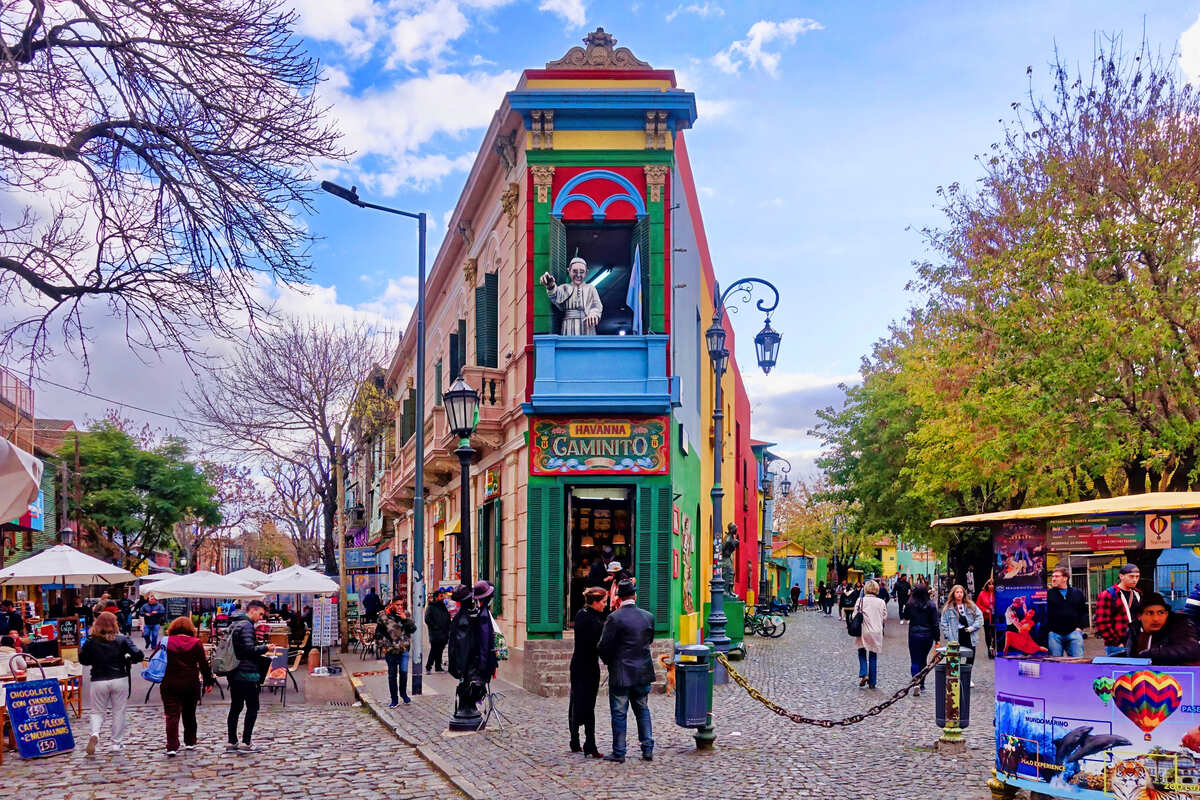
    Colorful Streets Of El Caminito In Buenos Aires, Argentina, South America

    For more than two years, the Southern Hemisphere has barred international travel in an attempt to keep variants from getting imported from abroad. Despite enjoying a robust protection, with countries like Brazil being world leaders in vaccination coverage, the region has continued to refuse entry to certain categories of travelers.

    Most notably, unvaccinated Americans, with the exception of one:

    Most Of South America Is Still Closed To Unvaccinated Americans

    The Historic Financial Distrinct Of Buenos Aires, Argentina, South America

    South America is an incredibly vast, and culturally diverse continent that for decades has attracted American tourists due to its high affordability and natural landmarks. Sadly, for the better part of 2022, a huge percentage of Americans, roughly 30%, is still prevented from returning based on their vaccination status.

    Nearly every single South American country continues to impose a vaccine requirement at their external entry points, be it land crossings, airports or cruise terminals. Out of twelve, only one has mirrored the steps of Central American counterparts and Europe when it became the 27th country to return to their pre-2020 entry guidelines: Argentina*.

    Aerial View Of Buenos Aires With The Famous Obelisk Pictured, Argentina, South America

    *The territory of French Guiana is free of restrictions, but as it is not a sovereign entity, being an integral part of France, in spite of being in South America, it is not taken into account

    Argentina is the first in Mercosur, and on an extent in South America, to lift the pandemic-era restrictions affecting American travelers and other foreign visitors. As soon as April 2022, the home of Tango abandoned its hard-stance approach, which had made it into a completely isolated nation for a period, in favor of much more relaxed policies.

    Argentina Has Been The Only South American Country To Drop All Restrictions So Far

    Buenos Aires International Airport Sign Displayed On The Exterior Of The Airport Terminal Building, Buenos Aires, Argentina, South America

    Prior to that date, even Mercosur citizens, a bloc of which Argentina is a part of and where freedom of movement applies, had been barred from crossing the border. Now, any foreigner can enter Argentina, irrespective of their purpose of travel, and with no other requirement than a valid passport and/or visa when applicable.

    For Americans, this effectively means:

    • No vaccination required
    • No boosters needed
    • No pre-departure tests
    • No post-arrival tests
    • No quarantine
    Colorful Streets In El Caminito, Historic District Of Buenos Aires, Argentina, South America

    Conversely, all of Argentina’s neighbors remain ‘partially restrictive’, according to IATA’s Covid-19 Travel Regulations Map. Much like the EU in the earlier days of the crisis, Mercosur and its associated members have failed to coordinate actions in both introducing, and removing pandemic measures, leading to a confusing patchwork of rules.

    European states, on the other hand, have worked through their differences and now a majority is open for travel. Below the Equator line, this level of cross-border harmonization has not been achieved as of this point. The most obvious disparity is seen between Brazil and Argentina, South America’s closest neighbors and top destinations.

    Aerial View Of Christ The Redeemer In Rio de Janeiro, Brazil

    The Confusing Patchwork Of Rules Affecting Tourists In The Region

    While Argentina is open, Brazil only allows American visitors with proof of vaccination. A negative PCR or rapid antigen test, or even recovery certificates, are not considered valid proof of entry, though in Uruguay, bordering Southern Brazil, unvaccinated U.S. citizens are permitted to enter when presenting a negative test within 72 hours of departure.

    Moving West, Paraguay accepts all of the above, on top of positive Covid tests (antigen, LAMP, NAAT or PCR) issued ‘at least 10 days and at most 90 days before boarding’. On the Pacific Coast, Chile accepts both vaccine certificates and PCRs not older than 48 hours, and travelers remain subject to testing on arrival, a controversial policy also enacted by Canada.

    View Of Machu Picchu In Peru, Historic Incan Ruins, South America

    North of Chile, the Inca heartland of Peru, a favorite among hikers, has similar provisions, except it does not test tourists randomly upon landing. Bolivia, Colombia, Ecuador, Venezuela and Suriname all follow the ‘vaccine or test’ model, while Guyana – not the French one – mimics Brazil in banning those who are not fully immunized.

    Other regional discrepancies include:

    • In Peru, tests must be of the NAAT kind, including RT-PCRs and RTLamps, and they must not be older than 48 hours
    • Bolivia accepts PCR test results issued within 72 hours of departure, or Rapid Antigen tests taken at most 48 hours before boarding
    • In Colombia, besides the 72-hour/48-hour rules for PCR and Rapid Antigen respectively, passengers must submit their personal information online via the Check Mig form ahead of traveling
    • Venezuela imposes a validity date of 270 days on two-dose certificates, requiring tourists to present proof of a booster dose once this period has elapsed in order to be granted entry on the grounds of being immunized
    • Venezuela only accepts PCR test results obtained 72 hours preceding arrival, as opposed to departure
    • Guyana arrivals may be subject to random Covid tests on arrival, even when fulfilling other criteria such as being vaccinated
    • Suriname‘s pre-departure test validity is 48 hours for PCR, 24 hours for Rapid Antigen
    • Suriname is accepting recovery certificates issued up to 6 months prior to the date of travel
    Aerial View Of Guatape Rock, Colombia

    *Other rules may apply for any of the above countries. We advise our readers planning an international trip to keep up to date with the evolving regulations by visiting their country of destination’s Consulate website, where official requirements are described.

    Bottomline

    As you can see, the rest of South America has a lot of catching up to do with La Tierra de Los Hermanos and other Central American competitors in terms of post-pandemic management. As things stand, it is one of the strictest continents to travel right now, unless visitors qualify for exemptions as vaccinated foreigners or returning residents.

    Luckily, the up-and-coming digital nomad hub of Argentina, a poster nation for travel freedom, is already welcoming Americans with open arms.

    Read More:

    Travel Insurance That Covers Covid-19 For 2022

    South America’s First Digital Nomad Village Will Open In Brazil

    Cartagena, Colombia: 10 Things Travelers Need to Know Before Visiting

    What to Do and See in Cuenca, Ecuador

    4 Incredible Off The Beaten Path Destinations In Brazil

    This article originally appeared on Travel Off Path. For the latest breaking news that will affect your next trip, please visit: Traveloffpath.com

    ↓ Join the community ↓

    The Travel Off Path Community FB group has all the latest reopening news, conversations, and Q&A’s happening daily! 

    Travel-off-Path-group-1-1
    SUBSCRIBE TO OUR LATEST POSTS

    Enter your email address to subscribe to Travel Off Path’s latest breaking travel news, straight to your inbox

    Disclaimer: Current travel rules and restrictions can change without notice. The decision to travel is ultimately your responsibility. Contact your consulate and/or local authorities to confirm your nationality’s entry and/or any changes to travel requirements before traveling.  Travel Off Path does not endorse traveling against government advisories

    [ad_2]

    Source link

  • South America’s First Digital Nomad Village Will Open In Brazil

    South America’s First Digital Nomad Village Will Open In Brazil

    [ad_1]

    Share The Article

    Last Updated

    South America’s first-ever digital nomad village is set to open in Brazil, where remote workers will be able to base themselves as they explore one of the continent’s most exciting and culturally diverse countries. However, if you’re thinking tourist cliches like Rio or Sao Paulo have been selected as host cities, you are in for a big surprise.

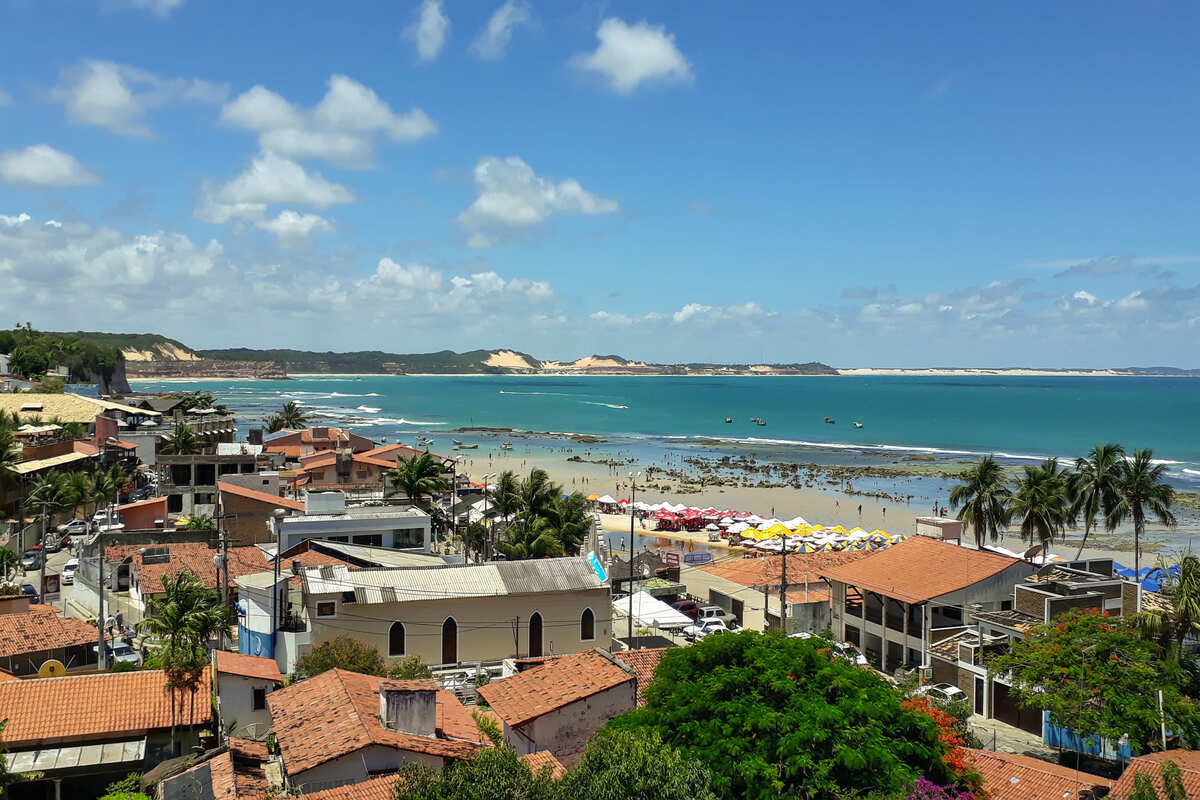
    Pipa In Northeastern Brazil, South America

    Having spent two and a half years mostly sealed off from the rest of the world, Brazil is now keen on boosting tourism and being ahead of the curve when it comes to the latest travel trends. One of them is digital nomadism, a lifestyle that’s exploding in popularity in the post-Covid world, and on which the nation is banking on to boost its economy.

    Having announced its own Digital Nomad Visa recently, it seems South America’s largest nation is preparing to become a major nomad hotspot:

    First, Why Brazil

    Aerial View Of Tropical Beach In Northeastern Brazil, South America

    The Nomad Village Brazil is a project run by the Portugal-based startup Nomad X, who identified the country, with which the European nation has close historical ties to, as the ideal location for building a digital worker hub. Of course, the kinship between Portugal and Brazil is not the only reason for this favoritism:

    Europe may have come out ahead of other markets by opening up to nomadism a lot sooner, with Croatia being one of the first in the world to launch a specific visa for this category, but unlike Brazil, where the sun shines all year round, the Old Continent normally gets chilly and grey in the long winter months. Yes, even in the Mediterranean.

    Young Woman With Her Arms Wide Open As She Enjoys A Sunny Day At The Beach In A Tropical Location

    Even in the low season, coastal states in Brazil, especially in the North, still record temperatures well above 30 degrees, making it an ideal place for long-term travelers looking for somewhere warmer to linger a while longer. Interestingly, NomadX didn’t pick ‘The Wonderful City’, namely Rio, to welcome guests.

    Instead, they are setting up the village in the unheard-of Pipa, a small coastal town in Northeastern Brazil where some of the country’s most breathtakingly beautiful beaches are located. Branding it an ‘escape’ from the harsh Northern Hemisphere winter, the company has picked Pipa’s Morada dos Ventos guest house to welcome participants.

    A Cozy, Picturesque Retreat Nestled In Northeastern Brazil

    Small Town Of Pipa In Northeastern Brazil, South America

    The picturesque property is located in a natural setting only 800 meters from the gorgeous Amor Beach, and a 13-minute walk from the landmark Pipa Beach, the area’s main attraction. It features 3 pools, tropical gardens adorned with sky-high coconut trees, and bungalow-style apartments with varying levels of comfort. In sum, just the perfect nomad haven.

    The guest house will serve this purpose from November 1, 2022 to April 23, 2023, comprising the Brazilian summer and some of the hottest months in the calendar year. Pre-registration is also open, and nomads can already secure their slots through the Nomad Village Brazil official website, where more information can be accessed.

    Pousada Morada dos Ventos In Pipa, Northeastern Brazil, South America
    Image: Pousada Morada dos Ventos

    Other perks include:

    • A Brazilian-style breakfast every morning
    • Free Wi-Fi
    • A bar
    • A poolside restaurant serving food throughout the day and in the evening
    • Airport shuttles available

    How Can Nomads Get To Pipa?

    Young Female Traveler Smiling As She Checks Her Phone At An Airport

    The nearest airport to the place is Sao Gonçalo do Amarante International, serving the city of Natal, some 62 miles away. Currently, the only international flights arriving in Natal originate from Lisbon, Portugal, meaning there are no direct links from North America. Still, Americans can easily reach it via short layovers.

    Brazil’s main entry points are in Rio de Janeiro and Sao Paulo, both only 3h10 or 3h20 away from Natal by plane. Yes, it’s a bit trickier to get to, but once you’re there, trust us, you won’t ever want to leave. As you might have realized, this is a pretty unusual location to set up a nomad village, far from Brazil’s busy urban centers and traditional tourist route.

    Young Male Watching The Twin Brothers Rock Formation In Fernando De Noronha, Pernambuco, Brazil

    On the other hand, the Brazilian Northeast is also where the country’s most scenic coastline is found, lined with up-and-coming tourist spots like Jericoacoara and Canoa Quebrada. Pipa itself is famous for its energetic nightlife and Bohemian vibe, known to attract thousands of tourists, both from neighboring municipalities and abroad, every year.

    In fact, its relative remoteness is precisely what makes it an enticing destination: without being in a big, sprawling city where making meaningful connections can be more challenging, guests will be able to interact, and exchange experiences, much more easily, besides being surrounded by the stunning Brazilian nature in a quieter setting.

    What Are The Conditions For Applying To Live In Brazil As A Digital Nomad?

    Panoramic View Of Old Colonial Historical City Of Ouro Preto, Minas Gerais, Brazil

    Anyone who satisfies all of the requirements below can apply to live in Brazil for up to two years as a digital nomad:

    • Have earnings of more than $1,500 per month, either as entrepreneurs or employees of a foreign company
    • A valid passport for the entirety of their time in Brazil
    • Valid health insurance covering the intended stay

    *It is worth noting citizens of Mercosur and Mercosur-associated countries, such as Argentina, Uruguay, Paraguay, Chile, Colombia and others, already enjoy freedom of movement within Brazil and do not need to apply for visas working in the country

    Aerial View Of Christ The Redeemer Statue In Rio De Janeiro, Brazil

    Although the Digital Nomad Village has an end date, as of now, it may well be extended into the future should it prove successful. Naturally, visitors wishing to stay longer can make their own private reservations for dates beyond April 2023, or move base elsewhere in the country (these 4 off path Brazilian cities could be a good starting point).

    Read more about conditions of entry into Brazil and the latest Covid requirements here.

    Read More:

    Travel Insurance That Covers Covid-19 For 2022

    We Just Hiked The Inca Trail To Machu Picchu: So Was It Worth It?

    The Luxury Brand Nobu To Open Hotel In Tulum

    Argentina Wants To Become Digital Nomad’s Top Destination in Latin America

    Chile Covid Entry Requirements For 2022

    This article originally appeared on Travel Off Path. For the latest breaking news that will affect your next trip, please visit: Traveloffpath.com

    ↓ Join the community ↓

    The Travel Off Path Community FB group has all the latest reopening news, conversations, and Q&A’s happening daily! 

    Travel-off-Path-group-1-1
    SUBSCRIBE TO OUR LATEST POSTS

    Enter your email address to subscribe to Travel Off Path’s latest breaking travel news, straight to your inbox

    Disclaimer: Current travel rules and restrictions can change without notice. The decision to travel is ultimately your responsibility. Contact your consulate and/or local authorities to confirm your nationality’s entry and/or any changes to travel requirements before traveling.  Travel Off Path does not endorse traveling against government advisories

    [ad_2]

    Source link
  • The 8 Most Challenging Things About Traveling In South America

    The 8 Most Challenging Things About Traveling In South America

    [ad_1]

    Share The Article

    Last Updated

    The Trials and Tribulations of Traveling Through Latin America

    South America is an astonishing continent. Vibrant culture, astounding natural beauty, and a unique flair all collide, whichever country you find yourself in. But after five months of working my way down its western coast, I can also tell you it can be an unforgiving place too.

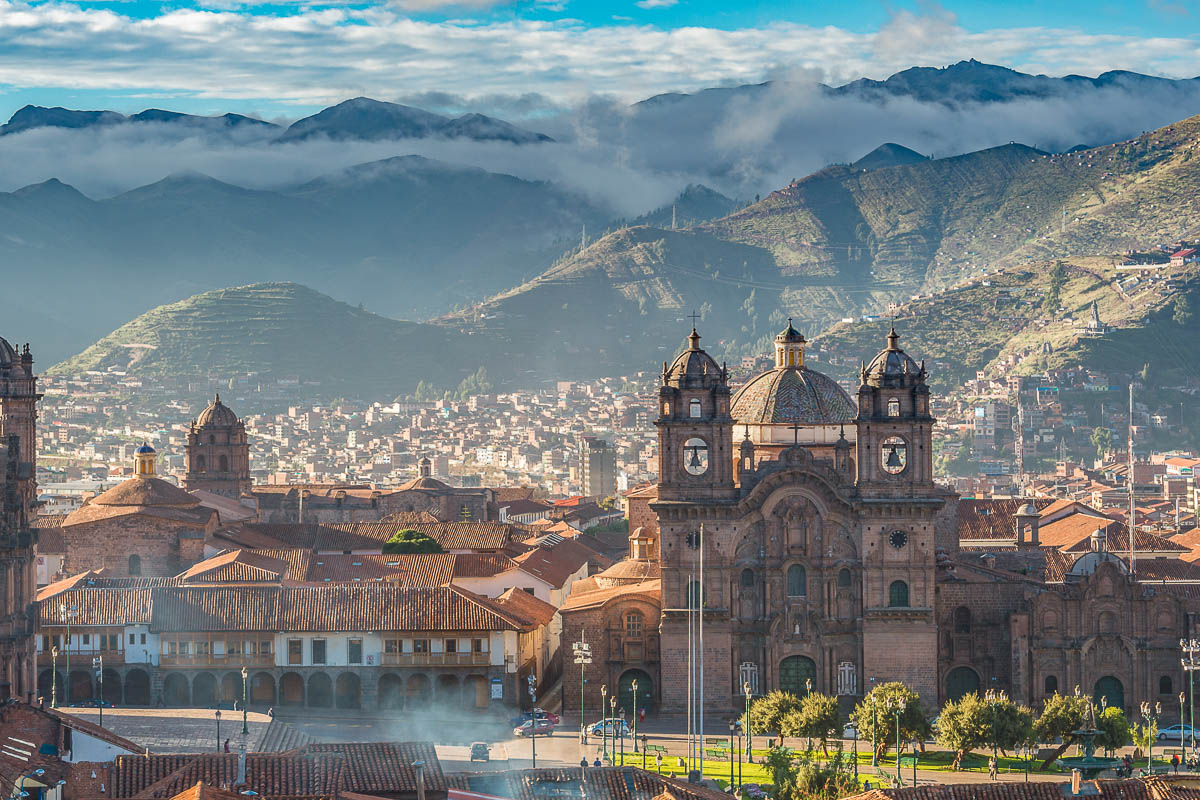
    cusco skyline

    I spent the first half of 2022 exploring Colombia, Ecuador, Peru, and Argentina, scaling mountains, exploring the jungle, and getting to grips with the ins and outs of South American culture. It’s been unforgettable, but it’s also left me with a sense of relief at leaving I haven’t felt anywhere else.

    South America should be on your bucket list, but being prepared is key to enjoying this vast continent. With that in mind, here are the eight most challenging things about traveling in South America.

    1. Safety

    Let’s get the elephant in the room out of the way first. Is South America safe? Yes, it can be safe for those taking proper care. With that said, it’s by far and away the least comfortable I’ve felt in years of full-time travel.

    medellin barrios

    Until South America, I’d never seen a mugging before, and I’m lucky enough to never have been pickpocketed or had anything stolen. In my time there, I witnessed two violent muggings in broad daylight, had my own bag slashed, and met countless people who had been held at gun or knife point. There’s no getting around it; crime (and violent crime, in particular) is more prevalent here than anywhere else I’ve been.

    Colombia and Ecuador were particularly problematic. I was warned never to wander around with a camera, phone, or anything valuable in sight. We were told never to walk around at night outside of the busy downtown areas and to always get an uber if possible.

    Being careful makes it unlikely you’ll fall victim to anything serious, but it’s important not to dilute the fact that crime is far more prevalent than anywhere you may visit in Europe or Asia.

    With that said, Buenos Aires in Argentina felt like a massive exception to this rule, as well as Cusco, Peru, where pickpocketing and petty crime pose the only major threats.

    2. The Transport

    Deciding how to get around South America is tough problem to solve. Flights, especially this year, can be expensive with awkward layovers, while the buses are brutally long. Our own experience was a mixed bag. After spending days trying to get the bus from Medellin to Quito, we chose to fly. Every bus option was over thirty hours long and worked its way through some unstable areas. The flights weren’t cheap and had to fly North to Panama City and then back South to Quito.

    bus in south america

    Other buses in Ecuador and Peru were amazing in terms of comfort. Lay flat seats, good air conditioning, and even snacks made the 20-hour bus journey much easier. Finding the buses, on the other hand, was a nightmare unless using the specific apps. Try to plan ahead instead of booking in person. It’ll save you many headaches. 

    With that said, there’s no shortage of options in each country. Domestic buses were much easier to navigate and super cheap too.

    3. The Climate is sneaky

    Complete ignorance on my part is to blame for this challenge. As far as my limited knowledge was concerned, Ecuador, on the equator, was always hot right? False. Sure, down by the beach, the weather is always pretty good. But in Quito, at over 2,000 meters high, it got chilly in April. 

    weather buenos aires

    Two days later, in the Amazon, I’m sweating. A week later, in Banos, I’m perfectly comfortable. Peru’s northern regions were hot and dry, while Lima was a gloomy 60 degrees. Pick your clothes wisely, and dress for every kind of weather. If you’re exploring the whole continent, you’re going to come up against everything.

    4. The Altitude

    If you’ve never been at altitude before, some of South America is going to be a shock for you. Several of the continent’s most prominent tourist destinations and cities are some of the highest settled points in the world.

    Ecuador’s capital, Quito, sits just shy of three thousand meters, Cusco is at a whopping 3,400 meters, and La Paz in Bolivia is a breathtaking 3,625 meters. This means it can get super cold in all of these places, but more importantly, it’s going to seriously affect your wellbeing.

    quit skyline

    Altitude sickness is very real, and it’s not uncommon for visitors to feel a bit sick during their first few days in any of these cities. Even after that, simple tasks like walking up stairs might suddenly seem a little more complicated and leave you short of breath. It’s super important to acclimatize a little and make sure to take a few days before you undertake anything strenuous like mountain climbing.

    5. The Spanish

    I learned French at school, so I was coming in blind with regard to Spanish in South America. I did my best to pick up the basics and was getting comfortable ordering things, listening for instructions, using numbers, and other day-to-day lingo.

    But then I moved from Colombia to Ecuador, and it sounded like a different language. Then again, from Ecuador to Peru. And then Argentinian Spanish is completely different sounding. Each country and even regions within them have their own variations of Spanish. While these usually only take shape in pronunciation tendencies, like the “double-l” sound, some words and phrases are completely different.

    Do your best to read up on a few differences when you visit each one so you can prepare yourself to listen for the nuanced phrasing. They didn’t teach you this in high school, that’s for sure.

    6. The Water

    Always ask about the drinking water. If there’s no answer to be found, assume you can’t drink from the tap in South America and go for the bottle. Even in some cases, locals may drink it, but their bodies are used to it, while ours may reject it a little.
    I was able to drink in some apartments we stayed in, but they were usually fitted with individual filters that allowed us to do so. In other cities, we only used bottled water. It’s tough, especially if you’re inclined to be more environmentally conscious, but you don’t want to be sick on your trip.

    7. When it’s touristy, it’s very touristy

    A lot of South America is pleasantly free of mass tourism in the way we understand it. While this has its drawbacks in regards to convenience, it makes for a wonderful experience and lets you get a little more in tune with the culture.

    cusco central square

    But in tourist towns, it’s extremely touristy, and it can be anger-inducing at times. Cusco, where most tourists base themselves for a trip to the famous Machu Picchu, has an economy based on tourism. Because of this, anywhere around the center square is packed with vendors and other tourist-centric salespeople peddling their wares, drugs, or tours.

    It’s virtually impossible to walk across Plaza de Armas without being stopped by five or six people selling jewelry, paintings, or even having a baby alpaca handed to you. Sitting at any of the street side tables in a restaurant means you’ll spend a significant portion of your meal waving them away. Don’t make a lot of eye contact, politely decline, and keep walking. Be firm, but try not to be rude, even after multiple solicitations. They are trying to make a living, after all.

    8. The toilets…

    In most of the more developed cities, the toilets are great! Even once you get out into the countryside, you don’t need to use squatty toilets too much like in Asia, where it’s the norm in some countries. But public toilets can have an aversion to toilet paper. Some, mainly in tourist spots, will have someone nearby selling by the sheet, but many won’t have any at all.

    toilet south america

    Having some with you in your bag, especially for the girls, is a great idea to help you out of an icky situation. Also, be very careful with what you flush down the toilet. Many of the plumbing systems in the region can’t cope with toilet paper and require you to toss it in the bin. As much as you might not enjoy it, just do it. You don’t want to be the gringo that clogged the toilet.

    Conclusion

    South America is wonderful. It was truly one of the best few months of travel we’ve had, as well as the most exhausting. It’ll test you but reward you in equal measure. Just make sure to take a little extra care than you’re used to.

    ↓ Join the community ↓

    The Travel Off Path Community FB group has all the latest reopening news, conversations, and Q&A’s happening daily! 

    Travel-off-Path-group-1-1
    SUBSCRIBE TO OUR LATEST POSTS

    Enter your email address to subscribe to Travel Off Path’s latest breaking travel news, straight to your inbox

    Disclaimer: Current travel rules and restrictions can change without notice. The decision to travel is ultimately your responsibility. Contact your consulate and/or local authorities to confirm your nationality’s entry and/or any changes to travel requirements before traveling.  Travel Off Path does not endorse traveling against government advisories

    [ad_2]

    Source link