When we think of the perfect travel experience, our minds automatically wander to remote places we know of but have never had the chance to visit.
By doing that, though we make one big mistake – we overlook all the amazing destinations that are right under our noses, cities that other travelers probably dream of visiting and we take for granted.
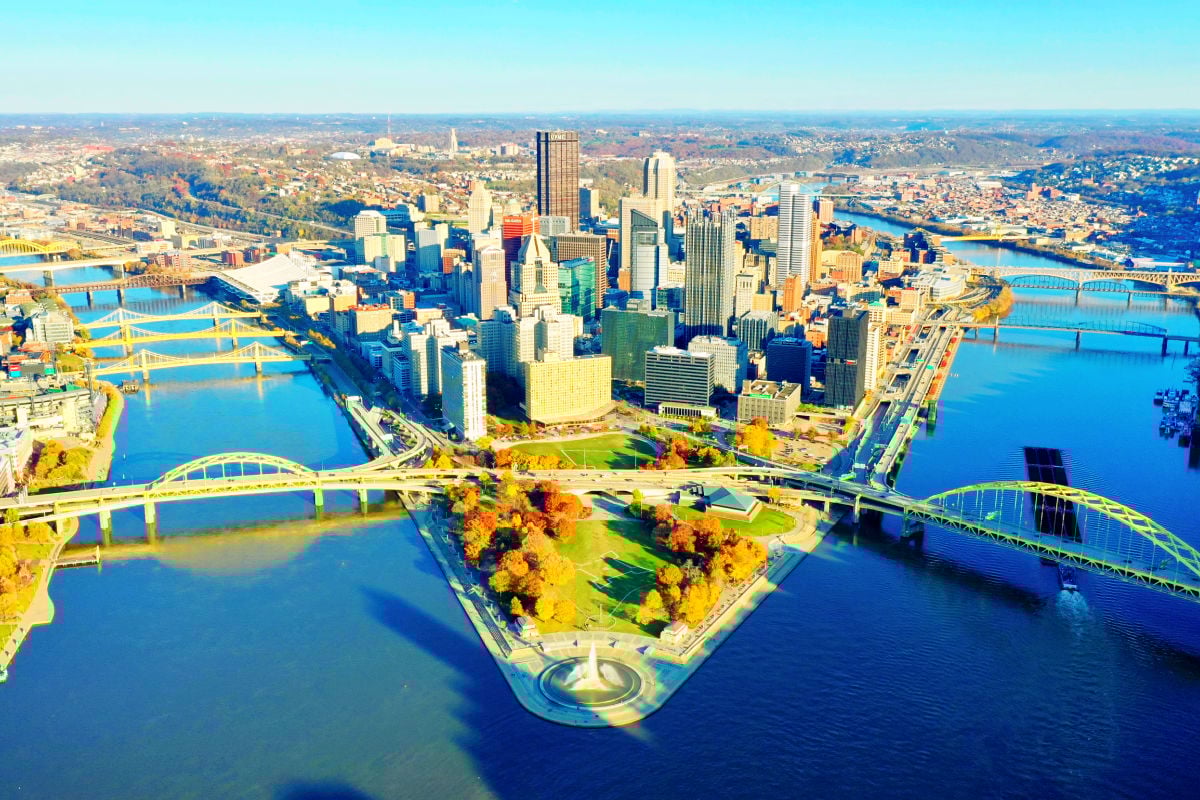
That’s especially the case with one criminally overlooked Pennsylvanian gem, a place that a recent National Geographic publication named one of the top travel destinations in the entire world.
And below, you’ll find out just what makes Pittsburgh such a fantastic choice for your next U.S. vacation.
So Much To Explore
Because most people only know Pittsburgh for its industrial past, they tend to write it off as just another big city with little to see – however, that couldn’t be further from the truth.
Even beyond iconic landmarks like the Andy Warhol Museum (which houses the largest collection of the artist’s work), the Pittsburgh Zoo & Aquarium, and The Carnegie Museum Of Natural History, the city promises visitors an experience filled with culture, art, and excitement.
Even outdoor enthusiasts will find plenty to love in Pittsburgh as they take advantage of the extensive 165-park system that spans from the scenic trails of Frick Park to the panoramic views of Mount Washington.
Art lovers, on the other hand, won’t want to miss out on a trip through the city’s Cultural District, where they can find the Benedum Center and the Byham Theater.
If this all sounds a bit overwhelming to you, you can always book an organized tour that’ll take you through some of Pittsburgh’s biggest attractions, like this one that starts at $75 per person.
You’ll Get A Lot Of Bang For Your Buck
The main concern travelers have when visiting a bigger U.S. city like this is that the costs can quickly ramp up.
And while that’s true for comparable places, Pittsburgh is actually one of the cheapest destinations of its kind and size, as you can also see in this U.S. News Real Estate article right here.
Don’t let the name of the publication fool you – housing isn’t the only thing that’s surprisingly affordable in this Pennsylvanian hub.
A three-course meal for two at your average restaurant costs roughly $60 (which is way better than what you’d get in most similar places across the U.S.), while a 1-mile taxi ride costs less than $2!
If you’re looking to make your Pittsburgh trip extra budget-friendly, you’ll be happy to know that places like the Carnegie Museum offer heavily discounted tickets for students and seniors.
Admission is entirely free on the first consecutive Saturday and Sunday of every month, so try to time your visit accordingly.
One Of The Safest Cities In The Country
Not only does Pittsburgh offer excellent value for the money, but it’s also one of the safest cities you can visit in all of North America, which, let’s face it, is any destination’s biggest selling point.
Travel is supposed to be fun and relaxing, and here, you won’t have to look over your shoulder every two seconds.
A Thriving Tech Hub That Gives San Francisco A Run For Its Money
OK, so I’m not really a fan of the “destination dupe” trend going around right now since every place has its unique charm and character, but Pittsburgh truly is kind of like a smaller, cheaper, safer San Francisco, so if that’s a city you’ve wanted to visit for a while now, considering Pittsburgh instead might work in your favor.
The Pennsylvanian hub boasts the same “hilly tech town” vibe and forward-thinking industries that make San Francisco so fascinating.
If that sounds like something you want to experience in the near future, your decision-making process just got a whole lot easier!
Having explored over 20 countries in the last 3 years, Megi is committed to bringing the freshest, most up-to-date news and perspectives on the world’s most fascinating destinations.
Opinions expressed here are the author’s alone, not those of any bank, credit card issuer, hotel, airline, or other entity. This content has not been reviewed, approved or otherwise endorsed by any of the entities included within the post.
Before you scroll through to the next article on sunny Mexico, bear with me a second:
I know Europe is not everyone’s idea of fun in winter, especially if they’ve been saving up the entire year to splurge on that customary, all-inclusive beach getaway.
Between the incessant London rain, the gray Parisian skies, and Italy’s plummeting temperatures, I can see how the idea of embarking on a Transatlantic trip right now could sound unappealing, but what if you don’t have to escape winter to have a cracking time on your next vacation?
Allow me to explain why winter is my favorite season to visit Norway, one of the world’s most Northerly countries – and one of the safest ones at that – and why you should give it a chance yourself:
Why Is Norway Becoming So Popular As A Winter Destination?
Norway is surging in popularity in 2024, and I can’t say I’m surprised: one of the reasons why I fell in love with it in the first place was how unspoiled and abundant the nature is.
Though it boasts a high Human Development Index and Quality of Life, much of the country is comprised of forested areas and rural hinterlands, and irrespective of where you’re headed, be it the Arctic North or the fjord lands, there is no shortage of natural wonders to be found here.
From the minute you step out of the plane and breathe in the crisp, fresh mountain air, without having cast a single glance at the nearest mahoosive peak yet, you know you’re not in terminally-industrialized Germany, nor overpolluted France anymore.
Caribbean beaches are great, but I am sure most would agree ice-skating on mirror-like frozen lakes, relaxing in saunas, skiing down winding slopes, and cozy late nights sitting by a fire, hot chockie in hand, watching the snow fall from the window can be just as alluring a prospect.
Why Fly To Norway For A Winter Wonderland When You Can Go To Aspen Instead?
You may be wondering why exactly I’m trying to convince you to fly halfway across the globe for a winter holiday when you could just go to Colorado instead: as beautiful as it may be, the Centennial State lacks Norway’s mystique, ancient culture, scenic railways and hearty ‘Scandi’ food.
Still, this is a big country we’re talking about, with a fjord-traversed coastline extending for 1,100 miles along the North Sea, and if you’re warming up to the idea of going on a little off-season Viking adventure, you may be wondering where to go for the most epic scenery.
Away from the big cities and off the beaten path, here are four incredible winter destinations in Norway (and why they should be added to your bucket list):
4 Incredible Destinations To Visit In Norway In The Colder Months
Flåm
Flåm, a small village at the innermost part of the historical Aurlandsfjord, is one of Europe’s best-hidden secrets this winter, home to the four-star Fretheim Hotel, built in classic chalet style, an award-winning microbrewery, and the world-famous Flåmsbana train.
Rattling up a steep 2,841 feet ascent, with wide panoramic windows offering views of deep valleys, narrow fjords, majestic waterfalls and isolated, colorful villages with chimneys and lampposts poking out in the virgin snow, it is a $50 round-trip worth embarking on.
Sauna culture is not as prevalent in Norway as it in fellow incredible winter wonderland Finland, where it originated, but in Flåm it just happens to be one of the top attractions, with FjordSauna welcoming guests onboard floating steam rooms at the edge of the ice-covered fjord.
If you’re a fan of the Vikings, you could take a day trip out to Gudvangen to see a Norsemen village functioning as a folk park, or go for some beer tasting and fish supper at Ægir, a pub and restaurant modeled after pagan messhalls of the 10th-century.
Voss
The unofficial ski capital of Western Norway, just over an hour away from Bergen, Voss is a small settlement resting at the bottom of an elongated valley dotted with lakes, where colorful houses and a medieval stone church make for a picturesque townscape.
Popular for its gondola rides, varied selection of Haute cuisine restaurants, and surprisingly wide range of entertainment options – it has its very own skydiving center – this laid-back alpine village is not a place you’ll want to skip when paying Norway a visit in the colder months.
Additionally, it is where the highly-reputed Myrkdalen Ski Resort is located, boasting 22 ski trails, 9 ski lifts, 2 of which are express chairlifts, unique stays – think repurposed barns and homely, self-catering wooden cabins – and three distinguished restaurants for either fine or casual dining.
Prices for double rooms start at $239 this season, and if skiing isn’t your thing, Myrkdalen is still the perfect base for exploring the surrounding nature, as it is a stone’s throw away from UNESCO-listed Nærøyfjord, and mystical Gudvangen (Norwegian for ‘Valley of the Gods’).
By the way, ski season in this part of Norway can last as late as April.
Bodø, Norway
A charming fishing port in Northern Norway, Bodø was recognized by the European Commission as one of the continent’s Cultural Capitals in 2024, and with over a thousand events planned to celebrate the town’s rich heritage, starting this winter, it is definitely somewhere you don’t want to miss in 2024.
Bodø is best known for its walkable, museum-packed historic center, vibrant art scene, with innovative installations and awe-inspiring street art lurking in every corner, and in recent years, it’s developed a reputation for being a foodie hotspot.
Reindeer is commonly served in restaurants, in line with Northern Europe’s staple diet, and it’s Kjelen kafé in Bodø where you’ll find the most delicious møsbrømlefse, a Norwegian flatbread stuffed with camarelized goat cheese, and other local delicacies.
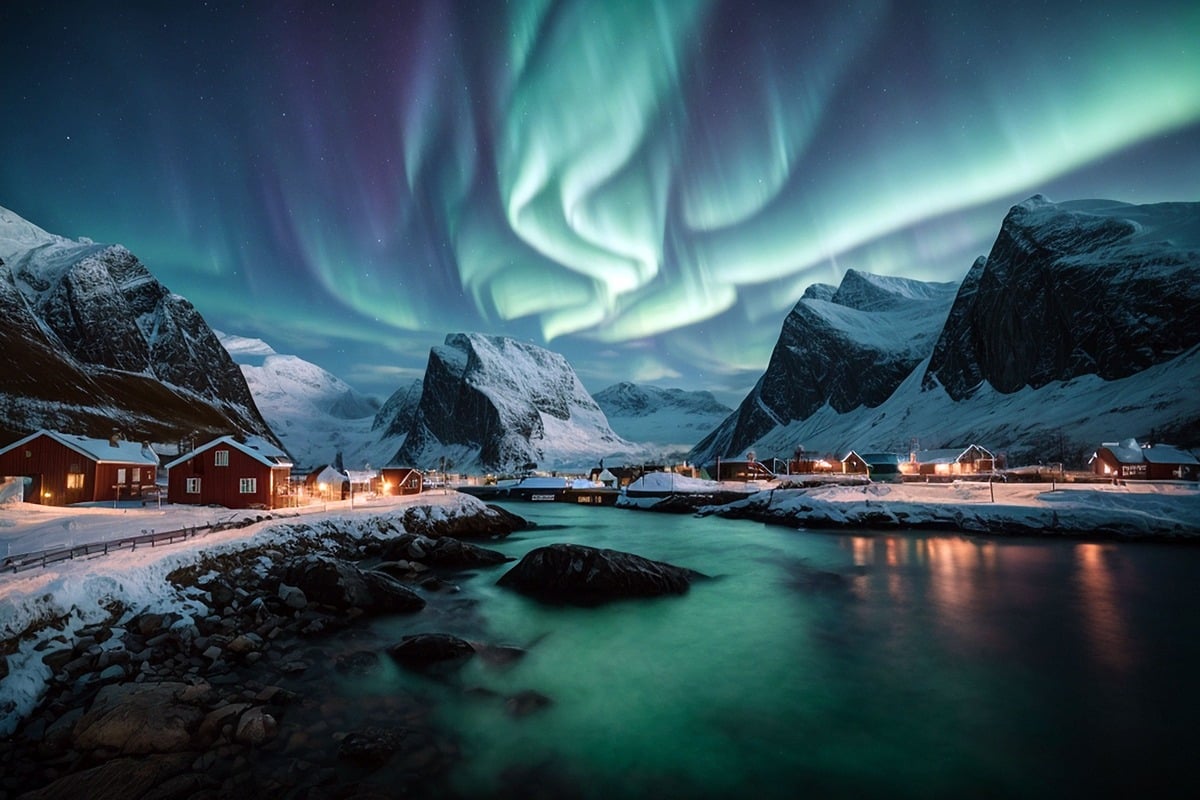
Winters in Nordland can be harsh, with freezing temperatures and limited sunlight through March, but it’s typically in the darkest of nights the sky bursts into a million different shades of green and purple (yes, we’re talking about Aurora sightings).
Lofoten
My final entry on this list is Lofoten, a grouping of islands connected by a series of bridges and undersea tunnels further North from Bodø that feel almost otherwordly, with jagged peaks shooting up to the stars, and fishing villages sitting on rugged coasts.
Three of the most sought-after winter activities among visitors to the archipelago include horse riding, taking sea eagle safaris to Trollfjord, an area of outstanding natural beauty, and hunting down the elusive Northern Lights.
Village-hopping around the islands is also a must-do: Reine and Nusfjord are particularly beautiful, with their centuries-old fishing tradition and Instagram-ready, brightly-painted cottage houses lining quaint, snow-dusted harbors.
To top it off, Lofoten enjoys a much more mild winters compared to other destinations on the mainland: as it is surrounded by the North Sea, the climate is typically maritime, meaning you are unlikely to be caught knee-deep in snow when snowshoeing in the wild.
That’s not to say it is warm. By all means, do wear multiple layers.
Why Is Norway Surging In Popularity Despite The Harsh Winters?
According to the latest data, reservations for Norway – more specifically, freezing cold Northern Norway – have skyrocketed this winter, so much so that European airlines are launching new direct routes to secondary airports like Harstad/Narvik, Evenes, and Alta.
Alta is Norway’s remote capital for aurora sightings, and its Northern Lights Cathedral, eclectic architecture and Arctic lifestyle have been on our radar since last winter; now, new flights arriving from Frankfurt with Lufthansa have greatly improved connectivity in the area.
Similarly, an increase in arrival figures for Tromsø Airport, serving the most Northerly major settlement in mainland Norway, has led to the construction of an additional terminal.
Wintertime guest bookings between 105 travel companies all over Norway now total 350,000 so far, with Best Arctic CEO Trond Arne Kongsli claiming his company alone had ‘triple’ the amount of reservations this season compared to the 2022-2023 period.
Norwegian authorities have citedNorway’s diverse tourist offer, amazing food, and growing popularity as a cultural destination as three of the main drives behind the increase in demand, in spite of its harsh winters.
What I Think As Someone Who’s Been To Norway In Winter
Personally, I would add tourist-friendliness as a major factor contributing to Norway’s surging popularity as a year-round destination.
Having traveled solo in Norway in the dead of winter, when service availability is typically lower and many attractions are shut down, I still had a remarkable time.
Naturally, you should manage your expectations: going hiking in most trails is not possible due to the heavy snowfall and poor visibility, so you can scrap the iconic Trolltunga or leave it for the warmer months, but there is still plenty to keep you entertained on the nature front.
Norway’s ‘Right to Roam’ is a freedom enshrined in the constitution that is quite telling of this historic nation’s appreciation for the great outdoors. In Norway, everyone has the right to enjoy and make reasonable use of nature without paying to access it.
In essence, you can go roam freely across nature preserves, camp out in the open, attempt hiking, and even live off of any uncultivated land so long as you’re not carrying out commercial activities, starting dangerous fires, or polluting.
Exercising the right to roam in winter is trickier, as I wouldn’t be sleeping outside in negative temperatures myself, but as you can attest from the destinations listed above, nature in Norway is always breathtaking, and it can be particularly beautiful when it’s frozen and glistening white.
Finally, Norway is an incredibly safe country to explore – one of the safest in the world, at that.
According to the U.S. Department of State, it is one of a handful of destinations globally to enjoy a Level 1 status, meaning tourists do not have to be overly concerned about their safety when visiting.
Violent crime rates are negligible, pickpocketing is not common, unlike in other European states, and poverty levels are very, very low. Whether you’re in a major urban center like Oslo or Bergen or the vast countryside and fjordlands, you can put your worries about personal safety aside.
The biggest threat facing Norway nowadays is recurring terrorist attacks, like most Western countries, but even these do not happen on a significant scale.
Caught the travel bug? Read on about Norway, and start planning your frozen adventure here.
Opinions expressed here are the author’s alone, not those of any bank, credit card issuer, hotel, airline, or other entity. This content has not been reviewed, approved or otherwise endorsed by any of the entities included within the post.
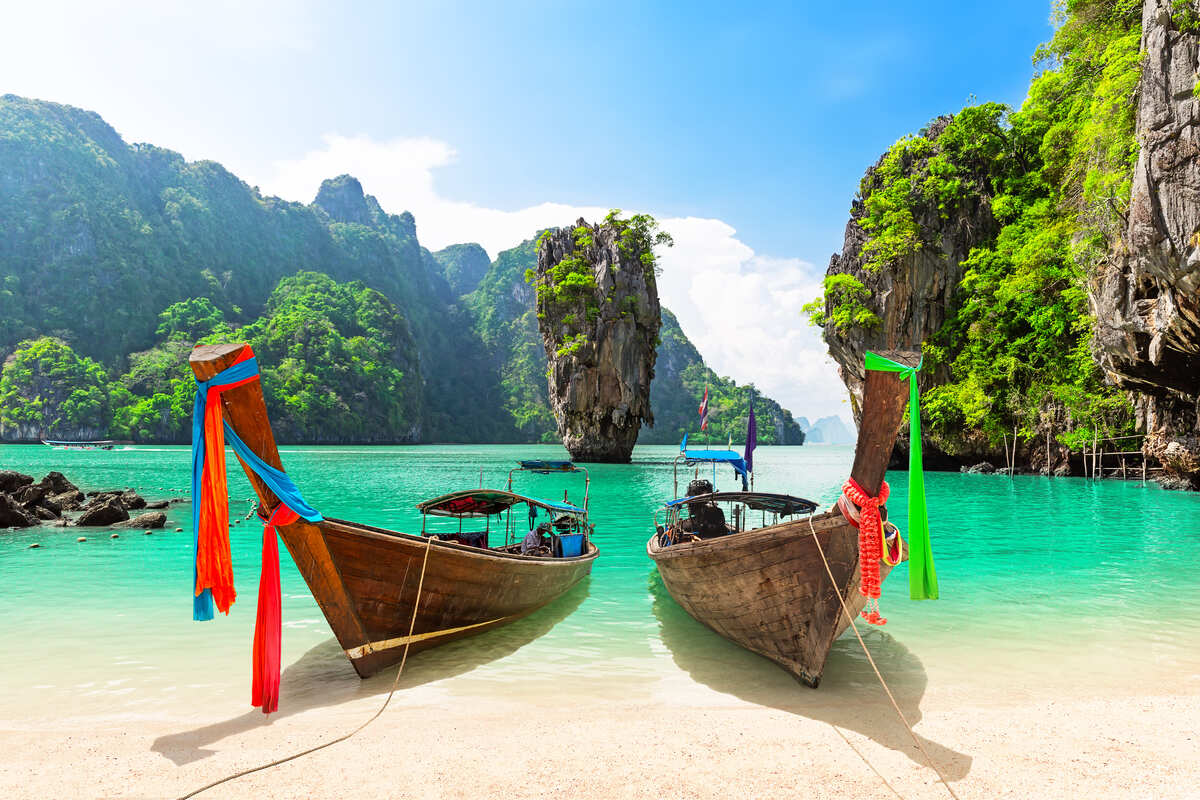
Now that all travel restrictions have dropped and normality has been reinstated across Southeast Asia, it is exploding in popularity.
Filled with paddy fields, sweeping green panoramas, and centuries-old pagodas, it is a fascinating, mystical land certain to blow your mind.
Though there are as many as 11 countries that make up the subcontinent, including some of the most promising destinations in this post-crisis scene, namely Vietnam and Cambodia, one country in particular continues to lead visitation trends with over 14.5 million tourists recorded this year.
Already hugely popular in previous years, it is now asserting its status as one of the world’s top tourist destinations.
Thailand’s Figures Are Nothing Short Of Impressive
With such impressive figures, it is no wonder the ancient kingdom of Thailand sits at the helm of Southeast Asia, guiding it toward a full economic recovery.
Having reached close to 15 million guests registered between January and July 16, and over 588 billion baht, or $17.11 billion in revenue, as confirmed by the Tourism Ministry, it is perhaps Southeast Asia’s most sought-after and successful hub.
Thailand is far from being the region’s only appealing destination, with nations like Vietnam boasting 3,260 km of a pristine coastline bounded by an azure East Sea, and Singapore, Malaysia, and the like consistently ranking as two of the most diverse and developed states in the group.
Recently, Vietnam also eased its visa requirements, while Malaysia launched an easy-to-apply residency permit for digital nomads, thus increasing competition among Southeast Asian nations.
So why is Thailand still a regional leader, and what exactly does it have to offer compared to its counterparts?
Nonstop Flights
First of all, Thailand has been slowly reinstating its once-severed ties to North America, with new nonstop flights announced for the first time in a decade.
This makes it easier for North Americans to reach Thailand without resorting to long layovers in third countries.
AirCanada’s new direct service linking Vancouver International to Bangkok, the bustling capital of Thailand, has been bringing residents of Canada’s West Coast closer to the paradisaical destination since launching in early 2022, and it’s already a major success.
Though there are no US-Thailand flights as of yet, the Canadian route is already a major step towards strengthening ties between both subcontinents, and it’s certainly contributed to the Asian kingdom’s recovery, as well as increased competitiveness.
It Is Affordable
Thailand is also a lot cheaper than some of the most developed Southeast Asian countries, particularly Singapore, where the cost of living is equivalent to the Western World’s or even higher.
Though they are part of the same union of countries, Thailand can be a lot cheaper, owing to a weaker currency, as the Thai baht is a lot less powerful than the U.S. or Canadian dollar, and the availability of fresh food and services at reduced prices.
According to Numbeo, consumer prices in Chiang Mai, Thailand’s second-largest, and perhaps its most traditional city, and a tourist favorite, consumer prices are up to 51.2% lower than in Vancouver, Canada, while restaurant bills can be up to 79.3% cheaper.
Even Phuket, Thailand’s number one beach destination and its trendiest island, often perceived as the most expensive vacation hotspot in the country, can be up to 45.4% less expensive than a Western destination, meaning your tourist dollars stretch much further here.
It Stays On Top Of Trends
Thailand has ensured it stays on top of all of the latest travel trends, and that’s partly why it’s risen to prominence lately.
From investment in wellness to the opening of new migration routes for temporary residents and digital workers, it is reinventing itself as a more modern, open state.
Having realized long-term tourists boost the local economy and help the country achieve its sustainable tourism goals, local authorities have been actively promoting ‘slow’ travel and making it easier for them to apply for residency visas.
Additionally, it is placing nature at the front of the campaign through its numerous relaxation retreats and spa centers, nestled in verdant reserves and surrounded by nature.
This widely-lauded move is set to attract wellness seekers who deliberately avoided Thailand due to its reputation as a party destination.
Thailand Is More Liberal
Finally, Thailand has a more liberal approach toward the commercialization of psychoactive drugs than its Southeast Asian partners do.
For instance, it lifted a ban on medicinal cannabis in 2022, becoming the first in the subcontinent to do so.
Now, you can buy reasonable amounts of cannabis-based products across Thailand as long as you report usage for a health-related purpose. This sets Thailand apart from the likes of Malaysia and Indonesia, where laws are much harsher.
The nightlife in Thailand is much more liberal as well, particularly in Bangkok, the island of Phuket, and the beach zone in Pattaya, where adult entertainment venues are allowed to operate when fulfilling certain conditions, and attitudes towards sexuality are very permissive.
Thailand is affordable, fun, and trendy to visit, and we can definitely see it rising to the top of the world tourism charts in the months to come as it continues to invest in the sector and promote gorgeous lesser-known gems Westerners may not have heard of yet.
Finland is officially the happiest country in the world.
For the sixth year running, the World Happiness Report has declared Finland to have a happiness score of 7.842 out of a possible 10, making it happier than any other destination.
Just some of the reasons why Finns are so happy, according to the report, is because they feel a strong sense of community and trust in one another. The country also has some of the lowest levels of suspicion of government corruption.
But what does that mean for tourists? It means that the people of Finland are warm and welcoming and that the country is a safe place to travel.
Here are six of the best reasons to consider visiting Finland:
Breathtaking Landscapes
Finland is well known for its beautiful and unspoiled landscapes. From snow-covered pine trees to rugged mountains and flat rolling hills to the south, the range of landscapes to appreciate is incredibly diverse.
In addition to this, there are 39 national parks to explore in Finland. Visitors can also explore Saimaa, the country’s largest lake, where people travel from across the globe to fish.
Of course, the main attraction of Finland’s landscapes is the chance to view the breathtaking aurora borealis, better known as the Northern Lights.
Finnish Lapland is the place to go for the best chance to see this natural phenomenon. The Northern Lights season in Finnish Lapland is between Mid-August until Early April.
Delicious Food
There are some national cuisines that are world-renowned thanks to their broad appeal. Italian, Chinese, and Mexican foods can be found almost anywhere you travel.
Seafood is abundant due to the huge number of lakes in the country, and chefs in Finland focus on using fresh, locally sourced ingredients that make the cuisine especially appealing.
Gravlax, rye bread, and sauteed reindeer are particularly popular local dishes.
Modern Architecture
Fans of modern, minimalist architecture will love visiting Finland.
Many of the buildings take inspiration from the local landscapes, and a minimalist, modern approach is often adopted to avoid detracting from the beauty the country already possesses.
Renowned architect Alvar Aalto is particularly popular here, and you will find his work everywhere.
Expect clean lines, natural materials, and buildings that are breathtaking in their simplicity.
Exciting Helsinki
Helsinki is the capital of Finland, as well as its most populous city. While most people think of Finland as being a remote and quiet country, Helsinki is the opposite of these things.
This is the perfect place to explore Finland’s rich cultural heritage, enjoy the vibrant night life, and enjoy Finland’s bustling art and music scene.
Did you know that Finland is the heavy metal capital of the world? Metal heads flock to Helsinki to see the huge number of national and international metal bands that frequently tour the country.
For a slightly quieter night out, there are also plenty of bars and nightclubs to enjoy in the city.
Explore Finnish Lapland
It would be near-impossible to talk about traveling to Finland without mentioning Finnish Lapland.
The home of Santa Claus and his reindeer; big kids and little kids alike will enjoy the high-octane activities to enjoy here, as well as stunning snowy scenery.
You can hunt for Santa Claus in his woodland cabin, ride in a sled pulled by husky dogs or by reindeer, and if you’re looking for even bigger thrills, you can take a snowmobile safari across the rugged terrain.
Finnish Lapland is also a great place to enjoy skiing, with Kittila here considered to be one of the best ski destinations in the country.
Embrace Sauna Culture
Taking a sauna is a very important part of Finnish culture. The concept of the ‘sauna culture’ in Finland involves using the sauna to cleanse both the body and the mind in order to obtain a sense of inner peace.
Almost 90% of Finns take a sauna once a week, and enjoying time in the sauna is integral to Finnish socializing and well-being.
Tourists are encouraged to experience the sauna culture for themselves during their time in Finland and will be presented with plenty of opportunities to give it a try.
Airlines haven’t had the best reputation lately. From the Southwest debacle to plenty of canceled flights, lost luggage, and seats getting smaller, America isn’t the only country that has airlines causing problems for customers. One of the most popular ways to air these grievances is Twitter, which is why S Money decided to scour the internet and find out which airlines are performing the worst.
The online-only currency exchange platform analyzed thousands of tweets around the world to determine the most loved and disliked airlines. The company used an AI sentiment tool to analyze up to 4,000 tweets that mentioned the official Twitter handles of the airlines and gave them a positive or negative score.
While Twitter does offer up some insights into people’s experiences, there are some problems with using it as a single source since most people tend to air their grievances rather than their positive experiences. According to research from Harvard University, outrage is known to go viral quicker on Twitter, while there is also going to be a gap between what is annoying and negative between different people.
When looking at the Twitter analysis, the U.S. didn’t fare too well, as two of its airlines fell in the top ten of the most disliked airlines on Twitter in the world, and no airlines made it into the top 10 most loved in the world.
The Most Hated Airlines In The World
According to the analysis, two of the world’s most disliked airlines on Twitter are from the U.S.
Spirit Airlines takes the number 8 spot, followed by Frontier Airlines in the top 10, with Spirit receiving a 62.2% score of negative tweets while Frontier trailed behind on 61.9%.
Spirit has been compared to the ‘American Ryanair,’ with many users frustrated over its hidden additional fees and expenses that sometimes cost more than the flight itself.
Many of the Twitter responses for both airlines were about canceled flights and not being adequately compensated. One user shared how Spirit canceled a $230 flight, and he was then forced to purchase a $700 new ticket.
Spirit airlines is the worst airlines out there. Cancelled my flight to Vegas so had to book another, then cancelled my return flight. $230 original roundtrip turns into $700.
Don’t travel spirit. They are awful. They didn’t even refund me full amount @SpiritAirlines
Meanwhile, the negative tweets about Frontier recommend people not fly it, no matter how cheap the flights are, with frustrations around terrible customer service and not being able to get through to a human.
Anyone know how to contact @FlyFrontier ? I’ve been chatting for 3 hours and getting no where!!! 🤬🤯🤬
Among the two U.S. airlines, the top 10 most disliked on Twitter include 3 airlines from Canada (WestJet, Flair Airlines, and Air Transat), two from India (Go First and SpiceJet), plus an airline from Portugal (TAP Air Portugal), Australia (Jetstar Airways) and Spain (Vueling).
Go First from India is considered the most disliked airline on Twitter in the world, with a 73.8% rating of negative tweets, which is 5% higher than Portugal’s TAP Air in the number two spot. A large proportion of tweets were likely attributed to the news headlines when the airline forgot to board 54 passengers before taking off.
When comparing North American-only airlines, the top three most disliked airlines are three Canadian airlines (WestJet, Flair Airlines, and Air Transat), followed by Spirit, Frontier, and then American.
Mexico’s airline Volaris comes in at number 10, the only airline from Mexico that makes the charts due to its difficulty in getting refunds for canceled flights.
The Most Loved Airlines In The World
No American airlines made the top 10 list, as Canada takes the lead for most loved, with three airlines appearing in the top four – regional Bearskin Airlines at number one with a 53.4% positive tweet score. Tweeters commented on its service to hard-to-reach places as well as the scenic views during the routes.
The other Canadian airlines in the top four include Pacific Coastal Airlines at number two and Canadian North at number four. The only American airline in the most loved on the Twitter list of North American airlines was Alaska Airlines, which made the number ten spot with a 34.% positive tweet rate.
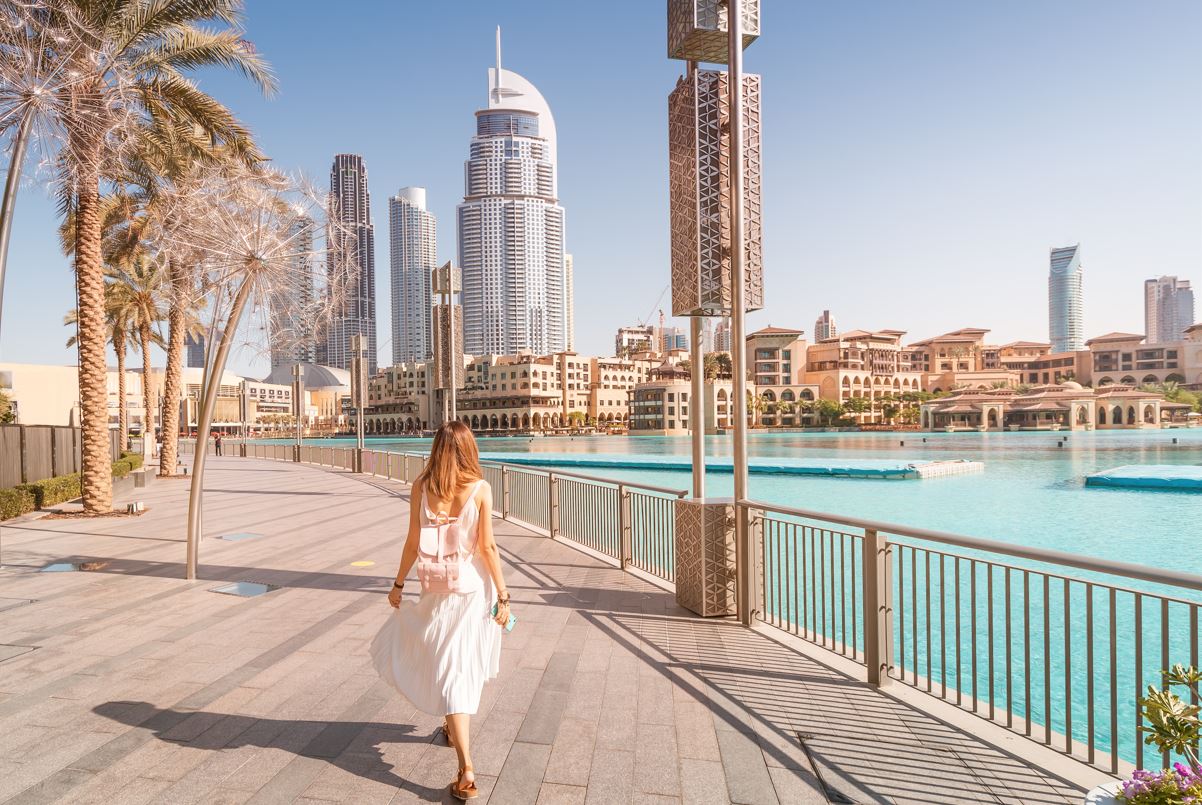
Beating Paris, London, New York, and other competitors to the number one spot, Dubai has been named the top destination worldwide, consolidating its status as a leading hub for both tourism and business. But how exactly did this newly founded metropolis surpass other iconic and far older cities in popularity, and what makes it so incredible to visit?
The Number One City Break Worldwide
For the second year in a row, Dubai was crowned the number one destination at the TripAdvisor Travelers’ Choice Awards, based on ‘millions’ of ‘real and unbiased’ reviews by visitors over a 12-month period, from November 1, 2021 to October 31, 2022, who commended the plethora of tourist activities available and excellent service provided.
Among the extensive list of attractions, they have enlisted the following as Dubai’s absolute best:
Strolling Alserkal Avenue, a cultural district lined with contemporary art galleries
Exploring Old Dubai, a surprisingly picturesque district packed with bazaars and traditional food markets
Dining out at one of Dubai’s 11 MICHELIN-approved restaurants
Admiring the cityscape from one of its many rooftop pools, including the Aura Skypool
Visiting one of the world’s largest and most luxurious spas, Talise Ottoman Spa at Jumeirah Zabeel Saray
According to Forbes, Dubai’s success is also attributed to ‘significant efforts’ put in by His Highness Sheikh Mohammed bin Rashid al Maktoum, Vice President and Prime Minister of the UAE and Ruler of Dubai, to promote it.
The Sheikh’s primary goal is to make Dubai ‘the most visited’ city. While yet to attain the title currently held by the City of Love, it is openly challenging it by investing heavily in tourism initiatives – and believe it or not, the dethroning of Paris is imminent, as Dubai has already been named the preferred destination for weddings.
Other than being a promising elopement spot, Dubai is experiencing a rise in demand among young travelers, particularly digital nomads, due to the high quality of services provided, infrastructure, cleanliness, and high levels of safety, which surpass those of most Western countries, especially some crime-ridden cities in the U.S.
Dubai is so safe that dozens of viral videos are circulating about how people use their phones and wallets to reserve tables at busy restaurants or inside malls, without worry their personal possessions will be taken.
The roads are so clean and free of potholes that some highways have a speed limit of up to 140 km/h, and finding a piece of trash or random graffiti tag proves to be extremely difficult.
Even hailing an Uber in Dubai is a totally different experience than in many cities, with the base level car ‘Uber Comfort’ usually being a brand new full-size Lexus or Tesla, and a 10-15 minute ride not costing more than $10-$12 USD.
With inflation being the biggest headline of the past year, it’s hard to comprehend prices for any service going down, but that’s exactly whathappened with taxi prices in Dubai just a few weeks ago. With the lower cost of fuel, the government made the call for taxi fares to be decreased so tourists and residents can benefit from the savings.
Flights Galore
Tourists looking to visit Dubai this year will be pleasantly surprised by the vast amount of direct flights in and out of the city, at every budget and level of service. Budget travelers can find affordable flights on ultra-low cost airlines like Wizz Air and Ryanair for $100 round trip from Europe, while those looking for an exceptionally luxurious experience can fly first-class with top airlines like Emirates and Qatar.
City For The Future
Taking into account that modern-day Dubai is only four to five decades old, it is surprising how quickly it’s diversified its oil-based economy. In only a few years, the Arabian plains surrounding the area, packed with oil wells and drill holes, started changing drastically following an increase in tourism and the arrival of wealthy investors.
Dubai is nicknamed the City for the Future, and it’s not hard to see why: its skyline and urbanism are textbook examples of 21st-century greatness, what with the towering skyscrapers, wide boulevards, leisure complexes and lush green parks rising out of a vast, arid landscape that only 56 years prior had been home to a fishing village and trading port.
There are certainly parallels to be drawn between the Emirate of Dubai’s real estate development boom and Mexico’s Tulum, which began as a small settlement itself before the luxury resorts were brought in. Unlike in Tulum, however, Dubai’s stratospheric rise and rapid internationalization have not proven detrimental to its unique character.
It is a newborn, mostly man-made city, and there is plenty of room for growth – that is precisely what makes it so intriguing. From gigantic moon-shaped resorts with zero gravity experiences to improbable ski stations in the heart of the desert, there are no limits to what developers can achieve here, and they’re always striving for bigger and better.
The Arab World At Its Most Liberal
Luckily for tourists, the world’s greatest city is open and restriction-free. Since November 8, 2022, all foreigners have been allowed to enter Dubai regardless of immunization status and without being subject to strict health checks upon landing, such as undergoing mandatory testing or observing quarantine.
Westerners are reminded that, despite the loosening of health restrictions, other rules continue to apply to those entering the United Arab Emirates for tourism purposes. While the country stands among some of the most liberal of the Arab World – no clothing restrictions apply in most settings – there are still other rules that need to be observed.
Some limits are placed on alcohol consumption and import of certain medications, for instance, and in order to avoid getting on the wrong side of UAE border officers or breaking some lesser-known law that is not enforced in their country of origin (e.g., the United States), travelers are advised to do some research in advance.
Dubai is Attracting More Than Tourists
Between offering a popular digital nomad visa and extremely attractive zero-tax benefits for some free-zone companies, Dubai is attracting entrepreneurs, business owners, and start-up talent from every corner of the world. More golden visas and residency visas were issued last year than at any other time in history, with no signs of slowing down.
The rising star of the Pacific, Los Cabos is having a truly phenomenal year. Besides leading Latin America’s luxury travel segment, and positioning itself as the second most visited coastal hub in Mexico, we can now also officially confirm that is one of the world’s top beach destinations, based on the latest figures released by ForwardKeys.
Los Cabos, merely the Spanish equivalent to ‘the Capes’, is used in reference to two municipalities sitting on the very end of the Baja California peninsula, namely the resort-packed San Jose del Cabo, and Cabo San Lucas, where the famous Arco jutting out of the sea can be seen, and an area of outstanding beauty full of sandy beaches and marine parks.
Previously, only Americans and Mexicans were acquainted with Cabo’s natural wonders, but now the whole world has been let in on their secret:
Los Cabos Is The Second Fastest Growing Destination Worldwide
As assessed by data analytics company ForwardKeys, in a report later revealed at the World Travel and Tourism Council (WTTC), Los Cabos is currently enjoying one of the fastest growth rates among global destinations – higher than Puerto Vallarta, the trendy Mexico City, and even the best-selling all-inclusive vacation package that is Cancun.
In fact, in terms of both recovery and post-pandemic performance, the only city standing in the way of Los Cabos and the number one spot is the East Mediterranean gem of Antalya, in Turkyie (formerly Turkey), where tourism has increased by an astonishing 66% since 2019, against the Mexican Capes’ much more moderate 22%.
Antalya may have a strong lead, but Los Cabos is bridging the gap quickly. Between January and October of this year, the Cabos International Airport recorded a 30.8% jump in arrival figures compared to 2021. On top of that, Cabo seems to be making more of an international impact as promotional efforts reach sun-seekers beyond America.
Other Mexican cities mentioned include Puerto Vallarta, up 13%, and Cancun, charting outside the top five due to a much lower 9% year-on-year increase. It is worth noting this does not mean Cancun is flopping; not in the slightest, as demand is at an all-time high. It is rather an indication is growing slower than Cabo, which is only natural.
After all, Cancun is a well-established international resort, and a renowned one at that. Cabo, on the other hand, is only now being discovered by a wider, non-American public due to the diversification of its tourism campaign, and investment on new travel trends. Historically, it has been commonly known as the go-to winter destination for Californians.
Californians (Americans) still form a majority among vacationers in the area, with 68% of international arrivals being traced back to the Golden State, but other markets are proving just as valuableto Cabo’s economic rebound, in particular Canada. This winter, 19.3% more airplane seats are available on flights leaving from America’s northern neighbor.
This season, Canadians can fly to Cabo from Abottsford (YXX), Calgary (YYC), Edmonton (YEG), Kelowna (YLW), Montreal-Trudeau (YUL), Regina (YQR), Saskatoon (YXE), Toronto-Pearson (YYZ) and Vancouver (YVR). Air Canada offers one-way, nonstop flights from YYZ starting at US$227, while WestJet operates from YVR on fares as low as US$203.
Cabo’s air links extend beyond the American continent as well, with frequent Iberojet flights linking it to Madrid, one of Europe’s busiest hubs; yes, domestic tourism and the U.S. market remain vital for Cabo’s success moving forward, but it is far from being a Mexicans-and-Americans-only wellness retreat – at least not anymore.
One Of The Most Welcoming Places On Earth?
As reiterated by the data experts who compiled the report, the fact that lesser-known Mexican destinations (among non-Americans) are setting new personal records is a ‘testament to the success of open-door policies and the demand for sun and beaches’. Throughout the pandemic, Cabo remained open for foreign visitors restriction-free.
Unlike other competitors in the Pacific, notably Hawaii and the West Coast of the U.S., it continue to welcome tourists without discrimination, exempting not only Americans, but all international arrivals from presenting vaccine certificates, testing prior to departure, or remaining in isolation for days on end in their hotels.
Cabo’s relaxed approach, and Mexico’s on an extent, has undoubtedly contributed to its placing on ForwardKeys’ ranking. Most of the world may have reopened by now, but it is abundantly clear that travelers will continue favoring destinations where they have always felt welcome, even in the most turbulent of times.
Most international travelers are accustomed to spending six to ten hours on board, often overnight. For those with the ability to sleep while flying, the result is a comfortable flight with only a few hours spent trying to occupy their time. However, some long-haul flights are a different animal. It’s easy to sleep half a flight away on a trip that’s less than ten hours. But travelers would need a travel pillow that was downright magical to be able to do so on the world’s longest flight, lasting almost nineteen hours!
Due to the pandemic, many of these more extreme long-haul routes were halted. Now, as the world moves on from the era of travel restrictions, many of these extra-long-haul routes are being reinstated. Do you think you could handle the top 10?
Long-haul flights are a different kind of flying experience. Hence, they require a different approach to make the trip as comfortable as possible. Firstly, if there was ever a time to upgrade to a higher flying class, it’s for flights like the ones above. Most travelers don’t upgrade to business or first class, especially for shorter flights. Indeed, the cost vs. benefit for shorter flights often doesn’t make it worth upgrading. However, if you’re going to be on a plane for almost 19 hours, upgrading in any way is going to make the whole experience much nicer.
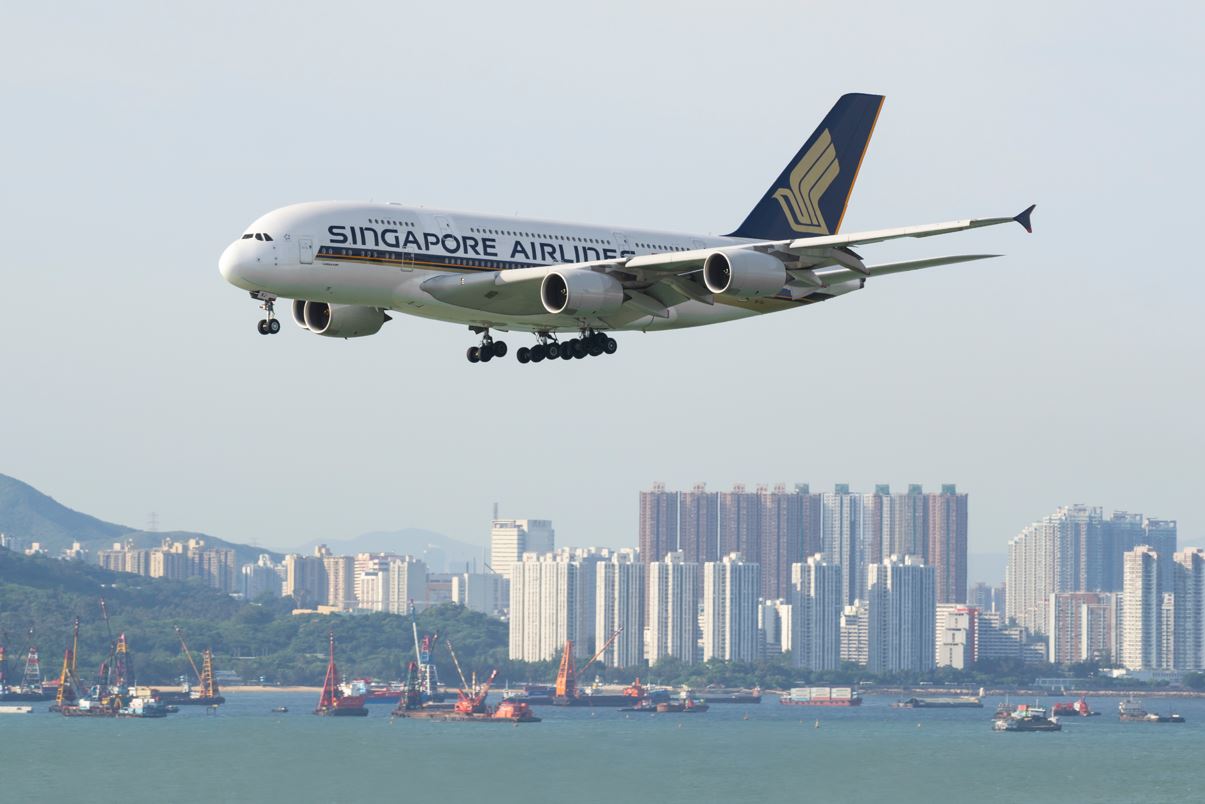
Some airlines, such as Singapore Airlines, offer suites with a personal lounge chair and lie-flat bed, albeit with a hefty price tag (Over $9,000 one way from JFK to SIN). For the other 99% of travelers, it’s probably more realistic to pay an additional fee for a seat with more legroom. After 10+ hours of sitting in a cramped economy seat, paying extra for more legroom will sound more and more enticing.
Sleep Smart
An extra-long-haul flight typically entails a significant time change. In fact, those undertaking the JFK to SIN route will find the date has changed by two days by the time they land. Talk about jet lag! Since you already know what the time difference will be, it can be helpful to go ahead and act like you are in the new time zone. If you can, try sleeping during your destination’s nighttime. You’ll be ahead of the game when you land, meaning you can start exploring without jet lag much faster.
Could You Do It?
The flights above are so long that some travelers may think twice about booking. However, the flight itself could be a unique and interesting experience if done right. For travelers who aren’t up to the challenge, perhaps breaking up the journey into segments could be a better option. Plus, this would allow for more sightseeing and exploring during a stopover. Regardless, long-haul flights are making a comeback, hopefully for good.
This article originally appeared on Travel Off Path. For the latest breaking news that will affect your next trip, please visit: Traveloffpath.com
Enter your email address to subscribe to Travel Off Path’s latest breaking travel news, straight to your inbox
Disclaimer: Current travel rules and restrictions can change without notice. The decision to travel is ultimately your responsibility. Contact your consulate and/or local authorities to confirm your nationality’s entry and/or any changes to travel requirements before traveling. Travel Off Path does not endorse traveling against government advisories
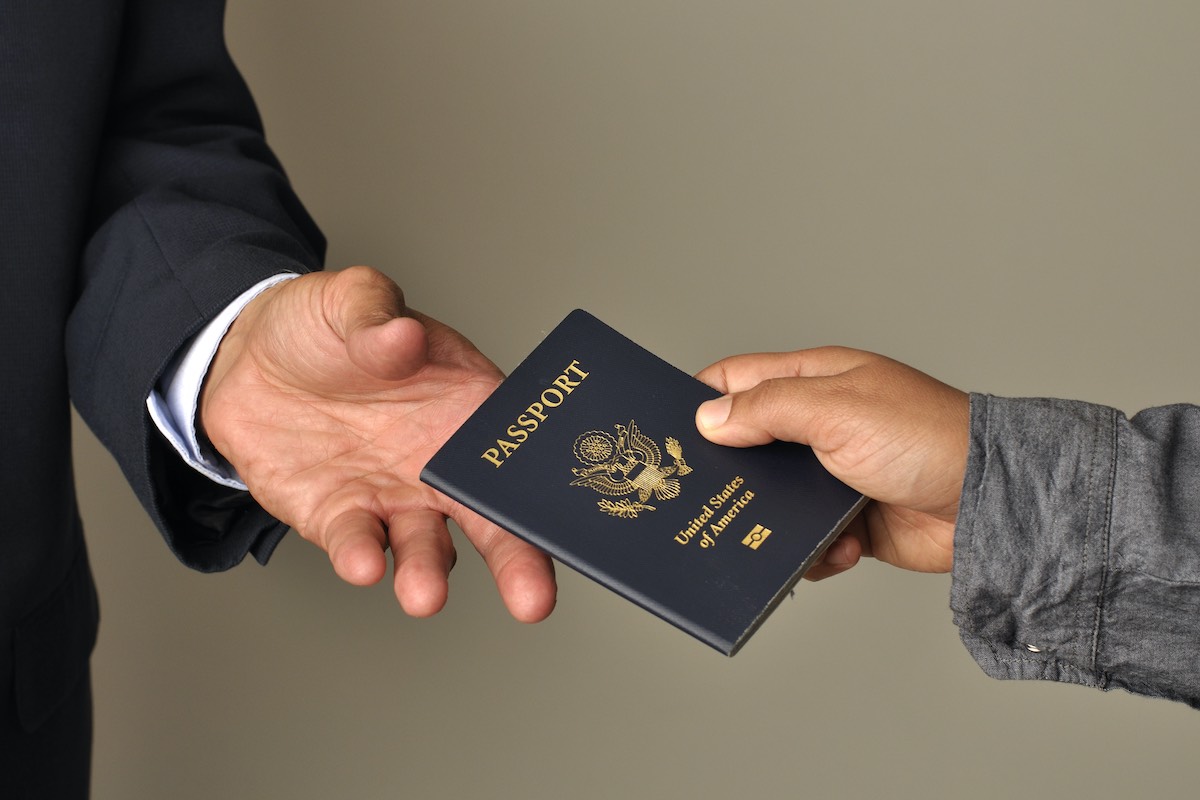
Having valid passports is crucial for every traveler, but having a powerful valid passport is even better. Going through visa procedures and travel limitations can be very frustrating and add stress to any travel plan.
But how powerful is your passport? Henley & Partners, an international agency specializing in residence and citizenships, recently published its annual ranking of the most powerful passports in the world.
A group of experts from the company considered data from the International Air Transport Association (IATA) and its own historic data —gathered during the last 17 years— and most recent mobility reports to get the most accurate information available at the moment.
The index includes 199 different passports that were compared to 227 destinations across the world and the most powerful are the ones with fewer visa requirements.
France, Ireland, Portugal, and the United Kingdom: 187 countries.
Belgium, New Zealand, Norway, Switzerland, and the United States: 186 countries.
Australia, Canada, Czech Republic, Greece, and Malta: 185 countries.
Hungary: 183 countries.
Lithuania, Poland, and Slovakia: 182 countries.
Asian and European countries take the lead on the best passports to hold in 2022. Other popular citizenships among residents in the United States were also featured in the global ranking: Mexico ranked 24 with access to 159 countries, China ranked 69 with access to 80 countries and India ranked 87 with access to 60 countries.
Compared to Japan, the US passport needs a visa to visit more countries. Destinations like Bolivia, China, India, Iran, Japan, Tukey, and Venezuela require visas for Americans but not to Japanese citizens.
The Worst Passports 2022
Travelers with unique citizenships in other nationalities with the worst international relationships are not that lucky.
Afghanistan: ranked last place, 112, and can only access 27 destinations without a visa.
Iraq: ranked 111 and can access 29 destinations without a visa.
Syria: ranked 110 and can access 30 destinations without a visa.
Pakistan: ranked 109 and can access 32 destinations without a visa.
Yemen: ranked 108 and can access 34 destinations without a visa.
Somalia: ranked 107 and can access 35 destinations without a visa.
Nepal and Palestinian territory: ranked 106 and can access 38 destinations without a visa.
North Korea: ranked 105 and can access 40 destinations without a visa.
Libya, Kosovo, and Bangladesh: ranked 104 and can access 41 destinations without a visa.
Sudan: ranked 110 and can access 30 destinations without a visa.
Arab countries and from the Middle East were featured as the most unfavorable citizenships to travel the world.
More About The Index
Another interesting feature of the reporting platform is an interactive option called “Compare my passport” that allows travelers to compare different passports —up to four— and also see in more detail which countries require or not visas and what kind of visa, if a regular visa or just an Electronic Travel Authorization (eTA).
Regarding the criteria, in order to publish the Henley Passport Index, experts go through a research process and analyze data throughout the year with mechanisms to detect policy shifts.
They also used a scoring system depending on the visa requirement: destinations that don’t require a visa or when the visa can be obtained upon arrival or with an eTA —when no government approval is required before travel— got 1 point, and destinations that required a visa or an e-Visa got 0 points.
Enter your email address to subscribe to Travel Off Path’s latest breaking travel news, straight to your inbox
Disclaimer: Current travel rules and restrictions can change without notice. The decision to travel is ultimately your responsibility. Contact your consulate and/or local authorities to confirm your nationality’s entry and/or any changes to travel requirements before traveling. Travel Off Path does not endorse traveling against government advisories
At last, Time Magazine has revealed its yearly list of the World’s Top 50 Greatest Places. While some old classics have unsurprisingly made the list, such as Miami, Istanbul and Bali, a couple of up-and-coming destinations were also featured, including a beach strip in Mexico that attained the coveted title of World’s Hidden Gem. On this post, you will learn why this destination has been awarded the honor, what makes it special, and where exactly you should go based on your own travel preferences.
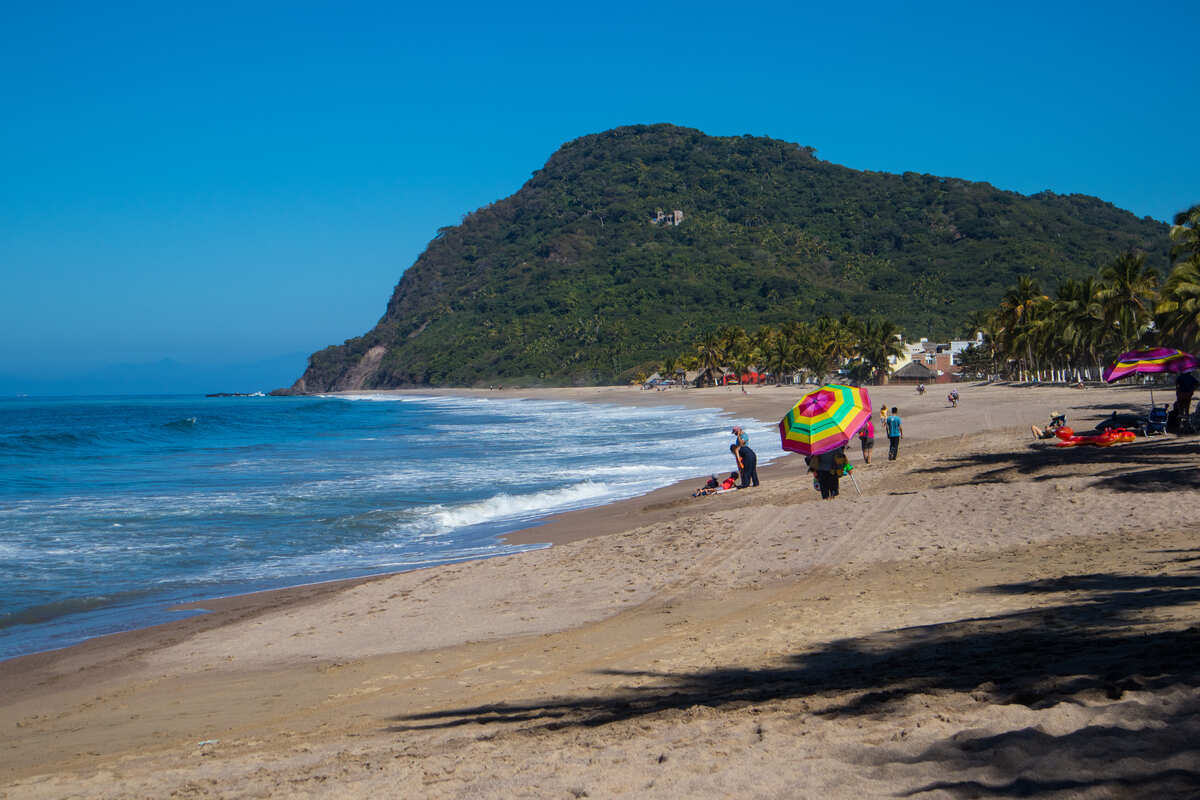
Although Cancun and the wider Riviera Maya get all the international recognition, this spot has equally stunning beaches. It runs for nearly 200 miles up Mexico’s Pacific coastline, nestled between the historical San Blas port and Banderas Bay, where countless natural landmarks and picturesque seaside towns can be found.
Mexico’s Next Cancun Is Ready o Be Discovered
In compiling the list, Time accepted nominations from their international network of ‘correspondents and contributors’, with a particular focus on ‘new and exciting experiences‘. Each destination was then granted a unique title, such as Seoul, named ‘The Smartest City’, or Nairobi, deemed a ‘Cultural Metropolis’.
As an off path travel blog, we couldn’t help but gravitate towards 2022’s ‘Hidden Gem’ – or namely, the absolutely stunning Riviera Nayarit in Mexico, that does not get half as many tourists as the ultra-packed Cancun or Tulum, though it is definitely growing in popularity. As Time Magazine points out, Nayarit is home to the Pacific’s ‘most unspoiled tropical beauty’.
Mexico has always been a vacation hotspot, and its relaxed attitude towards Covid have now crowned it the unnoficial ‘King of Tourism‘. This year alone, 40 million visitors are expected, superseding major tourism powerhouses, such as Spain and France, whose weaker-than-expected rebound is attributed to stricter health regulations.
Mexico has been open to tourism from the get go, long before vaccination certificates were introduced for travel and all of these European countries started dropping curbs. This bold move is now being acknowledged, with Time adding country’s rising star as one of the top picks on its revered yearly travel list.
What Are Some Of Nayarit’s Strongest Assets?
As the publication details, the ’emerald forests’ of Sierra Madre and the clear blue Pacific Ocean are two of Nayarit’s strongest assets, as well as its extensive list of luxury hotels that are either open for the season, or will launch soon. The best thing is: it doesn’t matter which hotel you’ll be staying, you’re never too far from the ocean.
Time specifically mentions the all-inclusive haven of Susurros del Corazon, an Auberge Resorts, scheduled to open this November. Additionally, the magazine lists the all-inclusive, adults-only Naviva resort as one of the reasons why the Nayarit Riviera is the ultimate vacation destination. In fact, it might as well become the next Cancun, especially now that safety concerns are widespread across the Riviera Maya.
On top of that, the beaches in Nuevo Vallarta, the gateway into Nayarit, have been named the third best in all of Mexico, beating the crowded Playa Delfines in Cancun and Cabo’s Medano Beach. Snorkeling and horseback riding tours are among some of the other best rated activities tourists can undertake in the region.
Where To Visit In Riviera Nayarit?
The Riviera Nayarit is divided into five sections:
Bahia de Banderas
Southern Nayarit
Jaltemba Bay
Central Nayarit
Northern Nayarit
Bahia de Banderas is home to Nuevo Vallarta and all of the most popular hotels, including several golf courses and family-friendly beaches. Southern Nayarit, on the other hand, is the furthest point from the main urban centers, and where various secret beaches and small Mexican towns are ready to be discovered.
If you’re looking for more classic Mexican cityscapes, with all the vibrant colors and Instagrammable streets, then you should head instead to Jaltemba Bay, especially the towns of Rincon de Guayabitos and La Peñita. Central Nayarit is for the countryside, animal sanctuaries and outdoor tourism; lastly, Northern Nayarit is where Mexico’s colonial past is displayed in both architecture and customs.
San Blas, in the Northern section of the Riviera, is renowned for its Spanish-era architecture, 18th century ruins, museums and the landmark Las Ilitas cliffs, a must-see for all who visit the state. As you can see, the Riviera Nayarit truly has it all, from culture to beach retreats, and it is really no wonder Time Magazine has named it 2022’s Hidden Gem. Luckily, several American Airlines offer direct flights there.
When vacationing in the Riviera Nayarit, tourists can either fly into Puerto Vallarta International Airport (PVR), located in the neighboring Jalisco and providing easy access to the small state of Nayarit, or the Tepic International Airport (TPQ). A full list of airlines serving both airports can be found here.
Enter your email address to subscribe to Travel Off Path’s latest breaking travel news, straight to your inbox
Disclaimer: Current travel rules and restrictions can change without notice. The decision to travel is ultimately your responsibility. Contact your consulate and/or local authorities to confirm your nationality’s entry and/or any changes to travel requirements before traveling. Travel Off Path does not endorse traveling against government advisories