Move aside, Barcelona. A lesser-known city in Spain many visitors are not even aware exists has peaked at number one on this year’s Expat City Ranking, published by the Expat Insider. In general, foreign residents have praised how easy it is to settle in and the excellent quality of life, with over 85% of them feeling ‘happy’ about the move.
Proving migration trends have reversed, a record number of Americans are leaving the U.S. in recent years as the political situation deteriorates and inflation takes its heavy toll on families. One of the most stable and peaceful regions with a high human development index, Europe remains the go-to destination for many.
In particular, this one hidden gem on the sunny coast of Spain:
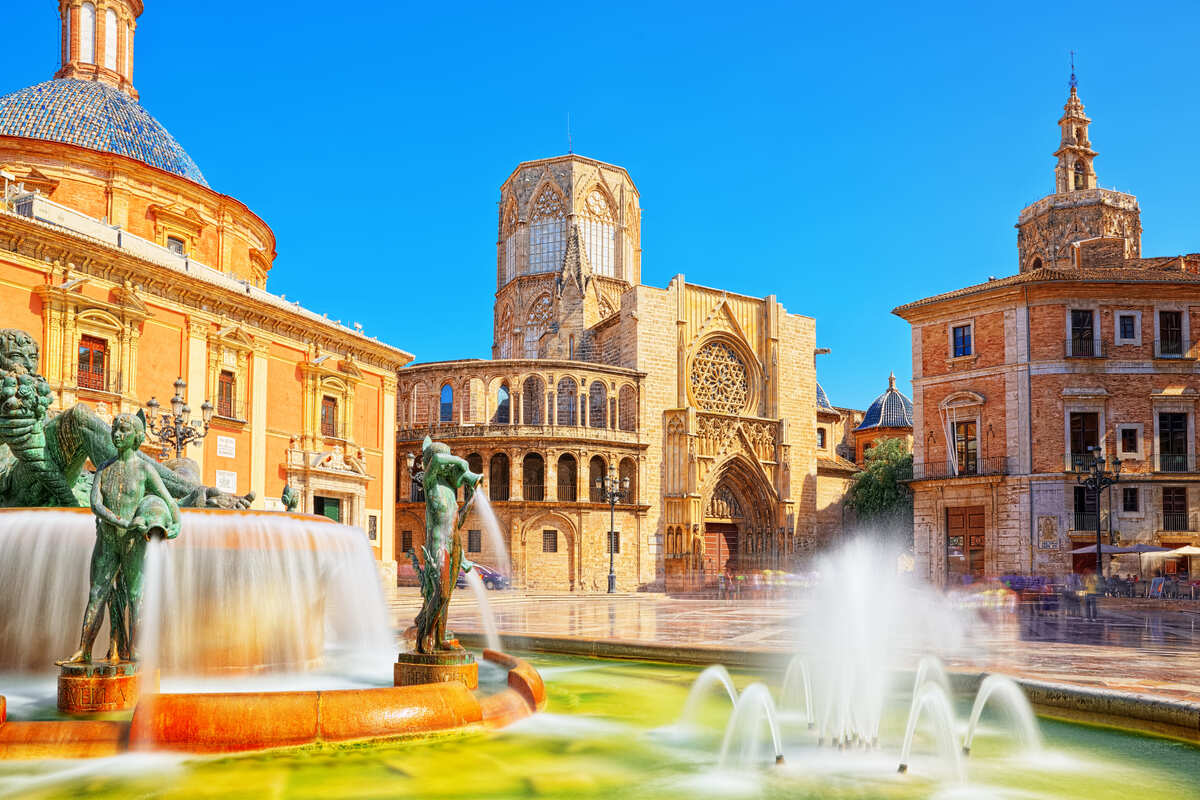
Valencia Is The Top Rated City For Expats This Year
Out of 50 popular destinations worldwide, Valencia was named the top city for migrants in 2022. With a surprisingly high ‘happiness level’, higher than any other metropolis in Spain, including the economic powerhouse duo Madrid and Barcelona, the Expat Insider report confirms the vast majority of foreigners, including Americans, feel right at home here.
This is rather unusual, seeing that Valencia is a big city home to over 1.6 million people, and large urban centers tend to scare expats away, but it seems not all of them are looking for some peace and quiet. Valencia is a 2022 highlight not only in the overall ranking but numerous other subcategories, including the Quality of Life Index.
Migrants strongly approve of the city’s infrastructure, especially when it comes to Travel & Transit, where it ranks 3rd for affordability and efficacy. 85% of residents consider public transportation ‘affordable’, compared to the worldwide mean value of 70%. It excels again in the ‘Ease of Settling In Index’, perhaps one of the most relevant:
In total, 74% of expats feel welcome in the area versus 62% globally; in this respect, only the digital nomad hub of Mexico City outperforms Valencia (82%). Additionally, 85% perceive Valencians as very friendly, and 72% are ‘happy with their social life’, against worldwide averages of 66% and 56%, respectively.
Valencia Is More Affordable Than Other Cities In Spain
When it comes to the cost of living, it charts at number 1, with 83% rating it positively. Other domestic competitors like Barcelona and Madrid saw rates of 54% and 69%, respectively. To an extent, Valencia enters at number three in the Personal Finance Index: 67% of respondents are happy financially (versus 60% in the global ranking).
A further 38% are ‘completely’ satisfied (worldwide, the figure is much lower at 22%). Finally, 92% of expats living in Valencia, irrespective of nationality, consider it a safe environment. Other relevant rankings include:
Affordable Housing (1st)
Affordable Healthcare (2nd)
Health & Well-Being (4th)
Easy Access to Medical Services (7th)
In spite of the laudable results – for the most part – Valencia has had a mixed reaction in the ‘Expat Essentials Index’, where it charts at a moderate number 13. Foreigners complain the most about bureaucracy, one of Europe’s biggest weaknesses (52% vs. 39% globally), and career prospects (30% hold an unfavorable view of the local market).
However, this number may be interpreted as an over-estimation, as Expat Insider editors reiterate only 8% of those surveyed have settled in Valencia for ‘work-related reasons’, resulting in a markedly different expat profile: ‘quality of life’ and a better retirement prospect are the ‘most popular reasons’ for migration.
If you’re a young digital nomad looking for a daily dose of sunshine and culture, chances are you’ll love Valencia as much as retirees do. As the third largest city in Spain, sitting on the Mediterranean coast, it has no shortage of attractions, from world-class museums to sandy beaches and a vibrant nightlife.
Yes, it is a modern trading port and one of Europe’s busiest at that, but that’s not to say it is not infused with History. In fact, Valencia was founded as a Roman colony back in 138 BC, and to this day, it houses one of Spain’s largest historic centers, rivaling that of Seville and Barcelona. In 2020, it was also awarded the title of ‘European Capital of Smart Tourism‘.
Some of the city’s main sights include the Cathedral of Valencia, the Palace of the Admiral of Aragon, featuring a well-preserved Gothic courtyard, the medieval Convento de Santo Domingo, and then other modern landmarks, such as the Opera House (Palau de les Arts ReinaSofia) and the Science Museum (Museu de les Ciències Príncipe Felipe).
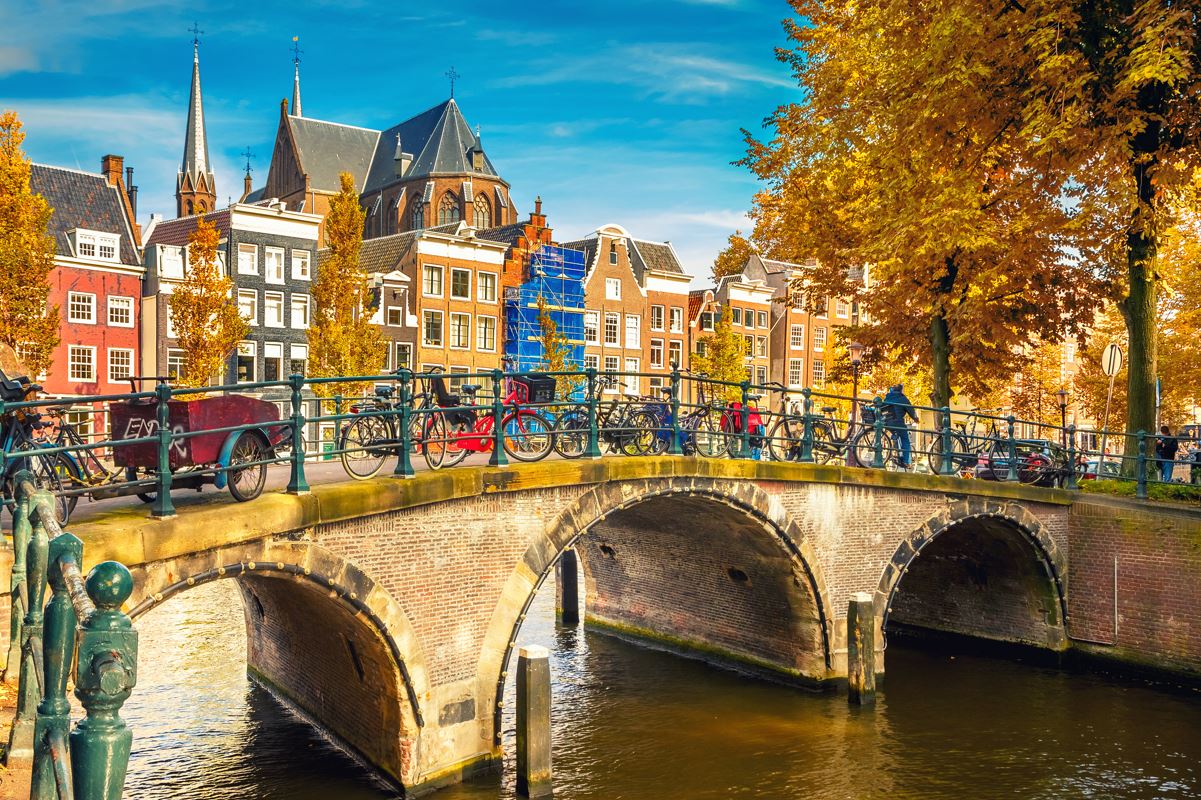
Wild stag parties, rowdy late-night tourists, and overcrowding are what come to mind for the Amsterdam tourism scene for some, but now locals want to take back their city and change its reputation from party central to a cultural hub. Residents are said to be fed up with nuisance tourists that have hit an all-time high after the city reopened after the pandemic.
Last week, Amsterdam city proposed a major package of initiatives that would curb nuisance tourism and would encourage more quality tourists that were interested in exploring the city instead of late-night partying, cannabis cafes, and brothels.
“If we love the city, we have to act now,” said the Mayor of Amsterdam, Femke Halsema, in a press release. “Much has been done in recent years, but we need to do even more. Intervention is needed to counter the nuisance and overcrowding. Amsterdam is a metropolis and that means a lively and bustling city, but to keep our city livable, we now have to opt for limits instead of irresponsible growth.”
What Changes Are Being Proposed
Capping Tourists: 18 million people have visited Amsterdam this year, which equates to the same number of residents in the whole country. There is currently a pledge to limit tourist numbers to 20 million, and initiatives have already kicked in to help, such as capping the number of people arriving at Amsterdam’s major airport, Schiphol.
Increased Cannabis Bans: the city wants to ban smoking cannabis on streets in certain hot spot tourist locations and is also looking into banning sales of cannabis in the red-light district on weekends. This ban aims to align with the current alcohol sale bans in the red-light district, which restricts alcohol purchases at liquor stores after 4 pm on Thursdays to Sundays.
Converting Hotel Space To Homes Or Offices: hotel owners will be encouraged to convert hotel spaces to homes or offices instead, in an effort to cap overnight guests.
Banning Organized Pub Crawls: pub crawls are on warning, as the city proposes an investigation into what legal options are available to ban organized pub crawls and limit their availability to minimize drunken crowds.
Closing The Red Light District Earlier: restaurants, bars, and brothels are all a part of the establishments that are proposed to close earlier in the red light district to limit the number of people in the area at night.
Raising Tourist Tax: The city is considering raising the tourist tax during peak times. The current tourist tax is 7% of the accommodation cost for hotels (excluding food and beverage) and 3 euros per person per night or 10% of holiday rentals.
Moving Brothels To Assigned Areas: Mayor Femke Halsema has detailed her plans to move brothels to an erotic center, where the mayor and city council paid an architect to come up with the design. The plans are currently facing backlash due to local opposition and workers not wanting to move away from popular hot spots, so a new solution is currently being discussed.
Doubling Down On Organized Crime: officials are looking into curtailing organized crime from tourist shops, cafes, and other establishments that specifically target tourists.
The proposals by the city still need to be presented to the elected council during its meeting on December 21.
Why Are These Changes Being Implemented?
When more people visit one city than the population of the whole country, this can lead to adverse consequences for locals. Amsterdam has developed a reputation as a stag party destination but has a lot more to offer than its cafes and late-night bar hops.
The Holland Tourism Board has become focused on readjusting its marketing campaign and promoting different areas in the Netherlands, with an aim to segment tourists and spread them out across different times. In its 10-year plan called Perspective 2030, it has pledged to “attract different visitors to different areas at different times” and put local residents first.
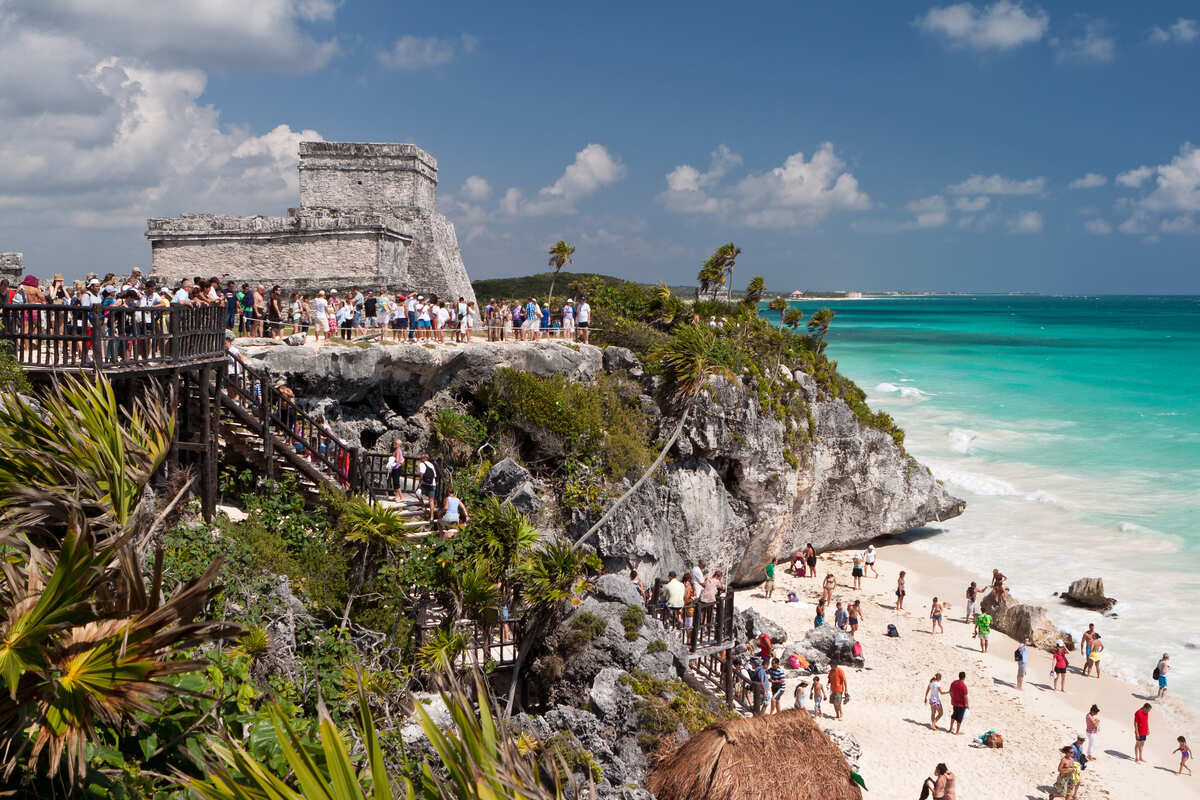
In a surprising turn of events, Tulum is losing its prestige as one of America’s favorite destinations due to ridiculously high prices. Amid reports of inflated taxi fares, already pricier than Manhattan’s, and unsustainable tourism development, vacationers have started to look for alternatives in Mexico where they’ll get the best value for money.
From a sleepy fishing village to a major international resort, Tulum has banked heavily on gentrification and the construction of ultra-luxurious resorts and tourist complexes to attract more guests during the past decade – so much so that it has lost its traditional Mayan essence in favor of a rapid internationalization (as argued by some).
There’s no denying: tourists are leaving Tulum in droves, but how did the mighty fall, and most importantly, where are they going?
Tulum Continues To Lose Customers As More Destinations Reopen For Tourism
After enjoying two rather successful years as well sought-after, freedom-loving sunny hotspot, Tulum’s growth has started not only to slow down but reverse as stronger competitors, both domestically and internationally, up their game. In fact, Europe’s summer comeback has hit local businesses particularly hard.
As reiterated by The Cancun Sun, the drop in demand may be partly attributed to the relaunch of Mediterranean destinations like Ibiza, Mykonos, and Cote d’Azur. Both France and Spain were two of the world’s top tourist destinations prior to Covid hitting, and they might have stolen the limelight once again following their (long-awaited) reopening.
Interestingly, the Mexican Caribbean as a whole continues to smash tourism records, being predicted to host more than 9 million guests between December 2022 and April 2023, enough to sell out rooms over winter. In this regard, the resumption of normality in other important markets has not proved detrimental to regional tourism – for the most part.
Tulum may have been a highlight in 2020, and again in 2021 during Omicron, but it’s showing signs of weakness in the post-pandemic era compared to sister destinations that have continued to lead booking trends, like Cancun. At present, a major factor contributing to its decline is the well-publicized scamming culture.
Tulum Has Become Its Own Worst Enemy
For months now, we have been tracking the cost of living in Tulum and surrounding areas and their baseless hikes affecting mostly foreigners. Since then, tourists and ex-pats alike have denounced the infamously high taxi fares, among some of the most expensive in the world, with prices starting at around US$24.35 for a 5-kilometer ride.
A Cancun Sun reporter gathered that residents themselves are refusing to pay for taxis, not only due to being outraged at the current monopoly but simply because they ‘can’t afford it’. Richard Downy of Rapid City was quoted saying, ‘prices just continue to double every year’, but the lack of alternatives leaves tourists ‘no alternative’ but to pay it.
Additionally, the quality of the services provided is decreasing sharply, with some travelers being charged up to US$1,000 per night for a ‘basic room’ with no air conditioning. The Riviera Maya is certainly no budget-friendly haven for money-savers, but it’s clear Tulum is punching way above its weight when it comes to prices.
Unlike Los Cabos and Puerto Vallarta, which have been leading Mexico’s tourism revival, or Bacalar, a Pueblo Magico repeatedly touted as the ‘next Tulum’, the Mayan town is struggling to keep its momentum, with finance magazine Dinero reporting lower demand and income losses of between 50 and 70% in recent months.
Where Are Tourists Going Instead?
Within Mexico itself, a thirst for cultural experiences and a renewed interest in wellness has shifted attention from the money-making machine that is Tulum to far less busy, off-path destinations in the Yucatan Peninsula and beyond – this includes the aforementioned Bacalar, Tulum’s most obvious successor.
Bacalar is a traditional Mayan town sitting on the shores of a turquoise-colored lake, where foreign developers are yet to push locals out of the historic district, and hotels are reasonably priced. Casa Hormiga Hotel, one of the five-star offers in the area, has rooms starting at only US $236.25 per night and an extensive list of amenities.
In 2022 alone, Bacalar has seen vacation rentals double, all the while retaining its traditionalism. Acknowledging the dangers of overtourism, local authorities reaffirmed their plan to develop Bacalar as an ‘exclusive destination’ for high-income travelers looking to escape Northern Quintana Roo’s crowds.
Aside from Bacalar, other towns in the Pueblos Magicos route have been gaining traction lately, such as the colonial-era gems of Taxco, in the state of Guerrero and Tequila in Jalisco. ‘Magical Towns’ are designated sites in Mexico celebrated for their historical relevance, symbolism, traditions, and vast tourist offer.
Tulum is no exception, being home to a landmark Mayan fort perched on a clifftop overlooking the Caribbean Sea, as well as archaeological sites and clear water cenotes, but its heyday as a trendy relaxation hub has passed. In spite of its cultural wealth and stunning nature, it made a name for itself as Quintana Roo’s party capital instead (and a place to be avoided unless your sole aim is to splurge for the sake of splurging).
It’s never too late to find a last-minute deal, and Hotels.com has analyzed thousands of its hotel rates across the globe to identify the best times to take advantage of the cheapest accommodation. The booking site has identified two separate periods over the coming months to get the best last-minute hotel deals when booking right now. For what will probably be your last travel booking of the year, there’s no reason to pay expensive prices to enjoy the holiday season.
Many people book their trips far in advance of the holidays to avoid being hit with the highest prices, but there are still some great deals that you can find close to the season. According to Hotels.com, nightly hotel rates are expected to dip over two separate time periods in December and January, with accommodation rates falling below $150 a night, but you will need to act now.
“What’s great about this latest Hotels.com intel is that we’ve zeroed in on exactly when to travel for some of the best rates,” said Melanie Fish, spokesperson for Hotels.com, in a press release.
What Are The Best Times To Travel For Deals This Season
Hotels.com pinpointed two separate times for traveling this season, where you’ll be able to score cheaper deals on accommodation below $150
The best time for deals this year is the weekend before Christmas: December 15 – December 20
The best time for deals next year is after the New Year holiday: January 3 – January 8
Since most travel will be focused around Christmas and New year’s Eve, travelers will likely find cheaper accommodation rates in-between these dates. If you have the flexibility to travel during these times, you’ll find fewer people and lower prices. Hotels.com says that hotel rates can drop as much as $50-100 per night, which is a quarter or a half of what typical summer rates were – above $200 per night.
When Is the Most Expensive Time To Travel This Year
It will come as no surprise that New Year’s Eve weekend (30th December – 1st January) will see the highest hotel rates this winter. Hotels.com reports nightly rates in areas of the Caribbean, such as Turks and Caicos and the Caymans, are averaging above $800 per night, while top-rated ski destinations like Park City and Vail are more than $600 per night.
How To Find Last-Minute Deals
Branch Out From Luxury Accommodation: you can find some great deals on 2 or 3-star hotels that offer stylish and fantastic travel experiences. Check out the seasonal reviews of the hotels to find which ones will give the best value for your money.
Make Filters Your Friend: when using booking sites, use the different filter options to find the best accommodation that suits your needs. You can filter by price and find select hotels that are offering better price cuts compared to others.
Shop Around: you might need to do some extra digging, but often the savings are worth it when you compare different destinations and hotels across different booking sites.
What Are Some Last Minute Deals Right Now
Hotels.com analyzed average hotel rates in the app and has pulled together a recommendation of some popular domestic and international destinations that all fall below $150 for this cold shoulder season. From hot tubs in snow-covered terrains like Denver to Mai Tais by the pool in Puerto Rico, these 3-star and above locations will make a fantastic and memorable last-minute holiday without eating too much into your savings.
Cruise travel is on the rise in 2023. Despite being forced to halt operations in 2020 because of government restrictions, cruise travel is back to normal now, and it’s poised to continue growing in 2023.
Many cruise lines have dropped all travel restrictions, including vaccine, testing, and mask requirements, and returned to normal operations.
Cruises offer a relaxing, hassle-free vacation, and they are often surprisingly affordable. Although some people may associate cruising with older retirees who want to play shuffleboard and take line dancing classes all day, that could not be further from the truth.
There are cruises out there for everyone. Here are the best cruise lines for every type of traveler in 2023:
Best For Families
Disney Cruise Line is one of the best choices for families looking to splurge on a vacation that is guaranteed to be a hit with the kids.
Royal Caribbean and Carnival are two other good cruise lines for families, especially on shorter sailings to Mexico, the Bahamas, and the Caribbean.
All of these cruise lines offer robust programming for kids and teens, including youth clubs with activities that will keep them occupied all day.
Many of the ships on these lines, especially the larger ones, have additional kid-friendly attractions like water slides, rock climbing, and other activities.
For couples without children, groups of friends, and other adult travelers, Virgin Voyages is one of the best options for adults-only cruising.
These ships are only for travelers 18 and older, and instead of a traditional dining room and Broadway-style shows like you’ll find on many other cruise lines, Virgin Voyages offers a selection of hip restaurants and nightly entertainment featuring world-famous DJs.
Best For Solo Travelers
Since most cruises are priced for double occupancy, solo travelers can find themselves paying double the price for a cabin.
However, Norwegian, Royal Caribbean, and Holland America all offer a select number of “studio” cabins that are specifically designed for single travelers and will not incur an additional fee.
Best For Older Travelers
For travelers in their sixties and older, there are many great options. Viking is known for catering to older travelers on their luxury river cruises around Europe and other international destinations.
Seabourn and Silversea are two other lines that attract older travelers. These two cruise lines offer ocean cruises to destinations around the world.
Best For Culture
If you prefer to get immersed in the destinations you’re visiting, and you don’t just want to lie on a beach in every port of call, there are a number of cruise lines that offer more cultural immersion.
Oceania runs longer cruises (most around two weeks or more) to destinations around the world, with a focus on immersion. Guests can choose from culinary and wellness tours to enhance their understanding of the destinations, along with plenty of onboard programming.
AmaWaterways is another cruise line that offers great cultural immersion. On their small-ship river cruises, many of the excursions in destinations visited focus on history, art, and architecture.
Other Tips For Choosing A Cruise
Not everything comes down to the cruise line you choose. Some other factors to consider are the destination, duration, size of the ship, and time of year of your cruise.
For example, a Carnival 5-day cruise to Mexico or the Caribbean during the spring is likely to have a big party vibe and a lot of college kids on spring break.
But a Carnival 14-day transatlantic cruise during the winter is going to have a very different crowd and likely be much quieter. These are all factors to keep in mind when booking the cruise that will be right for you.
Digital nomad visas have been popping up all around the world in recent years, luring remote workers with promises of being able to live and work in a foreign country for an extended amount of time. A number of Caribbean countries have begun offering digital nomad visas, which offer an attractive proposition to applicants: the ability to live in paradise and work remotely while sipping a cold drink on the beach.
But which Caribbean digital nomad visas are actually worth it? Some offer better terms than others. Here’s what to know about digital nomad visas in the Caribbean:
What Is A Digital Nomad Visa?
Digital nomad visas are visas designed to allow applicants to live and work in a foreign country.
Typically, digital nomad visas require that applicants are self-employed or work remotely for an employer based outside the country. They offer an easy and cost-effective pathway for digital nomads to live and work in another country for a specific period of time.
The best digital nomad visas have a simple, affordable application process and don’t place too many requirements on applicants.
Digital nomad visas with high earning requirements, expensive application fees, and other red tape aren’t as great of an option as they might seem at first glance.
With many Caribbean countries offering digital nomad visas, these are some of the best (and worst) options based on factors like minimum earning requirements, application fees, livability, and more.
The Southern Caribbean island of Curaçao offers a digital nomad visa called @Home in Curaçao.
With this program, remote workers can live and work in Curaçao for up to 6 months, with the possibility of extending for an additional 6 months.
This is an attractive digital nomad visa because it has no minimum income requirements (however, you do need to have “proof of solvency”) and an application fee of just $294. Curaçao is also one of the more affordable islands in the Caribbean.
Grenada
The island of Grenada offers an attractive digital nomad visa program with comparatively low earning requirements.
Applicants will need to prove that they have earnings of at least $37,000 per year to qualify, as well as pay a $1,500 application fee. The visa lasts for up to 12 months, with the possibility of extending it for an additional 12 months.
Grenada has a lower cost of living compared to many other Caribbean countries and is cheaper than the United States.
Barbados
The Barbados Welcome Stamp is a digital nomad visa that allows remote workers to live and work in Barbados for up to 12 months.
Applicants must demonstrate that they earn $50,000 per year and pay a $1,000 application fee. Although this is steep, it’s lower than many other Caribbean digital nomad visas, and Barbados has a relatively affordable cost of living compared to its neighbors.
Antigua & Barbuda
Similar to Barbados, Antigua & Barbuda offers a digital nomad visa that requires applicants to earn at least $50,000 a year and pay a $1,500 application fee.
This visa is valid for up to 2 years, making it a good option for remote workers who want to relocate for a longer amount of time.
Caribbean Digital Nomad Visas To Avoid
Not every digital nomad visa offered by a Caribbean country is as easy to obtain. These digital nomad visas come with much higher minimum earnings requirements and other drawbacks:
Cayman Islands: Their Global Citizen Concierge Program requires minimum annual earnings of $100,000 a year, making it inaccessible for many. The Cayman Islands also have a high cost of living.
Montserrat: Montserrat is a very tiny and isolated island with a population of just 5,900. The Montserrat Remote Work Stamp requires annual earnings of $70,000.
Dominica: Although Dominica is a very beautiful and relatively affordable island, the minimum earning requirement of $70,000 per year makes this inaccessible to many applicants.
Popular travel magazine Conde Nast has just released a list of the top 23 destinations within the United States they think are worth a spot on your travel bucket list next year. The list spans the country and includes everything from big cities to trendy neighborhoods and unheard-of towns. Each of these destinations claimed a spot on the exclusive list because of its exciting trends and potential that give tourists ample reasons to visit in 2023.
Boston
The New England city of Boston, Massachusetts is full of charming neighborhoods, top-notch food destinations, and interesting historic sites. Boston is a small enough city that much of it can be explored by foot, or visitors can easily get around on the MBTA, the country’s oldest subway system. The city is also home to the country’s oldest baseball stadium, public park, and even the nation’s first public school.
While Boston is a place full of history, it is also a place that is constantly evolving. The city’s newest neighborhood, the Seaport District, is a place to keep an eye on in 2023. The posh new district is quickly being redeveloped, and there are loads of new venues, exhibits, retail, and restaurants with openings on the horizon.
Las Vegas is a great year-round destination that always has something exciting going on. Sin City has several new tourist attractions planned for 2023, including the MSG Sphere, a state-of-the-art venue at the Venetian Resort capable of hosting interactive events with 4D effects. The Strip will also become part of the Formula 1 Grand Prix track when the event takes over the city in November.
Las Vegas is easily accessible from around the U.S., and airlines are constantly adding new routes to the city. Tourists will soon have even more options when it comes to accommodation, as there is also another major resort on the way. The Fontainebleau Las Vegas, a 25-acre hotel and casino, will add 3,700 new rooms to Las Vegas, giving visitors even more choices on their next getaway.
San Antonio, Texas
Home to the Alamo and other 18th-century UNESCO missions, San Antonio is Texas’s top tourist destination. The diversity of the city’s population, combined with its cultural heritage, has helped San Antonio create one of the most unique culinary scenes in the country. Visitors will find restaurants creating vibrant dishes inspired from all over the globe, with many located along the popular River Walk that winds through downtown.
In 2023, the city’s long-awaited Civic Park at Hemisfair will be completed. The 5-acre park is the centerpiece of a $27 million redevelopment plan that will encompass a promenade, a water feature, and an outdoor event space that can hold 15,000 people and is sure to draw some top acts.
Telluride, Colorado
Once a lucrative mining town, Telluride is now better known for its powder-filled ski slopes, popular festivals, and breathtaking scenery. Nestled deep in the Rocky Mountains, the compact town center is easy to get around and has all the essentials one might need during a visit – free transportation, lively bars, and top-notch restaurants.
2023 will be a banner year for Telluride, as celebrations are planned for the 50th anniversary of the ski resort, film festival, and world-famous bluegrass festival. Telluride has long been a festival town – celebrating everything from hot air balloons, mushrooms, yoga, and architecture, each with its own special festival.
U.S. Virgin Islands
The beautiful U.S. Virgin Islands suffered massive losses over the past 5 years, first with back-to-back category 5 hurricanes and then the essential shutdown of its main economic driver- tourism, because of the pandemic. Hotels were flattened, tourists were few and far between, and the economy took a hit.
But the USVI have shown true resilience as they have rebuilt with vigor and made investments to hasten their recovery. Hotels are opening back up with new renovations, and the islands are excited to welcome tourists back to their three festive Carnival celebrations in 2023.
Bali is the uncontested number one must-visit travel destination of all time, right? While Bali offers travelers a well-trodden path to an island overflowing with wonder, there are always opportunities to discover something new.
Areas like party-central Canggu, classic-coastal Kuta, and the cultural cacophony of Ubud will always remain firm favorites in the shared traveler psyche. These cornerstones create space for other areas of Bali to emerge from the background.
One such area is Bangli Regency. It may be the only Regency in Bali to be landlocked, but don’t let the lack of ocean put you off. Away from the busy beaches, bustling markets, and even commercialized resort districts, Bangli Regency offers a taste of the Bali of old.
Culturally proud, genuinely authentic, and abounding with breathtaking natural wonders. Nightclubs and shopping malls may be hard to find in Bangli, but what you will discover is the true essence of Bali.
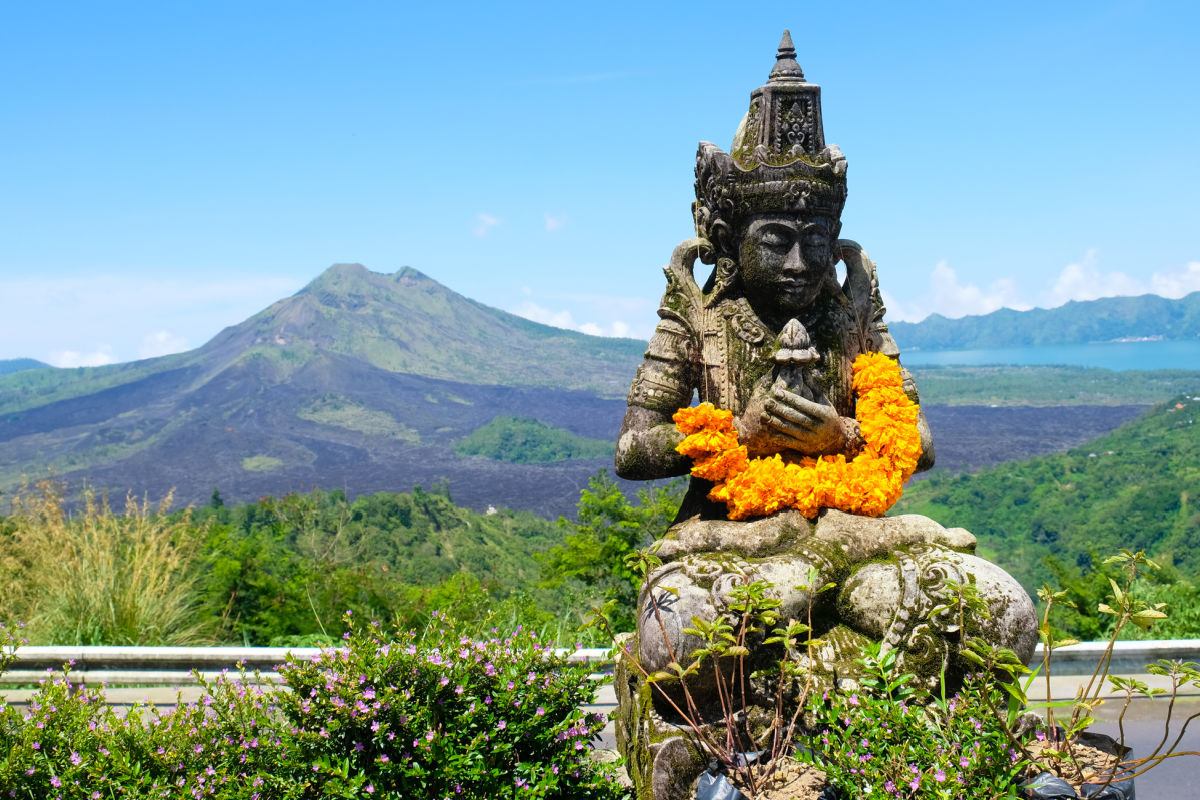
Bangli Regency is home to Kintamani District, where travelers will find magnificent and sacred Mount Batur, the island’s most active volcano. Often associated as a destination for quick day trips, Bangli Regency is looking to position itself as a destination for slow travel, a home-from-home for digital nomads, and a place for cultural exchange.
Boasting 2855 hectares of lush rice paddies and over 9000 hectares of dense jungle forest, two-thirds of the Regency sits between 900 and 2150 m above sea level.
With interest steadily growing in Bangli as a travel destination, the discerning traveler will be pleased to learn that a large swathe of landscape sits within the UNESCO Global Geopark. This protected status means that development in the area is limited and must align with the protection of the region’s unique flora, fauna, and cultural heritage.
Whether you’re a culture-curious wanderer, a nature-obsessed nomad, or an intrepid explorer, Bangli Regency is the next big cultural hotspot in Bali, and you’re going to want to get yourself there ASAP!
Where To Visit In Bangli Regency In Bali
You could spend months exploring the vast expanse of Bangli Regency. Here are the must-visit destinations in Bangli Regency and a few hidden gems that are not to be missed.
Penglipuran Village
Perhaps the most famous village in Bali, Penglipuran Village, has become the picture postcard of the island’s countryside. The village welcomes thousands of tourists annually and offers visitors from around the world insight into life in a traditional Balinese village. Visitors can learn about Balinese Hinduism, the communities agricultural practices, and traditional crafts.
With the help of a guide, you can hike Mount Batur. Yes, that’s right! Sacred Mount Batur may be an active volcano, but tourists can follow the hiking trail to the summit. Though some sources online will say you can climb Mount Batur without a guide, don’t chance it. Conditions can change quickly on the mountainside, and it’s best to have an expert by your side. Closer to sea level, stroll around Lake Batur, stop for a Bali Coffee, and just breathe it all in.
Another epic hike is to the Pinggan Sunrise Viewpoint. Well worth the early start, the Pinggan Sunrise Viewpoint offers utterly breathtaking views of the Kintamani landscape that are certain to make you feel grateful to be alive.
Pura Segara Ulun Danu Batur Temple
In Bangli Regency, the iconic landmarks just keep coming. The next must-visit destination is the Pura Segara Ulun Danu Batur. Located on the banks of Lake Batur, this temple is one of the most significant Balinese Hindu temples. Dedicated to the goddess Dewi Danu, the goddess of lakes and rivers. A visit to the temple gives you the opportunity to rest, reflect and appreciate the sacred landscape.
Bangli is bursting with waterfalls, the most famous of which is Tukad Cepung Waterfall. Although one of the biggest waterfalls in the Regency, it remains much quieter than many of the waterfalls surrounding Ubud. Definitely worth a visit to get that jungle fix. Honorable mentions for waterfalls in Bangli should also go to Air Terjun Kuning, Goa Rajo Waterfall, and Pelisan Waterfall.
2023 Will Be Big For Bangli, Bali
The Indonesian Tourism Board, Wonderful Indonesia, has announced a partnership with Airbnb to titled Live and Work Anywhere Bali. The campaign is designed to encourage digital nomads to make the most of the new digital nomad visa in Bali and explore different areas of the island. You’ve guessed it, Bangli Regency is one of the postcard destinations of the campaign. Specifically the quaint villages of Kintamani, which are noted as some of the most highly sought-after destinations on the Island of the Gods.
Just last week, it was confirmed that Bangli Regency would receive over USD 50,000 in resources and training to up-skill the tourism workforce in the area. Even more, interestingly, the Regency has also received an official visit from the Governor of West Java, who confidently told the media of his intentions to develop high-level tourism in the area with as much investment as he can throw at it.
Where To Stay in Bangli
One major bonus point for Bangli Regency is the affordability of the accommodation options. As accommodation prices in Ubud, Canggu and Kuta are increasing no end, prices in Bangli are amazingly affordable. From luxury Airbnb escapes to rural campsites, from budget guesthouses to authentic homestays, Bangli has something for every budget and every travel style.
It is now easier than ever to stay in Bali for extended periods. Whatever your budget, you can stay in Bali for up to six months at a time. If you’re visiting Bali for a short vacation, you can pay for your visa on arrival. The visa costs IDR 500,000 (About $32), and everything can be arranged at the arrivals hall. With this visa, you can stay in Bali as a tourist for up to 30 days. You can extend this visa by another 30 days for an additional IDR 500,000.
The best option for digital nomads or anyone who wants to experience living in Bali is the 6-month B211a socio-cultural visa. Also known as the digital nomad visa, the B211a offers remote workers a route to relocate to Bali. The single-entry visa is valid for 60 or 180 days.
The processing time is four working days once the application and payment are complete. Everything is completed online The visa costs IDR 2,000,000 (USD 135) for 60 days or IDR 6,000,000 (USD 400) if applying for the full 180 days before arrival.
If you want to stay in Bali for up to 10 years and have USD 100,000+ in your bank account, you can apply for the brand new second home visa.
Bangli Regency may be Bali’s best-kept secret, but it won’t be for long. If you’re traveling to Bali in 2023, make sure to explore all that Bali has to offer. Canggu, Kuta, Ubud, and the Gili Islands all have unique personalities, but it’s surely Bangli that’ll steal your heart.
The holiday season can be a rush, but this doesn’t mean driving needs to be, especially if you’ll be taking one of the most dangerous highways in the U.S. More than 100 million people will be relying on roads and highways to make it to their loved ones or reach their end-of-year vacation destinations over the holidays, but not all highways are the same. Despite conditions and speed limits, certain roads are more prone to accidents than others.
Officials stress the importance of slowing down this season to ensure that you can get to where you want to go safely and enjoy the festive season ahead. While certain states will be battling wintry conditions that impact roads, speeding is the leading cause of accidents in the U.S., and this is a deadly combination when paired with roads that are vulnerable to other conditions and circumstances.
It’s no surprise that when conditions change, weather-related crashes represent 21% of all vehicle crashes, according to the U.S. Department of Transportation (DOT), which analyzed the average between 2007 and 2016. With rainfall representing 46% of this number and snow accounting for 18%, the weather will likely impact driving itineraries this season, and accidents are more prone when roads are wet from rain or snow.
Below are 5 of the most dangerous roads and highways in the U.S., and the ones you want to use extra caution on this holiday season.
Interstate 95 | Florida
According to data from the National Highway Traffic Safety Administration (NHTSA), the I-95 in Florida is considered one of the most dangerous highways, with most incidents happening in Jacksonville and Brevard Country, just outside of Orlando.
Florida is one of the last few states not to have implemented a cell phone text messaging ban, which could point to reasons why drivers are distracted. Other parts of the highway, such as the northeast, also see heavy accidents during winter, while Virginia reported almost 90% of accidents happening in unclear conditions such as rain or snow.
Florida comes in as the number three most dangerous state for road accidents, and Interstate 4 helps give it this name. Running between Tampa and Daytona Beach, and directly through Orlando, it is considered one of the most dangerous roads in the US since it has the highest incidents per mile out of all other roads. Orlando is considered one of the largest tourist destinations in the country, which means heavy tourist numbers and new people are navigating the roads.
Interstate 45 | Texas
Texas sits just ahead of California as the number one most dangerous state for road accidents. The I-45 from Dallas to Galveston, running through Houston, is known for its traffic and congestion, with drivers that speed, text while driving, and get behind the wheel after drinking.
In true Texas spirit, even its speed limit is bigger, as Texas has the only highway in the country that allows for 85mph (the Texas Highway 130). Parts of the Interstate 45 can go up to speeds of 75mph, which is a typical mph in the Western United States, while the Eastern United States typically keeps to 65 to 70mph.
Interstate 15 | Nevada & California
More recognized as the Las Vegas Freeway, this road has been considered one of the most dangerous roads in the U.S. for some time now. Its open and sparse terrain of the Mojave Desert seems to invite drivers to speed, while its close proximity to Las Vegas and free-flowing alcohol attractions have led to many drivers driving under the influence or falling asleep at the wheel.
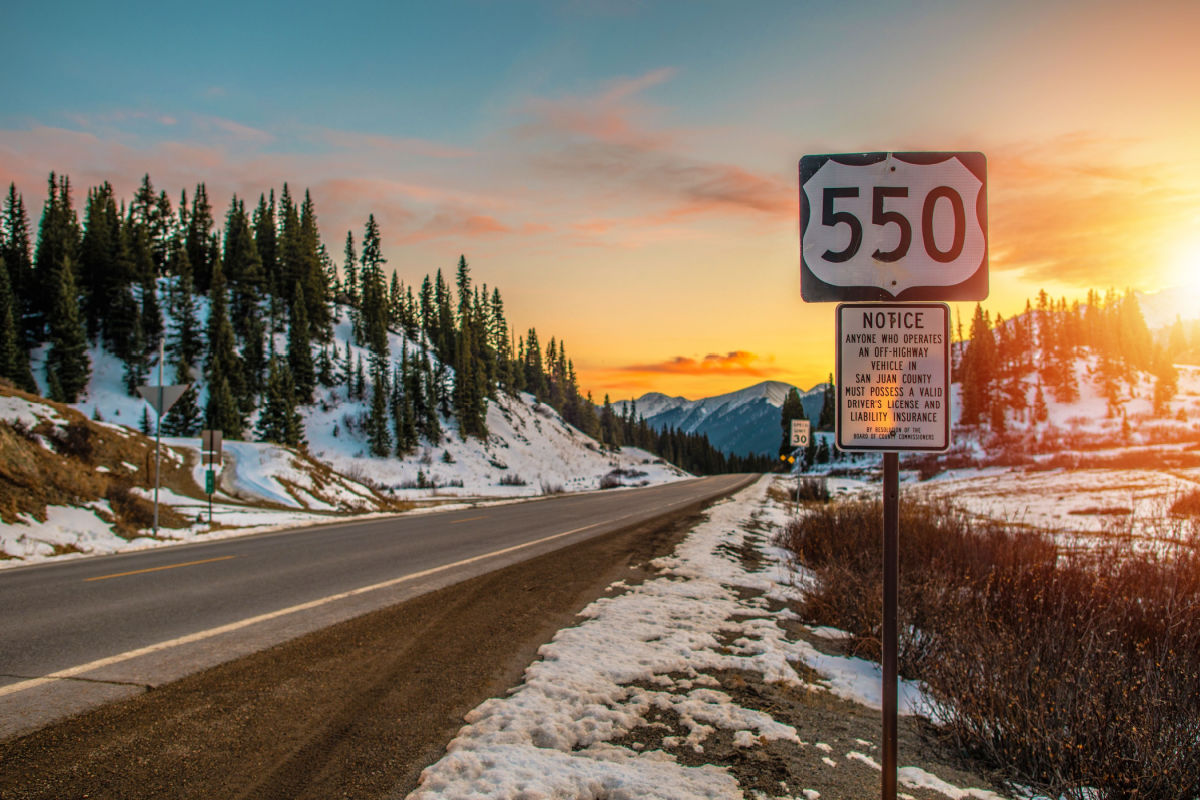
U.S. Route 550 | Colorado
More commonly known as Million Dollar Highway (the origins of its name have long been debated), this windy road has incredible views, but it’s not for the faint-hearted. Starting outside Ouray, this highway moves down Red Mountain Pass and ends in Silverton, where its road has been carved into the mountains.
First-timers are usually surprised to find no guardrails for its steep climb and sharp turns. Although it doesn’t compare as high as other highways for accidents, it is considered the scariest based on its sheer drop, so travelers need to pay strong attention in case they take the turns and curves too fast.
Driving Tips For The Season
Slow Down: Most accidents happen from speeding, and when you add conditions such as slick or snow-covered surfaces, it becomes even more difficult to control. Avoid risky driving behavior such as texting when driving, driving under the influence of alcohol or drugs, and taking other risks.
Make Your Car Seen: If you’ve stopped or stalled in wintry weather, make it easier for others to spot your car by putting bright markers on the antenna or windows and keeping the interior light on. Only run your car sporadically and just long enough to stay warm to avoid the possibility of carbon monoxide poisoning.
Ensure Your Vehicle Is Checked: Tire inflation pressure and battery power both drop when the temperature drops, so make sure your tires have been pumped with the recommended inflation pressure by the car manufacturer and that your battery is properly charging. Since you’ll be driving in harsher conditions, check your tires for any damage and ensure you have a spare tire available. Make sure all your lights, windshield wipers, and cooling system are working and have been regularly checked. If you’re renting a rental car, thoroughly check any damage beforehand.
Don’t Put Winter Coats On Children inCar Seats: Winter coats can interfere with the proper harness in children’s car seats, so place thicker items such as winter coats and blankets on your child after the harness is snug and secure.
Familiarize Yourself With Your Car’s Safety Technologies: Check if your car has an antilock brake system and learn how to use it. These prevent your wheels from locking up when braking. Apply firm and continuous pressure to the brake pedal if you have this installed. Otherwise, you may need to pump your brakes if your wheels are locking up.
Stock Up: If you’re traveling through wintry conditions, it’s recommended to carry some items in case you need them for an emergency, such as a snow shovel, materials to help you get out of snow (such as kitty litter or sand), jumper cables, flashlights, and blankets. Also, make sure your gas tank or electric car battery is full or charged.
Check Ahead: After planning your route, keep an eye on conditions and weather updates along your travel path to ensure you can make any itinerary changes based on any anticipated disruptions.
Brazil may be home to a beautiful coastline and some of the world’s most iconic sights, but the cold, hard truth is that it remains one of the least tourist-friendly destinations in Latin America, and in this article, we will give you four reasons why you may find it more challenging to travel Brazil than neighboring countries.
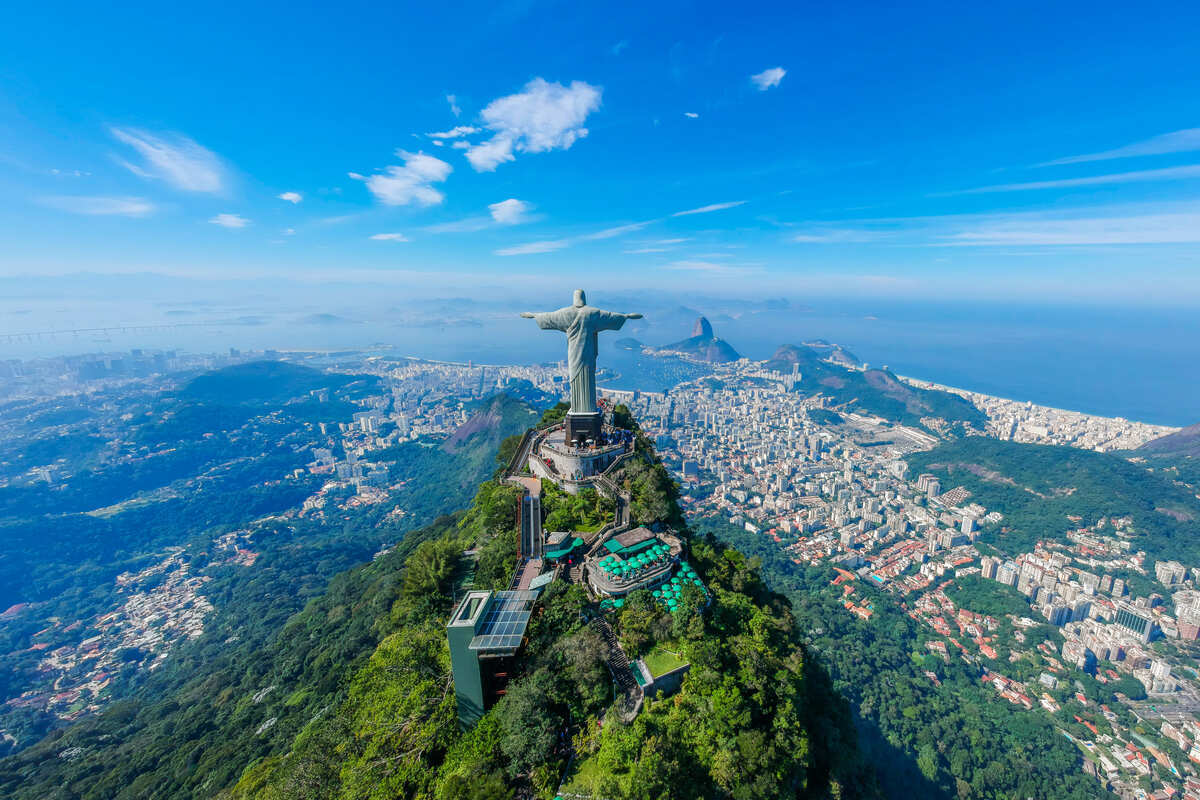
I get it: catching a glimpse of Christ the Redeemer standing watch mercifully over the bustling metropolis that is Rio, sunbathing in Ipanema as you sip some coconut water to the soothing sound of crashing waves, or exploring the colorful streets of Salvador, the regional capital of an under-visited Northeast, all sound appealing enough.
Sadly, it only takes a couple of hours being in the country for visitors to realize there is a lot your usual travel brochure does not cover:
You May Have Your Purchases Limited For Not Being Brazilian
Perhaps one of the most unbelievable entries on this list, and something not that many Americans are aware of, unless you hold a CPF (Cadastro de Pessoa Fisica), which is the Brazilian equivalent to a Social Security Number, it will be extremely difficult, and at times impossible, to buy anything online– this includes tickets for cultural attractions, purchasing data, and intercity transportation.
Let’s take SIM cards, for instance: although e-SIMs have become massively popular in recent months, and roaming fees are not as expensive as they once were, you will certainly get the best value for your money buying a local Brazilian SIM. While there are several companies to choose from, perhaps shockingly, it is extremely difficult to find one that offers a tourist data package.
It gets worse: in some places, can only buy SIM cards in Brazil upon presentation of a CPF, supposedly for security reasons, which is an inconvenient requirement seeing that, for obvious reasons, non-Brazilian tourists do not have one. You read that right: a passport will not cut it. Alternatively, visitors can buy a pre-paid SIM from unofficial vendors or kiosks, though online activation of the SIM will normally still require a CPF.
It’s a dead end, and that’s only one example.
Searching Google, you should come across numerous reports of visitors to Brazil who had trouble not only accessing data but even booking flights thanks to their status as non-Brazilians, and, subsequently, individuals without a CPF. There is a way for foreigners to get their own Brazilian Social Security Number, but it is so complicated it resembles a visa application process, and it takes time:
Passport in hand, proceed to a CPF registration center: Banco do Brasil, Caixa Economica Federal,or Correios;
Request a CPF application form*;
Provide proof of residence in Brazil (energy or water bills will suffice).**
**When staying at a friend’s house or with a host family, you should ask them to write a declaration confirming you reside in the address. This needs to be notarized at a Registry Office (Cartorio)
It costs BRL 7,00 to apply.
You can certainly enjoy a stress-free, short-term vacation in Brazil if data roaming isn’t a big concern/ you’re an Airalo user, and you’re not planning on ordering items online/booking inter-municipal tickets in advance, but if you’re a digital nomad staying longer than a couple of weeks, you’re best advised to apply for a CPF.
I have seen foreign visitors routinely using their Brazilian friends’/ acquaintances’ CPF numbers as well, though they may pose a problem if ID verification is required upon boarding a bus or entering a venue.
Brazil Is In The Top Ten For Highest Crime Rates Globally
Being born in Brazil myself, and having lived several non-consecutive years in the country, I have always maintained an increased level of situational awareness due to the widespread violence and impossibly high crime rates. That being said, even keeping a low profile and exercising caution might not entirely protect you from harm in large urban centers.
Most visits to Brazil are trouble-free, irrespective of high crime levels, as attested by the U.K. Government, but there is no denying safety is a pressing concern for tourists and locals alike. As any Brazilian who’s grown up in this environment will immediately warn you, flashing any valuable items – jewelry, phones, tablets – is most definitely a no, daytime or nighttime, as is drawing attention to yourself by speaking English, or any foreign language, in city centers.
This is particularly true in places like Rio, which have long struggled to keep crime levels in check, mostly to no avail as a result of the city’s own complex social fabric and the systemic issues that pervade Brazil’s judiciary. I was only ever mugged in Brazil once as a teenager, and ironically, the traumatizing experience transpired in Rio.
More precisely, in Copacabana, a developed beachfront area lined with five-star hotels where the carioca elite is normally seen about. For me, this is a testament to how ‘normal’ safety rules applying to other countries, such as Mexico, cannot necessarily be replicated in Brazil. Whether you’re being reasonable by sticking to well-lit pedestrianized streets and tourist zones or not, you could still be affected.
I have lost count of the number of times I was urged by Brazilian friends to leave my phone at home going out at night, or at the very least, bring a secondary one with me ‘in case’ I am approached violently, so I would have something to give up; or then again, always calling an Uber from inside the building, as opposed to standing by the sidewalk, where you’re in a vulnerable position.
It just feels like being in a constant survival mode, 24/7, except when you’re home or safe inside your hotel.
Currently, Brazil has the ninth highest crime rate globally, with 67.49 incidents recorded per 100,000 inhabitants. It surpasses all of its closest competitors in the region, most notably Argentina, Chile, and Uruguay, which are not traditionally deemed ‘unsafe’, though it still fares a lot better than Venezuela, where rates reach a staggering 83.76.
Ninguém Fala Inglês. Ninguém Mesmo.
Brazil’s unpreparedness for international tourism means local staff and service providers outside Rio, Sao Paulo, and other metropolitan hubs are not usually trained to host international guests. A mere 1% of Brazilians are able to speak English fluently, and this normally poses a problem for tourists in need of assistance.
Internet in Brazil isn’t exactly the fastest or most reliable, so it may be, at times, that Google will not be available as a translation tool. In any such scenario, knowing a useful phrase or two in the local language is crucial. According to previous visitors who have shared their experiences on the online forum Travel Stack Exchange, ‘people understand very little other than Portuguese‘.
Matt Colson, an expat who was reportedly living in the Brazilian state of Rio Grande do Norte in 2016, confirmed himself ‘tourist staff will not be able to understand anything beyond the most basic phrases‘. Believe it or not, consolidated tourism hubs like Rio are no exception: ‘even in Ipanema, one of the most popular parts of Rio for international tourists, English is not spoken‘, remarked forum member ‘Tim’.
Brazil Needs Better, Faster, Smarter Public Transportation. Urgently.
Unlike other destinations in Latin America that have been investing heavily in infrastructure in hopes of bettering themselves and improving the tourist experience – notably, Mexico’s laudableTren Maya project – Brazil is still lagging behind as a continent-sized behemoth where the flow of goods, services, and people takes place almost exclusively via road.
Naturally, traffic can be wild, with three people dying in car collisions per hour, and traffic jams influenced by a lack of transportation planning and dual carriageways. In the likely event that your bus will get stuck behind a heavy lorry – or a whole queue of them – you should anticipate hours wasted in excruciatingly long bus journeys. Flights remain an option for major destinations along the coast, but other off-path gems like Ouro Preto can only be reached via land.
Brazil does not have a railway system or an equivalent to Germany’s autobahns, even between the economic powerhouse trio of Rio, Sao Paulo, and Minas Gerais. Cross-country travel is mostly reduced to buses, with a poor to average service, owing their inexistent infrastructure and sub-optimal schedules to long-standing transportation monopolies. In other words, planning a multi-destination trip is cumbersome, to say the very least.
Fortunately, privately-owned platforms like Buser are transforming the travel landscape within Brazil, offering the country’s first-ever luxury coaches operating between state capitals. I have traveled myself on the lie-flat, Sao Paulo – Belo Horizonte luxury express twice, and I am glad to say I was pleasantly surprised with the experience:
You get your own TV screen;
Free drinks;
Snacks;
You sleep comfortably through the night, knowing you’ll wake up in the next city in the wee hours.
The only downside to it all? You will need a CPF to book your ticket. Sorry.
We should bear in mind we’re talking about a vast country encompassing different customs, ethnic groups, and cultural influences. Brazil is certainly not a homogeneous bunch, and some states are less tourist-friendly than others – smaller towns, in particular, are not as plagued by violence as state capitals, much like anywhere else – but it’s evident there are issues that need to be addressed.
Do I wish tourism officials improved the quality of services provided and did away with all the pointless, excessively bureaucratic hurdles (e.g. mandatory CPF for e-commerce)? Yes, that would help. Do I feel like local authorities have historically failed, and continued to fail, in keeping cities safe, in stark contrast with the Mexican Government’s latest acts? Absolutely.
Will I ever let my guard down and walk the streets of Rio completely carefree as if I was back home in Europe? Probably not 90% of the time, when I’m not staying in a gated community or find myself strolling alone in rundown downtown areas. As the U.S. Government clearly states, ‘violent crime, such as murder, armed robbery, and carjacking, is common in urban areas, day and night‘.
Moreover, U.S. Government personnel are discouraged from using public and municipal buses in all parts of Brazil ‘due to an elevated risk of robbery and assault at any time of day’, reinforcing my earlier impressions that Uber, and other private transportation providers, are the safest and easiest way to commute in a Brazilian city.
With that being said, I would not discourage foreigners from visiting Brazil. Despite its ongoing war against crime and the violence surge noted in some states, it is an essential part of your Latin America puzzle map. Incredible regional cuisine, historical sites, stunning nature: it truly has it all.
As long as you’re extra vigilant and follow local guidance, chances are you’ll love it in the end – but I would urge people to calibrate their expectations to the reality on the ground: international tourism, and the well-being of visitors, are truly rather poorly handled.
Being one of the world’s top ten economies with a developing society and democracy, Brazil is surely no crumbling state in the Global South plagued by incessant humanitarian crises and on the brink of collapse. It has the financial means to do better and the potential to become a global leader on the tourism front.
It’s simply a shame it does not seem to have the political will to do so.