Which European countries offer the best quality of life for digital nomads?
More and more countries are introducing digital nomad visas for remote workers and entrepreneurs, but not all of these visas are as good as they appear at first glance.
For example, some digital nomad visas come with prohibitively high earning requirements or are for countries with an extremely high cost of living or otherwise subpar quality of life.
Take Iceland’s digital nomad visa, which requires applicants to earn at least $7,763 USD per month. In addition to that, Iceland is one of the most expensive countries in Europe, doesn’t have good weather for most of the year, and the visa only allows you to stay for up to six months.
The following European digital nomad visas hit the sweet spot between reasonable monthly earning requirements and countries with a low cost of living and high quality of life.
1. Spain
Spain is one of the best countries in Europe to offer a digital nomad visa. This recently-launched visa only requires applicants to prove monthly earnings of approximately $2,215 USD. It’s good for one year, with the possibility of extending for longer.
Compared to the rest of Western Europe, Spain is more affordable and offers incredible cities like Madrid, Barcelona, Valencia, and Sevilla where digital nomads can base themselves.
Another great country for digital nomads in Europe is Croatia. Croatia is the top digital nomad hub of 2023 because of its amazing quality of life, relatively low cost of living, and digital nomad visa.
The visa requires applicants to earn approximately $2,650 USD per month, and it’s good for six months to one year. This is important considering that as of 2023, Croatia is part of the Schengen Zone, and Americans can only stay in the country (and any other Schengen Zone country) for up to 90 days.
So while it was previously possible to stay in Croatia long-term without a visa, that is no longer the case.
3. Portugal
Another European country with a great quality of life for digital nomads is Portugal. This country is known for great cities like Lisbon and Porto, as well as beautiful beaches, delicious food, and a relaxed pace of life. It’s also much cheaper than the rest of Western Europe.
Remote workers wanting to apply for the digital nomad visa in Portugal will need to demonstrate earnings of approximately $2,950 USD per month, and it’s good for one year with the possibility to extend.
4. Estonia
Another great European country with a digital nomad visa is Estonia. This Baltic nation was actually the first country to start offering a digital nomad visa.
The visa allows you to stay in the country for up to one year, and you must demonstrate earnings of at least $37,000 USD per year.
Estonia offers a low cost of living, and the picturesque city of Tallinn is perfect for digital nomads.
5. Czech Republic
The Czech Republic does not offer a typical digital nomad visa like the countries above, but they do have a trade license-based freelancer visa that functions similarly.
It can be tricky to apply for, and many people hire a specialist to help them with the process, but once established, you can stay in the Czech Republic for up to one year with the possibility to extend.
For income requirements, you must demonstrate you have at least $5,800 USD in your bank account.
6. Albania
Albania is a country that doesn’t offer a digital nomad visa. Instead, Americans and many other nationalities can stay in the country for up to one year as a tourist.
This is ideal for digital nomads who don’t want to jump through the hoops of applying for a visa or residency in another country.
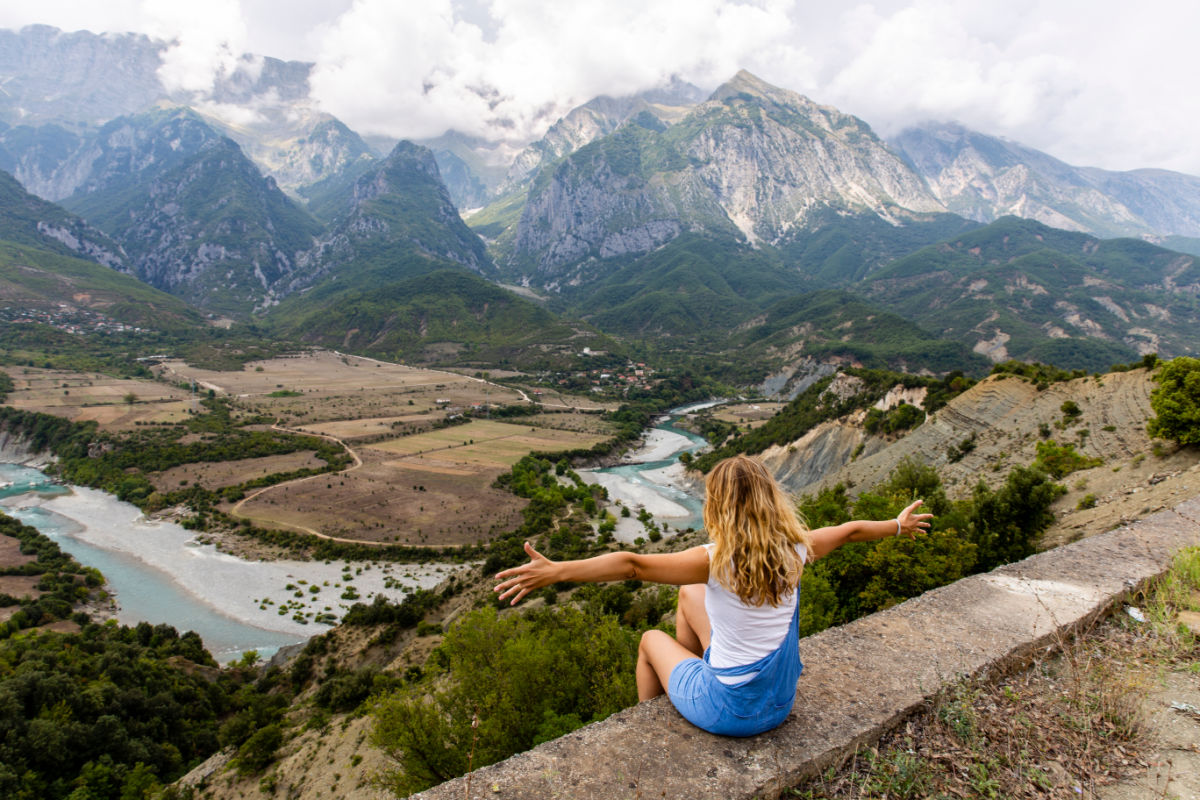
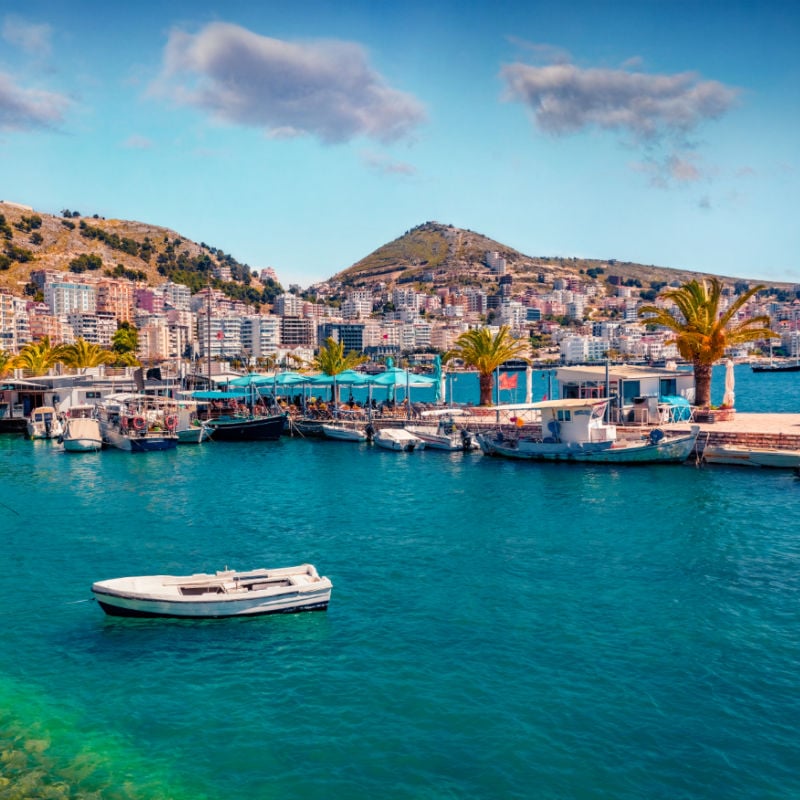
Albania offers a remarkably low cost of living and has a growing digital nomad scene in the capital of Tirana and the coastal city of Sarandë.
It’s estimated that right now, approximately 35 million people around the world call themselves digital nomads.
Defined by someone who works remotely from different locations, digital nomadism is one trend that has taken off since 2020.
While not an entirely new concept, the work-from-home mandate that many of us were under during the pandemic has led to the popularity of the work-from-anywhere lifestyle.
Nowadays, the effects of digital nomadism on the travel industry are evident, and even airports and cruise ships are considered fair game.
Seeing an opportunity to make up for lost travel revenue, many countries saw an opportunity to embrace this trend by offering digital nomad visas (DNVs) to people who wanted to come live and work there.
The small eastern European country of Estonia proved to be the quickest to answer the demand and began offering its DNV back in 2020. It still remains an attractive option today, despite the numerous others who have followed suit.
Differing from a simple tourist visa, which technically you are not allowed to work on, a DNV allows you to stay longer and work online while in the country.
When it comes to the issue of taxes, things get a bit tricker as there is no one size fits all rule for this either. The best advice here is to read and then reread all the tax information on your desired visa to ensure you comply with the rules and don’t end up in hot water.
While each country has different requirements, rules, and application procedures, it’s well-known among the digital nomad community that some are easier, cheaper, or simply better than others. From online applications to embassy visits, the varying nature of just how to obtain a DNV can be a bit confusing.
With the long-awaited launch of Spain’s digital nomad visa, there are now a total of 15 countries in Europe that offer this option for those seeking to stay longer than their passport allows.
While one main deterrent for many of these DNV options is the high-income threshold, there are some that allow you to apply while making less than $2000 a month.
Right now, there are over fifty countries around the world that offer a digital nomad visa, and the list is always changing.
So no matter where you want to go, if you are able to meet the requirements, then a digital nomad visa might be perfect for you.
Here Are All The European Countries Offering Digital Nomad Visas Right Now:
Croatia
Monthly Income Requirement: $2,658
Length Of Stay Allowed: 6 months – 1 year
Who Can Qualify: Anyone not an EU/EEA citizen
Application Fee: $73
Considered the most liked digital nomad hub for 2023, there are many reasons to call this coastal country home. The fact that it’s now part of the Schengen zone means that visitors can only stay a total of 90 days (combined in all Schengen countries). This makes the DNV a more attractive option to those who want to stay and explore longer.
Cyprus
Monthly Income Requirement: $3,800
Length Of Stay Allowed: One year, can renew
Who Can Qualify: Non-EU Nationals
Application Fee: $75
Czech Republic
Income Requirement: Must have around $5,000 in a bank account
Length Of Stay Allowed: One year, possible to extend
Who Can Qualify: Non-EU citizens
Application Fee: Approx $117, plus extra for trade license
The Czech Republic’s freelancer visa can be complicated, and many use a long-term visa and pair it with a trade license.
Estonia
Yearly Income Requirement: $37,000
Length Of Stay Allowed: 3 month (short term) / one year (long term)
Who Can Qualify: Any non-EU entrepreneurs who are self-employed
Application Fee: $430
Georgia
Monthly Income Requirement: $2,000
Length Of Stay Allowed: One year
Who Can Qualify: Citizens from over 90 countries; check official website
Application Fee: free
The “Work Remotely From Georgia” program is not technically a visa, but is more or less the same thing. A reminder that Georgia is a very open country to many passport holders, and Americans and U.K. Nationals can stay one-year visa-free.
Germany
Monthly Income Requirement: Enough to be considered self-sufficient
Length Of Stay Allowed: Up to 3 years
Who Can Qualify: Those working in certain ‘liberal’ professions
Application Fee: $105
Germany has a Freelancer Visa, which mostly applies to those who are self-employed in liberal professions, such as teachers, writers, etc.
Greece
Monthly Income Requirement: $3,690
Length Of Stay Allowed: One year (possible to extend)
Who Can Qualify: Non-EU citizens
Application Fee: $79
Hungary
Monthly Income Requirement: $2,110
Length Of Stay Allowed: One year, possible to extend
Who Can Qualify: Third-country nationals
Application Fee: $116
Iceland
Monthly Income Requirement: $7,763
Length Of Stay Allowed: 6 months
Who Can Qualify: All remote workers
Application Fee: $96
Malta
Monthly Income Requirement: $2,850
Length Of Stay Allowed: one year (possible to renew)
Who Can Qualify: Third country nationals
Application Fee: $316
Portugal
Monthly Income Requirement: $2,950
Length Of Stay Allowed: One year, possible to extend
Who Can Qualify: Any non EU/EEA National
Application Fee: estimated around $190
Romania
Monthly Income Requirement: $3,900
Length Of Stay Allowed: One year, possible to extend
Who Can Qualify: Any non EU Citizen
Application Fee: unknown
Spain
Monthly Income Requirement: $2,215
Length Of Stay Allowed: One year, can extend
Who Can Qualify: Any non EU/EEA National
Application Fee: $265
Norway
Yearly Income Requirement: $32,000
Length Of Stay Allowed: 2 years, possible to extend
Who Can Qualify: Non EU Nationals
Application Fee: $600
Coming Soon?
Other countries such as Italy, Montenegro, and Serbia have announced their version of a digital nomad visa that should be available soon. While they are not currently an option, it’s likely that they will be quite popular once available.
The Netherlands and Latvia are two more countries that offer something very similar to a digital nomad visa, although not exactly the same thing. For more detailed information, check out the respective country’s websites.
When country-hopping across Latin America, travelers normally have their hearts set on Mexico’s pristine beaches, Colombia’s vibrant city breaks, or Brazil’s extensive Atlantic coast, but this geopolitical entity, which extends from the southernmost part of North America to the South, still has numerous hidden spots yet to be discovered.
One of them is Guatemala, a promising destination in the post-pandemic scene and arguably one of the most underrated countries in the region:
Is Guatemala The Most Promising Destination In Central America?
Guatemala is a small nation in Central America located south of Mexico and bordering three other Latin American states: Belize, Honduras, and El Salvador. Out of the bunch, it is not the most popular tourist site, being largely overshadowed by Mexico’s international prestige as a well-developed beach destination.
While Cancun alone draws in 30 million visitors on average each year, the whole of Guatemala attracted only 2.56 million in 2019. Granted, it is a much smaller country than Mexico, with a size equivalent to a Mexican state, but there’s Guatemala’s true potential as a tourist destination is yet to be unleashed:
It has stunning a natural scenery
Historical Mayan ruins that see only a small fraction of Mexico’s overwhelming tourism
Much cheaper than its Central American counterparts, especially Costa Rica
No COVID entry requirements for 2023
Despite not being as developed compared to Costa Rica, Central America’s leading destination in visitor numbers, Guatemala has a similar appeal, boasting a vast nature that comprises active volcanoes, dense rainforests, and unruffled sandy beaches.
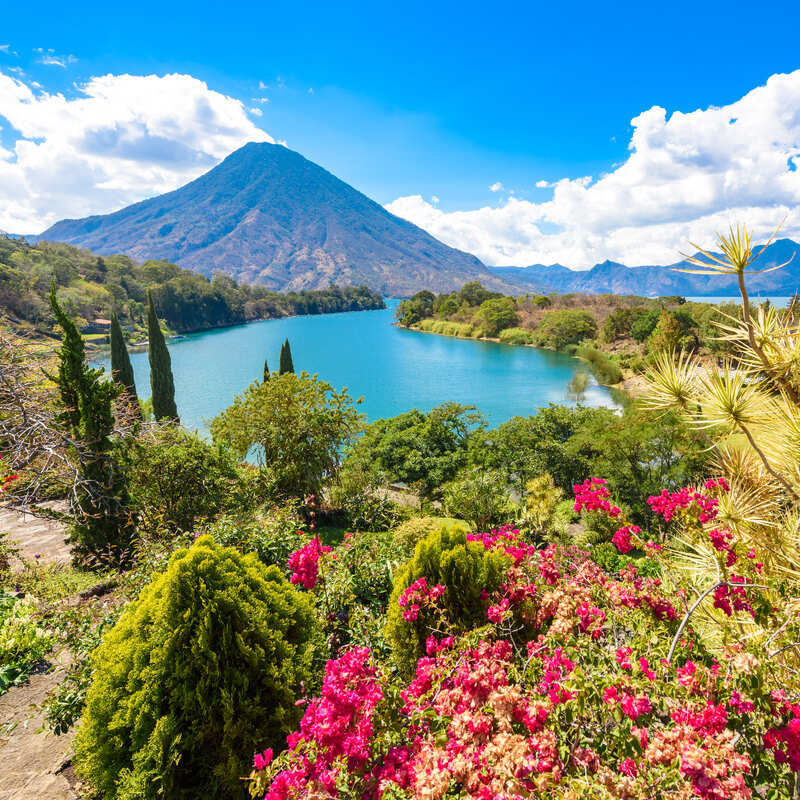
One of the most beautiful natural sites in Guatemala is Lake Atitlan, a scenic reserve in the country’s wild Southwest. It is bounded by green hills and rugged volcanoes easily discerned by their conic shape. Nearby, the small town of Panajachel is famous for its long-standing textile tradition and souvenir shopping.
Other natural wonders include Tajamulco Volcano, a favorite among adventure seekers, not only because it is the highest elevation in Central America at 4,220 meters, accessible via a virgin forest, but due to its strategic location. From atop the mountain, climbers can clearly see Mexico from across the Western border and facing south of El Salvador.
Monterrico, on the other hand, is a hotspot for wildlife sightings. An untouched tropical paradise situated on Guatemala’s Pacific coast, it acts as a haven for numerous threatened species, such as sea turtles and iguanas. The beaches are also a highlight, extending for miles on end, lined with palm trees and featuring an up-and-coming resort scene.
Deep in the jungle, the Semuc Champey, or ‘Sacred Water’, is a collection of layered pools sitting on a nature-made limestone overpass. It may be remote and harder to reach, but being able to swim in the jade-colored waters while admiring the endless green expanse below is surely worth the long journey.
A Hugely Underrated Cultural Hotspot
If it’s culture you’re after, you won’t be disappointed, either: Guatemala City, the country’s largest urban center and bustling capital, has a plethora of cultural centers deserving of your time, with the imposing National Palace of Culture, and the National Museum of Archaeology and Ethnology serving as prime examples of world-class local museums.
The capital is equally renowned for its nightlife: after dark, the Zona viva and Cuatro Grados Norte districts come to life with young revelers spewing out of bars, locals dining alfresco on tables set along the kerbside, and live music venues operating until the wee hours.
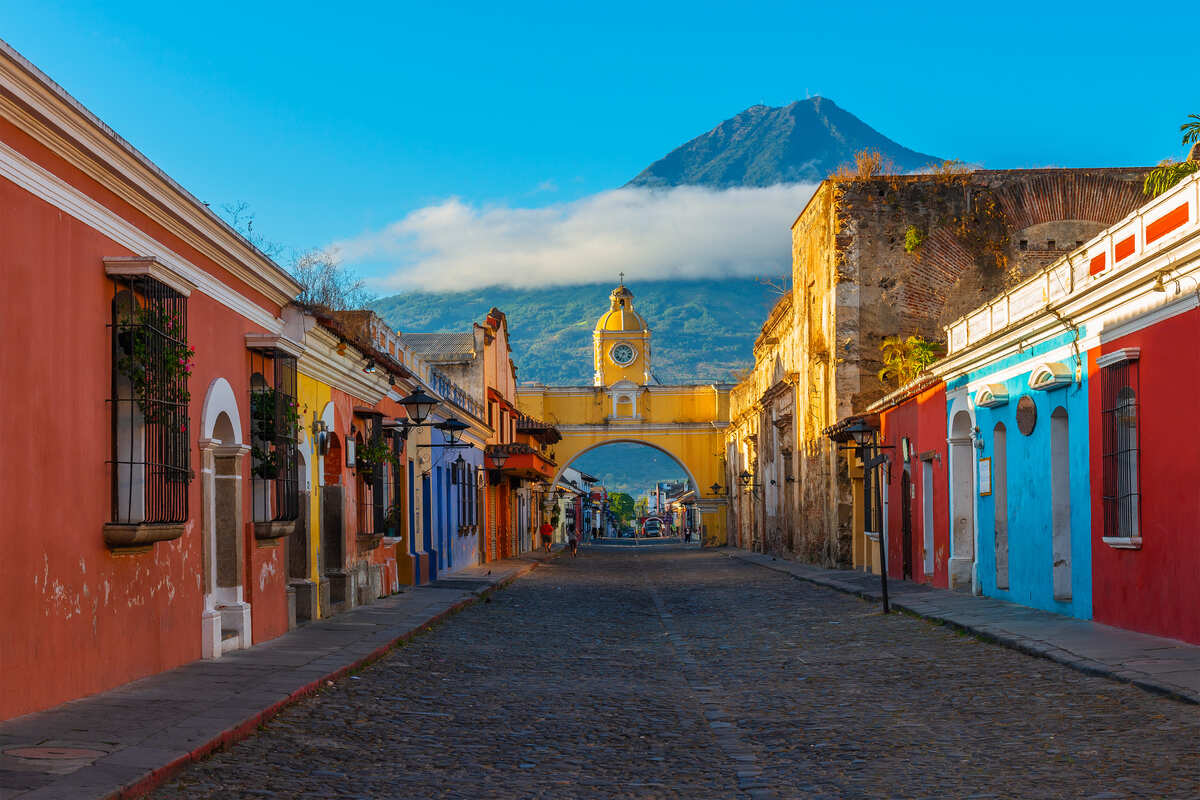
For a quieter atmosphere, crowd-wary visitors should head instead to Antigua Guatemala, or ‘Old Guatemala’, west of Guatemala City, a Baroque gem designated a UNESCO World Heritage Site, what with its cobblestone paths, colorful facades, and majestic colonial-era churches.
Lastly, Guatemala is home to some of the best-preserved ruins in the cross-border Mayan World: the mighty Tikal was once a wealthy city-state in Mesoamerica, and Historians now call it the ‘best understood’ of all the large lowland Mayan conurbations, while Nakbe is widely accepted to be the first Mayan city ever built.
Both are tourist-friendly archaeological zones within Guatemala.
No Health Restrictions Apply
There are no COVID entry requirements for Americans visiting Guatemala in 2023, making it one of the easiest destinations to explore in Latin America, a region that is yet to fully lift its health-related curbs:
No vaccination required
No pre-departure testing, regardless of vaccination status
No mandatory health insurance
No Passenger Locator Forms (PLFs) that need filling out
In sum, entry to Guatemala is a breeze.
The primary international airport in Guatemala is La Aurora International, serving Guatemala City. There are scheduled flights from Dallas/Fort Worth, Miami, Atlanta, Los Angeles, New York-JFK, Fort Lauderdale, and Houston, among other U.S. departure points.
Now that travelers are ready to take to the skies, the costs associated with international travel have increased drastically. A majority of borders have reopened, but on the downside, an overpriced Europe or the Caribbean is no longer an option for many budget-conscious travelers.
Fortunately, Southeast Asia (SEA) remains a highly affordable destination. Across numerous countries, most Americans are able to enjoy a higher purchasing power and better quality of life, thanks to the strong dollar and the subcontinent’s surprisingly economical luxury amenities.
But where exactly in Southeast Asia will you get the best bang for your buck? It’s time we found out:
All Of Southeast Asia Ranked From Least To Most Expensive
There are eleven Southeast Asian countries in total, and if you’re wondering where they may be headed when attempting to stretch their dollars further, these are the safest bets: Indonesia, Myanmar, the Philippines, Vietnam, and Malaysia. According to figures posted by Numbeo, the largest crowd-sourced database for information on global cities, these are the cheapest destinations for travelers in SEA.
The complete ranking of countries can be seen below, from most to least affordable, followed by the cost of living (COL) percentage compared to the U.S average:
Indonesia – 55.9% cheaper
Myanmar – 54.9% cheaper
Philippines – 51.9% cheaper
Vietnam – 50.8% cheaper
Malaysia – 50.7% cheaper
Thailand – 42.9% cheaper
Cambodia – 39.5% cheaper
Laos – 24.7% cheaper
Brunei – 23.4% cheaper
Singapore – 18.2% cheaper
Timor Leste – Not enough data
There is not enough data on Timor Leste on Numbeo, though it could be up to 76% less expensive than the United States, according to an alternative source, Living Cost. If this were to be considered, it would place Timor Leste as the cheapest destination in all of Southeast Asia by a wide margin, almost 16 percentage points ahead of Indonesia, assuming calculation methods are similar.
Indonesia Is The Cheapest Southeast Asian For Tourists
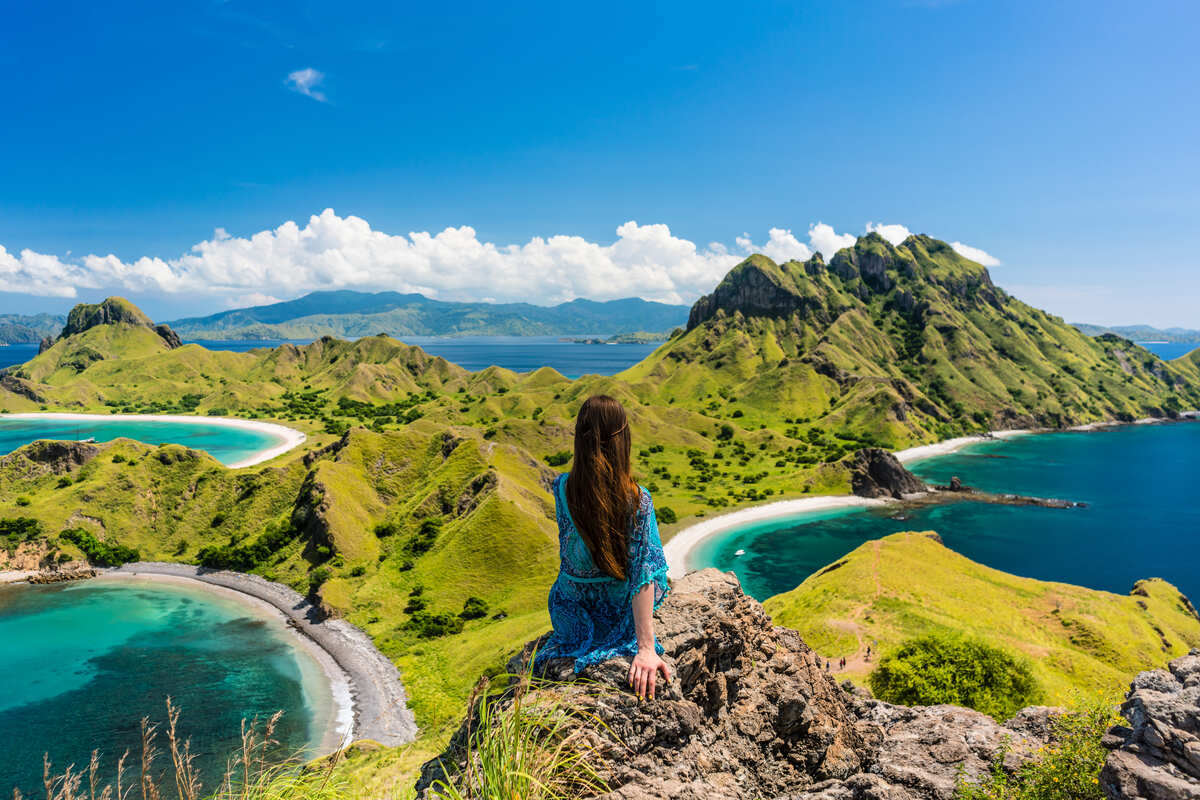
Home to beautiful islands like Bali and Java, known for their sandy beaches, turquoise waters, and laid-back culture, as well as vibrant city breaks bustling with trade and interesting sights — with Jakarta and Yogyakarta to name a couple — Indonesia appeals to travelers of different ages and all walks of life, though it is particularly favored by long-term travelers.
While prices in Indonesia can vary drastically between provinces, rent is, on average, 80.9% lower than in the U.S. Looking at specific cities, Jakarta, the capital and largest financial center, is 63.7% cheaper to explore than New York, with rent being up to 83.3% lower. Living comfortably in the Big Apple would require a minimum of USD$9,100 per month; in Jakarta, USD$2,430 would suffice.
Indonesia’s new Digital Nomad Visa, which allows remote workers and entrepreneurs to reside in destinations like Bali effectively tax-free for five years, has also helped establish Indonesia as SEA’s number one budget-friendly vacation: it is officially the most sought-after winter sun destination on AirBnB.
Moving further down the list, the lesser-known Myanmar (previously known as Burma) takes the runner-up slot, boasting some of Asia’s oldest pagodas dating back to the 6th century and a promising city destination in Yangon, the renamed capital (formerly Rangoon). Sadly, Myanmar (Burman) remains a risky destination for tourists due to armed conflict and ongoing civil unrest.
The Philippines occupies the third spot, offering a plethora of beach sites and tropical landscapes for a small fraction of Thailand’s or Cambodia’s prices, even though they already fall within the budget category. Vietnam and Malaysia round out the top five, standing among SEA’s trendiest: other than being inexpensive to visit, they are open and restriction-free.
The least affordable in Southeast Asia is, unsurprisingly, its most developed economy: the city-state of Singapore, named the world’s most expensive in 2022.
The Triumphant Return Of Southeast Asia
Southeast Asia is one of the trendiest tourist destinations for 2023 now that most nations within the territory have loosened their once-strict COVID curbs. Traveling to a majority of them, Americans are no longer required to undergo grueling testing regimes or check into quarantine facilities. Most importantly, they no longer face vaccine discrimination, a hard no for restriction-wary Americans returning to Asia.
There’s no denying that Vietnam, Thailand, Cambodia, and Malaysia having changed their hard stance on health crisis management was a powerful driving force behind the regional tourism rebound, but it’s not the only factor behind it: all of America’s preferred holiday spots, from Mexico’s Caribbean Coast to the European Mediterranean, have seen vacation package prices soar in recent months.
In Europe, the 2023 summer season will be accompanied by further hikes, as noted by experts as early as last November, while parts of North and Central America have unashamedly begun catering exclusively to high-end customers. Amid the economic chaos, it’s clear now the SEA collective has resurged as a safe haven not only for backpackers and budget travelers but also for digital nomads.
These European countries allow American travelers to stay long-term without applying for a visa or residency.
Perfect for long-term travelers and digital nomads, these destinations are a great place to base yourself in Europe – not to mention they’re all extremely affordable!
Excluded from this list are countries in the Schengen Area. The Schengen Area consists of 27 countries in Europe (23 of which are also part of the European Union.)
Americans are only allowed to spend 90 days out of every 180 days in the Schengen Area without a visa.
The countries below are all non-Schengen countries, so, for long-term travelers, you can spend 90 days in Schengen countries and then bounce to any of these countries for the next 90 days while you wait for your time in the Schengen Area to “reset.”
Similarly, digital nomads who are looking for a base where they can spend several months to a year will enjoy these affordable European countries:
1. Albania
Albania is one of the best European countries where Americans can stay long-term for up to one year without a visa.
It’s an underrated country that has some of the most beautiful beaches in Europe, along with a cool capital city, charming small towns, stunning nature, friendly people, and affordable prices.
Although it straddles the space between Eastern Europe and Western Asia, Georgia is another country included on this list because Americans can stay here for up to one year without a visa.
Georgia is a growing digital nomad hotspot because of its fast Internet, low cost of living, delicious food, and great quality of life. There is plenty to explore in Georgia.
History lovers will enjoy the country’s unique and fascinating history and blend of cultures, while those who love the great outdoors will be blown away by Georgia’s natural beauty.
3. Montenegro
Montenegro allows American tourists to stay in the country for up to 90 days without a visa, and it’s not part of the Schengen Area like neighboring Croatia, which just joined in January 2023.
This small Balkan nation packs a big punch. Montenegro is a bucket list-worthy destination in Europe thanks to its dramatic scenery, beautiful Adriatic beaches, enchanting historic towns, and national parks.
4. Romania
Although Romania is part of the European Union (the only country on this list that is), it’s not yet part of the Schengen Area.
This means that travelers can stay in Romania for up to 90 days without a visa, and it won’t count against their time in the Schengen Area.
Romania is an affordable, beautiful destination in Europe. The vibrant capital city Bucharest, quaint small towns like Brasov, ancient fortresses like Bran Castle (which is said to have inspired Dracula), and stunning scenery are just a few reasons to visit Romania.
5. Turkey
Americans can stay for up to 90 days in Turkey, another European country that is on the East-West divide.
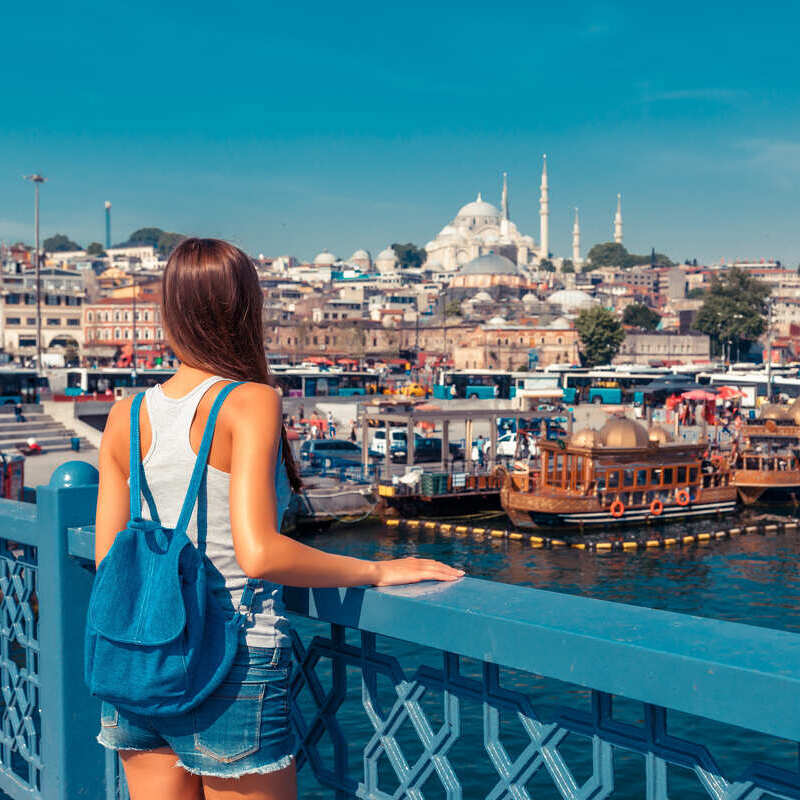
Turkey’s Istanbul is a must-visit destination, along with the beaches of Antalya. This country is one of the most affordable in Europe for a sailing trip or beach vacation.
Cappadocia is another bucket list spot in Turkey, known for its otherworldly landscapes and hot air balloon rides.
6. Serbia
Finally, on this list, Serbia is another one of the best countries in Europe where Americans can stay long-term without a visa.
Serbia allows visitors up to 90 days in the country. This landlocked Balkan nation is highly underrated and extremely affordable, making it perfect for long-term travelers who want to get off the beaten path.
Its capital city Belgrade is vibrant and cool, while the rest of the country boasts natural beauty like Tara National Park and quaint, historic small towns.
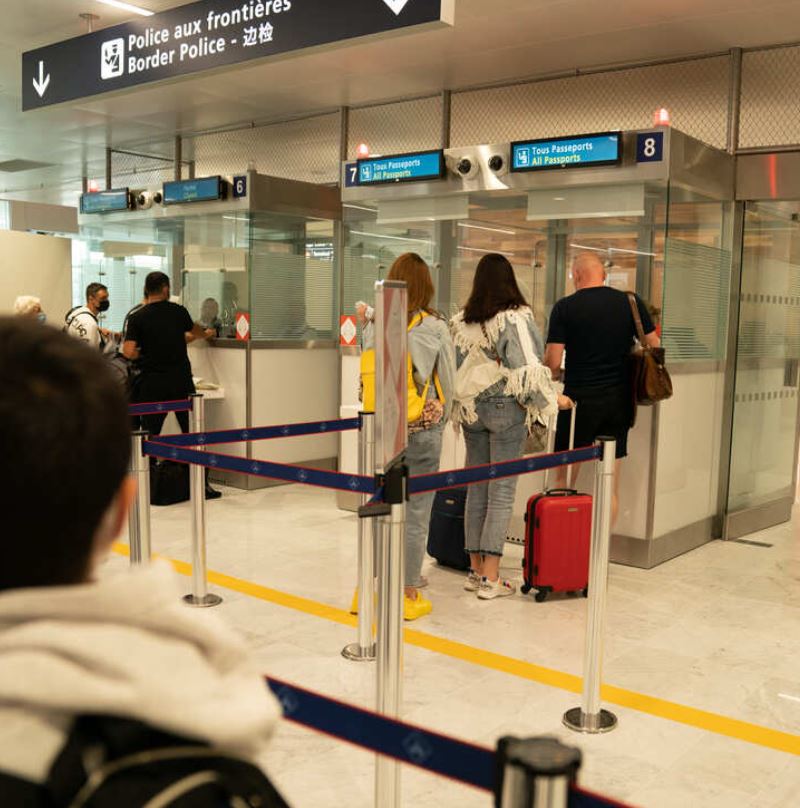
It’s true Americans enjoy unrestricted access to most of the world, especially now that Covid curbs are being lifted, but international travel is never entirely hassle-free. In fact, 38 countries continue to require U.S. nationals to pay in order to enter, whether it’s a Visa On Arrival fee, an e-Visa fee, or when issuing an Online Travel Authorization.
The American passport is one of the most powerful in the world, being named the seventh best to hold in 2023, but this does not mean you are eligible to travel abroad by carrying a valid passport only. Numerous other non-health-related rules must be observed, from showing proof of a return ticket to qualifying as a visitor under certain visa restrictions.
In this article, you will know precisely which countries – and territories – have entry fees in place:
What Are The Differences Between VOAs, e-Visas, And ETAs?
First off, we must establish the key differences between Visas On Arrival (VOAs), e-Visas, and Electronic Authorizations:
VOAs
VOAs are required by countries the United States has not signed a visa-waver agreement with but whose immigration laws are still relaxed enough for Americans to travel without applying for a visa at a country’s mission or Consulate in advance. Instead, they can be applied for and issued directly at the border.
e-Visas
Electronic Visas, or e-Visas, on the other hand, are issued online and do not need to be affixed to your passport. It is one of the easiest to obtain, being automatically issued via e-mail upon completion of an online form. Travelers are then advised to have it printed or in PDF form and present it both at the check-in desk and later during border crossing.
Finally, Travel Authorization (or Travel Authority in some regions) applies to U.S. citizens in cases where a visa-free travel accord is in force between the United States and a third state, but pre-registration is still mandatory. They are not considered a visa, though the application process often resembles that of an e-Visa, except it’s usually simpler.
One thing all three have in common? They are (usually) not issued for free and can cost anywhere between USD $7 to $250. Below, you will find the complete list of countries where VOA, e-Visa, and Travel Authorization rules apply, as well as their price*:
**Some prices are expressed in euros (€). Visa rules and fees are extracted both from official Government websites and iVisa, except where noted.
Africa
Africa is the strictest continent of all when it comes to visa rules. In total, only 14 countries offer complete visa-free entry to American tourists, and a further 23 nations either allow applications at the border or enforce an e-Visa regime. Luckily, these are quite easy to obtain, provided you fit the criteria.
In Cape Verde, for instance, travelers are expected to register in advance on the E.A.S.E. platform, as well as pay a processing fee and airport tax (fixed at €59 per applicant as of January 2023). In Egypt, visas can be issued online or at certain points of entry for only $25; additionally, the Seychellois entry permit is free but must be requested once landing in the Seychelles:
VOA – $190 for single-entry (1 month), $245 for multiple entries (3 months)
VOA – $70 for single entry, $90 for multiple entries within a 30-day period
e-Visa – $63.66 for a 90-day permit
VOA – €30 for a 45-day permit
e-Visa, VOA – $25 for a 30-day permit
e-Visa – $52 for 30 days, $72 for 90 days
e-Visa – €85 for single entry (one month), €200 for multiple entries (six months)
e-Visa – $67.6 for a 90-day permit
e-Visa, VOA – $30.58 for single-entry (30 days), $38.23 for multiple entries (60 days), $53.52 for multiple entries (90 days)
e-Visa, VOA – $50 for single entry, $70 for multiple entries within a 30-day period
VOA – $160 for a 3-year multiple-entry visa
VOA – Approximately $50 for a 30-day permit*
*Travelers are advised to contact a Somalian mission in their home country to obtain more information.
VOA – $126.99 for a 30-day permit
VOA – $50 for a single entry, $100 for multiple entries within a 3-month period
VOA – $160 for a 30-day permit
VOA – $40 for a 90-day permit
VOA – $50 for a 90-day permit
e-Visa, VOA – $50 for a 90-day permit
e-Visa, VOA – $30 for single entry, $45 for double entries within a 3-month period
Asia
In Asia, fewer countries maintain border formalities affecting U.S. travelers compared to Africa. Still, the list comprises ten destinations, some of which are incredibly popular among backpackers vacationing in the area – especially when they are young and broke and looking to save money as much as possible when traveling.
After all, dollars stretch the furthest here, helped by weaker currencies and the low cost of living. Despite their huge affordability, Asian countries are infamously known for their hefty entry fees, which may come in the form of visa restrictions or pre-travel registration requirements. Ahead of visiting these spots, Americans must arrange more than a simple passport:
VOA – $50 for a 30-day entry permit (a departure tax of $6 also applies)
e-Visa, VOA – $36 for a 30-day entry permit
e-Visa, VOA – $36.62 for a 30-day entry permit
VOA – $25 for 15 days, $40 for 30 days, $100 for 90 days
ETA – Approximately $10, valid for individual visits of up to 90 days within a two-year period
ETA – $30, issued for up to 30 days
VOA – $30, issued for up to 30 days and renewable for a further 30 once inside the country – available to air arrivals only
Americas & Europe
No countries or territories in the Americas – North, Central, or South – or Europe with whom the U.S. has signed visa-waver agreements with currently require Americans to obtain ETAs and thus pay an entry fee upon landing. In the Americas, the only countries that have imposed visa restrictions on U.S. citizens are Cuba, Venezuela, and Bolivia.
In Europe, a new Entry-Exit System is set to come into force in late 2023, accompanied by their new ETIAS, or Travel Authorization program. Once it’s fully functional, American tourists will be expected to apply for an ETIAS and pay a fee in order to be eligible to enter Europe’s Schengen Zone – much like the Australian, New Zealand, and South Korean models.
Outside Schengen, Americans cannot travel to Belarus and Russia without having obtained a permit. Thus, the only open Eurasian country demanding an entry fee for U.S. passport holders is Turkiye – formerly known as Turkey:
e-Visa – $50, single or multi-entry during a 3-month period, within 180 days
Middle East (Western Asia)
Despite the draconian laws some Governments in the Middle East have enacted over the last few years affecting their own nationals, the region is relatively open for foreigners, allowing them to visit without observing strict dress codes – bar when religion’s concerned – and opening numerous leisure complexes where Western customs are welcomed.
Despite the increasingly liberal policies, some countries have yet to relax their visa requirements or lift entry fees. In Jordan, for instance, a ‘Jordan Pass’ must be issued prior to departure, and while the list of inclusions is extensive, with not only entry fees added to the package but also a number of tourist attractions, the mounting costs can be a deterrent*.
*Especially when flying to these countries from the U.S. is already quite expensive.
e-Visa, VOA – $19, issued for up to 14 days
VOA – $60, issued for up to 30 days
*Visitors can alternatively apply for a Jordan Pass, including entry to over 40 attractions inside the country + the visa fee. Prices range between $98.69 and $112.79.
e-Visa, VOA – $9, issued for up to 3 months
e-Visa, VOA – Multiple entry for $123, with a one-year validity. Visits cannot exceed 90 days at a time.
Oceania
Lastly, there are only 3 nations and territories in Oceania Americans are not permitted to cross the border for free. The most famous examples, Australia and New Zealand require the submission of an online form in advance, known as Travel Authority, which functions like an e-Visa, though issue is almost always automatic once the fee is paid.
In Australia’s case, an ETA is valid for only a year, and U.S. passport holders can freely cross the border for individual visits of up to 90 days at a time within this period, as long as they do not engage in paid activities during their stay. Conversely, the New Zealand ETA (shortened to NZeTA) can be delivered with a two-year duration.
ETA – AUS $10, valid for a year with short-term visits not exceeding 90 days
ETA – NZD $17 through the app, $23 through the official website.
*An additional Visitor Conservation and Tourism Levy (IVL) of $35 is charged.
e-Visa, VOA – $50 issued for up to 30 days
Check Your Visa Requirements Ahead Of Traveling
This is a round-up only, and we are not able to provide more detailed information about Visas On Arrival, e-Visas, Electronic Travel Authorization, and entry fees for specific countries. We suggest you contact the relevant authorities at your destination or a travel agency specializing in non-immigrant visas.
*Countries that impose traditional visa restrictions on U.S. citizens – when visas can only be obtained at a Consulate ahead of travel – are not included here as these are not routinely classed as an entry fee.
*Some entry fees may change from the publishing of this article.
Which countries have the fastest internet speeds for travelers?
These are the top six countries with the fastest internet speeds, according to Nomadlist, a website that collects data from users to determine the best destinations around the world for digital nomads.
Internet is a factor that plays a big part in the viability of a destination for digital nomads, who need fast connection speeds in order to work online.
However, internet speed is something that is important for all travelers, not just those who work remotely. It can be the difference between being able to upload photos and videos of your vacation to social media and video chatting with loved ones back home or not.
Since many travelers rely on WiFi abroad rather than paying extra for international cellphone data, it’s important to have a speedy Internet connection.
Here are the countries with the fastest internet speeds around the world, according to user data from more than 4.5 million travelers.
1. Portgual
It’s no surprise that Portugal tops this list, with an average Internet speed of 60 Mbps. Portugal has long been one of the best destinations in Europe for digital nomads because of its stunning scenery, sunny weather, affordable prices, and fast internet.
Portugal has become even more popular with travelers in the past year, who are drawn to its cities like Lisbon and Porto, its beautiful beaches, and its wine region.
Next up on the list of countries with the fastest Internet speeds is Norway, with an average speed of 55 Mbps.
Norway may be one of the most expensive countries to visit in Europe, but you can rest assured that you’ll have quick WiFi speeds even while exploring the majestic fjords or chasing the Northern Lights in this Scandinavian nation.
3. Switzerland
Switzerland is another European country with fast internet speeds. According to data from travelers, the average speed in Switzerland is 54 Mbps, so you won’t have trouble staying connected here.
Although this is another destination that is not exactly budget-friendly (in fact, it tops the list of the most expensive countries in Europe), Switzerland is still worth visiting.
During the winter, world-class skiing and snowboarding in the Swiss Alps attract many travelers. And in the summer months, stunning scenery, great hiking, and adventure activities make Switzerland a popular destination.
Even in the midst of nature in a small Alpine village, you can stay connected with Switzerland’s fast internet speeds.
4. Lithuania
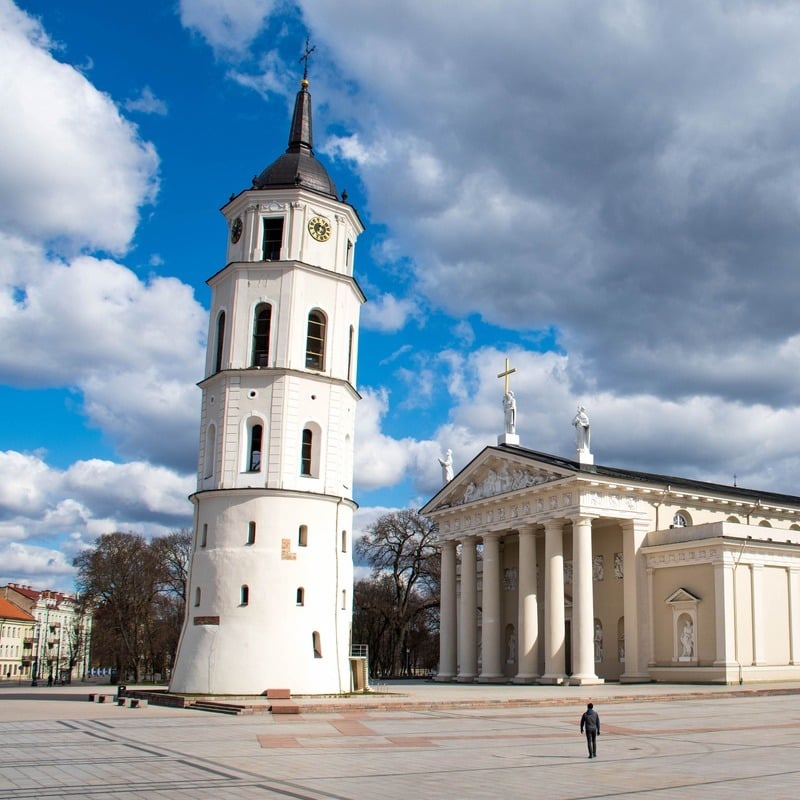
Lithuania has an average internet speed of 52 Mbps. This underrated nation is one of the Baltic countries in Eastern Europe, and it’s a fast-growing digital nomad hub.
The capital city of Vilnius is safe, beautiful, and very affordable. It attracts many entrepreneurs and start-ups and has a vibrant atmosphere. The rest of Europe is also easily accessible from Lithuania.
5. Denmark
Another European country with fast internet speeds is Denmark, clocking in at 51 Mbps.
Although Denmark is not known for being a budget-friendly country, it’s possible to visit its capital city Copenhagen for $50 a day. Copenhagen is one of the best Scandinavian capitals, with so much to do and see.
Outside the city, Kronborg Slot (the castle from Hamlet) and the Louisiana Museum of Art are other popular places to visit in Denmark.
6. Bulgaria
Finally on this list is Bulgaria, which has an average internet speed of 51 Mbps, making it a tie with Denmark.
This Balkan nation has become one of the top destinations for digital nomads in Europe because of its extremely affordable prices, budget-friendly ski resorts, and cool cities like Sofia and Veliko Tarnovo.
If you’re looking for a beautiful and affordable European destination with fast Internet speeds to boot, add Bulgaria to your list.
Eastern Europe is one of the most underrated, yet fascinating regions to explore as a tourist. Sadly, misinformation regarding safety levels, and the notion that Eastern countries are a hotbed of wars, with weak democracies, and where pickpockets run amok have certainly not helped their cause – but to which extent are these beliefs true? In other words, where in Eastern Europe tourists will be the safest?
What Is The Exact Definition Of A Safe Country?
According to the United Nations (UN), there are 23 countries in Eastern Europe (EE), which begins somewhere along the former Soviet border, and extends as far East as Western Russia. Out of those, 13 have been deemed completely safe to travel by the U.S. Department of State – more specifically, they were awarded the lowest-possible Level 1 badge on the entity’s Travel Advisory listings.
This means that, when visiting Level 1 states, Americans do not face heightened safety threats, or any particular health risk unrelated to the ongoing Covid pandemic. In fact, some of these destinations are much safer than the United States even, enjoying significantly lower rates of petty crimes, armed robbery and murder, and a high human development index.
Since the fall of the Berlin Wall, numerous EE nations made great strides in their quest for peace, tilting Westward, at least when it comes to foreign policy, and joining intergovernment military alliances like NATO, and the European Union (EU). Thanks to their efforts, the times when Eastern Europe was an obscure landmass where crime was rampant, and civil liberties curbed is but a distant memory.
Interestingly, Eastern countries that have assimilated into Western institutions form a majorityamong those classed as ‘safe’ by the U.S., with the complete list seen below:
Out of those, only Georgia is neither in NATO, nor the EU. Others like Montenegro and North Macedonia have not yet succeeded in finalizing their EU accession talks, but they have been NATO members since 2017 and 2020, respectively. All countries listed under the Level 1 category are perceived as ‘low-risk’ destinations.
Which Eastern European States Travelers Should Avoid?
Sadly, not all former Soviet Eastern countries have managed to shake off the ghosts of communism, and their dark past as easily as others, becoming authoritarian regimes where the rule of law is only loosely enforced, or at best, fragile democracies with widespread urban violence and a poor record of upholding human rights.
It’s a widely-known fact large swathes of Europe’s Far East are either engulfed by war, or facing huge democratic backslidings. This has led many tourists to wonder whether now is the right time to visit, especially when the invasion of Ukraine has shown no signs of slowing down, and tensions remain high.
That is the case with Belarus and Russia, commonly referred as Europe’s last-surviving dictatorships, and the hostile agents in the latest invasion of Ukraine. Due to the conflict, all three countries – Belarus, Russia and Ukraine – are considered no-go zones, being singled out as the only Level 4 destinations in the entire continent.
At Level 4, U.S. citizens are warned to refrain from traveling due to serious threat to life or health, the highest possible, ‘least safe’ level a country can reach. Luckily, a majority of EE destinations that have failed to qualify for Level 1 are instead a Level 2: essentially, visitors must maintain a higher situational awareness, but tourism is not discouraged:
EE Countries That Are Still Safe, But Where Increased Caution Is Advised
Eastern European Countries In Level 2
Albania
Armenia
Azerbaijan
Bosnia and Herzegovina
Kosovo*
Moldova
Serbia
*Kosovo is recognized as a sovereign country by the United States, but wider UN recognition is limited; it is however included here.
Out of those listed above, Americans must do extensive research, and be particularly vigilant when touring Kosovo, a partially-recognized territory in the Balkan Peninsula, due to Kosovo’s strained relations with Serbia, which lays claim to the area. Conflicts in border zones have been known to erupt without warning, and cross-border travel between both may have its limitations.
Armenia and Azerbaijan are yet another pair at loggerheads over the status of a number of provinces, and they are extremely unlikely to re-establish diplomatic ties anytime soon. For that reason, Americans must not travel to the Armenian-Azerbaijani border, as well as the Nagorno-Karabakh region of Armenia ‘due to recent hostilities’.
Lastly, Moldova is widely regarded as safe, with the exception of Transnistria, a breakaway state sponsored by Russia, where Moldovan law and authority does not apply de facto. Most Americans visiting Transnistria will not encounter any problems, but the Department of State urges them to ‘reconsider travel’ now there’s a war in neighboring Ukraine.
Contrary To Popular Belief, Nearly 90% Of Eastern Europe Is Safe For Travel
In total, 58% of EE countries are at a tourist-friendly Level 1, while a further 87.5% are at either Level 1 or Level 2. There are no Level 3 destinations (where travel plans should be reconsiderered) in Eastern Europe, proving it is just as safe, if not safer, than these far more popular Western European hubs.
Of course, crime can still occur anywhere, and traveling abroad to countries where the culture is foreign, and the language is unfamiliar, Americans should make sure they take the necessary measures to improve their own security and reduce risks of being robbed, scammed, or finding themselves in dangerous situations.
Official advice for individual destinations can be found here.
There’s no denying we’re in a different stage of the pandemic than we were just a few months ago. As Covid becomes less disruptive, an ever-expanding list of destinations is abandoning their draconian measures once and for all and reinstating normality. In total, 142 countries are welcoming unvaccinated Americans restriction-free moving into 2023.
The road here has not been the easiest: there have been numerous setbacks and conflicting information as national governments scrambled to find their way out of the health crisis without wiping out small businesses heavily reliant on tourism. Luckily, the days of doom and gloom are well behind us, and the future has indeed never looked brighter.
Whether it’s Europe’s medieval walled towns or Asia’s unspoiled nature, the unvaccinated have a myriad of options to pick from:
Unvaxxed Americans Are Welcome In 73% Of the World
According to Kayak, there are 142 countries across 9 different geographical groups open for travel without any health-related entry requirements. Flying to any of these destinations, tourists are not subject to any Covid checks prior to, during, or after arrival: no testing regime applies, quarantine is not mandatory, and most importantly, vaccination is optional.
The same entry guidelines apply to all travelers, irrespective of the point of embarkation or nationality. This includes unvaccinated Americans, who can now access dozens of countries that, early on in the pandemic, had issued an outright ban against them on the basis of their immunization status. Effectively, they are welcome in roughly 73% of the world:
Popular for safari excursions, wildlife sightings, and natural world experiences, the continent of Africa is much more diverse and culturally rich than it gets credit for. It is also surprisingly safe, with 16 African countries ranking among the least-risky globally for tourists, including the sunny spots of Tunisia and Cape Verde:
Algeria
Benin
Botswana
Burundi
Cape Verde
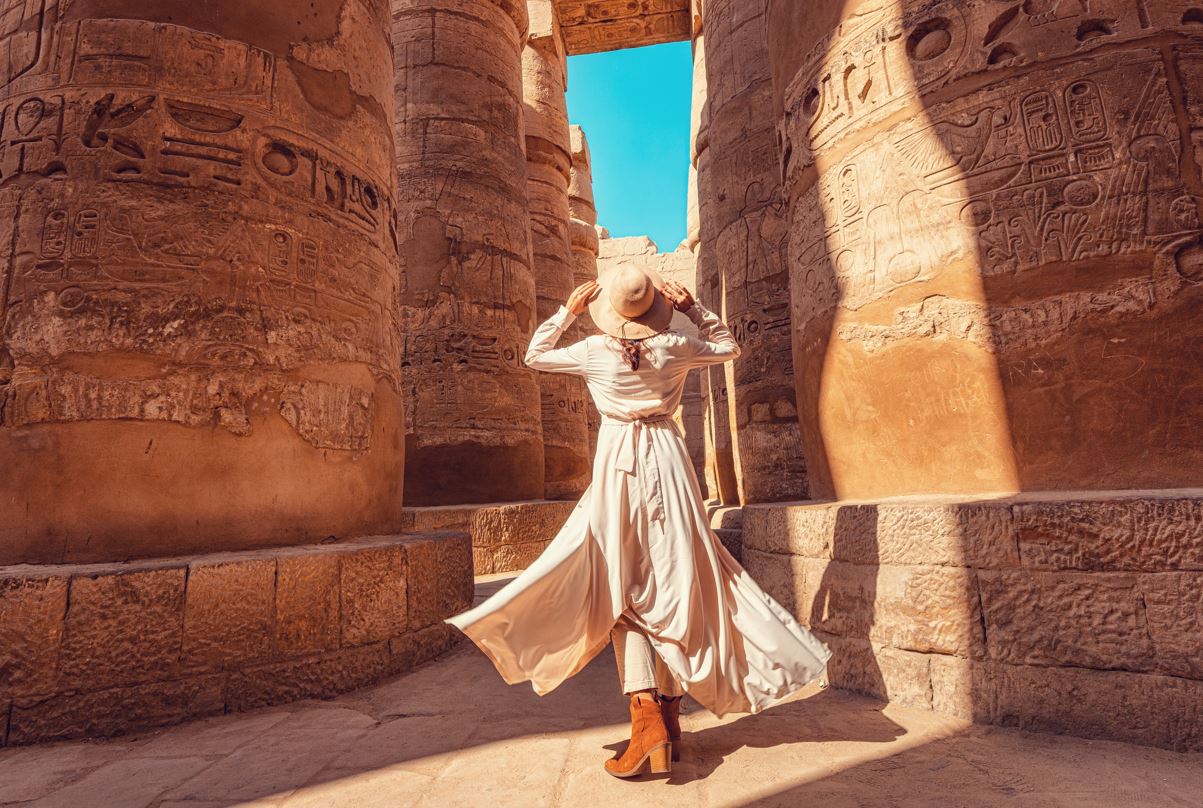
Egypt
Eritrea
Eswatini
Ethiopia
Gabon
Gambia
Madagascar
Mauritius
Morocco
Namibia
Republic of the Congo
Reunion
Rwanda
Senegal
Sierra Leone
South Africa
Tunisia
Asia
Although great strides towards re-establishing freedom of movement have been made in recent months, Asia remains one of the least-tourist-friendly continents, with only 16 countries out of 48 having returned to their 2019 entry guidelines. Fortunately for tourists, all major tourist hotspots, such as Thailand, Malaysia, the Maldives, and Japan have dropped all Covid curbs:
Armenia*
Bhutan
Brunei
Cambodia
Georgia*
India
Kazakhstan
Kyrgyzstan
Malaysia
Maldives
Mongolia
South Korea
Taiwan
Thailand
Uzbekistan
Vietnam
*Armenia and Georgia are variously described as European, Asian, or cross-continental. On Kayak, they are listed as Asian countries.
The Caribbean
The go-to winter destination for Americans flying abroad, the Caribbean continues to experience arecord surge in demand now that most islands have either relaxed entry rules or lifted them altogether. If it’s relaxation you’re after, sipping margaritas with an emerald ocean for a view as the political noise fades in the background, these are your top picks:
Anguilla
Antigua and Barbuda
Aruba
Barbados
British Virgin Islands
Cayman Islands
Cuba
Curacao
Dominica
Dominican Republic
Grenada
Guadeloupe
Jamaica
Martinique
Puerto Rico*
Saint Barthelemy
Saint Kitts and Nevis
Saint Lucia
Saint Vincent and the Grenadines
St Maarten
The Bahamas
Trinidad and Tobago
The U.S. Virgin Islands*
*Flying to Puerto Rico or the U.S. Virgin Islands, Americans are not required to bring a passport as they are domestic destinations part of the U.S.
Central America
From Costa Rica’s tropical jungles to the historic Mayan ruins lining the Belize-Guatemalan border, Central America is highly sought-after for its nature, high affordability, and cultural wealth, especially now that vaccination restrictions no longer apply. Recently, it even surpassed Europe as the number-one destination for solo travelers:
Belize
Costa Rica
El Salvador
Guatemala
Panama
Europe
By far the easiest continent to navigate in the present-day, Europe is completely open for tourism and business as usual. Driving along the coastal route connecting France to Spain, taking a scenic train from Italy into Switzerland, or flying anywhere within the European Zone, unvaccinated Americans have nothing to worry about:
Albania
Austria
Belarus*
Belgium
Bosnia and Herzegovina
Bulgaria
Croatia
Cyprus
Czech Republic
Denmark
Estonia
Faroe Islands
Finland
France
Germany
Gibraltar
Greece
Hungary
Iceland
Ireland
Italy
Jersey
Kosovo
Latvia
Liechtenstein
Lithuania
Luxembourg
Malta
Moldova
Montenegro
Netherlands
North Macedonia
Norway
Poland
Portugal
Romania
Russia*
Serbia
Slovakia
Slovenia
Spain
Sweden
Switzerland
Turkey
United Kingdom
*All travel to Belarus and Russia is currently discouraged due to the latter’s ongoing aggression against neighboring Ukraine.
The Middle East
Traditionally a more conservative region where Covid rules can be infamously strict, the Middle East is currently more accessible than it has been since March 2020, with 10 countries marked as ‘fully open’ on Kayak. One of them, the pro-Western Israel, has been named the best fall & winter travel destination by Travel Off Path this year.
Afghanistan
Bahrain
Israel
Jordan
Kuwait
Lebanon
Oman
Qatar
Saudi Arabia
United Arab Emirates
North America
With the notorious omission of the United States, North America’s restriction-free circle comprises five nations. Out of those, Mexico has been the determined champion of a free world, keeping its borders open throughout the pandemic and removing all Covid-related formalities, which were very few to begin with, as early as January:
Bermuda
Canada
Greenland
Mexico
South America
Believe it or not, a majority in South America continues to openly discriminate against unvaccinated U.S. travelers, expecting them to undergo testing ahead of flying and, in some cases, fill out an entry form that enables contact tracing. All hope is not lost, as the below hubs have long ceased enforcing health mandates at their borders:
Argentina
Ecuador
Falkand Islands
French Guiana
Guyana
Paraguay
Peru
South Pacific
Lastly, 10 out of 15 sovereign states in the South Pacific region have scrapped mandatory vaccination, testing, and self-isolation practices, accepting all visitors under the same set of pre-Covid rules. We’re not sure about you, but Australia’s golden sand beaches or those recluse Polynesian all-inclusive resorts have never looked as appealing as they do now:
American Samoa
Australia
Cook Islands
French Polynesia
Guam
New Caledonia
New Zealand
Papua New Guinea
Samoa
Vanuatu
It is worth noting there are many more countries unvaccinated Americans can enter by presenting a negative pre-departure test, such as Brazil and Colombia, or an accepted proof of recovery. In this article, however, we have included only countries and territories where no health-related requirements apply and where tourism is subsequently hassle-free.
In order to keep up with all the latest border reopenings and other news affecting American travelers, please visit this link.
I just spent a whole day exploring one of Europe’s poorest countries, where there are no shimmery Eiffel Towers, Mediterranean sunsets, or wide leafy boulevards lined with designer shops – and I almost couldn’t believe I was still in the same continent.
Comprising Southeastern Europe, the Balkan Peninsula is officially home to 12 nations, which all share a common culture and an intertwined History. It is also my go-to destination, home to gorgeous beaches and UNESCO-listed sites, the tastiest food, and beautiful, incredibly affordable citiesyet to be discovered, far away from the Instagram hordes.
Having been to Croatia, Albania, and Western Turkey, I decided it was time to go deeper into the heart of the region and explore what is perhaps its least-visited state:
Welcome To Kosovo, Europe’s Youngest Nation
Out of 12 countries that are either fully, or partially Balkan, the small, newly-independent Kosovo was the one nation I kept avoiding as I country-hopped across the peninsula. While I had the opportunity to visit twice since first arriving in the territory all the way back in 2019, both misinformation and misleading travel advisories always discouraged me.
Although it is certainly not fighting a full-fledged war, at least not anymore, Kosovo is yet to establish amicable relations with Serbia, from which it declared independence unilaterally in 2007. The latter has repeatedly refused to accept Kosovar sovereignty, and to this day, some maps include Kosovo as a Serbian autonomous province.
But why does Kosovo’s independence claim continue to be challenged by Serbia more than a decade later?
For most of the 20th century, these two countries formed the now-defunct federal entity of Yugoslavia alongside Croatia, Slovenia, Bosnia and Herzegovina, Montenegro, and North Macedonia. Beginning in the 90s, Yugoslavia began to crumble, and one after the other, the federal republics within it seceded, rejecting Serbian rule, though not without struggle.
Carrying the scars of the 90s war, responsible for re-shaping Balkan borders and establishing at least six new countries, and expressing a strong will to re-assert its Albanian identity, Kosovo was the last former Yugoslav territory to hold an independence vote only 15 years ago: Europe’s youngest (partially recognized) nation.
Regrettably, the Kosovar referendum was deemed illegal by Serbian lawmakers on the basis that Kosovo was never a constituent republic within Yugoslavia, unlike Croatia, Slovenia, or the others. Fast forward a decade, and the legal imbroglio continues to have repercussions, with Kosovo’s international recognition being limited and disputes extending well into 2023.
There are four main reasons why the people of Kosovo do not feel attached to Serbia and may want to untangle themselves from the persisting ghosts of the Yugoslav era:
Kosovo is inhabited by Albanians, who form the vast majority of the populace (92%)
Naturally, the most widely-spoken language in Kosovo is Albanian, an Indo-European language markedly different from Serbian
The most followed religion in Serbia is Eastern Orthodoxy (69.9%); Kosovo is 95.6% Muslim
For most of the 20th century, the Kosovar demand for more autonomy within Yugoslavia was largely overlooked and violently repressed by Serbian-controlled Yugoslav forces, giving rise to a strong anti-Serbian sentiment within the territory
Now that you know why Kosovo’s status is disputed, it is time we understood how actually underdeveloped it is as a nation standing on its own and why that came to be:
Kosovo Is The Third Poorest Country In Europe
Due to its complex recent past, assuming that it is independent from Serbia, Kosovo has been named the third-poorest country in Europe, with almost 30% of the population, or 550,000 Kosovars, falling below the poverty line. In 2016, it had an unemployment rate of 34.8%, and a majority of families earned less than €6,000 per year.
In addition to a low Human Development Index, Kosovars struggle from:
Not being members of the European Union and having their movement in Europe severely restricted
Not being a part of NATO, which puts them at an increased risk of attacks by neighboring belligerent countries
Having the weakest passport in Europe; as of 2022, Kosovo passport holders need visas to enter most European countries, and they are only granted visa-free access to 41 countries worldwide
Refused admission in countries that do not recognize Kosovar independence and thus Kosovar-issued travel documents (Georgia, Moldova, Cuba, and others)
Kosovo, and the wider Balkan Peninsula, are indisputably European, being an integral part of the continent’s multicultural, multi-ethnic, and multi-faith character. However, they are a different flavor of Europe, lying outside the Brussels sphere of control and occasionally resembling Western Asia in terms of urban planning, culture, and infrastructure.
For the most part, there are no wide, tree-lined Belle epoque boulevards to be found here. Instead, you should expect streets crammed with overhead power cables and overflowing garbage in the style of Latin America’s run-down hoods. Additionally, Kosovo isn’t the ideal destination for tourists looking for the quintessential European sightseeing experience:
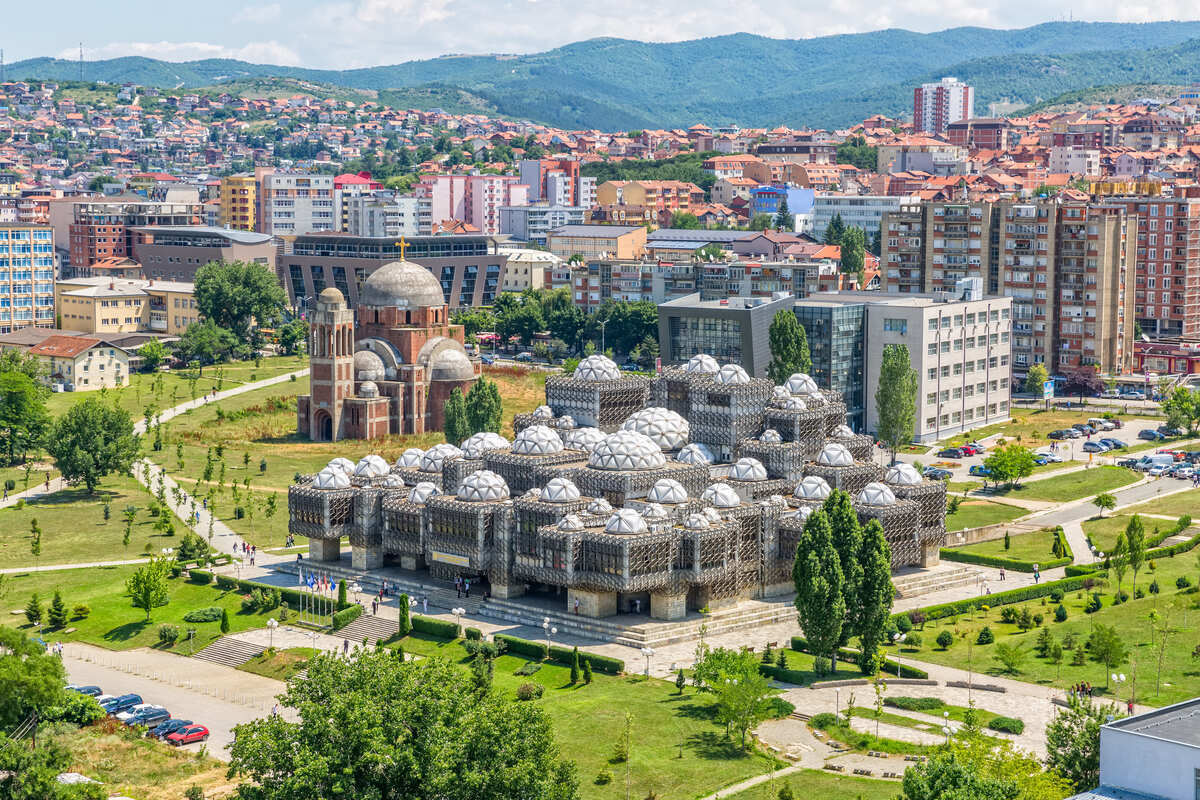
Several historical buildings in Pristina have either been destroyed or heavily damaged by bombing, and what’s left are a handful of medieval mosques and Serbian Orthodox Churches, modernist apartment blocks evocative of the communist years, and war memorials paying homage to the Kosovar Albanians who lost their lives fighting for autonomy.
So why, then, is Kosovo worth visiting?
Six Reasons Why Kosovo Should Be On Your Radar For 2023
Incredibly Welcoming Locals
The hospitality of Albanians precedes them, and upon arriving in Pristina, my first destination on this day tour, I was reminded why they have a reputation for being one of the most friendly people in Europe. Whether you’re shopping for souvenirs or simply asking for directions, you will feel their warmth and be greeted by genuine smiles.
From the few interactions with Kosovars I had during my excursion, I felt as if they were as elated as they were puzzled I was traveling there in the first place. Locals will go out of their way to make sure you feel welcome, be it eagerly sharing their customs and traditions, or pausing whatever it is they’re doing to help a tourist in need of assistance, without expecting anything in return.
We must remind ourselves this is a newborn country hosting less than 200,000 foreign tourists on average per year, and ensuring tourists have a good impression is in their best interest.
It Is Home To Beautiful Historical Sites
Kosovo may have been ravaged by war, and it’s true several of its historical monuments are either undergoing reconstruction or were razed to the ground, giving way to modernist buildings that wouldn’t be totally out of place in the bygone Soviet Union, but this does not mean there’s no architectural beauty to be found here, or an inestimable cultural value at that.
The Balkans are perhaps the most History-charged region in all of Europe, and Kosovo is no exception. One of the main points of interest in the country is the beautiful 14th-century Serbian Orthodox Gracanicka Monastery. Embellished by vibrant frescoes and atmospheric candles, it is one of a handful of UNESCO World Heritage Sites in Kosovo.
Yet another example of Orthodox architecture that’s been enlisted by UNESCO is the Patriarchal Monastery of Pec, located near the city of Peja, famous for its striking red exterior. Elsewhere in Kosovo, visitors can also admire the remnants of well-preserved 18th and 19th-century Ottoman houses.
Wandering the cobblestone streets of Prizren to the bewitching chants emanating from the nearby minarets, you will be transported back to the Anatolian heartland of Turkiye. Distinctly oriental in character, Prizren features an old Ottoman bridge arching over a clear river and imposing mosques glistening white against the surrounding green hills.
Some call it the prettiest city in Kosovo, and one of the prettiest in Southeastern Europe.
It must be something in the water… In recent years, Kosovo has been spawning an impressive streak of pop stars that are crossing over to the mainstream and making it big in America. Two of the most easily recognized artists whose families hail originally from here are the multi-platinum British artists Dua Lipa and Rita Ora.
Dua is, in fact, one of the most successful female artists of the streaming era with several top ten hits under her belt – with Don’t Start Now, Levitating, New Rules, and Physical to name a few – and other successful collaborations with world-renowned DJs and industry veterans like Elton John. Other than advancing the Kosovar cause, she’s been credited for ‘putting Kosovo’s name on the map‘ and reviving the country’s dying cultural scene.
Now, visitors to Pristina can attend an annual international music festival held in summer organized by Sunny Hill Foundation, headed by Dua Lipa herself and her father, Kosovo-born businessman Dukagjin Lipa. While she’s on tour, the singer is usually included in the line-up, which features other international acts and local Albanian artists.
Out of all 37 European countries I have set foot in, Kosovo has to be the one where my tourist dollars stretched the furthest. Even if you’re ready to splurge after being locked down at home for nearly three years, and you’re ordering every possible appetizer on the menu, getting a bill of more than 20 euros per person at a mid-range restaurant will be virtually impossible.
Additionally, entry to cultural attractions is, on average, €2 to €5 (such as the Gracanicka Monastery), making it incredibly affordable to explore over a few days or even a longer period of time. On average, the cost of living in Kosovo is 61.68% lower than in the United States, with monthly expenses without rent estimated at €359, or roughly $382.
An important piece of info: Kosovo has no official currency of its own, and they have adopted the euro unilaterally. It is by far the most widely accepted currency in the country, though it may be possible to find businesses that accept or exchange U.S. dollars, British pounds, or other popular currencies.
It’s Every Foodie’s Idea Of Paradise
Albanian food ranks among my favorite in Europe, mainly because it resembles other ethnic dishes concocted by the Turkish or the Greek, with ingredients that are always fresh, melt-in-your-mouth meat rolls, soup rich in spices and unique Balkan condiments, and a wide assortment of locally-sourced fruit and salted, soft cheeses.
Whether you’re in Kosovo, Albania, or any other Albanian-majority region of North Macedonia or Greece, rest assured you will be well looked after by your Albanian hosts. Some of my favorite picks are:
Fergese, a flavorful paste made mainly of tomato sauce, cottage cheese, green peppers, and garlic, served traditionally with bread
Byrek (the Albanian equivalent to the pan-Balkan burek), a flaky dough pastry filled with potatoes, spinach, meat, or cheese
Tarator, a cold soup containing sour yogurt, shredded cucumber, a few squeezes of lemon, and several teaspoons of salt
Speca te mbushura, rice-stuffed green peppers. In some Albanian regions, chopped lamb and/or tomatoes can be added
Qofte, meatballs that can be grilled, fried, or baked
Tave kosi, lamb baked in a melting pot of homemade yogurt, rice and eggs
Kosovo Is A Unique Country To Explore
Having traveled Albania extensively, I had the impression it borrows heavily from Italian and Greek cultures, resting cozily in its Southern European, Adriatic nook. To all effects, the Republic of Albania effortlessly fits all the Mediterranean criteria: pristine beaches, freshly caught seafood, Greco-Roman monuments, and laid-back vibes throughout.
Kosovo, on the other hand, is landlocked, and not only its cuisine but the locals’ way of life as a whole is entirely defined by its geographical features. You will not find an abundance of seafood here, though the traditional meat-heavy shqiptarë diet remains a defining trait, as does Albanian folklore and ethnic attire.
At the same time, it has incorporated other Turkish and Slavic influences, having spent centuries under Ottoman rule, and later in a state union with the South Slavic communities. The constant redrawing of the borders and influx of immigration from neighboring countries has given rise to a unique Kosovar identity that is closely related to Albania’s, but not exclusively Albanian.
This small, overlooked territory is, in essence, the Balkan Peninsula and all of its contrasting identities in a nutshell.
How To Get To Kosovo In 2023
Notably, there are no direct flights from the United States or Canada. Reaching Pristina from the Americas, U.S. travelers must change flights at least once. When it comes to one-stop connections, options are limitless: most of Europe’s major transit hubs, such as London Heathrow, Vienna, and Frankfurt, have established year-round air links to Kosovo.
Geographically, the closest country Americans can fly into is, ironically, Serbia. Belgrade is served by direct Air Serbia flights leaving from New York (JFK), with one-way fares starting at $618 this winter. Landing in Serbia, Kosovo-bound travelers are required to travel via land to the disputed territory (which Serbia continues to claim as its own).
Alternatively, international buses to Pristina depart from Skopje, in North Macedonia, and Tirana, Albania, as well as other select cities in the Balkans. Timetables may change depending on the date of the week, and tickets are normally purchased from the ticket office at bus stations. Fares range between $25 and $30 for return trips, though they can be more expensive depending on the transportation provider.
If you’re planning on taking the bus from Belgrade, the journey is usually hassle-free for those entering Kosovo after crossing into Serbia first. Americans who first cross into Kosovo, either via Pristina Airport or any other border crossing points with North Macedonia or Albania, and continue traveling onward to Serbia, will be barred.
The Problem With Entering Serbia After Crossing Into Kosovo First
As Belgrade considers Kosovo an integral part of its territory, border authorities have ruled that all non-Serbian nationals entering from the latter without a valid Serbian stamp on their passports will have crossed into Serbia illegally. Americans attempting to do should expect to be turned away at the border unceremoniously.
In sum:
Traveling from Serbia into Kosovo with Serbia as the initial entry point: perfectly legal in Serbia’s view (the same applies to re-entering Serbia after visiting Kosovo)
Traveling from Kosovo into Serbia without an initial Serbian entry stamp on your passport: illegal on Serbia’s part
Unless you are planning on visiting Serbia after Kosovo, you should not worry about these border disputes and complex technicalities. However, if you’re backpacking across the Balkans, and you would prefer not to get on the wrong side of a Serbian immigration officer, you must ensure you are stamped by them first.
To the best of my knowledge, previous visits to Kosovo that did not involve an accompanying visit to the northern neighbor should not pose an impediment for entry into Serbia in the future, unless you’re unlucky enough to run into hostile border staff, who may take their time questioning you over a fading stamp.
Want To Avoid All These Confusing Border Rules? Consider Booking A Private Tour Of Kosovo Instead
As I booked a private day tour of Kosovo leaving from Skopje, the capital of North Macedonia, located a short one hour and a half away, I entered via a land crossing point. The experience was rather smooth, and my incredible guide, Smile, from Skopje Daily Tours, handled all border formalities so I could worry about appreciating the scenery instead.
I am not an enthusiast of guided tours myself, particularly those involving a group. Personally, I prefer exploring new destinations at my own pace, and usually with enough time to have a couple of days at leisure. Unfortunately, this time round, I would be flying out of the Balkans on the very next day, and being so short on time, booking this private visit was the right call:
It is considerably more expensive than an excursion, but you have more freedom to personalize your itinerary and get to know your driver/guide a little better
Guides working for Skopje Daily Tours are Historians, or Geopolitics experts with extensive knowledge of Kosovo – and you’re free to ask them any questions you may have about the Balkan conflict
Traveling by car with an authorized guide, there is less waiting at land borders – buses are normally checked thoroughly to ensure there are no smugglers and that they meet certain standards until they are allowed to cross
No stops at the usual tourist traps or overpriced souvenir shops: your guide will ensure time is optimized and that you have the best possible experience, eating in reasonably-priced restaurants and seeing truly relevant sites
Prices for a private day tour of Pristina and Prizren, two of Kosovo’s main cities, start at €55.
Safety
Reading travel advisories on Kosovo, I’d be surprised if anyone decided to visit at all. In general, Western countries make notes on the unsolved Serbo-Albanian quarrel, warning their citizens of higher crime levels, ‘high tensions’ along the border with Serbia, and the threat of terrorism and violent demonstrations.
Kosovo is indeed a country with deep-rooted issues that is yet to fully achieve peace and normalize relations with its Slavic neighbor, but visiting the main tourist zones, namely the cities of Pristina and Prizren, phone in hand and speaking English unashamedly, I felt as safe here as anywhere else (in the Balkans).
Walking in Pristina, my limited knowledge of Albanian was my only concern being approached by friendly, smiling natives at local cafes or shops, who seemed as delighted to be running into a foreign guest as I was for visiting. One must bear in mind Kosovo is definitely not one of these European hotspots suffering from overtourism – on the contrary.
With that being said, I refrained from touring North Mitrovica, Leposavic, Zubin Potok, and Zvecan, where confrontations between Albanians and Kosovo’s ethnically Serbian residents have been known to erupt with little warning and restricted my movements to Pristina’s city center and the Old Town in Prizren, popular sightseeing areas.
On top of that, I was accompanied by an experienced guide who ensured I would not deviate from the touristic path and put myself in harm’s way. Unless you are directly involved with paramilitary groups or extremist organizations, and you’re not actively looking for trouble (e.g. wandering heavily patrolled borders), trouble will not come to find you.
Rules For Entering Kosovo In 2023
Kosovo has removed all of its Covid entry requirements since May 2022.
Vaccination is no longer a prerequisite for entry
There is no testing regime in place prior to, upon, or after arriving
Travelers are not expected to stay in isolation for a period of time after arriving
There are no online forms or pre-flight registrations to be made flying to Kosovo
Bottomline
This tiny, newly-independent state, plagued by ethnic conflicts and that’s yet to fully recover from a bloody war, is finally finding its footing as an off-path tourism hub. Although it is quite a way-off from other more developed neighbors, it has a lot of unexplored potential to charm tourists who usually flock to Western Europe.
Yes, it has somewhat of a reputation for being a little rough around the edges, but Kosovo is a beautiful place to explore… If you know where to look.